A restaurant buying fish maw for a ten-course banquet and a supermarket buying it for a 200 g shelf pack are not really buying the same product, even when the invoice uses the same name. The right grade, format and pack depend on what the ingredient has to do: anchor a signature dish, flavor a stock, sit in a gift box under shop lighting, or sell week after week at an everyday price. Buyers who start from the application tend to spend less and field fewer complaints than those who start from a supplier’s grade list.
This guide is written for chefs, foodservice buyers, category managers and brand owners choosing premium seafood ingredients for restaurants and retail. It covers matching grade to use, working out cost per portion, keeping quality consistent between orders, choosing between dried and ready-to-cook frozen formats, retail labeling, seasonal planning, and how to evaluate a supplier before committing to a program.
Key takeaways
- Choose grade by application: pay for appearance where the customer sees it, and use broken or smaller grades where flavor is what counts.
- Compare offers on cost per usable portion after soaking and trimming, not on price per kilogram.
- Written specifications, retained reference packs and approved lot photos keep repeat orders consistent.
- Ready-to-cook frozen formats trade freezer space and freight on water weight for lower labor and more predictable portions.
- Plan festive and private-label programs months ahead, and confirm allergen, origin and language labeling for each market.
Start from the dish or the shelf, not the grade list
Premium dried seafood is graded mainly on size or count, shape, color, dryness and freedom from defects. Those attributes matter enormously in some applications and very little in others, so the first question is always what the customer will actually see and taste.
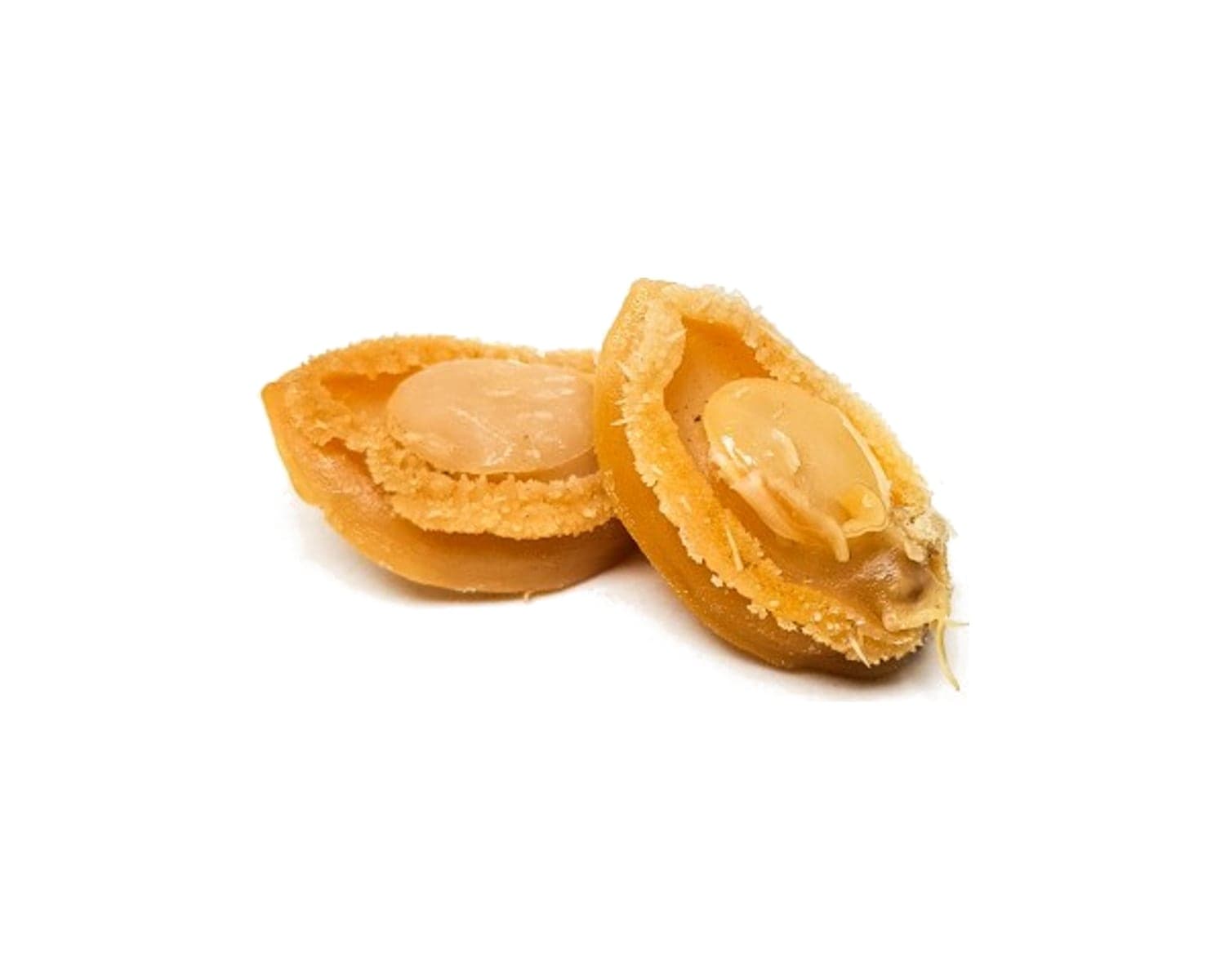
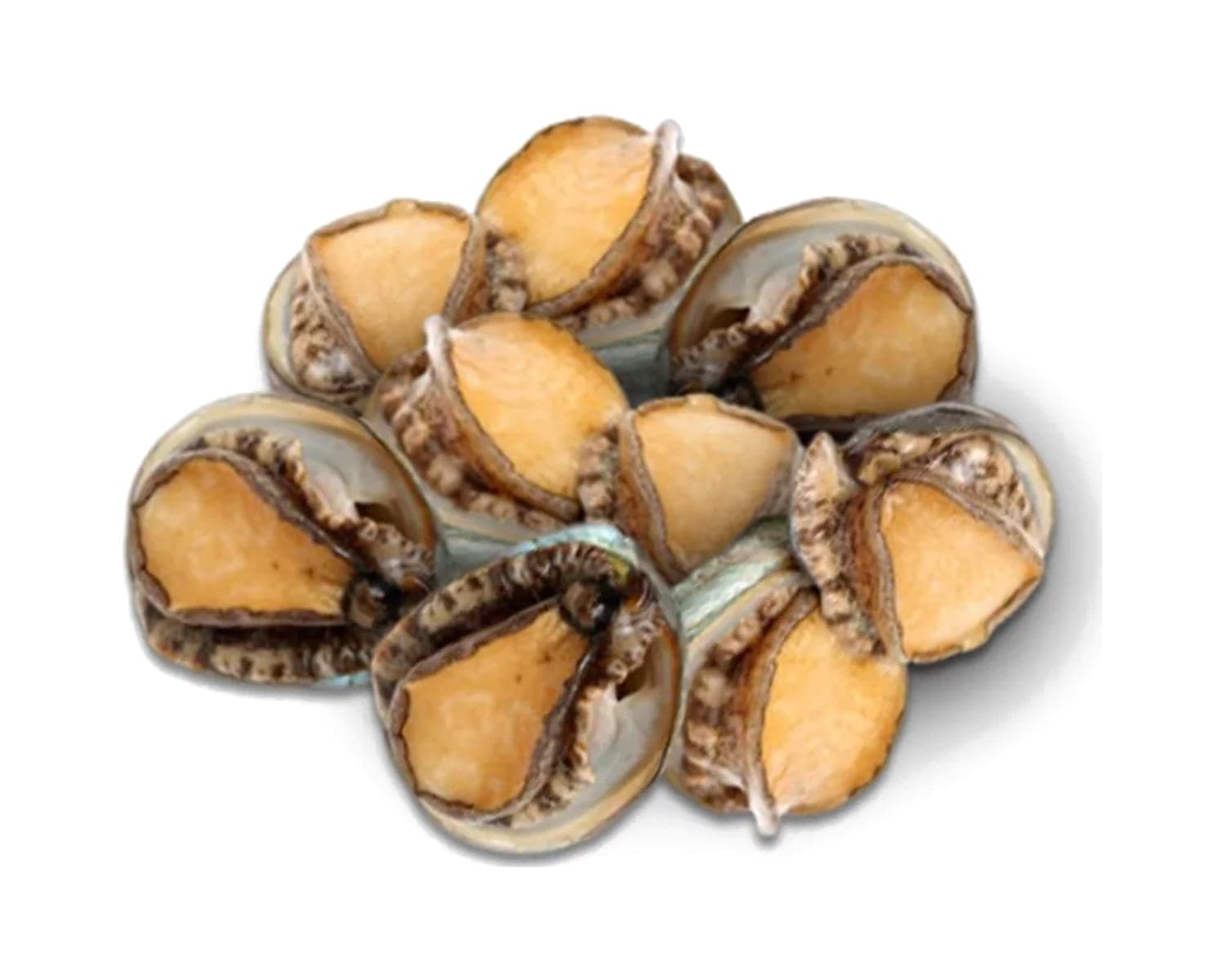
- Banquet and signature dishes. The ingredient is the centerpiece, served whole or in visible pieces, so uniform size, intact shape and clean appearance justify a top grade — whole dried abalone by head count, large fish maw, or spiky sea cucumber at a tight count per kilogram.
- Soups, stocks and braises. Flavor and yield outweigh looks. Broken conpoy, smaller or split fish maw, broken sea cucumber and dried shrimp give the same depth of taste at lower cost, because nobody sees the pieces whole.
- Retail gift boxes. Visual uniformity, color and presentation dominate, together with pack integrity and shelf life. Shoppers judge pieces through a window, and two or three misshapen ones can undermine the whole box.
- Everyday retail packs. Consistency, a dependable price point and clear preparation instructions count for more than top-grade size. Mid grades and well-sorted pieces usually fit this channel well.
A simple discipline is to write down, for each line, what ends up on the plate or in the pack. If the honest answer is ‘a rich broth’, a whole-piece grade is paying for an appearance that goes into the pot unseen.
Cost per plated portion, not cost per kilogram
Price per kilogram is the number on the quotation, but it rarely decides the margin. For dried products, the figure that matters is the cost of each usable portion once the ingredient has been soaked, trimmed and cooked. A practical way to establish it:
- Record the dry weight that goes into the soak.
- Weigh the product after rehydration and trimming to find the usable yield.
- Divide the dry purchase cost by the usable weight to get a cost per usable kilogram.
- Multiply by the portion weight, then add the labor, energy and refrigerated space consumed during preparation.
- Repeat across two or three lots before treating the result as reliable.
Two lots quoted at much the same price per kilogram can produce noticeably different portion costs if one rehydrates more fully or loses less to trimming and breakage. A grade that costs more per kilogram but expands well and holds its shape can turn out cheaper per plate. Our sea cucumber rehydration guide shows how species and processing style feed into this calculation.
Keeping quality consistent from order to order
Restaurants build dishes around a particular texture and piece size; retailers print weights and counts on their labels. Either way, the tenth delivery needs to match the first. That is far easier to secure when expectations are written down rather than remembered.
- A written specification for each line: species with scientific name, origin, count or size range, processing style (for example light-dried or salted), expected moisture, permitted breakage and packing format.
- Reference packs retained from the approved lot, sealed and correctly stored, so that later deliveries can be compared side by side.
- Approved lot photographs taken against a ruler on a neutral background, which can be sent to the supplier whenever a new lot is offered.
- Lot codes on every carton, logged on receipt, so that feedback can be tied to a specific production batch.
Natural products vary with season and harvest, so a sound specification sets tolerances rather than demanding identical pieces. Clear tolerances also give buyer and supplier a fair basis for settling any dispute.
Dried or frozen ready-to-cook: the labor trade-off
Dried abalone and sea cucumber need several days of soaking, cleaning and slow cooking by staff who know the process, plus refrigerated space throughout. In a specialist Cantonese kitchen that work is part of the craft. For a hotel group, caterer or busy restaurant without that expertise, it can be the largest hidden cost of the ingredient.
Ready-to-cook frozen formats move the work upstream. Frozen abalone and frozen sea cucumber arrive cleaned and ready to portion, which shortens preparation, reduces reliance on skilled staff and makes portion size more predictable. The trade-offs are freezer capacity, a frozen cold chain, freight paid on water weight, and a texture that some chefs feel differs from their own house-soaked product. Many operators run both: dried stock for signature dishes, frozen for volume service.
Retail packs, labeling and private label
Retail brings requirements that foodservice buyers rarely need to consider. Pack size has to match how customers cook — a family meal, a single soup or a gift — and the pack must protect a moisture-sensitive product for its full shelf life on a lit, heated shop floor.
- Pack sizes and formats: small resealable packs for everyday lines, rigid boxes with inner trays for gifting, and moisture-barrier films throughout.
- Shelf life and date marking: taken from the supplier’s specification and validated against your own storage and display conditions.
- Allergen declarations: fish, crustaceans and molluscs are treated as major allergens in many markets. The EU, for example, lists all three, while the United States lists fish and crustacean shellfish but not molluscs, so check the list that applies where you sell.
- Origin and species information: some markets require country-of-origin labeling for fish and shellfish, and some require the commercial name, scientific name or catch area on certain fishery products.
- Language and preparation: local-language labels, plus soaking instructions a non-specialist can follow.
Brand owners who want their own label can work from a supplier’s graded stock instead of building a supply chain from scratch. Our private-label packing program covers pack development, artwork coordination and lot coding; the brand owner remains responsible for confirming that final labels comply with the rules of each market where the product is sold.
Seasonality, festive demand and channel fit
Demand for premium dried seafood is strongly seasonal. Lunar New Year is the main peak for banquets and gifting, the Mid-Autumn Festival drives a second wave of gift boxes, and wedding banquet seasons add demand in some markets. Supply has its own rhythm: harvest seasons, drying weather and factory closures around Lunar New Year all shape what is available and when.
Plan festive programs months rather than weeks ahead. Allow for specification approval, private-label packaging lead times, shipping, customs clearance and distribution, as well as the congestion that builds in freight and production before the holiday. Late orders tend to narrow the choice of grades. The table below summarizes how priorities and formats typically differ by channel.
| Channel | Typical priorities | Suggested formats |
|---|---|---|
| Fine dining and banquets | Appearance on the plate, uniform size, texture, consistency between events | Graded whole abalone, large-format maw and low-count spiky sea cucumber; frozen ready-to-cook where labor is short |
| Volume foodservice and catering | Portion cost, preparation time, predictable yield | Frozen ready-to-cook abalone and sea cucumber, mid-grade dried lines, bulk cartons |
| Soup and stock kitchens | Flavor, yield, cost per batch | Broken conpoy, split or smaller fish maw, dried shrimp, broken sea cucumber |
| Premium retail and gifting | Visual uniformity, presentation, shelf life, pack integrity | Gift boxes with inner trays, graded whole pieces, whole-cup bird’s nest |
| Everyday retail and e-commerce | Price point, consistency, clear instructions, resealable packs | Resealable packs of e.g. 100–500 g, mid grades, private-label ranges |
| Food manufacturers | Specification compliance, documentation, continuity of supply | Bulk cartons of pieces or graded raw material to an agreed specification |
A supplier evaluation checklist
Before committing to a program, assess suppliers on criteria that predict long-term performance rather than the quality of the first shipment alone.
- Do they specify every offer in writing by scientific name, origin, grade and processing style?
- Will they share photographs of the actual lot and retain reference packs of the lot you approve?
- Can they provide the documents your market requires — for example health certificates, certificates of origin, catch certificates and CITES permits where applicable?
- Can they share any facility certifications held by the supplying plant, so that you can verify them independently?
- Is every carton lot-coded and traceable to its production batch and origin?
- How do they handle a lot that falls outside specification, and how quickly do they respond to a claim?
- Do their minimum order quantities, lead times and pack formats fit your volumes and calendar?
- Can they support private-label packing and festive programs if you need them?
A small trial order that states your target species, grade and intended application is a practical way to test a supplier against these points before volume is at stake.
This guide is general trade information, not legal or regulatory advice. Requirements differ by market and change over time; confirm current rules with your customs broker or competent authority before ordering.