- Private-label packing
- Export documentation
Marine Ingredients
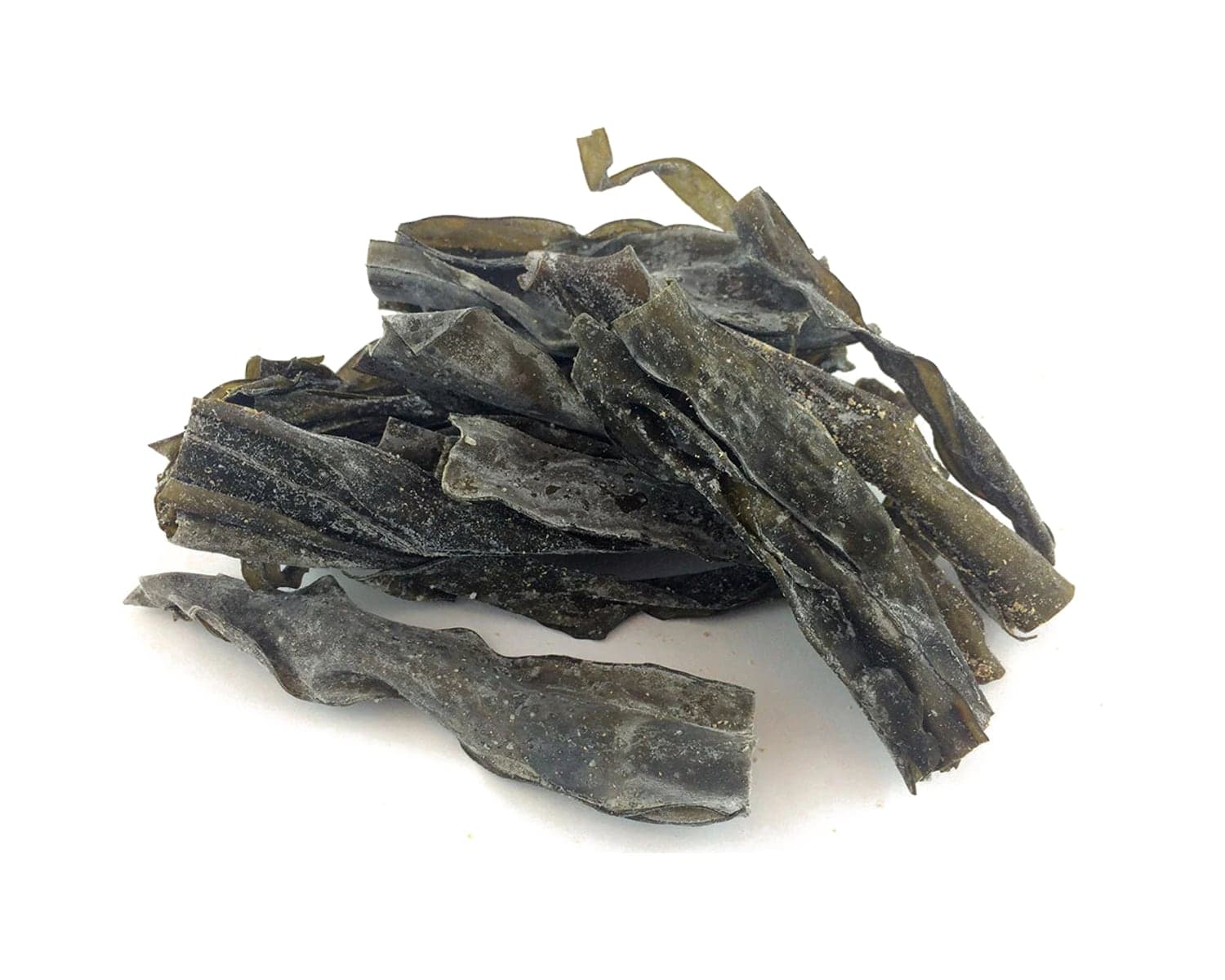
Wholesale Kombu and Kelp: Sheets, Dashi Cuts, Knots and Shreds
BSA Food Products supplies dried kombu and kelp in whole sheets, dashi cuts, knots and shreds to stock makers, Japanese and Chinese kitchens, importers and food manufacturers, graded by thickness, width, color and cleanliness.
- Whole sheets, dashi squares, knots and shreds
- Graded by thickness, width, color and cleanliness
- Hokkaido regional types and Chinese and Korean farmed kelp
- Iodine and heavy-metal testing on request
- Cut sizes and unit weights for dashi-bag producers
Product Specifications
Indicative; confirmed per lot on each quotation.
- Origin
- Hokkaido regional kombu from Japan, and farmed kelp from Shandong, Liaoning and Fujian in China and from South Korea, declared per lot.
- Grade / Size
- Graded by frond thickness, width, length, color and surface bloom; dashi cuts by piece dimensions, knots and shreds by size.
- Form & Processing
- Sun- or machine-dried whole fronds, folded or flat; dashi cuts, knotted kelp and shredded kelp, dried or blanched-salted on request.
- Storage
- Store in a dry, ventilated room below about 25 °C and away from strong odors; damp conditions soften the fronds, dissolve the surface bloom and invite mold.
- MOQ
- Kombu trials start at 100 kg per grade, and program volumes move by the pallet or container.
- Lead Time
- 3–5 weeks from agreed specification; Japanese regional grades depend on the summer harvest and stock on hand.
Product overview
Kombu is the dried frond of Saccharina japonica and closely related kelps, the large brown seaweeds that anchor Japanese stock-making and appear throughout Chinese and Korean cooking. Grade differences show up directly in the pot: thick, wide, evenly dark fronds give a deeper savory stock than thin, pale or broken material, so we quote each lot by origin, harvest year, thickness band and width rather than by a generic label.
Supply comes from wild and farmed Hokkaido kombu in Japan, where regional types such as Rishiri, Rausu and Hidaka are traded under their own names, and from large farmed kelp crops in northern China and South Korea. After harvest the fronds are sun- or machine-dried, trimmed, and then folded into sheets, cut into squares and strips for dashi, tied into knots or shredded. A fine white bloom on the surface is mainly natural mannitol that crystallizes as the kelp dries; it is not mold, and kitchens should wipe rather than wash the kombu so that it is retained.
Before dispatch we check thickness and width against the agreed band, along with color, frond integrity, sand, shell, salt residue and moisture. Iodine content can be tested on request, which matters because kelp naturally accumulates iodine from seawater and some destination markets set limits or labeling rules for it; heavy-metal results can be added to the same laboratory report.
Restaurants and stock producers often combine kombu with dried scallops or dried fish for layered broths, and importers can add laver, wakame and hijiki from our edible seaweed range to the same consignment.
Specification sheet
Kelp and Kombu: full specification
Indicative values. Final specifications are confirmed per lot on the quotation and certificate of analysis.
| Species | Saccharina japonica and closely related kelps (declared per lot) |
|---|---|
| Origin | Hokkaido, Japan; Shandong, Liaoning and Fujian, China; South Korea |
| Grade | Thickness and width bands, length, color, frond integrity |
| Forms | Whole sheets, dashi squares and strips, knotted kelp, shredded kelp |
| Processing | Dried in the sun or by machine; blanched-salted knots and shreds on request |
| Moisture | Typically below 18%; confirmed per lot |
| Surface bloom | Natural white mannitol bloom retained; fronds not washed |
| Testing | Iodine and heavy metals on request, reported against destination limits |
| Shelf life | Typically 18–24 months sealed in dry storage |
| Documents | Commercial invoice, packing list, origin certificate and test reports as ordered; health certificate if required |
| Minimum order | Kombu trials start at 100 kg per grade, and program volumes move by the pallet or container. |
| Lead time | 3–5 weeks from agreed specification; Japanese regional grades depend on the summer harvest and stock on hand. |
FAQ
Kelp and Kombu: questions from buyers
How should buyers judge kombu quality for dashi?
Start with thickness and width: thick, broad fronds with an even dark olive-to-brown color generally give a fuller stock. Avoid lots with heavy breakage, damp patches or sand. Surface white bloom is expected and should not be washed off. If you are matching an existing dashi recipe, send us your current kombu or its specification and we will propose the closest grade and cut.
Is the white powder on the kombu a quality problem?
The fine white coating is not a defect; it is mainly natural mannitol, a sugar alcohol that migrates to the surface and crystallizes as the kelp dries, together with some salts. It is part of the product and contributes a mild sweetness to stock. Mold, by contrast, appears as fuzzy or colored patches with a musty odor, and any lot showing it would be rejected at our pre-shipment check.
Do you test kombu for iodine?
We test on request, because kelp accumulates iodine from seawater and some importing markets set maximum levels or require advisory labeling for seaweed products. We arrange iodine analysis, with heavy metals if needed, at a laboratory you accept and report the results against your destination’s rules. Values vary by origin, harvest and cut, so each lot is tested rather than relying on a generic figure.
Can you cut kombu to fit our dashi bags or stock recipes?
We can supply squares, strips or small chips cut to your dimensions and weight per piece, packed by count or by weight. Producers of dashi packs and instant broth often specify a fixed weight per unit, so we confirm cutting tolerance and fines content during lot inspection. Retail and own-brand formats are handled through our private-label service.
Related
Related products
Premium Marine Delicacies
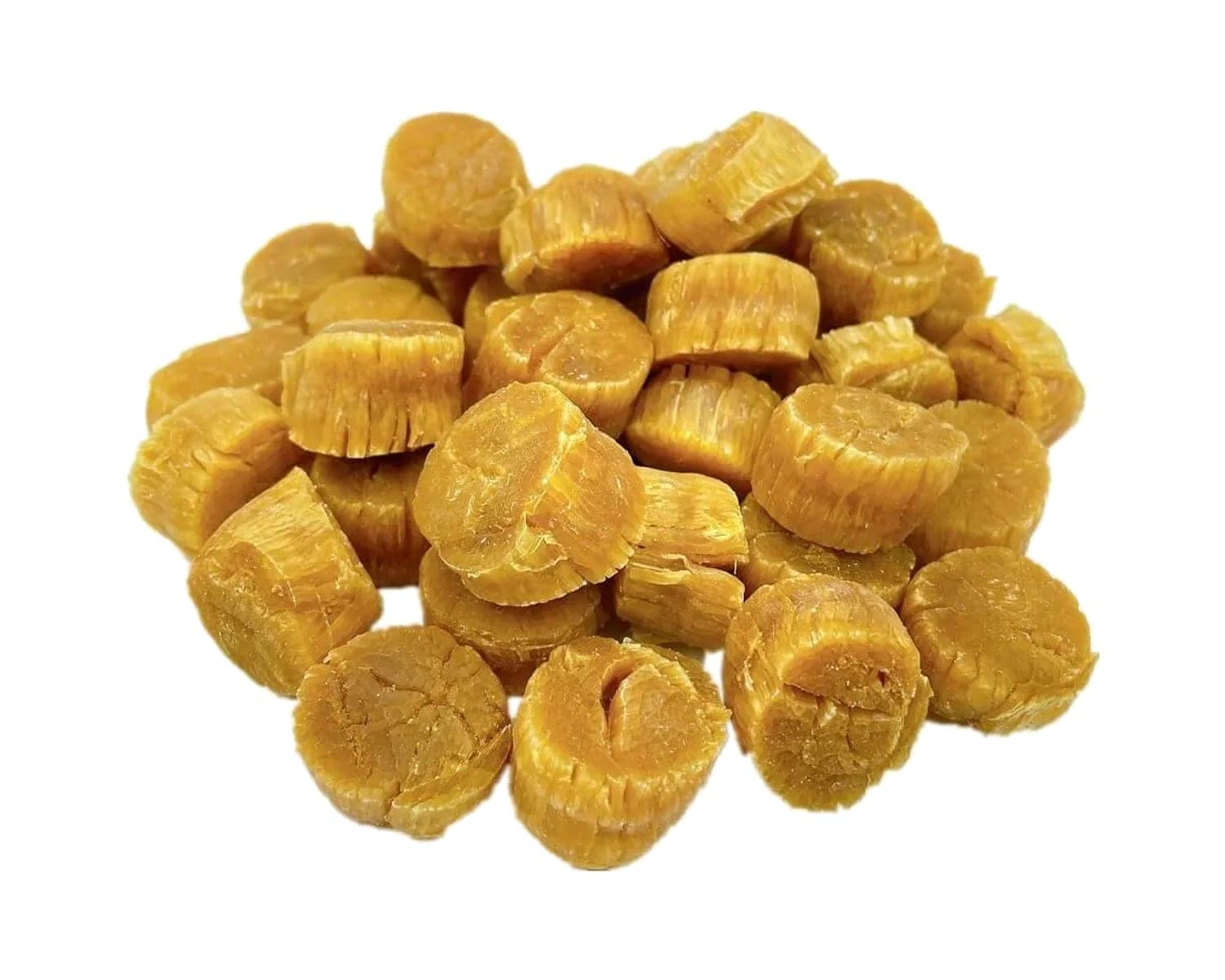
Dried Scallops (Conpoy)
Hokkaido, Aomori and Chinese adductors by diameter and count
Dried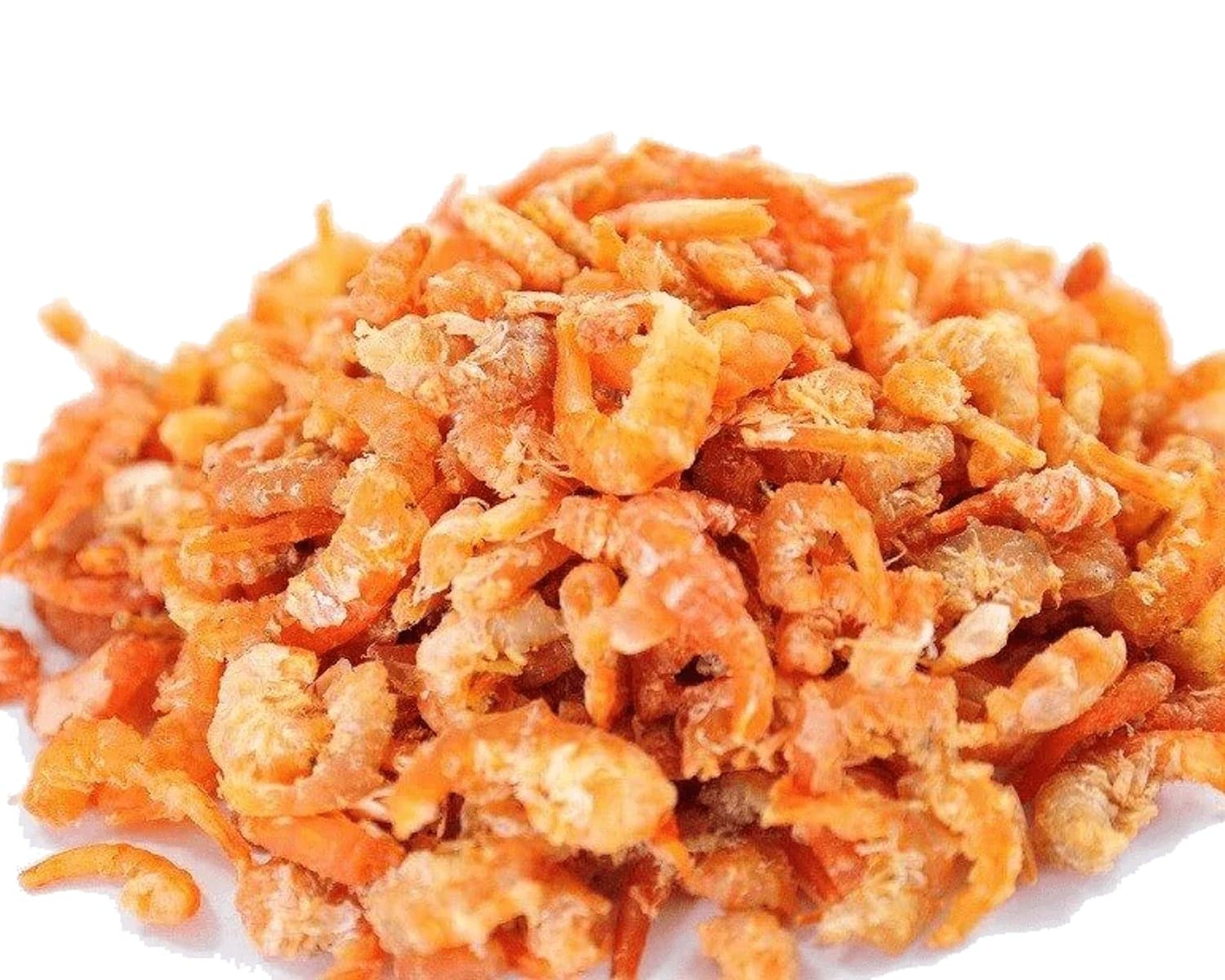
Specialty Dried Seafood
Dried Shrimp and Prawns
Peeled dried shrimp and shell-on prawns, sorted by size
Dried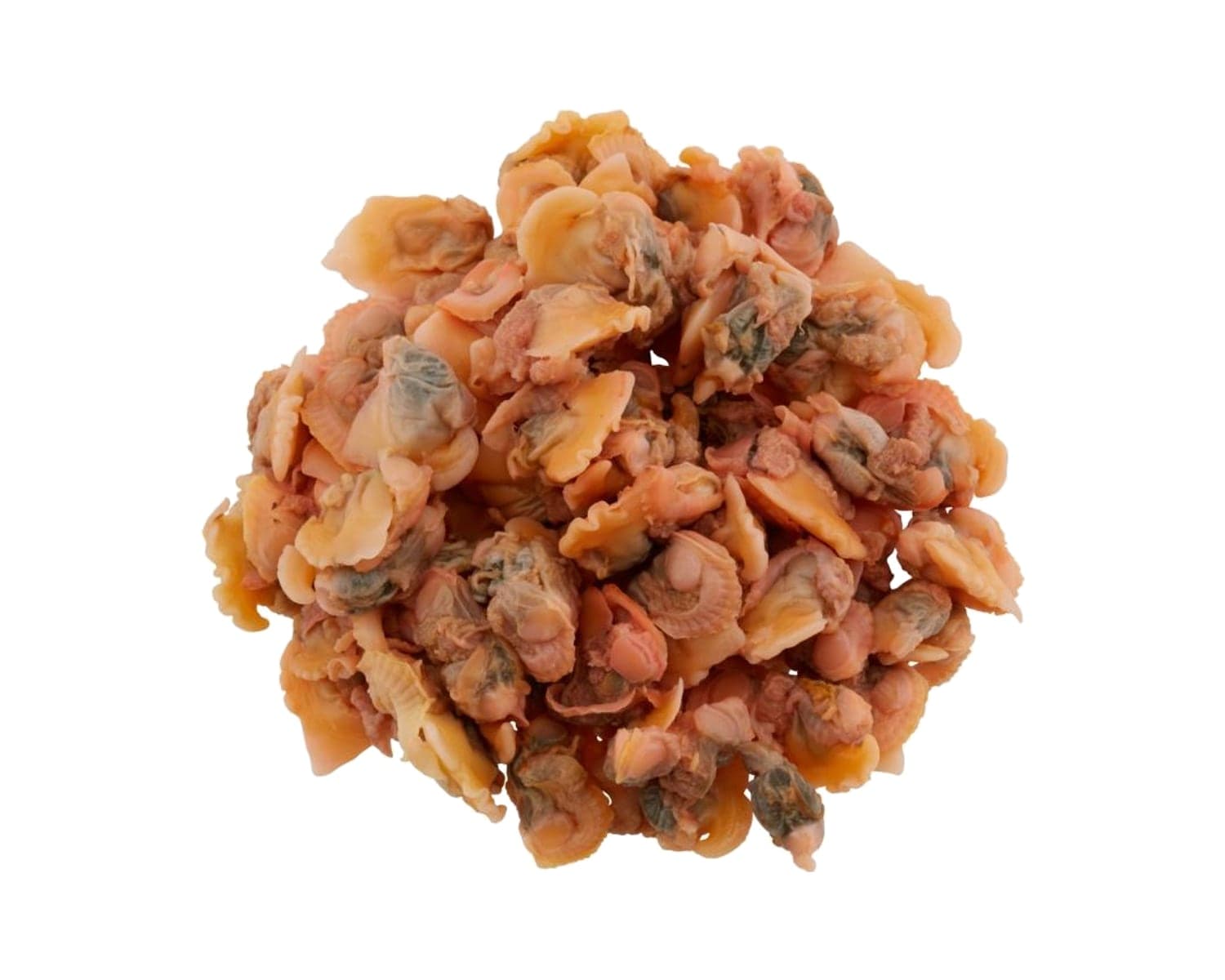
Specialty Dried Seafood
Other Dried Fish and Shellfish
Salted fish, anchovy, croaker, octopus and more, on request
Dried
Buyer guides
Species Profiles7 min read
Kelp and Kombu (Saccharina japonica): From Hokkaido Shores to the Stockpot
The brown seaweed at the heart of dashi: what kombu is botanically, how Rishiri, Rausu and Hidaka kombu differ, where farmed kelp comes from and how kitchens use each cut.
Read the guide
Storage & Handling7 min read
How to Store Dried Abalone, Fish Maw, and Dried Seafood
A practical guide to keeping high-value dried seafood in sound condition, from warehouse humidity control and chilled holding to handling after rehydration.
Read the guide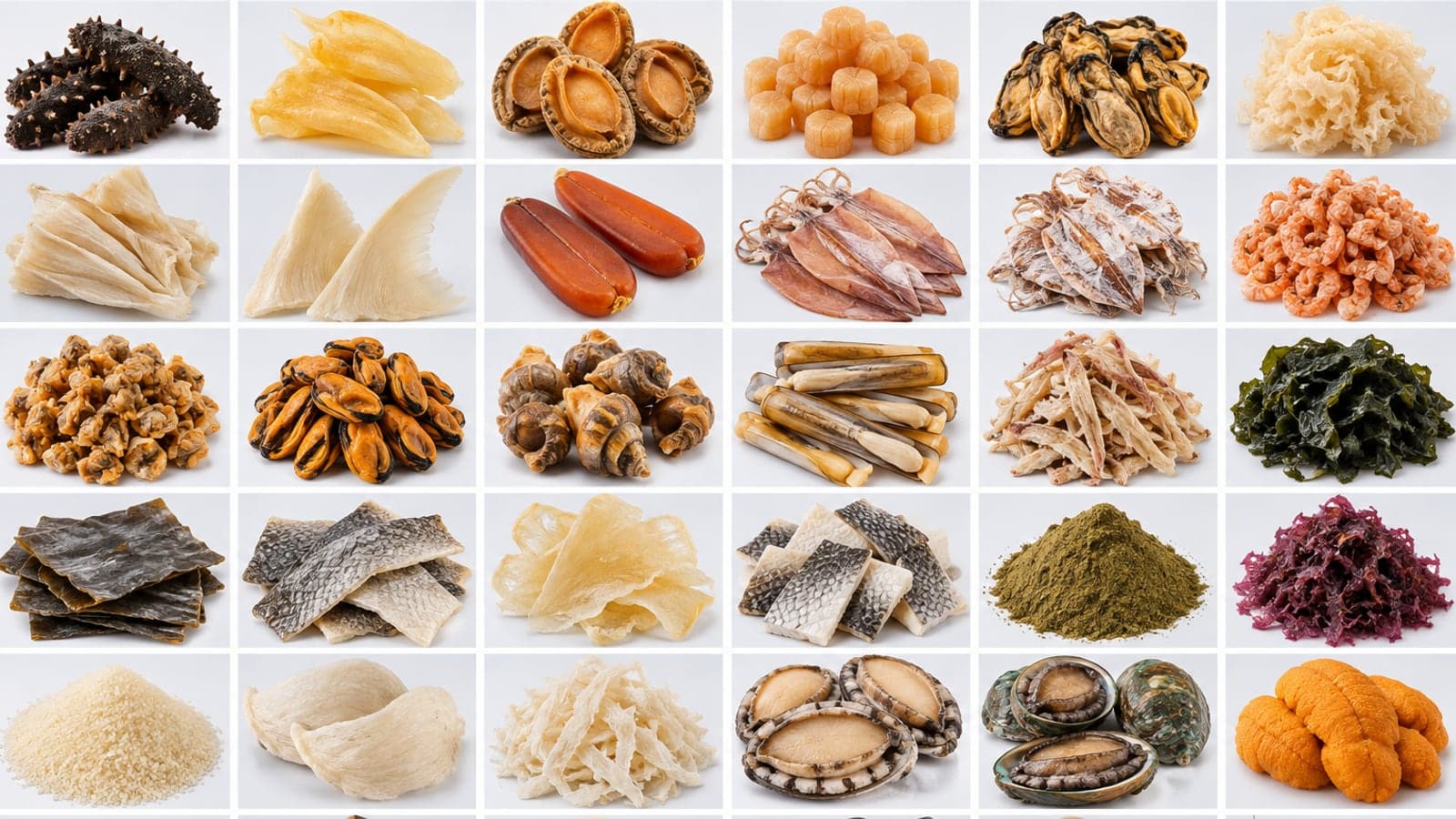
Import & Compliance7 min read
What Importers Need to Know Before Ordering Dried Seafood
The market-access, species, documentation, classification and commercial checks an importer should complete before placing a first order for dried seafood.
Read the guide
Request a quote
Request a quote for kelp and kombu
Share your target grade, packing, volume and destination. We confirm availability, documentation for your market and a formal quotation, usually within one business day.
- Grade, size or count required
- Packing format and labeling language
- Estimated volume and order frequency
- Destination port or airport and Incoterm
- Reference: Kelp and Kombu