- Private-label packing
- Export documentation
Frozen & Live Seafood
King Crab Legs, Clusters and Whole Crab, Sourced to Order
BSA Food Products sources red, golden and blue king crab against a written brief, as cooked and brine-frozen legs, clusters and whole crab or, where a route allows, live, with species, harvest area and catch documents confirmed before any offer is made.
- Red, golden and blue king crab, with the species named on every offer
- Cooked and brine-frozen legs, clusters, split legs and merus meat
- Legs graded by pieces per 10 lb carton; clusters by weight
- Live red king crab by air where the route and import rules allow
- Harvest area, vessel flag and processing country declared
- Sourced to brief for each season, not held in stock
Product Specifications
Indicative; confirmed per lot on each quotation.
- Origin
- Norway (Barents Sea), Alaska and other North Pacific fisheries for red, golden and blue king crab, and South America for southern king crab, with harvest area, vessel flag and processing country confirmed per offer and screened against destination restrictions.
- Grade / Size
- Legs by pieces per 10 lb carton (e.g. 6/9, 9/12, 12/14, 14/17, 16/20); clusters and whole crab by individual weight; live crab by a weight band agreed per order.
- Form & Processing
- Cooked in brine and brine-frozen with a protective glaze as single legs, clusters, split legs, merus meat or whole crab; raw frozen clusters and live crab by arrangement.
- Storage
- Hold frozen crab at -18 °C or colder, and nearer -25 °C where the packer recommends it; thaw slowly in the chiller and serve chilled or warmed briefly, since the meat is already cooked. Live crab goes into a cold seawater tank on arrival.
- MOQ
- Set by origin and grade; frozen legs and clusters usually from one pallet, and live crab by full air shipment where a route is feasible.
- Lead Time
- Typically 3–8 weeks for frozen product, depending on season and vessel schedules; allocations from a short fishery often need booking before it opens.
Product overview
King crab is bought for the leg: long, thick-shelled sections that crack open to reveal dense, sweet white meat, which is why restaurants, buffets and festive retail ranges plan menus around it. It is also a product we do not hold in stock. Each order is sourced against your brief from packers working the current season, because quotas, fishery openings and destination rules change the picture from one year to the next. This page sets out the species and formats we can look for and what a brief should specify, so that the overview of items sourced on request turns into a concrete king crab offer.
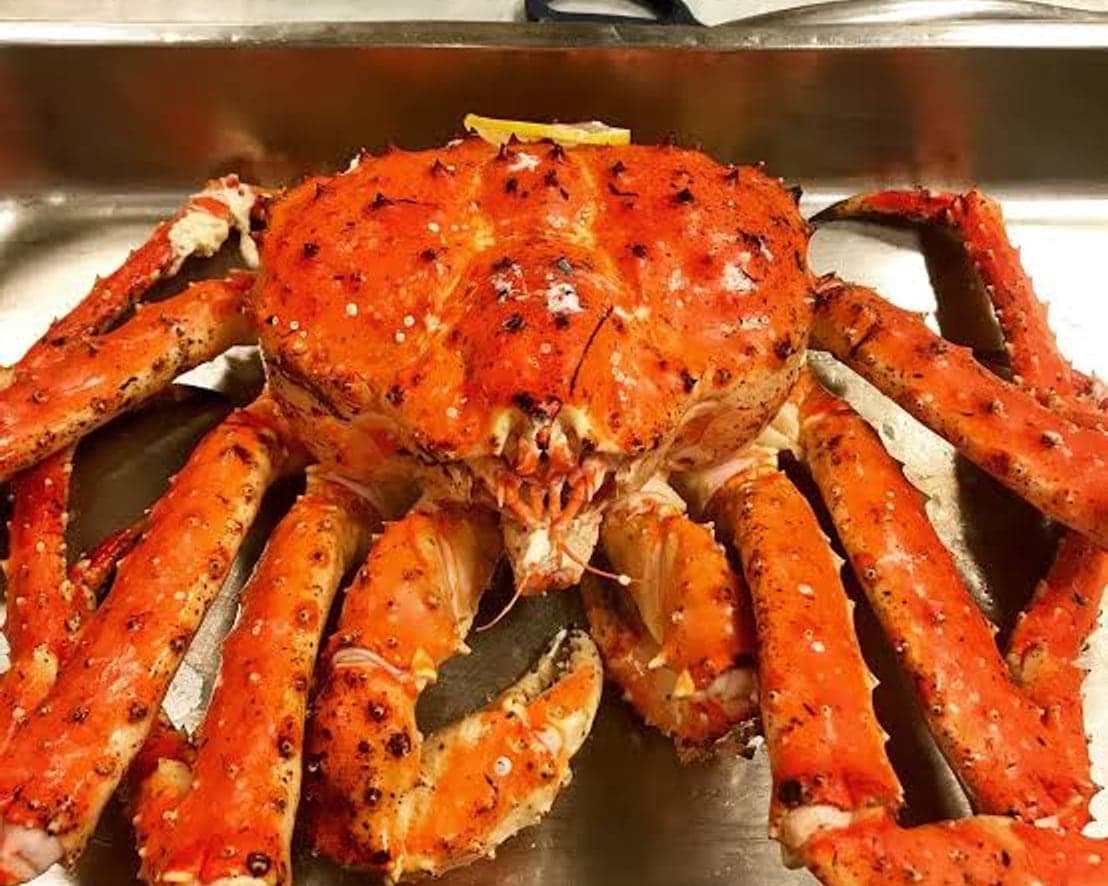
Three species make up most of the trade. Red king crab (Paralithodes camtschaticus) is the largest and most sought after, turning deep red when cooked and giving the highest meat yield per leg. Golden or brown king crab (Lithodes aequispinus) is smaller and lighter in the leg, with an orange-gold shell, and usually trades below red. Blue king crab (Paralithodes platypus) cooks to a similar red-orange color and comes from small fisheries with limited volume. Southern king crab (Lithodes santolla) from South America can be considered when a buyer asks for it. Species, harvest area, vessel flag and processing country are stated on every offer.
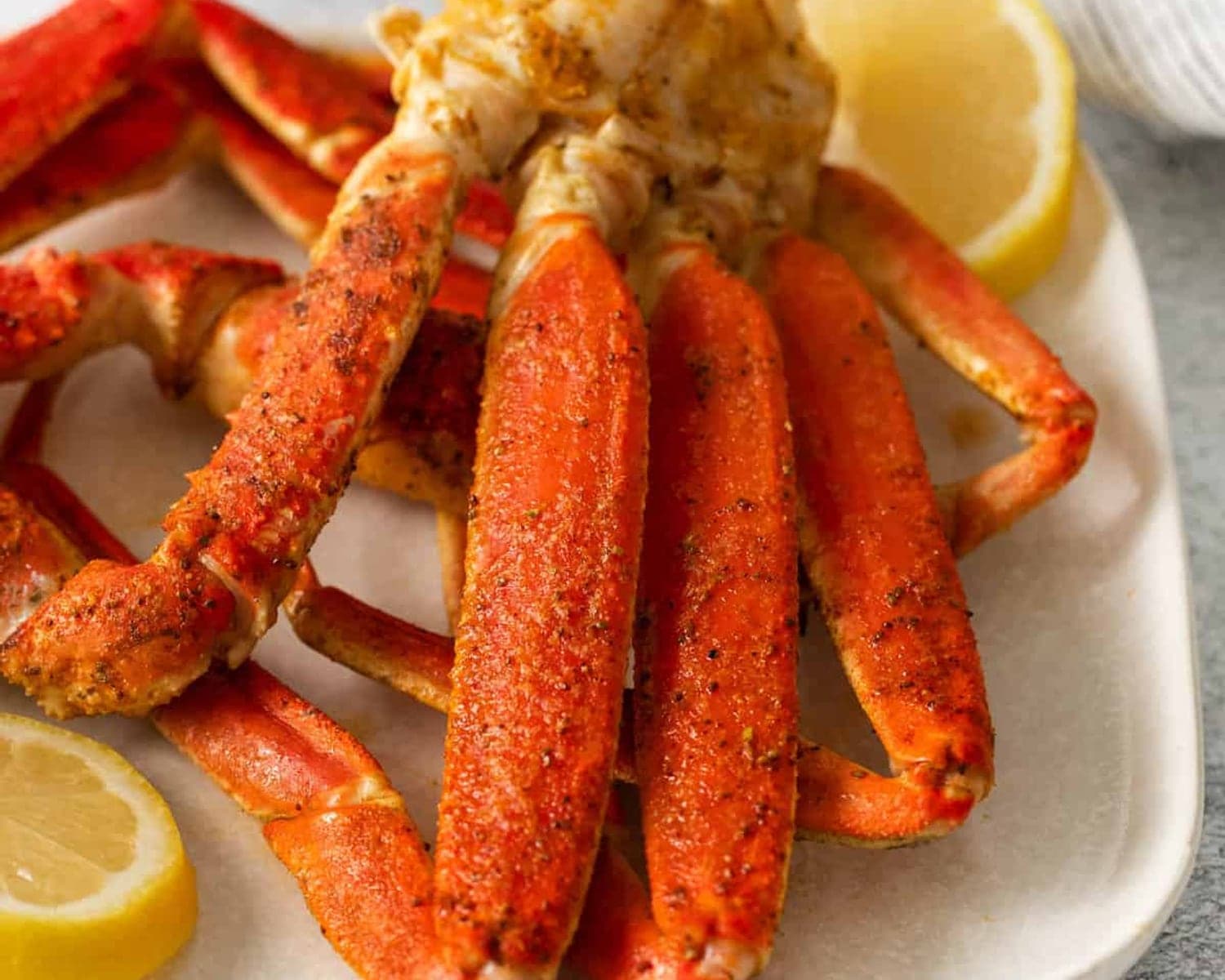
Most king crab is cooked in brine soon after landing, then brine-frozen and glazed. The standard formats are single legs, with the claw attached or packed separately; clusters of three walking legs and a claw joined at the shoulder; split legs, cut lengthwise for easy service; merus meat; and whole cooked crab. Legs are typically graded by the number of pieces in a 10 lb carton, for example 9/12 or 14/17, so a lower count means a larger leg, while clusters and whole crab are graded by weight. Raw frozen clusters are produced for some Asian markets. Glaze is declared as a percentage and net weight is quoted without it.
Live red king crab is flown from some origins, notably the Norwegian Barents Sea fishery, to restaurants with display tanks. It is the hardest format to deliver: the animals must be conditioned before packing, the route has to be short, and the destination must accept live crustaceans from that origin. We confirm all three before quoting, agree a mortality allowance in writing and ask for photographs of each box on opening. Where live supply is impractical, cooked frozen legs give the same presentation on the plate, and snow crab offers a lower-cost cluster for volume menus.
Specification sheet
King Crab: full specification
Indicative values. Final specifications are confirmed per lot on the quotation and certificate of analysis.
| Species | Paralithodes camtschaticus, Lithodes aequispinus, Paralithodes platypus; Lithodes santolla on request |
|---|---|
| Origin | Barents Sea, North Pacific and South America; harvest area and flag per offer |
| Formats | Cooked legs, clusters, split legs, merus meat, whole crab; live by arrangement |
| Leg grade | Pieces per 10 lb, e.g. 9/12, 12/14, 14/17, 16/20 |
| Cluster and whole grade | Individual weight band agreed on the offer |
| Glaze | Shown as a percentage of gross weight; net weight given ex-glaze |
| Temperature | -18 °C or colder; nearer -25 °C where the packer advises |
| Shelf life | As declared by the packer, commonly 12–18 months frozen |
| Documents | Catch certificate where the destination asks for one, health certificate, certificate of origin, packing list |
| Minimum order | Set by origin and grade; frozen legs and clusters usually from one pallet, and live crab by full air shipment where a route is feasible. |
| Lead time | Typically 3–8 weeks for frozen product, depending on season and vessel schedules; allocations from a short fishery often need booking before it opens. |
FAQ
King Crab: questions from buyers
Which king crab species should I specify?
It depends on the menu and the budget. Red king crab (Paralithodes camtschaticus) gives the thickest legs and the strongest visual impact, so it suits premium plates and whole-leg presentation. Golden king crab (Lithodes aequispinus) costs less per kilogram, has a slightly lower meat fill and works well for buffets and mixed seafood platters. Blue king crab appears in small volumes and is often sold alongside red. Tell us the dish and the price point you have in mind, and we will look at which species and origins are open that season.
What do leg counts such as 9/12 or 16/20 mean?
King crab legs are traditionally graded by how many pieces fill a 10 lb carton. A 9/12 grade means nine to twelve legs per 10 lb, each therefore large and heavy, while 16/20 means smaller legs and more pieces per carton. Some packers grade in metric units instead, and claws may be packed separately or left attached. Because conventions differ between origins, the offer states the unit, whether claws are included and the glaze percentage, so that you can compare suppliers on net meat rather than gross weight.
Are there restrictions on where king crab can come from?
Yes. Some markets restrict or ban seafood from particular origins, and in some cases the rule follows the harvest origin even when the crab was cooked and packed in a third country. Others require a catch certificate validated by the flag state. We therefore name the fishing area, vessel flag and processing plant on the offer and check them against your destination before quoting. If the only supply available comes from an origin your market does not accept, we say so plainly. Our export specialists can review the paperwork with your broker in advance.
Can you supply live king crab?
Where the route allows, yes. Live red king crab moves by air in insulated boxes kept cold and damp, and the animals must be rested and checked before packing. Survival depends on total door-to-door time, so we look at flight connections, clearance at your airport and whether your market accepts live crustaceans from that origin before quoting. A mortality allowance is agreed in writing, and you will need tank space ready on arrival. Where those conditions cannot be met, cooked and brine-frozen legs are the dependable alternative.
Related
Related products
Frozen & Live Seafood
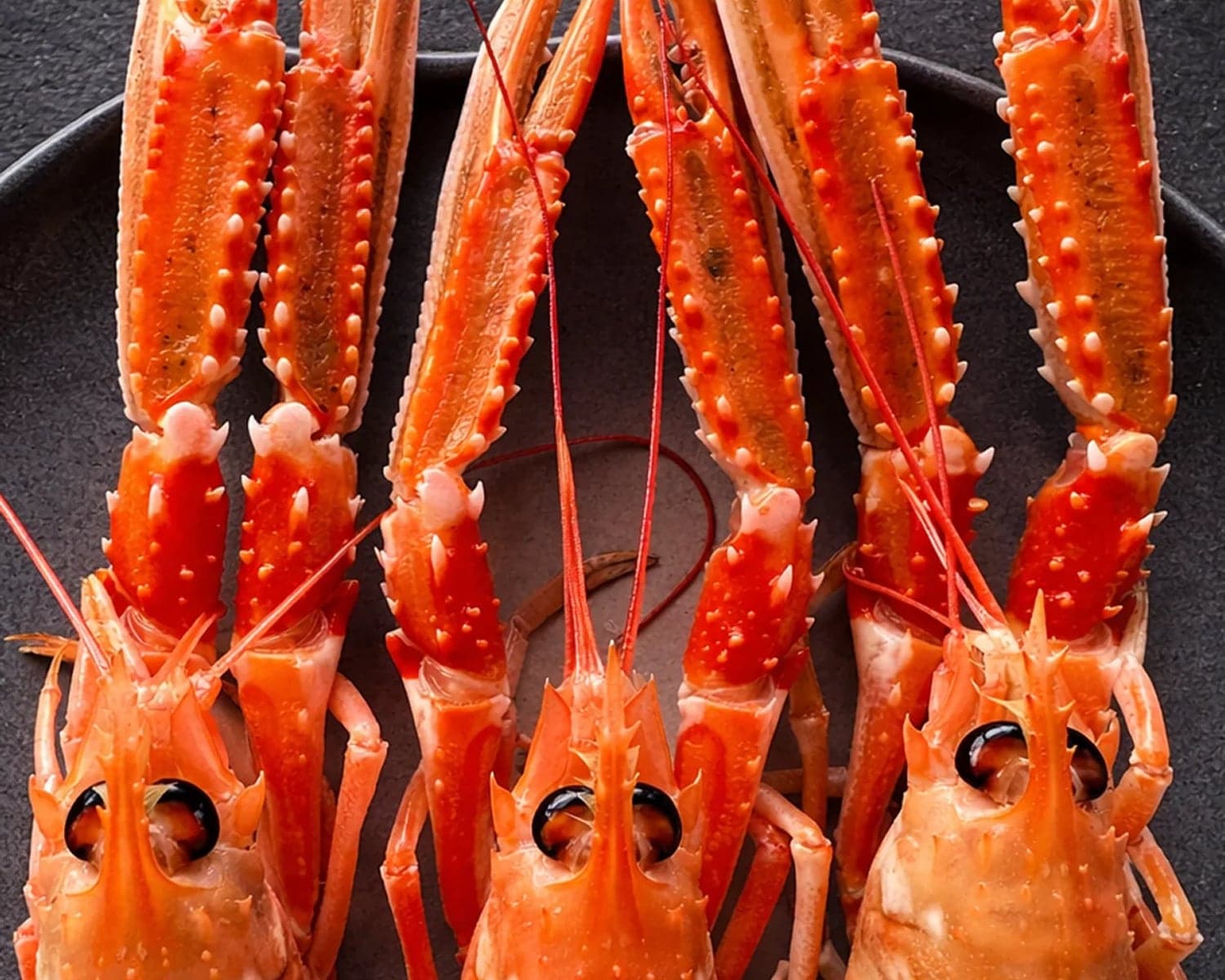
Langoustine
Nephrops whole or as tails, frozen or live, graded by count per kg
Frozen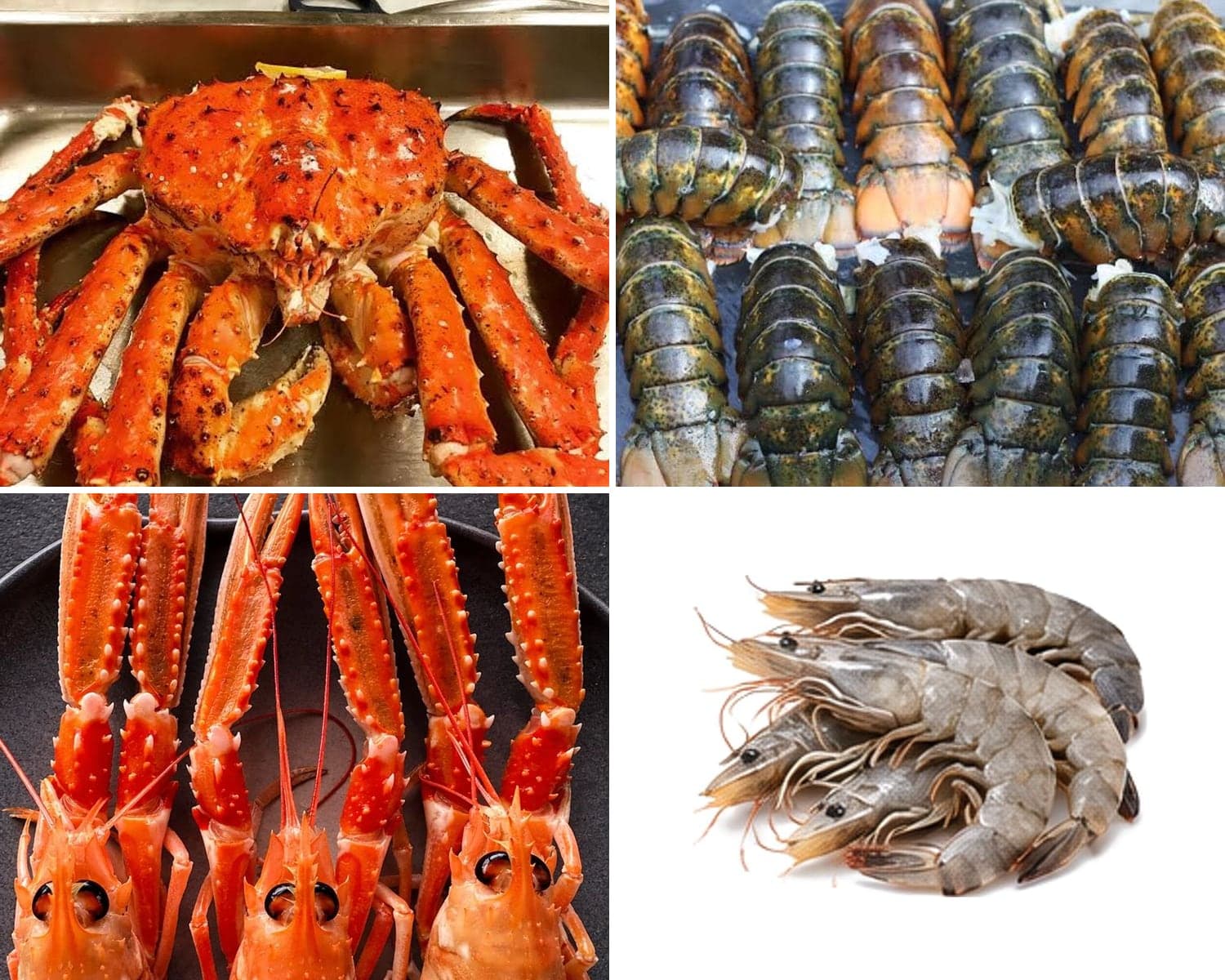
Frozen & Live Seafood
Selected Premium Marine Products
Crab, lobster, langoustine, geoduck and shrimp, sourced to brief
Frozen
Buyer guides
Species Profiles8 min read
King Crab Species Explained: Red, Blue, Golden and Southern King Crab
How red, blue, golden and southern king crab differ, how the animal grows, which fisheries land it and when, and how to tell it from centollón, snow crab and imitation crab.
Read the guide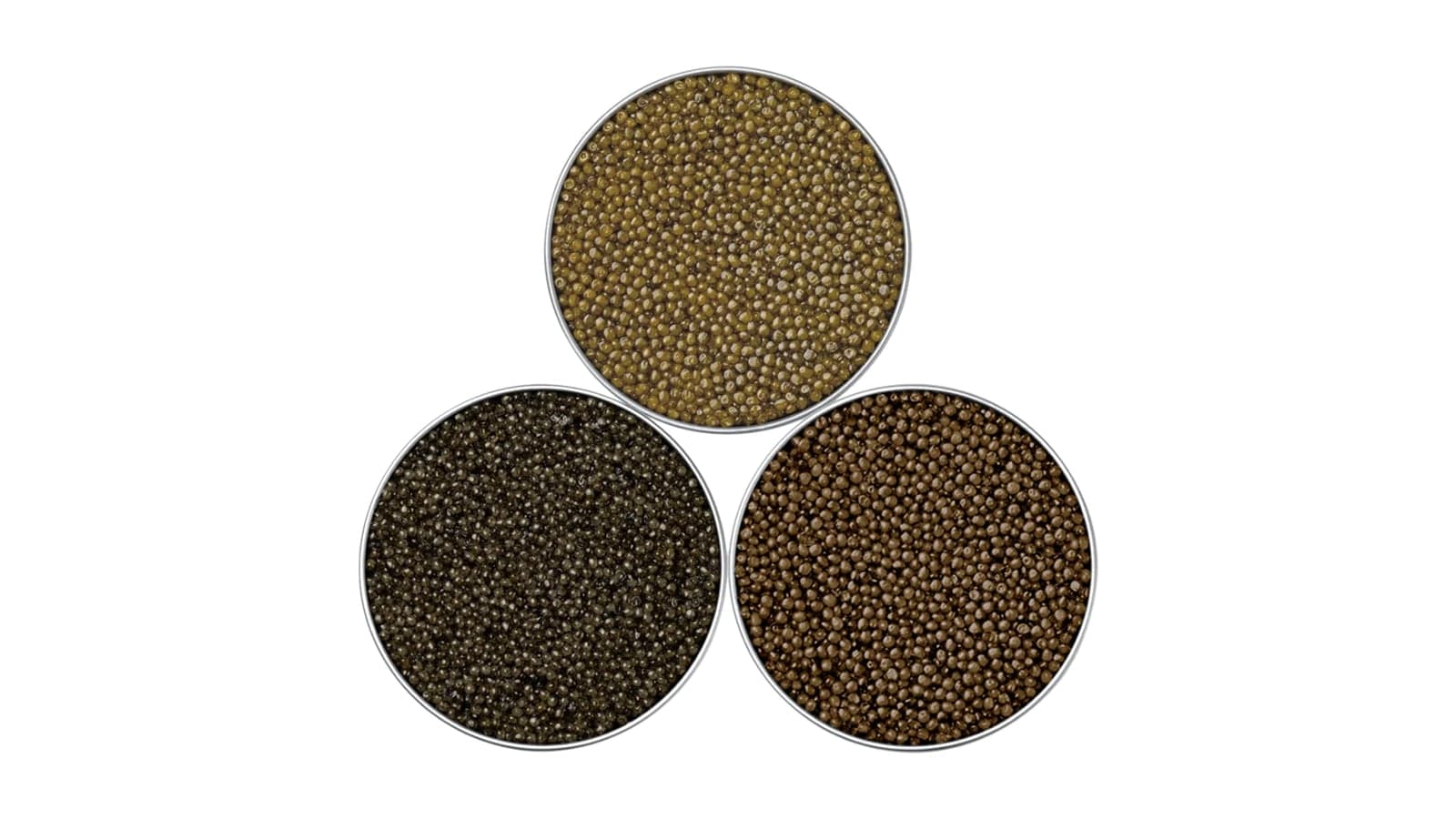
Buying Guide7 min read
Choosing Premium Seafood Ingredients for Restaurants and Retail
How chefs, foodservice buyers and brand owners match grade and format to the application, compare suppliers on cost per portion, and keep quality consistent across orders and channels.
Read the guide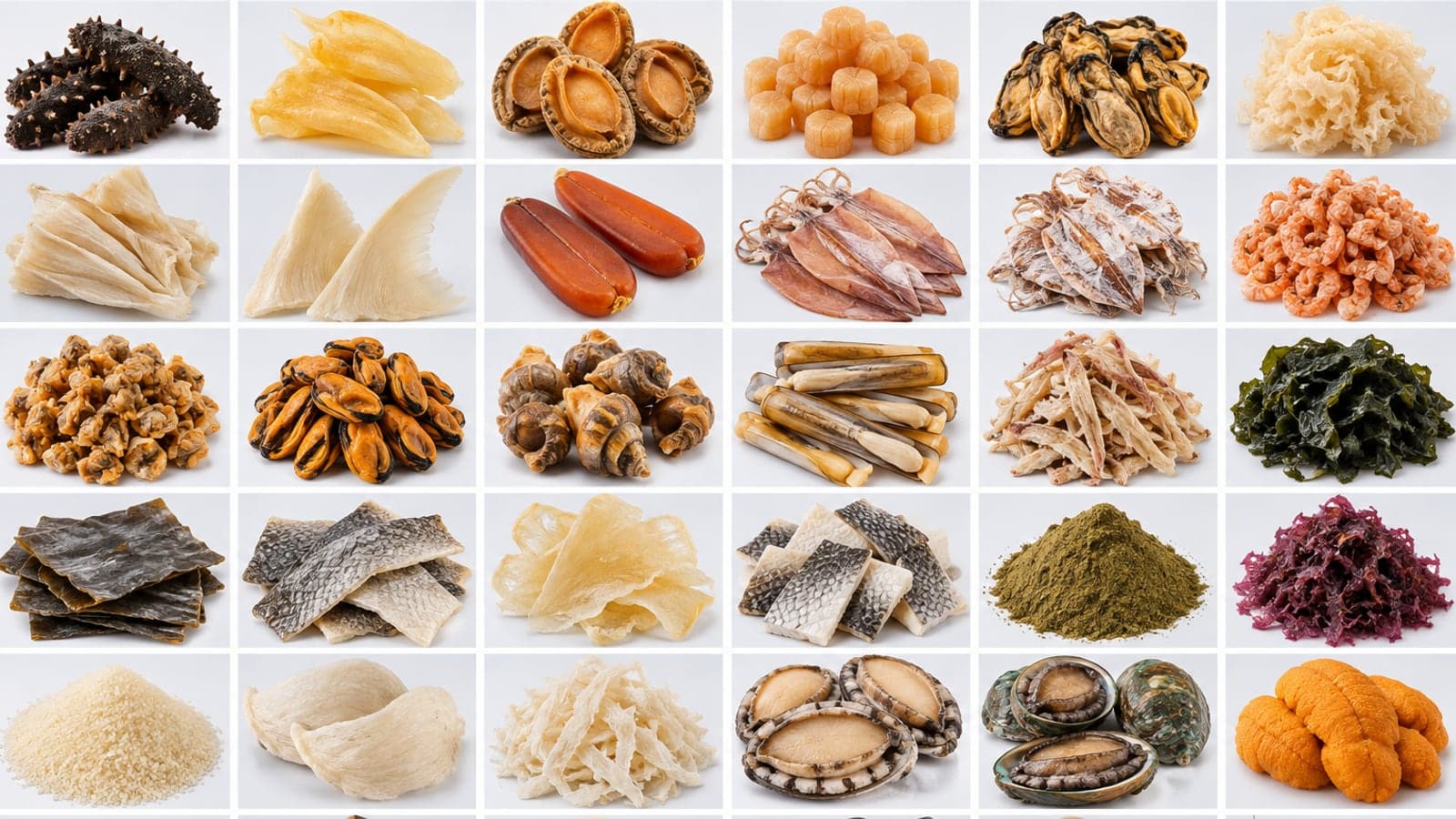
Import & Compliance7 min read
What Importers Need to Know Before Ordering Dried Seafood
The market-access, species, documentation, classification and commercial checks an importer should complete before placing a first order for dried seafood.
Read the guide
Request a quote
Request a quote for king crab
Share your target grade, packing, volume and destination. We confirm availability, documentation for your market and a formal quotation, usually within one business day.
- Grade, size or count required
- Packing format and labeling language
- Estimated volume and order frequency
- Destination port or airport and Incoterm
- Reference: King Crab