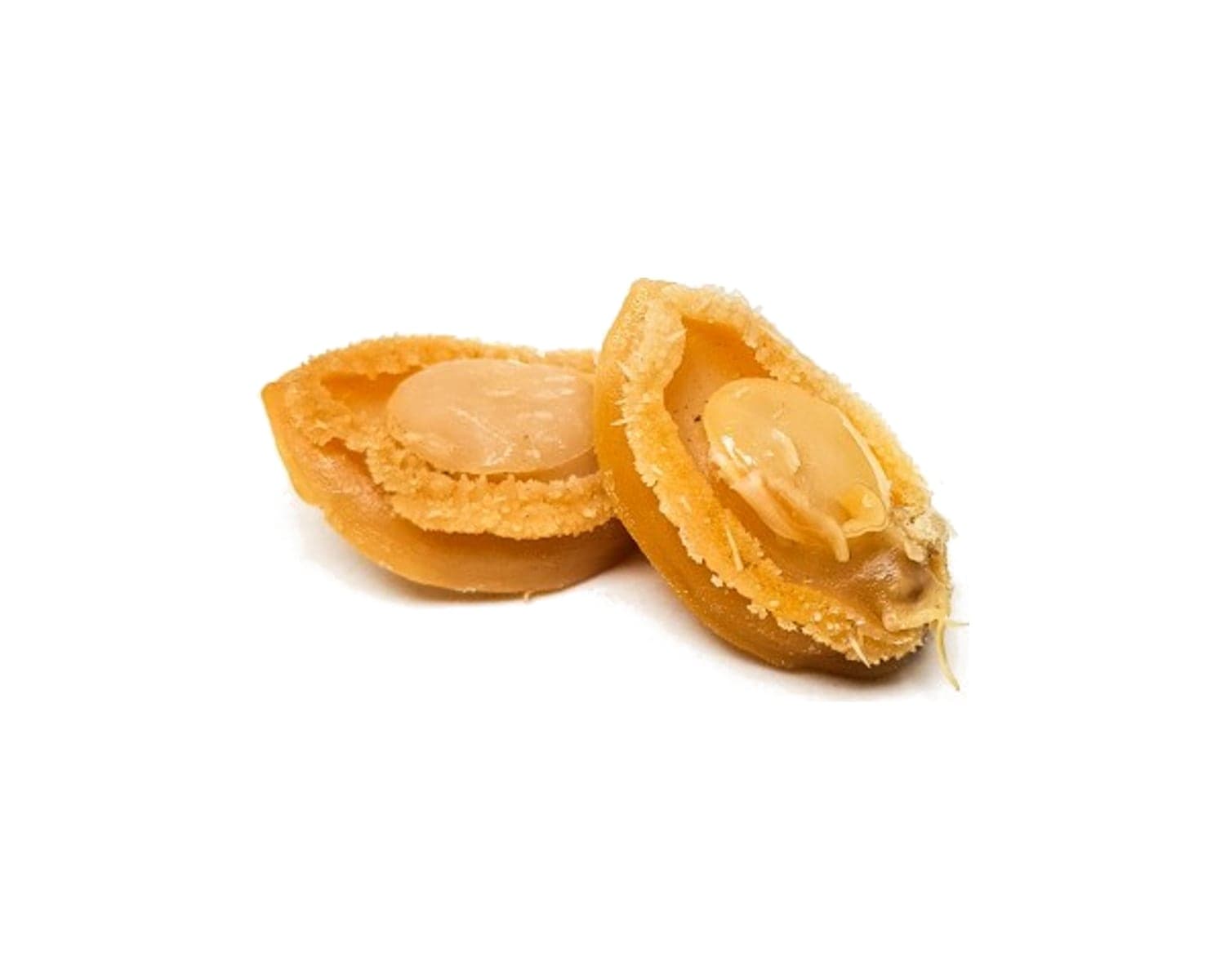
Premium Marine Delicacies
Dried Abalone
Wild and farmed abalone, sun-dried and graded by head count
Dried
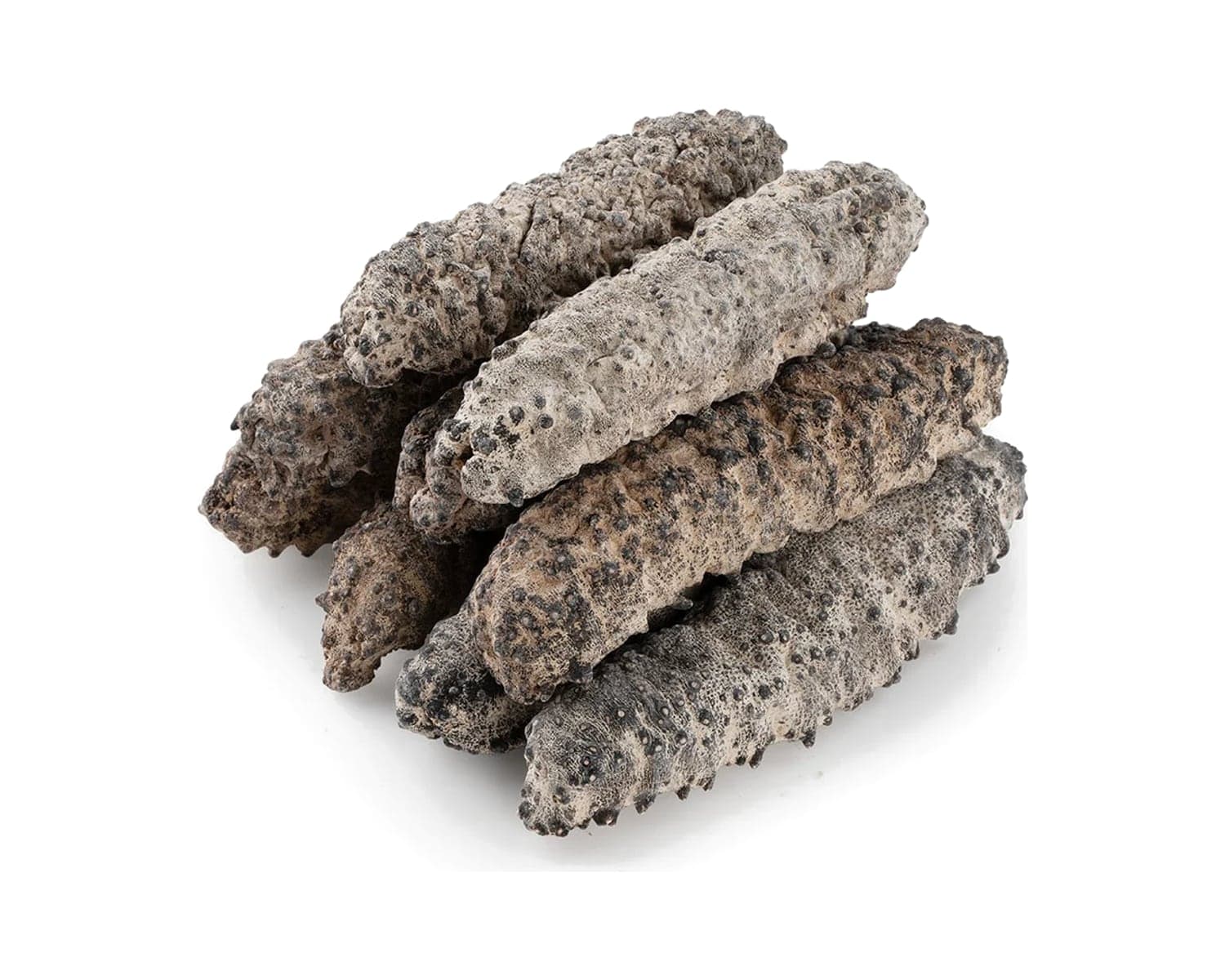
BSA Food Products supplies dried sea cucumber to importers, distributors and premium foodservice buyers, specified by species, origin, piece count and drying method — with the documentation each destination requires.
Indicative; confirmed per lot on each quotation.
Dried sea cucumber is one of the defining products of the Asian dried seafood trade, and also one of the most variable. Two lots sold under the same name can differ in species, salt content, dryness, sand removal and rehydration behavior. We specify every offer by scientific name, origin, count per kilogram and processing method so that buyers compare like with like.
Our range covers the main commercial groups: spiky sea cucumber (Apostichopus japonicus) from cold northern waters, prized for its pronounced papillae and firm, springy texture after soaking; tropical sandfish and related Holothuria species with a smoother body and softer bite; and North Atlantic Cucumaria frondosa, a practical choice for volume foodservice and processing programs. Other species can be sourced on request where legal trade and documentation allow.
Each lot is processed by gutting, cleaning, boiling and controlled drying. Some origins add a light salt stage; others are offered as low-salt or “light-dried” product, which most banquet kitchens prefer. Before dispatch we check piece count, dryness, visible sand and grit, breakage and odor, and we can arrange a trial rehydration so you can assess yield before committing to volume. Our guide to sea cucumber varieties and rehydration yield explains how these factors affect landed cost per portion.
Buyers who also need ready-to-cook product can pair dried stock with frozen sea cucumber, which arrives soaked and cleaned for kitchens that prefer to skip the rehydration step.
Specification sheet
Indicative values. Final specifications are confirmed per lot on the quotation and certificate of analysis.
| Species | Apostichopus japonicus, Holothuria scabra, Cucumaria frondosa and others on request |
|---|---|
| Origin | Declared per lot (FAO area or farm region) |
| Count / size | 20–30, 30–50, 50–80 pcs/kg; other counts on request |
| Processing | Gutted, boiled, dried; light-dried or salted |
| Moisture | Typically ≤ 15% (confirmed per lot) |
| Foreign matter | Visible sand and grit removed; checked per lot |
| Shelf life | Typically 18–24 months sealed, under recommended storage |
| Packing | 5 kg / 10 kg bulk cartons; 500 g – 1 kg packs; private label |
| Documents | Commercial invoice, packing list, certificate of origin; health certificate and CITES permits where applicable |
| Minimum order | From 20 kg per grade for trial orders; regular programs from 100 kg. |
| Lead time | 2–4 weeks from confirmed specification, subject to grade availability and permit timelines. |
FAQ
Our core range is spiky sea cucumber (Apostichopus japonicus), sandfish (Holothuria scabra) and Atlantic sea cucumber (Cucumaria frondosa). We can source other commercial species on request, provided the trade is legal for both the origin and your destination market and the required documentation can be issued.
Several species, including the teatfish group and Thelenota species, are listed in CITES Appendix II. We only offer these with valid CITES export permits from the origin country, and only to destinations where import is permitted. Allow additional lead time for permit processing.
By species first, then by piece count per kilogram, length, dryness and appearance: intact body, clean cut, no excessive salt bloom or sand. Broken pieces are offered separately as an economy grade for soups and processing. See our buyer’s guide to rehydration yield for how grade affects cost per portion.
Yes. Trial orders start from 20 kg per grade, and on request we include a trial rehydration record showing soaked weight against dry weight. Request a quote with your target species and count.
Related
Premium Marine Delicacies
Wild and farmed abalone, sun-dried and graded by head count
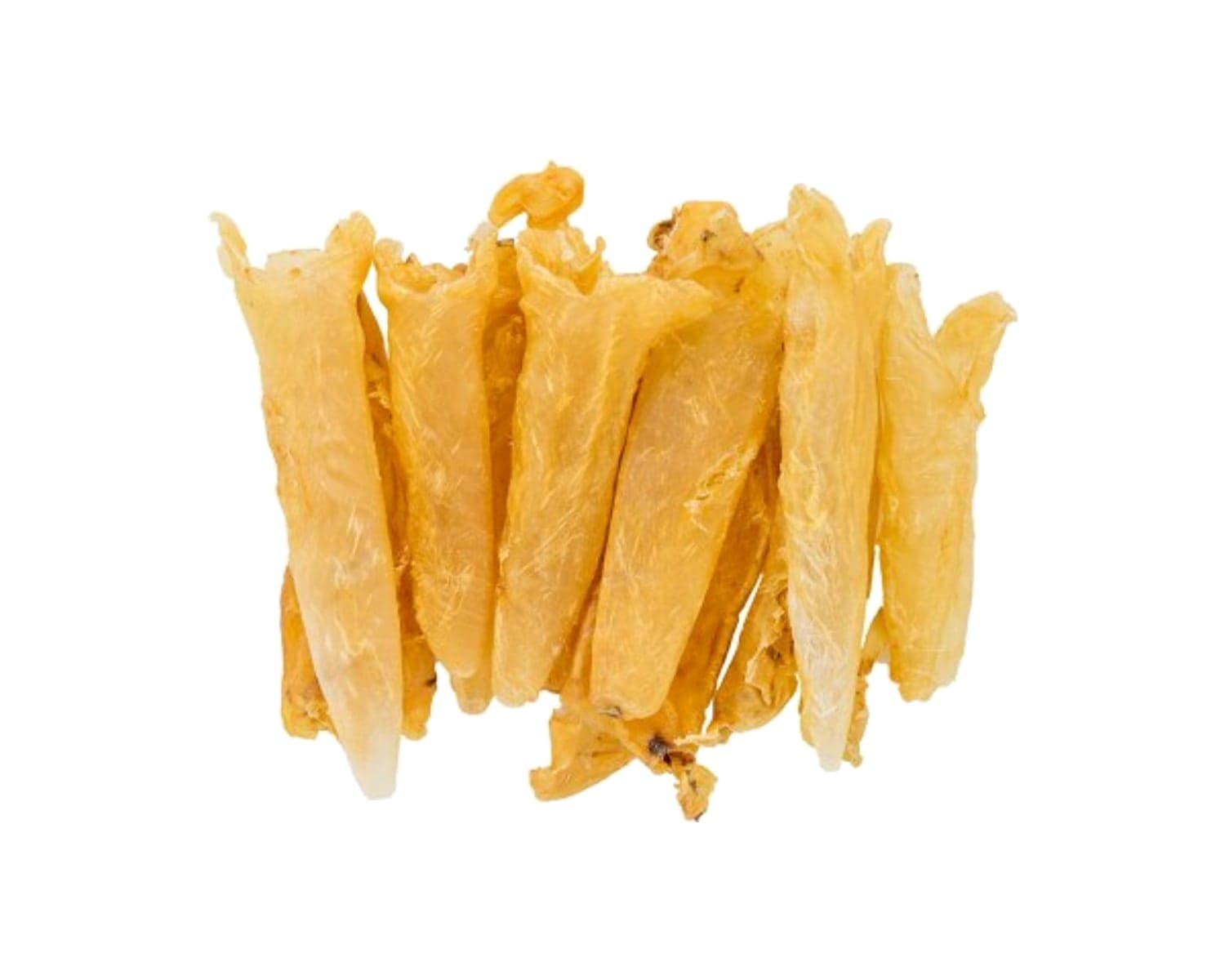
Frozen & Live Seafood
Pre-soaked, cleaned and IQF, so kitchens skip rehydration
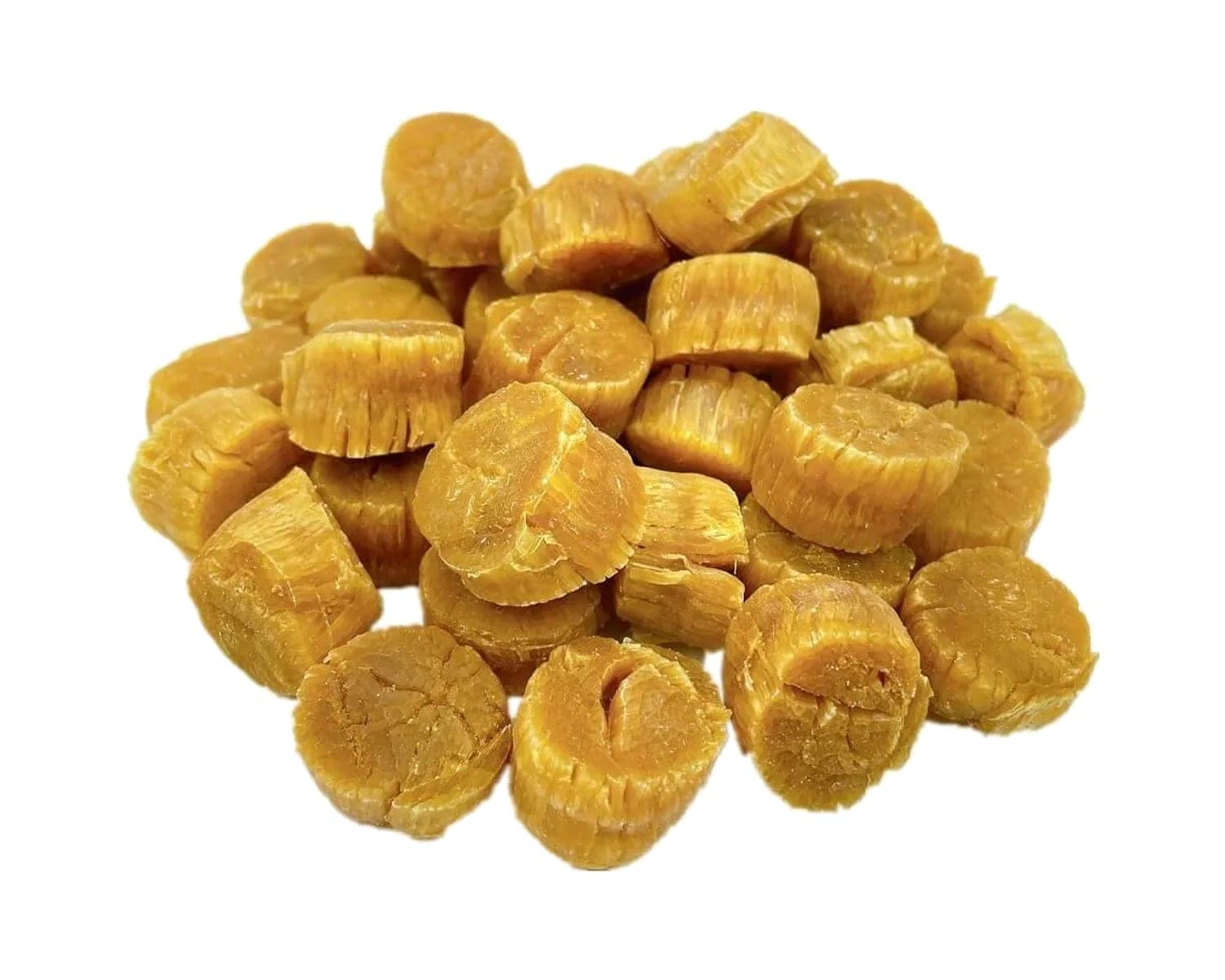
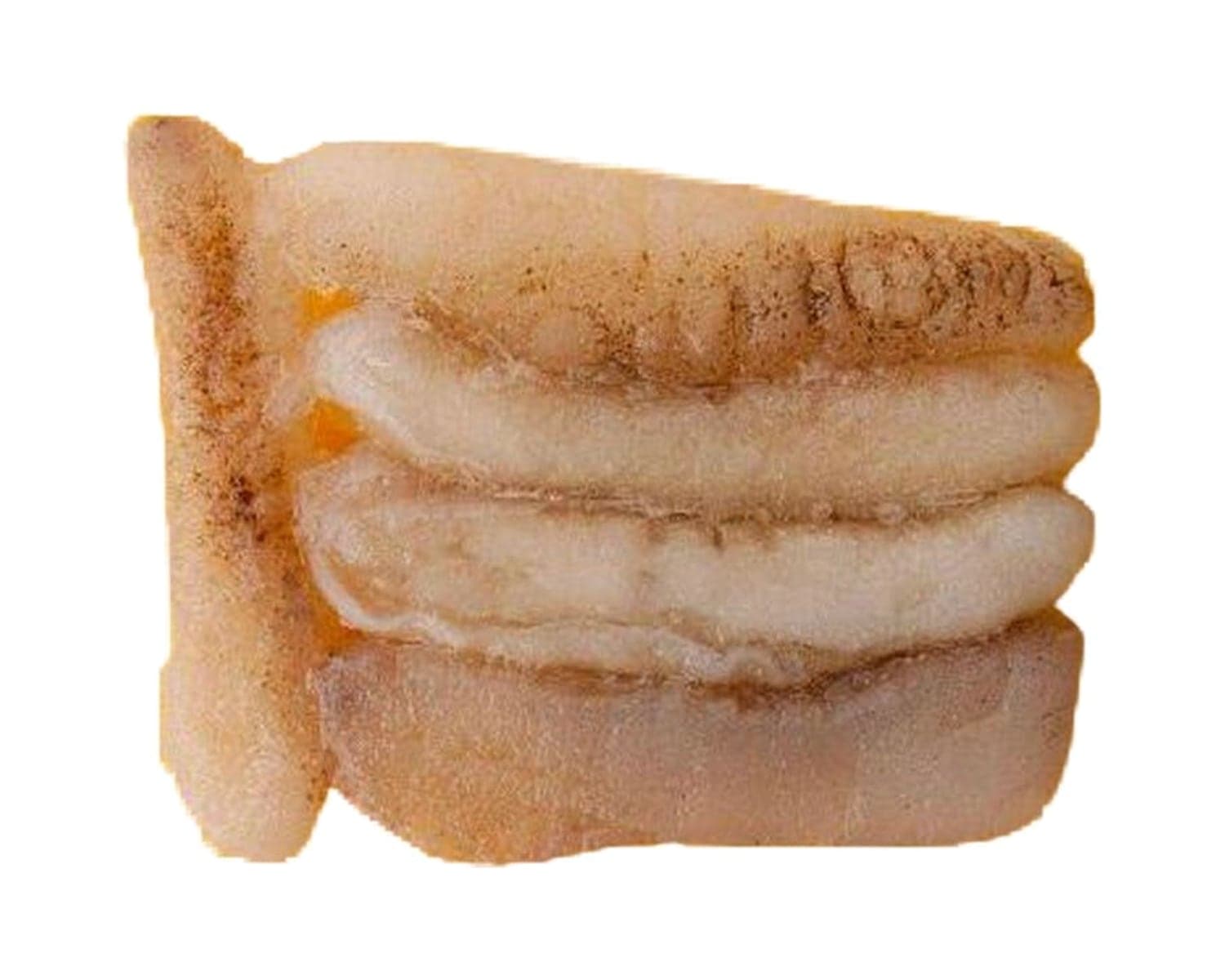
Premium Marine Delicacies
Hokkaido, Aomori and Chinese adductors by diameter and count
Species Profiles7 min read
How sea cucumbers live, what they are called from Dalian to Jakarta, which species are farmed or fished, how kitchens use them and which tropical species now need CITES permits.
Read the guide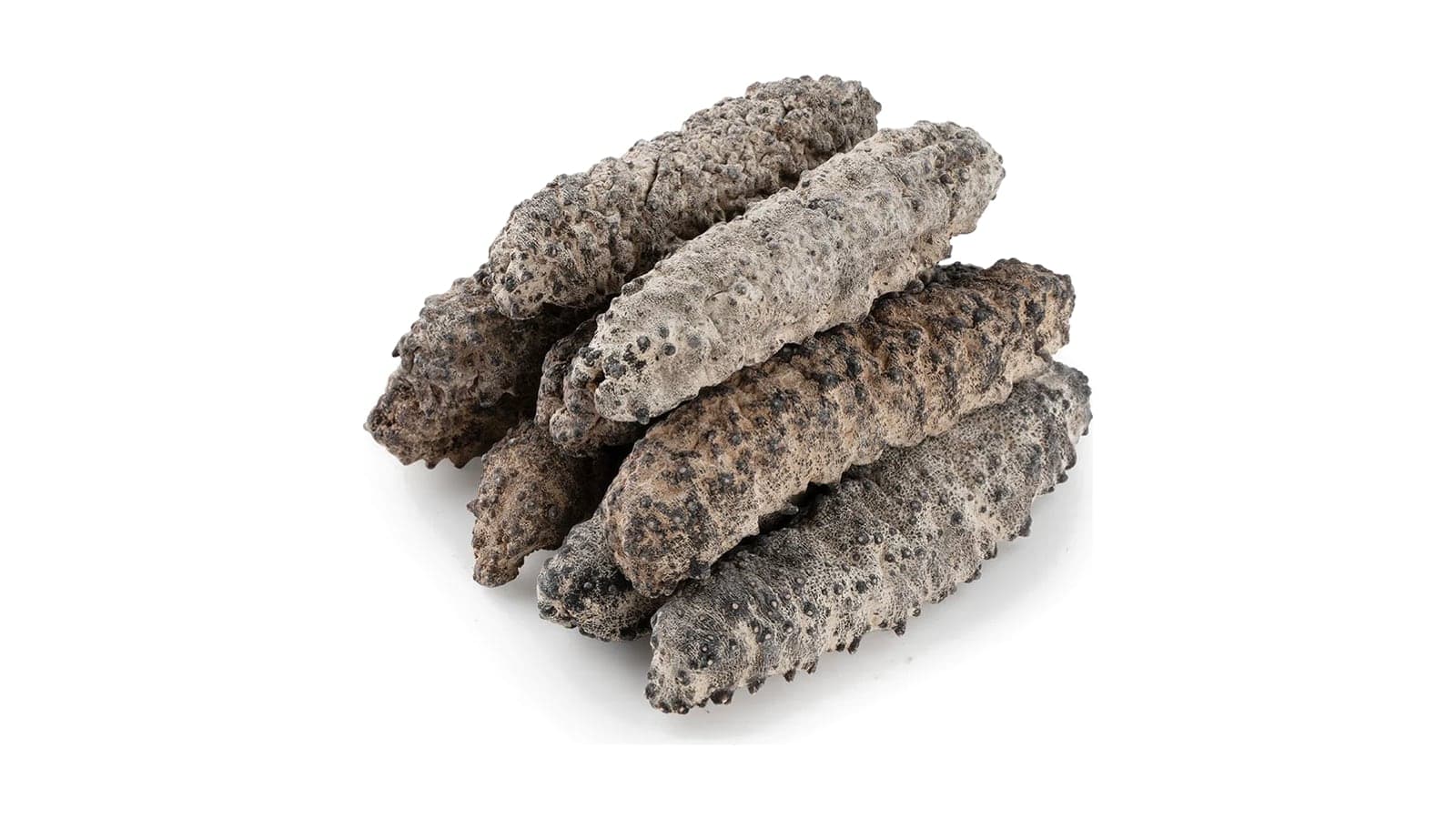
Quality & Grading6 min read
How species, processing, salt and residual moisture shape the rehydration yield of dried sea cucumber, and how to turn a price per dry kilogram into a cost per usable portion.
Read the guide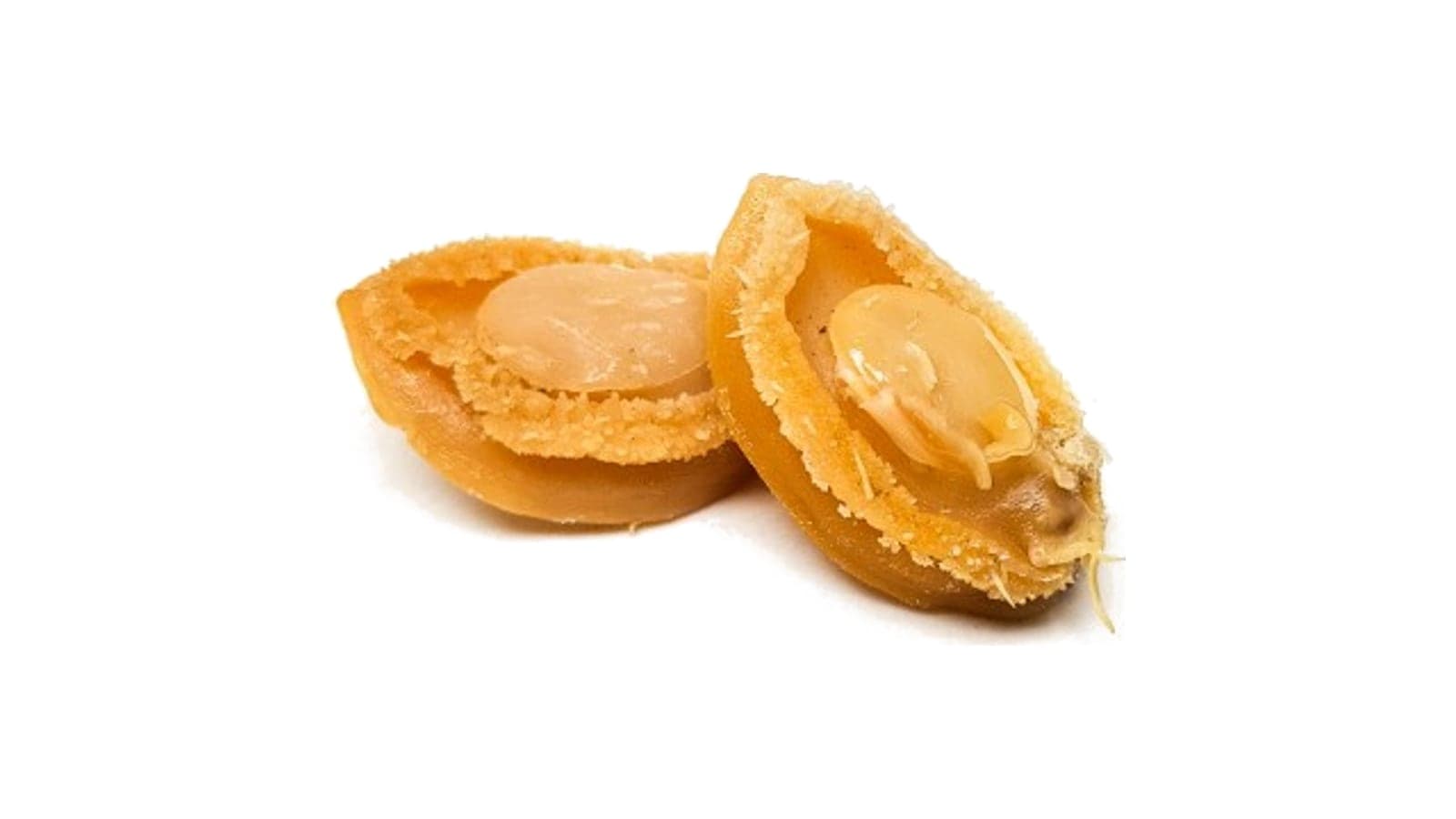
Storage & Handling7 min read
A practical guide to keeping high-value dried seafood in sound condition, from warehouse humidity control and chilled holding to handling after rehydration.
Read the guideRequest a quote
Share your target grade, packing, volume and destination. We confirm availability, documentation for your market and a formal quotation, usually within one business day.