- Private-label packing
- Export documentation
Frozen Fish
Frozen Tilapia Supplier: Whole Fish, Fillets and Portions
BSA Food Products supplies farmed Nile and red tilapia from Thailand and partner origins in Asia, frozen whole, gutted and scaled, or as fillets and portions, with size, glaze and any color treatment stated on every offer.
- Nile and red tilapia, farmed in Thailand and partner origins
- Whole round, gutted and scaled, and headed and gutted fish
- Skinless fillets graded by ounce or gram, deep-skinned on request
- IQF, individually vacuum-packed or interleaved block
- Thawed-sample checks for earthy taint, bloodspots and bones on request
- Untreated or color-treated fillets, as specified in the order
Product Specifications
Indicative; confirmed per lot on each quotation.
- Origin
- Thailand for Nile and red tilapia; partner packers in China, Indonesia and Vietnam for larger fillet programs. Farming country declared per lot and checked against destination eligibility.
- Grade / Size
- Whole fish by weight (100–200, 200–300, 300–500, 500–800 g and 800 g up); fillets by ounces per piece (2–3, 3–5, 5–7, 7–9 oz) or by gram bands.
- Form & Processing
- Whole round, gutted and scaled, headed and gutted, steaks, skinless boneless fillets and portions; IQF, individually vacuum-packed or interleaved block, with glaze declared.
- Storage
- Hold at -18 °C or colder; thaw fillets overnight in the refrigerator, cook from chilled and do not refreeze thawed fish.
- MOQ
- One 20 ft reefer for regular programs; trial lots of a few pallets can travel in a mixed container with other frozen fish.
- Lead Time
- Usually 3–5 weeks from confirmed specification for Thai production; allow longer for private-label packaging or lots sourced from partner origins.
Product overview
Tilapia ranks among the most widely farmed fish in the world, and its frozen trade splits into two markets that seldom want the same product. Whole round and gutted fish travel by the container to buyers in Africa, the Middle East and Latin America, where tilapia is grilled, fried or stewed on the bone, while skinless fillets and portions fill retail freezer cabinets and foodservice menus in North America and Europe. We quote both, and each offer names the species or hybrid, the farming country, the size band and the freezing method, so that a fillet buyer and a whole-fish buyer each see the details that set their price.
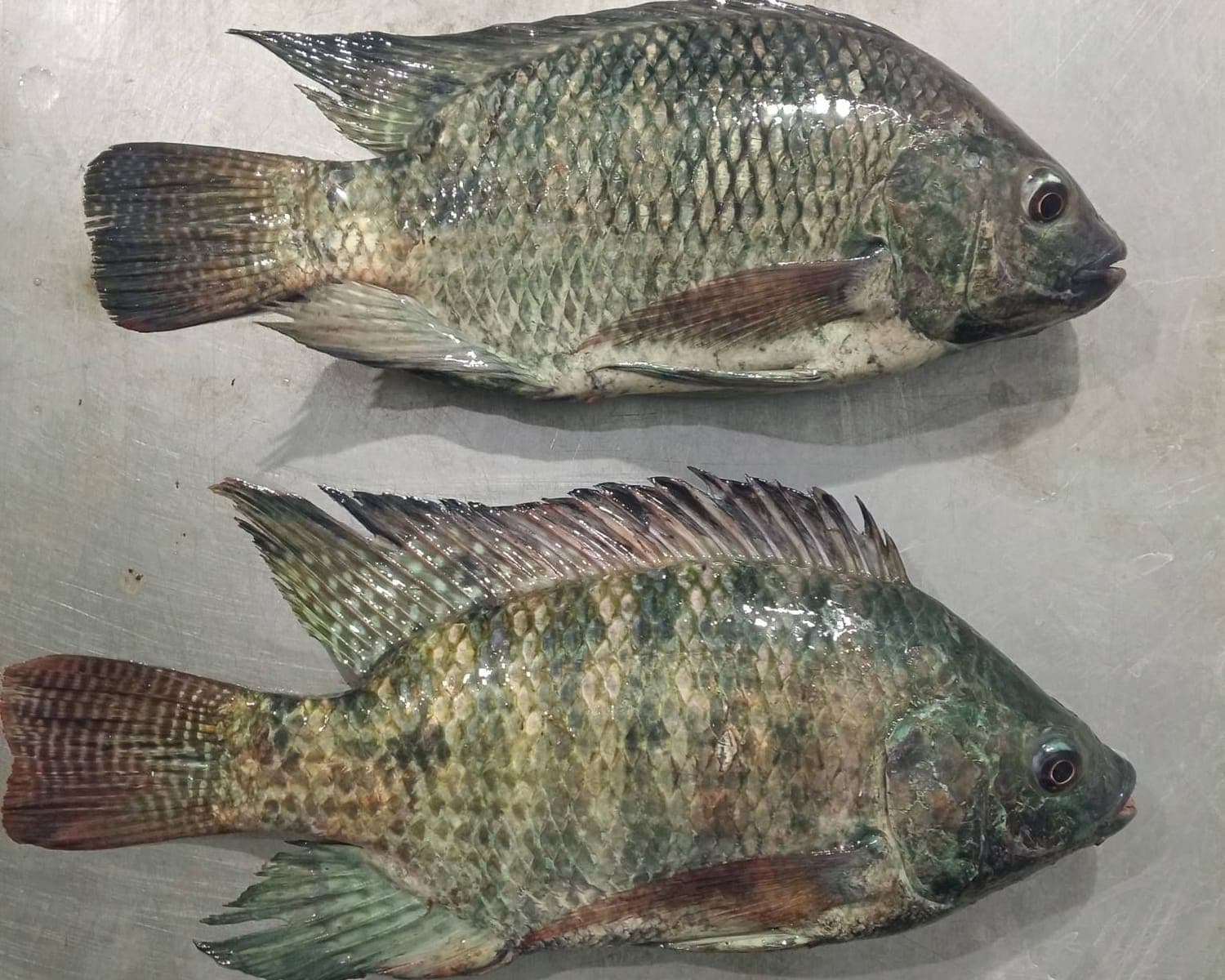
Nile tilapia (Oreochromis niloticus) is the dark-skinned, silver-gray fish behind most export volume. Red tilapia, a hybrid line of Oreochromis species bred for its pink-to-red skin, is farmed widely in Thailand, where it is sold as pla thap thim, and commands a premium wherever the fish is served whole at the table. Thai farms supply both types from earthen ponds and river cages; for larger fillet programs we also work with partner packers in China, Indonesia and Vietnam, which run high-volume fillet lines. The farming country is declared on each lot, and the order can specify that fish from different countries are not mixed in one lot.
Whole fish are graded by individual weight, from 100–200 g pan-size fish up to 800 g and above, and supplied whole round, gutted and scaled, or headed and gutted, with cross-cut steaks from the larger sizes. Fillets are cut skinless and boneless, with the pin-bone strip removed, and can be deep-skinned to take away the brownish fat layer beneath the skin when a whiter fillet is wanted. The US trade grades fillets by ounces per piece (2–3, 3–5, 5–7 and 7–9 oz), while most other markets use grams. Product is individually quick frozen (IQF), individually vacuum-packed (IVP) or frozen in interleaved blocks, and the glaze is stated as a percentage.
Tilapia fillets go into breaded and battered lines, fish tacos, steamed and baked dishes and catering menus that need a mild white fish without bones. Some fillets packed for the US market are treated with filtered wood smoke, whose carbon monoxide content holds a pink flesh color through frozen storage, but carbon monoxide treatment of fish is not permitted in the EU and several other markets, so any color treatment is specified in the order and declared on the label and the quote. Skin and scales from the same fillet lines are available as fish skin and tilapia fish scales, and buyers weighing up mild white fillets often compare tilapia with frozen pangasius.
Specification sheet
Frozen Tilapia: full specification
Indicative values. Final specifications are confirmed per lot on the quotation and certificate of analysis.
| Species | Oreochromis niloticus; red tilapia (Oreochromis hybrid) |
|---|---|
| Production | Farmed in ponds or river cages; country declared per lot |
| Formats | Whole round, gutted and scaled, H&G, steaks, fillets, portions |
| Whole fish grade | 100–200 g up to 800 g and over per fish |
| Fillet grade | 2–3, 3–5, 5–7, 7–9 oz per piece; gram bands on request |
| Freezing | IQF, IVP or interleaved block |
| Color treatment | Untreated, or filtered smoke only where the destination allows; specified in the order and declared |
| Glaze | Stated as a percentage; tilapia net weight given ex-glaze |
| Shelf life | Commonly 18–24 months at -18 °C, as the packer declares |
| Documents | Health certificate, certificate of origin, packing list; tilapia residue reports on request |
| Minimum order | One 20 ft reefer for regular programs; trial lots of a few pallets can travel in a mixed container with other frozen fish. |
| Lead time | Usually 3–5 weeks from confirmed specification for Thai production; allow longer for private-label packaging or lots sourced from partner origins. |
FAQ
Frozen Tilapia: questions from buyers
What is the difference between Nile tilapia and red tilapia?
Nile tilapia (Oreochromis niloticus) has dark gray to silver skin and supplies most of the frozen fillet volume in world trade. Red tilapia is a hybrid line of Oreochromis species selected for red or pink skin, farmed widely in Thailand and usually sold whole, because the skin color is part of how the fish is presented. Once skinned, fillets from the two look and eat much alike, so the distinction matters most for whole fish. Each lot states which type it contains.
Are your tilapia fillets treated with carbon monoxide or tasteless smoke?
Only when a buyer specifies treated tilapia and the destination allows it. Filtered wood smoke, often called tasteless smoke, fixes the red color of the flesh and bloodline through the carbon monoxide it contains, so that fillets stay pink in the freezer cabinet. Carbon monoxide treatment of fish, whether by gas or by filtered smoke, is not permitted in the EU, and some other markets restrict it too. Untreated fillets can be specified for any order, and a treated lot is identified on the specification, the carton and the invoice.
How is muddy or earthy off-flavor in tilapia controlled?
Earthy taint comes from compounds such as geosmin and 2-methylisoborneol, produced by algae and bacteria in pond water and absorbed by the fish. Farms reduce it by moving fish into clean water to purge for a period before harvest, and the risk is generally lower for fish raised in flowing river water. A cooked taste test on tilapia samples from a lot can be arranged before shipment, and a limit on noticeable taint can be written into a fillet specification.
Which whole tilapia size should I order?
Pan-size fish of 200–300 g and 300–500 g suit frying or grilling as a single portion and are the usual choice in whole-fish markets in Africa and the Middle East. Fish of 500–800 g and above suit sharing dishes, steaks and restaurant display, while 100–200 g fish are an economical choice for stews. A check weighing of tilapia samples from the lot can be arranged, reporting the share outside the agreed band. Request a quote with the band and the number of containers you plan.
Related
Related products
Marine Ingredients
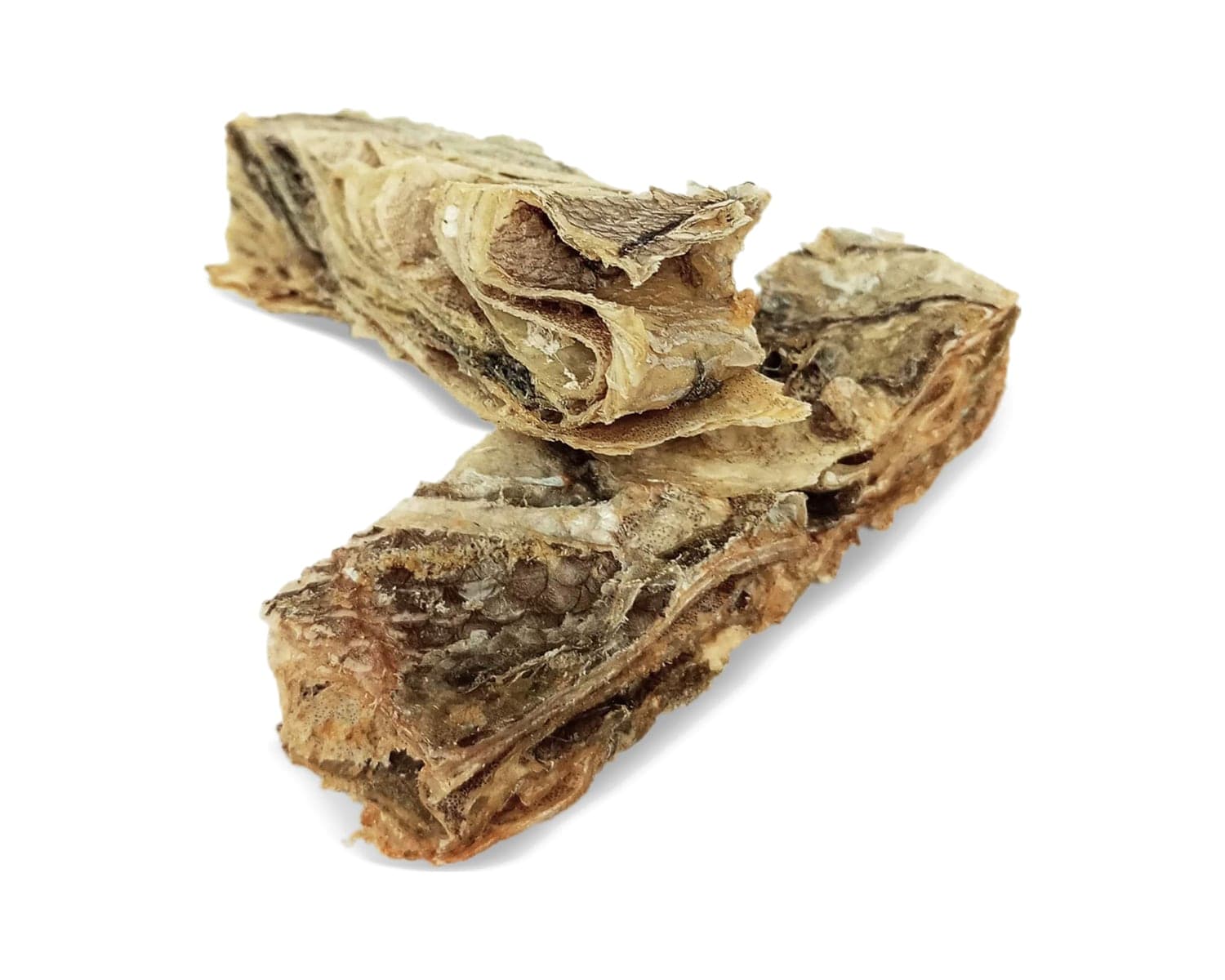
Fish Skin for Food Processing
Descaled, trimmed skins for snacks, kitchens and extraction
Frozen
Buyer guides
Species Profiles9 min read
Tilapia: Nile Tilapia, Red Tilapia and the Hybrids Behind the Trade
Most tilapia sold worldwide is farmed Nile tilapia or a red or gray hybrid bred from it. Here is how the fish differ, where they are raised and how kitchens from Bangkok to Accra cook them.
Read the guide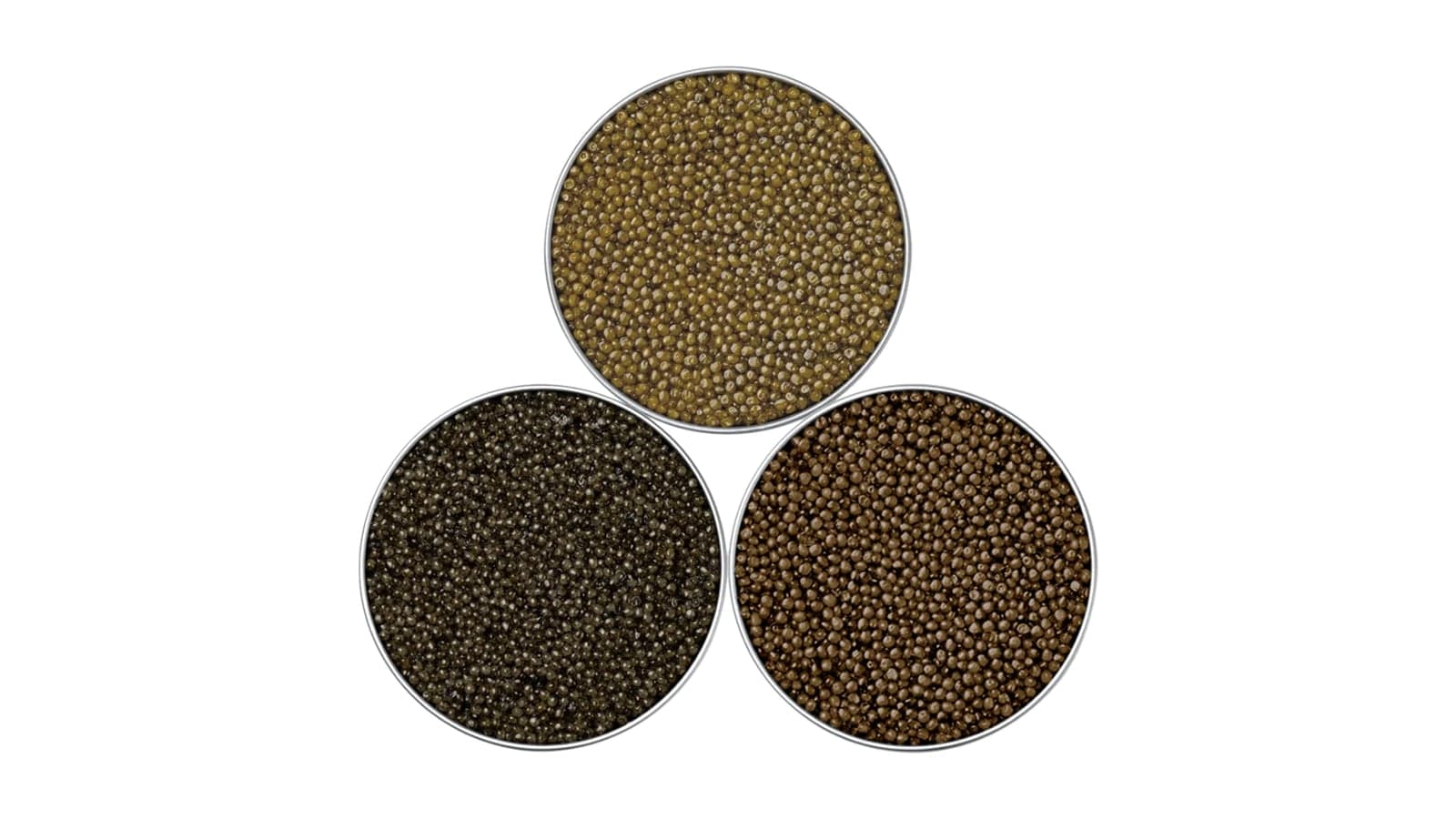
Buying Guide7 min read
Choosing Premium Seafood Ingredients for Restaurants and Retail
How chefs, foodservice buyers and brand owners match grade and format to the application, compare suppliers on cost per portion, and keep quality consistent across orders and channels.
Read the guide
Import & Compliance8 min read
Shipping Seafood: Reefer Containers, Cold Chain and Incoterms
A logistics guide for seafood buyers: reefer and dry-container shipping, temperature records, air freight for chilled and live product, where Incoterms 2020 place cost and risk, and the evidence a claim needs.
Read the guide
Request a quote
Request a quote for frozen tilapia
Share your target grade, packing, volume and destination. We confirm availability, documentation for your market and a formal quotation, usually within one business day.
- Grade, size or count required
- Packing format and labeling language
- Estimated volume and order frequency
- Destination port or airport and Incoterm
- Reference: Frozen Tilapia