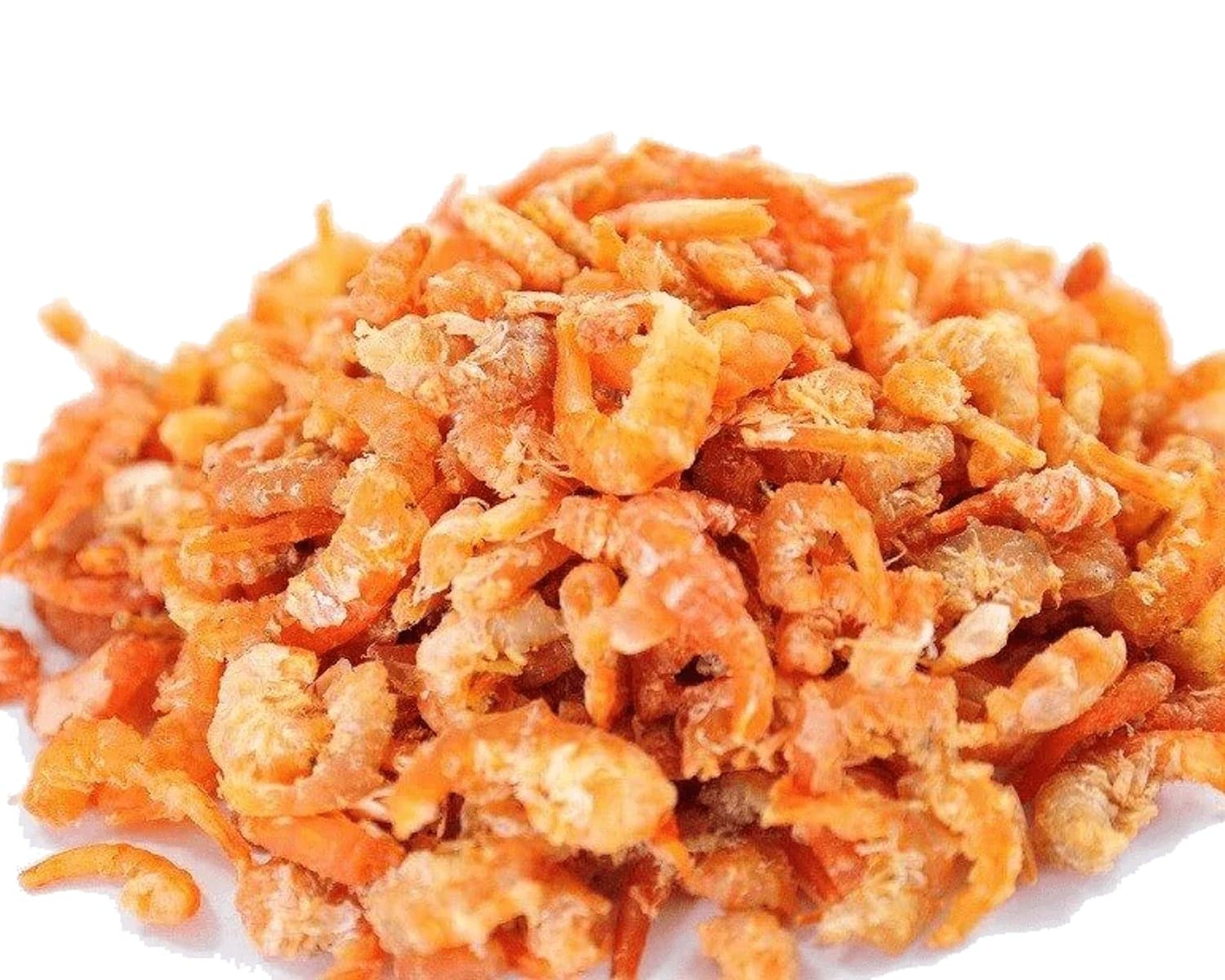
Specialty Dried Seafood
Dried Shrimp and Prawns
Peeled dried shrimp and shell-on prawns, sorted by size
Dried
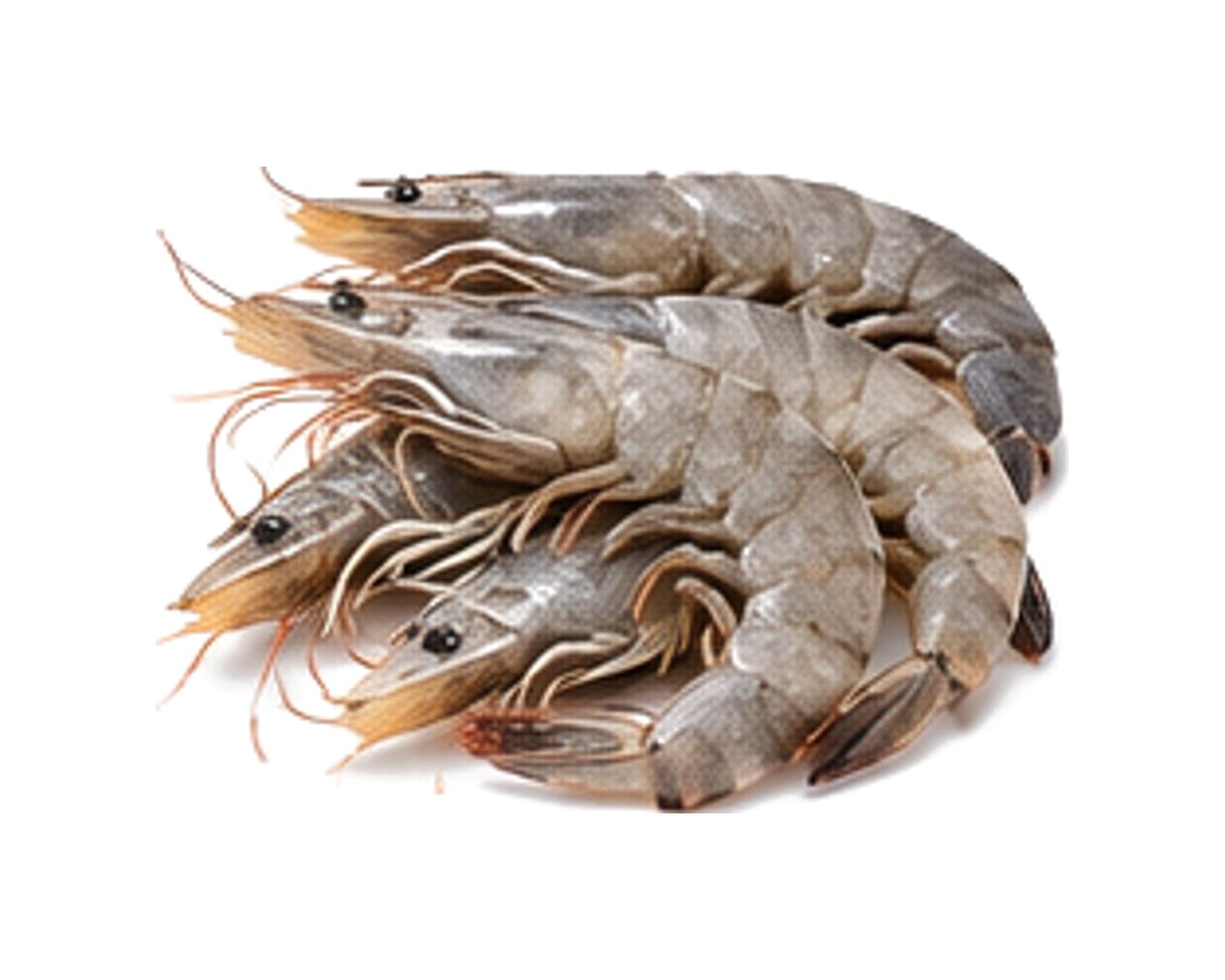
BSA Food Products sources large wild and farmed shrimp and prawns to a written brief, specifying species, origin, cut, count and glaze, with any sulfite or phosphate treatment declared on the offer.
Indicative; confirmed per lot on each quotation.
Large shrimp and prawns sit at the premium end of one of the most widely traded seafood categories, bought for grilled skewers, tempura, shrimp cocktails, paella and whole head-on presentation. The two names overlap in trade: prawn is common in British, Australian and Asian usage for bigger sizes, and shrimp dominates in North America, so we specify by species and count instead. Because the specification varies so widely from one buyer to the next, large sizes are sourced to brief, as described on our premium sourcing overview, rather than offered from stock.
Three species cover most requests. Argentine red shrimp (Pleoticus muelleri) is a wild cold-water species from the South-West Atlantic, red even when raw, with a sweet, lobster-like flavor; much of it is frozen at sea shortly after catch. Black tiger (Penaeus monodon) is farmed mainly in South and South-East Asia and grows to very large sizes, with distinctive striped shells. Whiteleg shrimp (Penaeus (Litopenaeus) vannamei), farmed in Ecuador, India, Vietnam, Indonesia and Thailand among others, supplies most large-size volume at steadier availability. Other wild species can be sourced on request, with species and origin always declared.
Cut and count define the product. Head-on shell-on (HOSO) shrimp is graded by pieces per kilogram, and Argentine red uses its own L1, L2 and L3 grades, while headless shell-on (HLSO), EZ-peel (shell split and deveined), peeled and deveined (PD), peeled undeveined (PUD) and tail-on peeled formats are usually counted per pound, such as U15, 16/20 or 21/25. Product may be raw or cooked, IQF or block-frozen, and stretched nobashi shrimp is available for tempura. Glaze, net weight and any moisture-retaining phosphate are stated per lot, so offers compare on the shrimp you actually receive.
Wild shrimp, including Argentine red, is often treated with sulfite on board to prevent black spot, and farmed shrimp must meet veterinary drug residue limits in the destination; both points appear on the specification, and residue testing on farmed lots can be arranged against your market’s limits. Buyers who also stock shelf-stable lines can pair frozen large shrimp with dried shrimp and prawns for sauces and stocks, and the export quality assurance page explains how laboratory results are tied to the lot codes printed on each carton.
Specification sheet
Indicative values. Final specifications are confirmed per lot on the quotation and certificate of analysis.
| Species | Pleoticus muelleri, Penaeus monodon, Penaeus (Litopenaeus) vannamei |
|---|---|
| Production | Wild (Argentine red) or farmed (black tiger, vannamei), stated per lot |
| Cuts | HOSO, HLSO, EZ-peel, PUD, PD, tail-on peeled, nobashi |
| Count | Per kg for head-on; per lb or kg for headless and peeled |
| Freezing | IQF or block; sea-frozen or land-frozen; raw or cooked |
| Additives | Sulfite and phosphate use declared, with residual sulfite level on request |
| Glaze | Percentage stated; net weight quoted after deglazing |
| Residues | Farmed lots tested for veterinary drug residues to destination limits on request |
| Temperature | -18 °C or below; some packers advise around -25 °C for long storage |
| Documents | Health certificate, certificate of origin, catch certificate for wild lots where required, lab reports |
| Minimum order | Generally from one pallet per species and grade, with container loads for regular retail and foodservice programs. |
| Lead time | Typically 3–6 weeks for farmed shrimp packed to order; wild Argentine red depends on the fishing season and vessel landings, so allow up to 8 weeks. |
FAQ
PUD (peeled undeveined) shrimp has the shell removed but the digestive tract left in, which suits dishes where appearance matters less. PD (peeled and deveined) has the vein taken out through a cut along the back, and tail-on versions keep the last shell segment for presentation. EZ-peel shrimp keeps its shell but is split and deveined, so it cooks shell-on for flavor and peels easily at the table. Count changes with each cut, so the offer always gives the count for the format supplied.
Count is the number of pieces per unit of weight. U15 means under 15 pieces per pound, and 16/20 means 16 to 20 per pound, so lower numbers mean larger shrimp. European and Asian buyers often trade in pieces per kilogram, and Argentine red shrimp uses its own head-on grades such as L1, L2 and L3. Head-on counts cannot be compared directly with headless counts, so specify the cut alongside the count in your brief.
Wild shrimp, including Argentine red, is commonly treated with sulfite on board or at landing to stop black spot, and some farmed shrimp is treated too. Many markets require sulfites to be labeled once residues exceed a low threshold, because some consumers react to them. We state on the specification whether sulfite has been used and can provide residue results on request, and sulfite-free lots treated with alternatives such as 4-hexylresorcinol can be considered where a packer offers them and your market permits them.
Yes. For farmed black tiger and vannamei, testing for veterinary drug residues can be arranged on each lot against your destination’s limits, with results tied to the lot code on the cartons. Some markets also apply extra border testing or trade duties to shrimp from particular origins, which can affect which farms are practical for you, so the origin is confirmed before we quote. Share any retailer residue standard in the brief so that the testing plan matches it.
Related
Specialty Dried Seafood
Peeled dried shrimp and shell-on prawns, sorted by size
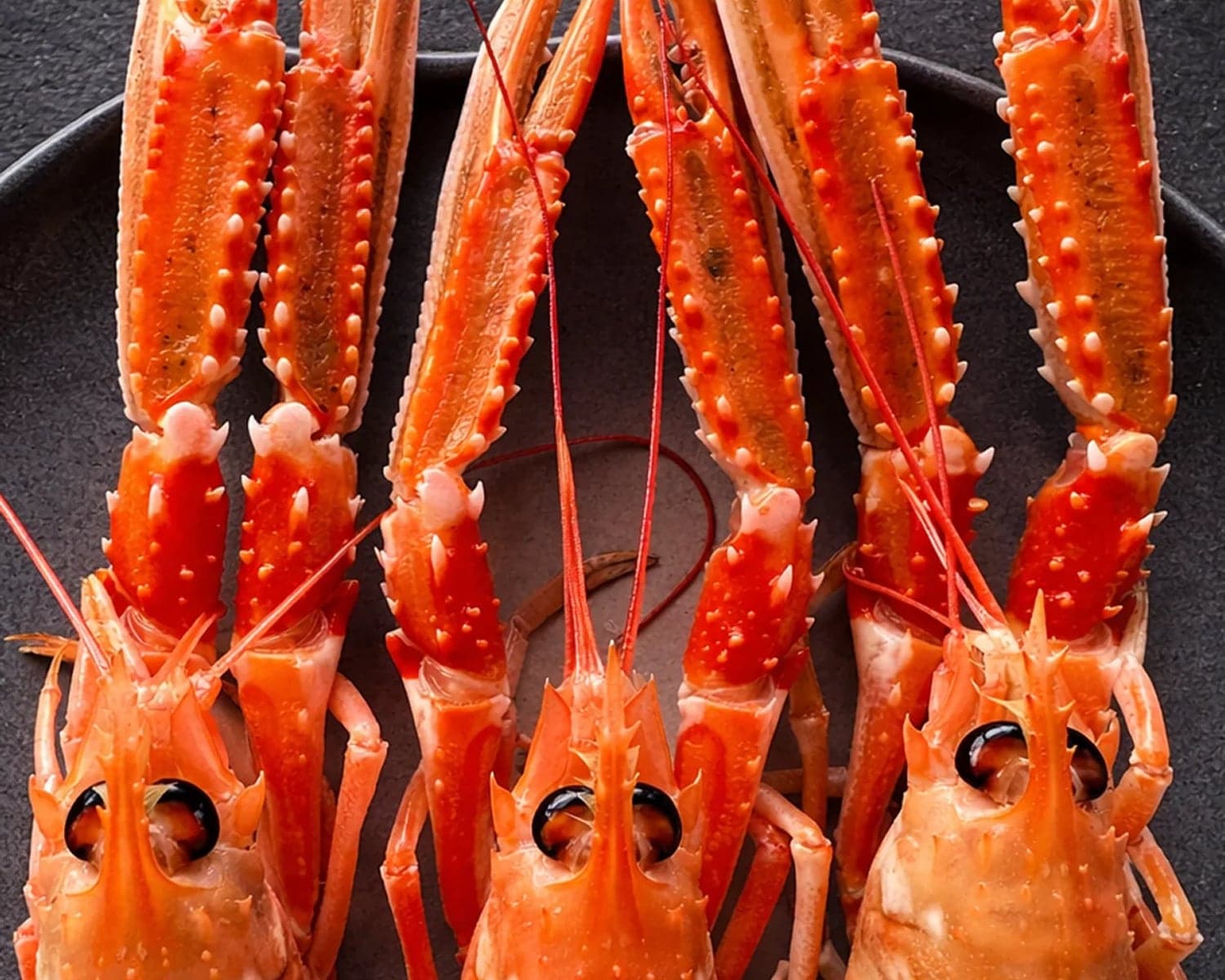
Frozen & Live Seafood
Nephrops whole or as tails, frozen or live, graded by count per kg
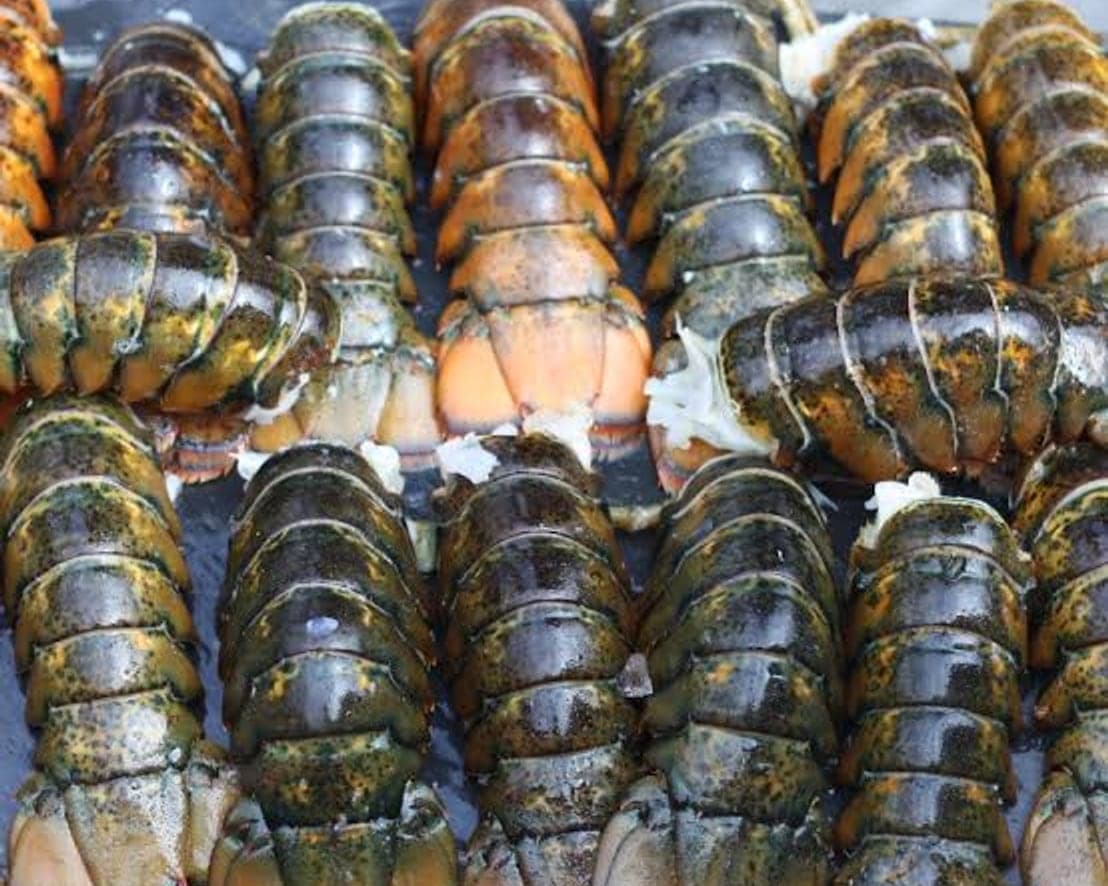
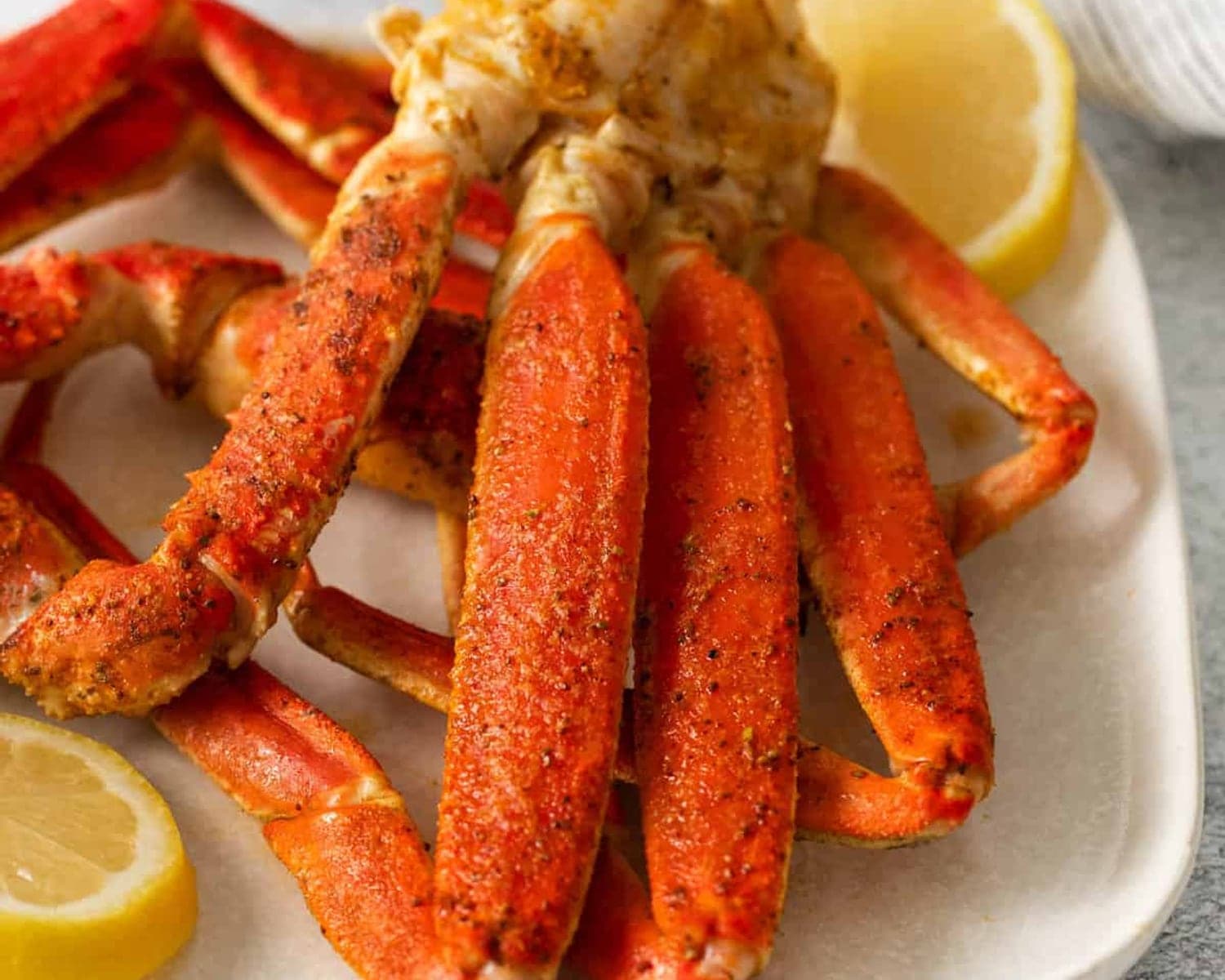
Species Profiles6 min read
A wild, cold-water shrimp that is red before it ever meets heat. Where Pleoticus muelleri lives, how Argentina fishes and manages it, and what cooks need to know about its tender meat.
Read the guide
Buying Guide7 min read
How chefs, foodservice buyers and brand owners match grade and format to the application, compare suppliers on cost per portion, and keep quality consistent across orders and channels.
Read the guide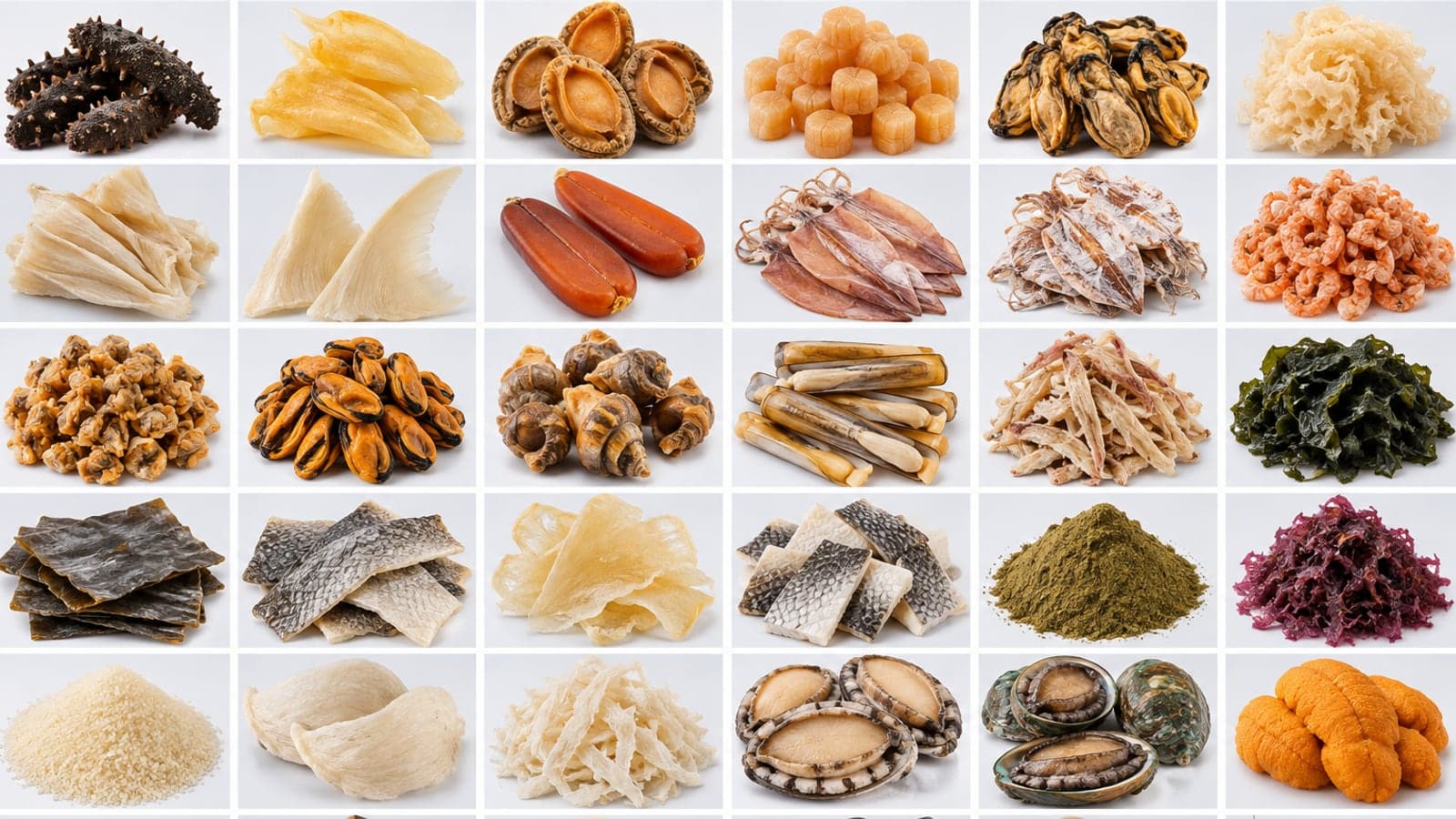
Import & Compliance7 min read
The market-access, species, documentation, classification and commercial checks an importer should complete before placing a first order for dried seafood.
Read the guideRequest a quote
Share your target grade, packing, volume and destination. We confirm availability, documentation for your market and a formal quotation, usually within one business day.