- Private-label packing
- Export documentation
Frozen Fish
Frozen Mackerel Supplier: Whole, Gutted, Fillets and Butterfly Cuts
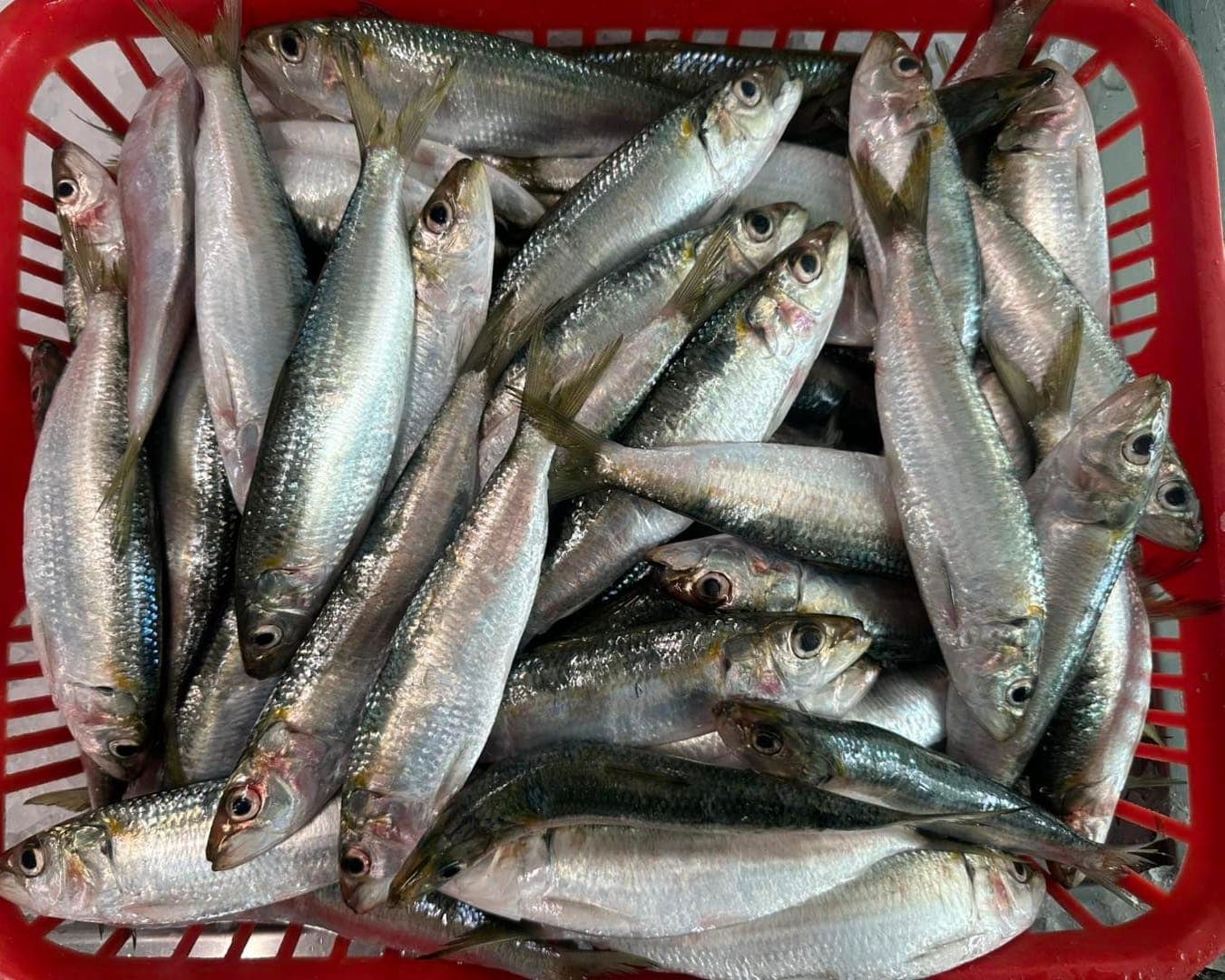
Indian and short mackerel from South and South-East Asian fisheries, frozen whole round, gutted, headed and gutted, filleted or butterflied, IQF or in blocks, with Scomber mackerel available from partner origins on request.
- Indian and short mackerel as the core species
- Whole round, gutted, HGT, fillets and butterfly cuts
- IQF or block-frozen, graded by fish weight
- Scomber mackerel quoted separately on request
- Histamine, rancidity and belly condition checked per lot
Product Specifications
Indicative; confirmed per lot on each quotation.
- Origin
- Gulf of Thailand and Andaman Sea, with India, Indonesia, Malaysia and Vietnam as partner origins for Rastrelliger; Scomber mackerel from partner origins on request. Fishing area declared per lot.
- Grade / Size
- By individual fish weight (e.g. 80–120 g, 100–150 g, 150–200 g, 200 g up) or pieces per kilogram; 300–500 g and larger bands for Scomber lots.
- Form & Processing
- Whole round, gutted, headed-gutted-tail-off (HGT), fillets with or without pin bones, and butterfly cuts, IQF or block-frozen with declared glaze.
- Storage
- Store at -18 °C or colder with as few temperature swings as possible, since these speed rancidity in oily fish; thaw under refrigeration and cook promptly.
- MOQ
- Typically one 20 ft reefer for block-frozen whole fish; IQF cuts from one pallet per item, mixable with sardines and other frozen fish.
- Lead Time
- Usually 3–5 weeks once the specification is fixed; catches swing with the monsoon seasons and fishery closures, which can move size availability.
Product overview
Mackerel is an everyday fish across much of Asia, the Gulf and Africa, eaten grilled, fried, steamed and in curries, and it is also a working raw material for canners and ready-meal makers. In Thailand the short mackerel, pla thu, is a kitchen staple, sold steamed in small bamboo baskets as well as fresh and frozen. The name covers several quite different fish, though, so this page starts with the species before turning to cuts and grades.
Our core species are Indian mackerel (Rastrelliger kanagurta) and short mackerel (Rastrelliger brachysoma), small shoaling fish of warm coastal waters caught by purse seine and gill net. Supply comes from the Gulf of Thailand and the Andaman Sea and from partner origins such as India, Indonesia, Malaysia and Vietnam, with the fishing area declared per lot. The larger, oilier Scomber mackerels, Pacific chub mackerel (Scomber japonicus) and Atlantic mackerel (Scomber scombrus), are different fish from different fisheries: we quote them separately on request from partner origins and never pack them with Rastrelliger under one name.
Formats run from whole round fish frozen IQF or in blocks, through gutted and headed, gutted and tail-off (HGT) fish, to fillets with or without pin bones and butterfly cuts, opened out with the backbone removed so that the fish lies flat for grilling. Rastrelliger is graded by individual fish weight, typically 80–120 g, 100–150 g, 150–200 g and 200 g and up, or by pieces per kilogram, while larger bands such as 300–500 g apply to Scomber lots. Checks on each lot cover size uniformity, belly condition, skin and color, blood spots, signs of rancidity in the fat, glaze and histamine, which matters for every mackerel because the flesh carries plenty of free histidine.
Whole round and HGT block-frozen fish suit canners, smokers and wholesalers who cut to their own needs, while IQF whole fish, fillets and butterfly cuts serve retail packs and restaurant grills. Mackerel shares buyers, and often containers, with frozen sardines, and our salted and dried fish range covers shelf-stable formats for the same markets. Oily fish needs a steady -18 °C or colder throughout, and the reefer shipping guide covers set points, loading and the records that support a claim.
Specification sheet
Frozen Mackerel: full specification
Indicative values. Final specifications are confirmed per lot on the quotation and certificate of analysis.
| Species | Rastrelliger kanagurta, R. brachysoma; Scomber spp. on request |
|---|---|
| Origin | Thai waters and partner origins in South and South-East Asia |
| Gear | Purse seine or gill net, stated per lot |
| Formats | Whole round, gutted, HGT, fillets, butterfly |
| Size | Fish weight bands or pieces per kg |
| Freezing | IQF or block-frozen |
| Histamine | Tested per lot to the importing country’s limits |
| Glaze | Percentage given per lot; net weight ex-glaze |
| Shelf life | Typically 12–18 months at -18 °C or colder |
| Documents | Health certificate, certificate of origin, and a catch certificate for wild mackerel bound for the EU |
| Minimum order | Typically one 20 ft reefer for block-frozen whole fish; IQF cuts from one pallet per item, mixable with sardines and other frozen fish. |
| Lead time | Usually 3–5 weeks once the specification is fixed; catches swing with the monsoon seasons and fishery closures, which can move size availability. |
FAQ
Frozen Mackerel: questions from buyers
Is this the same fish as Japanese saba or Norwegian mackerel?
No. Japanese saba is usually Pacific chub mackerel (Scomber japonicus), and Norwegian or Scottish mackerel is Atlantic mackerel (Scomber scombrus); both are larger and generally oilier than the Rastrelliger mackerels of tropical Asia. Indian and short mackerel have a milder flavor and a smaller frame, which suits whole-fish grilling, frying and curries. We quote Scomber mackerel separately on request, and the species name on every offer and carton keeps the two groups apart.
Which mackerel cut suits which market?
Whole round fish, frozen in blocks, go to wet markets, canners and wholesalers in Asia, the Gulf and Africa, where buyers prefer to see the whole fish. Gutted and HGT fish cut waste and freight for buyers who clean fish anyway. Butterfly cuts lie flat on a grill or under a salamander and suit restaurant and retail grilling packs, while fillets with pin bones removed serve ready-meal makers and supermarkets. Tell us the end use and we will suggest the cut and size band that fits.
Why does mackerel need such tight temperature control?
Two reasons. Mackerel belongs to the Scombridae, whose flesh is rich in free histidine, and histamine forms quickly if fish warm up between catch and freezing or later in the chain. The fat is also highly unsaturated and oxidizes, giving rancid flavors and yellowing, when frozen fish is stored too warm or goes through repeated temperature swings. Fast freezing, a protective glaze or vacuum pack, and a steady -18 °C or colder all the way to the end user protect both histamine status and flavor.
How are frozen mackerel sizes expressed?
Most offers grade Rastrelliger by individual fish weight, for example 100–150 g, or by the number of fish per kilogram, such as 6–8 pieces. Count is measured on thawed, deglazed fish so that glaze does not inflate the weight. For fillets and butterfly cuts, the grade refers to the piece after cutting, not to the whole fish it came from. Size tolerance, meaning the share of fish allowed outside the band, is agreed in the specification.
Related
Related products
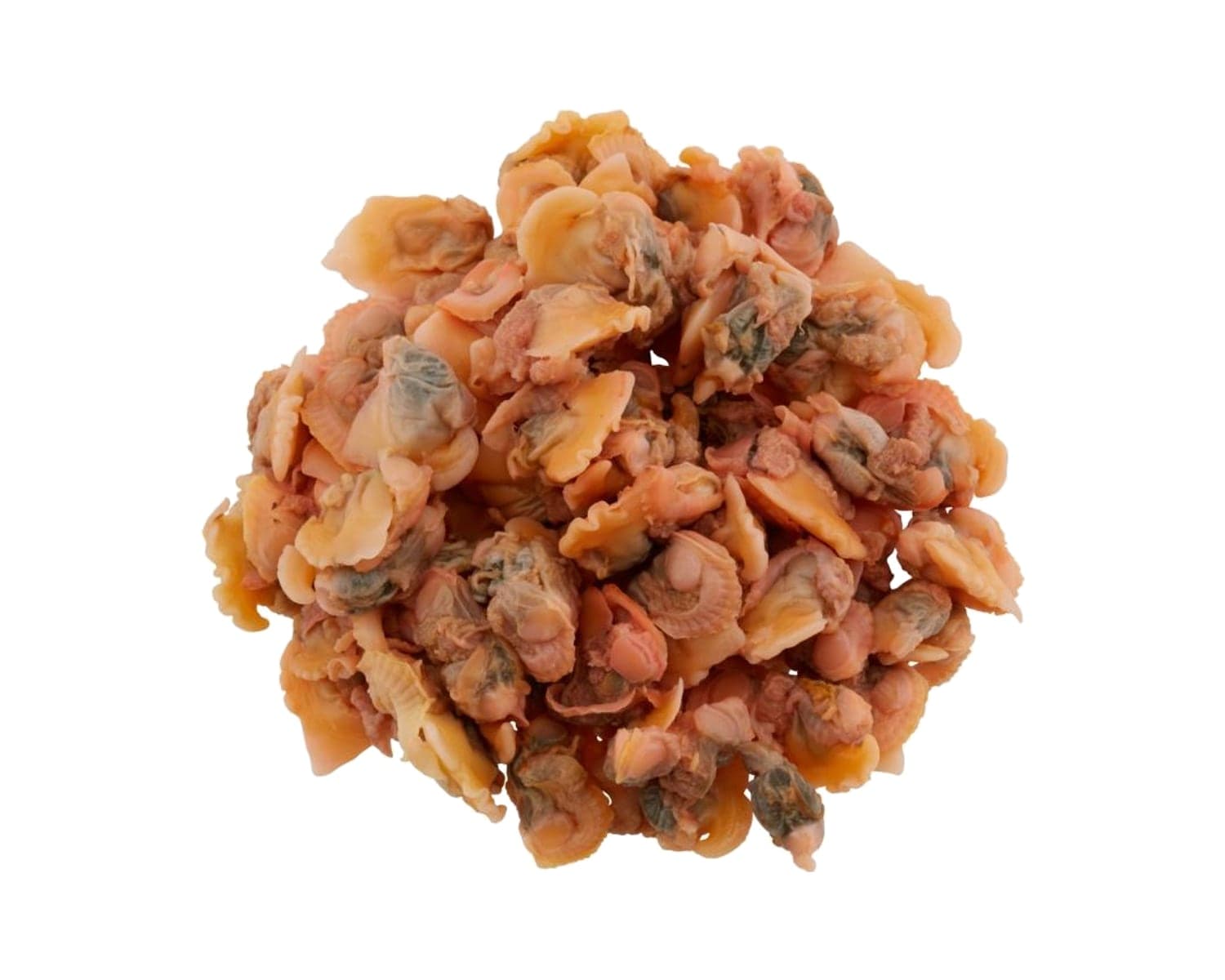
Specialty Dried Seafood
Other Dried Fish and Shellfish
Salted fish, anchovy, croaker, octopus and more, on request
Dried
Buyer guides
Species Profiles8 min read
Mackerel Species Compared: Scomber, Rastrelliger and the Spanish Mackerels
The word mackerel covers three different groups of fish. How to tell Scomber, Rastrelliger and Scomberomorus apart, what each is called, where it is caught and how it is eaten.
Read the guide
Import & Compliance8 min read
Shipping Seafood: Reefer Containers, Cold Chain and Incoterms
A logistics guide for seafood buyers: reefer and dry-container shipping, temperature records, air freight for chilled and live product, where Incoterms 2020 place cost and risk, and the evidence a claim needs.
Read the guide
Buying Guide7 min read
Choosing Premium Seafood Ingredients for Restaurants and Retail
How chefs, foodservice buyers and brand owners match grade and format to the application, compare suppliers on cost per portion, and keep quality consistent across orders and channels.
Read the guide
Request a quote
Request a quote for frozen mackerel
Share your target grade, packing, volume and destination. We confirm availability, documentation for your market and a formal quotation, usually within one business day.
- Grade, size or count required
- Packing format and labeling language
- Estimated volume and order frequency
- Destination port or airport and Incoterm
- Reference: Frozen Mackerel