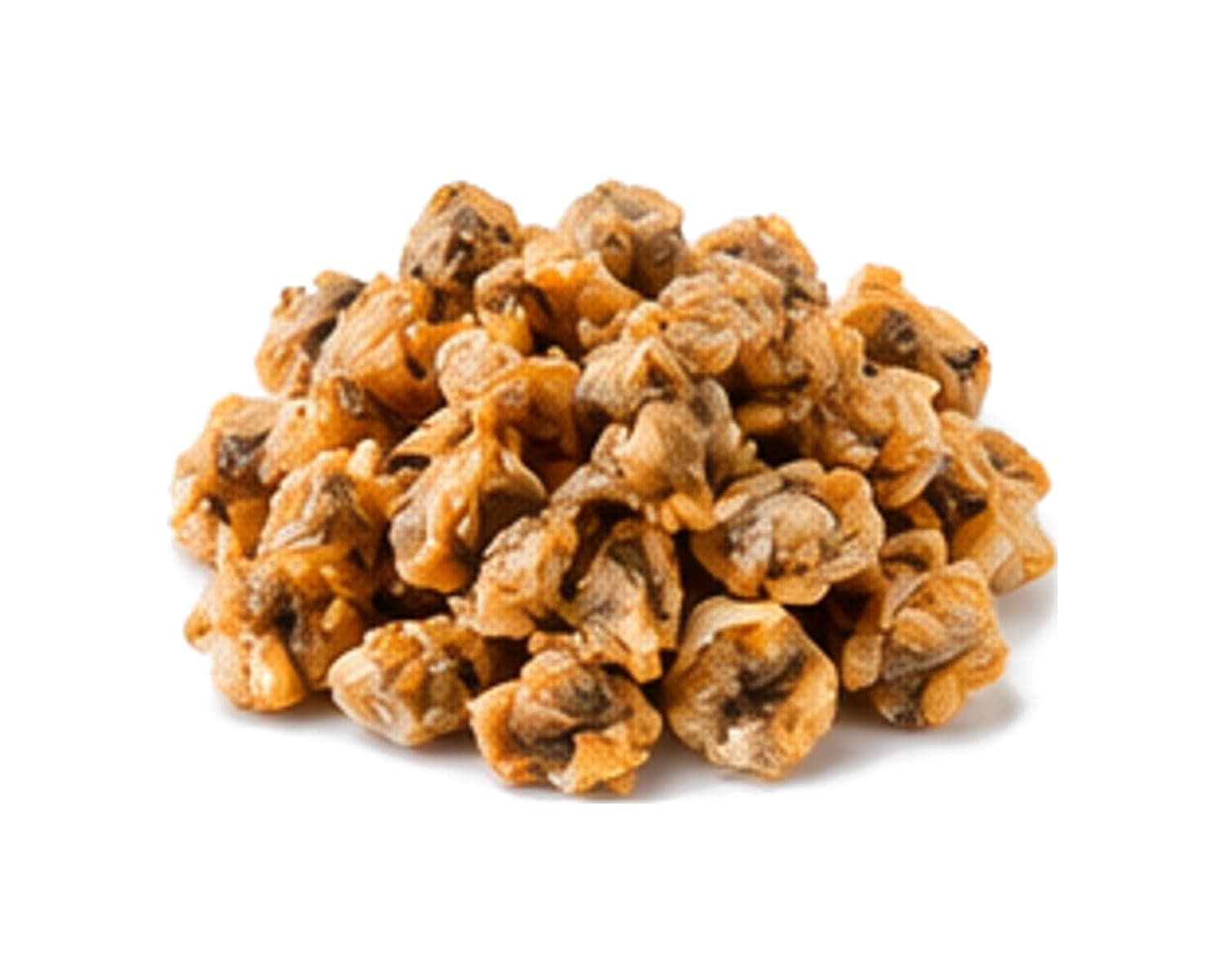
- Private-label packing
- Export documentation
Specialty Dried Seafood
Wholesale Dried Mussels for Asian Kitchens and Grocery Retail
BSA Food Products supplies dried mussel meat to importers, Asian grocers and restaurant kitchens, sorted by meat count, color and moisture and declared by species and growing area.
- Mytilus and Perna mussel meat, species stated
- Large, medium and small grades by count per kilogram
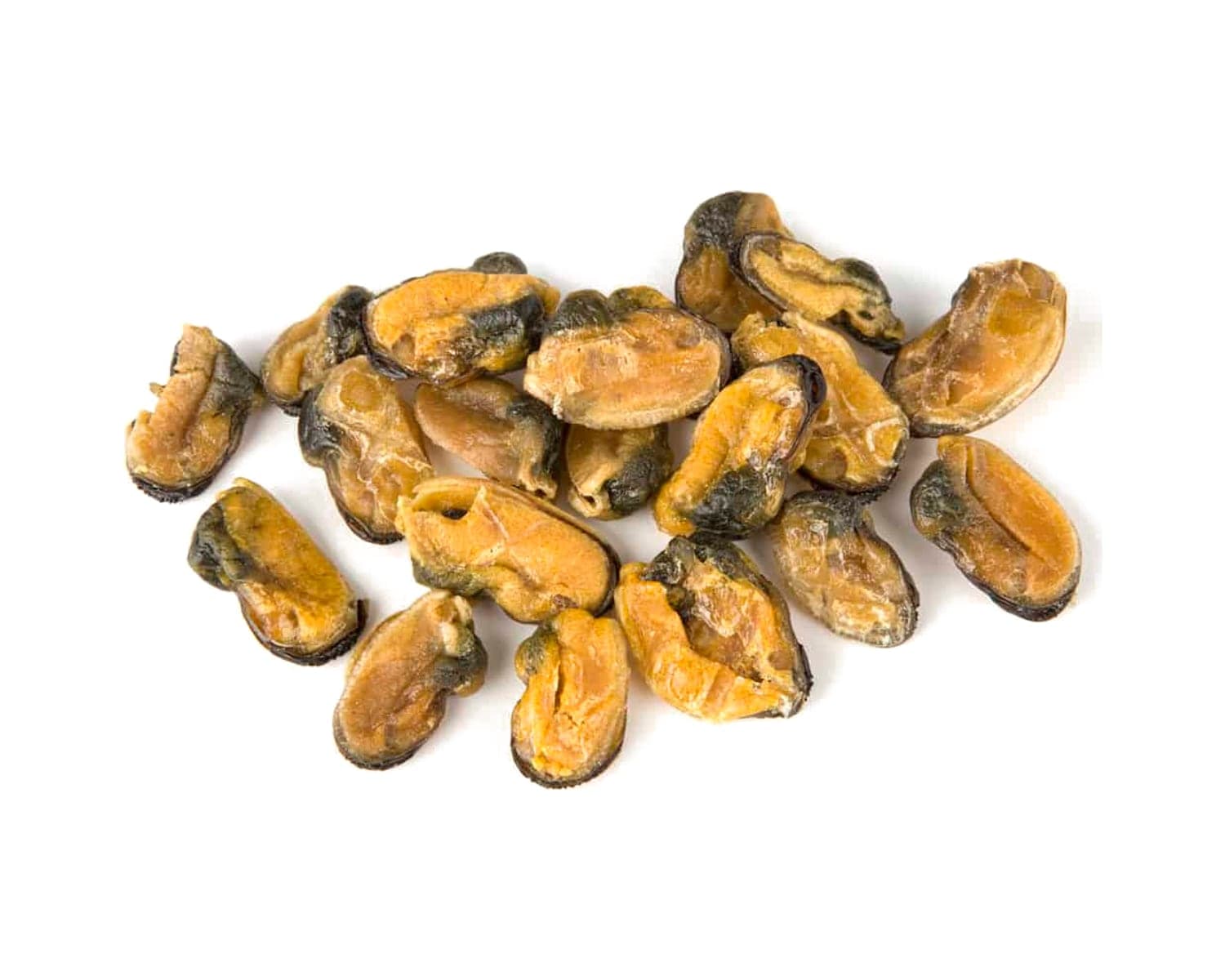
- Color-sorted lots with orange and cream meats separated
- Dryness checked to avoid sticky, clumped meat
- Byssus threads removed before drying
Product Specifications
Indicative; confirmed per lot on each quotation.
- Origin
- Eastern and northern China and South-East Asia, depending on species; growing or harvest area declared per lot.
- Grade / Size
- Large, medium and small grades by count per kilogram (e.g. 150–250, 250–400, 400+ pcs/kg), confirmed per lot.
- Form & Processing
- Cooked, shucked, de-bearded, washed and sun- or air-dried; supplied unsalted or lightly salted depending on origin.
- Storage
- Store sealed at cool ambient temperature in a dry room; beyond a few months, a chiller at 0–5 °C is advisable because mussel meat tends to darken and develop stale flavors.
- MOQ
- From 80 kg per size grade, with color-sorted lots subject to availability.
- Lead Time
- Typically 2–5 weeks, depending on whether stock product or a specific color sort is required.
Product overview
Dried mussels, known in Mandarin as dan cai, are cooked mussel meats dried until firm and slightly leathery. They have a concentrated, savory-sweet flavor and are most closely associated with Zhejiang and Cantonese home cooking, where they are simmered in congee, added to winter melon or pork-bone soups and braised with pork belly. Overseas, they sell steadily through Chinese grocers and to restaurants that cook regional dishes.
The traditional product comes from the thick-shelled mussel (Mytilus coruscus) of the East China Sea islands, which yields large, deep-colored meats. Farmed Mytilus species from northern China and Asian green mussel (Perna viridis) from South-East Asia provide more volume at accessible grades. We state species and growing area on each offer, since flavor, size and color differ noticeably between them.
Processing involves cooking the mussels, removing the meat and byssus threads, washing and drying in sun or warm air. We grade by count per kilogram into large, medium and small sizes, then by color: orange to amber meats are traditional, and paler cream meats can be sorted separately for buyers who want a uniform pack. Dryness is checked by moisture testing and by feel, because sticky or clumped pieces signal under-drying and a shorter storage life. Byssus remnants, shell fragments, grit and off odors are recorded per lot.
Restaurants usually prefer large, uniform meats for braises, while congee shops and soup kitchens buy medium or small grades on value. Mussels sit naturally in a dried bivalve range alongside dried clams and dried oysters, and we can consolidate all three on one shipment.
Specification sheet
Dried Mussels: full specification
Indicative values. Final specifications are confirmed per lot on the quotation and certificate of analysis.
| Species | Mytilus coruscus, other Mytilus spp., Perna viridis; declared per lot |
|---|---|
| Growing area | Region and FAO area stated per lot |
| Grade / size | Large, medium, small by count per kg |
| Color | Orange to amber; cream meats sorted separately on request |
| Processing | Cooked, shucked, de-bearded, washed, dried |
| Moisture | Typically 15–20%, confirmed per lot |
| Allergen | Mollusc (labeled where the market requires) |
| Shelf life | Typically 9–12 months sealed under cool storage |
| Packing | 10 kg cartons; 500 g – 1 kg bags; 150–300 g retail |
| Documents | Certificate of origin, packing list, invoice; health certificate and harvest-area statement where the market requires them |
| Minimum order | From 80 kg per size grade, with color-sorted lots subject to availability. |
| Lead time | Typically 2–5 weeks, depending on whether stock product or a specific color sort is required. |
FAQ
Dried Mussels: questions from buyers
Why do dried mussels vary in color?
Color depends mainly on species, sex and how the meat was cooked and dried. Female mussel meat tends to be orange while male meat is a paler cream, and over-drying or long storage darkens both. We can supply mixed natural lots at a lower cost, or color-sorted lots for retail packs where a uniform appearance in a clear window matters.
How can I tell whether dried mussels are properly dried?
Well-dried mussels feel firm, separate easily and spring back slightly when pressed. Pieces that stick together, feel tacky or smell sour have usually been under-dried or exposed to humidity, and they will not keep as long. We record moisture for each lot and photograph carton contents before dispatch so you can compare condition on arrival.
Which grade should a congee or soup restaurant choose?
Medium grades are the common choice: they give good flavor per bowl at a better unit cost, and appearance is less critical once the meat has simmered. Large grades earn their premium in braised dishes or retail packs. Our guide to choosing premium seafood ingredients explains how to balance grade against menu use.
Do dried mussels need refrigerated shipping?
Usually not: properly dried mussel meat travels in dry containers, although we avoid prolonged heat exposure in transit and prefer ventilated stowage in hot months. For long voyages through the tropics, or for stock that will be held for many months after arrival, a reefer container at chilled temperature is worth discussing at quotation stage.
Related
Related products
Premium Marine Delicacies
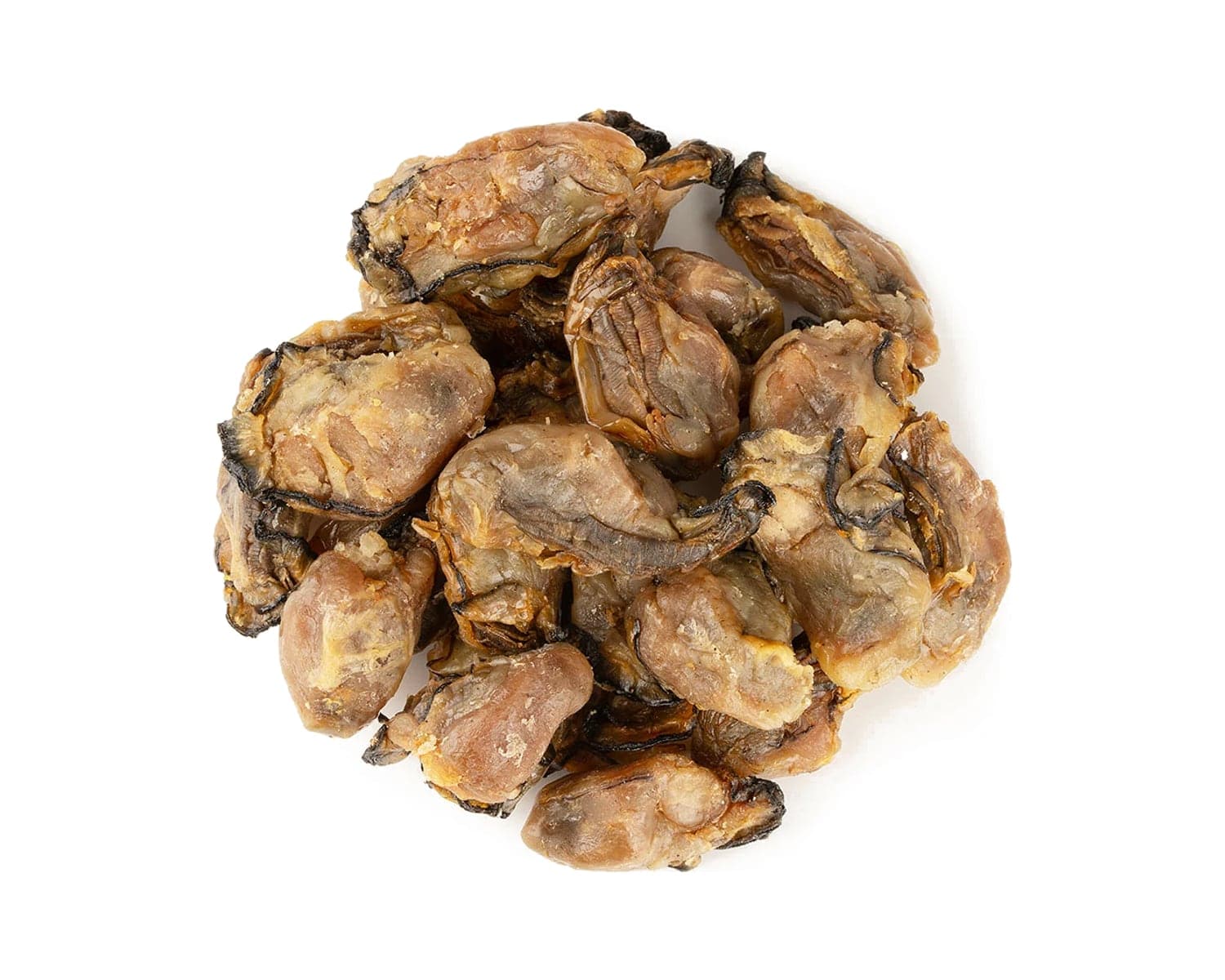
Dried Oysters
Fully dried and golden semi-dried oysters, sized by count
Dried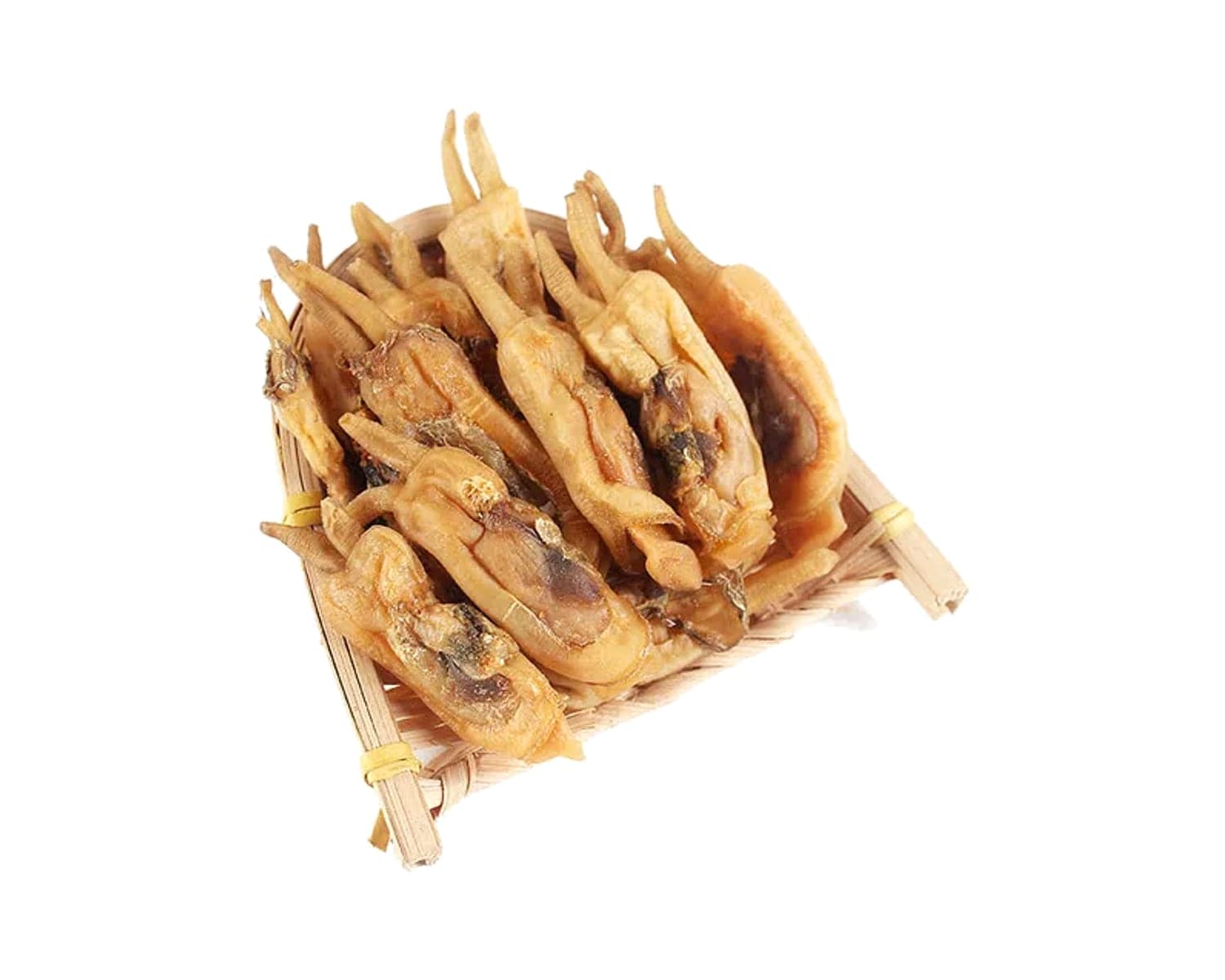
Specialty Dried Seafood
Dried Razor Clams
Sun-dried razor clam meat, length-graded and grit-checked
Dried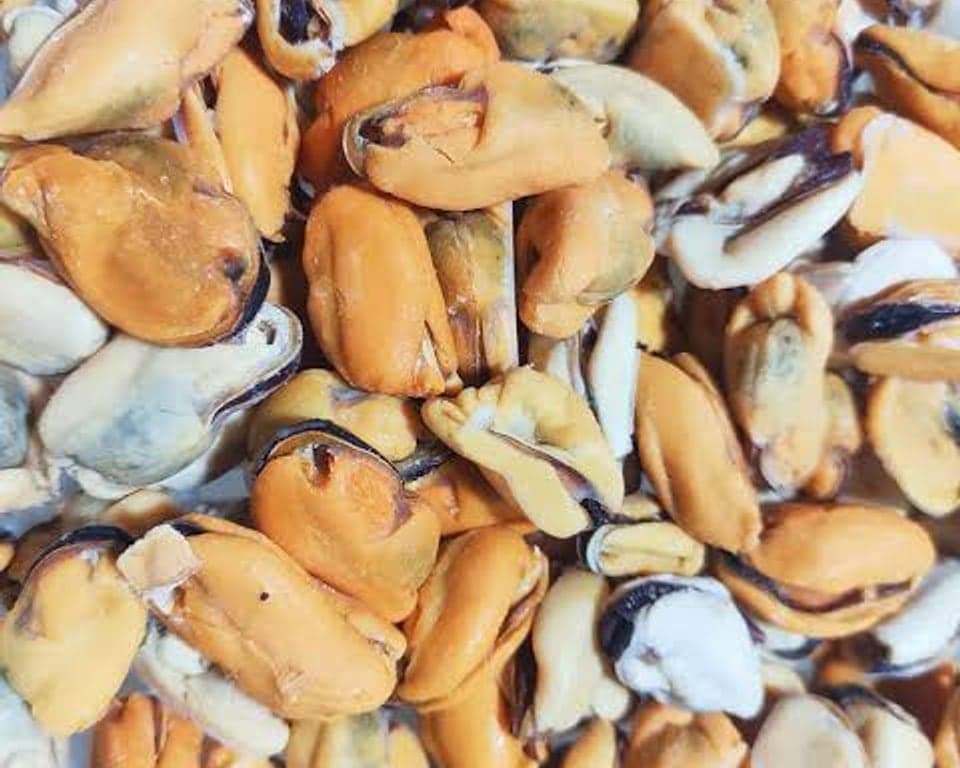
Frozen & Live Seafood
Frozen and Chilled Shellfish
Scallops, clams, mussels, oysters and whelk, IQF and half-shell
Frozen
Buyer guides
Species Profiles6 min read
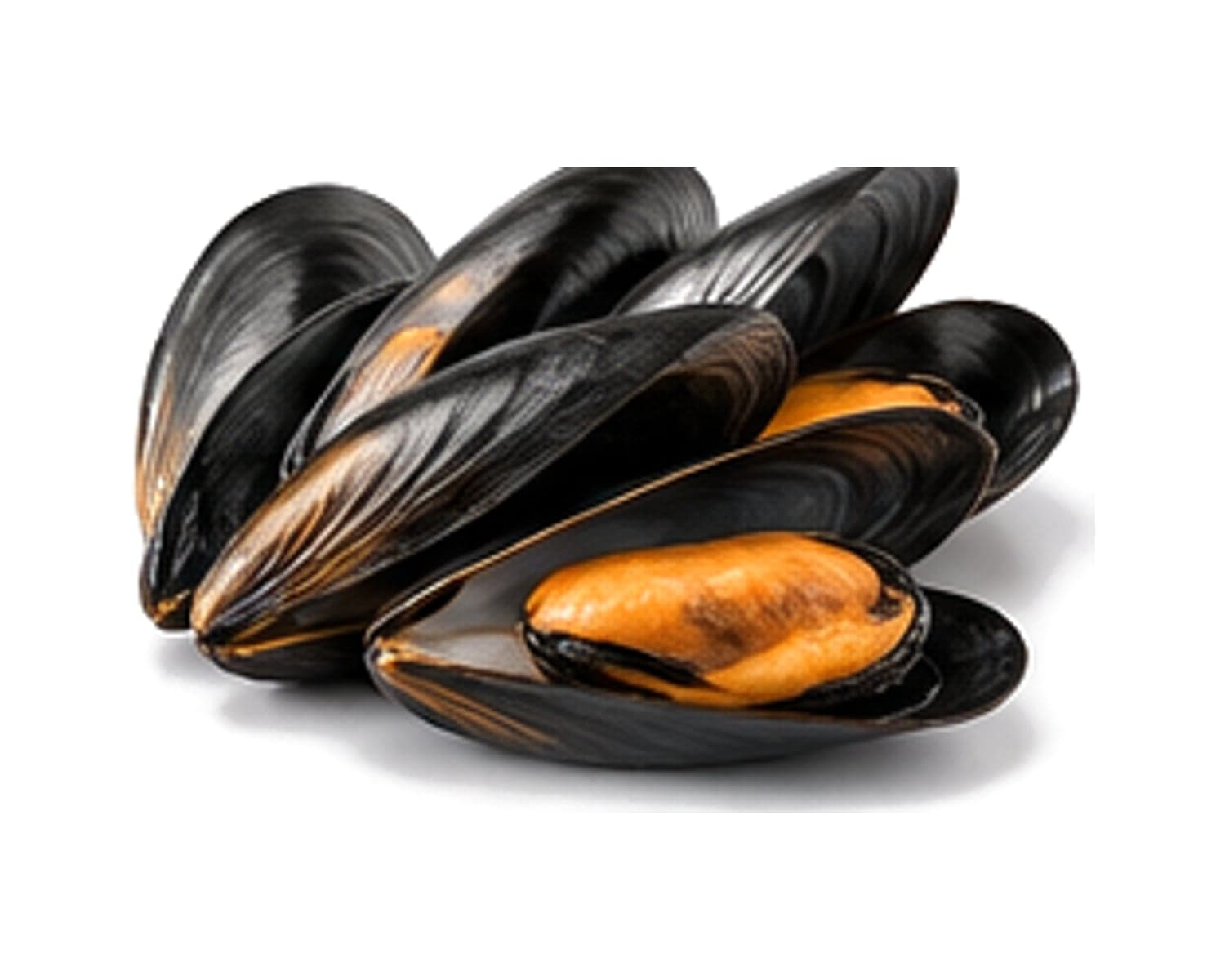
Mussel Species Compared: Blue, Mediterranean, Chilean and Green-Lipped
Blue, Mediterranean, Chilean and green mussels look alike on a plate but differ in origin, size, meat color and farming method. This profile sorts them out and shows how each cuisine cooks them.
Read the guide
Buying Guide7 min read
Choosing Premium Seafood Ingredients for Restaurants and Retail
How chefs, foodservice buyers and brand owners match grade and format to the application, compare suppliers on cost per portion, and keep quality consistent across orders and channels.
Read the guide
Storage & Handling7 min read
How to Store Dried Abalone, Fish Maw, and Dried Seafood
A practical guide to keeping high-value dried seafood in sound condition, from warehouse humidity control and chilled holding to handling after rehydration.
Read the guide
Request a quote
Request a quote for dried mussels
Share your target grade, packing, volume and destination. We confirm availability, documentation for your market and a formal quotation, usually within one business day.
- Grade, size or count required
- Packing format and labeling language
- Estimated volume and order frequency
- Destination port or airport and Incoterm
- Reference: Dried Mussels