Premium Marine Delicacies
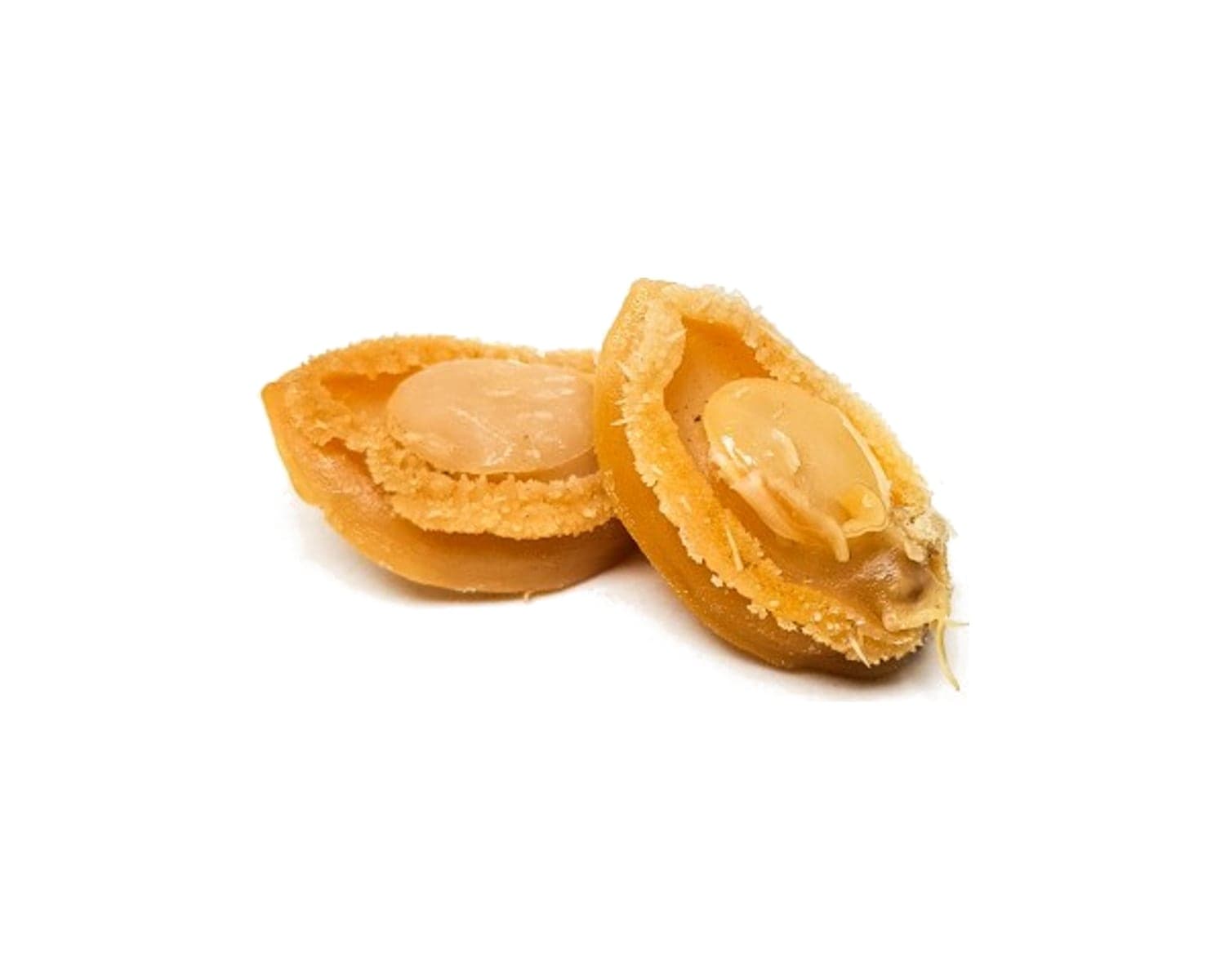
Dried Abalone
Wild and farmed abalone, sun-dried and graded by head count
Dried
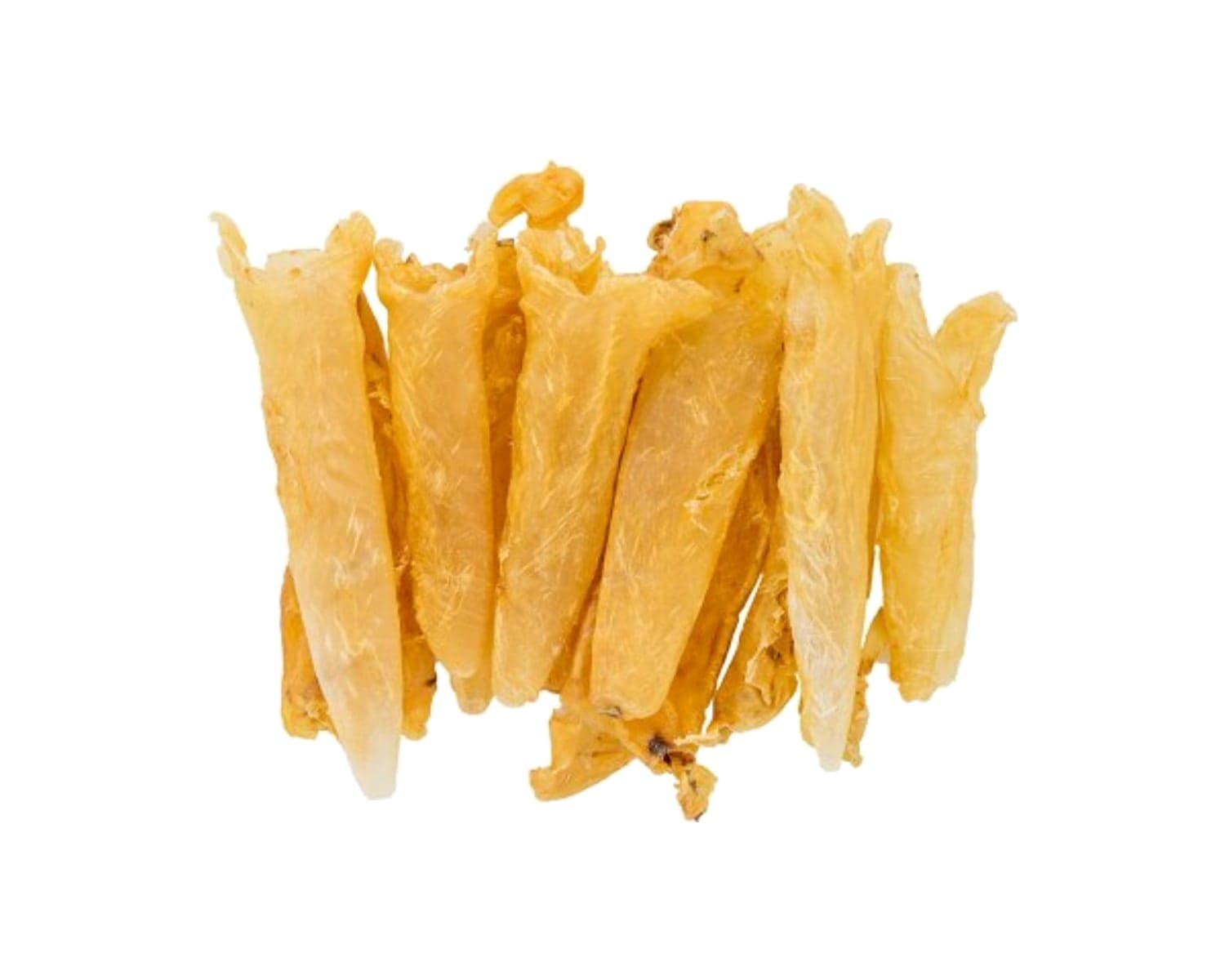
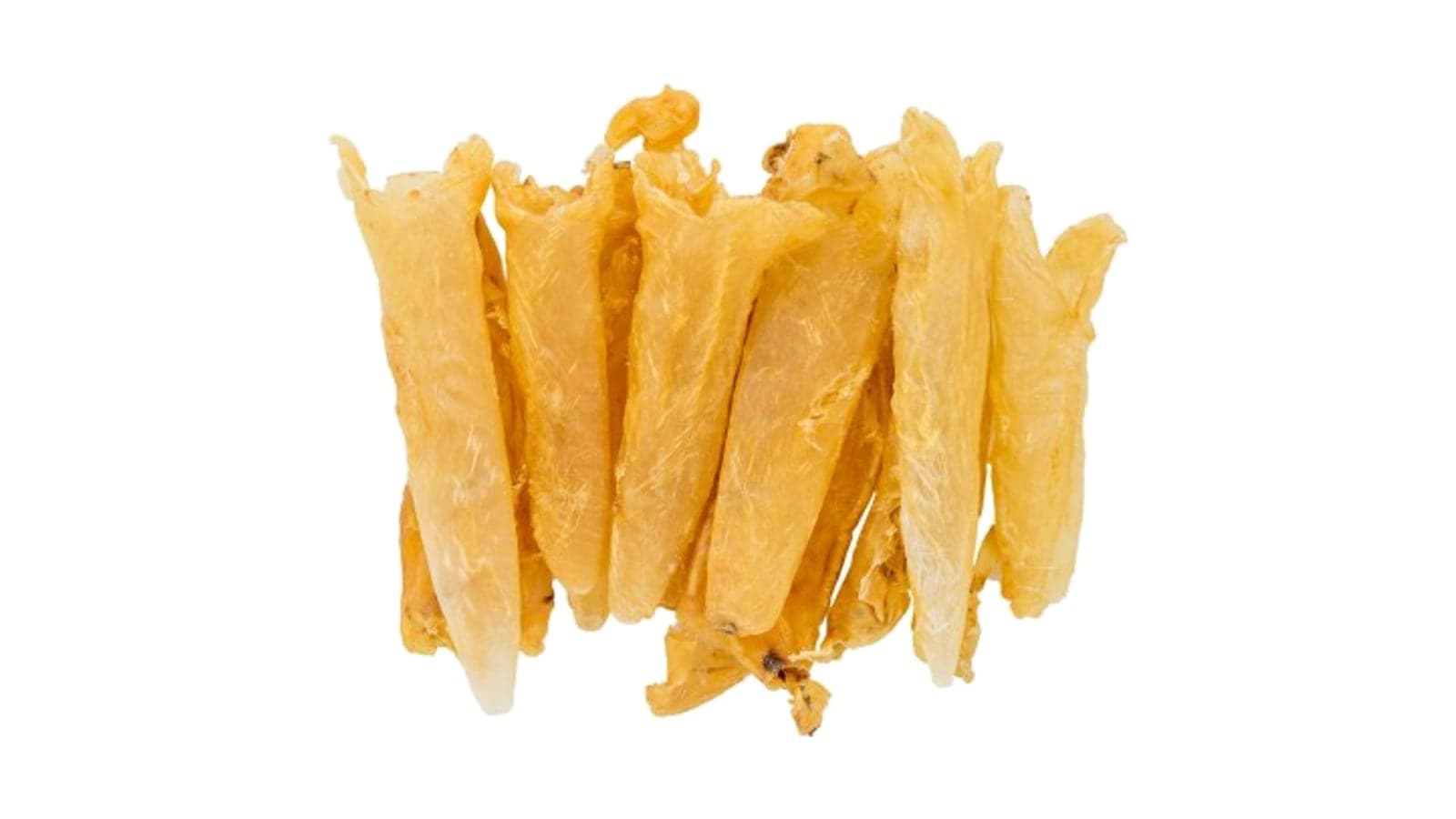
We supply dried fish maw to importers, wholesalers and banquet kitchens, with each lot specified by declared species, origin, piece weight, thickness and drying method so buyers can match grade to dish.
Indicative; confirmed per lot on each quotation.
Fish maw is the dried swim bladder of large fish, cleaned, opened flat or left as a tube, and dried until hard and translucent. In the Hong Kong dried seafood trade it is bought by species, thickness and size rather than under a single grade name, and lots that look alike on the shelf can behave very differently once soaked. For fish maw wholesale, we quote every lot with its declared species, origin, piece weight, wall thickness and drying method so that competing offers can be compared on equal terms.
Our regular lines cover croaker-family maws from South American, West African and South Asian fisheries, sought after for thick walls and a dense, springy bite after braising; Nile perch maw (Lates niloticus) from the East African lakes, a pale, thinner-walled maw suited to soups and hotpot at volume; pike-conger or eel maw (Muraenesox cinereus), long and tubular and often puffed by frying for retail; and threadfin maws as a mid-range option. Protected species are never offered, and every lot comes from a legally traded fishery.
Grading weighs thickness and density first, then size, shape, color and dryness. Even color, clean edges and freedom from blood spots, mold and insect damage separate the top grades, while thin or broken pieces are sorted into a soup grade. The trade also distinguishes male maw, usually thicker and expected to hold its shape in long braises, from female maw, which is often thinner and may soften sooner; many buyers also seek aged maw that has darkened during years of dry storage. Sun-dried lots tend to show a warmer tone, whereas machine-dried lots are more uniform. Our guide to fish maw grades explains each check in detail.
Banquet kitchens usually buy thick croaker-family maws by piece weight for portion control, retailers favor boxed gift grades ahead of festivals, and soup and hotpot operators take Nile perch or broken grades. Before dispatch we confirm moisture, odor and grade consistency, and a small trial order lets chefs run their own soak test. Many buyers build banquet menus around maw alongside dried abalone.
Specification sheet
Indicative values. Final specifications are confirmed per lot on the quotation and certificate of analysis.
| Species / type | Croaker-family maws, Nile perch (Lates niloticus), pike conger (Muraenesox cinereus), threadfin; declared per lot |
|---|---|
| Origin | Country and fishing area stated on each offer |
| Grade / size | Piece-weight or pcs/kg bands by species; thickness grade; soup grade |
| Sex / age | Male or female maw and aged stock identified where known |
| Processing | Cleaned, opened or tubular; sun-dried or machine-dried |
| Moisture | Typically 10–15%, confirmed per lot |
| Appearance | Even color, clean edges; no blood spots, mold or insect damage |
| Shelf life | Around two years in sealed packs kept cool and dry; confirmed per lot |
| Packing | 5 kg / 10 kg cartons; 500 g – 1 kg vacuum bags; gift boxes |
| Documents | Invoice, packing list, certificate of origin and species declaration, plus a health certificate when the import market calls for one |
| Minimum order | Trial quantities start at 10 kg per species and grade; ongoing programs typically from 50 kg. |
| Lead time | Around 2–3 weeks for stocked grades, or 4–6 weeks where a specific species, size band or aged lot has to be sourced. |
FAQ
Our regular lines are croaker-family maws, Nile perch maw (Lates niloticus), pike-conger maw (Muraenesox cinereus) and threadfin maw, with the species and fishing origin named on every offer. We never trade maw from protected species, and we turn down any request where lawful origin cannot be documented for both the exporting country and your import market.
In Hong Kong trade practice, male maw is usually thicker and smoother and is expected to keep its shape through long braising, whereas female maw is often thinner, sometimes with a rippled surface, and can soften faster in the pot. This is a market convention rather than a laboratory grade, so we describe the physical traits of each lot and can send pieces of both for side-by-side kitchen trials.
Aged maw has been held dry, usually for several years, and tends to deepen towards amber. Some chefs prefer it for a cleaner aroma and firmer bite after soaking. Supply is limited and storage age is hard to verify independently, so we state the declared holding period together with the condition we observe, and we suggest a trial soak before committing to volume.
Sun-dried maws often carry a warmer, slightly uneven color that traditional buyers recognize, while machine-dried maws dry more evenly and spend less time exposed to weather and dust. Either can perform well; final moisture, absence of mold and correct storage matter more than the method itself. Our fish maw and abalone storage advice explains how to hold maw after delivery without losing color.
Related
Premium Marine Delicacies
Wild and farmed abalone, sun-dried and graded by head count
Premium Marine Delicacies
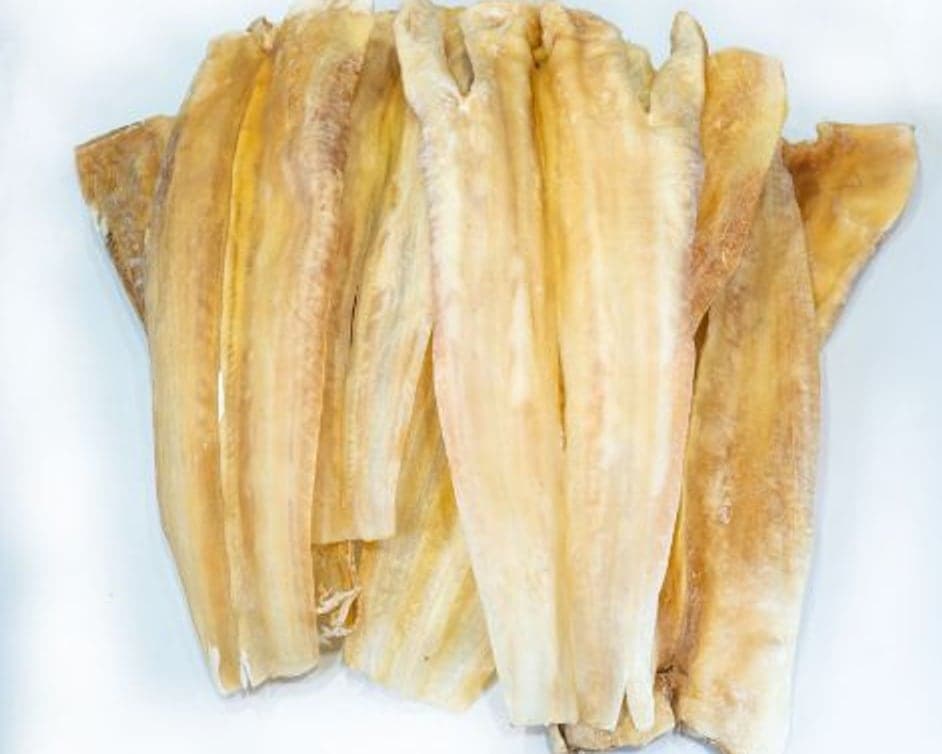
Dried and frozen fish lips, braising skins and maw-area cuts
Premium Marine Delicacies
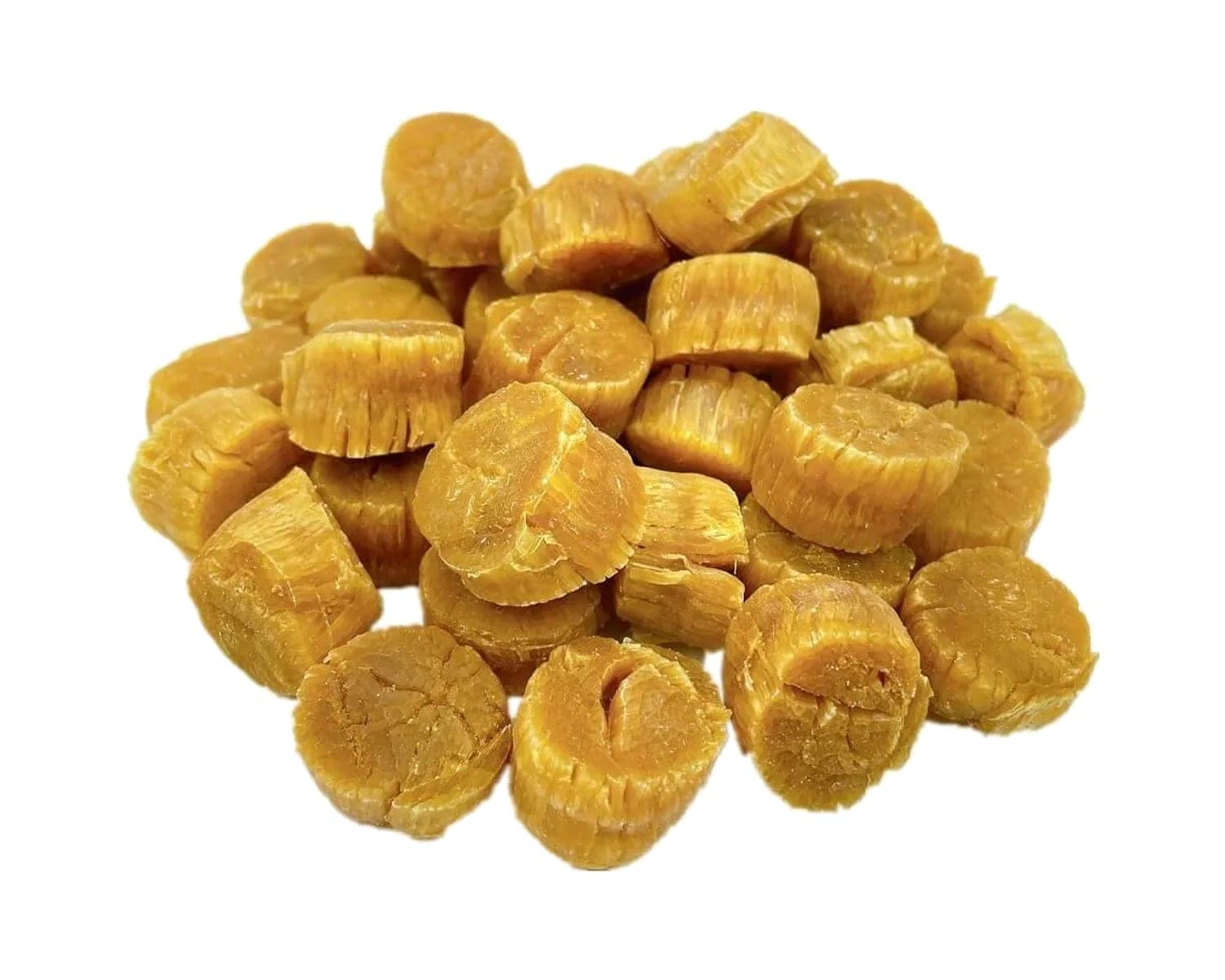
Hokkaido, Aomori and Chinese adductors by diameter and count
Quality & Grading7 min read
A practical framework for grading dried fish maw by thickness, size, color, dryness, odor and sex, with an evaluation method for trial lots and the documents to expect with each one.
Read the guide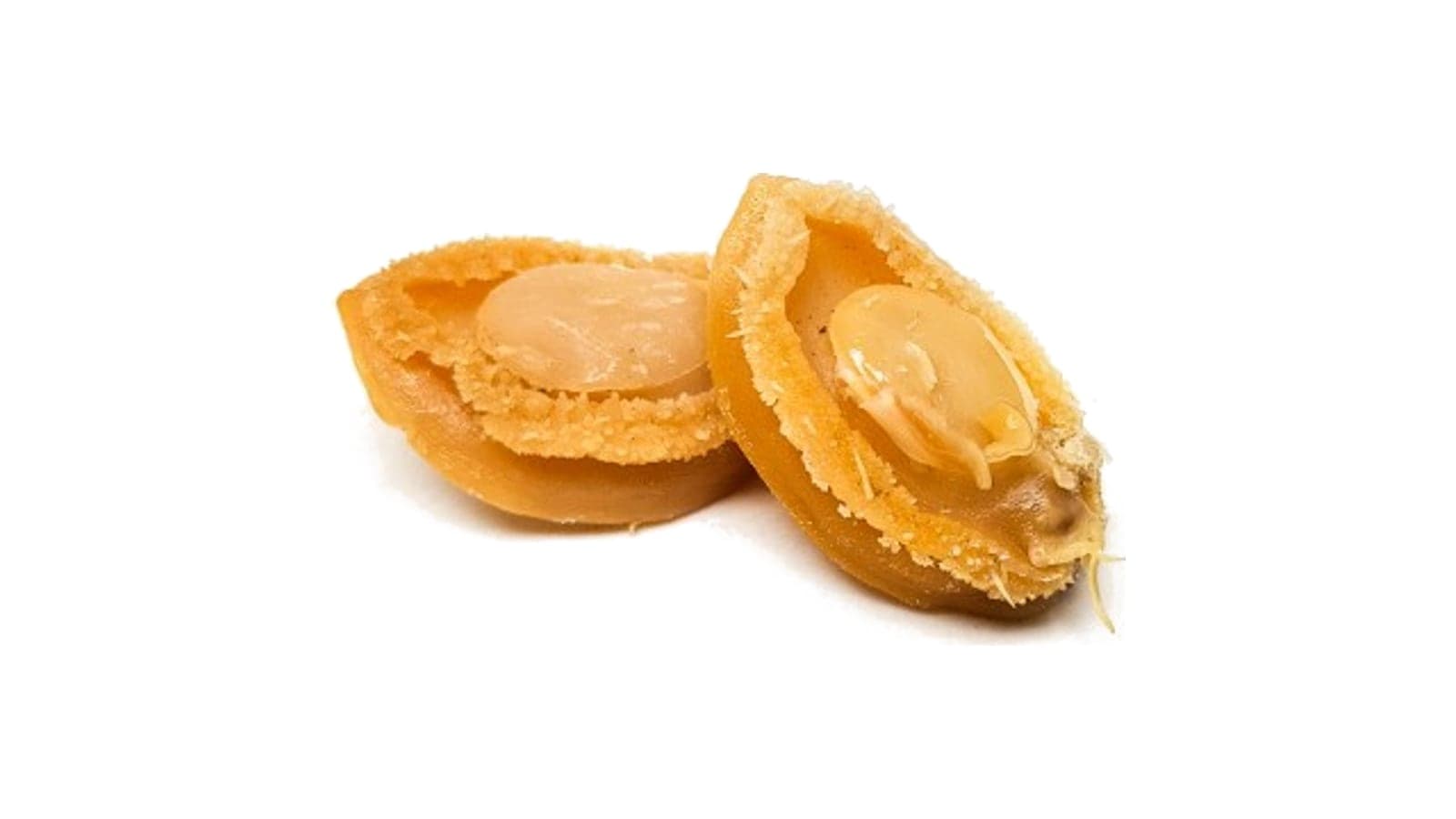
Storage & Handling7 min read
A practical guide to keeping high-value dried seafood in sound condition, from warehouse humidity control and chilled holding to handling after rehydration.
Read the guide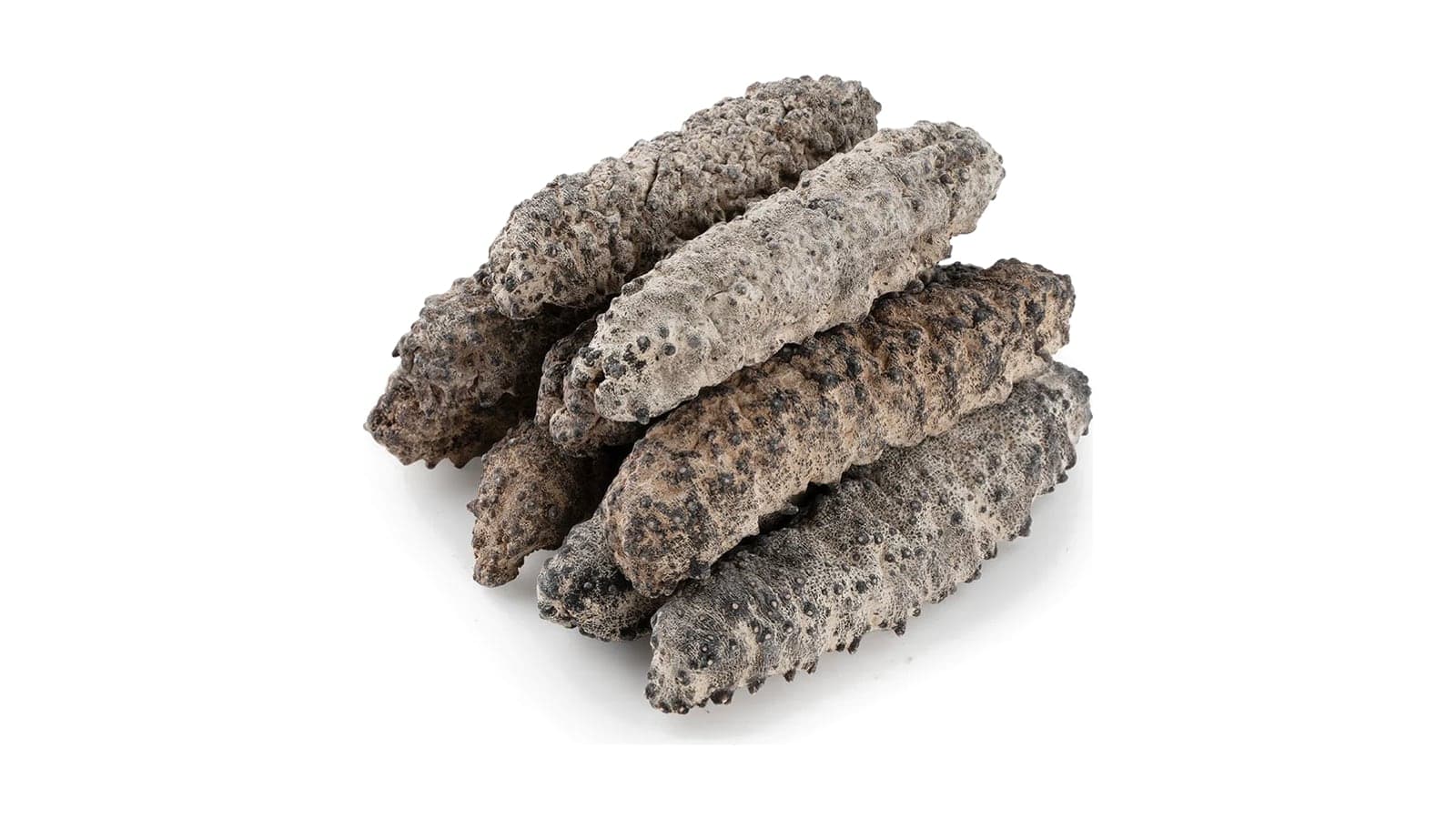
Quality & Grading6 min read
How species, processing, salt and residual moisture shape the rehydration yield of dried sea cucumber, and how to turn a price per dry kilogram into a cost per usable portion.
Read the guideRequest a quote
Share your target grade, packing, volume and destination. We confirm availability, documentation for your market and a formal quotation, usually within one business day.