Marine Ingredients
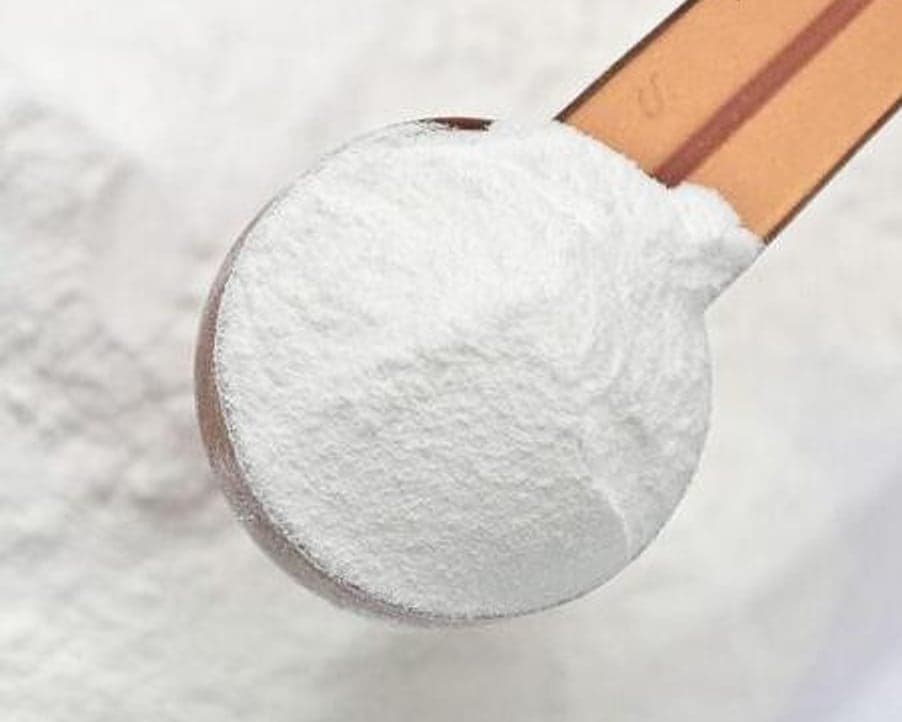
Fish Collagen Raw Materials
Segregated skin and scale streams for peptide and hydrolysate plants
Frozen
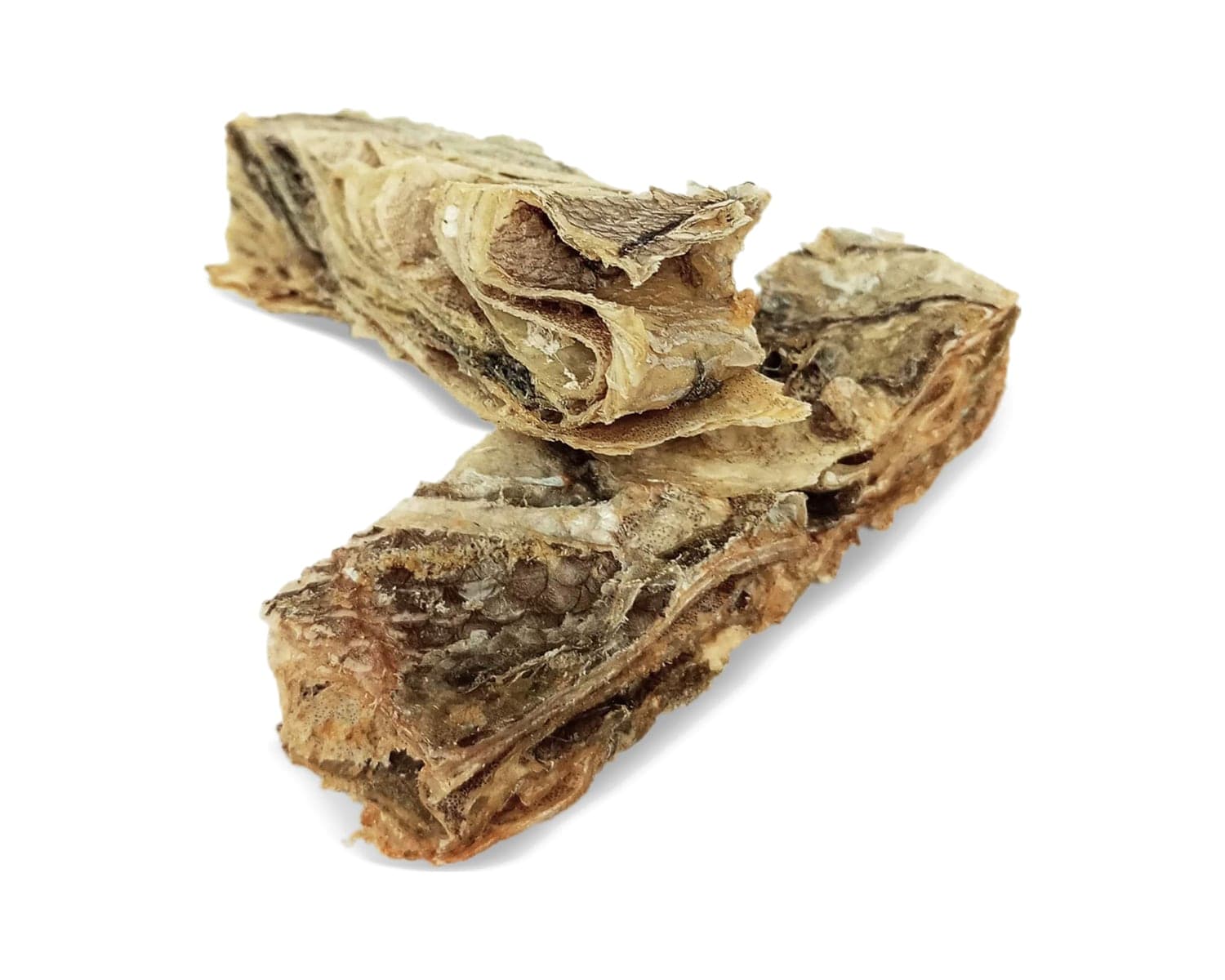
BSA Food Products supplies food-grade fish skin, frozen or dried, to snack manufacturers, Chinese kitchens and collagen extractors, specified by species, descaling, fat trim, size and freezing method.
Indicative; confirmed per lot on each quotation.
Fish skin has moved from a by-product of the fillet line to a deliberate ingredient: snack makers fry or bake it into crisps, Chinese kitchens braise it or dress it cold for its gelatinous chew, and extractors use it as feedstock. Each use needs different preparation, so we specify skin by species, whether scales have been removed, how closely fat and flesh are trimmed, piece size and freezing method.
Food-grade skin comes from fillet plants that handle it as food throughout: salmon skin from processors working with Norwegian and Chilean farmed fish, cod and pollock skin from whitefish plants, and pangasius and tilapia skin from farmed-fish processors in Vietnam and China. Skins are descaled mechanically or by hand, trimmed of residual fat and meat, and then either individually quick frozen (IQF) as interleaved pieces or packed into blocks; dried skin is available for some species.
For snack production, even thickness, complete scale removal and low residual fat matter most because they decide crispness and oil uptake, while braising grades favor thicker skin with clean color. Our pre-shipment checks cover scale remnants, fat and flesh residue, bloodstains, odor, piece size, glaze and core temperature. BSA Food Products also operates as a marine collagen raw material supplier, so extractors who do not need culinary presentation can take untrimmed skin from our fish collagen raw materials program.
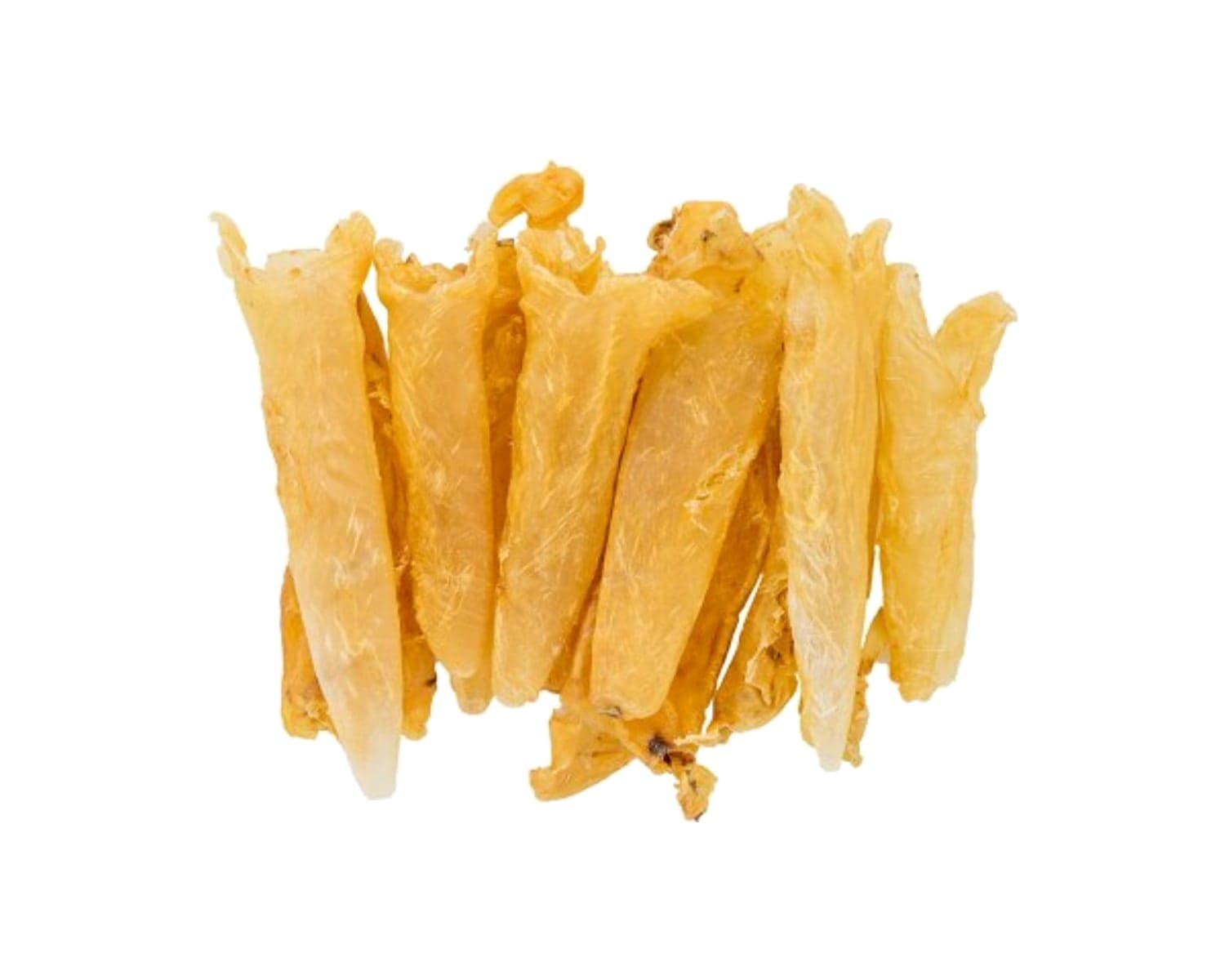
Restaurants building a fish-based banquet menu often pair skin dishes with fish maw and fish lips, both of which we supply dried and graded by size and quality for banquet and restaurant use.
Specification sheet
Indicative values. Final specifications are confirmed per lot on the quotation and certificate of analysis.
| Species | Salmon, Atlantic cod, Alaska pollock, pangasius, tilapia |
|---|---|
| Preparation | Descaled; fat and flesh trimmed to agreed limit |
| Size | Whole skins or cut pieces to specification |
| Freezing | IQF interleaved or block frozen; glaze declared |
| Core temperature | −18 °C or colder at loading |
| Quality checks | Scale remnants, bloodstains, odor, color, piece size |
| Shelf life | Typically 12 months frozen, shorter for fatty species such as salmon |
| Packing | 10 kg IQF cartons; 2 × 10 kg block cartons; dried skin in lined cartons |
| Documents | Health certificate, catch certificate where applicable, invoice, packing list, certificate of origin |
| Minimum order | From 1 tonne for IQF trial orders; block-frozen skin from 5 tonnes or one container. |
| Lead time | 2–4 weeks for regular species; salmon and cod skin follow processing schedules and may take longer. |
FAQ
Salmon skin is widely used for crisps because its fat content gives a rich flavor once fried, while cod, pollock and pangasius skins give a lighter, cleaner-tasting crisp. Whichever species you choose, specify complete descaling and a consistent thickness, since uneven trimming causes patchy frying and higher oil uptake in production. Trial orders of two or three species can be arranged for side-by-side production trials.
IQF skin is frozen piece by piece, usually with interleaving film, so you can take out only what a shift needs without thawing a whole block. Block-frozen skin is packed and frozen as a solid slab, which is denser to ship and suits processors that thaw and use a full block at once. Glaze level is declared for both formats.
Skin listed here is intended for food use: it is collected and stored as food at plants whose approval for human-consumption production is stated on each offer, and it is shipped with the health certificate the destination requires. Skin from non-food handling chains is offered only as industrial raw material under our fish-processing by-products listing and is never mixed with food-grade lots.
Plants can cut skins into strips or squares to your dimensions before freezing, which saves trimming time and reduces waste on your line. Tell us the target size, tolerance and acceptable share of off-cuts, and we will confirm feasibility for each species, since thinner skins such as pollock may tear more readily than salmon or pangasius when cut small.
Related
Marine Ingredients
Segregated skin and scale streams for peptide and hydrolysate plants
Premium Marine Delicacies
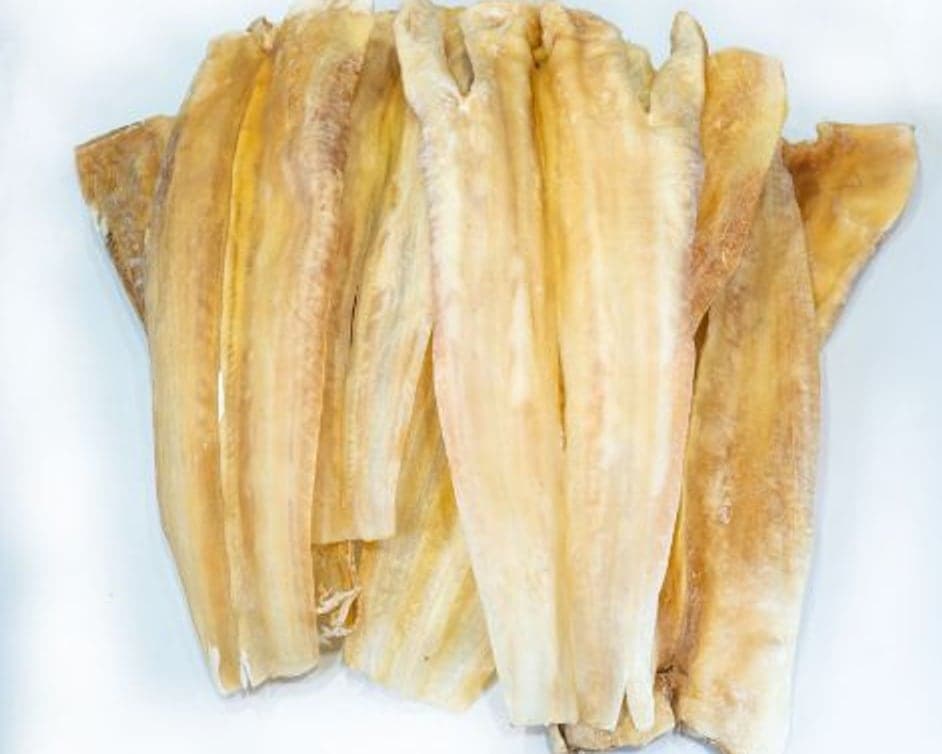
Dried and frozen fish lips, braising skins and maw-area cuts
Marine Ingredients
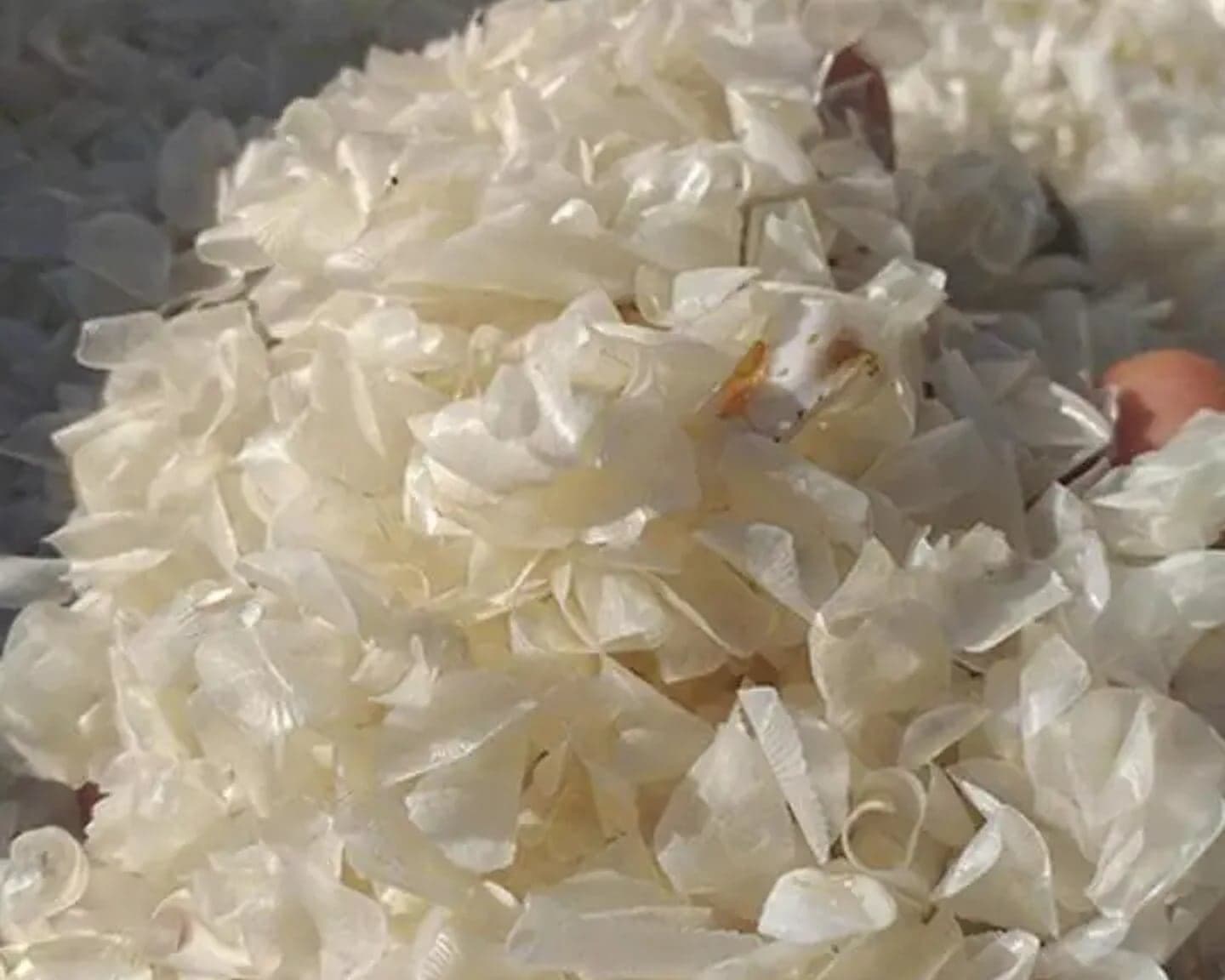
Cleaned, dried scales for collagen and gelatin extraction
Buying Guide7 min read
How chefs, foodservice buyers and brand owners match grade and format to the application, compare suppliers on cost per portion, and keep quality consistent across orders and channels.
Read the guide
Import & Compliance7 min read
The market-access, species, documentation, classification and commercial checks an importer should complete before placing a first order for dried seafood.
Read the guide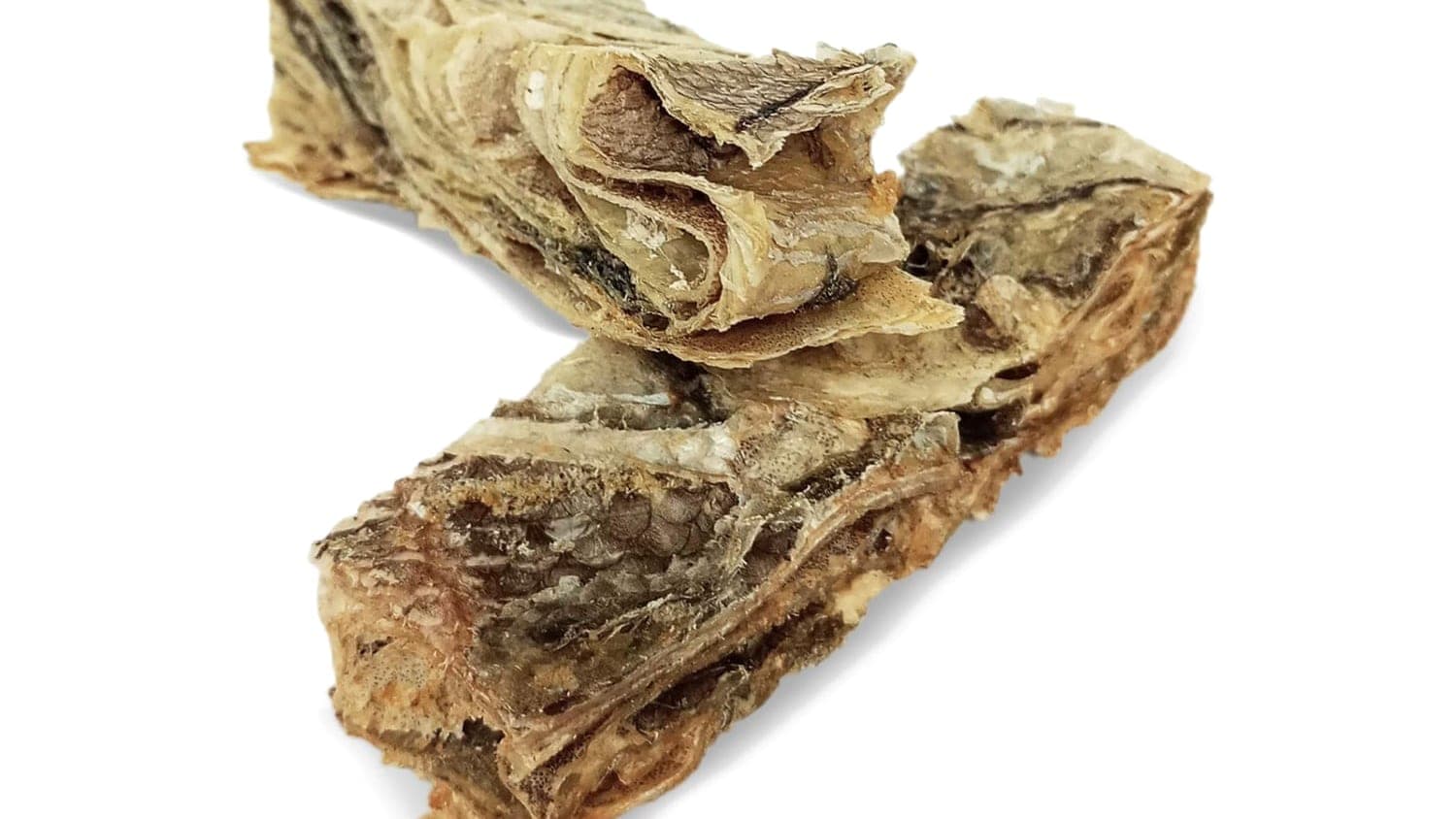
Buying Guide8 min read
A specification framework for fish skin, scales and bone bought as collagen, gelatin and calcium feedstock, from species declarations and handling forms to test parameters, stream designation and supplier qualification.
Read the guideRequest a quote
Share your target grade, packing, volume and destination. We confirm availability, documentation for your market and a formal quotation, usually within one business day.