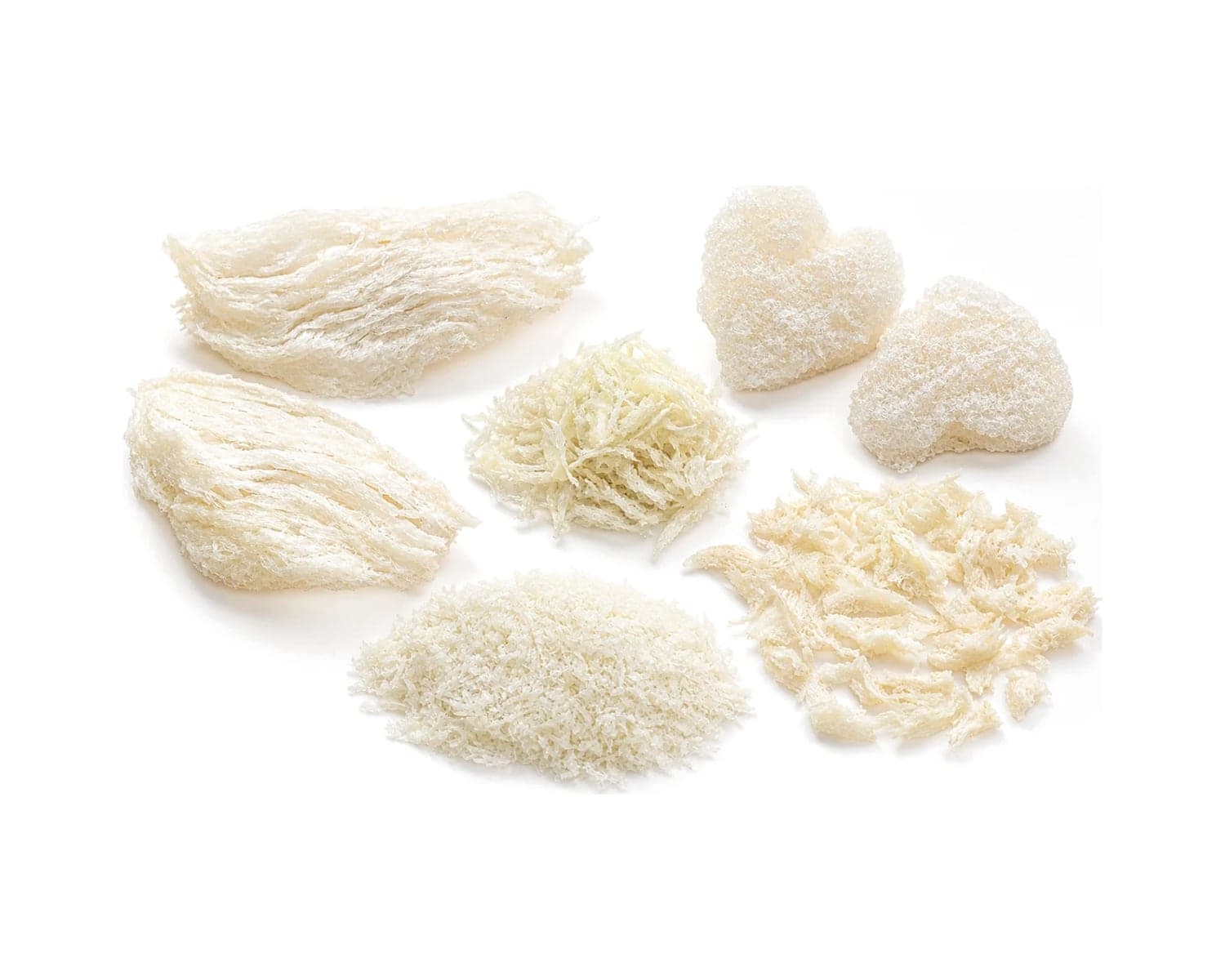
Bird’s Nest
Bird’s Nest Strips and Pieces
Cleaned strips, corners and fragments for production use
Dried
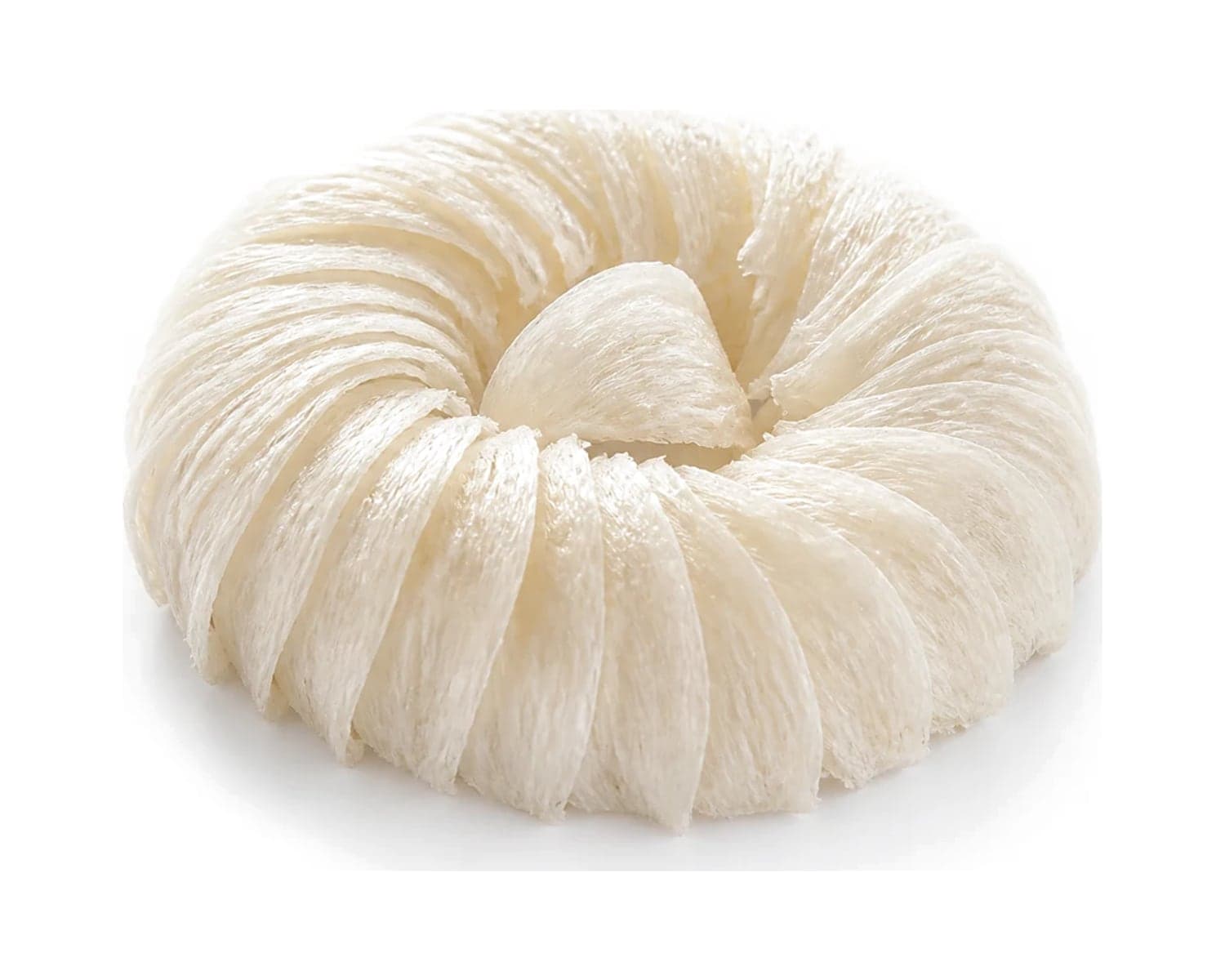
BSA Food Products supplies cleaned whole-cup bird’s nest from house-farmed swiftlet colonies in Southeast Asia, graded by cup weight, shape, color and residual impurity, and shipped only to markets for which the cleaning facility is eligible.
Indicative; confirmed per lot on each quotation.
Edible bird’s nest is the hardened salivary cement that certain swiftlets use to build their nests, chiefly the white-nest swiftlet, usually classified as Aerodramus fuciphagus (some authorities split regional populations into separate taxa). The whole cup is the intact, half-moon nest lifted from the plank or wall where it was built. Because its size and outline remain visible to the end customer, it is the format that gift retailers, banquet kitchens and dessert houses specify most closely.
As an edible bird’s nest wholesale supplier, we work with house-farmed nests harvested from purpose-built swiftlet houses in Southeast Asia, for example in Malaysia, Indonesia, Vietnam and Thailand. House nests are generally cleaner at harvest and more regular in shape than wild cave nests, which some countries harvest under licensed concessions and which sit outside our standard range. After a short soak, feathers and fine debris are picked out by hand with tweezers under bright lamps, then each cup is pressed back onto a mold and dried slowly at low temperature.
Grading begins with dry weight per cup, then shape completeness (an unbroken rim and full body), color consistency within a box, residual feathers and moisture. Natural color runs from white through ivory to a pale gold, varying with the house, the season and the swiftlets’ surroundings. We do not supply nests artificially colored to imitate so-called “red” or “blood” nest. Nitrite testing against your destination’s limit can be arranged per lot through an independent laboratory, and a trial soak shows how far the nest expands and how well its strands hold together.
In the kitchen, cups are soaked, teased apart along the strands and typically double-boiled with rock sugar as a clear dessert, or simmered into consommé and congee. Many buyers run whole cups for gift lines alongside bird’s nest strips and pieces for production, and our note on what importers need to know helps with planning paperwork before a first order.
Specification sheet
Indicative values. Final specifications are confirmed per lot on the quotation and certificate of analysis.
| Product type | Edible swiftlet nest, cleaned whole cup |
|---|---|
| Swiftlet species | Typically Aerodramus fuciphagus (white-nest swiftlet), declared per lot |
| Nest source | House-farmed; cave nests not part of the standard range |
| Origin | Malaysia, Indonesia, Vietnam or Thailand; cleaning facility named per lot |
| Grade | Dry weight per cup, rim and body completeness, color band |
| Impurities | Feathers and debris removed by hand; residual level graded per lot |
| Moisture | Typically ≤ 15%, confirmed per lot |
| Laboratory testing | Nitrite and other destination parameters, per lot on request |
| Shelf life | Typically 2–3 years sealed, kept cool and dry |
| Documents | Nitrite test report, certificate of origin, and veterinary or animal-product certificates where the destination requires them |
| Minimum order | From 1 kg per grade for trial lots; ongoing programs typically from 10 kg per month, depending on grade availability. |
| Lead time | Typically 3–6 weeks, longer where destination facility checks, laboratory testing or inspection appointments are needed. |
FAQ
Weight per cup comes first, since heavier, denser cups yield more after soaking. We then assess the outline (a complete rim with no broken corners), color uniformity within each box, how many fine feathers remain after cleaning, and moisture. Trade names such as triple-A or premium vary between packers, so every offer sets out the measurable criteria behind the grade name rather than relying on the label alone.
Yes. House nests range from bright white to ivory and pale gold, and that variation comes from the swiftlet house environment, the season and the age of the nest. Color is graded for consistency within a box but is not, on its own, a measure of quality. We do not supply nests that have been artificially colored to resemble so-called red nest, and we ask suppliers to declare that no colorants or bleaching agents are used.
Nitrite is one of the parameters importers most often ask about, and several destination markets set their own limits for it. We arrange testing per lot through an independent laboratory against the limit that applies to your market, and the report travels with the shipping documents. Further parameters can be added where your authority or customer requires them; see our export quality assurance approach for how results are linked to lot codes.
A cleaned cup typically swells to several times its dry volume after soaking, but the exact figure depends on nest density, cup weight and how the nest was dried. Rather than quote a fixed ratio, we can run a trial soak on pieces from your intended lot and record soaked weight against dry weight, so you can calculate servings per cup for a dessert menu or retail serving suggestion.
Related
Bird’s Nest
Cleaned strips, corners and fragments for production use
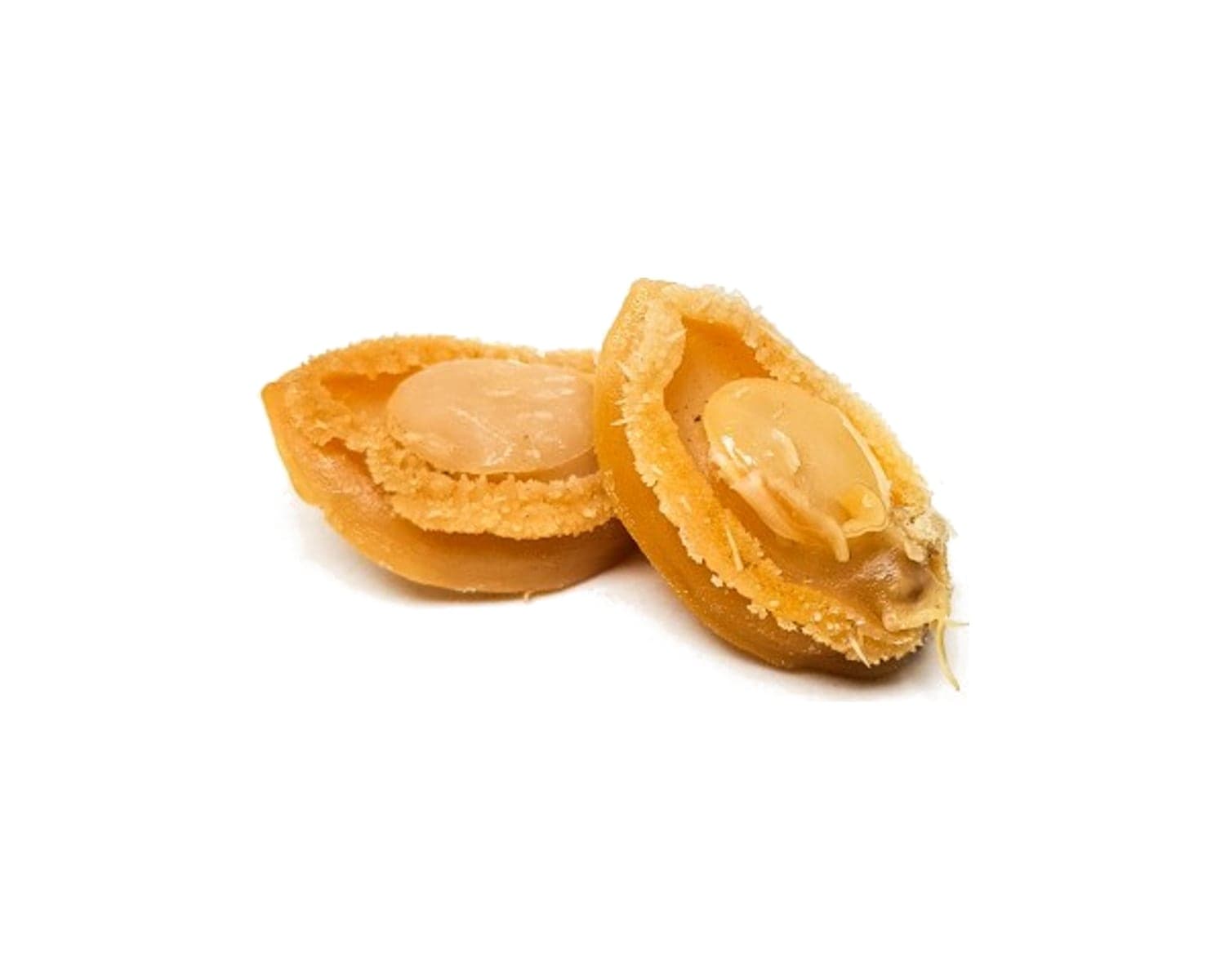
Premium Marine Delicacies
Wild and farmed abalone, sun-dried and graded by head count
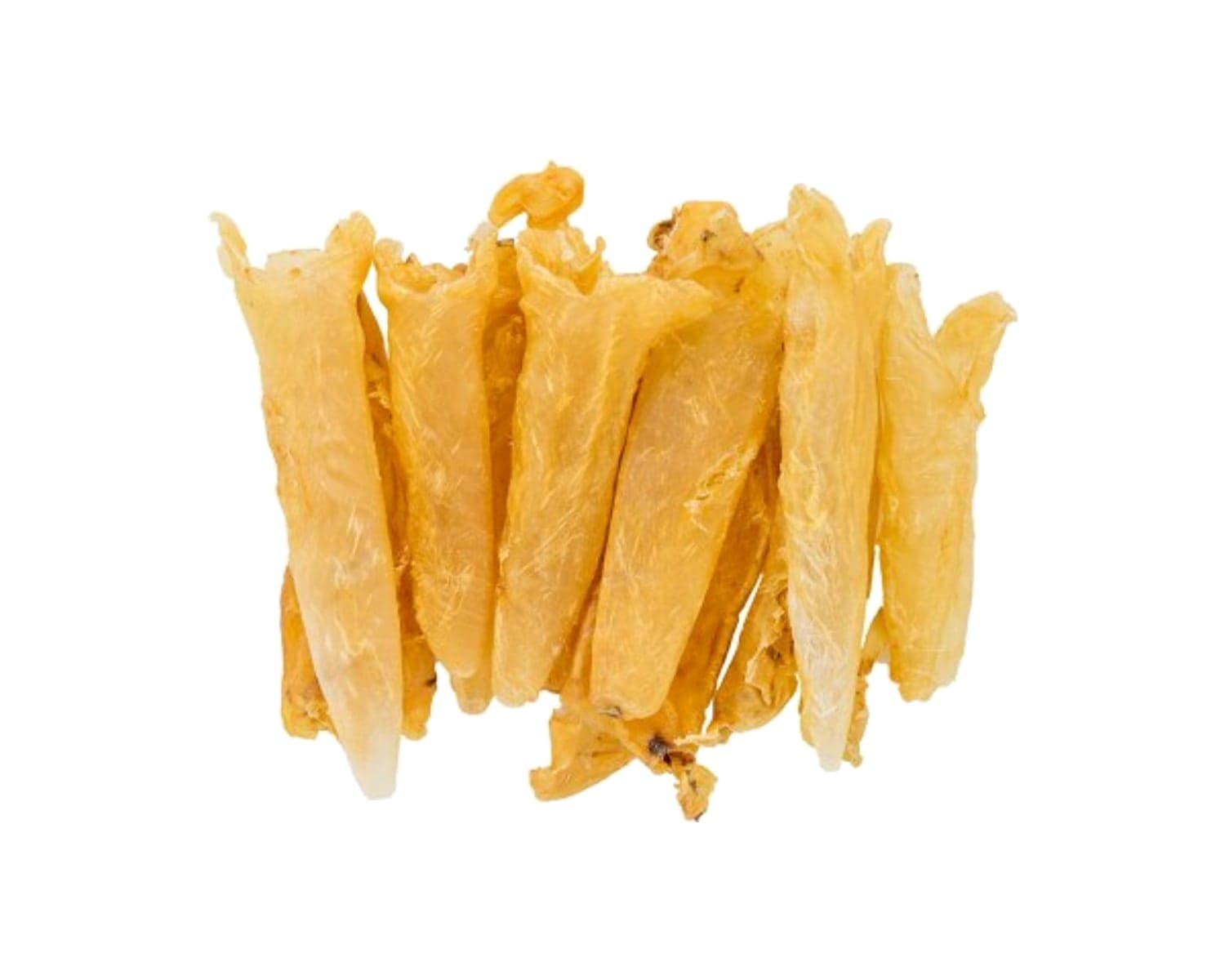
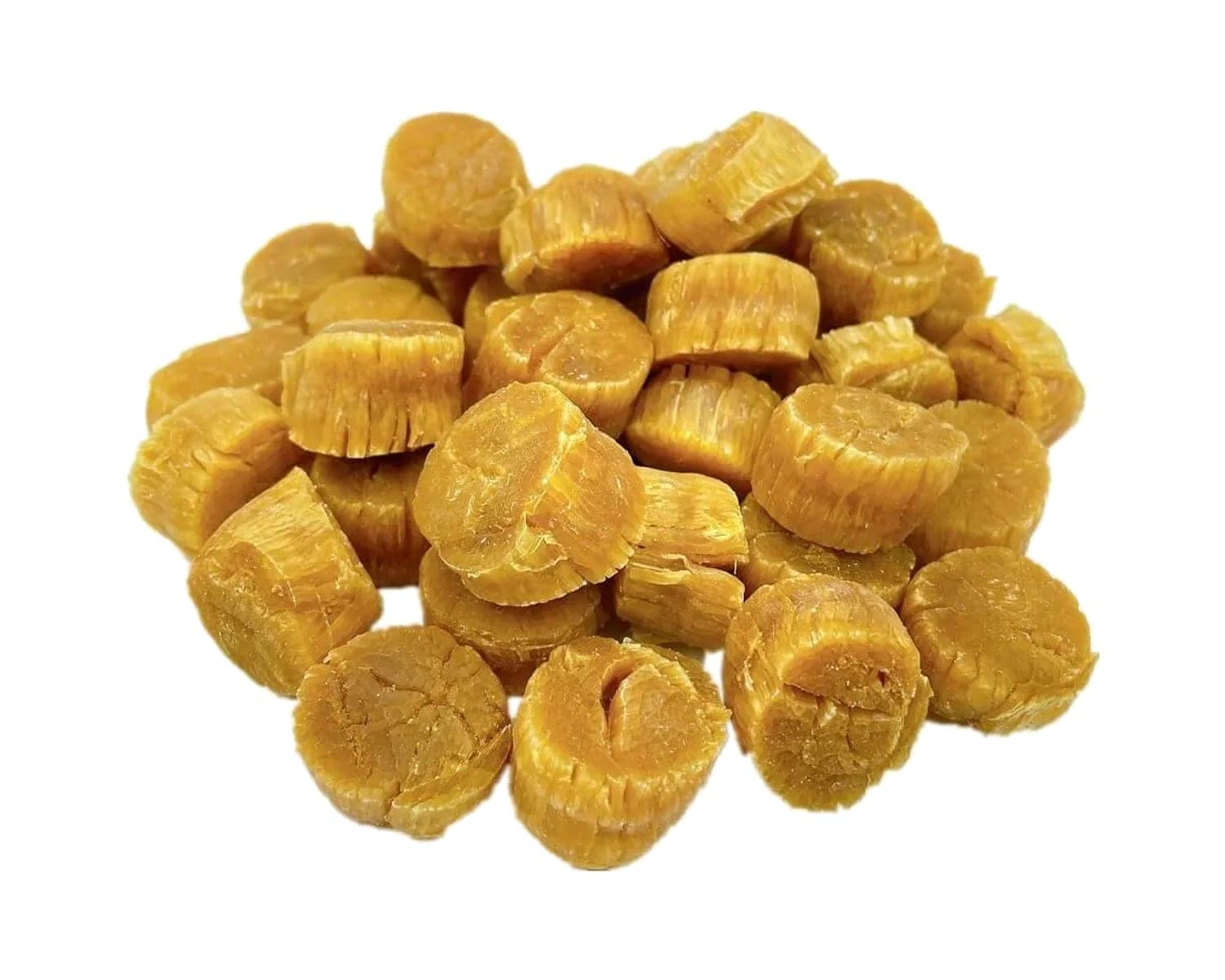
Premium Marine Delicacies
Hokkaido, Aomori and Chinese adductors by diameter and count
Species Profiles7 min read
Edible bird’s nest is built by small cave-dwelling swifts, not swallows. Meet the birds, see how their nests are made and harvested, and learn how cooks prepare them.
Read the guide
Import & Compliance7 min read
The market-access, species, documentation, classification and commercial checks an importer should complete before placing a first order for dried seafood.
Read the guide
Storage & Handling7 min read
A practical guide to keeping high-value dried seafood in sound condition, from warehouse humidity control and chilled holding to handling after rehydration.
Read the guideRequest a quote
Share your target grade, packing, volume and destination. We confirm availability, documentation for your market and a formal quotation, usually within one business day.