Premium Marine Delicacies
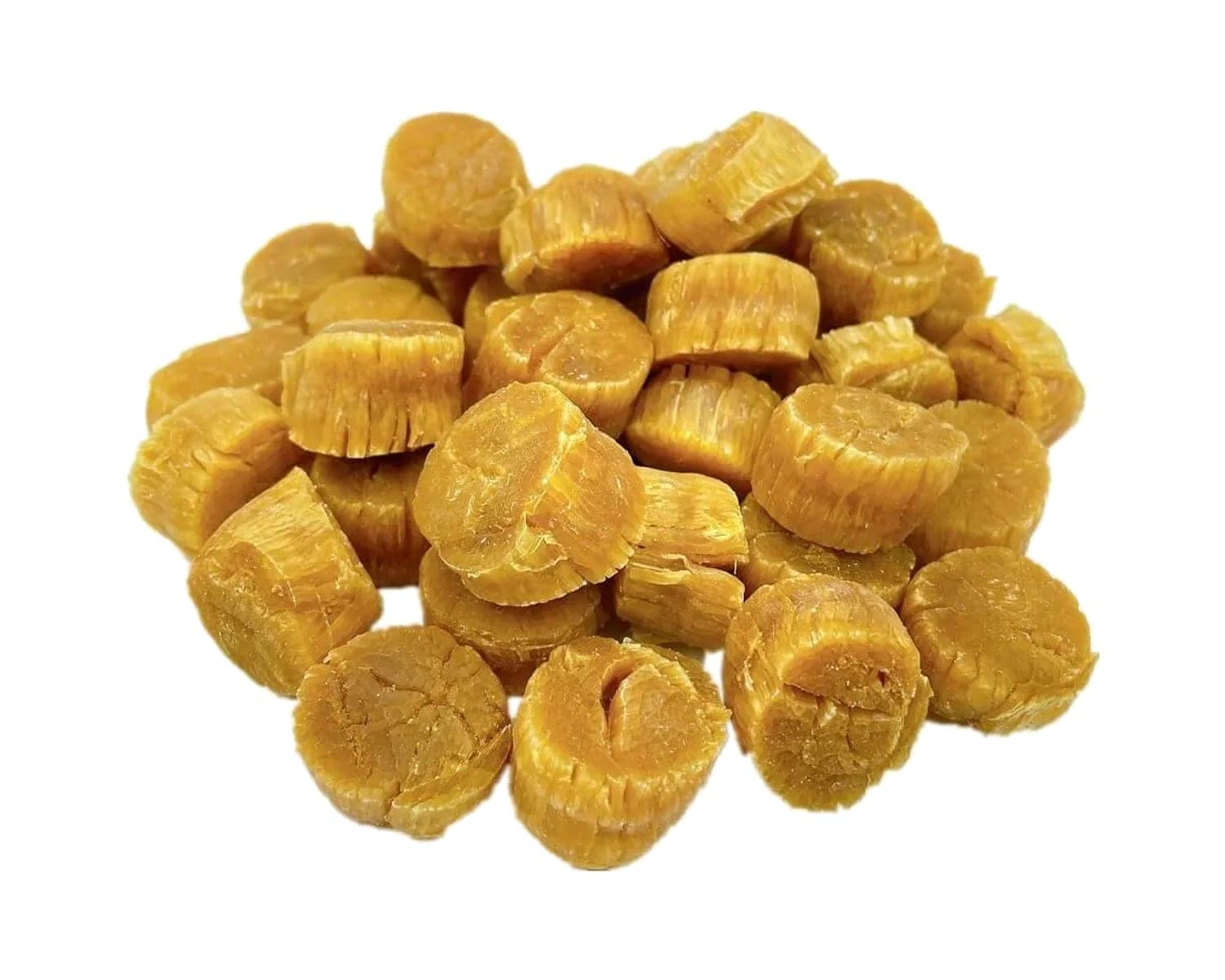
Dried Scallops (Conpoy)
Hokkaido, Aomori and Chinese adductors by diameter and count
Dried
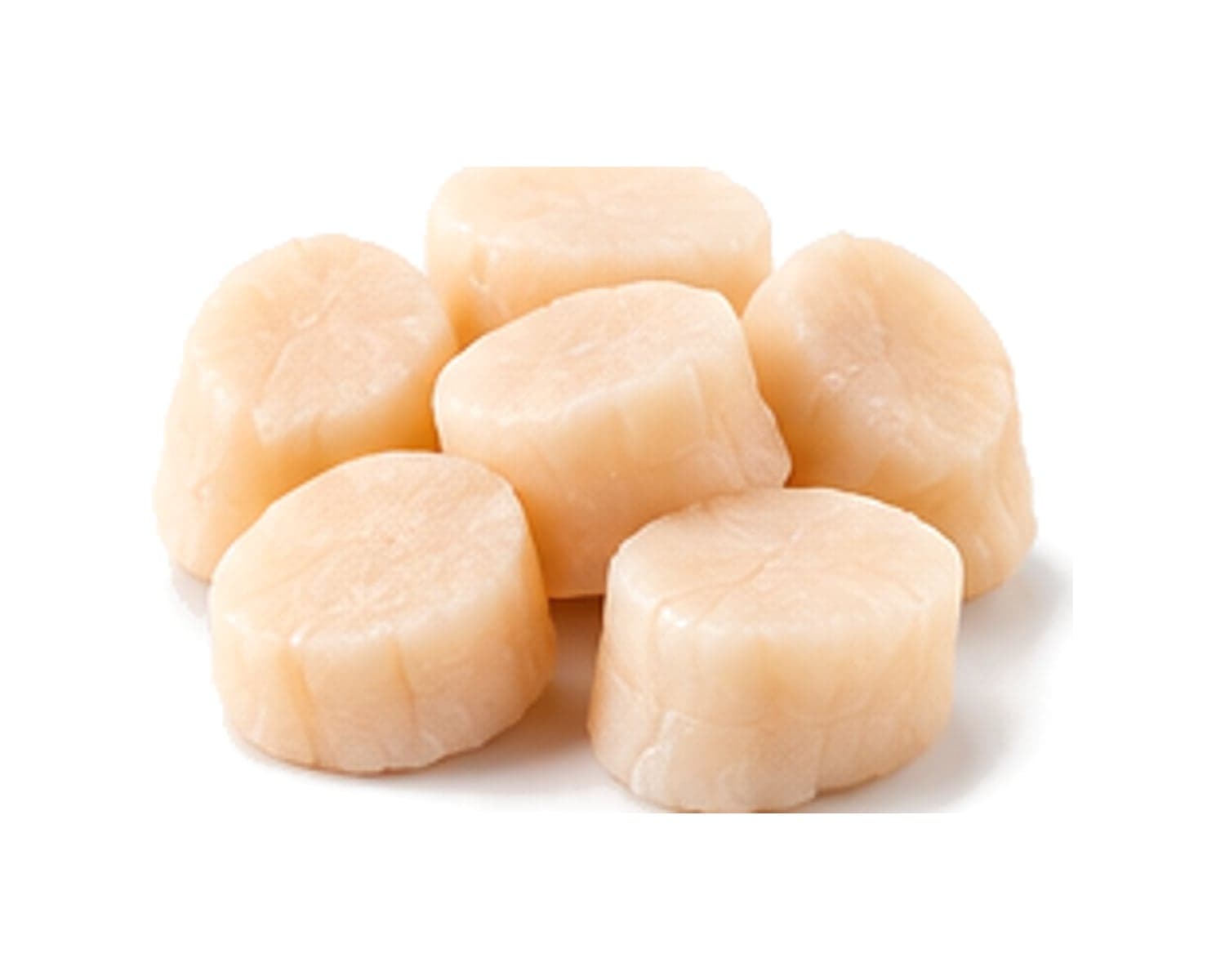
IQF adductor meat, roe-on meat and half-shell scallops from Japanese, North Atlantic and South American origins, graded by count and supplied dry-packed or with any added water declared on the label.
Indicative; confirmed per lot on each quotation.
Scallops are bought on three things: species, count and how much water is in the meat. A dry-packed 10/20 adductor from cold water and a phosphate-soaked meat of the same size can look alike in the carton yet behave very differently in a hot pan, so each offer we send names the species, the count per pound or kilogram, the glaze percentage and whether any moisture-retaining treatment was used. A buyer comparing three quotations is then comparing the same product, and a chef knows before the first case is opened whether the meat will sear or simply release water.
The core species is the Japanese or Yesso scallop (Mizuhopecten yessoensis), seabed-ranched or hanging-cultured in northern Japan and also farmed in China and Korea. Alongside it sits the Atlantic sea scallop (Placopecten magellanicus) from the offshore banks of the North-West Atlantic, a large, sweet adductor traded mostly in the bigger counts. Peruvian scallop (Argopecten purpuratus), farmed in Peru and Chile, is often sold roe-on, with the orange coral left attached. The small Patagonian scallop (Zygochlamys patagonica) from Argentina, suited to IQF volume packs, and Chinese-farmed bay scallop (Argopecten irradians) are available on request. From Southeast Asia comes the wild-caught Asian moon scallop (Amusium pleuronectes), a thin-shelled species usually traded as roe-off adductor meat.
Formats run from raw, roe-off IQF adductor meat to roe-on meat, frozen half-shell scallops packed in interleaved trays, and whole scallops boiled in the shell for buffets and hot pot. Japanese packers usually grade adductors by pieces per kilogram under letter codes, while Atlantic and South American meat is traded by count per pound, from U/10 through 10/20 and 20/30 down to 60/80. Before shipment, each lot is checked for count accuracy, glaze, broken or split meats, sand in roe-on product and shell fragments. Chilled adductor meat can be flown on short routes where the shelf life leaves time for sale.
Biotoxins collect mainly in a scallop’s digestive gland rather than its adductor muscle, so whole, half-shell and roe-on products call for closer attention to harvest-area monitoring than clean adductor meat does. Testing for the PSP, ASP and DSP groups and for microbiology is arranged to your destination’s limits, as described on our export quality assurance page. For stocks and braises that need a concentrated flavor, the dried form is covered under dried scallops and conpoy, and every shellfish line we handle is summarized on the frozen and chilled shellfish overview.
Specification sheet
Indicative values. Final specifications are confirmed per lot on the quotation and certificate of analysis.
| Species | Mizuhopecten yessoensis, Placopecten magellanicus, Argopecten purpuratus, Amusium pleuronectes; others on request |
|---|---|
| Origin | Japan, China, Korea, North-West Atlantic, Peru, Chile, Southeast Asia; declared per lot |
| Size | U/10 to 60/80 per lb; pcs/kg for Japanese and half-shell product |
| Formats | IQF adductor (roe-on or roe-off), half-shell, whole boiled in shell |
| Treatment | Dry-packed, or phosphate and added water declared on label and invoice |
| Glazing | Percentage stated; net weight quoted excluding glaze |
| Testing | PSP, ASP and DSP toxin groups plus microbiology, per destination |
| Allergens | Molluscs |
| Shelf life | Typically 12–24 months at -18 °C or colder |
| Documents | Origin sanitary certificate, harvest-area records and scallop lot test reports |
| Minimum order | From 500 kg per item for frozen scallops, combinable with other shellfish lines in a mixed reefer; chilled meat by weekly carton allocation. |
| Lead time | Usually 3–5 weeks for frozen scallops once the specification is agreed; chilled adductor meat is booked around harvest openings and available flights. |
FAQ
Start with the ingredients list and the invoice: treated scallops show a moisture-retaining agent, usually a phosphate such as sodium tripolyphosphate, and often a stated added-water figure. In the kitchen, treated meat looks glossier and whiter, weeps milky liquid in the pan and is slow to brown. Dry-packed meat is naturally ivory to light beige, sometimes with a pink or orange tint, and takes a crust quickly. Our offers state the treatment status of every lot, so it should never be a surprise on arrival.
It is the number of adductor meats in one pound of net product: a 10/20 lot holds between ten and twenty pieces per pound, and U/10 means under ten. Japanese packers express the same idea as pieces per kilogram, often with letter grades. Large counts give a cleaner sear and a more generous plate, while 40/60 and smaller suit pasta, stir-fries, fillings and processing. We check count on the net weight after the glaze has been removed, not on the gross frozen weight.
Roe-on meat keeps the orange or cream coral attached, which is traditional for Peruvian scallop and popular in French and Latin American cooking, where the coral adds color and richness to the dish. Roe-off meat is the adductor alone, preferred for sashimi, searing and most Asian menus. Because roe and viscera tend to hold marine biotoxins more than the adductor muscle does, roe-on lots get closer scrutiny of harvest-area monitoring and test results before they are offered.
Japanese scallop meat is widely eaten as sashimi and sushi, but whether a given lot is suitable for raw service depends on the packer’s controls, the status of the harvest area and the rules in your market, not on the species alone. Where a buyer intends raw use, we record it in the specification, ask the packer for documentation on that point and arrange microbiological testing against the relevant limits. Treated or roe-on meat is a poor choice for raw menus. Request a quote stating the intended use.
Related
Premium Marine Delicacies
Hokkaido, Aomori and Chinese adductors by diameter and count
Frozen & Live Seafood
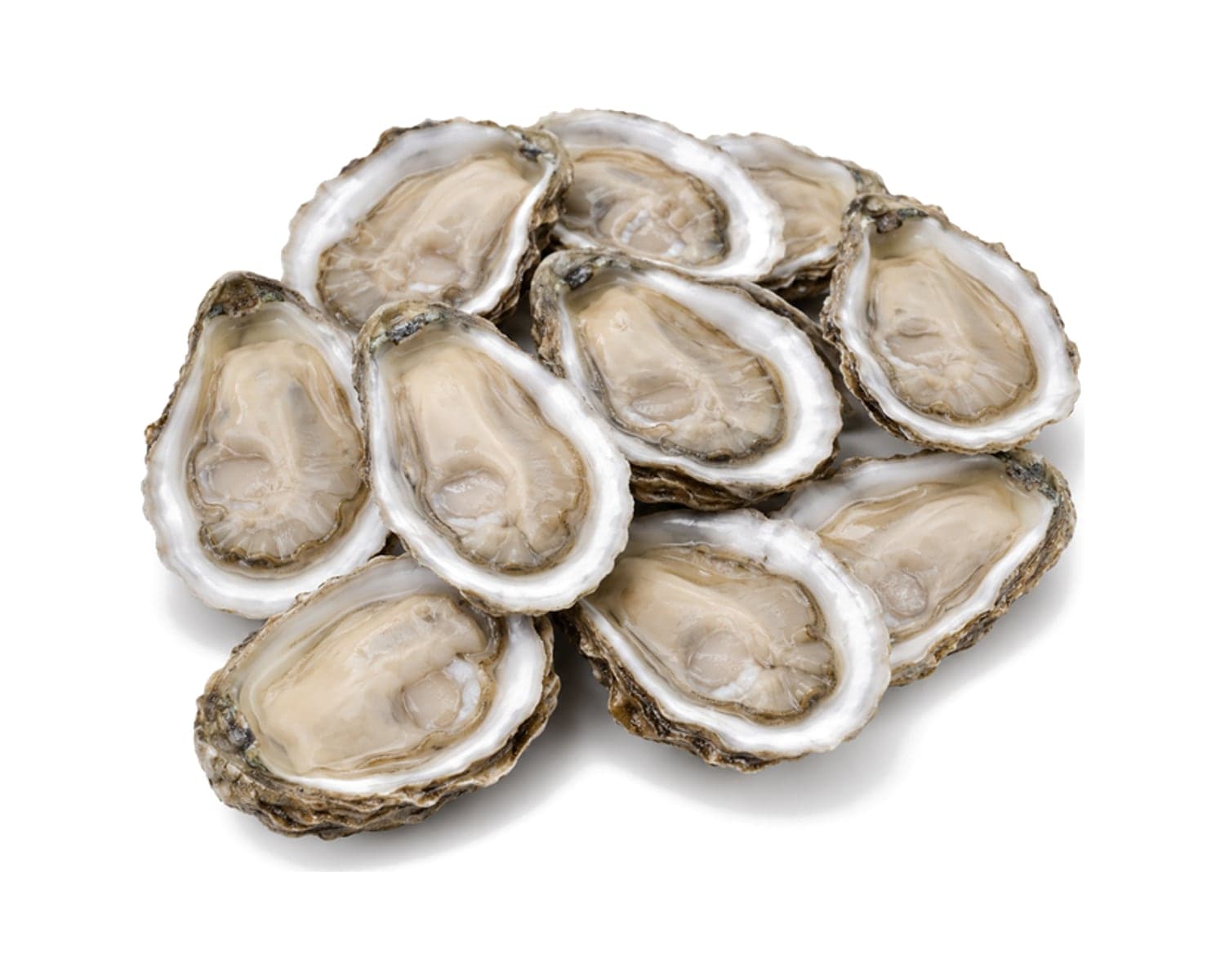
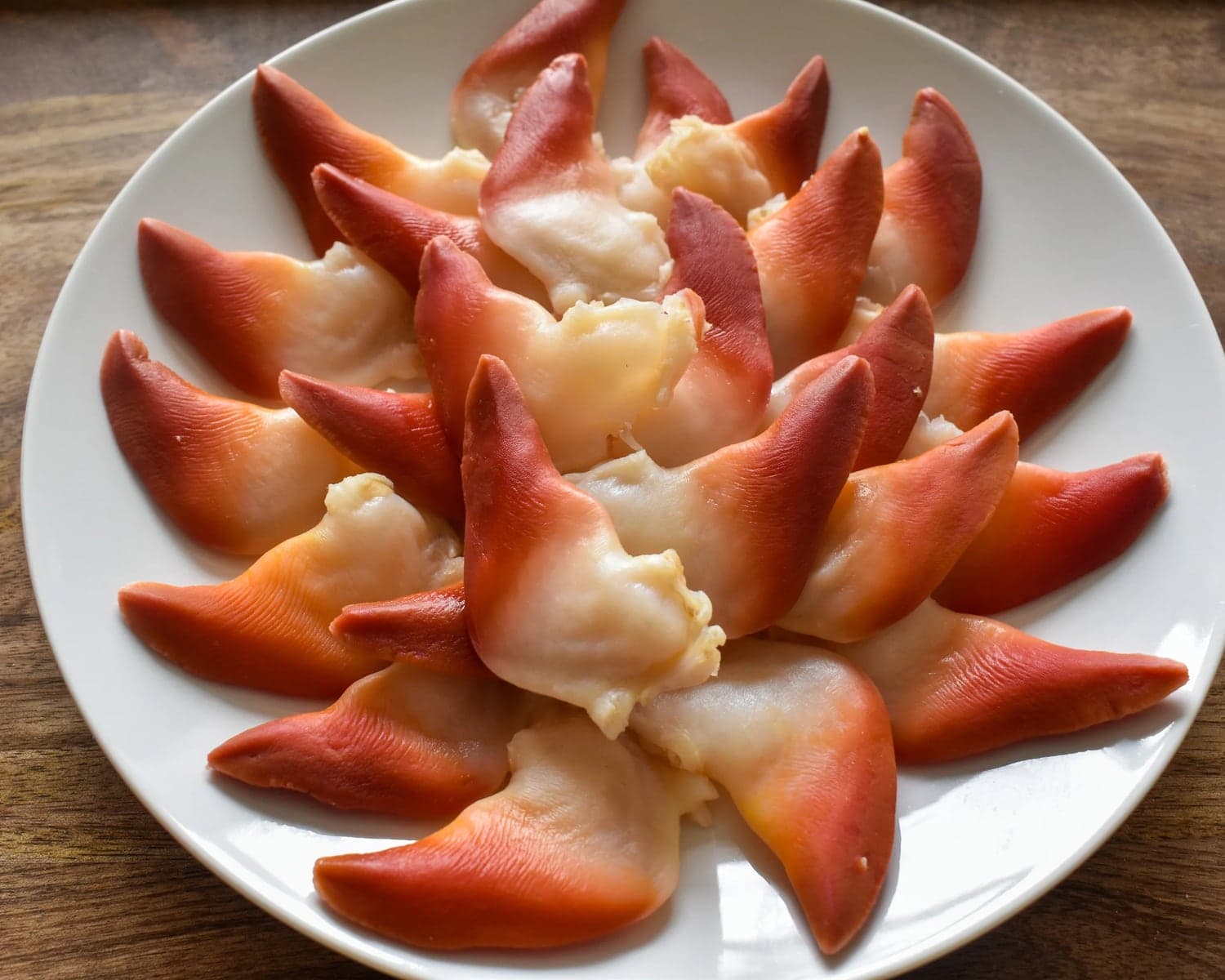
Arctic surf clam for sushi and Atlantic surf clam for chowder
Frozen & Live Seafood
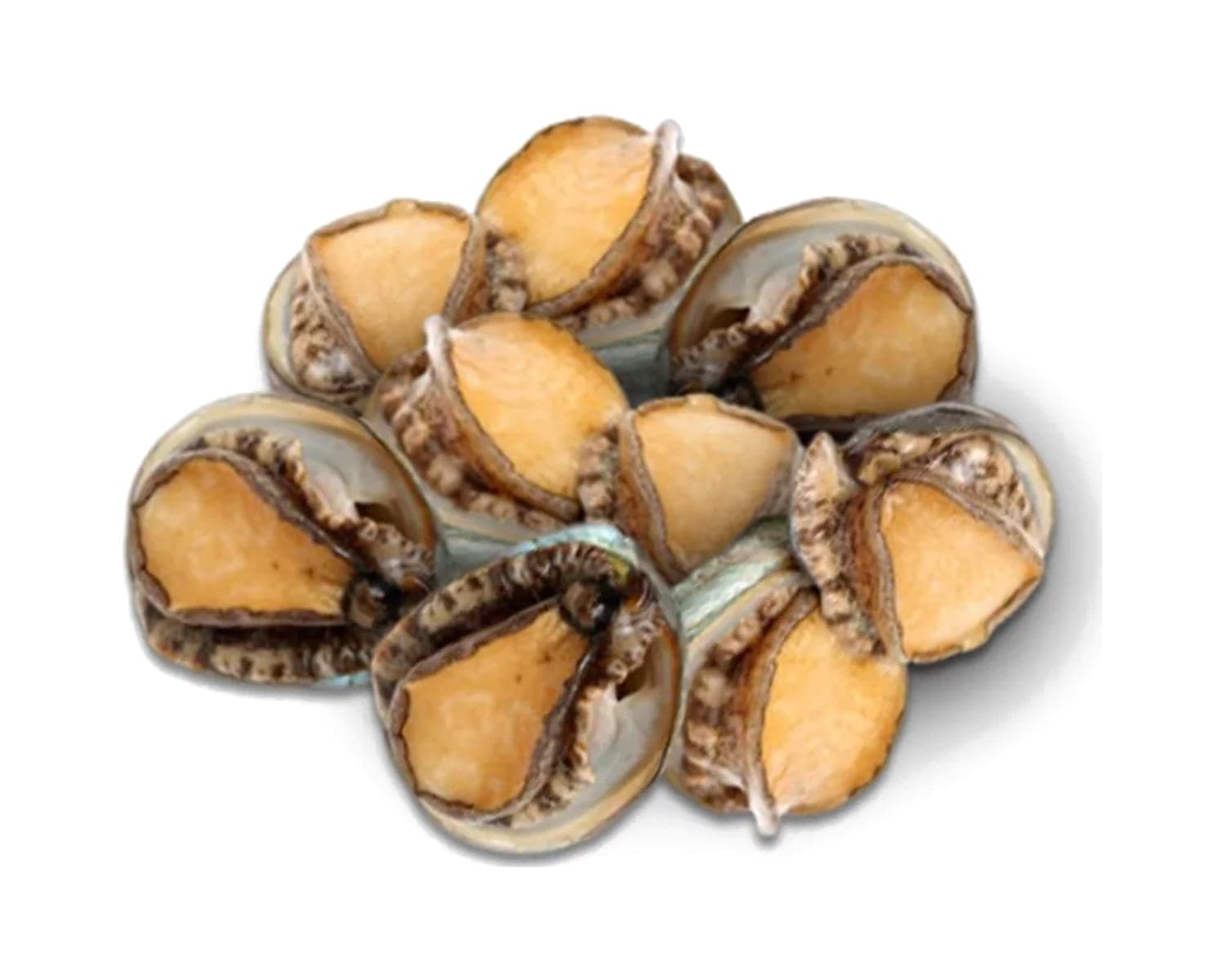
Farmed abalone in-shell, shucked or braised, sized per kilogram
Species Profiles8 min read
Which scallop is which: how Yesso, Atlantic sea, Peruvian, bay and smaller species differ in shell, meat, roe and origin, what each market calls them, and where each one fits on a menu.
Read the guide
Buying Guide7 min read
How chefs, foodservice buyers and brand owners match grade and format to the application, compare suppliers on cost per portion, and keep quality consistent across orders and channels.
Read the guide
Import & Compliance7 min read
The market-access, species, documentation, classification and commercial checks an importer should complete before placing a first order for dried seafood.
Read the guideRequest a quote
Share your target grade, packing, volume and destination. We confirm availability, documentation for your market and a formal quotation, usually within one business day.