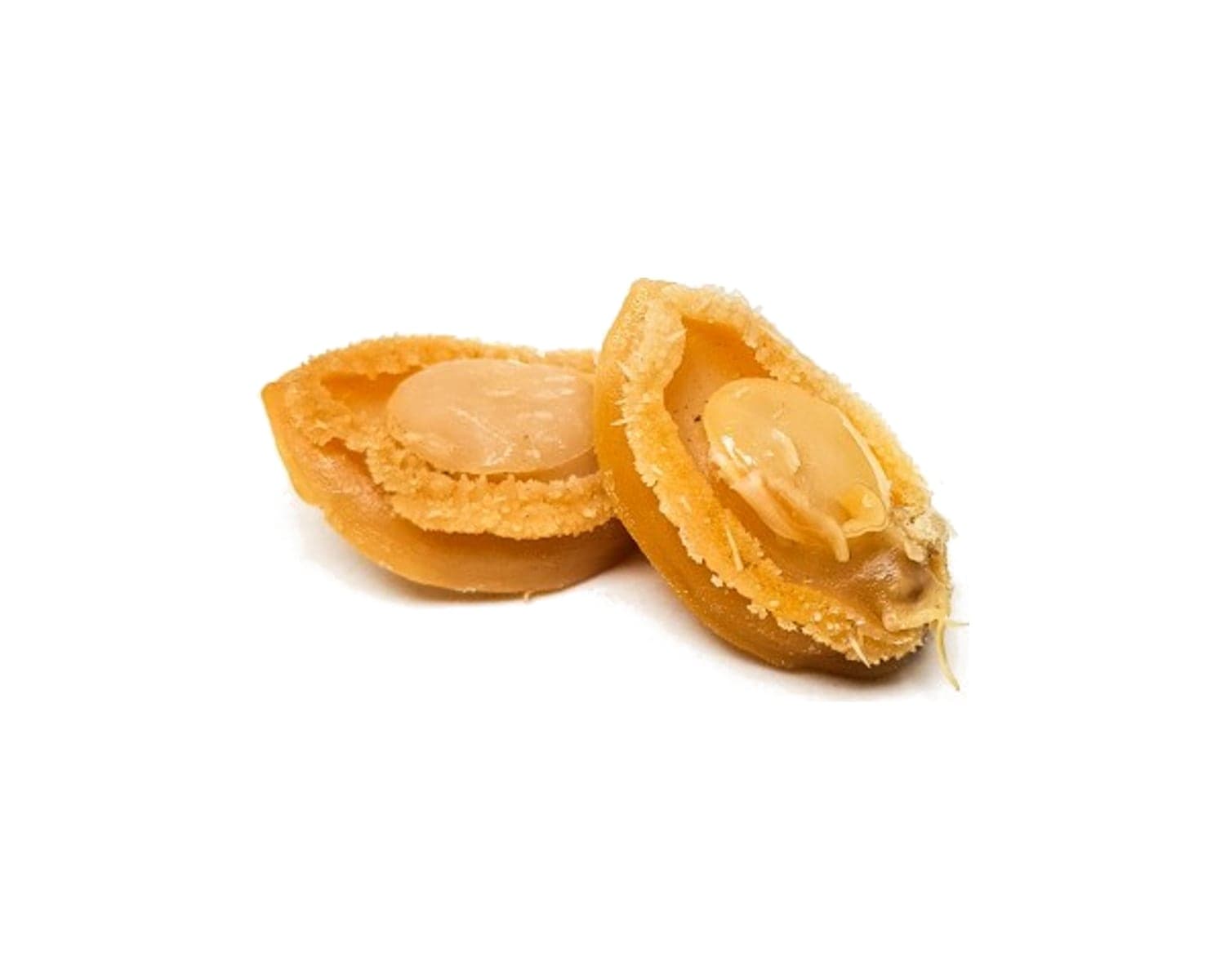
Premium Marine Delicacies
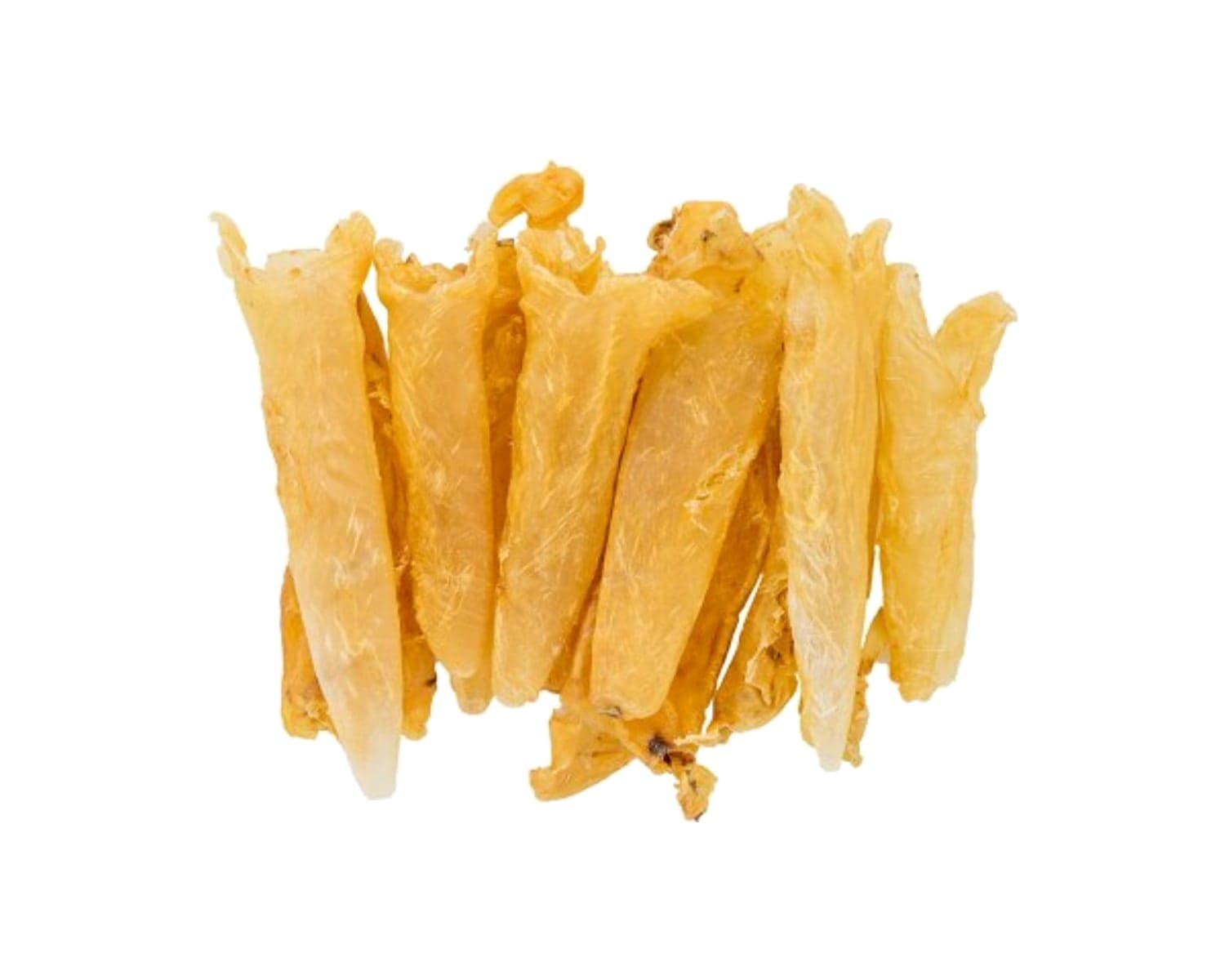
Dried Abalone
Wild and farmed abalone, sun-dried and graded by head count
Dried
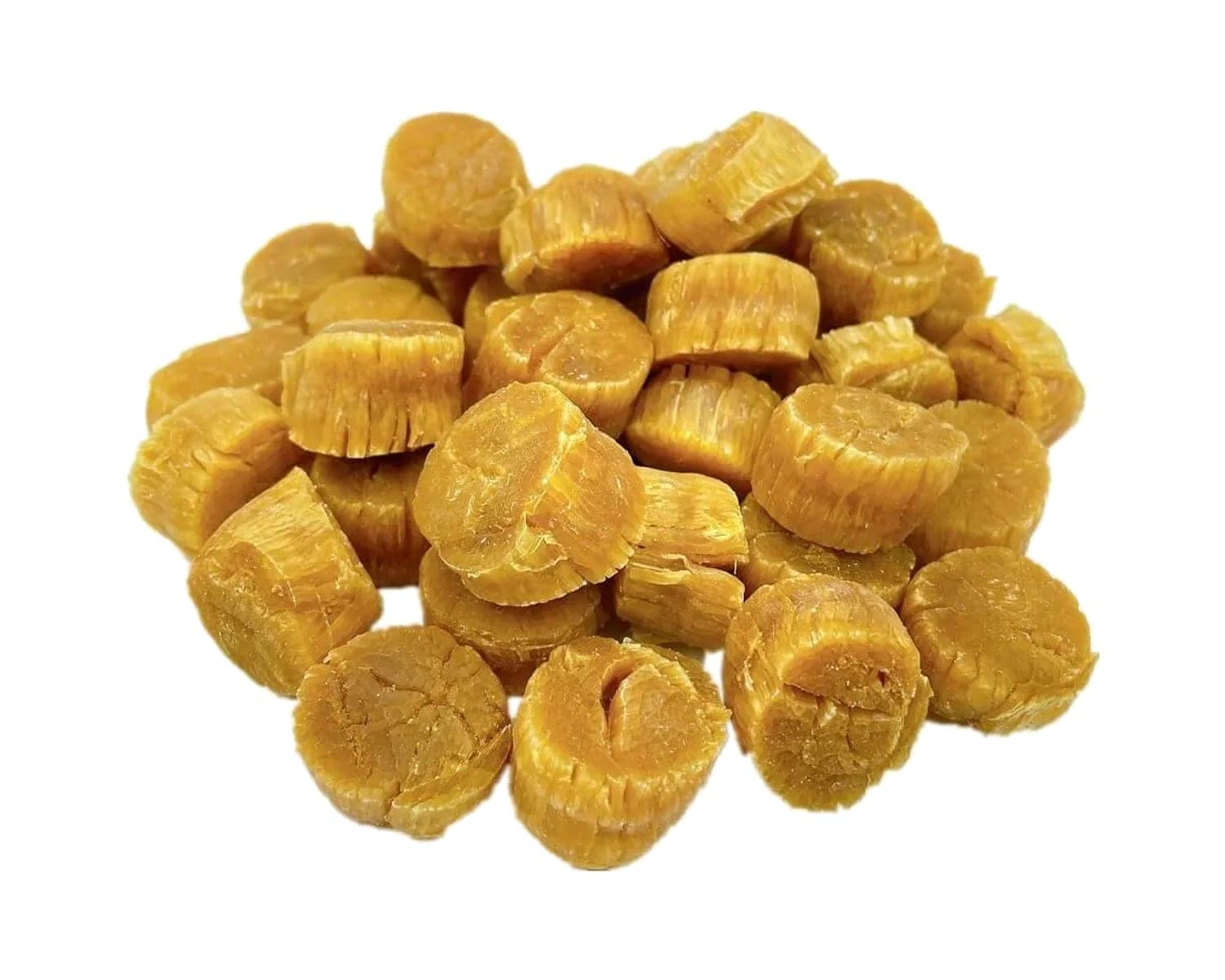
We supply conpoy, the dried adductor muscle of the scallop, to wholesalers, restaurants, sauce makers and retailers, specified by origin, species, size and whether pieces are whole or broken.
Indicative; confirmed per lot on each quotation.
Conpoy is the scallop’s adductor muscle, cooked and dried into a firm, golden cylinder with a concentrated sweet and savory flavor. Cantonese cooks tear it into congee, steam it with rice, simmer it into stocks and blend it into XO-style sauces, and snack and seasoning manufacturers rely on it too. In dried scallops conpoy wholesale the questions that matter are origin, species, size, color and the share of broken pieces, and every offer we make answers each of them.
Japanese conpoy from Hokkaido and Aomori is made from yesso scallop (Mizuhopecten yessoensis) and is the reference product for many buyers: dense, evenly colored and intact. Chinese conpoy, mostly from farmed yesso and smaller scallop species in the north, covers a broader range of sizes and price points, and other origins can be sourced where supply and paperwork allow. Lots are graded by diameter or by count per kilogram; we describe sizes in those plain measures rather than in packers’ own grade codes, which differ from house to house.
Production separates the adductor, boils it in brine or fresh water, and dries it in stages by sun, hot air or a combination. Good whole grades are round and unsplit, golden to amber throughout, with no heavy white salt bloom and no dark, scorched patches. Broken and shredded grades carry the same flavor at lower cost and suit sauces, soups and fillings where shape is irrelevant. We check size distribution, breakage, color, moisture and odor on each lot.
Restaurants tend to buy small packs of whole conpoy by size band, while XO-sauce and seasoning producers order broken grades in bulk. Our buyer’s guide to dried scallops and conpoy compares origins and sizes in more depth, and many sauce makers source dried shrimp alongside conpoy.
Specification sheet
Indicative values. Final specifications are confirmed per lot on the quotation and certificate of analysis.
| Species | Yesso scallop (Mizuhopecten yessoensis); other farmed scallop species declared per lot |
|---|---|
| Origin | Japan (Hokkaido, Aomori); Northern China; others on request |
| Grade / size | Diameter bands or pcs/kg; whole, split, broken, shredded |
| Processing | Boiled and dried by sun, hot air or combined methods |
| Color | Golden to amber and even; no scorching or heavy salt bloom |
| Breakage | Whole grades sorted to limit split pieces; level stated per lot |
| Moisture | Typically 14–18%, confirmed per lot |
| Shelf life | Usually 12–18 months unopened, held cool and away from humidity |
| Packing | Bulk cartons; 1 kg bags; retail jars and boxes; private label |
| Documents | Origin certificate with invoice and packing list; a health certificate is added if the importing country requests one |
| Minimum order | From 20 kg for whole grades and 100 kg for broken or shredded manufacturing grades. |
| Lead time | Typically 2–4 weeks; specific Japanese size bands may take longer depending on the production season. |
FAQ
Japanese conpoy, made from yesso scallop in Hokkaido and Aomori, is generally denser, more uniform in color and sweeter in aroma, and whole intact pieces are particularly sought after. Chinese conpoy spans a wider spread of sizes and costs and is widely used where it will be shredded into a dish. Many kitchens keep Japanese grades for visible garnish and use Chinese product in stocks and sauces.
Packers in Japan and elsewhere use their own size labels, and the same code can mean different sizes from different houses. To avoid confusion we state diameter ranges and approximate counts per kilogram instead. If your customers already buy against a particular packer’s label, send us a reference and we will match it to those measurements.
Broken and shredded grades deliver the flavor of whole conpoy at a lower cost per kilogram, because shape disappears in the sauce. Manufacturers usually specify origin, color, moisture and freedom from shell fragments and foreign matter. We can supply bulk cartons of a consistent broken grade and retain reference packs from each lot so later deliveries can be checked against them.
Conpoy ships as dry cargo in sealed packaging, but it should be kept away from heat, humidity and strongly scented goods in transit and in the warehouse. Once a pack is opened, chilled storage keeps aroma and color stable for longer. Humidity and temperature targets for holding stock are set out in how to store conpoy and other dried seafood.
Related
Premium Marine Delicacies
Wild and farmed abalone, sun-dried and graded by head count
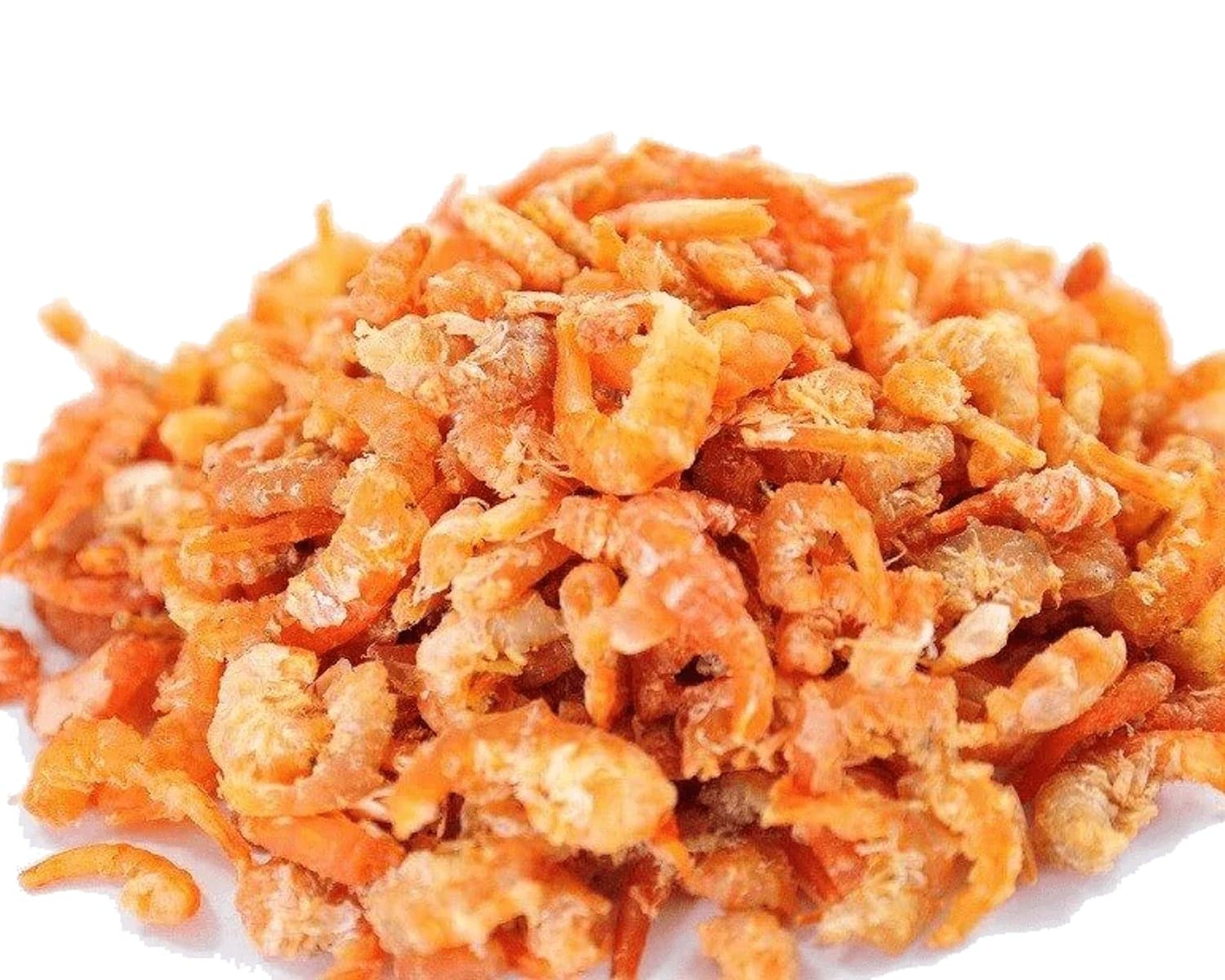
Specialty Dried Seafood
Peeled dried shrimp and shell-on prawns, sorted by size
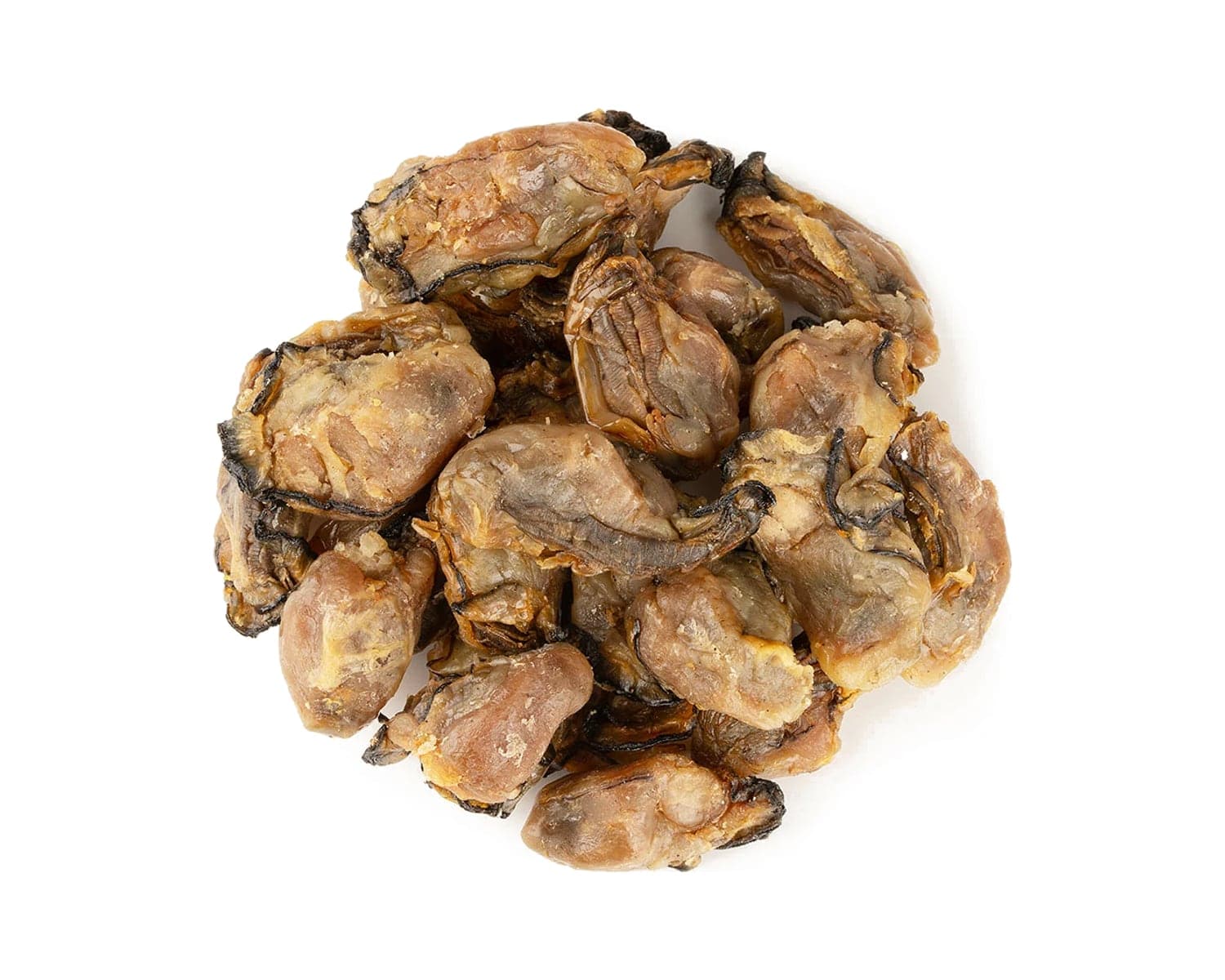
Premium Marine Delicacies
Fully dried and golden semi-dried oysters, sized by count
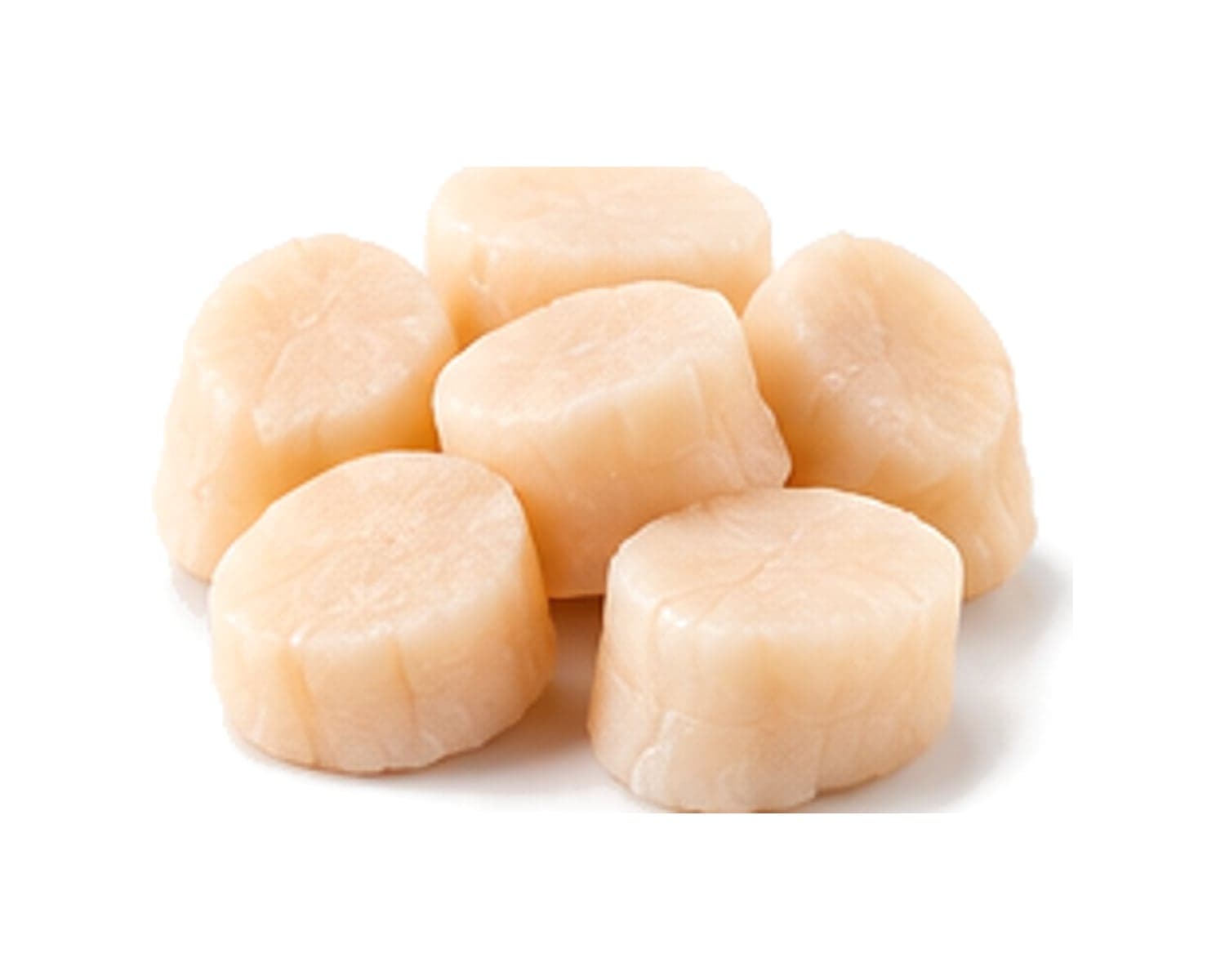
Species Profiles8 min read
Which scallop is which: how Yesso, Atlantic sea, Peruvian, bay and smaller species differ in shell, meat, roe and origin, what each market calls them, and where each one fits on a menu.
Read the guide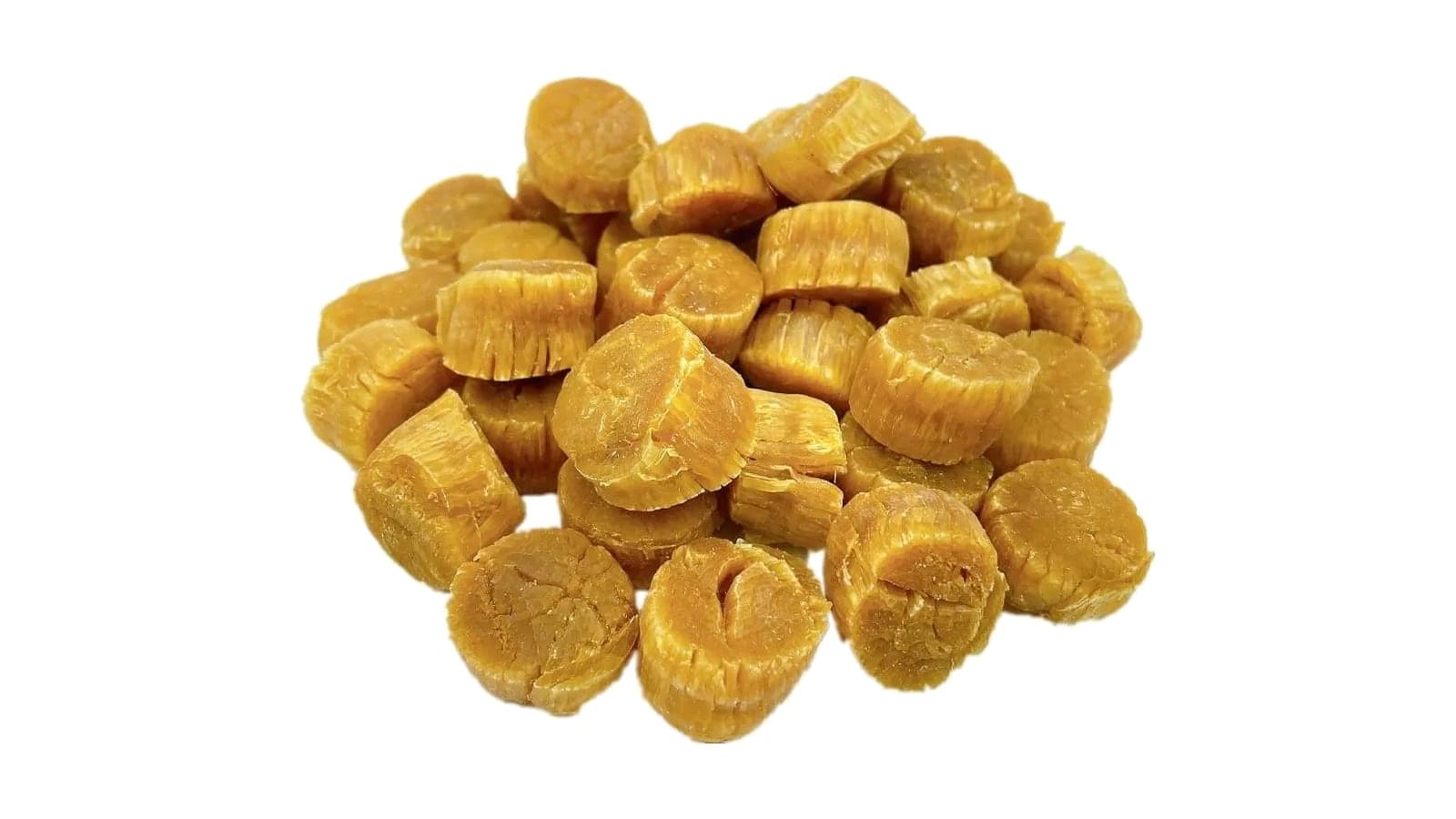
Buying Guide6 min read
How to grade dried scallops by origin, size, color, aroma and firmness, when broken conpoy is the smarter buy, and what to specify for retail and private-label packs.
Read the guide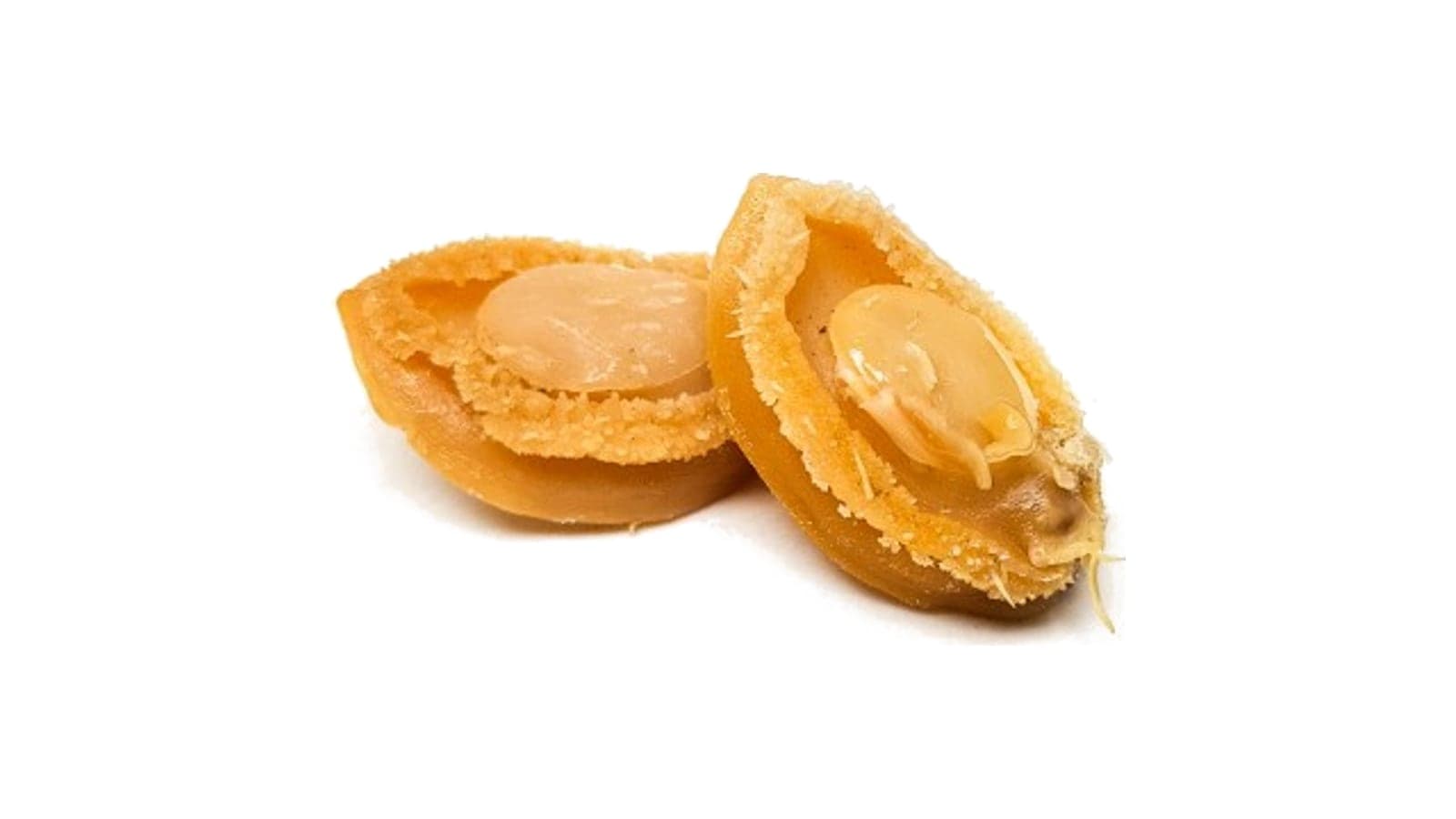
Storage & Handling7 min read
A practical guide to keeping high-value dried seafood in sound condition, from warehouse humidity control and chilled holding to handling after rehydration.
Read the guideRequest a quote
Share your target grade, packing, volume and destination. We confirm availability, documentation for your market and a formal quotation, usually within one business day.