- Private-label packing
- Export documentation
Frozen & Live Seafood
Frozen Sea Cucumber Supplier: Soaked, Cleaned and Ready to Cook
Sea cucumber that arrives already rehydrated or cooked, cleaned and frozen, specified by species, origin, count per kilogram and declared glaze so that restaurant kitchens can move straight to cooking.
- Soaked or cooked, cleaned and trimmed before freezing
- Spiky, Atlantic and tropical species by season
- IQF pieces sized by count per kilogram
- Glaze percentage and drained weight declared
- CITES-listed species supplied only with export permits
Product Specifications
Indicative; confirmed per lot on each quotation.
- Origin
- Northern China and Japan for spiky sea cucumber, Atlantic Canada for Cucumaria frondosa, and tropical Indo-Pacific origins for Holothuria species, each declared with its harvest or farm area.
- Grade / Size
- Graded by pieces per kilogram after soaking (e.g. 15–25, 25–35 and 35–50 pcs/kg), or by cut size for Atlantic product.
- Form & Processing
- Boiled from fresh or rehydrated from dried, cleaned of sand and inner membrane, then individually quick frozen with a declared protective glaze.
- Storage
- Hold at -18 °C or colder; thaw in the refrigerator and cook within a day or two, as soaked sea cucumber softens quickly once thawed.
- MOQ
- From 300 kg per species and grade for first orders, with full-container programs for regular buyers.
- Lead Time
- Typically 4–6 weeks, extended by permit processing where a CITES-listed species is ordered.
Product overview
Rehydrating dried sea cucumber is a multi-day cycle of soaking, simmering and changing water, and many kitchens no longer have the time or cold-room space for it. Frozen sea cucumber moves that work to the processing plant, so the chef receives cleaned pieces that need only thawing and cooking.
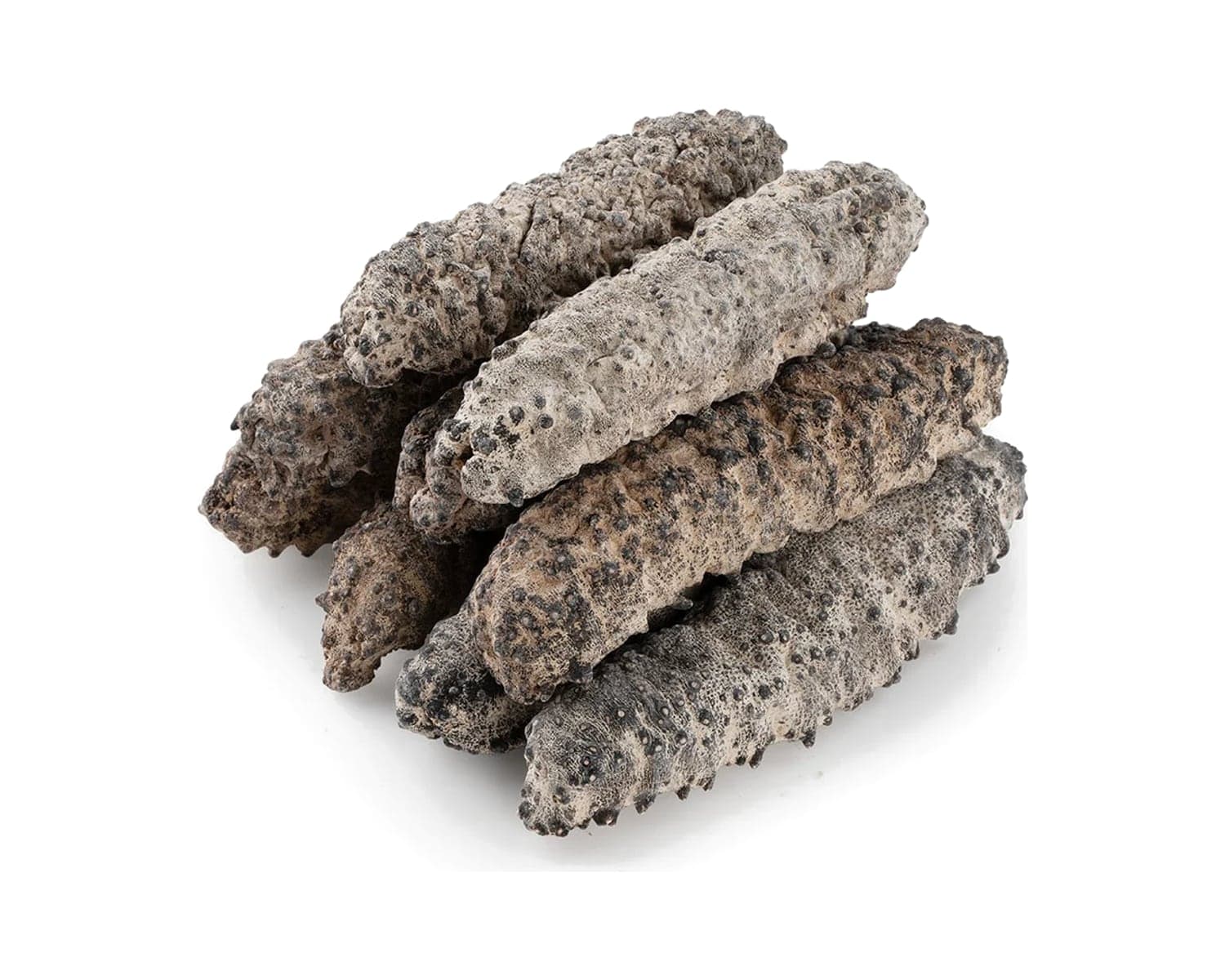
Apostichopus japonicus, the spiky sea cucumber of northern China and Japan, is the main format for banquet and Chinese restaurant menus, chosen for its firm, springy bite and well-defined papillae. Atlantic sea cucumber (Cucumaria frondosa), whole or cut, is a practical option for hot pot, processing and high-volume foodservice, and selected tropical Holothuria species are available in some seasons. Species, origin and whether the stock was farmed or wild-harvested are declared for every lot.
Depending on the plant, product is either boiled from fresh and frozen without a drying stage, or rehydrated from dried stock before freezing; we state which, because texture differs between the two. After cooking, the inner body wall is cleared of sand and membrane, pieces are individually quick frozen, and a protective ice glaze is applied and declared as a percentage. Checks cover count accuracy, drained weight after thawing, glaze level, residual grit and bite.
Frozen stock trades shelf stability for convenience, so kitchens that braise in large batches, or that need product able to sit in an ambient store, often keep some dried sea cucumber alongside it. Our rehydration yield guide covering the main sea cucumber varieties shows how species shapes texture and cost per portion, which helps when deciding which format a dish should use.
Specification sheet
Frozen Sea Cucumber: full specification
Indicative values. Final specifications are confirmed per lot on the quotation and certificate of analysis.
| Species | Apostichopus japonicus, Cucumaria frondosa, selected Holothuria species |
|---|---|
| Origin | China, Japan, Canada, Indo-Pacific; harvest or farm area declared |
| Processing | Boiled from fresh or rehydrated from dried; cleaned; IQF |
| Count | Pieces per kg, e.g. 15–25, 25–35, 35–50 |
| Glazing | Declared percentage; net weight excludes glaze |
| Drained weight | Measured on thawed product on request |
| Storage temperature | -18 °C or colder |
| Shelf life | Typically around 12–18 months frozen |
| Documents | Sanitary certificate from the exporting authority, catch or farm records, certificate of origin, CITES export permit for listed species |
| Minimum order | From 300 kg per species and grade for first orders, with full-container programs for regular buyers. |
| Lead time | Typically 4–6 weeks, extended by permit processing where a CITES-listed species is ordered. |
FAQ
Frozen Sea Cucumber: questions from buyers
Is your frozen sea cucumber made from fresh or dried product?
Both routes exist. Some plants cook fresh-harvested sea cucumber and freeze it directly, which tends to give a softer, more even texture; others rehydrate dried stock before freezing, which can give a firmer chew closer to the traditional braised dish. We state the method on every offer, so your chefs can choose the style that suits the dish.
How much glaze is on frozen sea cucumber?
Glaze levels vary by format and packer; IQF pieces commonly carry somewhere around 10–20%, while block-frozen product is often lower. Whatever the figure, it is stated on the carton and invoice, and net weight is quoted without it. If a maximum glaze applies under your national rules or a retailer’s specification, we set the lot to it before production rather than adjusting afterwards.
Which sea cucumber species need CITES permits?
A limited number of tropical commercial species, mostly from the Indo-Pacific, are listed in the CITES appendices, and the list is reviewed at each Conference of the Parties. Our standard frozen range of spiky and Atlantic sea cucumber does not involve listed species. When a buyer asks for a listed tropical species, we secure the export permit first and confirm that the destination accepts it before production starts.
How should frozen sea cucumber be thawed and cooked?
Thaw it overnight in the refrigerator rather than in warm water, which can make the body wall slack. Once thawed, it can go straight into a braise with oyster sauce and spring onion, a clear soup or a hot pot, and needs only a short cooking time. Overcooking softens it quickly, so chefs used to dried stock usually shorten their braising times.
Related
Related products
Frozen & Live Seafood
Frozen Abalone
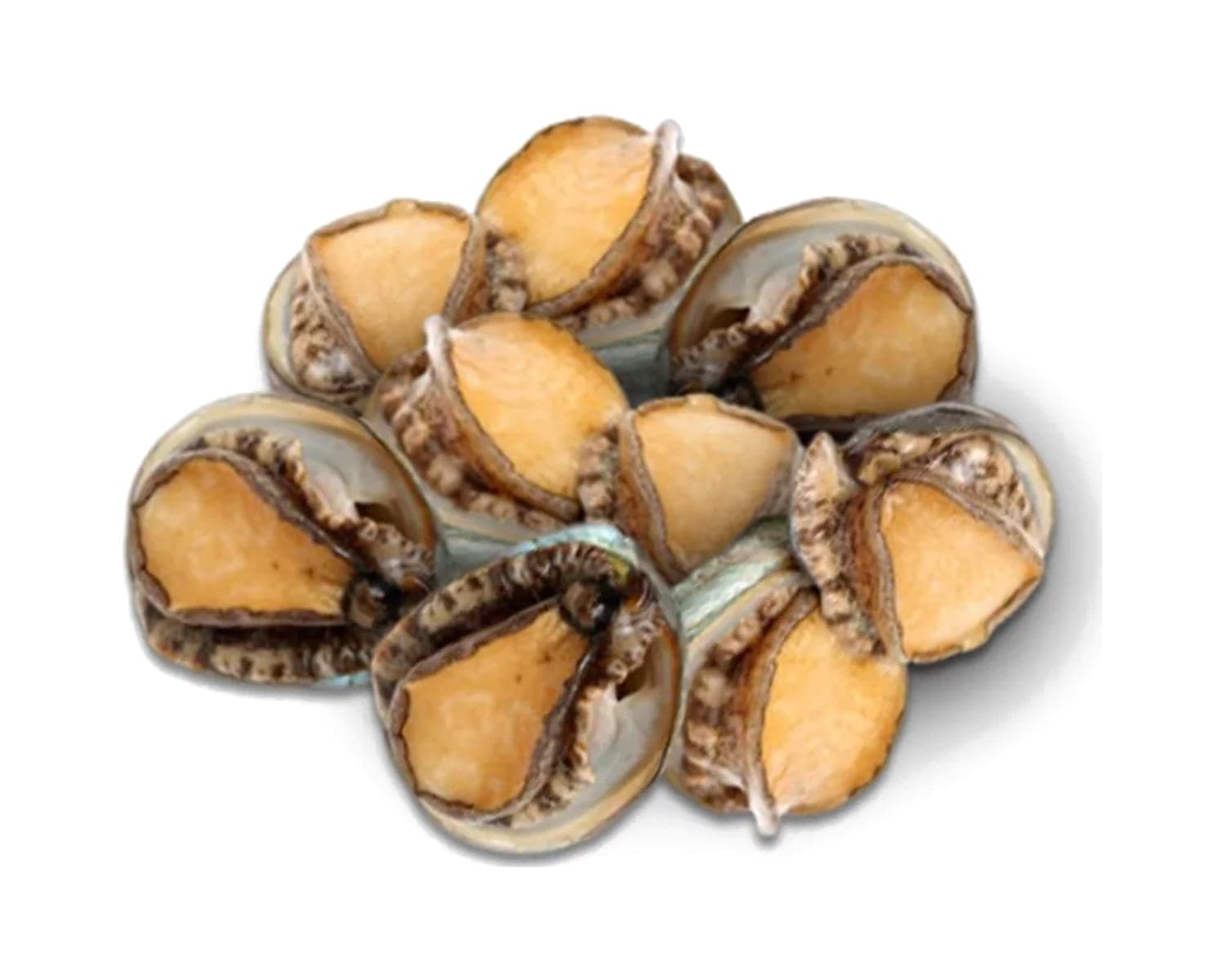
Farmed abalone in-shell, shucked or braised, sized per kilogram
Frozen
Frozen & Live Seafood
Frozen and Chilled Shellfish
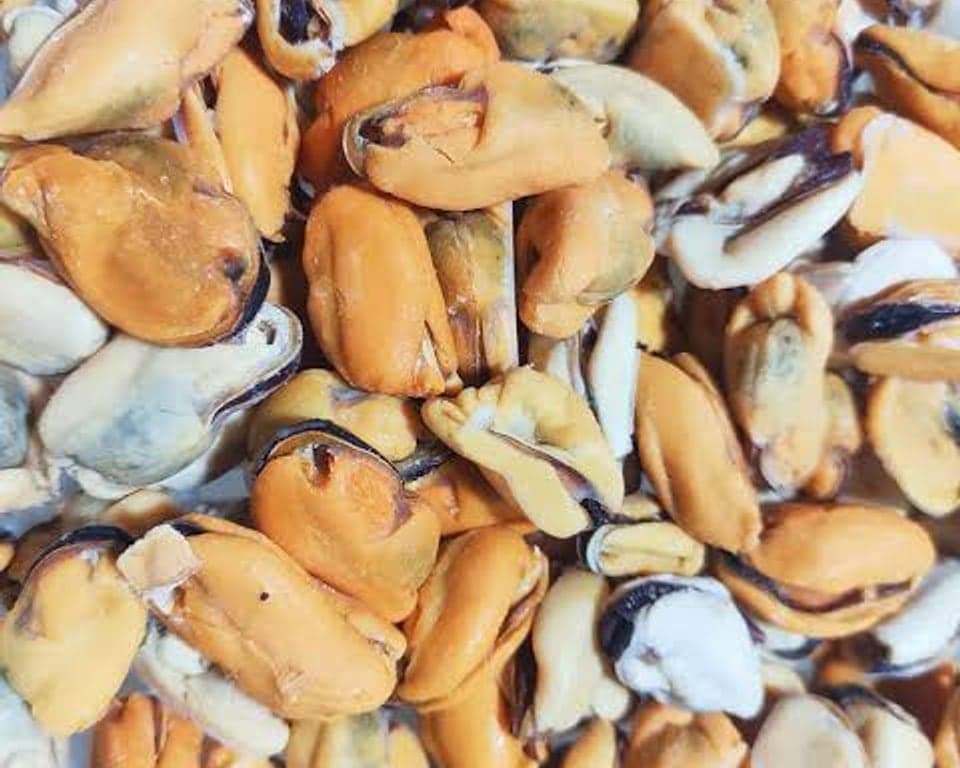
Scallops, clams, mussels, oysters and whelk, IQF and half-shell
Frozen
Buyer guides
Species Profiles7 min read
Sea Cucumbers Explained: The Animals Behind Bêche-de-Mer
How sea cucumbers live, what they are called from Dalian to Jakarta, which species are farmed or fished, how kitchens use them and which tropical species now need CITES permits.
Read the guide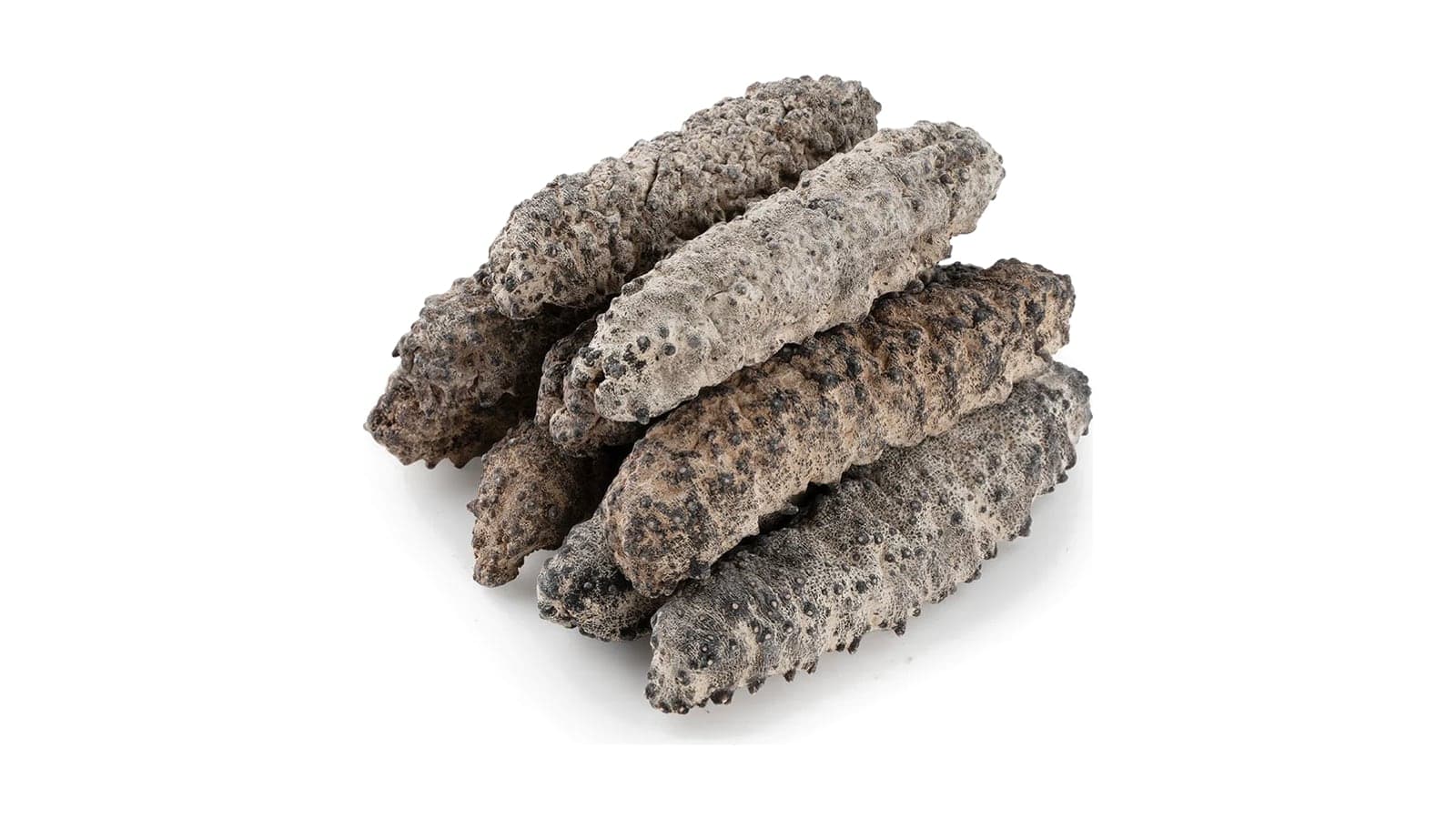
Quality & Grading6 min read
Dried Sea Cucumber Varieties and Rehydration Yield
How species, processing, salt and residual moisture shape the rehydration yield of dried sea cucumber, and how to turn a price per dry kilogram into a cost per usable portion.
Read the guide
Buying Guide7 min read
Choosing Premium Seafood Ingredients for Restaurants and Retail
How chefs, foodservice buyers and brand owners match grade and format to the application, compare suppliers on cost per portion, and keep quality consistent across orders and channels.
Read the guide
Request a quote
Request a quote for frozen sea cucumber
Share your target grade, packing, volume and destination. We confirm availability, documentation for your market and a formal quotation, usually within one business day.
- Grade, size or count required
- Packing format and labeling language
- Estimated volume and order frequency
- Destination port or airport and Incoterm
- Reference: Frozen Sea Cucumber