Value-added seafood
Value-Added Seafood Supplier: Breaded, Surimi and Ready-to-Cook Lines
Breaded and tempura shrimp, fish fingers, surimi crab sticks, fish balls, marinated fish and shellfish, and frozen seafood mixes for retail, foodservice and industrial buyers. As a value-added seafood supplier, we agree seafood content, coating, cooking state and pack format in writing before production, and pack under your brand or ours.
- Product types
- Coated, surimi-based, marinated and mixed
- Specified by
- Seafood content, coating, count and cooking state
- Packing
- Retail, foodservice and private-label formats
- Labeling
- Ingredients and allergens to destination rules
Range
Value-Added Seafood products
6 product lines, each specified by origin, grade and packing. Select a product for full specifications, MOQ and lead times.
6 of 6
Refine
Showing 6 of 6
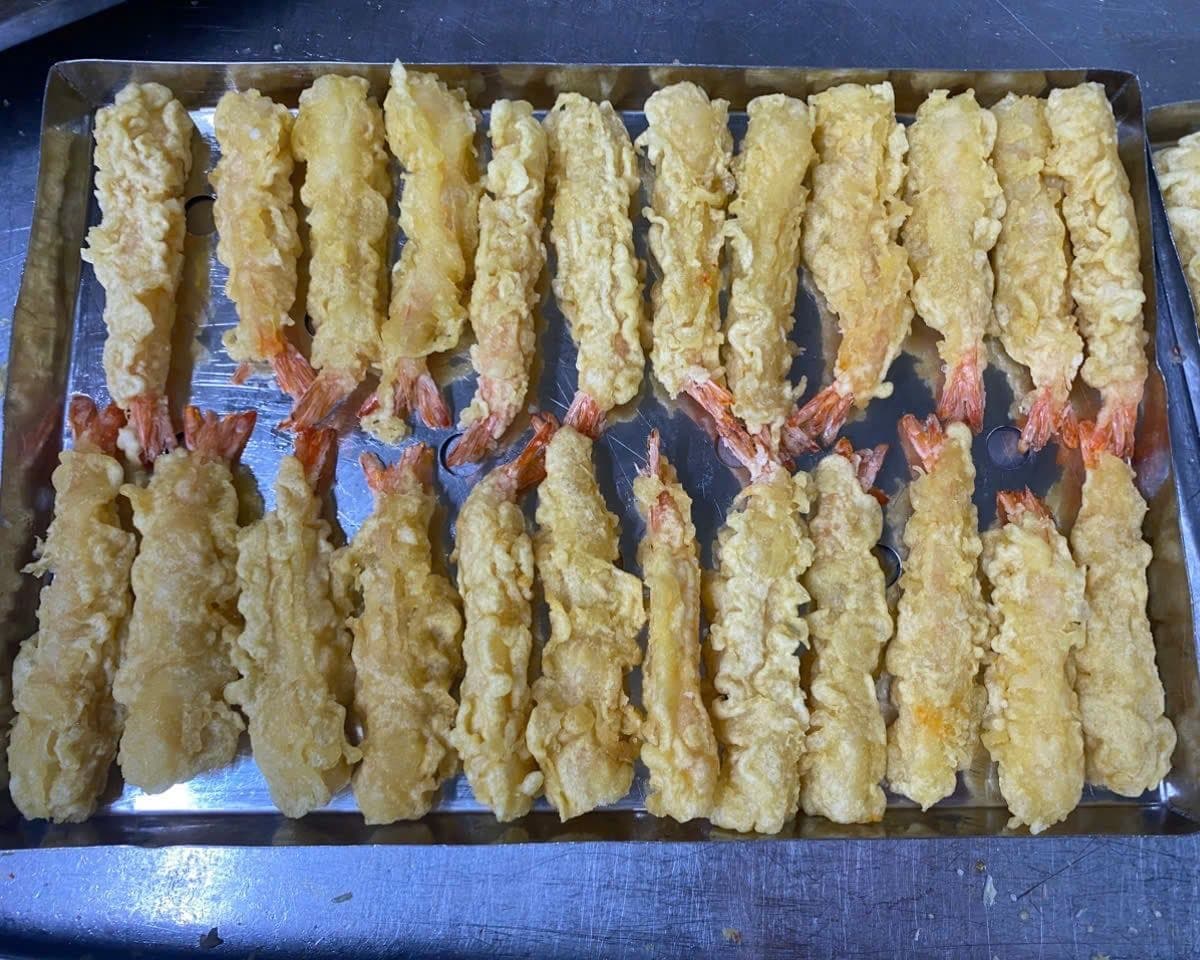
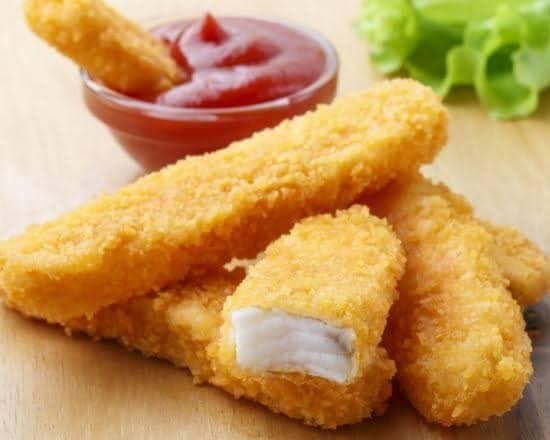
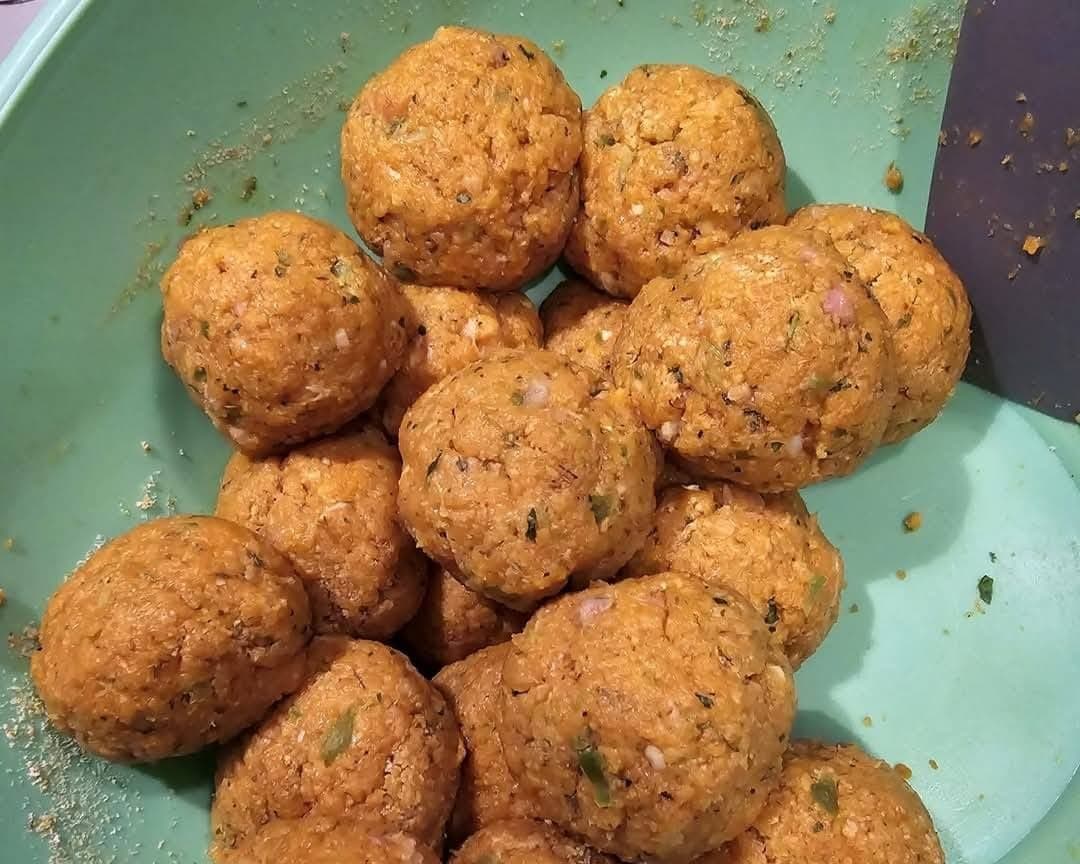
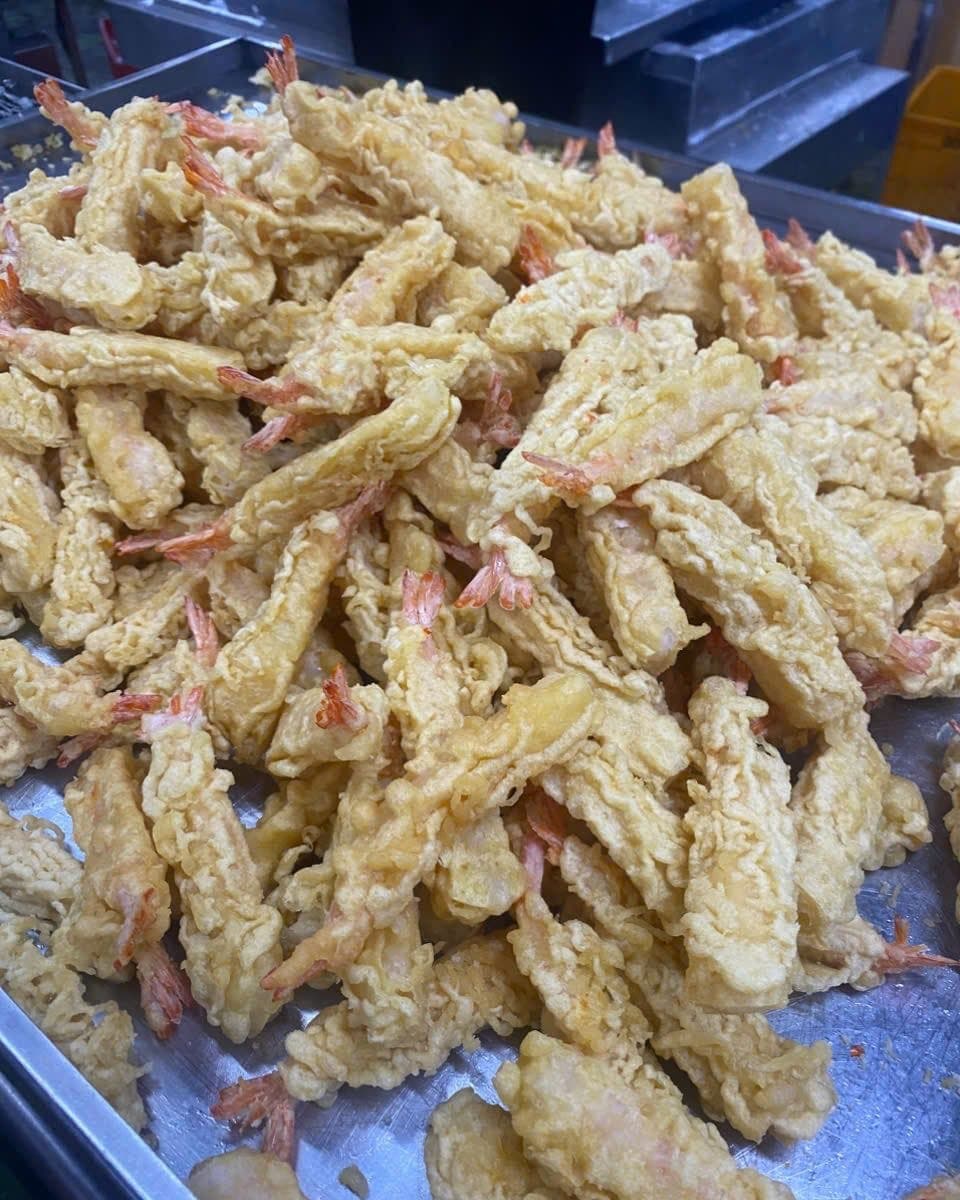
Four families of value-added products
Value-added seafood turns raw material into something a kitchen or shopper can use straight from the freezer. Several lines start from raw material we also supply plain, such as vannamei shrimp, Alaska pollock and frozen squid.
- Coated products: breaded and tempura shrimp in panko, butterfly and tempura styles, and fish fingers and fish sticks cut from frozen whitefish blocks
- Surimi products: surimi crab sticks and fish balls and seafood balls, formed from surimi, a washed and refined fish paste
- Ready-to-cook seafood: marinated seafood, with fish, shrimp and squid seasoned to recipe
- Mixes: frozen seafood mix of shrimp, squid, mussels and clams, blended to a stated ratio
How to specify a value-added product
With coated and formed products, the seafood is only part of what you pay for, so the written specification pins down how much of it there is and what surrounds it. We confirm these points on pre-production samples and check them again on finished lots.
Some markets give seafood content legal weight. In the United States, frozen raw breaded shrimp must contain at least 50 percent shrimp, and lightly breaded shrimp at least 65 percent, while EU labels must state the percentage of seafood when it is named in the product name or emphasized on the pack.
- Seafood content as a share of finished weight, and the species behind it
- Coating type and ratio, with count or piece weight before and after coating
- Cooking state: raw, par-fried or fully cooked, with cooking instructions on the pack
- Surimi grade and fish species for crab sticks and fish balls
Allergens, labeling and private label
A single breaded shrimp can carry crustacean, wheat, egg, milk and soy allergens, and surimi products often add egg white and starch to the fish. Each recipe is checked against your market’s allergen and additive rules before production, and crab sticks are named as surimi or crab-flavored seafood under the destination’s rules rather than sold as crab. The brand owner signs off the final label, and we supply the recipe data and declarations behind it.
Most programs are sold under the buyer’s brand, in printed bags, cartons and trays for retail or in 1 kg to 5 kg bags and bulk cartons for foodservice. Printed packaging carries a minimum print run, so a new brand often starts with a stock pack and a printed label. The process is set out under wholesale and private label.
Documents and cold chain
Value-added products ship in reefer containers at −18 °C or colder, often alongside plain frozen fish and shellfish. Because they combine seafood with other ingredients, import rules can differ from those for plain frozen seafood, so we confirm the documents for each recipe and destination before production, including the harvest data that US importers file for shrimp lines under the Seafood Import Monitoring Program.
Product knowledge
Buyer guides for this category
Buying Guide7 min read
Frozen Shrimp Specifications: Count Size, Glazing and Net Weight
How to specify and check frozen shrimp: species and cuts, count notation per pound or per kilogram, glaze and net weight, IQF and block formats, defects, treatment declarations and an arrival routine.
Read the guide
Import & Compliance8 min read
Shipping Seafood: Reefer Containers, Cold Chain and Incoterms
A logistics guide for seafood buyers: reefer and dry-container shipping, temperature records, air freight for chilled and live product, where Incoterms 2020 place cost and risk, and the evidence a claim needs.
Read the guide
FAQ
Value-Added Seafood: buyer questions
Can’t find your answer? Speak with an export specialist.
Can you produce to our own recipe?
Yes. Send your recipe or a target product and we will propose a specification for seafood content, coating or seasoning, piece size and cooking state. Pre-production samples are made for your sign-off, and the agreed sample becomes the reference for later lots.
How much shrimp is in breaded or tempura shrimp?
It is fixed in the specification rather than left to the factory. A heavier coating means less seafood in each piece, so coated products are quoted with the shrimp content stated, checked on samples by removing the coating, and declared on the label where the destination requires it.
Are value-added products raw or cooked?
Both exist, and the difference matters for handling and labeling. Raw breaded shrimp and most fish fingers must be cooked through before eating, while surimi crab sticks and many fish balls are fully cooked during manufacture. The cooking state and preparation instructions are stated on every offer and printed on the pack.
What is the minimum order for a private-label product?
It depends mainly on production runs and packaging. Stock recipes in plain or sticker-labeled packs can join a mixed container in smaller quantities, while a new recipe in fully printed packaging needs a larger first run. Request a quote with your target volume and we will confirm the options.
Trade inquiries
Partner with BSA Food Products
Tell us the products, grades and destination you have in mind. An export specialist will reply within one business day with availability, specifications and a formal quotation.