- Private-label packing
- Export documentation
Marine Ingredients
Edible Seaweed Supplier for Foodservice, Retail and Snack Makers
BSA Food Products supplies dried edible seaweed to importers, foodservice distributors, retailers and snack manufacturers, specified by species, cut size, color and moisture, with contaminant testing arranged against the limits of your destination market.
- Laver sheets, cut wakame, hijiki and red seaweeds
- Species and growing area declared on every lot
- Whole leaf, cut and flake sizes to specification
- Heavy-metal and iodine testing per destination limits
- Bulk cartons, foodservice bags and retail packs
Product Specifications
Indicative; confirmed per lot on each quotation.
- Origin
- Farmed crops from China, South Korea and Japan, with red seaweeds from South-East Asia and other tropical areas, depending on species and season.
- Grade / Size
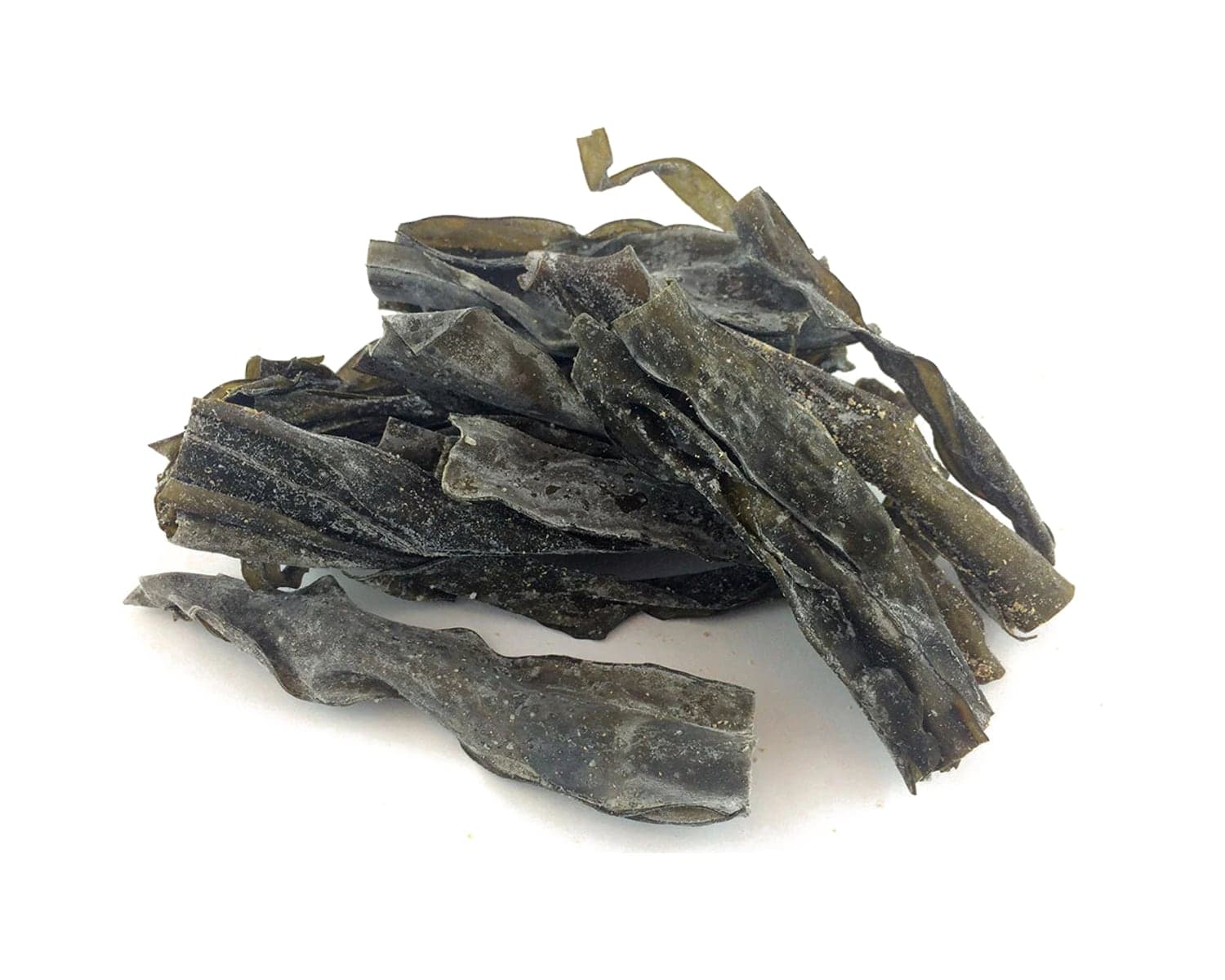
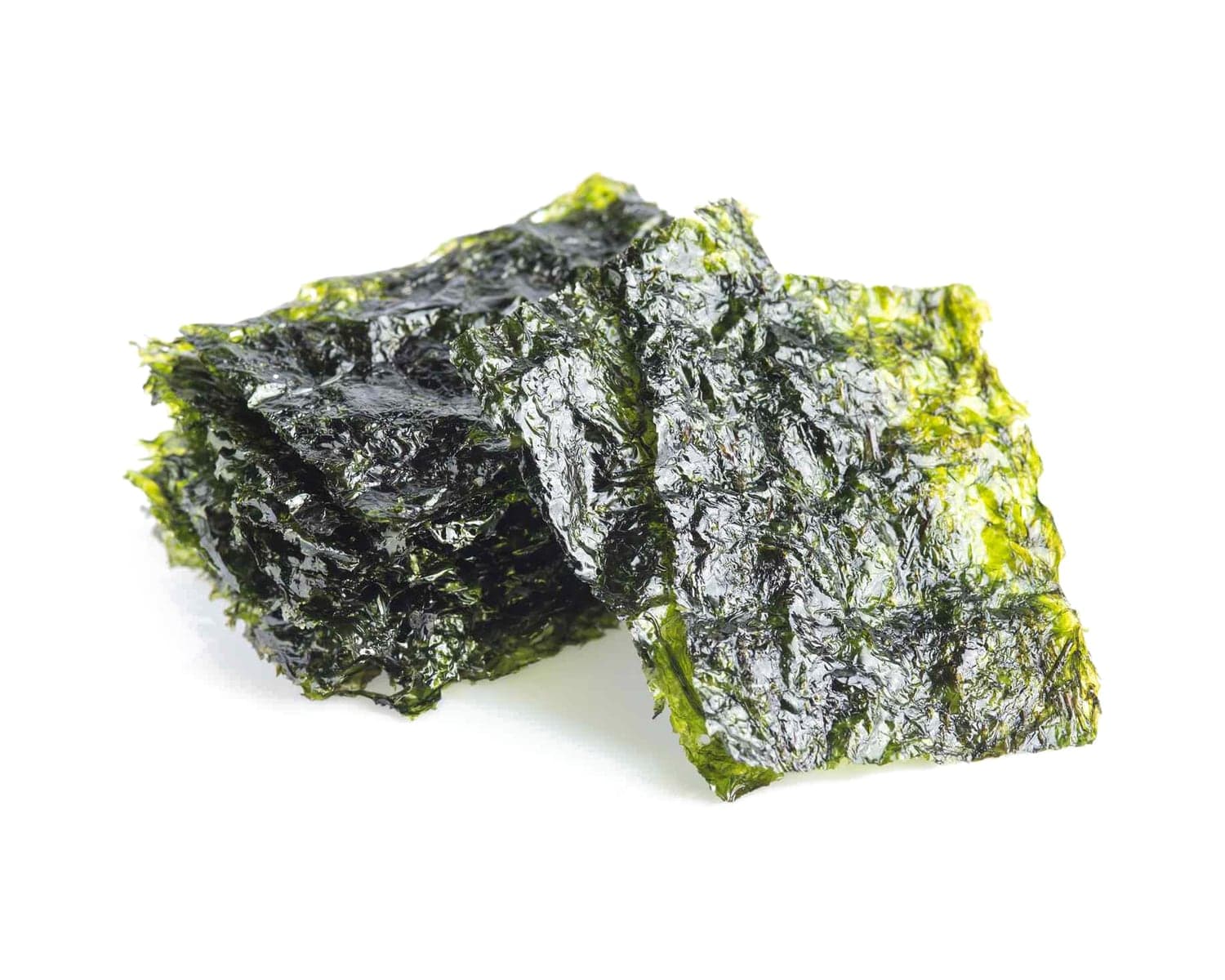
- Laver graded by color, gloss and holes in full, half or cut sheets; wakame by cut size and color; hijiki separated into bud and stem grades.
- Form & Processing
- Dried whole leaf, sheets, cut pieces and flakes; laver raw or roasted, wakame blanched and salted before drying, hijiki boiled and dried.
- Storage
- Hold sealed in a dry, cool, odor-free store away from light; roasted laver absorbs humidity quickly and should be resealed with desiccant once opened.
- MOQ
- Trial lots start at 200 kg per item, with retail-packed lines from one pallet.
- Lead Time
- 2–5 weeks from confirmed specification; laver availability follows the winter harvest season.
Product overview
Dried seaweed is traded less on name than on species and cut: a buyer asking for nori or wakame still needs to fix the species, harvest season, sheet or cut size and color grade before two offers can be compared. Our range covers laver (Pyropia yezoensis and Pyropia haitanensis), wakame (Undaria pinnatifida), hijiki (Sargassum fusiforme) and red seaweeds such as Chondrus crispus, Gracilaria and Eucheuma, which are sold as sea moss or supplied to agar and carrageenan processors.
Most volume comes from farmed crops in China, South Korea and Japan, with red seaweeds also sourced from South-East Asia and other tropical growing areas. Laver is formed into sheets and dried, then offered raw or roasted; wakame is blanched, salted, desalted, cut and dried; hijiki is boiled and dried, then separated into bud and stem grades. Grading looks at color and gloss, sheet thickness and holes, consistency of cut size, and foreign matter such as shell fragments, sand and other algae.
Foodservice buyers take full sheets for sushi and rice balls and small-cut wakame for soups, retailers favor consumer packs, and snack makers work with roasted sheets or flakes for seasoning. Seaweed takes up certain elements from seawater, so heavy-metal and iodine testing is arranged on request against the limits of each destination. Hijiki needs particular attention: several food authorities have published consumer advice on its inorganic arsenic content, so we test it per destination limits and ask buyers to confirm it can be marketed where they sell.
Retail and own-brand seaweed lines can be packed under our wholesale and private-label program, and laver pairs naturally with dried shrimp in the familiar Chinese laver-and-shrimp soup. Importers new to the category will find that our notes on what to check before ordering dried seafood apply equally to dried seaweed.
Specification sheet
Edible Seaweed: full specification
Indicative values. Final specifications are confirmed per lot on the quotation and certificate of analysis.
| Species / type | Pyropia (laver), Undaria pinnatifida (wakame), Sargassum fusiforme (hijiki), Chondrus, Gracilaria and Eucheuma (red seaweeds) |
|---|---|
| Origin | China, South Korea, Japan, South-East Asia; farm region stated for each lot |
| Grade / cut | Full, half or cut laver sheets; wakame cuts and flakes to stated size; hijiki bud or stem |
| Processing | Sun- or machine-dried; laver raw or roasted; wakame blanched, salted and desalted before drying |
| Moisture | Typically ≤ 12% for cut wakame and hijiki; lower for roasted laver (confirmed per lot) |
| Foreign matter | Shell, sand and mixed algae checked on every lot |
| Contaminant testing | Heavy metals (including inorganic arsenic) and iodine on request, against destination limits |
| Shelf life | Typically 12–24 months sealed, depending on type and packing |
| Packing | 10–20 kg cartons; 50 or 100-sheet bundles; 500 g and 1 kg foodservice bags; retail packs |
| Documents | Per-lot laboratory reports, commercial invoice, packing list and origin certificate; a health certificate for destinations that require it |
| Minimum order | Trial lots start at 200 kg per item, with retail-packed lines from one pallet. |
| Lead time | 2–5 weeks from confirmed specification; laver availability follows the winter harvest season. |
FAQ
Edible Seaweed: questions from buyers
What is the difference between raw and roasted laver sheets?
Raw laver (hoshi-nori) is dried after forming and keeps a darker, slightly duller look. Roasted laver (yaki-nori) has been briefly toasted, turning greener and crisper, and is ready for sushi rolls and rice balls without further heating. Snack makers seasoning their own sheets usually buy raw or lightly roasted stock, while foodservice buyers generally order fully roasted sheets in sealed bundles.
Can you supply hijiki to every market?
Hijiki cannot be assumed marketable everywhere: some food safety authorities advise consumers about inorganic arsenic in hijiki, and certain destinations apply specific limits or border checks. We test hijiki lots against the limits of the importing market and share the laboratory report before shipment, but we ask buyers to confirm with their own authority that hijiki can be imported and sold, and on what labeling terms.
How do you control iodine and heavy metals in seaweed?
Brown seaweeds such as wakame generally carry more iodine than laver, and any seaweed can take up metals from its growing water. On request we arrange testing for lead, cadmium, mercury, inorganic arsenic and iodine at a laboratory acceptable to you, reported against your destination’s limits. How we organize lot checks is explained on our export quality assurance page.
What do you supply as sea moss?
Under the trade name sea moss we offer sun-dried red seaweeds, mainly Chondrus crispus, Gracilaria and Eucheuma species, declared by species on every lot. Food processors buy them for their gelling and thickening behavior, and hydrocolloid producers use them as agar- or carrageenan-bearing raw material. Product descriptions and any statements on finished goods remain the responsibility of the brand owner in its own market.
Related
Related products
Specialty Dried Seafood
Dried Shrimp and Prawns
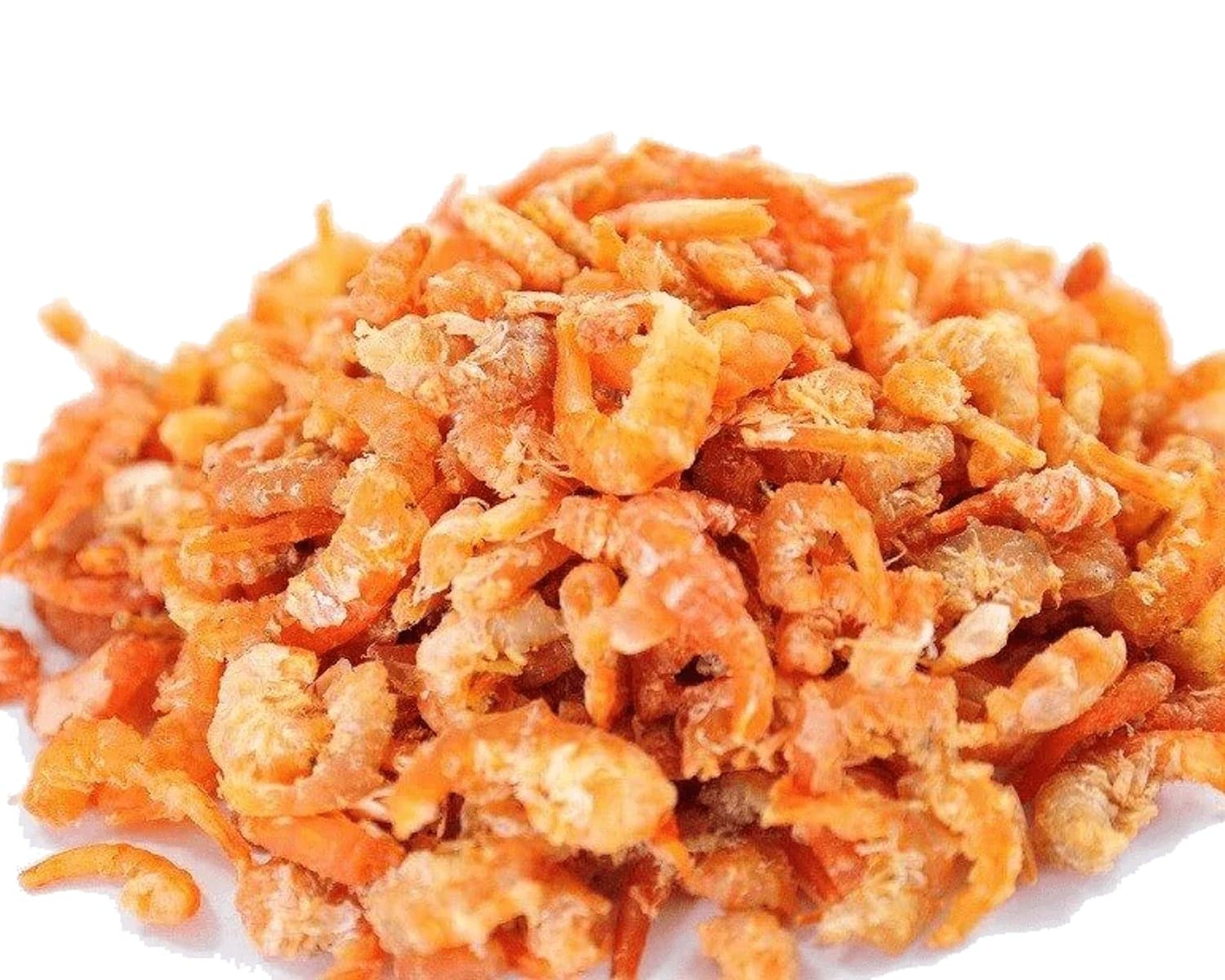
Peeled dried shrimp and shell-on prawns, sorted by size
Dried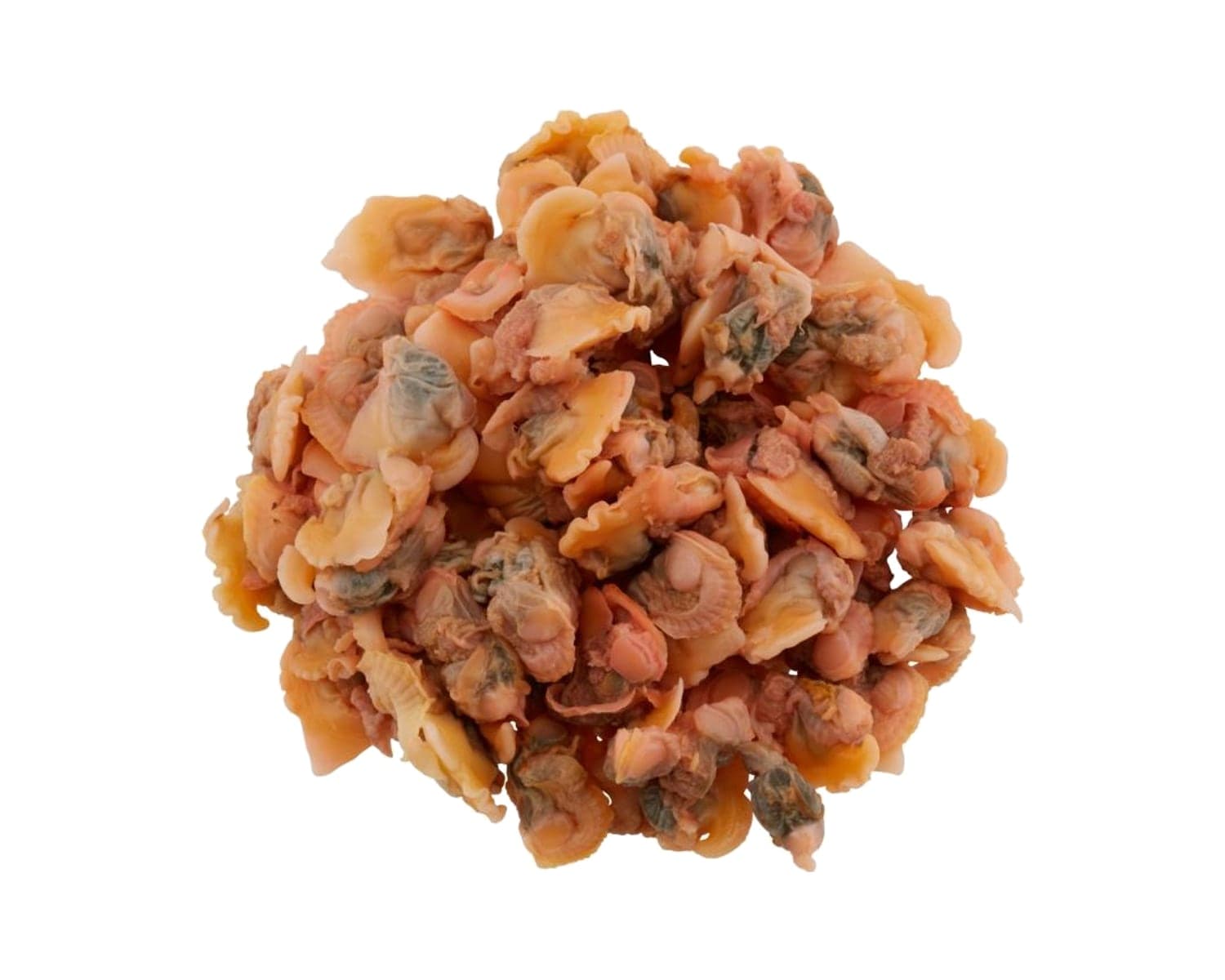
Specialty Dried Seafood
Other Dried Fish and Shellfish
Salted fish, anchovy, croaker, octopus and more, on request
Dried
Premium Marine Delicacies
Dried Scallops (Conpoy)
Hokkaido, Aomori and Chinese adductors by diameter and count
Dried
Buyer guides
Species Profiles7 min read
Edible Seaweeds Compared: Nori, Wakame, Hijiki and the Red Seaweeds
Laver, wakame, hijiki and the red seaweeds behind agar, carrageenan and sea moss: what each plant is, where it is grown and how it reaches the kitchen.
Read the guide
Import & Compliance7 min read
What Importers Need to Know Before Ordering Dried Seafood
The market-access, species, documentation, classification and commercial checks an importer should complete before placing a first order for dried seafood.
Read the guide
Buying Guide7 min read
Choosing Premium Seafood Ingredients for Restaurants and Retail
How chefs, foodservice buyers and brand owners match grade and format to the application, compare suppliers on cost per portion, and keep quality consistent across orders and channels.
Read the guide
Request a quote
Request a quote for edible seaweed
Share your target grade, packing, volume and destination. We confirm availability, documentation for your market and a formal quotation, usually within one business day.
- Grade, size or count required
- Packing format and labeling language
- Estimated volume and order frequency
- Destination port or airport and Incoterm
- Reference: Edible Seaweed