- Private-label packing
- Export documentation
Value-Added Seafood
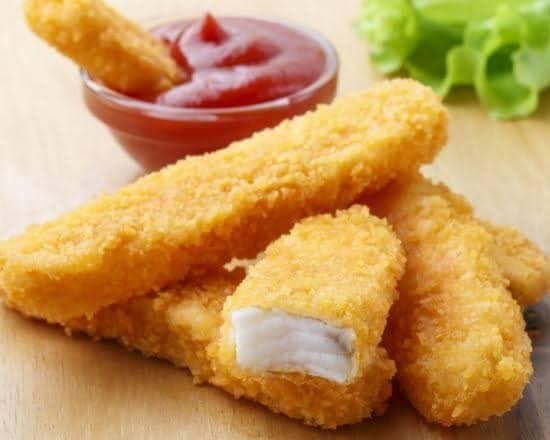
Fish Fingers and Fish Sticks Cut from Pollock and Pangasius Blocks
BSA Food Products supplies breaded and battered fish fingers, fish sticks and mini bites cut from frozen Alaska pollock or pangasius blocks, with the fish content, piece weight and cook status fixed in each specification.
- Alaska pollock or pangasius, with species and block type declared
- Standard fingers, fish sticks and mini bites
- Golden crumb, panko-style, seasoned crumb or batter
- Fish content stated as a share of finished weight
- Par-fried as standard; fully cooked on request
- Own-brand boxes with printed cooking instructions
Product Specifications
Indicative; confirmed per lot on each quotation.
- Origin
- Made in Thailand from North Pacific Alaska pollock blocks or farmed pangasius blocks from South-East Asia; the catch area or farm country of the fish is declared per lot.
- Grade / Size
- Fingers of about 25 g or 30 g, larger 50 g portions and mini bites; dimensions and finished weight agreed in the specification.
- Form & Processing
- Sawn from frozen fillet or mince blocks, predusted, battered and crumbed or battered only, par-fried or fully cooked, then frozen.
- Storage
- Hold at -18 °C or colder and cook straight from frozen; fingers that have thawed lose their crisp coating and must not be refrozen.
- MOQ
- Generally one 20 ft reefer, around 8 t of packed product (indicative), mixing sizes, coatings and pack formats.
- Lead Time
- About 4–6 weeks once recipe and artwork are signed off, subject to fish block availability.
Product overview
Fish fingers are among the most tightly engineered products in the frozen fish aisle. Each piece starts as a rectangle sawn from a frozen fish block, so weight, length and fish content can be held within narrow limits from one carton to the next, and that consistency is what retail own-brand ranges, school caterers and quick-service menus are paying for. British and Irish buyers say fish fingers and North American buyers usually say fish sticks; the product is the same in principle, though portion sizes and crumb styles differ between markets.
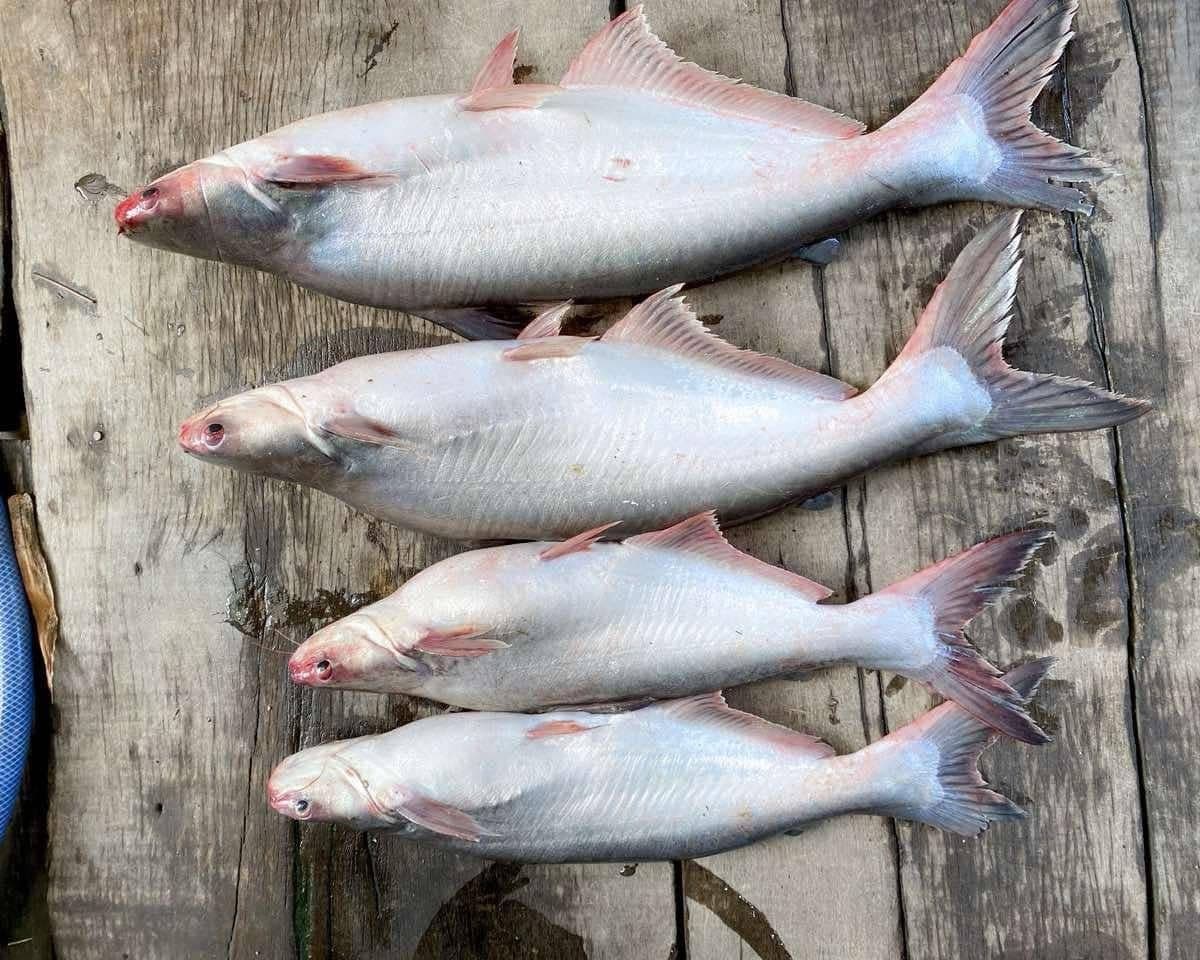
The fish comes from rectangular frozen blocks, most often of Alaska pollock (Gadus chalcogrammus) from North Pacific fisheries or of farmed pangasius (Pangasianodon hypophthalmus), and other whitefish blocks can be considered on request. Blocks are made either from whole fillets or from minced fish, and the two behave differently: fillet-block fingers break into natural flakes, while mince-block fingers are softer, more uniform and lower in cost. We name the species, the block type and the share of fish in the finished piece on every offer, because those three facts decide where a product can sit in a range.
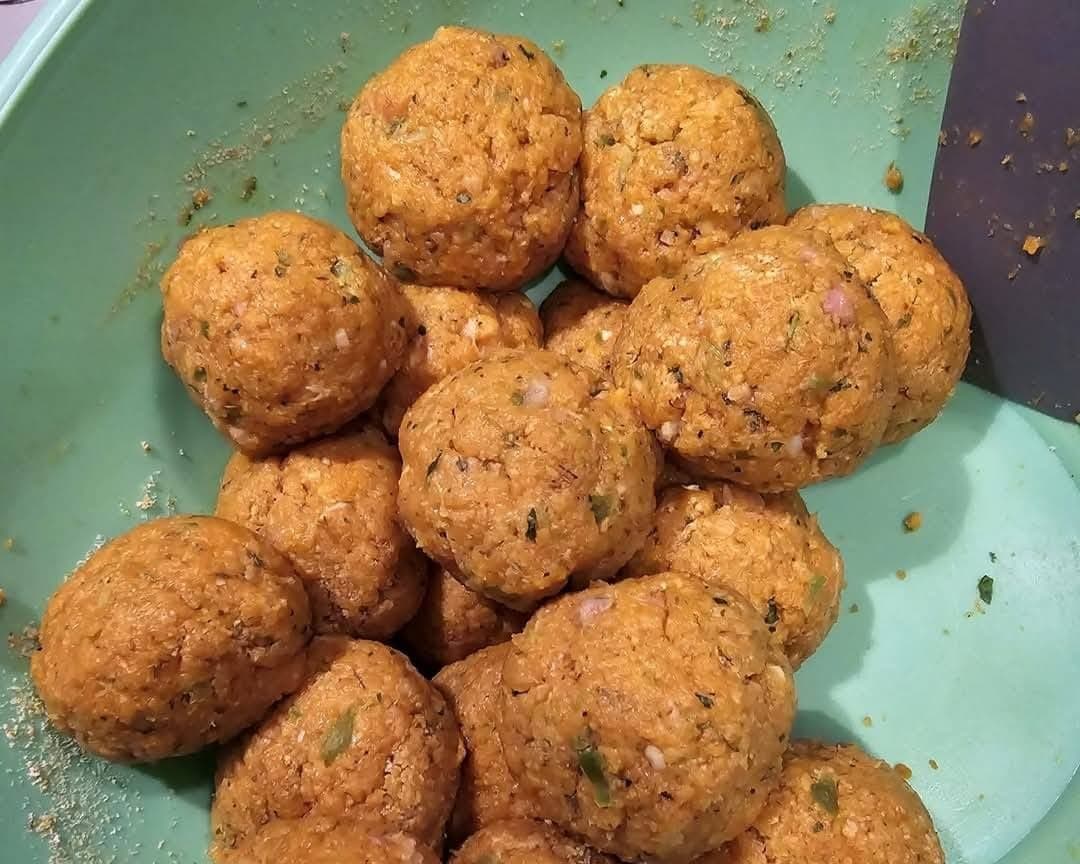
On the line, frozen blocks are sawn into fingers and passed through a predust and a batter, then covered in golden crumb, panko-style crumb or seasoned crumb, or left in a crisp batter alone. Most fingers are then par-fried for a moment to fix the coating and refrozen, which leaves the fish raw at the center and means the end user must cook them through; fully cooked fingers for reheat-only kitchens are made where a buyer specifies a validated cook. Before shipment we check piece weight and dimensions, fish content by removing the coating from weighed samples, bones, coverage and bare edges, oil uptake and color in a test fry. Mini bites cut from the same blocks give smaller pieces for snacking and children’s plates, and formed fish cakes can be produced on request.
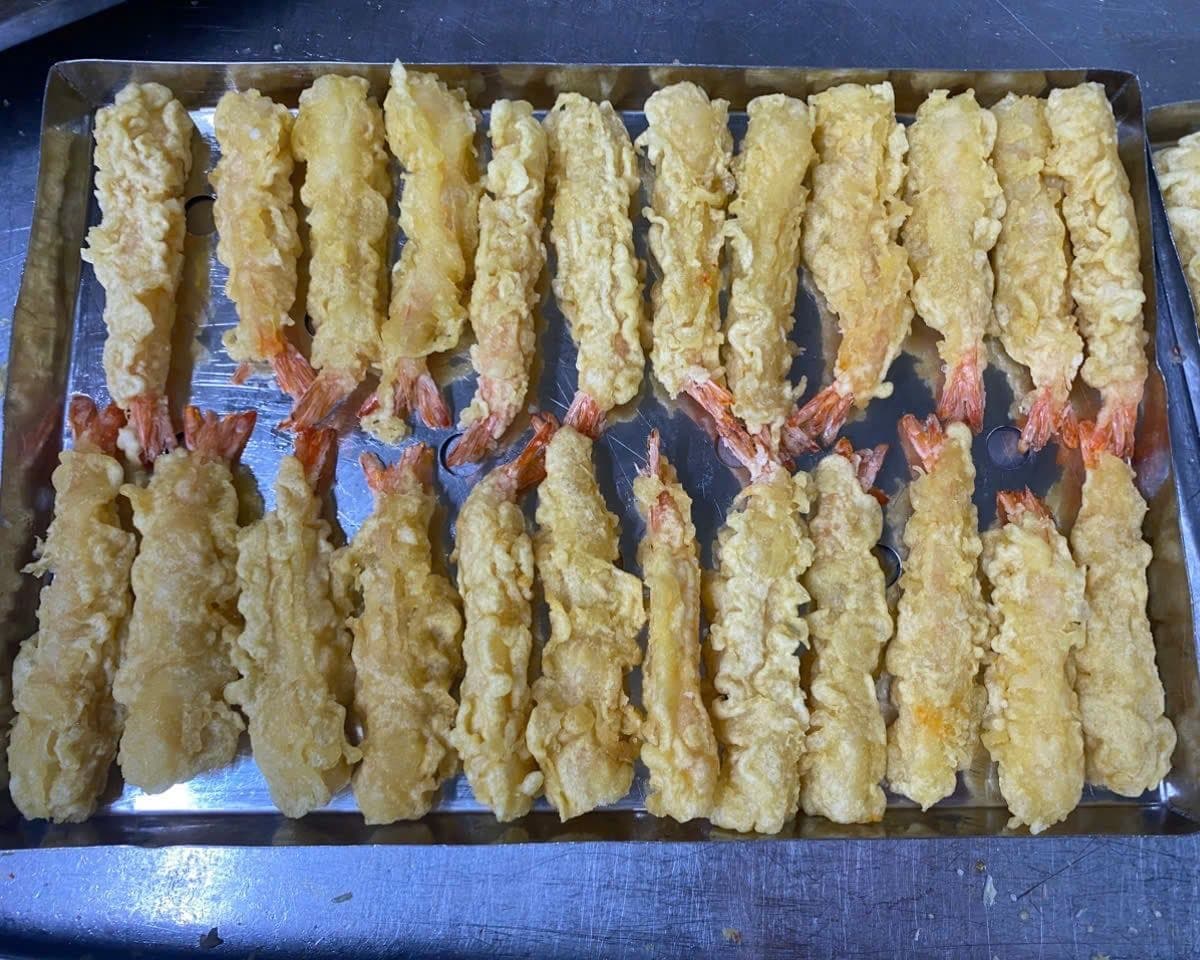
Retail boxes of 250 g, 450 g and 750 g suit supermarket freezer ranges, while 1 kg and 3 kg bags and 5 kg or 10 kg cartons serve caterers, school meals and quick-service kitchens. Under our private-label program, buyers set crumb color, seasoning, finger count per box and the printed oven and fryer instructions, and fish fingers can share a reefer with breaded and tempura shrimp to build a first container. The reefer and Incoterms guide covers the cold-chain points that keep coated products crisp and intact in transit.
Specification sheet
Fish Fingers and Fish Sticks: full specification
Indicative values. Final specifications are confirmed per lot on the quotation and certificate of analysis.
| Fish | Gadus chalcogrammus or Pangasianodon hypophthalmus; other whitefish on request |
|---|---|
| Block type | Fillet block or mince block, declared |
| Piece weight | About 25 g, 30 g or 50 g; mini bites to specification |
| Fish content | Share of finished weight, checked by removing the coating |
| Coating | Golden crumb, panko-style, seasoned crumb or batter only |
| Cook status | Par-fried with the fish raw at the core, or fully cooked; printed on pack |
| Bones | Checked per lot against an agreed tolerance |
| Shelf life | Typically up to 18 months at -18 °C, confirmed per recipe |
| Allergens | Fish and wheat (gluten); milk, egg or soy if the recipe has them |
| Documents | Health certificate, certificate of origin, and catch documents for wild pollock where the destination needs them |
| Minimum order | Generally one 20 ft reefer, around 8 t of packed product (indicative), mixing sizes, coatings and pack formats. |
| Lead time | About 4–6 weeks once recipe and artwork are signed off, subject to fish block availability. |
FAQ
Fish Fingers and Fish Sticks: questions from buyers
Are your fish fingers par-fried or fully cooked?
Par-fried is the standard: the coated fingers pass through hot oil briefly so the crumb sets and colors, but the fish inside stays raw and frozen. They must be cooked through in an oven, fryer or air fryer following the pack instructions. Fully cooked fingers, heated through at the plant under a validated process, can be made for kitchens that only reheat, and the carton states clearly which kind it holds.
What is the difference between fillet-block and mince-block fish fingers?
Fillet blocks are made from whole skinless, boneless fillets pressed and frozen into a rectangle, so a finger cut from them shows natural flakes when broken. Mince blocks are made from minced fish, often recovered from trimming, which gives a softer and more even texture at lower cost. Both are legitimate products, but they are labeled and priced differently, so the block type is part of every offer and cannot be changed without agreement.
How much fish is in a fish finger?
It depends on the recipe and the coating, and it is agreed as a percentage of finished weight before production. Thicker crumbs and batters lower the fish share, while lightly coated fingers keep it high. We check fish content on each run by removing the coating from weighed samples and weighing the fish core alone, and the declared figure goes on the specification and, where the destination requires it, on the label.
Can you produce fish fingers to our own specification?
Yes. Send the target piece size, fish species, block type, crumb style and color, and fish content, or a sample of the product you want to match, and we will produce trial pieces for a side-by-side fry test. Request a quote with your pack sizes and destination so that the labeling is planned from the start.
Related
Related products
Buyer guides
Species Profiles9 min read
Alaska Pollock: The Cod-Family Whitefish Behind Surimi and Fish Fingers
The North Pacific cod relative that most people eat without knowing its name: how it lives, where it is caught, and why surimi makers and fish-finger lines depend on it.
Read the guide
Import & Compliance8 min read
Shipping Seafood: Reefer Containers, Cold Chain and Incoterms
A logistics guide for seafood buyers: reefer and dry-container shipping, temperature records, air freight for chilled and live product, where Incoterms 2020 place cost and risk, and the evidence a claim needs.
Read the guide
Buying Guide7 min read
Choosing Premium Seafood Ingredients for Restaurants and Retail
How chefs, foodservice buyers and brand owners match grade and format to the application, compare suppliers on cost per portion, and keep quality consistent across orders and channels.
Read the guide
Request a quote
Request a quote for fish fingers and fish sticks
Share your target grade, packing, volume and destination. We confirm availability, documentation for your market and a formal quotation, usually within one business day.
- Grade, size or count required
- Packing format and labeling language
- Estimated volume and order frequency
- Destination port or airport and Incoterm
- Reference: Fish Fingers and Fish Sticks