- Private-label packing
- Export documentation
Frozen Fish
Frozen Pangasius Fillets: Trim Grades, Portions and Blocks
BSA Food Products sources pangasius fillets from partner processors in Vietnam’s Mekong Delta, specified by trim grade, flesh color, size and glaze, and supplied IQF, interleaved or block-frozen for retail, foodservice and processing buyers.
- Pangasianodon hypophthalmus, named by species on every offer
- Well-trimmed, semi-trimmed and untrimmed fillets
- Flesh color graded from white to yellow
- Moisture retainer, glaze and net weight declared
- IQF, interleaved and block-frozen formats for processors
- Sourced from partner processors in Vietnam’s Mekong Delta
Product Specifications
Indicative; confirmed per lot on each quotation.
- Origin
- Vietnam’s Mekong Delta, through partner processors; province and processing plant declared per lot, and destination eligibility checked before quoting.
- Grade / Size
- Fillets by weight per piece (60–120, 120–170, 170–220 and 220 g up), by trim (well-trimmed, semi-trimmed or untrimmed) and by flesh color (white, light pink, pink, yellow).
- Form & Processing
- Skinless, boneless fillets; portions, strips and cubes; IQF, interleaved or block-frozen. Untreated or treated, with any moisture retainer and the glaze percentage stated.
- Storage
- Hold at -18 °C or colder and keep temperature steady to protect the glaze; thaw pangasius fillets under refrigeration, use within a day and do not refreeze.
- MOQ
- Usually a full 40 ft reefer for regular programs; a 20 ft load combining several sizes or trims for first orders.
- Lead Time
- Typically 3–5 weeks from confirmed specification; portion cuts and private-label packaging can add one to two weeks.
Product overview
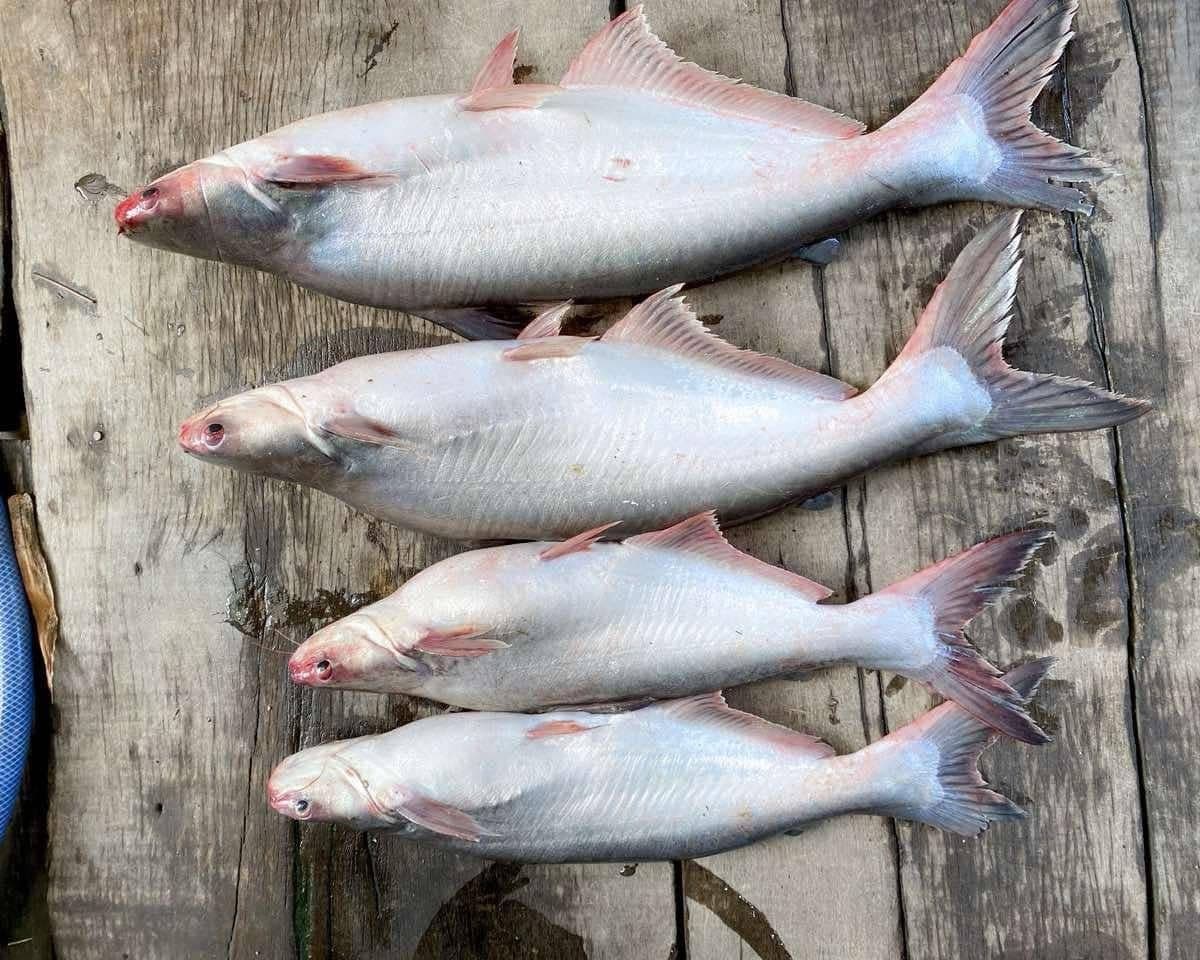
Pangasius trades under several names, and the label rarely tells the whole story. Almost every frozen fillet in international trade comes from Pangasianodon hypophthalmus, known in Vietnam as tra and sold in the United States as swai. The name basa, widely used by distributors and in the product name on this page, strictly belongs to a related species, Pangasius bocourti, which is farmed in much smaller volumes. Our offers therefore carry the scientific name, so the buyer knows which fish is in the carton and can apply the trade name that the destination’s labeling rules accept.
Export production is concentrated in the provinces along the Mekong and Bassac rivers in southern Vietnam, where farms, feed mills and fillet plants sit close together and fish are carried live by well boat from the pond to the processing line. Because the volume and the specialist plants are there, we source pangasius through partner processors in the Delta, not from Thai production, and name the province and the plant on every offer. Filleting and trimming are still largely manual, fillets are candled over light tables for bones and parasites, and fish are usually frozen within hours of leaving the water.
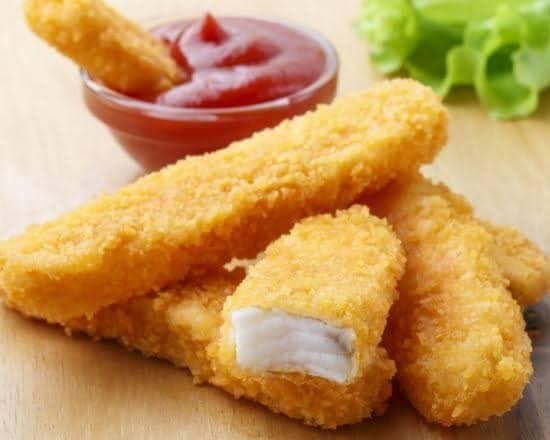
Trim is the first grade a buyer sets. Untrimmed fillets keep the belly meat, fat and the strip of red meat; semi-trimmed fillets have part of the fat and red meat removed; well-trimmed fillets have all three cut away to leave a clean, even white fillet. Flesh color is graded separately, through white, light pink, pink and yellow, and white or light pink lots carry the higher prices. Sizes usually run 60–120, 120–170, 170–220 and 220 g up per fillet, and fillets can also be cut into portions, strips and cubes or frozen in blocks for breading and portioning lines such as those making fish fingers and fish sticks.
Water is where pangasius offers really differ. Fillets are often tumbled with phosphate-based moisture retainers before freezing, and they hold a heavy glaze easily, so two quotes for the same trim and size can deliver very different amounts of fish per kilogram paid for. We state the treatment, the glaze and the net weight on each offer, and moisture content can be measured per lot against your market’s or retailer’s limit; thawed-sample checks for trim, color, odor, parasites and stray skin can also be arranged. The mild, boneless flesh suits fish and chips, breaded portions, curries, hot pot and ready meals, and skin from the same lines is supplied as fish skin for crisps and gelatin, alongside other fish processing by-products.
Specification sheet
Frozen Pangasius (Basa): full specification
Indicative values. Final specifications are confirmed per lot on the quotation and certificate of analysis.
| Species | Pangasianodon hypophthalmus (tra, swai); Pangasius bocourti only on request |
|---|---|
| Origin | Mekong Delta, Vietnam; province and plant per lot |
| Trim | Well-trimmed, semi-trimmed or untrimmed |
| Flesh color | White, light pink, pink or yellow, graded per lot |
| Size | 60–120, 120–170, 170–220, 220 g up per fillet |
| Freezing | IQF, interleaved or block |
| Treatment | Untreated, or the moisture retainer named on label and invoice |
| Glaze | Percentage stated; pangasius net weight quoted ex-glaze |
| Shelf life | Commonly 18–24 months frozen |
| Documents | Health certificate, certificate of origin; residue and moisture reports for pangasius lots on request |
| Minimum order | Usually a full 40 ft reefer for regular programs; a 20 ft load combining several sizes or trims for first orders. |
| Lead time | Typically 3–5 weeks from confirmed specification; portion cuts and private-label packaging can add one to two weeks. |
FAQ
Frozen Pangasius (Basa): questions from buyers
Is pangasius the same fish as basa and swai?
In trade, mostly yes, though the names are not interchangeable on a label. Most fillets sold as basa, swai, tra or pangasius are Pangasianodon hypophthalmus, while true basa is Pangasius bocourti. In the United States the accepted market names for P. hypophthalmus include swai, sutchi and tra, and only fish of the family Ictaluridae may be labeled catfish. EU labels must show the scientific name together with the commercial designation, which in many member states is pangasius or panga. We give the scientific name on every offer so that your label can follow the rules of your market.
What do well-trimmed, semi-trimmed and untrimmed mean?
They describe how much of the belly meat, fat and red meat has been cut from the fillet. Untrimmed fillets keep all three and are the economy choice for curries, soups and processing; semi-trimmed fillets have part of the fat and red meat removed; well-trimmed fillets have all three removed, giving the clean, uniform white fillet that retail packs and plated dishes call for. Trim changes yield at the plant, so price rises with each step.
How do I compare glaze and moisture between pangasius offers?
Ask each supplier for the glaze percentage, the net weight after deglazing, the moisture content of the thawed flesh and whether a phosphate or other moisture retainer was used. A fillet quoted cheaply at a high glaze and high moisture can cost more per kilogram of actual fish than a dearer untreated lot. Fish fillets are deglazed in the same way as shrimp, following the method in our guide to glazing and net weight, and an independent net-weight check can be arranged before loading.
Can pangasius be shipped to the United States?
Yes, but pangasius follows rules that differ from most other fish. Pangasius belongs to the order Siluriformes, which in the United States is inspected by the USDA Food Safety and Inspection Service (FSIS) rather than by the FDA. Product must come from a country whose inspection system FSIS has found equivalent and from a plant that country certifies as eligible, and shipments are reinspected on arrival. The plant’s eligibility can be confirmed before a US order is quoted. Our export specialists can go through the paperwork with your broker.
Related
Related products
Marine Ingredients
Fish Skin for Food Processing
Descaled, trimmed skins for snacks, kitchens and extraction
FrozenMarine Ingredients
Fish-Processing By-products for Industrial Use
Heads, frames, trimmings and viscera for industrial processing
Frozen
Buyer guides
Species Profiles7 min read
Pangasius, Basa, Swai and Tra: One Catfish, Many Names
The fillets sold as basa, swai, tra and panga nearly all come from one farmed Mekong catfish. This profile untangles the names and follows the fish from river to pond to plate.
Read the guide
Import & Compliance8 min read
Shipping Seafood: Reefer Containers, Cold Chain and Incoterms
A logistics guide for seafood buyers: reefer and dry-container shipping, temperature records, air freight for chilled and live product, where Incoterms 2020 place cost and risk, and the evidence a claim needs.
Read the guide
Buying Guide7 min read
Frozen Shrimp Specifications: Count Size, Glazing and Net Weight
How to specify and check frozen shrimp: species and cuts, count notation per pound or per kilogram, glaze and net weight, IQF and block formats, defects, treatment declarations and an arrival routine.
Read the guide
Request a quote
Request a quote for frozen pangasius (basa)
Share your target grade, packing, volume and destination. We confirm availability, documentation for your market and a formal quotation, usually within one business day.
- Grade, size or count required
- Packing format and labeling language
- Estimated volume and order frequency
- Destination port or airport and Incoterm
- Reference: Frozen Pangasius (Basa)