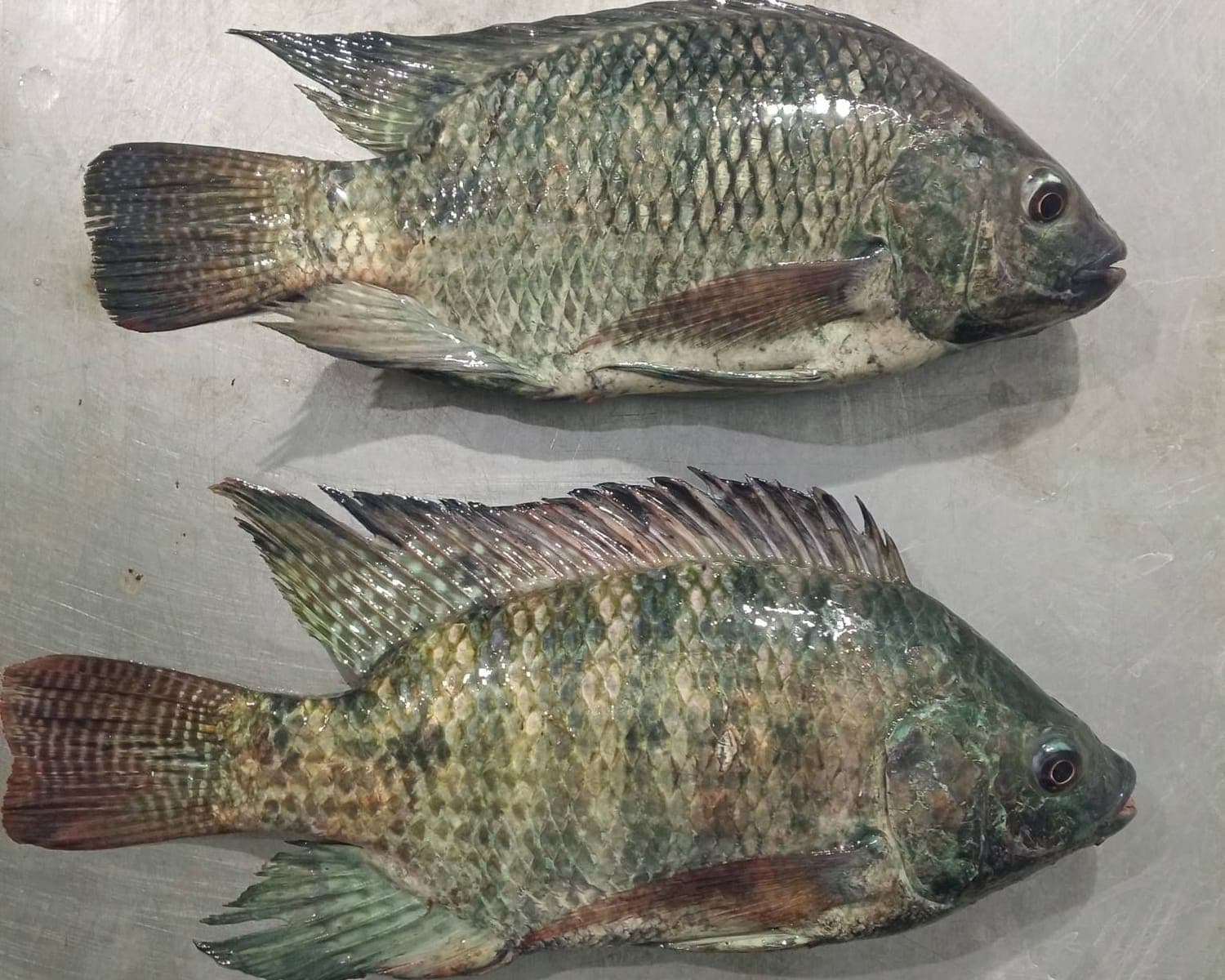
Farmed and wild-catch fish
Frozen Fish Supplier: Farmed and Wild-Catch Fish for Wholesale and Export
Farmed tilapia, pangasius, carp, barramundi and salmon, and wild-caught tuna, mackerel, sardines, herring and pollock, supplied frozen as whole fish, fillets, loins, steaks and portions. As a frozen fish wholesale supplier, we quote every line by species, cut, size grade, glaze and net weight, so that importers, distributors, foodservice groups and processors can compare offers on equal terms.
- Species groups
- Farmed freshwater and marine, tuna, pelagics, whitefish
- Cuts
- Whole round, gutted, fillets, loins, steaks, portions
- Freezing
- IQF, interleaved or block, held at −18 °C or colder
- Declared per lot
- Species, farmed or wild, origin, glaze and net weight
Range
Frozen Fish products
18 product lines, each specified by origin, grade and packing. Select a product for full specifications, MOQ and lead times.
18 of 18
Refine
Showing 18 of 18
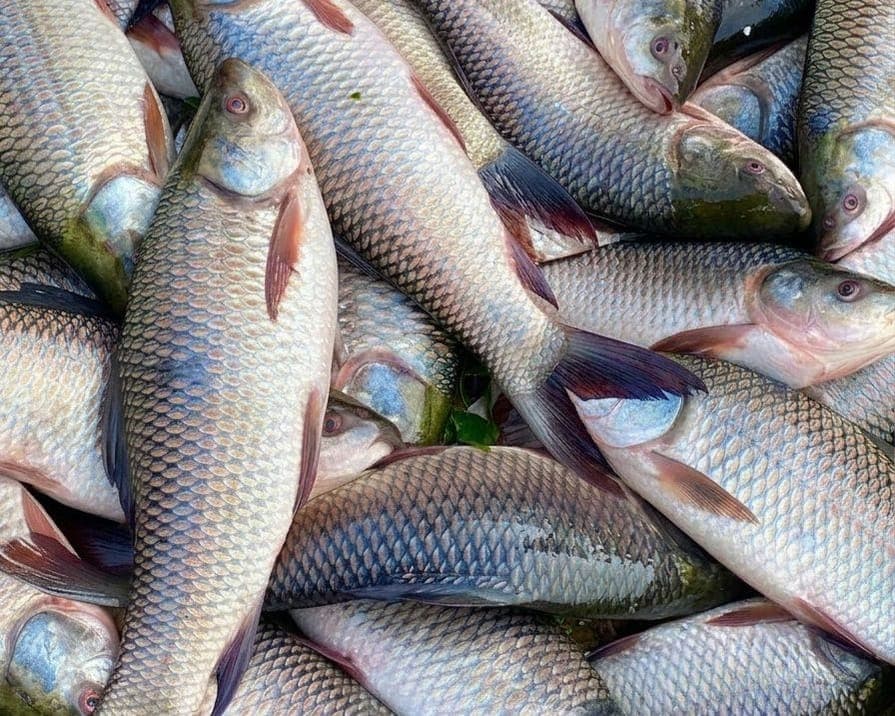
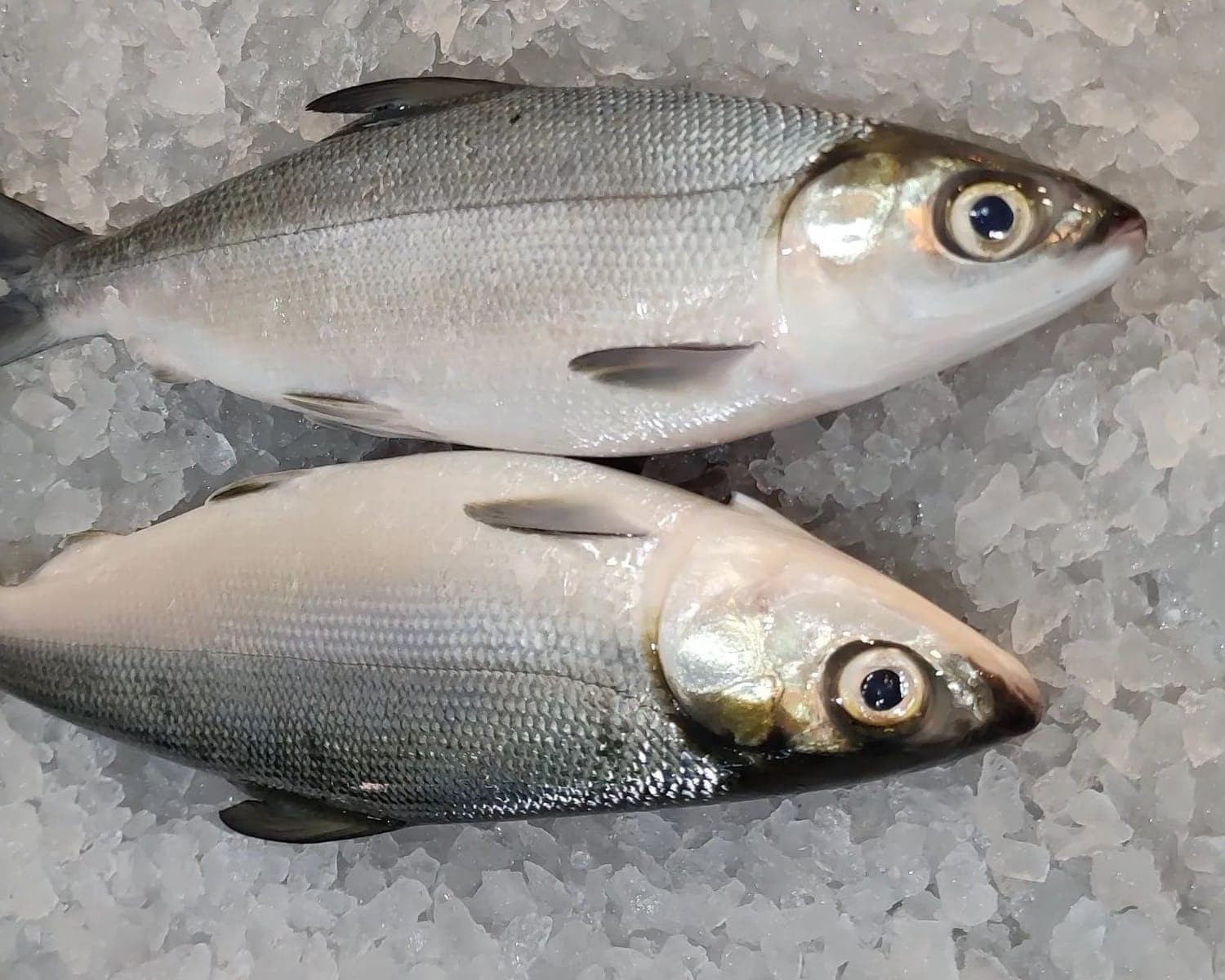
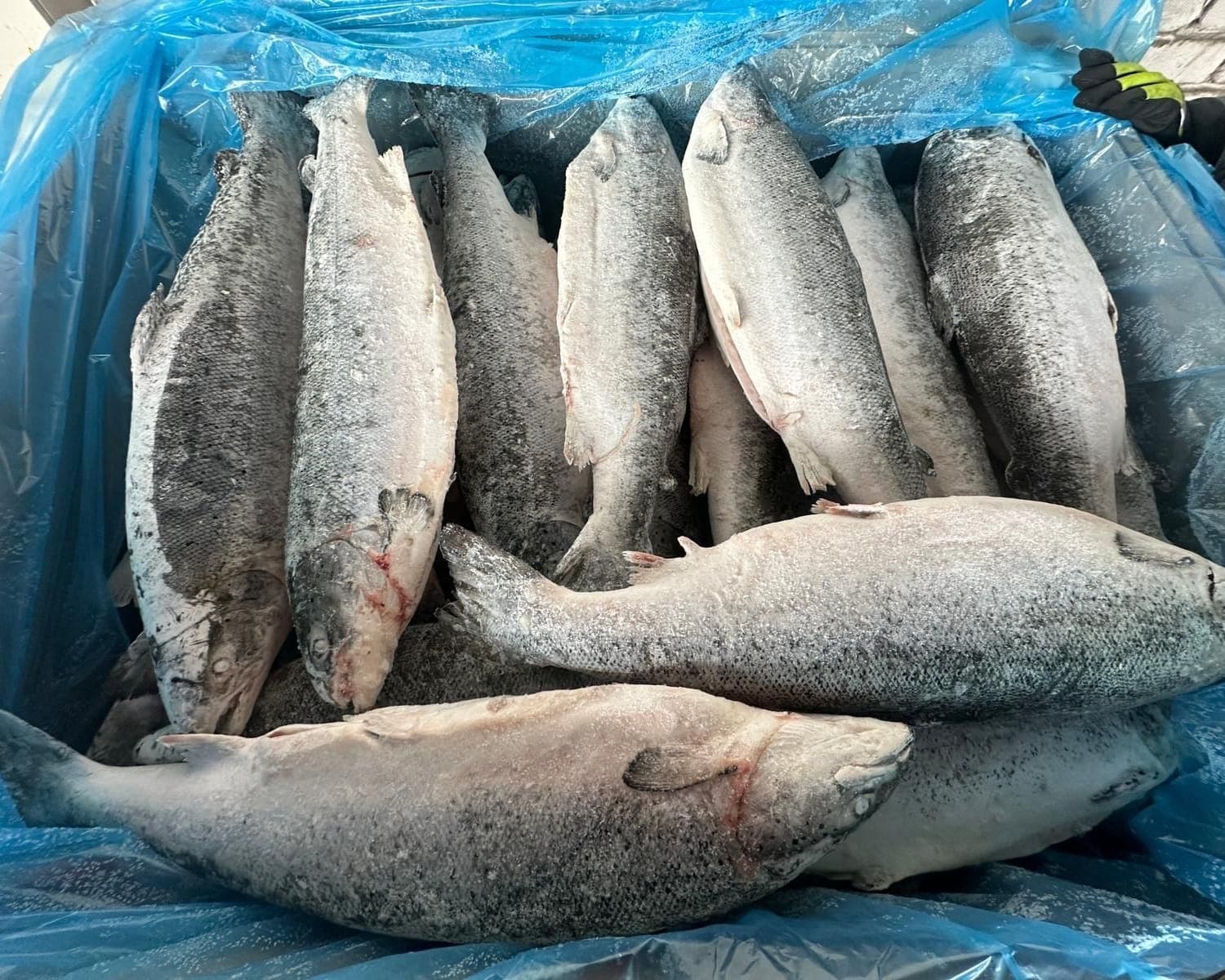
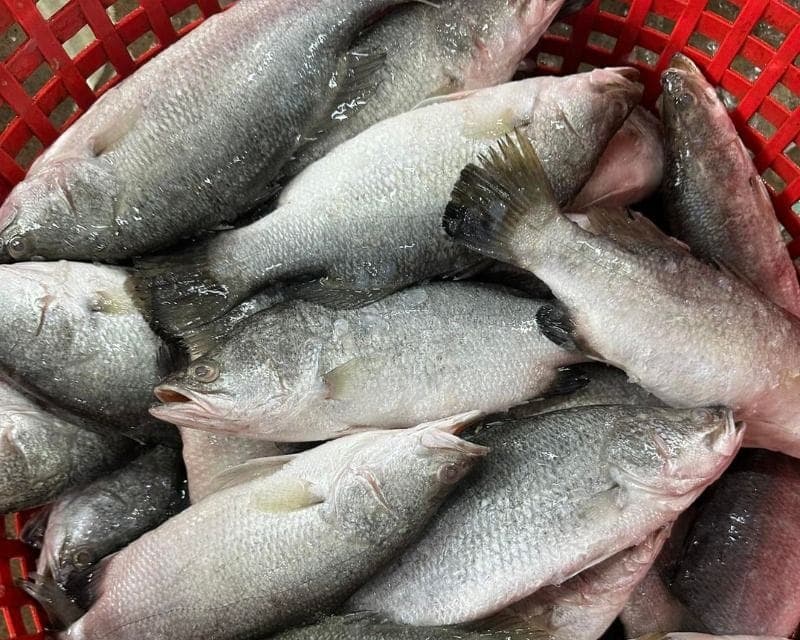
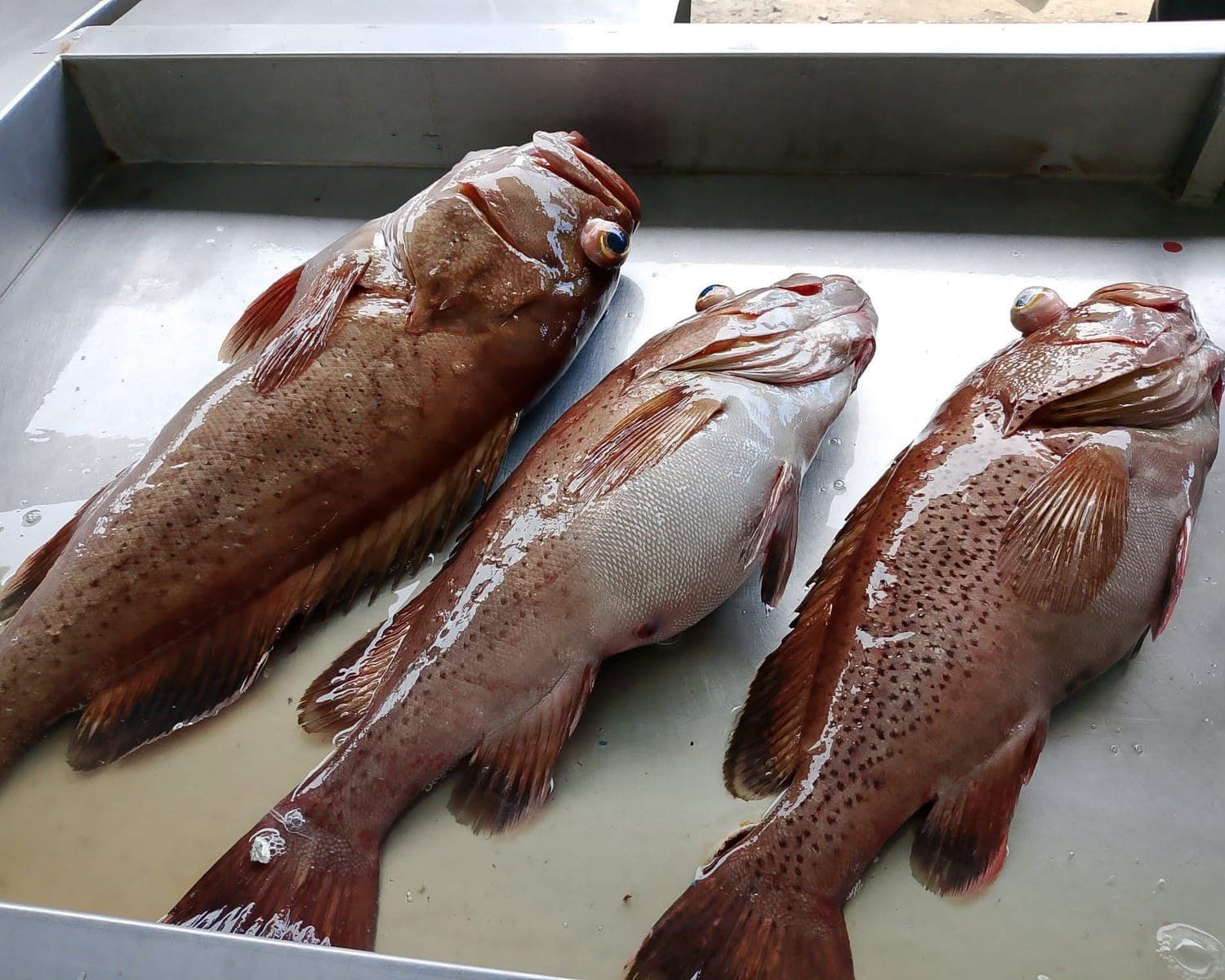
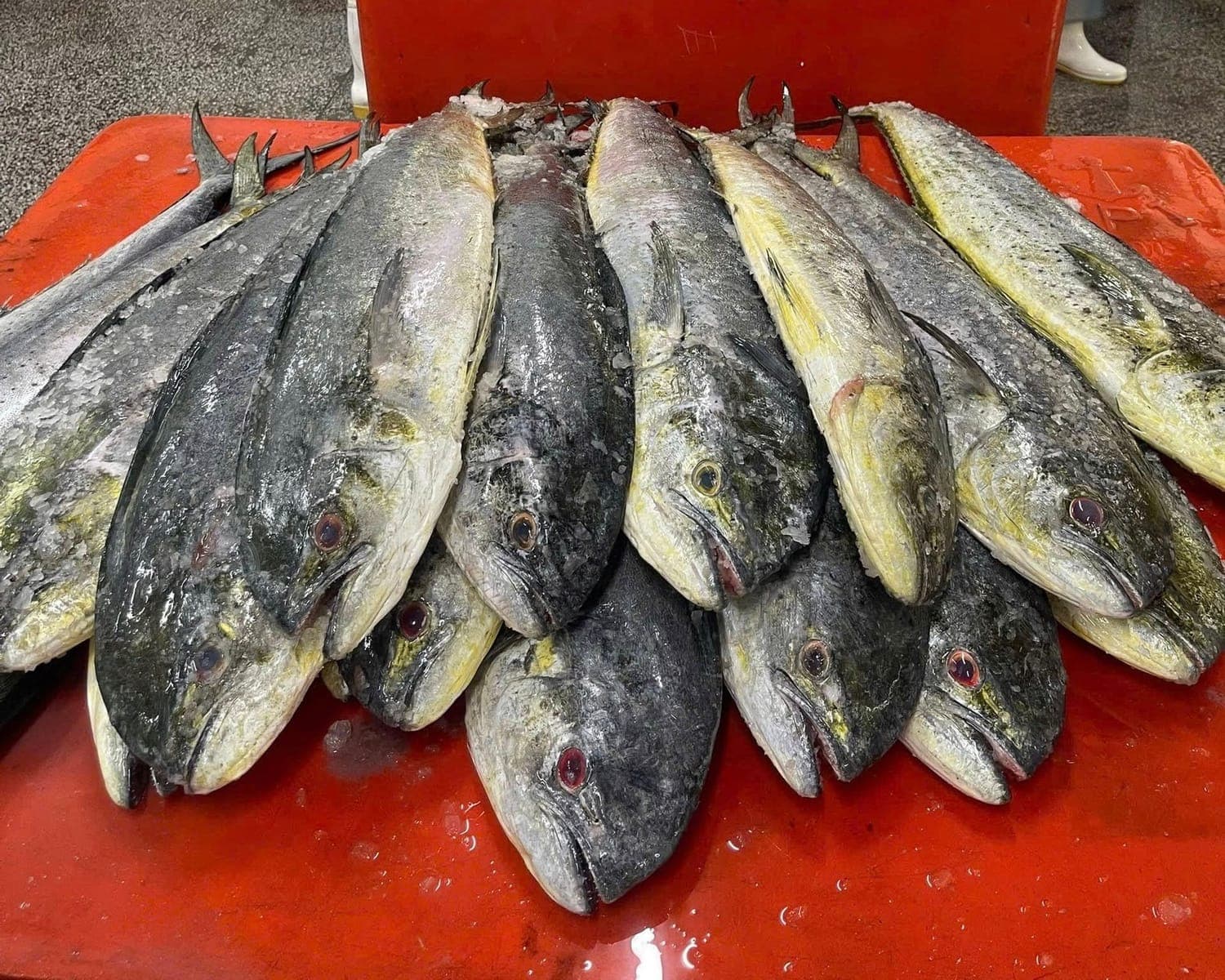
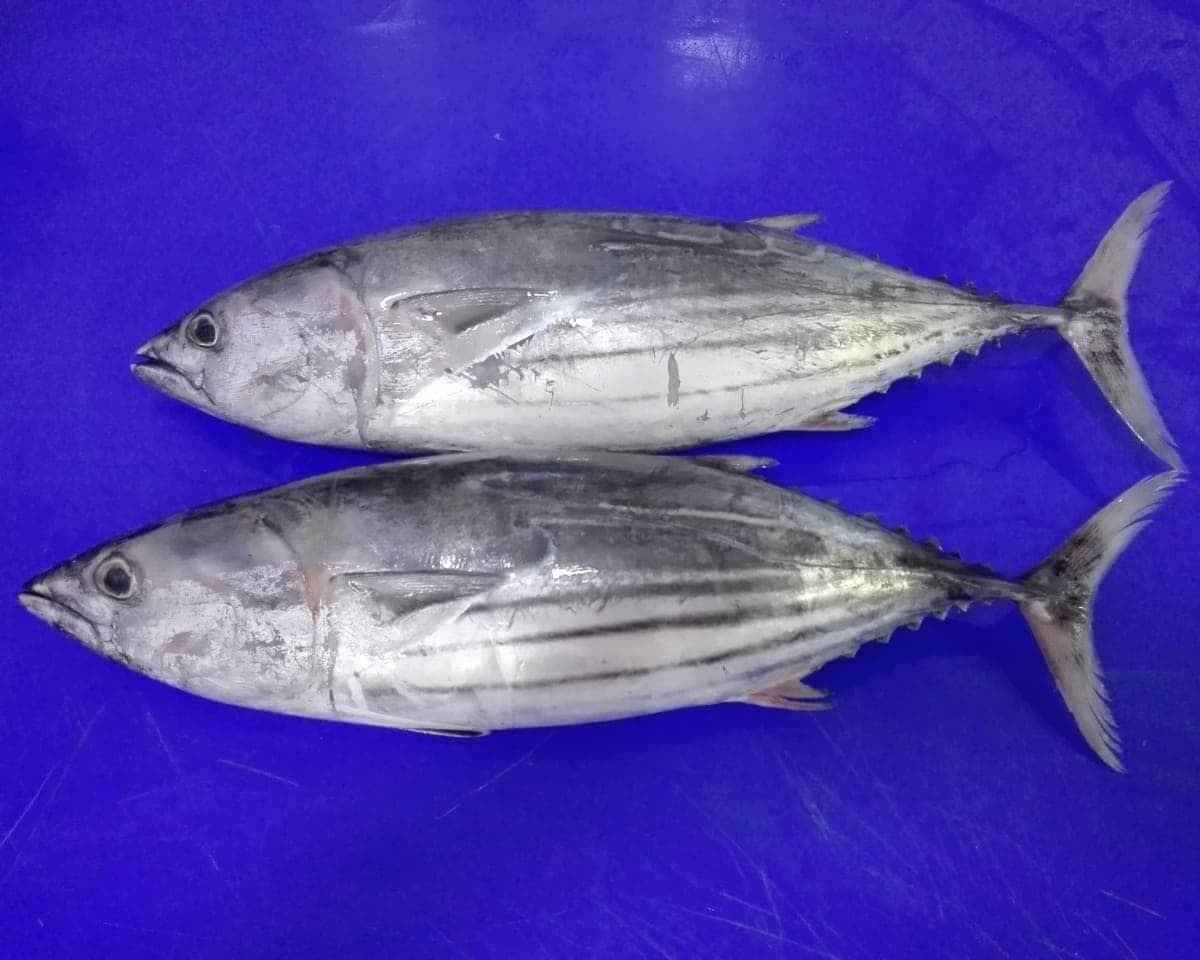
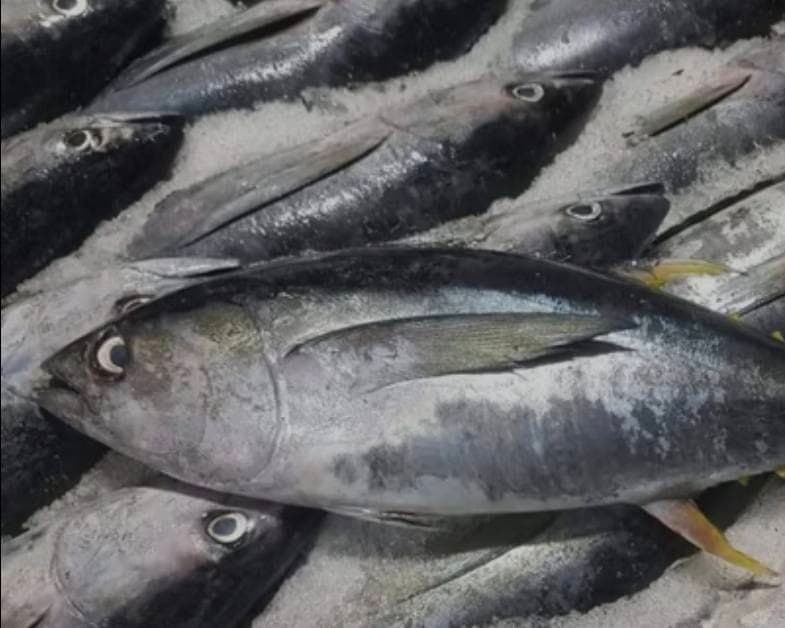
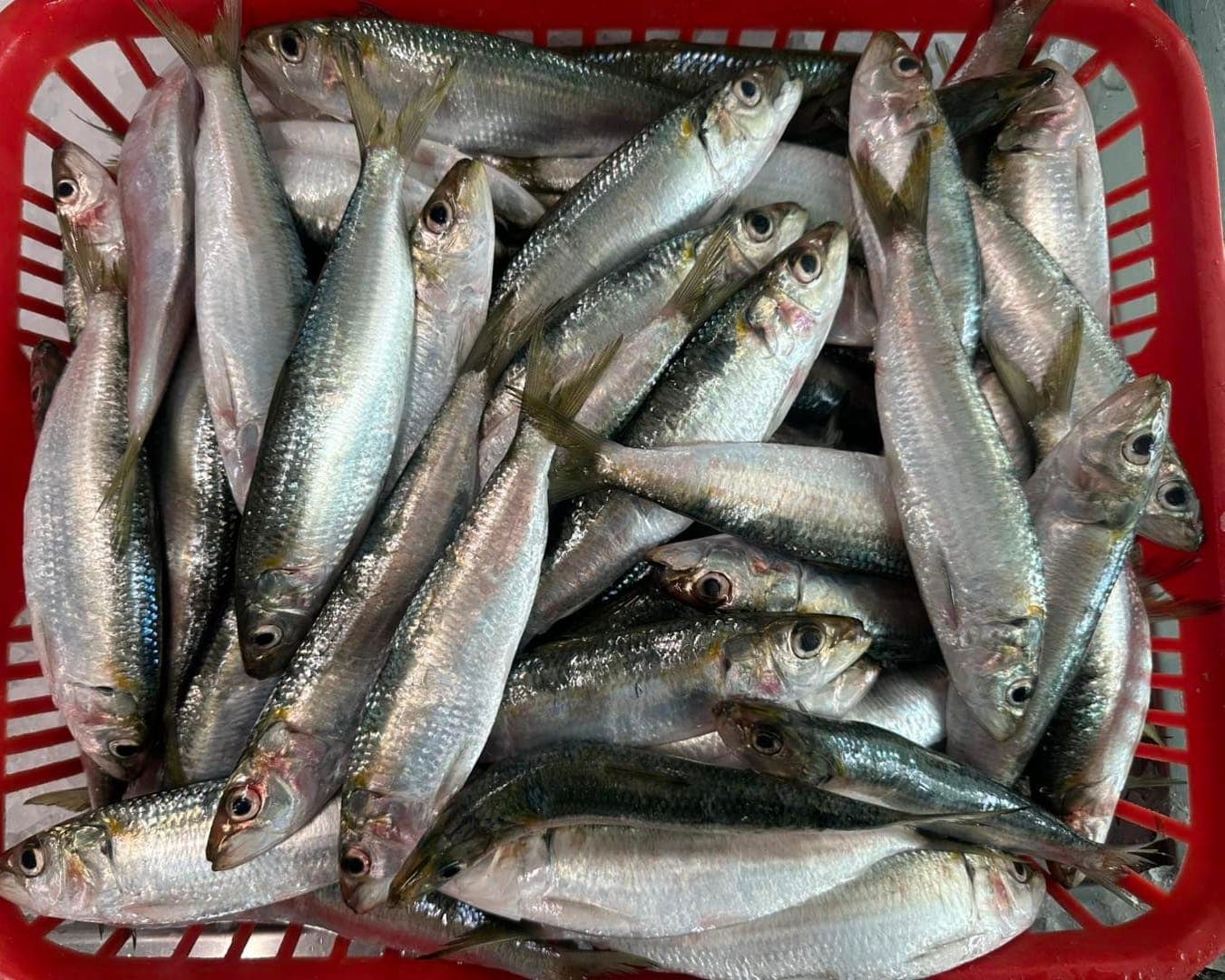
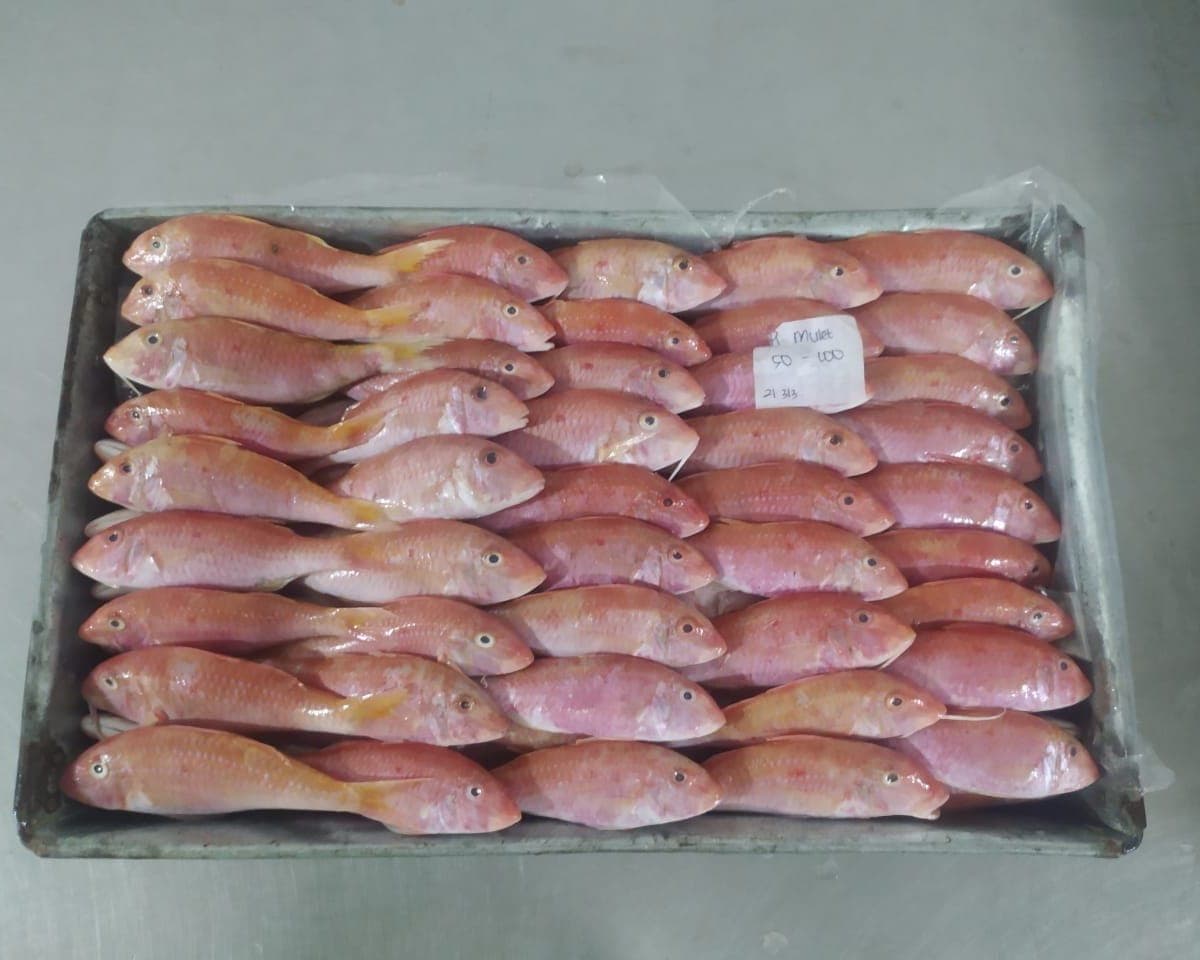
Farmed and wild-catch species in the range
Farmed species are available year-round in steady sizes, while wild-caught fish follow seasons, quotas and landings, so grade availability moves with the catch. Every offer gives the scientific name and states whether the fish was farmed or caught at sea, since several markets require both on the label.
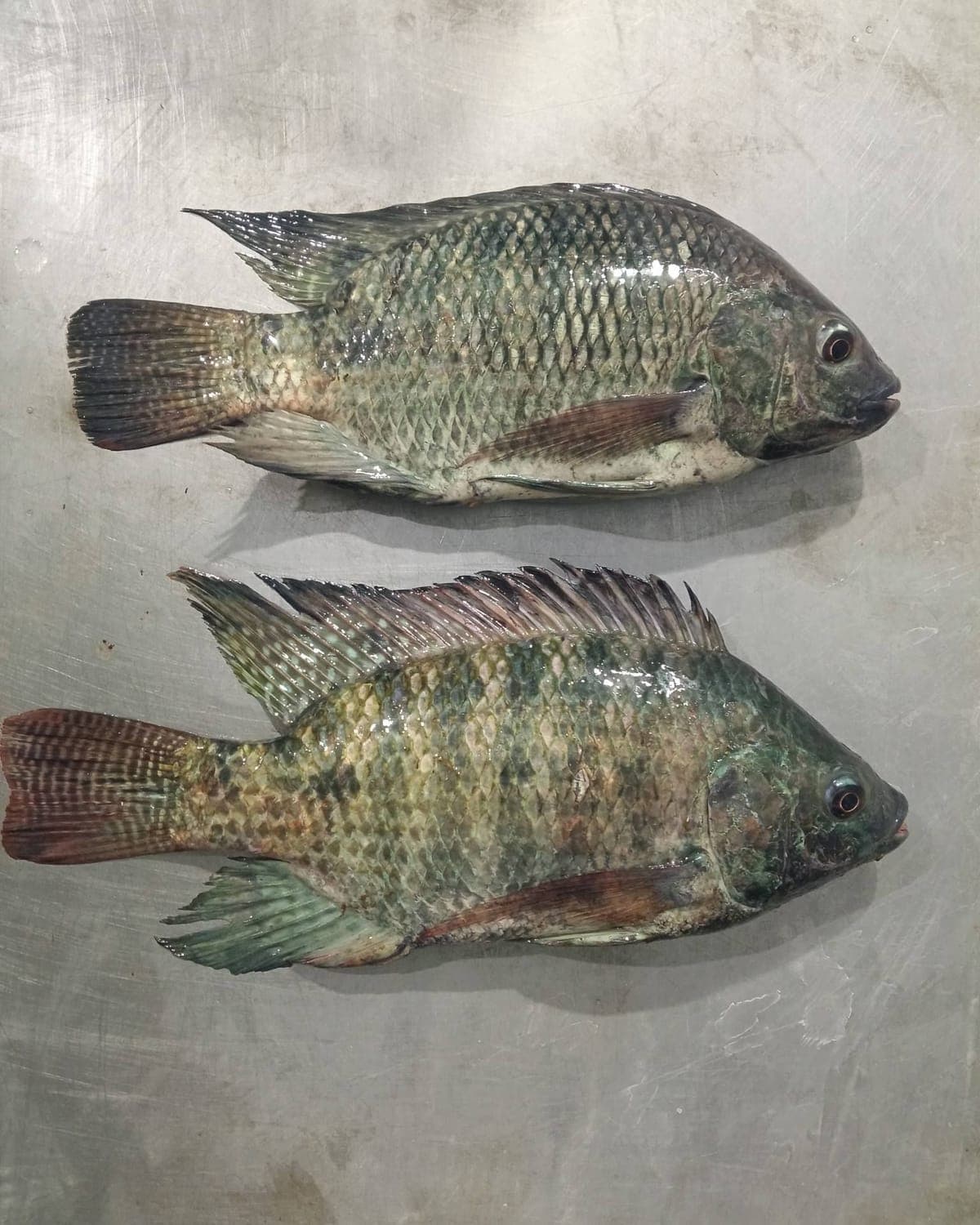
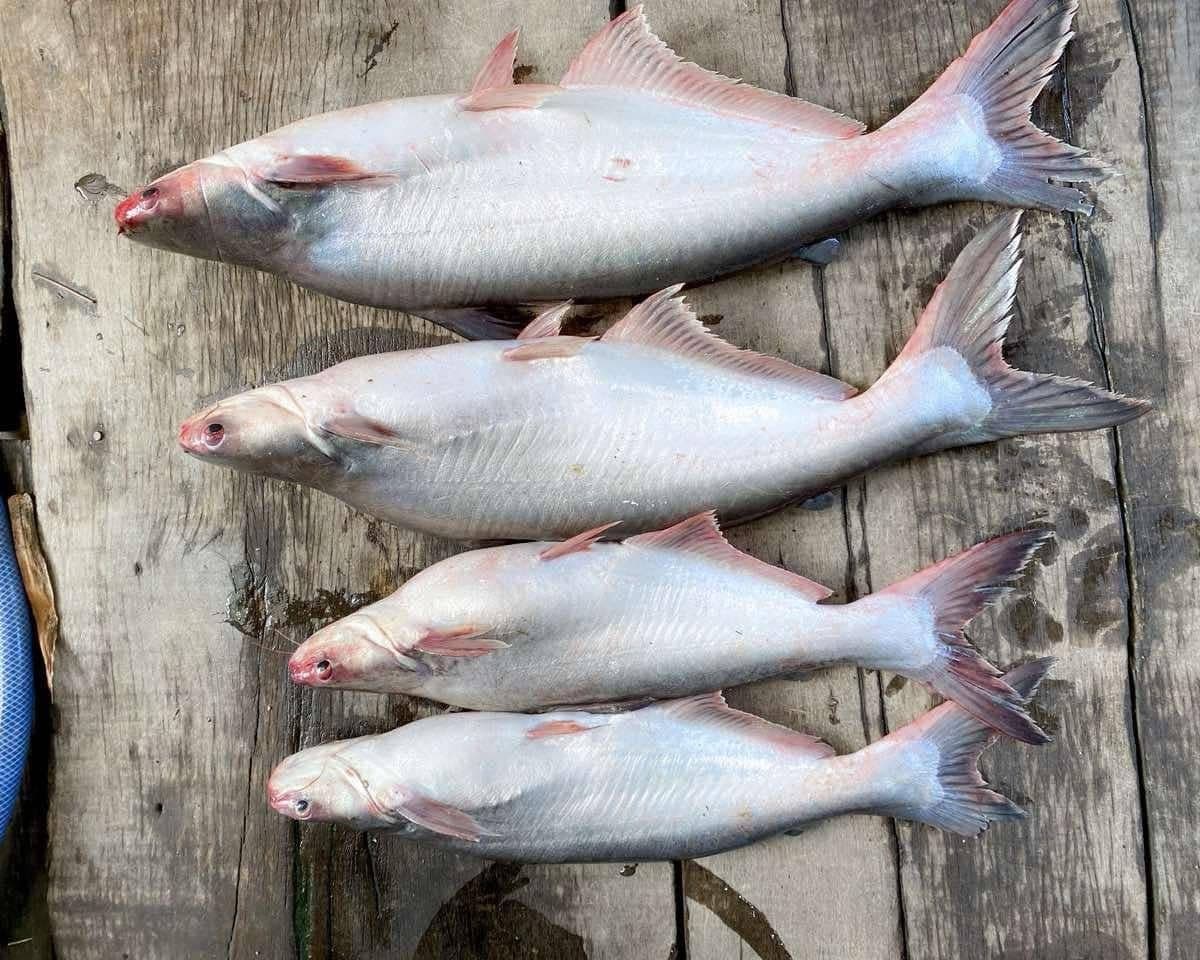
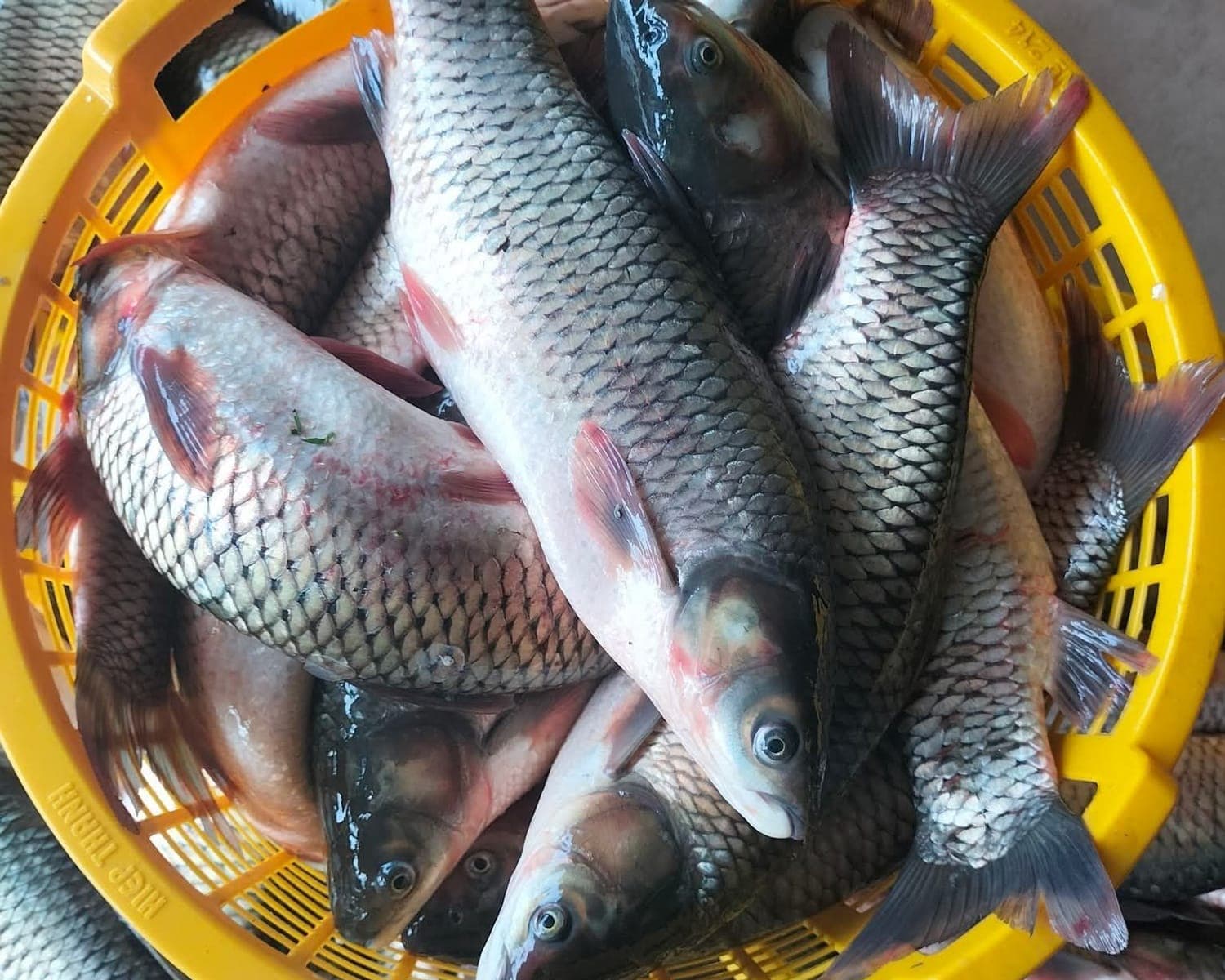
- Farmed freshwater fish: tilapia, pangasius, common, grass, silver and bighead carp, and the Indian major carps rohu and catla
- Warm-water marine and brackish fish: barramundi, milkfish, grouper and red snapper, farmed or caught in Southeast Asia, plus farmed Atlantic salmon from cold-water producers
- Tuna and large pelagics: skipjack, yellowfin, swordfish and mahi-mahi
- Small pelagics and other wild-catch fish: mackerel, sardines, Atlantic herring, Alaska pollock and red mullet
Cuts, size grades and freezing style
Whole fish is offered round, gutted, or headed and gutted, and graded by weight per fish, for example 300–500 g. Fillets are specified by skin, bone, trim and weight band, such as tilapia in ounce grades or pangasius in gram bands from 120–170 g upward, while tuna and swordfish are cut into loins, steaks and portions, and yellowfin also into saku blocks for sashimi.
- Scientific name, farmed or wild-caught, and country of farming or catch area
- Cut and presentation, including skin on or off and pin-bone in or out
- Size grade per fish or fillet, with the tolerance on fixed-weight portions
- Freezing style: IQF, interleaved, individually vacuum-packed or block
Glazing, net weight and packing
A thin ice glaze protects frozen fish from dehydration, but it is water, not fish. Offers quote net weight with the glaze excluded and state the glaze percentage. Moisture-retaining phosphates on fillets and color-retaining treatments such as filtered smoke on tuna are declared on the offer, and supplied only where the destination’s rules allow them.
IQF fillets and portions are packed in 1 kg to 5 kg bags inside master cartons, whole fish in lined bulk cartons, and retail lines in bags or vacuum packs, under your own brand if you wish through our wholesale and private-label service. Species that share a −18 °C set point can be consolidated in one reefer container, each with its own lot codes and documents.
Documents by destination
Many importing countries accept fish only from processing plants that the exporting country’s competent authority has registered for their market, so we check plant eligibility and any species-specific rules for your destination before we quote.
- Health certificate from the exporting country’s competent authority, plus certificate of origin
- Catch certificates for wild-caught fish entering the European Union and markets with similar rules
- Harvest data that US importers file under the Seafood Import Monitoring Program for species such as tuna, swordfish and mahi-mahi
- For pangasius bound for the United States, the separate USDA inspection regime for fish of the catfish order
- Laboratory reports on request, for example histamine in tuna and mackerel or drug residues in farmed fish
Product knowledge
Buyer guides for this category
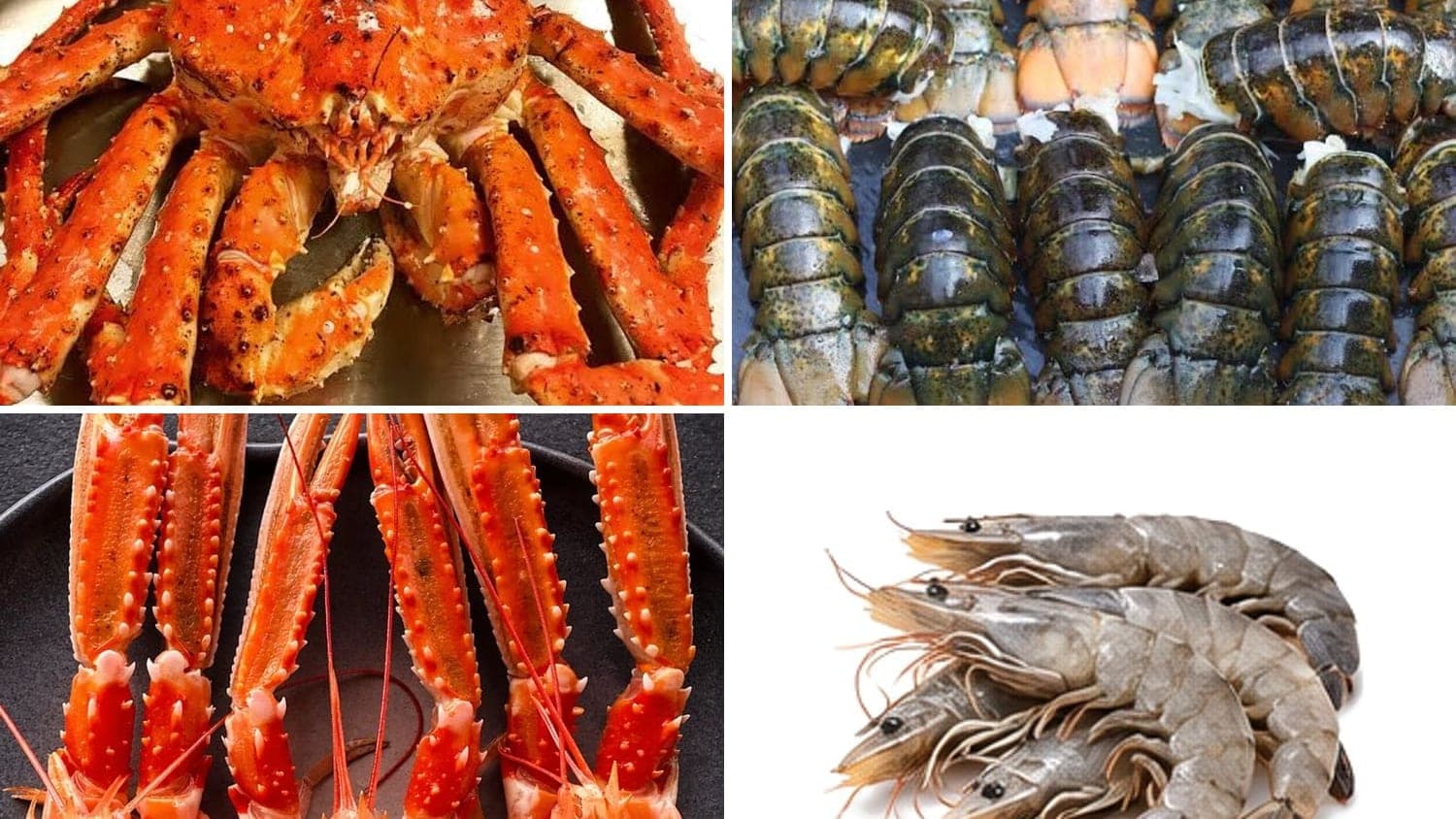
Import & Compliance8 min read
Shipping Seafood: Reefer Containers, Cold Chain and Incoterms
A logistics guide for seafood buyers: reefer and dry-container shipping, temperature records, air freight for chilled and live product, where Incoterms 2020 place cost and risk, and the evidence a claim needs.
Read the guide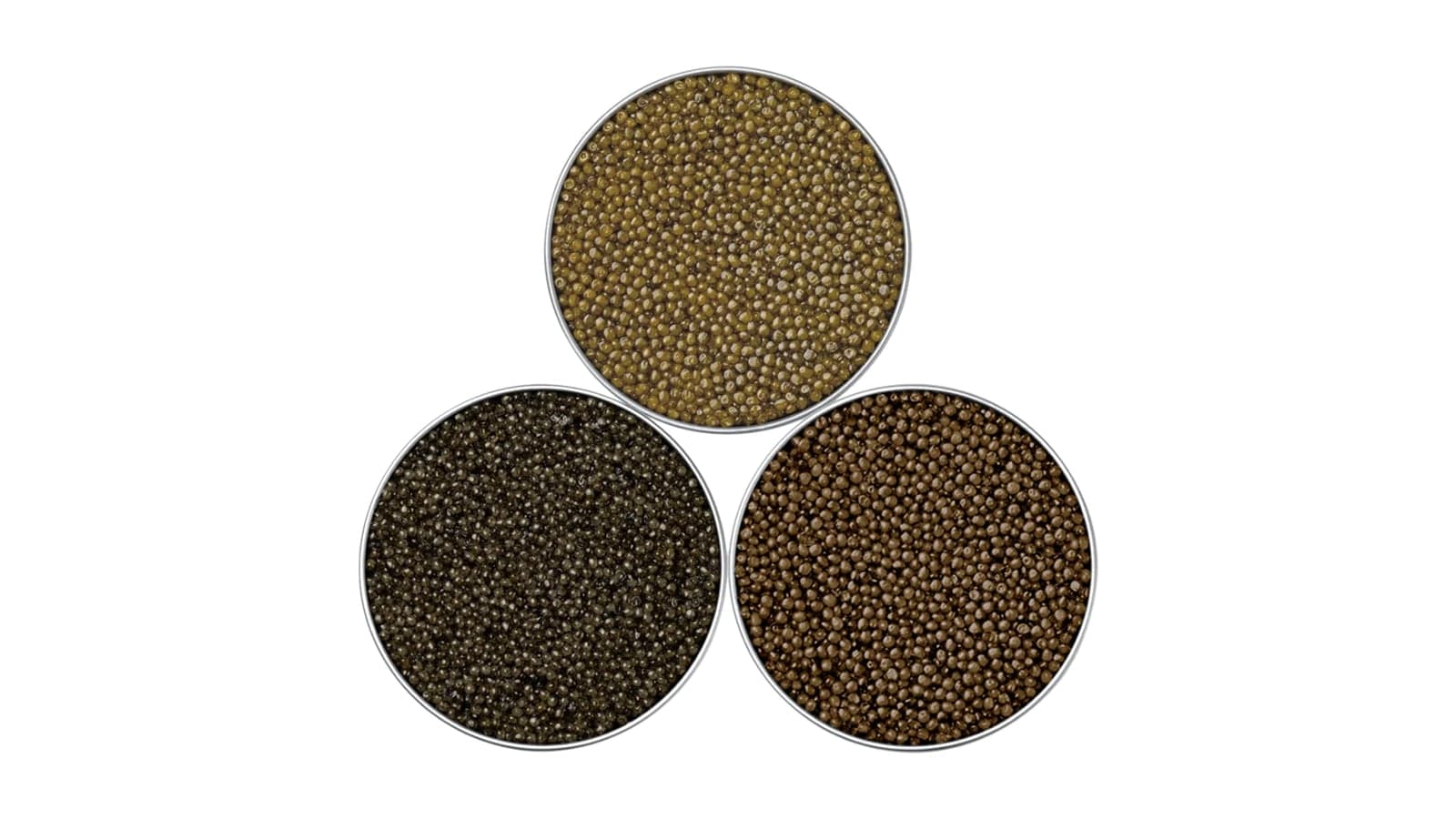
Buying Guide7 min read
Choosing Premium Seafood Ingredients for Restaurants and Retail
How chefs, foodservice buyers and brand owners match grade and format to the application, compare suppliers on cost per portion, and keep quality consistent across orders and channels.
Read the guide
FAQ
Frozen Fish: buyer questions
Can’t find your answer? Speak with an export specialist.
Can different fish species share one reefer container?
Yes, if they share a storage temperature and each line can be documented. A typical first order combines two or three species, for example tilapia, pangasius and barramundi fillets, on separate pallets. Tuna held at ultra-low temperatures of around −60 °C ships separately from standard −18 °C cargo.
How are frozen fish fillets graded by size?
By weight per fillet, in bands: tilapia usually in ounce grades such as 3–5 oz and 5–7 oz, pangasius in gram bands such as 170–220 g, and salmon portions to a fixed weight with a stated tolerance. Tell us how the fish will be plated or processed and we will suggest the grade that fits.
Is the glaze included in the net weight you quote?
No. Net weight is quoted and invoiced with the glaze excluded, and deglazed weight is checked on samples before shipment. If your market or customer limits glaze, give us the ceiling before production so that the lot is packed to it.
Do you label fish as farmed or wild-caught?
Yes. The production method appears on every offer and carton label, with the country of farming or the catch area and, where required, the fishing gear category. The European Union, for example, requires these details on unprocessed fish sold to consumers.
Trade inquiries
Partner with BSA Food Products
Tell us the products, grades and destination you have in mind. An export specialist will reply within one business day with availability, specifications and a formal quotation.