- Private-label packing
- Export documentation
Specialty Dried Seafood
Dried Squid Supplier for Wholesale and Snack Manufacturing
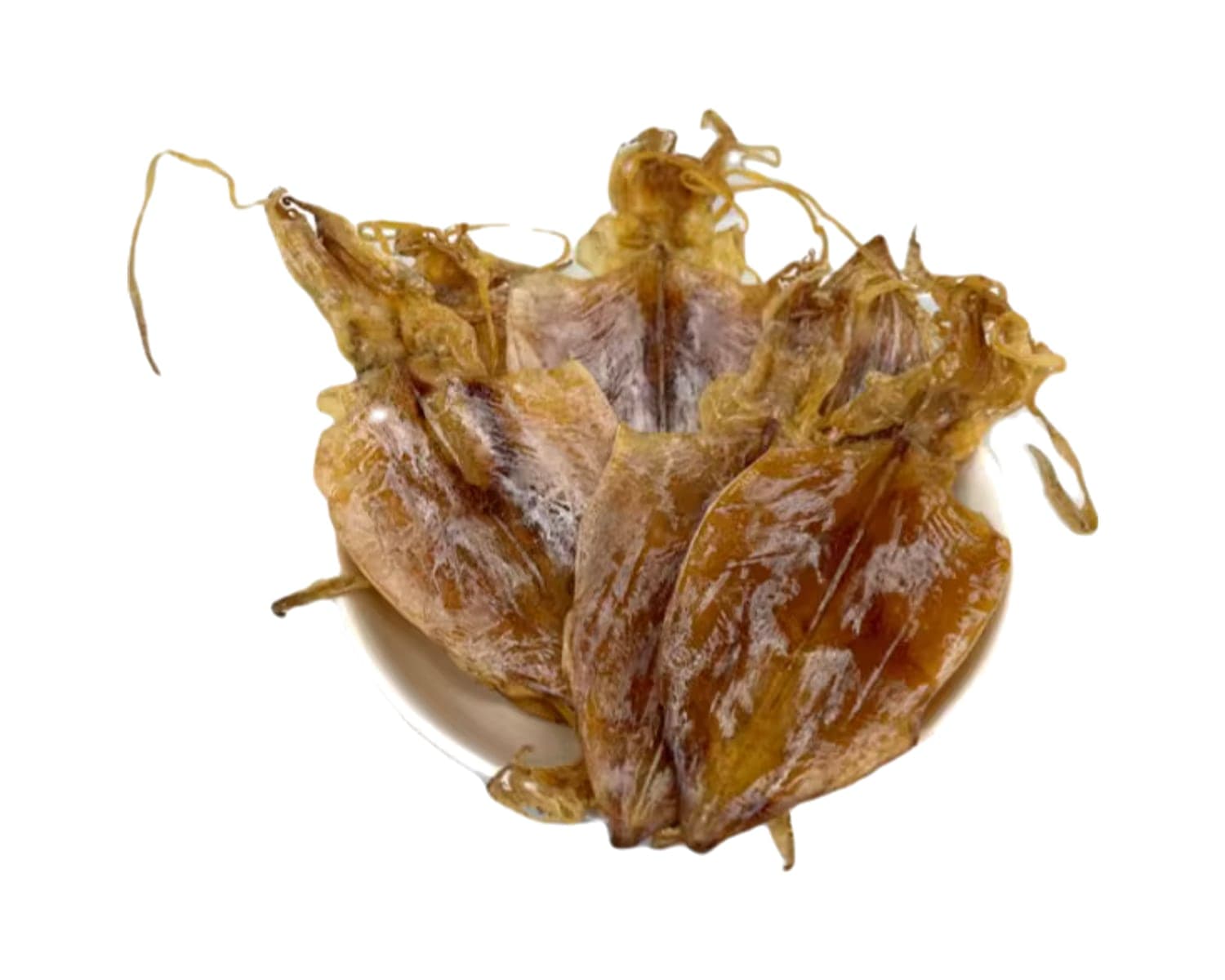
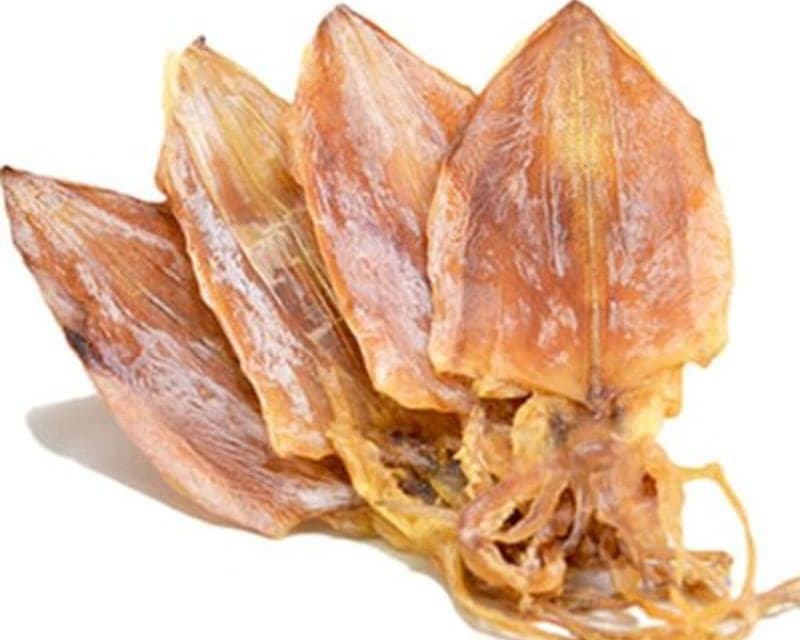
BSA Food Products supplies whole butterflied dried squid and seasoned shredded squid to importers, Asian grocery wholesalers and snack manufacturers, with species, size, salt level and color agreed before each shipment.
- Whole butterflied squid graded by mantle length or piece weight
- Seasoned shredded squid made to an agreed recipe
- Todarodes, Illex or Dosidicus, stated on every quotation
- Checked for color, odor, salt level and insect damage
- Bulk cartons, wholesale bags and private-label snack pouches
Product Specifications
Indicative; confirmed per lot on each quotation.
- Origin
- Raw material from North Pacific, South-West Atlantic and South-East Pacific fisheries, processed mainly in China and South-East Asia, with origin declared per lot.
- Grade / Size
- Whole squid by mantle length (e.g. 15–20, 20–25, 25 cm+) or grams per piece; shredded squid by strand width and seasoning profile.
- Form & Processing
- Whole squid is split, gutted, flattened and sun- or air-dried, unsalted or lightly salted; shredded squid is cooked, seasoned, pressed, roasted and pulled into strands.
- Storage
- Hold cartons sealed in a cool, dry room below about 20 °C and well away from spices or other strong odors; in humid climates move stock to chilled storage to slow darkening.
- MOQ
- Whole squid from 100 kg per length grade; seasoned shredded lines typically from 500 kg because of recipe set-up.
- Lead Time
- 3–5 weeks for whole dried squid; seasoned or private-label shredded squid typically 5–7 weeks including recipe approval.
Product overview
In the trade, dried squid covers two quite different products. Whole butterflied squid is split along the mantle, gutted, opened flat and dried with the head and tentacles attached, then sold by length or piece weight to grocers, Chinese restaurants and home cooks who grill it, soak it for stir-fries or drop it into stocks. Seasoned shredded squid is a processed snack: cooked squid meat is seasoned, pressed, roasted and torn into fine strands, and it is bought mainly by snack brands and private-label retailers rather than kitchens.
Species depend on the fishery and the season. Japanese flying squid (Todarodes pacificus) is the traditional choice for thin, sweet whole dried squid; Argentine shortfin squid (Illex argentinus) gives a practical mid-size whole piece; and the thick mantle of jumbo flying squid (Dosidicus gigas) is commonly the raw material for shredded and sliced snacks. Other species may be offered where supply allows, and every quotation names the species and catch area so you know exactly what is in the carton.
Whole squid is graded by mantle length, for example 15–20 cm, 20–25 cm and 25 cm upward, or by grams per piece, then by color, which should run from translucent amber to light reddish-brown without scorching or dark patches. Before loading we confirm salt level, odor, tentacle completeness and any insect damage. A fine white surface bloom is common on well-dried squid, and inspectors distinguish it from mold so that sound lots are not wrongly downgraded.
Shredded lines are built to a recipe in which sweetness, salt, chilli or smoke notes, strand width and moisture are agreed with the brand owner. Because squid is a mollusc, packs sold in the EU, UK and other markets with mollusc allergen rules must declare it, and seasoned recipes can add further declarable ingredients. Buyers building an Asian dried seafood range often list squid beside dried cuttlefish and dried scallops.
Specification sheet
Dried Squid: full specification
Indicative values. Final specifications are confirmed per lot on the quotation and certificate of analysis.
| Species | Todarodes pacificus, Illex argentinus, Dosidicus gigas; others on request |
|---|---|
| Catch area | FAO area and processing country declared per lot |
| Grade / size | Mantle length e.g. 15–20, 20–25, 25 cm+; or grams per piece |
| Processing | Butterflied and dried whole; or cooked, seasoned, roasted and shredded |
| Moisture | Whole styles typically 18–25%; shredded lines per agreed recipe |
| Appearance | Translucent amber to light reddish-brown; no scorching, mold or insect damage |
| Allergen | Mollusc; seasoned recipes may contain other declared allergens |
| Shelf life | Whole squid typically 12 months sealed; shredded 9–12 months by recipe |
| Packing | 10 kg cartons; 500 g – 1 kg bags; 30–200 g snack pouches |
| Documents | Invoice, packing list, certificate of origin; health certificate where required; ingredient specification for seasoned lines |
| Minimum order | Whole squid from 100 kg per length grade; seasoned shredded lines typically from 500 kg because of recipe set-up. |
| Lead time | 3–5 weeks for whole dried squid; seasoned or private-label shredded squid typically 5–7 weeks including recipe approval. |
FAQ
Dried Squid: questions from buyers
What is the difference between whole dried squid and shredded squid?
Whole dried squid is the butterflied animal dried with minimal processing, and kitchens soak, grill or slice it themselves. Shredded squid is a ready-to-eat snack made from cooked, seasoned meat that is roasted and pulled into strands. The two are specified differently: whole squid by species, length and color, shredded squid by recipe, strand width, moisture and seasoning, so tell us which one you need before we quote.
Which squid species do you use, and does the species matter?
It matters for texture and yield. Todarodes pacificus gives a thin, tender whole product, Illex argentinus a slightly firmer mid-size piece, and Dosidicus gigas a thick mantle suited to slicing and shredding. Catches of each species rise and fall with the fishing season, so we confirm the species on every offer instead of promising a single source all year round.
Can you produce seasoned squid snacks under our own brand?
Yes, we work from your target flavor profile or a reference product, develop trial batches with the processor, and fix the approved recipe, moisture range and pack weight before production starts. Ingredient lists, allergen statements and additive declarations are prepared to your market’s labeling rules. Our private-label program explains how artwork, packaging approval and production scheduling fit together.
How should whole dried squid be stored after delivery?
Keep cartons sealed and off the floor in a cool, dry store. Whole squid picks up moisture and odors readily, so avoid sharing space with spices, dried mushrooms or fresh produce. In tropical climates, or for stock held longer than a few months, chilled storage keeps the color lighter for longer. Our dried seafood storage guide covers stock rotation and humidity control in more detail.
Related
Related products
Specialty Dried Seafood
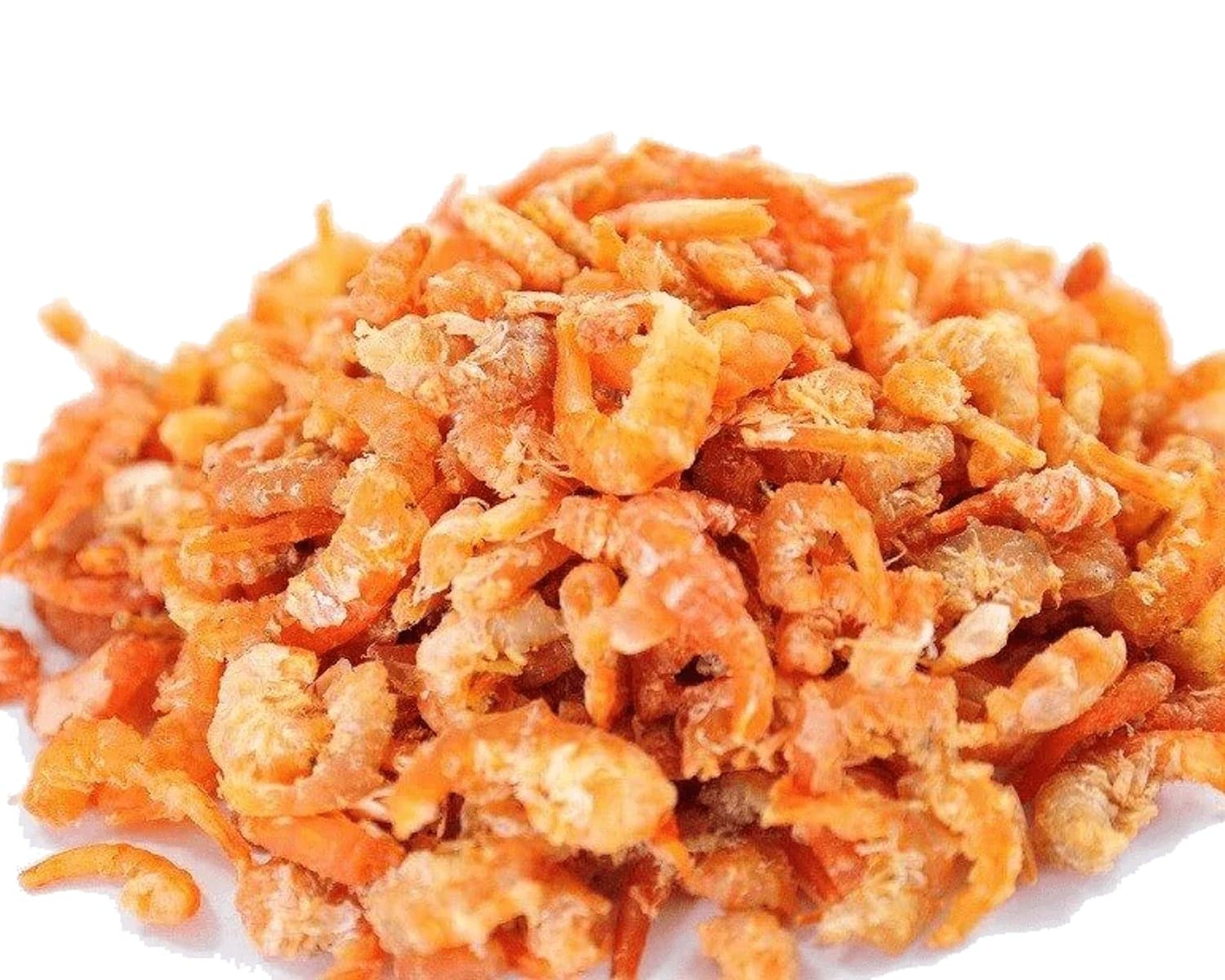
Dried Shrimp and Prawns
Peeled dried shrimp and shell-on prawns, sorted by size
Dried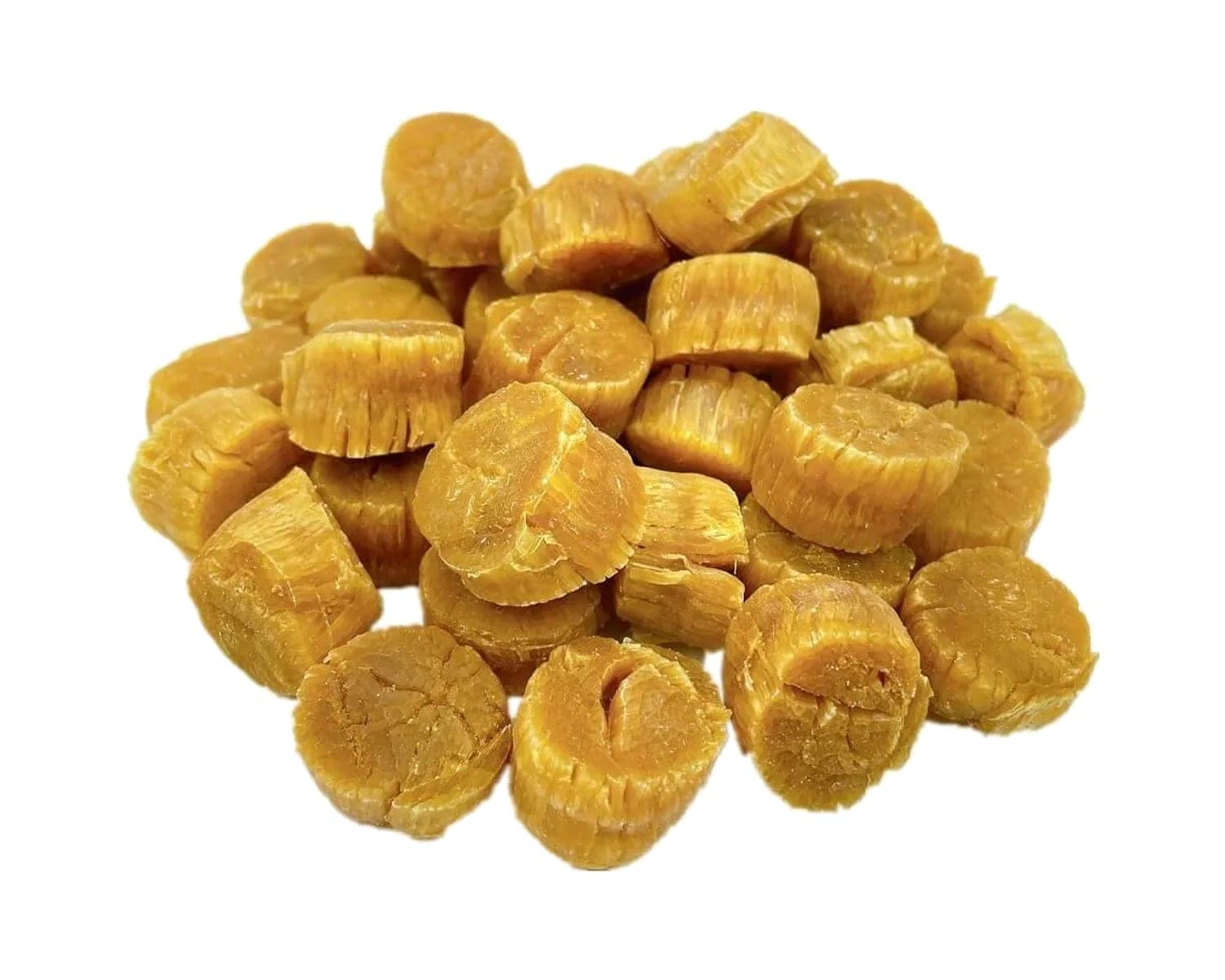
Premium Marine Delicacies
Dried Scallops (Conpoy)
Hokkaido, Aomori and Chinese adductors by diameter and count
Dried
Buyer guides
Species Profiles6 min read
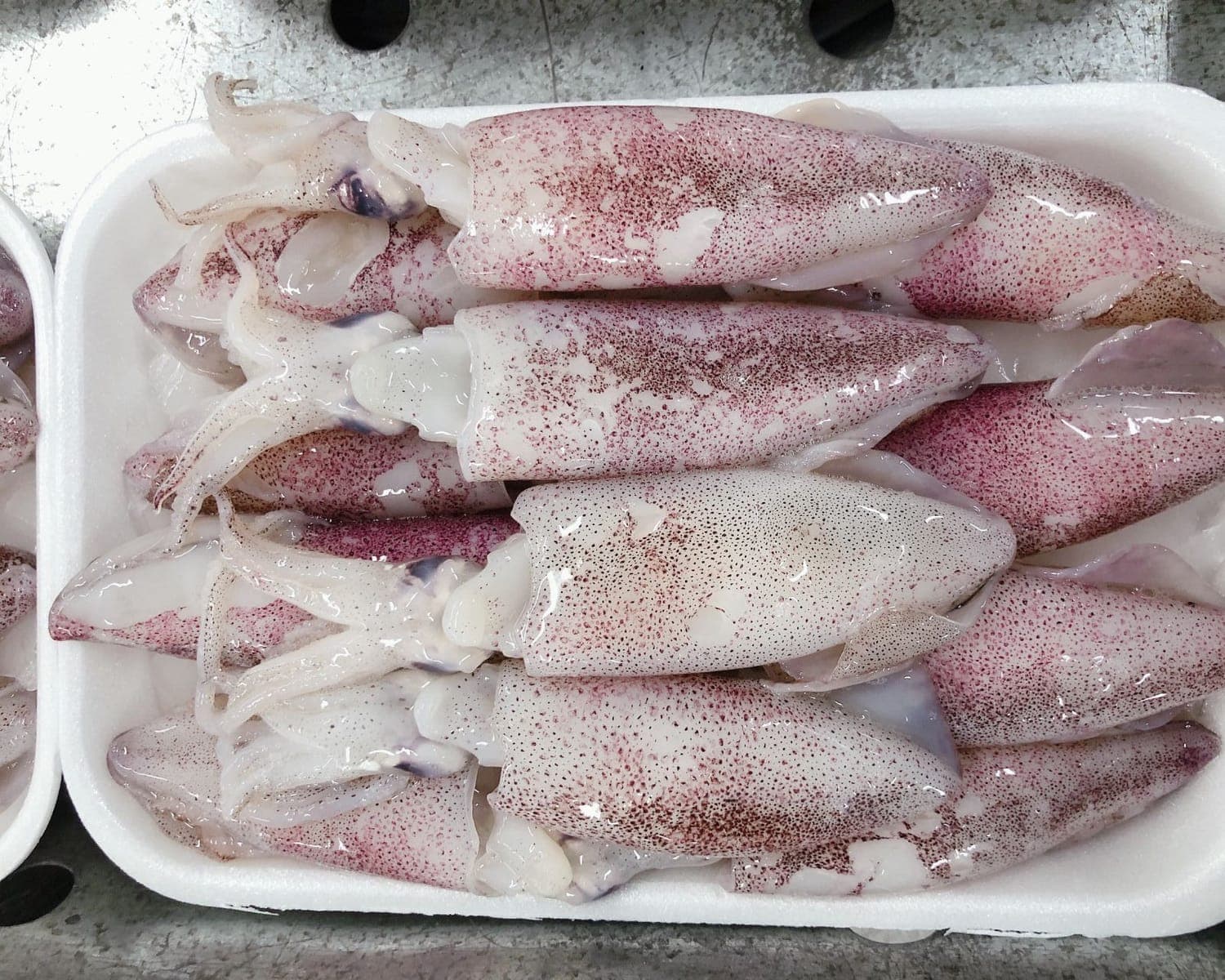
Squid Species Guide: Inshore Squid, Flying Squid and How to Tell Them Apart
Squid in trade comes from two main families with different textures, fisheries and names. This profile explains how to recognize each, where supply comes from and how cooks use whole, cut and dried squid.
Read the guide
Import & Compliance7 min read
What Importers Need to Know Before Ordering Dried Seafood
The market-access, species, documentation, classification and commercial checks an importer should complete before placing a first order for dried seafood.
Read the guide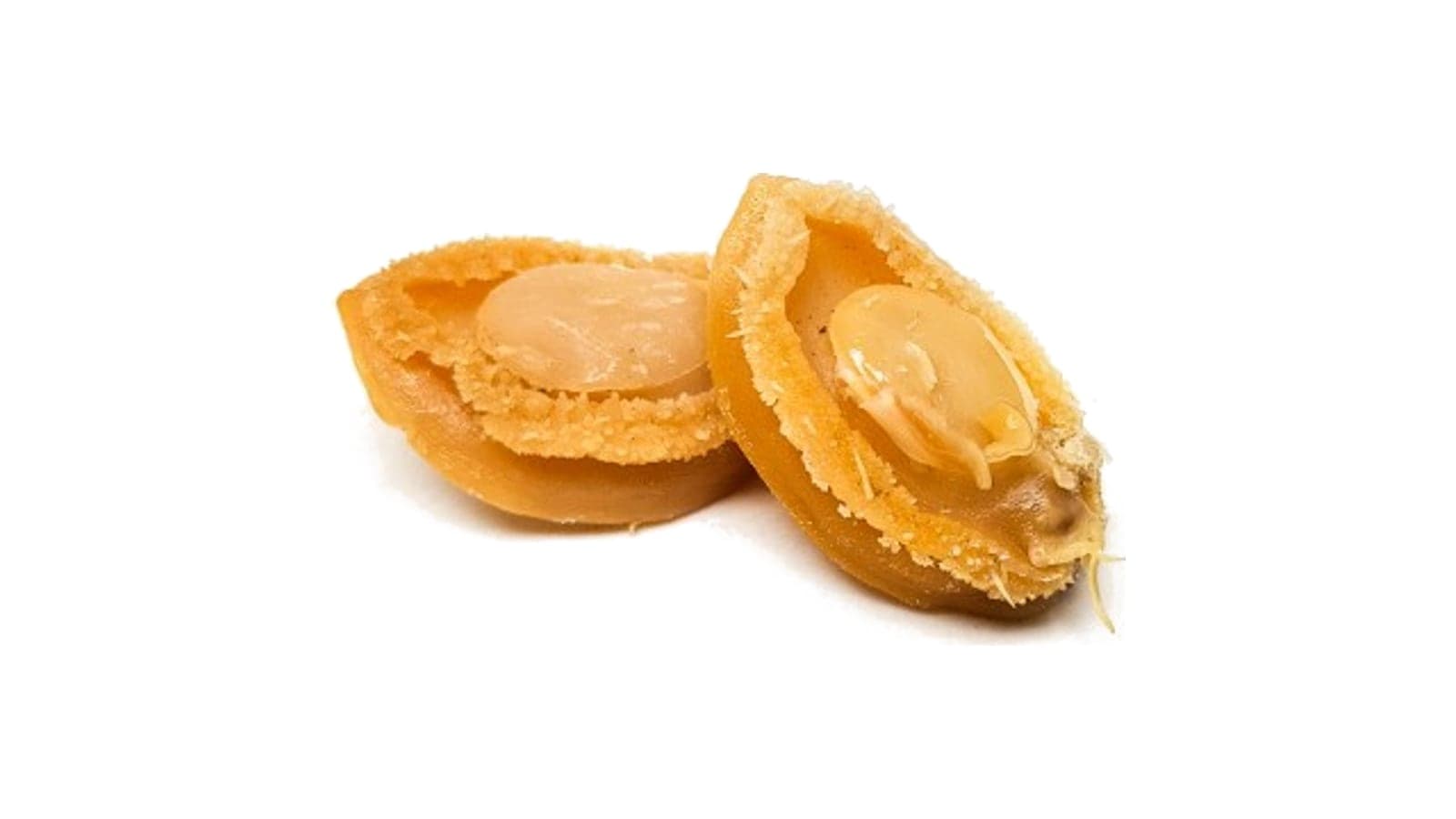
Storage & Handling7 min read
How to Store Dried Abalone, Fish Maw, and Dried Seafood
A practical guide to keeping high-value dried seafood in sound condition, from warehouse humidity control and chilled holding to handling after rehydration.
Read the guide
Request a quote
Request a quote for dried squid
Share your target grade, packing, volume and destination. We confirm availability, documentation for your market and a formal quotation, usually within one business day.
- Grade, size or count required
- Packing format and labeling language
- Estimated volume and order frequency
- Destination port or airport and Incoterm
- Reference: Dried Squid