Premium Marine Delicacies
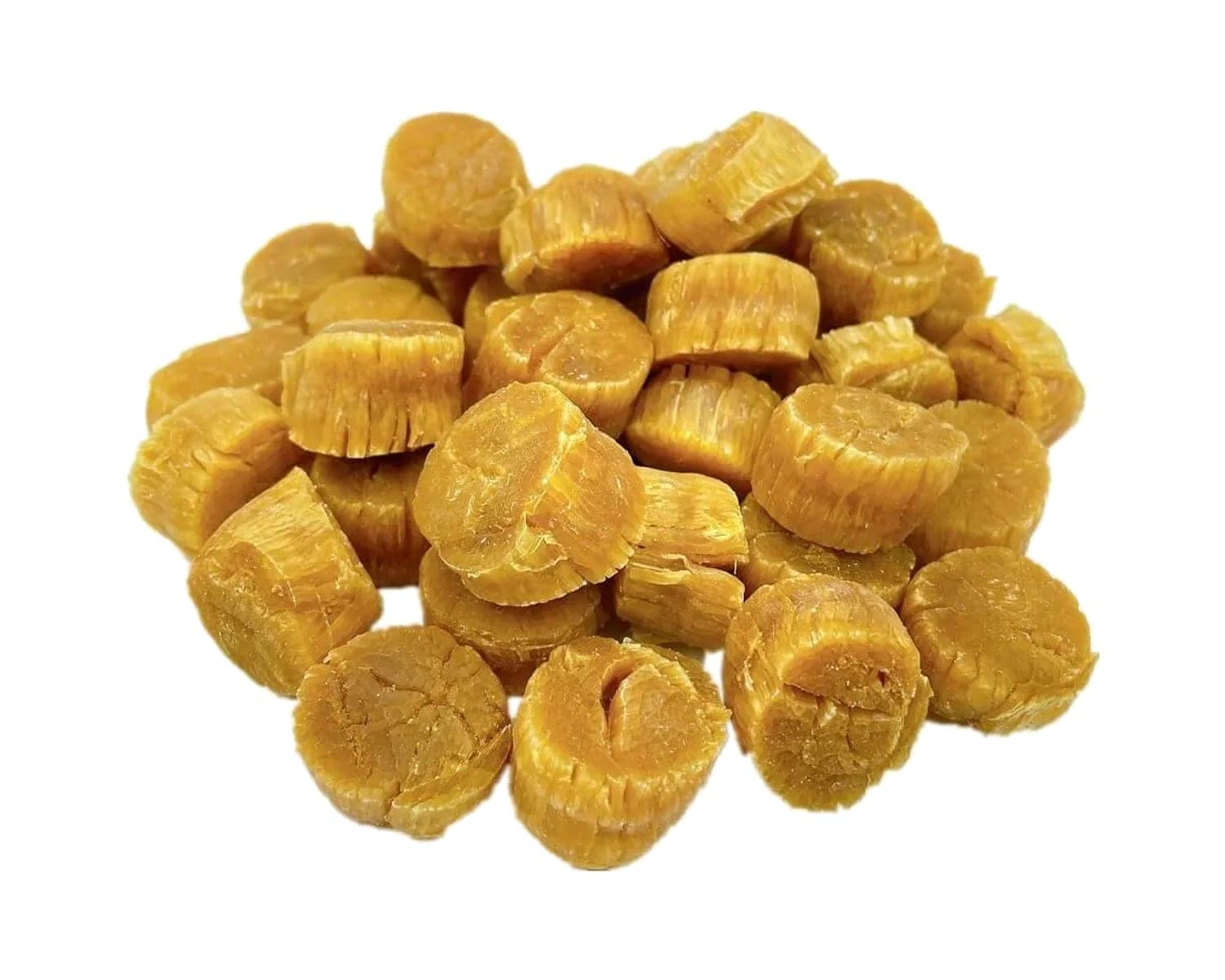
Dried Scallops (Conpoy)
Hokkaido, Aomori and Chinese adductors by diameter and count
Dried
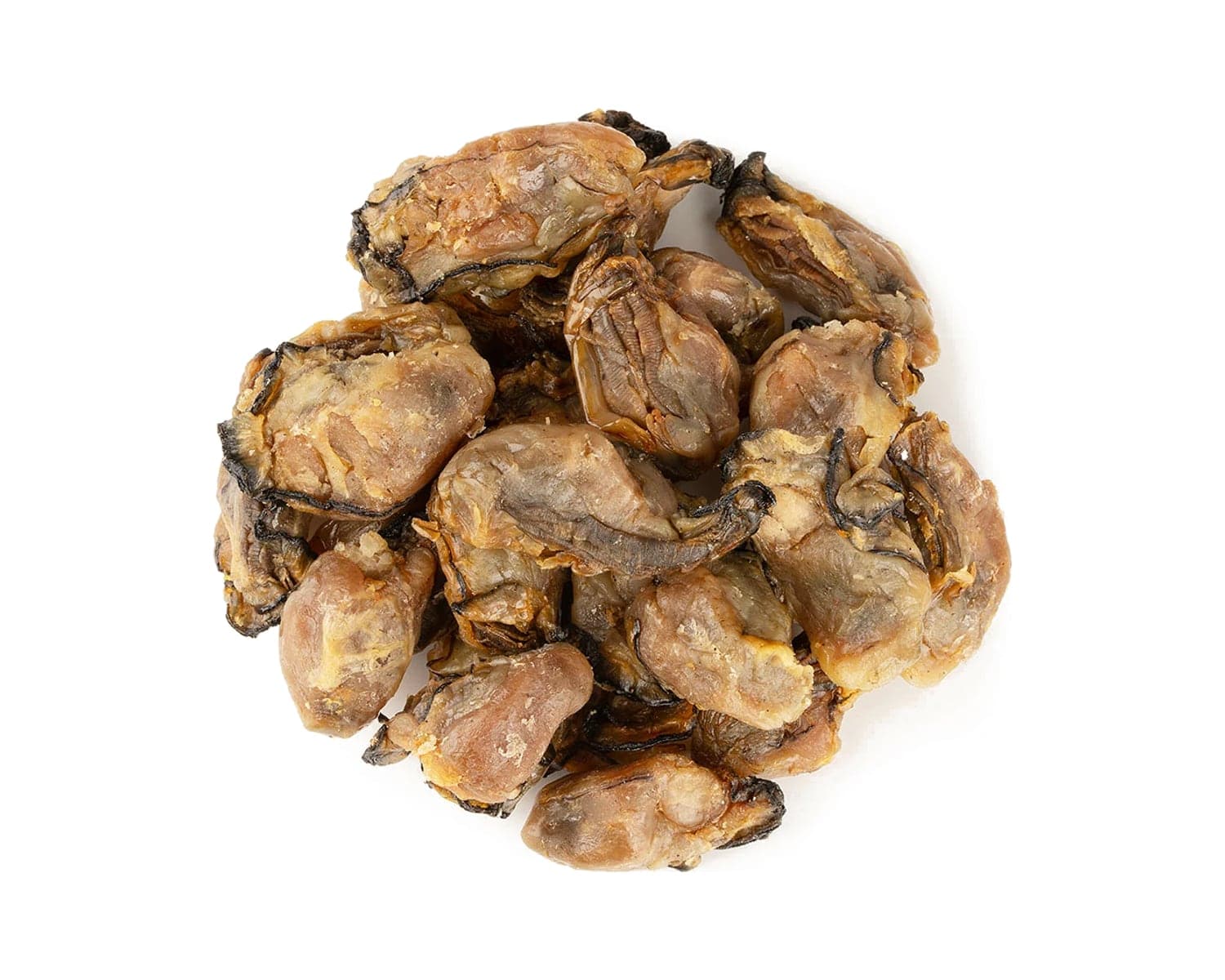
We supply dried oysters to wholesalers, restaurants and retailers, from hard, fully dried stock for soups and braises to plump golden semi-dried oysters for festive dishes, with size, origin and drying style stated per lot.
Indicative; confirmed per lot on each quotation.
Dried oysters have a fixed place in Cantonese home and restaurant cooking, and in trade they divide into two quite different products. Fully dried oysters are dried until hard and dark, giving a long shelf life and a deep, briny flavor for congee, soups, stuffings and claypot dishes. Golden oysters (金蠔) are only semi-dried, keeping a soft, plump center and a glossy amber surface; they eat closer to a fresh oyster and must be kept cold.
Supply comes mainly from the oyster-growing coasts of southern China, particularly Guangdong and Guangxi, with Japanese and Korean lots and other origins available on request. Fully dried stock is offered either raw sun-dried, which many cooks prefer for its fuller flavor, or cooked before drying for a firmer, more uniform result. Oysters are graded by size, count per kilogram and evenness of shape: whole, unbroken bodies with clean edges and no grit make the higher grades, and small or broken pieces go to soups and sauce making.
Demand peaks in the weeks before the Lunar New Year, when dried oysters feature in festive dishes whose Cantonese names echo wishes for prosperity. Gift-box packers and retailers should plan orders well ahead, as larger sizes and golden oysters tighten in supply as the season approaches. Outside the festival, steady demand comes from restaurants and from manufacturers of oyster-based sauces and fillings.
Before dispatch we check size grading, dryness, color, odor, rancidity, grit and breakage, and for golden oysters we confirm the cold chain from packing to loading. Oysters are molluscs, a declarable allergen in many markets. Buyers assembling a wider dried shellfish range often combine oysters with dried scallops (conpoy) and dried clams.
Specification sheet
Indicative values. Final specifications are confirmed per lot on the quotation and certificate of analysis.
| Species | Crassostrea spp., e.g. C. hongkongensis and C. gigas; declared per lot |
|---|---|
| Origin | Growing area named on each offer |
| Style | Fully dried (raw sun-dried or cooked-dried); semi-dried golden |
| Grade / size | Large, medium, small and broken; count per kg given on offer |
| Moisture | Fully dried typically below 20%; golden oysters markedly higher, confirmed per lot |
| Allergen | Molluscs |
| Shelf life | Fully dried typically 12 months sealed; golden oysters shorter, stated per lot and temperature |
| Packing | Lined cartons; vacuum packs for golden oysters; gift boxes; private label |
| Documents | Commercial invoice, packing list and origin certificate, with a health certificate where the importing country asks for one |
| Minimum order | Fully dried oysters from 50 kg per size; golden oysters from 30 kg per shipment because of chilled handling. |
| Lead time | About 2–3 weeks outside the festive season; book 6–8 weeks ahead for Lunar New Year deliveries. |
FAQ
Golden oysters are semi-dried, so they keep far more moisture, a softer bite and a glossy amber color; they are usually pan-fried or glazed and served as a centerpiece. Regular dried oysters are hard and need soaking before use in soups, congee or braises. The two also handle differently: golden oysters need a chilled or frozen chain, while fully dried oysters travel as dry goods.
For sea freight we suggest confirming specifications six to eight weeks before your intended delivery date, and earlier still for large golden oysters or gift-box programs with printed packaging. Supply of the bigger sizes narrows as the festival approaches, and freight space tightens across the region at the same time, so early confirmation protects both grade and arrival date.
In many markets, including the European Union and the United Kingdom, molluscs are a declarable allergen that must be emphasized on the label. Other jurisdictions use different allergen lists, so requirements should be checked for each destination. For private-label packs we can print your approved allergen statement and ingredient wording on the pack.
Yes, in refrigerated containers, or by air with chilled packaging for smaller volumes. Because semi-dried oysters retain much more moisture than fully dried stock, temperature breaks in transit shorten shelf life and can affect texture and aroma. The required storage temperature is marked on every carton, and a temperature logger can be added to sea shipments on request.
Related
Premium Marine Delicacies
Hokkaido, Aomori and Chinese adductors by diameter and count
Frozen & Live Seafood
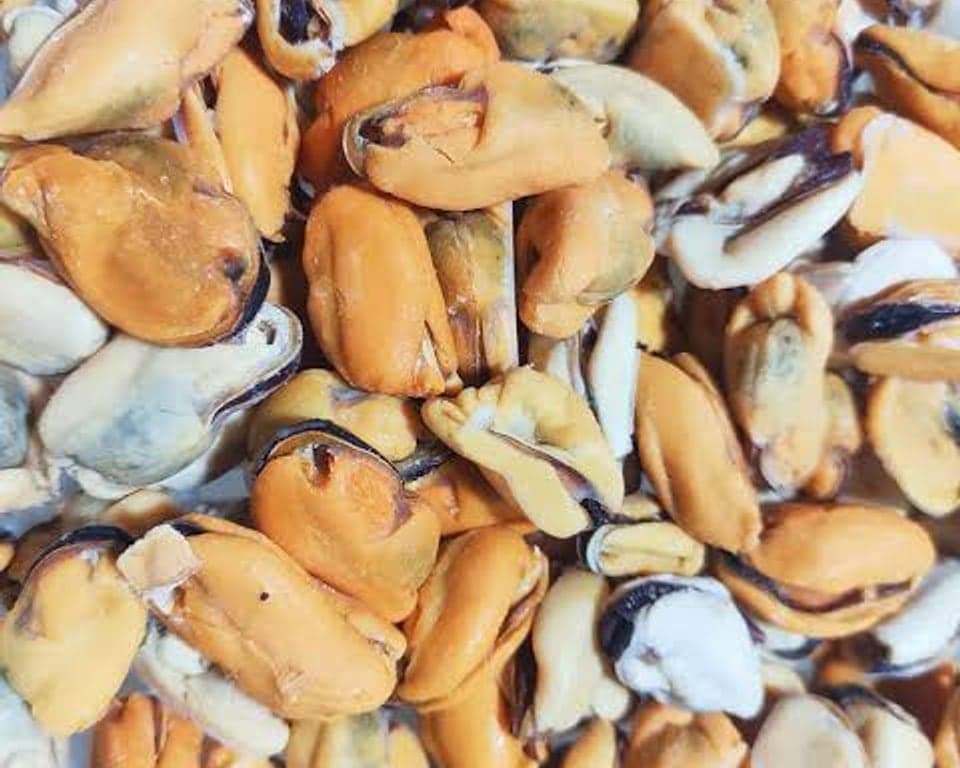
Scallops, clams, mussels, oysters and whelk, IQF and half-shell
Species Profiles7 min read
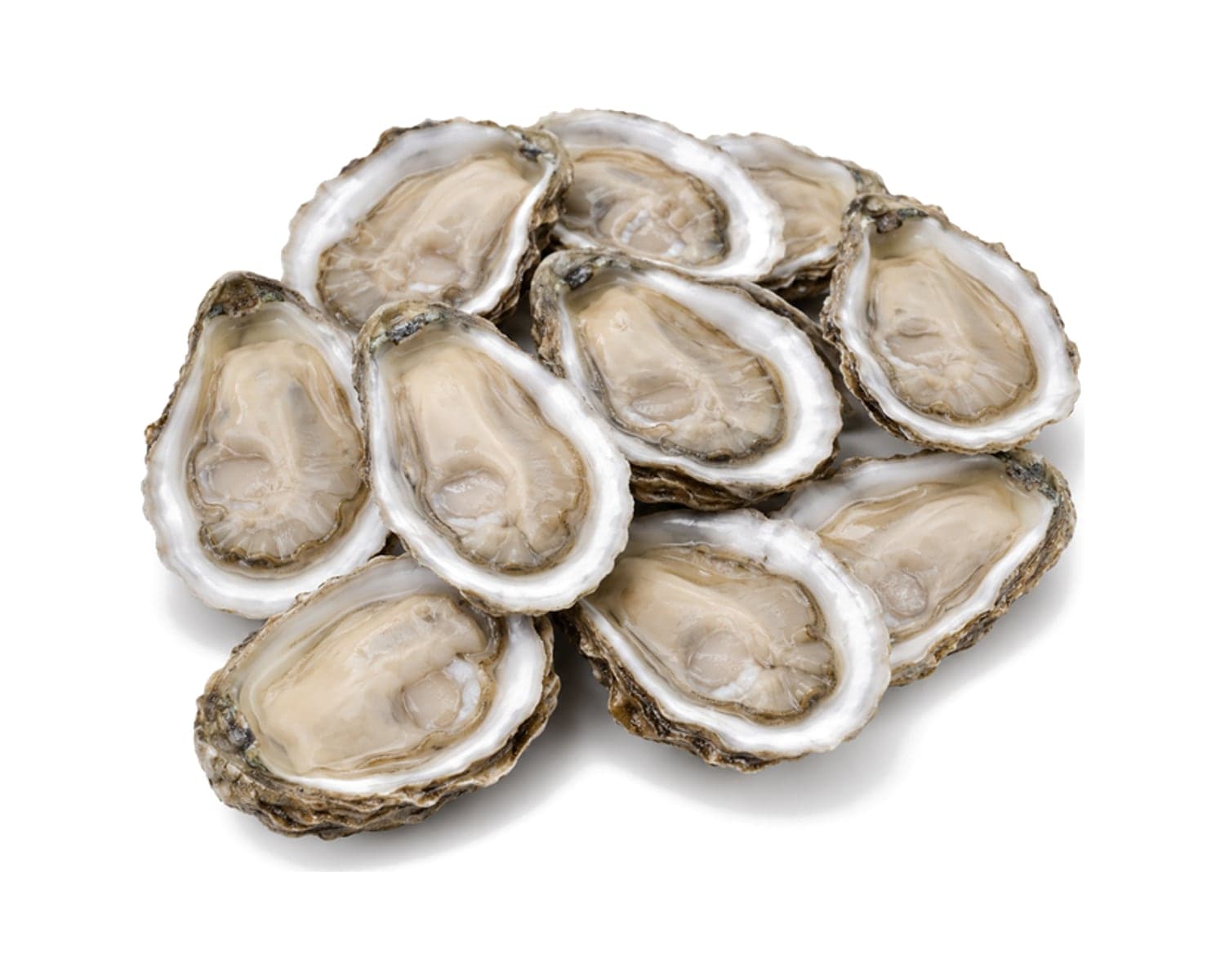
How the world’s main edible oysters differ in shell, meat and origin, why one Asian species now dominates oyster farming, and what names such as rock, native and kaki actually mean.
Read the guide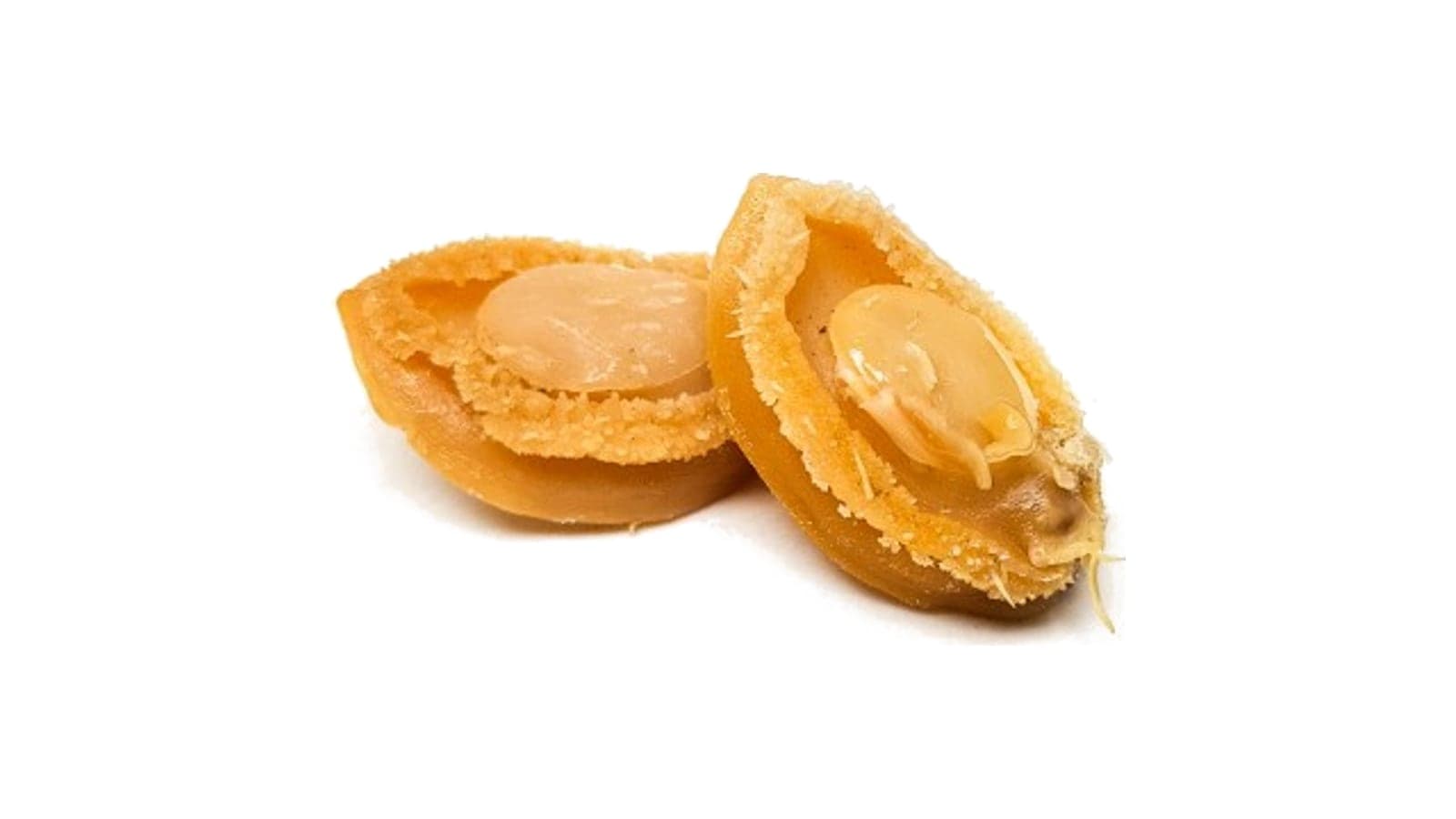
Storage & Handling7 min read
A practical guide to keeping high-value dried seafood in sound condition, from warehouse humidity control and chilled holding to handling after rehydration.
Read the guide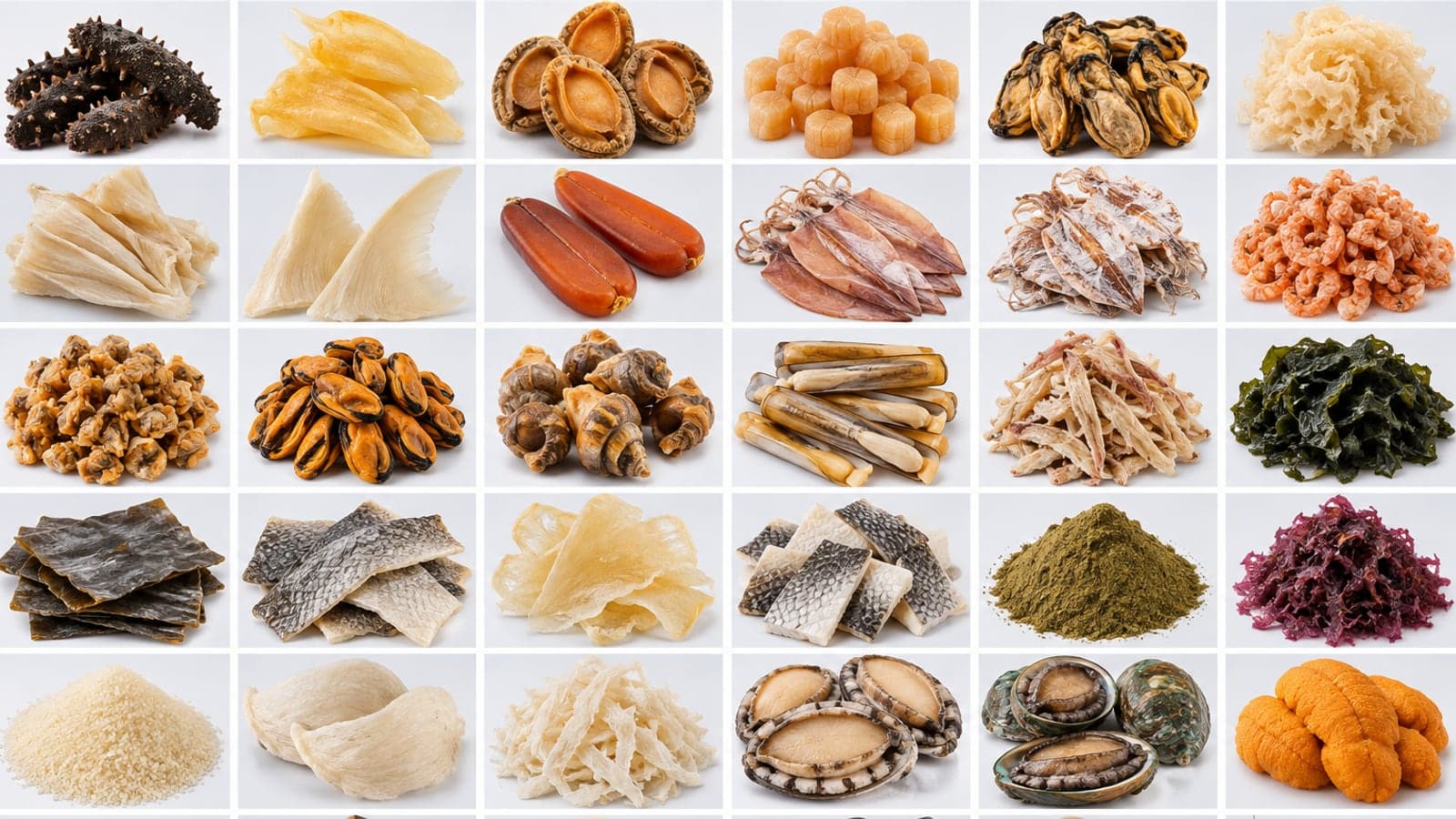
Import & Compliance7 min read
The market-access, species, documentation, classification and commercial checks an importer should complete before placing a first order for dried seafood.
Read the guideRequest a quote
Share your target grade, packing, volume and destination. We confirm availability, documentation for your market and a formal quotation, usually within one business day.