- Private-label packing
- Export documentation
Premium Marine Delicacies
Dried Abalone Exporter: Wild and Farmed Grades by Head Count
As a dried abalone exporter, we supply wild and farmed abalone to importers, wholesalers and banquet kitchens, each lot specified by origin, head count, drying style and the permits its origin requires.
- Head count stated together with actual pieces per kilogram
- Wild and farmed lines, origin declared on every lot
- Japan, South Africa, Australia, Mexico, Oman and Asian farms
- Salted, boiled and sun-dried over several weeks
- Export permits and origin papers arranged where required
Product Specifications
Indicative; confirmed per lot on each quotation.
- Origin
- Wild or ranched stock from Japan, Australia, Mexico and Oman, and farmed abalone from South Africa, Australia, China and Korea — subject to season, quota and destination eligibility.
- Grade / Size
- Graded by head count, the trade’s pieces-per-catty measure (about 600 g), e.g. 10-, 20-, 30- or 40-head, with equivalent pieces per kilogram stated on every offer.
- Form & Processing
- Whole, shell and viscera removed, cleaned, salted, boiled and sun-dried in stages, sometimes finished with low-temperature drying.
- Storage
- Hold sealed packs in a cool, dry room kept free of strongly scented goods; for holding beyond one season, chilled storage at 0–5 °C helps keep texture and surface bloom stable.
- MOQ
- A first order can be as small as 5 kg per origin and head count; regular programs typically run from 30 kg.
- Lead Time
- 3–6 weeks for stocked origins; longer for wild lots that depend on export permits, quota allocation or origin inspection.
Product overview
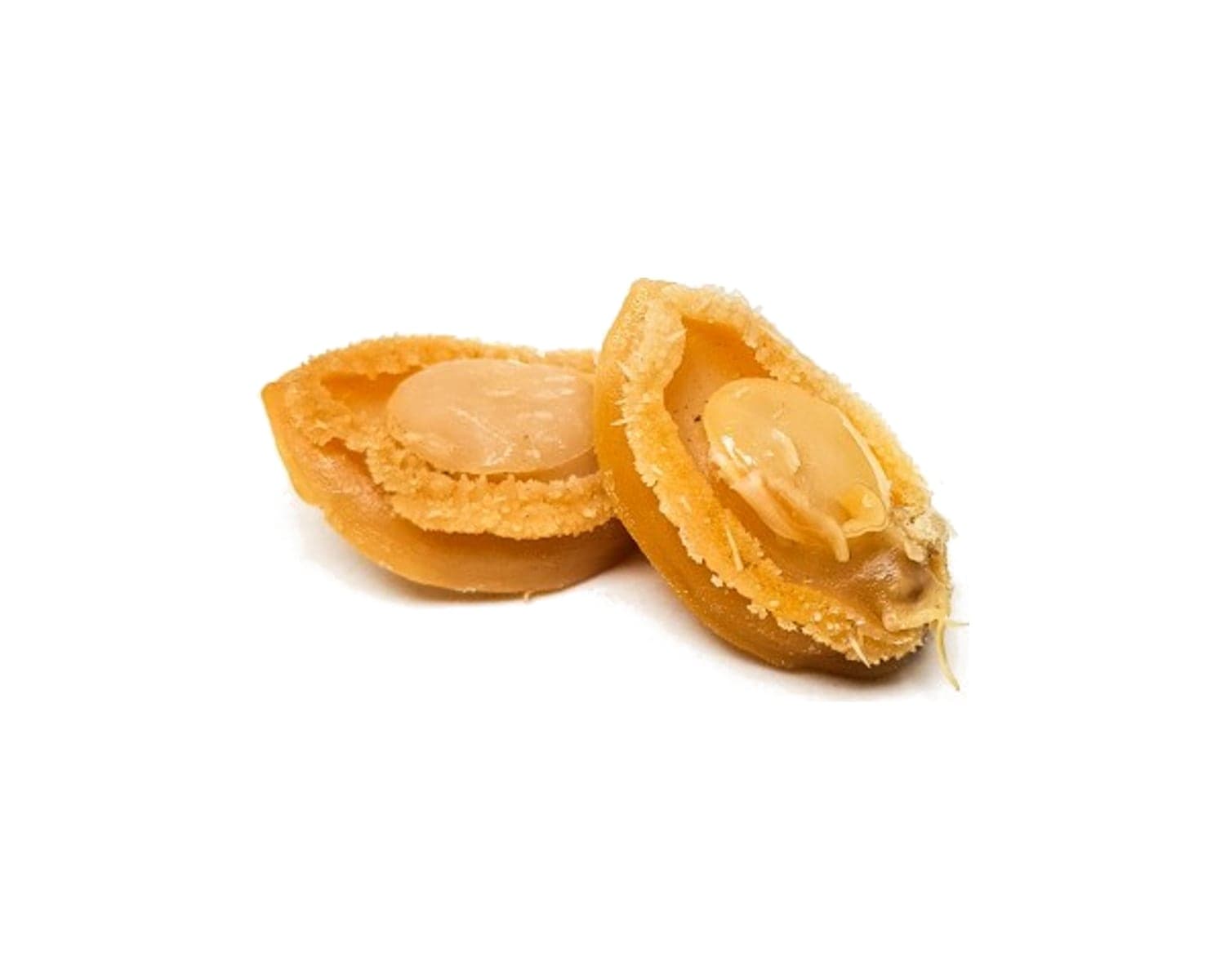
Drying transforms abalone: the meat becomes dense and concentrated, and a deep savory character develops during the long soak and slow braise that Cantonese kitchens give it. Value depends heavily on species, origin and the skill of the drying house, so two lots in the same size grade can perform quite differently on the plate. We specify every offer by origin, wild or farmed status, head count and drying method, and we state where a lot needs export permits.
Size is expressed as head count (頭): the number of dried pieces that make up one catty. The Hong Kong catty is roughly 600 g (about 604.8 g by its traditional definition), and dealers apply the convention with some variation, so we always give the actual pieces per kilogram alongside the head figure. A lower count means larger pieces — a 10-head abalone is far bigger than a 40-head one — and the larger sizes are scarcer.
Wild lines come from origins such as Japan (Iwate and Aomori), Australia, Mexico and Oman, usually under strict quotas, while South Africa now supplies mainly farmed abalone and farms in China and Korea offer consistent volume in mid to high head counts. Processing is slow: shucking, cleaning, salting, boiling and staged sun-drying, often over several weeks, until the meat is firm to the core. Well-made pieces may develop a soft, glossy, slightly sticky center after correct soaking and braising, known in the trade as a candied or ‘tong sum’ heart; it is a valued trait, but it depends on species, drying and cooking, so we treat it as a characteristic rather than a guaranteed specification.
Before dispatch we check head count against weighed pieces, distinguish natural white surface bloom from mold, and look for cracks, insect damage and off-odors. Kitchens wanting abalone without the soaking stage can consider our frozen abalone, and our guide to storing dried abalone and fish maw covers stock rotation.
Specification sheet
Dried Abalone: full specification
Indicative values. Final specifications are confirmed per lot on the quotation and certificate of analysis.
| Species | Haliotis spp. declared per lot, e.g. H. discus hannai (farmed Asian stock), H. midae (South Africa), H. rubra and H. laevigata (Australia) |
|---|---|
| Origin | Country and wild or farmed status declared per lot |
| Grade / size | Head count per catty (approx. 600 g) and pcs/kg, e.g. 10–40 head |
| Processing | Shucked, salted, boiled, staged sun-drying; duration varies by origin |
| Dryness | Firm through the core; moisture confirmed per lot |
| Appearance | Intact oval shape, even color; free from mold, cracks and insect damage |
| Shelf life | Typically 24 months sealed; longer when held chilled |
| Packing | Vacuum bulk bags; 500 g packs; gift boxes; private label |
| Documents | Commercial invoice, packing list, origin certificate, health certificate; export permit or catch records where the origin requires them |
| Minimum order | A first order can be as small as 5 kg per origin and head count; regular programs typically run from 30 kg. |
| Lead time | 3–6 weeks for stocked origins; longer for wild lots that depend on export permits, quota allocation or origin inspection. |
FAQ
Dried Abalone: questions from buyers
How does head count translate into piece size?
The head figure counts how many dried abalone it takes to make up one catty. With the Hong Kong catty at roughly 600 g, a 20-head lot averages about 30 g per dried piece, while a 40-head lot averages around half that. Lower counts are larger and harder to source. Because dealers apply the convention with some latitude, our offers also show actual pieces per kilogram, and that is the figure we recommend writing into contracts.
Can you guarantee a candied heart?
No responsible supplier can promise it as a fixed specification. A soft, glossy center after braising depends on species, the original drying, the age of the stock and how the kitchen soaks and cooks it. Where we have trial-cooking notes for a lot we share them, and a small trial order lets your chefs test the result before ordering volume.
Is wild abalone from regulated origins available to every market?
Not always. Several wild fisheries operate under quotas, size limits and export licensing, and some destinations impose their own import conditions on top. We only offer lots that carry the documents their origin requires and that can lawfully enter your market, so please name the destination when you request a quotation and we will confirm what can ship.
How do farmed and wild dried abalone differ in practice?
Farmed abalone, mainly from China, Korea and South Africa, is consistent in size and color and usually comes in mid to higher head counts, which suits retail packs, set menus and gift boxes. Wild lots vary more from piece to piece and are typically chosen by banquet kitchens that want a particular origin. Drying methods are broadly similar, so a braising trial is the most reliable comparison.
Related
Related products
Frozen & Live Seafood
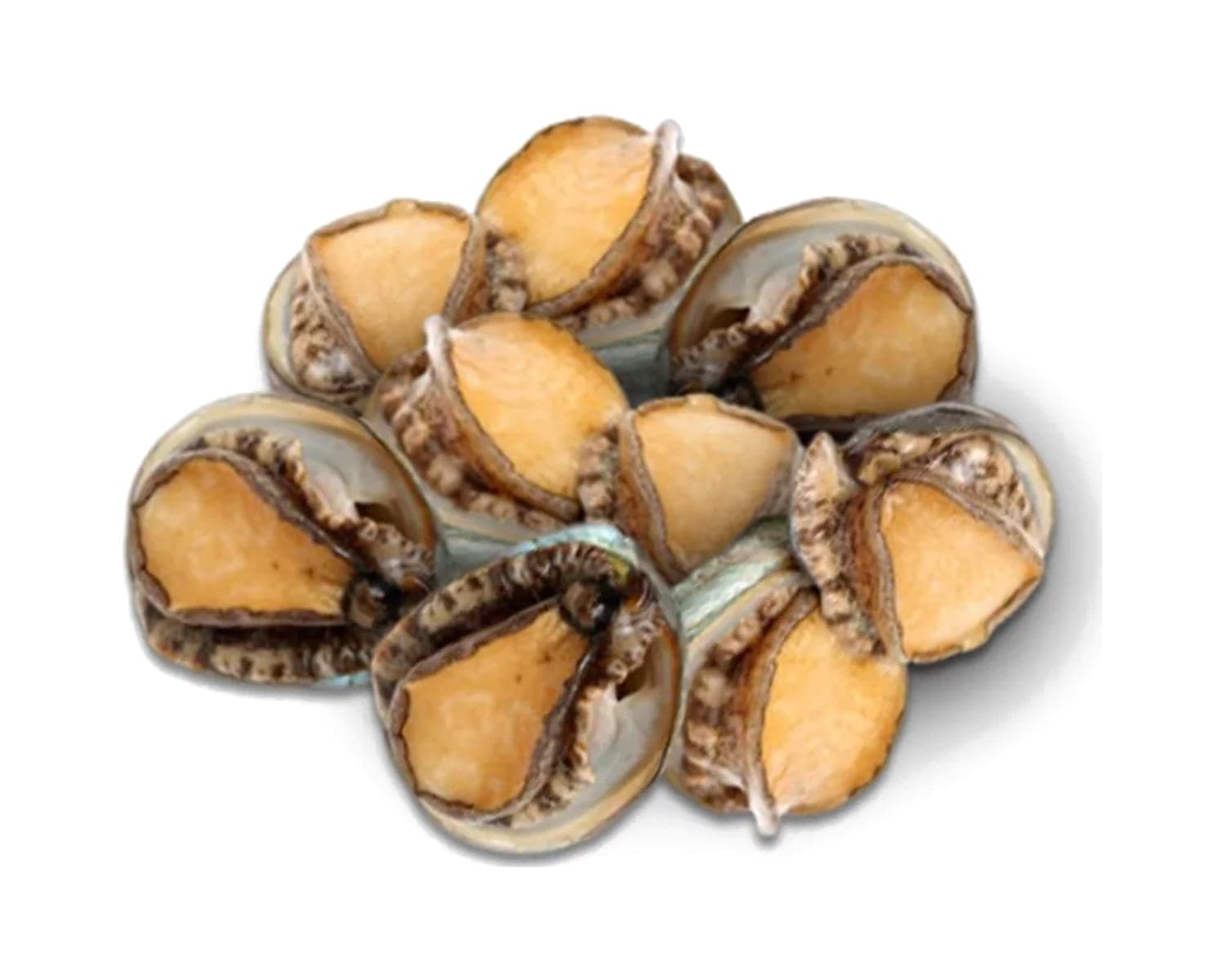
Frozen Abalone
Farmed abalone in-shell, shucked or braised, sized per kilogram
Frozen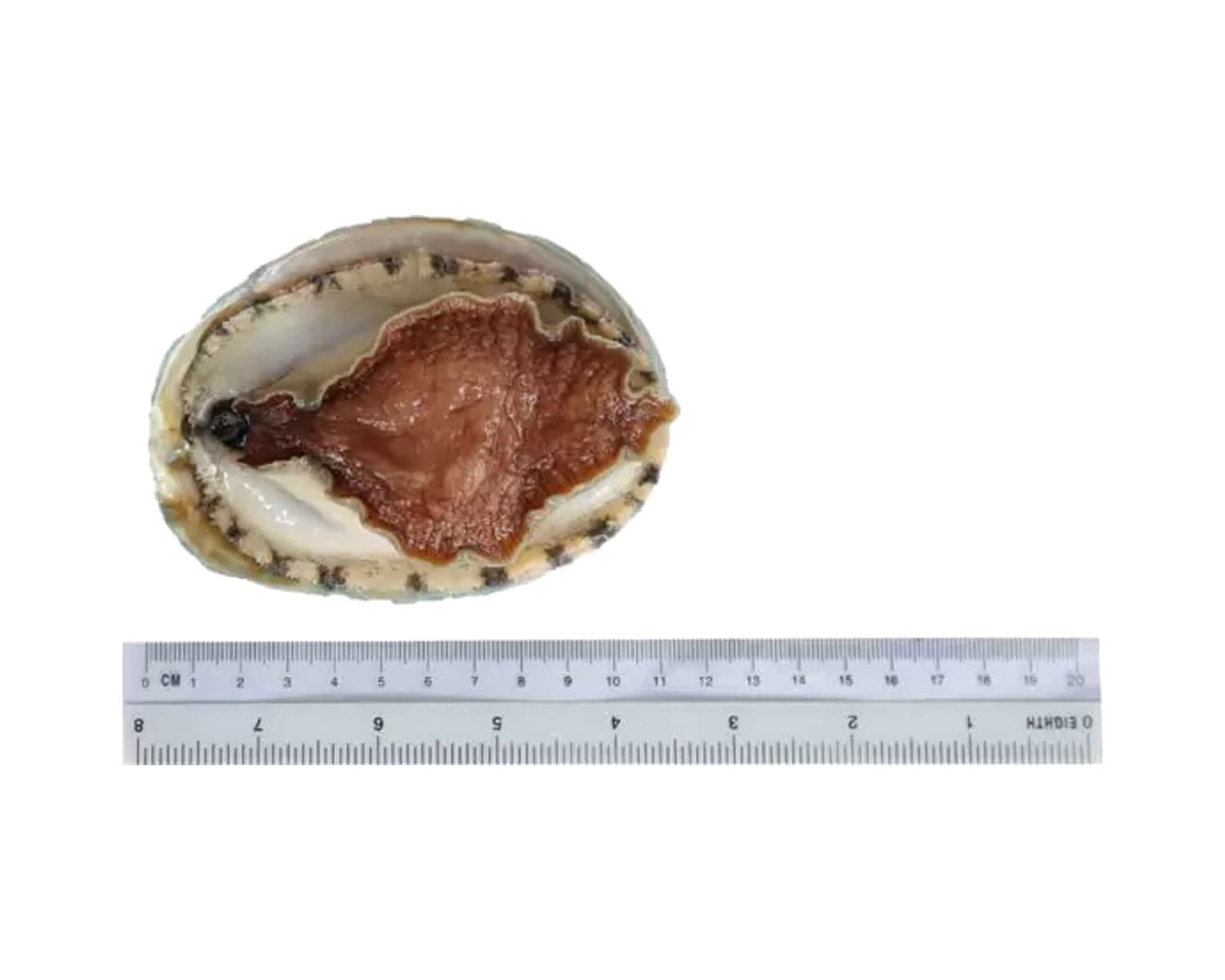
Buyer guides
Species Profiles7 min read
Abalone (Haliotis): Species, Market Names, Origins and Uses
Which Haliotis species reach the market, what each is called from Hong Kong to Cape Town, where farmed and wild abalone comes from, and how kitchens in Asia and North America cook it.
Read the guide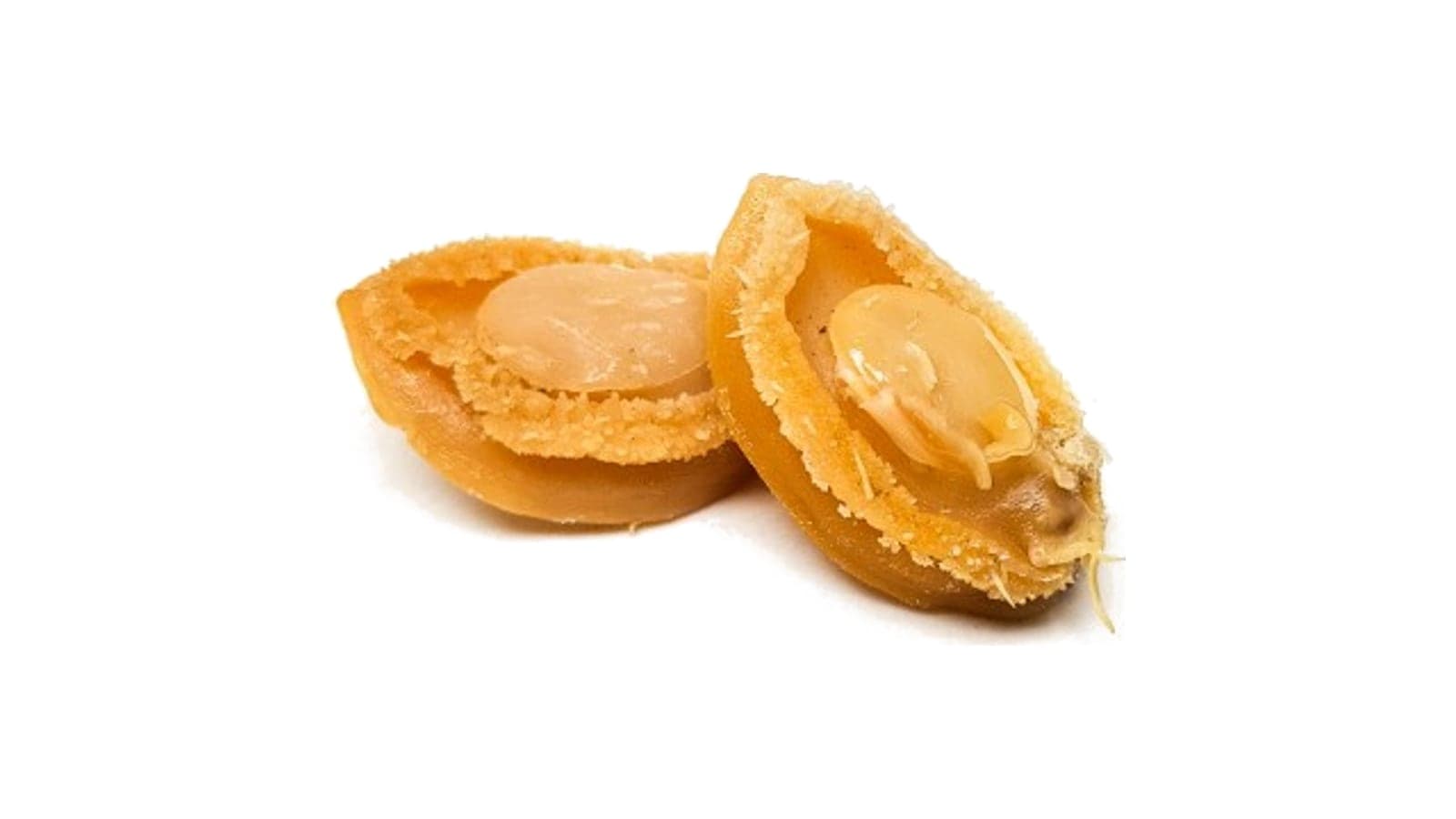
Storage & Handling7 min read
How to Store Dried Abalone, Fish Maw, and Dried Seafood
A practical guide to keeping high-value dried seafood in sound condition, from warehouse humidity control and chilled holding to handling after rehydration.
Read the guide
Buying Guide7 min read
Choosing Premium Seafood Ingredients for Restaurants and Retail
How chefs, foodservice buyers and brand owners match grade and format to the application, compare suppliers on cost per portion, and keep quality consistent across orders and channels.
Read the guide
Request a quote
Request a quote for dried abalone
Share your target grade, packing, volume and destination. We confirm availability, documentation for your market and a formal quotation, usually within one business day.
- Grade, size or count required
- Packing format and labeling language
- Estimated volume and order frequency
- Destination port or airport and Incoterm
- Reference: Dried Abalone