Marine Ingredients
Fish Collagen Raw Materials
Segregated skin and scale streams for peptide and hydrolysate plants
Frozen

BSA Food Products supplies fish skins, scales and bones to gelatin manufacturers looking for a non-mammalian raw material, with species, handling and plant of origin declared so the processor can plan extraction and documentation.
Indicative; confirmed per lot on each quotation.
Fish gelatin is made by processors who want an alternative to bovine and porcine gelatin, whether for customers who avoid mammalian ingredients or for product ranges that call for a fish-derived gelling agent. The raw material behind it is a by-product stream, yet a demanding one: skins, scales and bones must arrive clean, segregated by species and free of spoilage if the processor is to reach its target clarity, color and odor.
Skins are the main stream we supply, taken from tilapia and pangasius fillet lines and from cod and pollock processing; tilapia scales are offered dried, and bone streams can be arranged for producers equipped to demineralize them. Species choice influences the finished product, since gelatin from warm-water fish such as tilapia generally sets more firmly and melts at a higher temperature than gelatin from cold-water species such as cod. Bloom strength, viscosity and melting point are nonetheless properties of the finished gelatin, shaped as much by the processor’s extraction conditions as by the raw material, so we do not quote them for skins or scales.
Specifications are agreed with each processor around moisture, fat, residual flesh, foreign matter and handling temperature, and every lot carries its species, plant and production date. Many gelatin buyers serve customers with religious or dietary requirements; any certification of that kind is obtained by the processor for its own gelatin and is not something we issue or imply for the raw material.
Processors extracting collagen peptides alongside gelatin can source from the same plants through our fish collagen raw materials program, and lot inspection and documentation are outlined in our export quality assurance section.
Specification sheet
Indicative values. Final specifications are confirmed per lot on the quotation and certificate of analysis.
| Raw material | Fish skins, scales and bones |
|---|---|
| Species | Tilapia, pangasius, Atlantic cod, Alaska pollock; declared per lot |
| Handling | Frozen at −18 °C or below, or dried |
| Moisture (dried streams) | Dried skins and scales typically ≤ 15%, confirmed per lot |
| Fat and flesh residue | Limits agreed with the processor |
| Foreign matter | Plastics, metal and non-fish material excluded; inspected per lot |
| Gel properties | Bloom, viscosity and melting point measured on finished gelatin by the processor |
| Shelf life | Around 12 months at −18 °C; dried streams per agreed storage conditions |
| Documents | Species and origin declaration, CoA, plant details; health or by-product certificate according to designation |
| Minimum order | Normally full container loads; trial lots of 5–10 tonnes by arrangement with the supplying plant. |
| Lead time | 4–8 weeks, reflecting the time a plant needs to accumulate a single-species lot of the agreed grade. |
FAQ
In general they do: gelatin made from warm-water species such as tilapia and pangasius tends to have higher gel strength and a higher melting point, while cold-water species such as cod and pollock usually give softer gels that melt at lower temperatures. Exact figures depend on your extraction method, so we recommend a pilot extraction on a trial lot before fixing a program.
A bloom value cannot be guaranteed at raw-material stage, because bloom strength is measured on finished gelatin and reflects the processor’s pre-treatment, extraction temperature and drying as well as the species. What we can commit to are the raw-material parameters that influence it: species, freshness, handling temperature, moisture, residual fat and foreign matter. These are written into the specification and confirmed for each lot.
Fish gelatin is widely used as an alternative to mammalian gelatin, and many processors certify their output for specific religious or dietary markets. That certification belongs to the processor and its certifying body, which set their own requirements for raw-material sourcing. We provide species declarations, plant details and handling records to support the process, but we do not issue or claim any such certification.
Bone streams can be arranged, but they are less common in fish gelatin than skins and scales because they need demineralization before extraction. We supply frames or cleaned bone pieces, frozen or dried, from single-species processing. Buyers interested in bone mainly as a mineral ingredient should look at our fish bone calcium raw material instead.
Related
Marine Ingredients
Segregated skin and scale streams for peptide and hydrolysate plants
Marine Ingredients
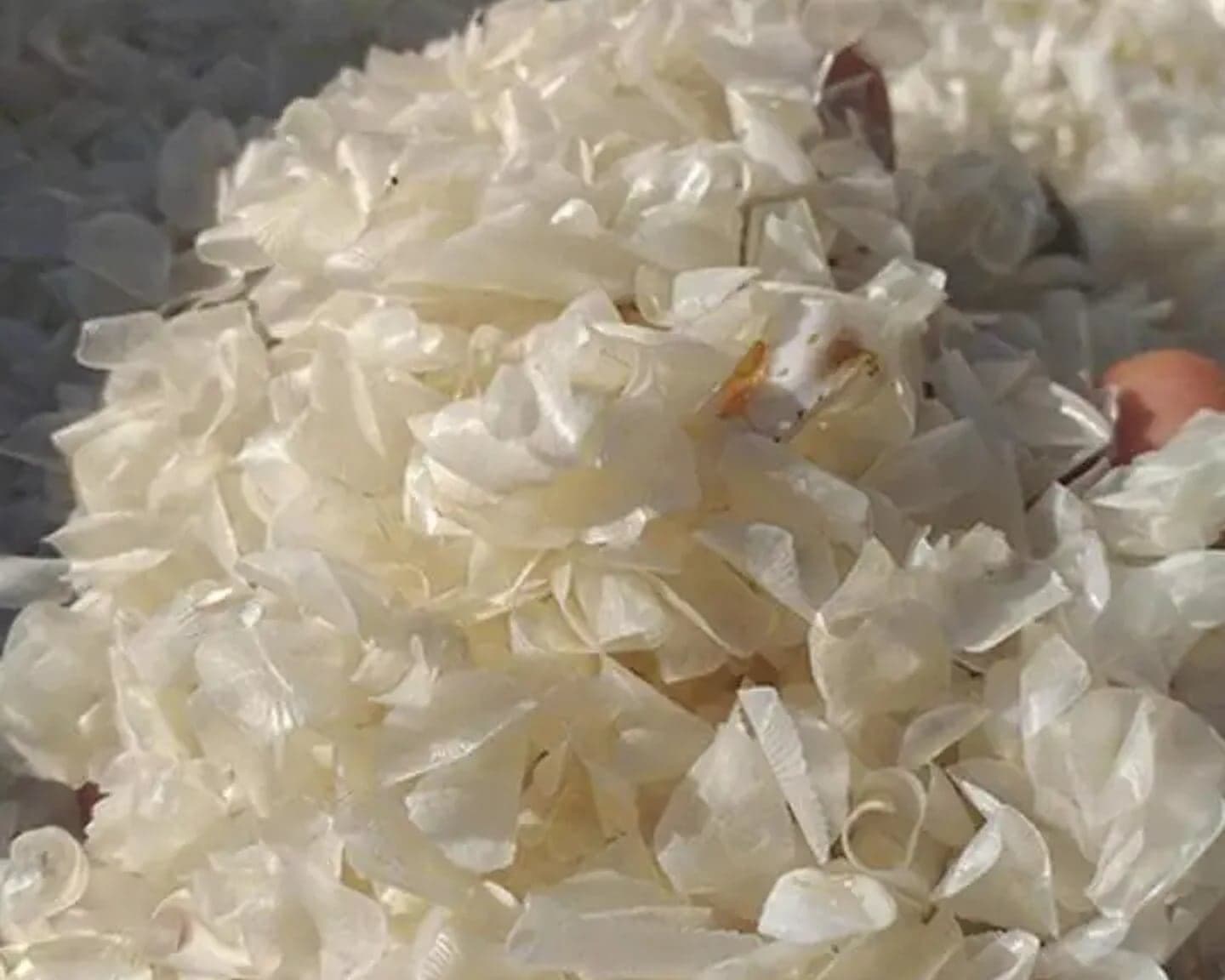
Cleaned, dried scales for collagen and gelatin extraction
Marine Ingredients
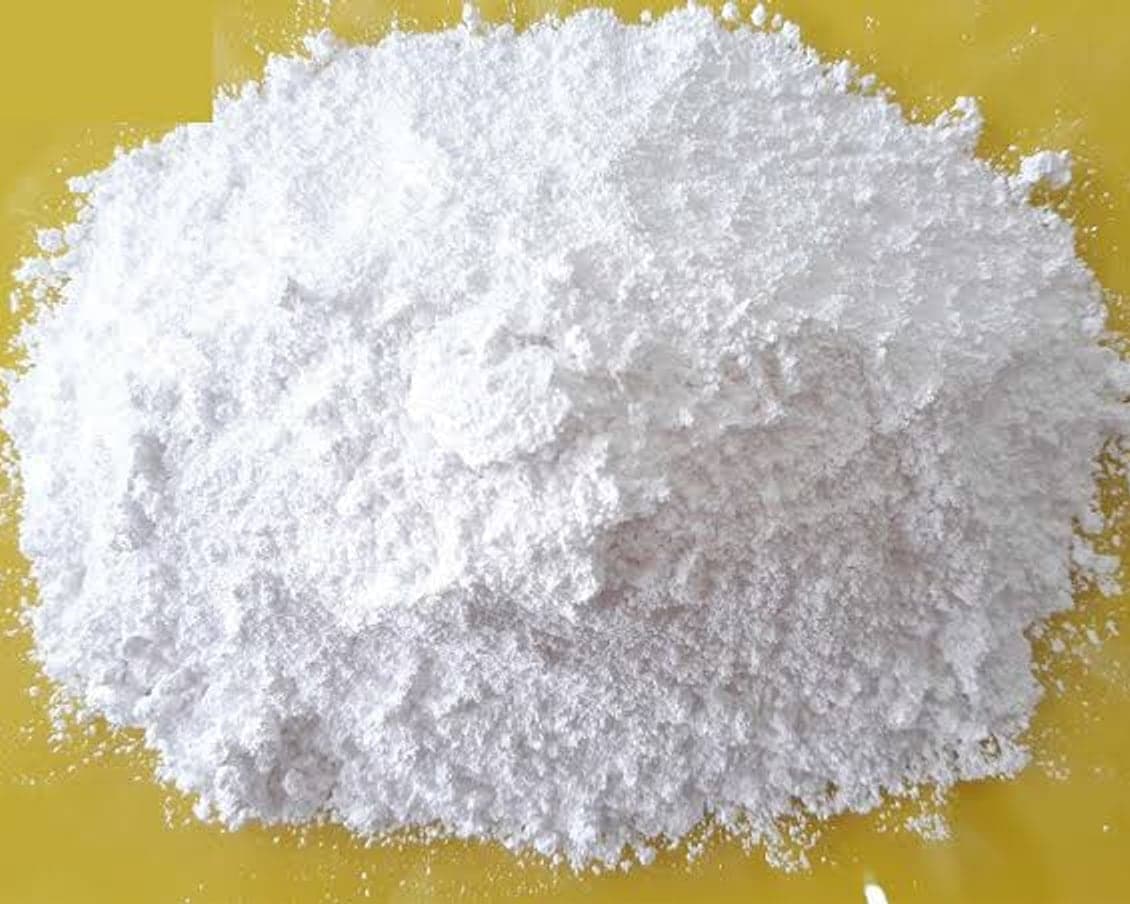
Frozen bones and milled bone powder for ingredient makers
Marine Ingredients
Heads, frames, trimmings and viscera for industrial processing
Import & Compliance7 min read
The market-access, species, documentation, classification and commercial checks an importer should complete before placing a first order for dried seafood.
Read the guide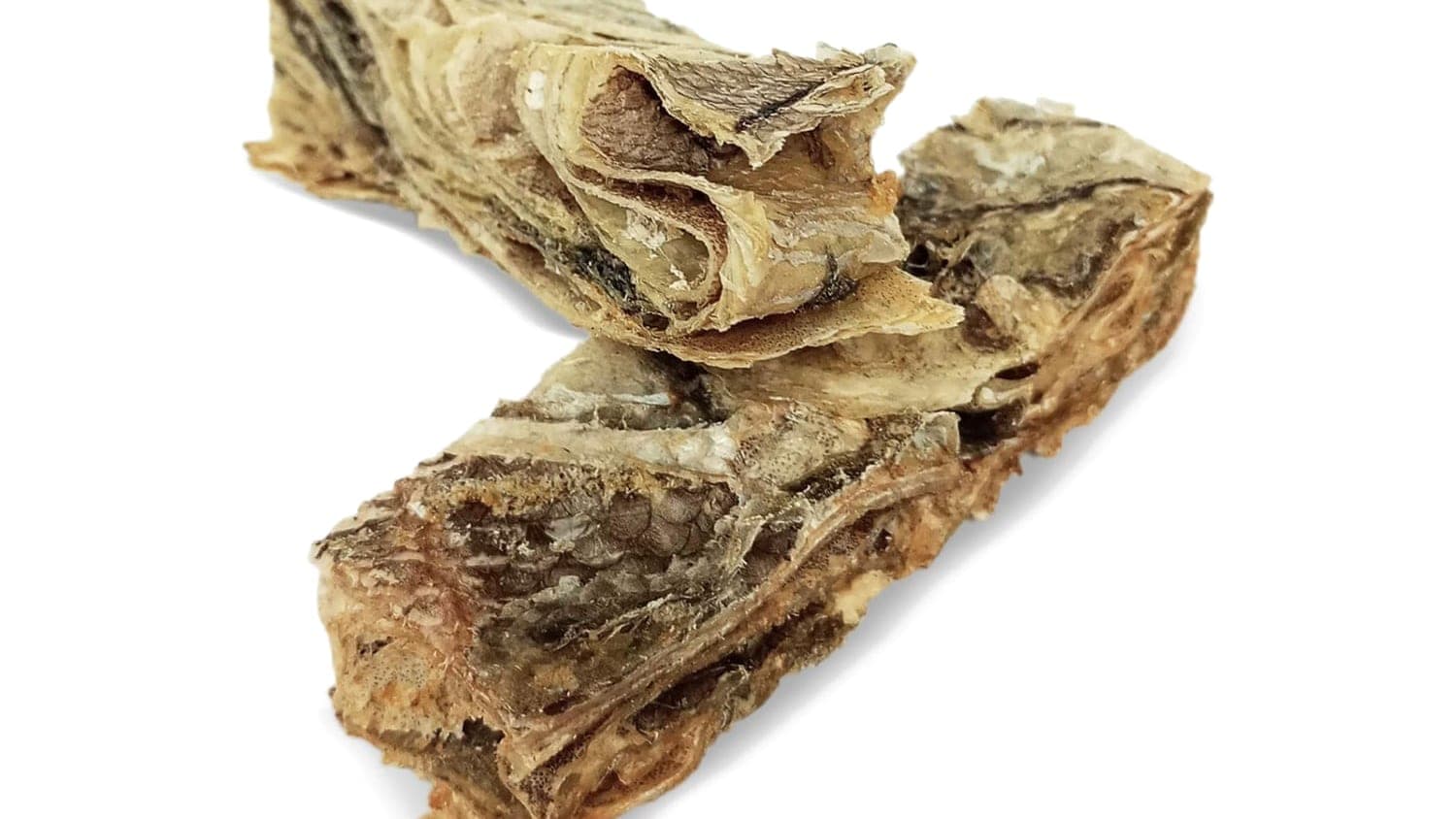
Buying Guide8 min read
A specification framework for fish skin, scales and bone bought as collagen, gelatin and calcium feedstock, from species declarations and handling forms to test parameters, stream designation and supplier qualification.
Read the guideRequest a quote
Share your target grade, packing, volume and destination. We confirm availability, documentation for your market and a formal quotation, usually within one business day.