- Private-label packing
- Export documentation
Value-Added Seafood
Frozen Seafood Mix Supplier: Shrimp, Squid, Mussels and Clams to Recipe
An IQF blend of shrimp, squid, mussel meat and clams, mixed to your recipe by weight, with each component’s species, origin and cooking state declared and the glaze and allergens shown on the pack.
- Shrimp, squid, mussel and clam blended to a written recipe
- Percentage by weight of each component fixed and checked
- Standard, premium, paella, stir-fry and custom blends
- IQF components that stay free-flowing in the bag
- Crustacean and mollusc allergens declared on every pack
- Retail, foodservice, bulk and private-label packing
Product Specifications
Indicative; confirmed per lot on each quotation.
- Origin
- Blended and packed in South-East Asia from components of declared origin: farmed shrimp, wild Asian or South Atlantic squid, and mussels and clams from classified growing areas. The origin of each component is stated in the specification.
- Grade / Size
- Component cut sizes agreed per recipe (e.g. shrimp by count per pound or kilogram, squid rings by width, mussel and clam meat by count per kilogram); bite-size, medium and large-piece blends.
- Form & Processing
- Each component cleaned, cut and frozen IQF, raw or cooked as the recipe states, then weighed into the agreed ratio, glazed and packed. Standard, premium, paella, stir-fry and custom blends.
- Storage
- Keep at -18 °C or colder; cook from frozen or after thawing in the refrigerator, make sure every component is cooked through, and do not refreeze.
- MOQ
- Typically one 20 ft reefer per recipe, or from about 2 tonnes of an established blend in a mixed container; private-label packs subject to print minimums.
- Lead Time
- Around 4–6 weeks from recipe sign-off, longer for new private-label artwork or for components that follow a fishing season.
Product overview
A seafood mix is only as good as its recipe sheet. Retail buyers want a bag that looks generous and cooks evenly, chefs want pieces that finish at the same moment in a paella pan, and manufacturers want a ratio that does not drift from one container to the next. We build each mix to a written recipe that fixes the percentage by weight of every component, the cut and size of each one, whether it goes in raw or cooked, and the glaze, then check finished bags against that recipe before loading.
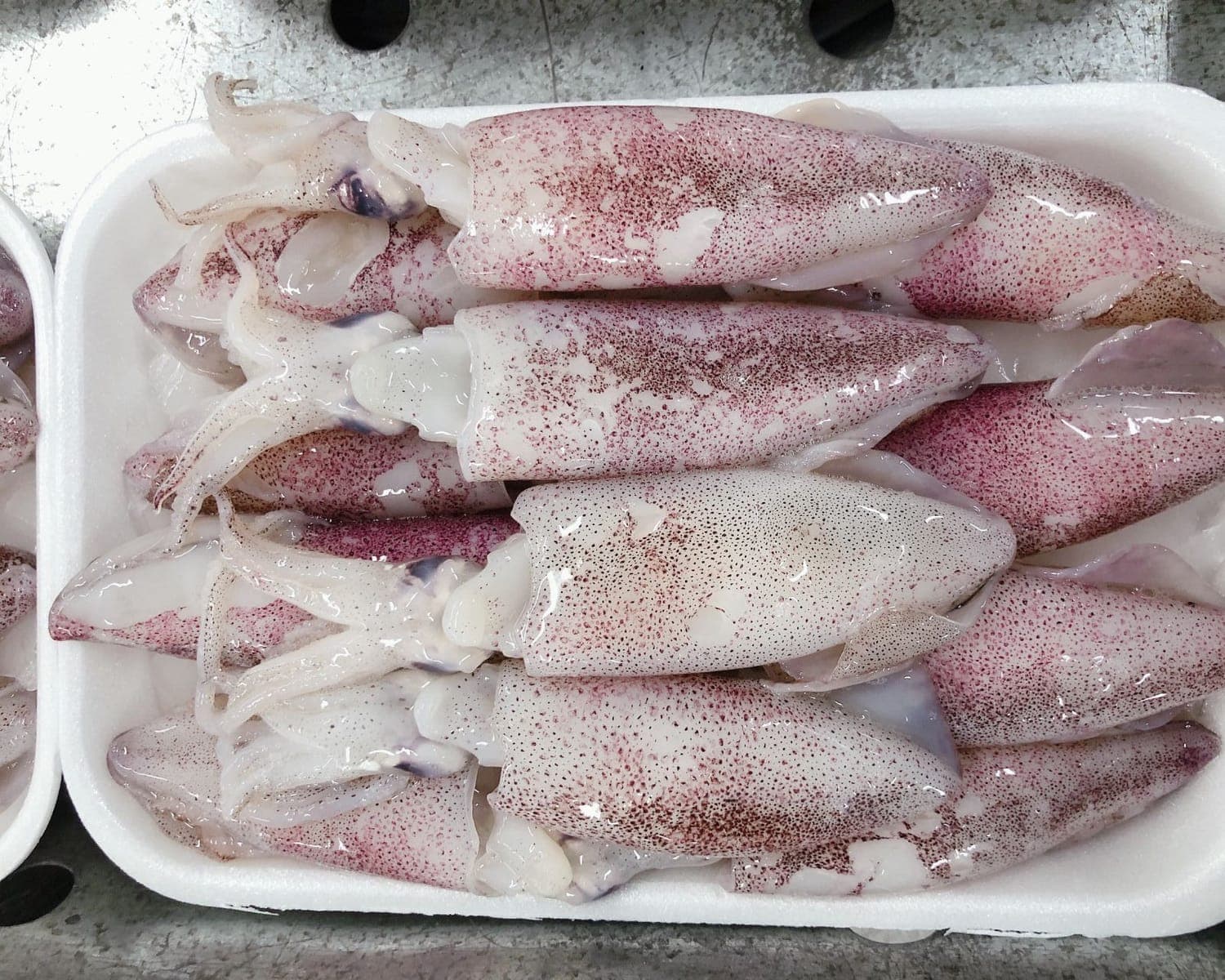
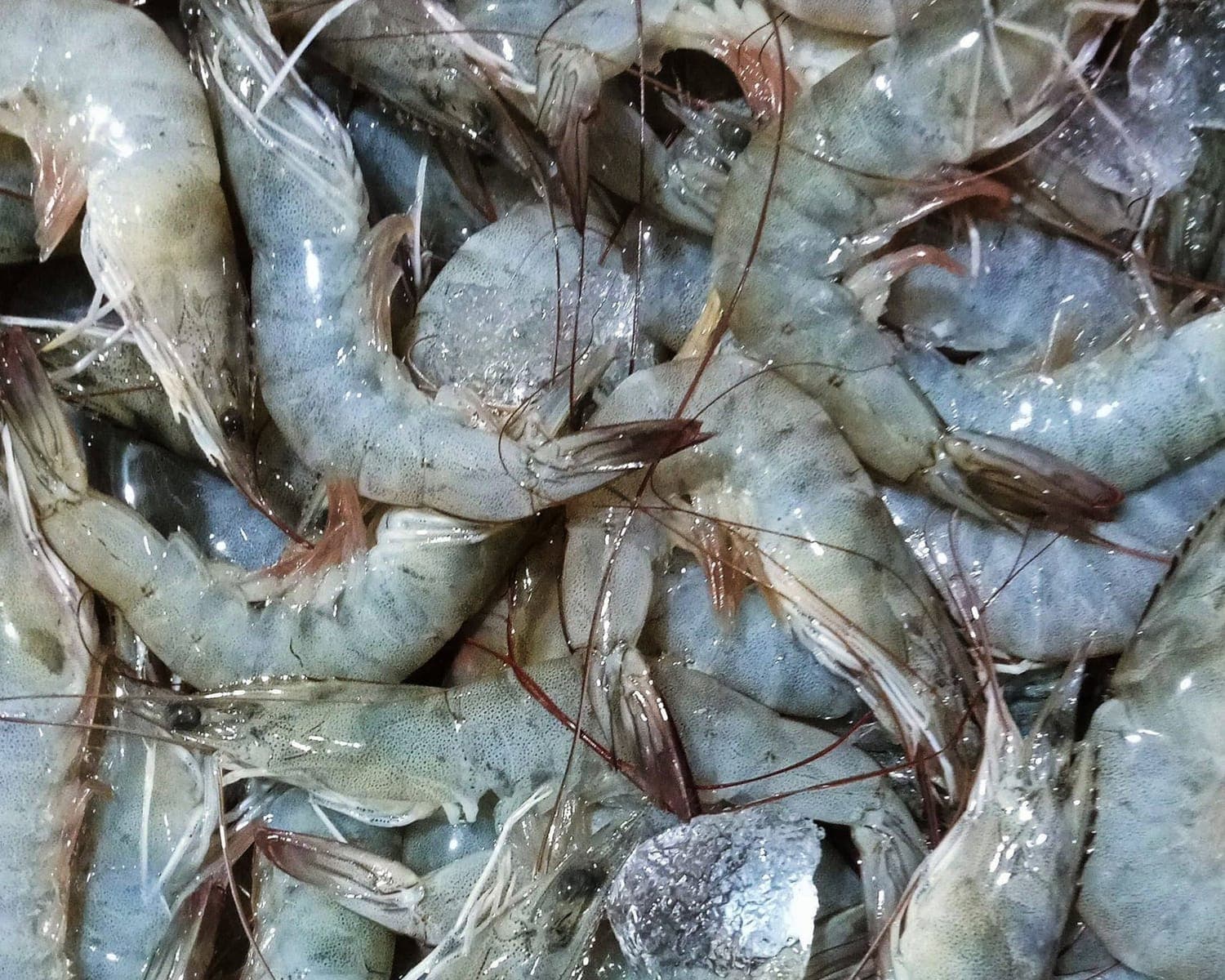
The standard blend has four components: peeled shrimp, usually farmed whiteleg shrimp (Penaeus (Litopenaeus) vannamei); squid rings and tentacles from inshore Uroteuthis or from Illex; cooked mussel meat; and clams, either as cooked meat or as small whole clams in the shell. Premium and regional versions add cuttlefish, baby octopus, scallop meat, surimi or white fish pieces, while a paella mix keeps some shellfish in the shell for presentation and a stir-fry mix uses scored squid or cuttlefish. Components can come from different origins, so the ingredient specification lists each species with its country of origin or catch area.
Each component is cleaned, cut and, where the recipe calls for it, blanched or cooked on its own line, then frozen individually so that the pieces stay free-flowing in the bag. They are weighed into the blend in the agreed proportions, glazed and packed for retail, foodservice or bulk use. Our checks take a bag apart after deglazing and weigh each component against the recipe, looking also for clumping, broken or undersized pieces, shell fragments, sand in clam and mussel meat, and frost inside the pack that would point to temperature abuse. Own-brand paella, pasta and stir-fry blends run through our private-label program.
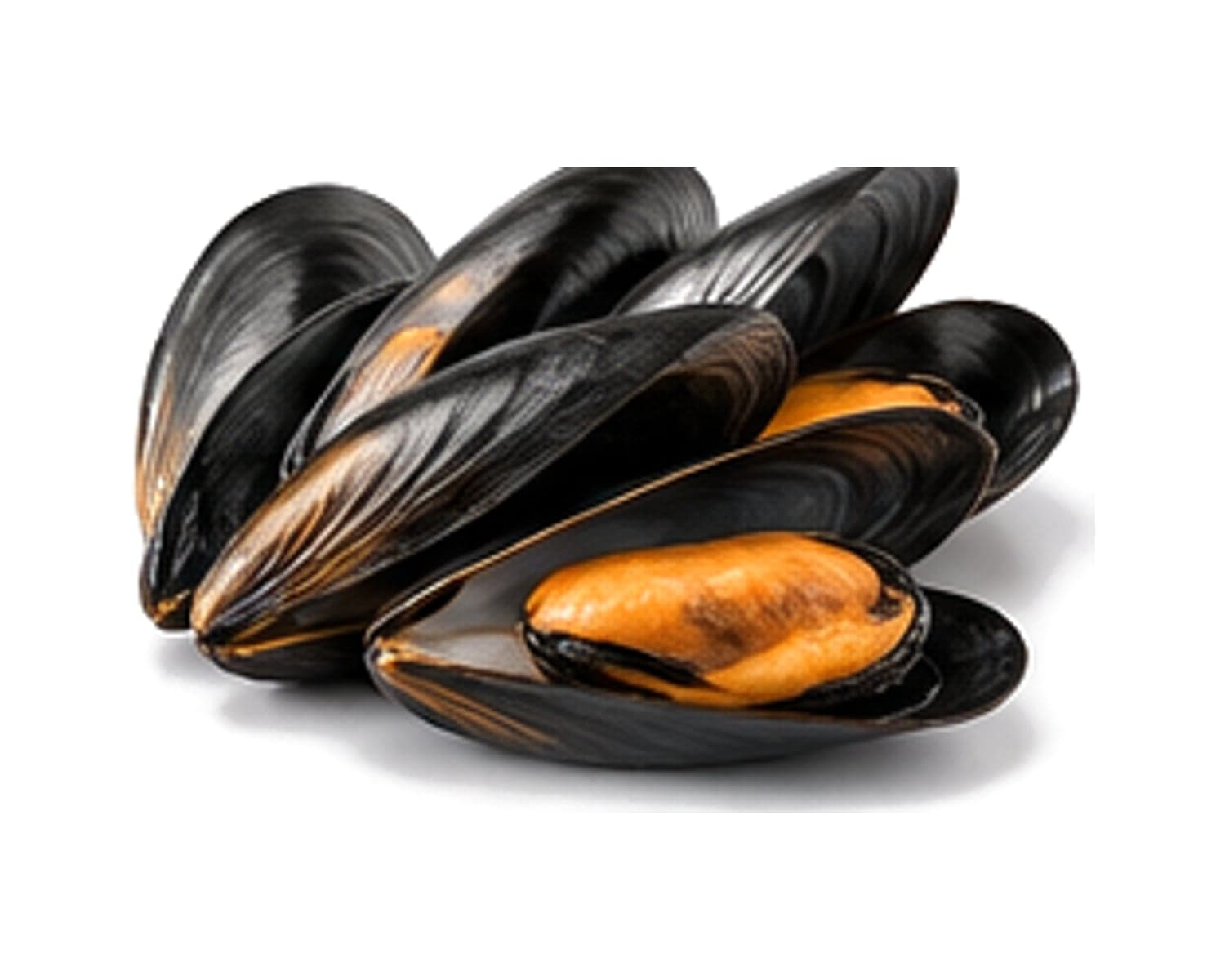
The mussel and clam components must come from classified harvest areas with biotoxin monitoring, exactly as they would when sold on their own, and the shrimp, squid and bivalve lots each bring their own test results into the finished blend; the way results attach to lot codes is set out under export quality assurance. Where a recipe combines raw and cooked items, the cooking instructions are written for the raw component, since everything in the bag has to be cooked through. Buyers who prefer to blend in-house can order single components from our frozen squid, frozen mussels and frozen clams lines.
Specification sheet
Frozen Seafood Mix: full specification
Indicative values. Final specifications are confirmed per lot on the quotation and certificate of analysis.
| Components | Shrimp, squid, mussel meat and clams; cuttlefish, octopus, scallop or fish optional |
|---|---|
| Species | Penaeus vannamei, Uroteuthis or Illex squid, Mytilus or Perna mussels, clam species per recipe |
| Ratio | Percentage by weight of each component fixed in the recipe |
| Cooking state | Raw or cooked declared for each component |
| Freezing | IQF components, blended and then glazed |
| Glazing | Declared; net weight and ratios checked after deglazing |
| Allergens | Crustaceans and molluscs; fish where included; surimi may add egg or wheat |
| Testing | Biotoxins and microbiology for bivalves; residues for farmed shrimp |
| Shelf life | Commonly 18 months frozen, per the packer’s declaration |
| Documents | Component origin list, health certificate, catch certificates for wild components where required |
| Minimum order | Typically one 20 ft reefer per recipe, or from about 2 tonnes of an established blend in a mixed container; private-label packs subject to print minimums. |
| Lead time | Around 4–6 weeks from recipe sign-off, longer for new private-label artwork or for components that follow a fishing season. |
FAQ
Frozen Seafood Mix: questions from buyers
What ratio of seafood goes into a standard mix?
There is no single industry ratio, which is why we fix it in writing. A common starting point gives shrimp and squid the largest shares, with mussel and clam meat making up the balance, but buyers adjust it to their price position and menu: a premium retail mix might raise the shrimp share, while a paella blend gives more weight to shellfish in the shell. Once agreed, the percentages are checked on deglazed samples from each production run, and any front-of-pack claim about content has to match them.
Are the components raw or cooked?
It varies by component and by recipe. Mussel and clam meat is usually cooked before freezing, since steaming is the practical way to open the shells in volume, while shrimp and squid can go in raw or blanched. Combining raw and cooked components is normal practice, provided the pack instructions require the whole contents to be cooked through. Fully cooked mixes for salads or quick reheating can be produced, but they call for ready-to-eat hygiene controls and are specified separately.
How are allergens labeled on a seafood mix?
A standard mix contains crustaceans (shrimp) and molluscs (squid, mussels and clams), and a blend with fish pieces adds fish. In the EU and UK all three must be emphasized in the ingredients list. In the United States, crustacean shellfish and fish are major food allergens while molluscs are not, although each mollusc still appears by name in the ingredients list. Each component must also carry its species or the destination’s accepted market name, and we supply a full ingredient and allergen specification so that the brand owner can finalize the label for each market.
Can you make a mix to our own recipe and brand?
Yes. Send a reference product or a target recipe listing the components, cuts and percentages you want, and we will prepare a trial blend with the packer for your sign-off. Once fixed, the recipe is held as the specification for every repeat order, and bag sizes, artwork and labeling languages are agreed alongside it. You can request a quote with your target volumes and pack formats.
Related
Related products
Frozen & Live Seafood
Frozen Mussels
Blue, Chilean and green-lipped mussels, whole, half-shell or meat
Frozen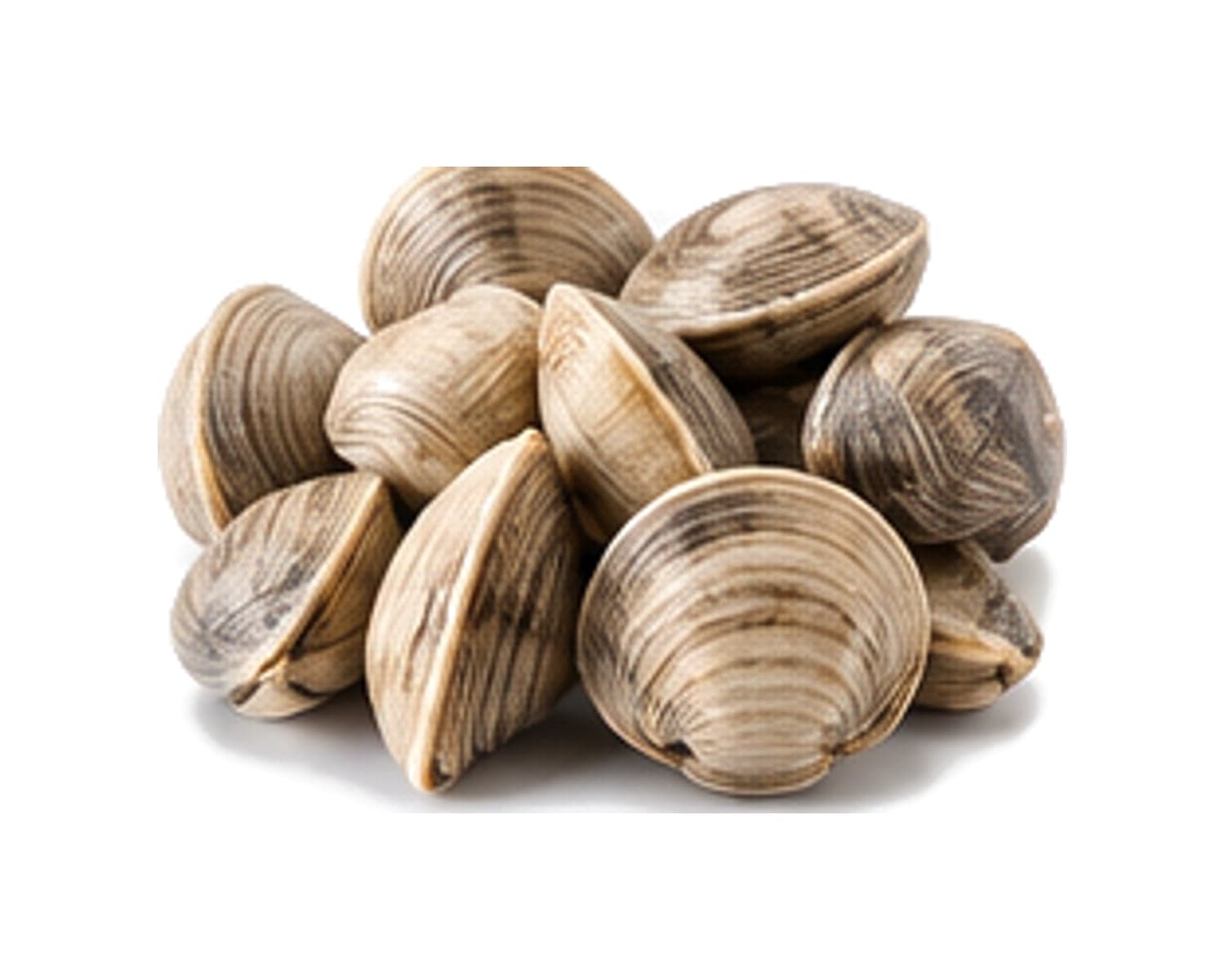
Buyer guides
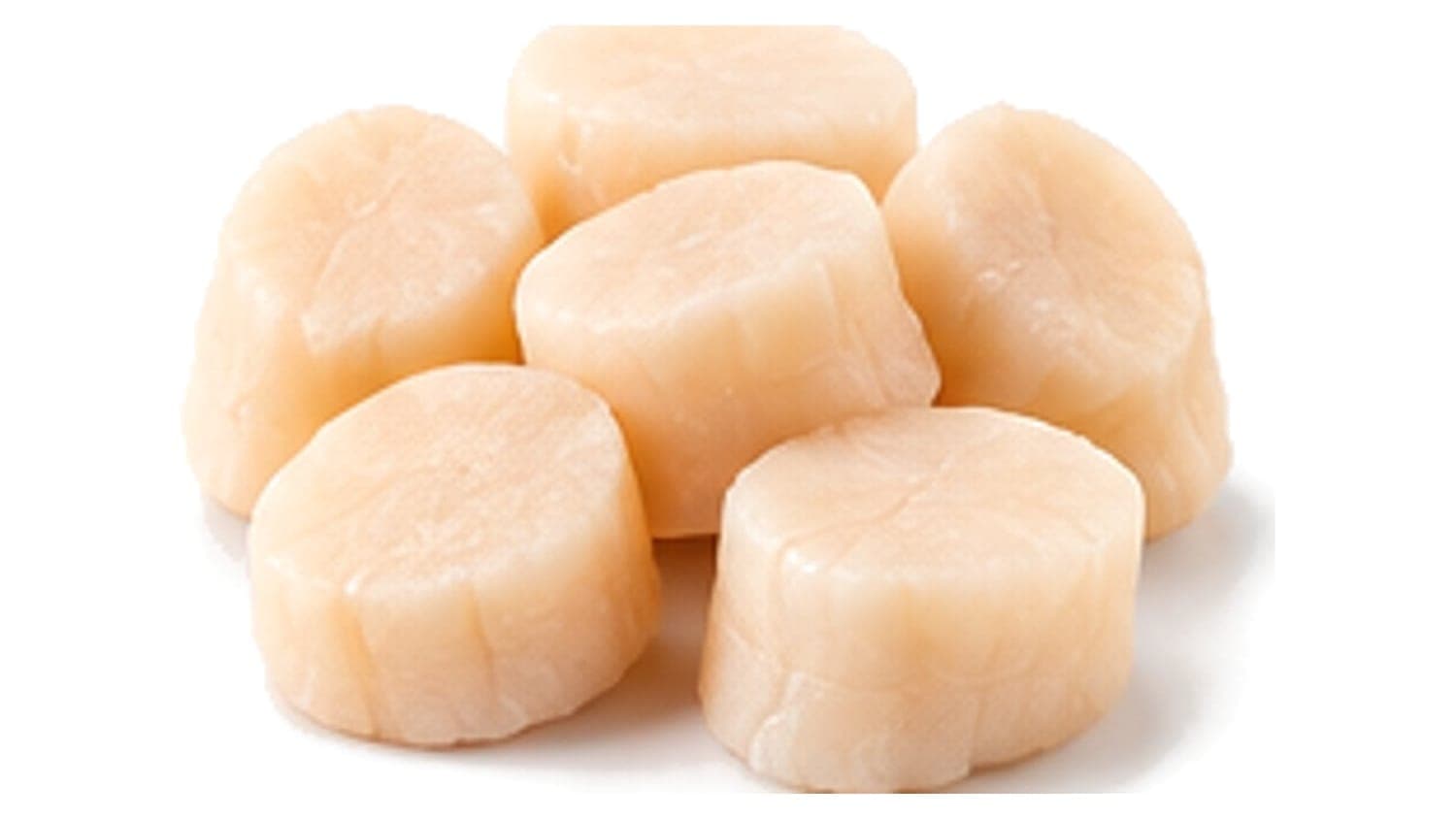
Buying Guide8 min read
Buying Frozen Shellfish: Scallops, Mussels, Oysters and Clams
A working guide to frozen shellfish formats, freezing methods, glaze, treated scallop meat, count grading, raw and cooked handling and the harvest-area records every bivalve lot should carry.
Read the guide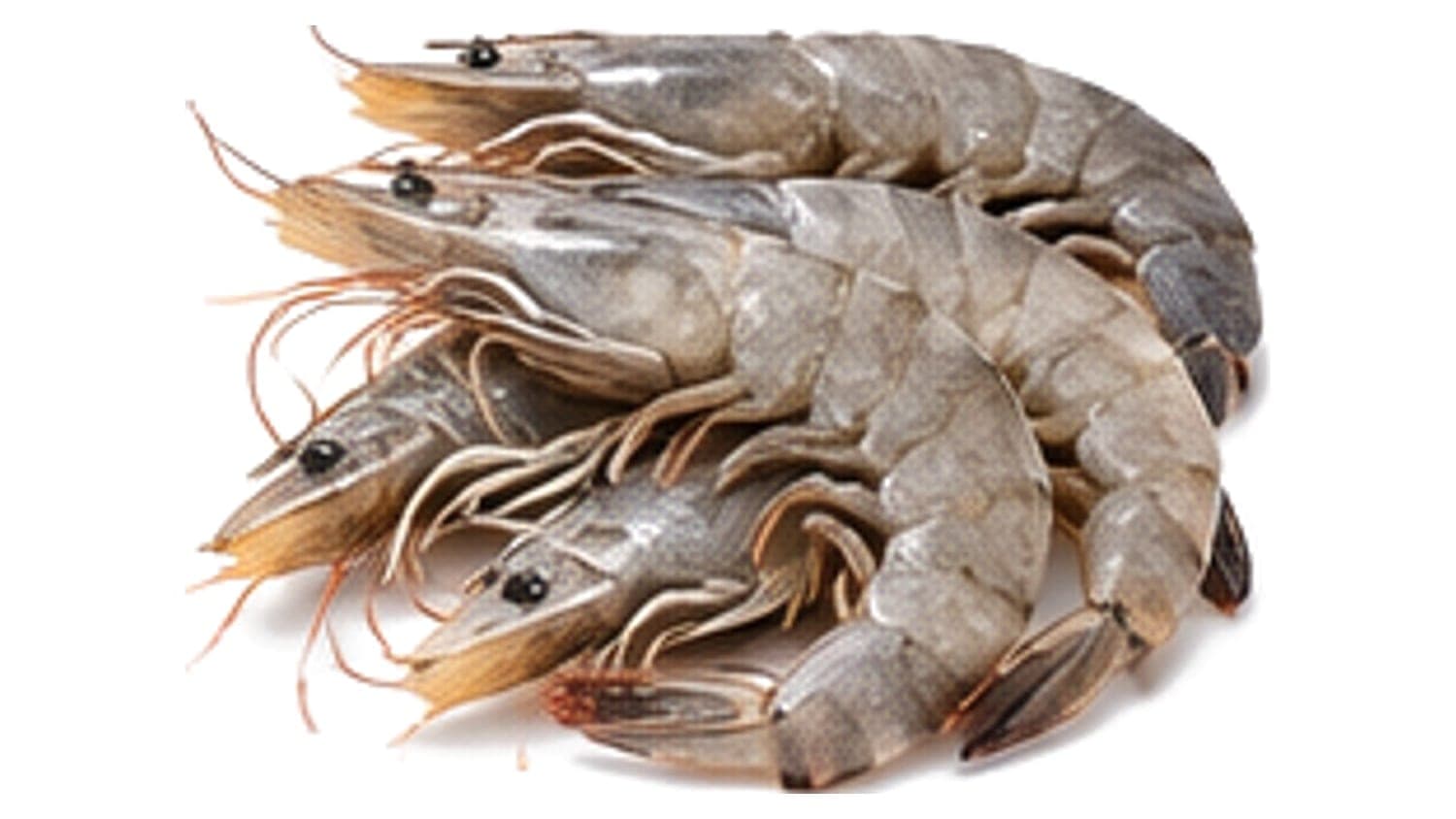
Buying Guide7 min read
Frozen Shrimp Specifications: Count Size, Glazing and Net Weight
How to specify and check frozen shrimp: species and cuts, count notation per pound or per kilogram, glaze and net weight, IQF and block formats, defects, treatment declarations and an arrival routine.
Read the guideSpecies Profiles6 min read
Squid Species Guide: Inshore Squid, Flying Squid and How to Tell Them Apart
Squid in trade comes from two main families with different textures, fisheries and names. This profile explains how to recognize each, where supply comes from and how cooks use whole, cut and dried squid.
Read the guide
Request a quote
Request a quote for frozen seafood mix
Share your target grade, packing, volume and destination. We confirm availability, documentation for your market and a formal quotation, usually within one business day.
- Grade, size or count required
- Packing format and labeling language
- Estimated volume and order frequency
- Destination port or airport and Incoterm
- Reference: Frozen Seafood Mix