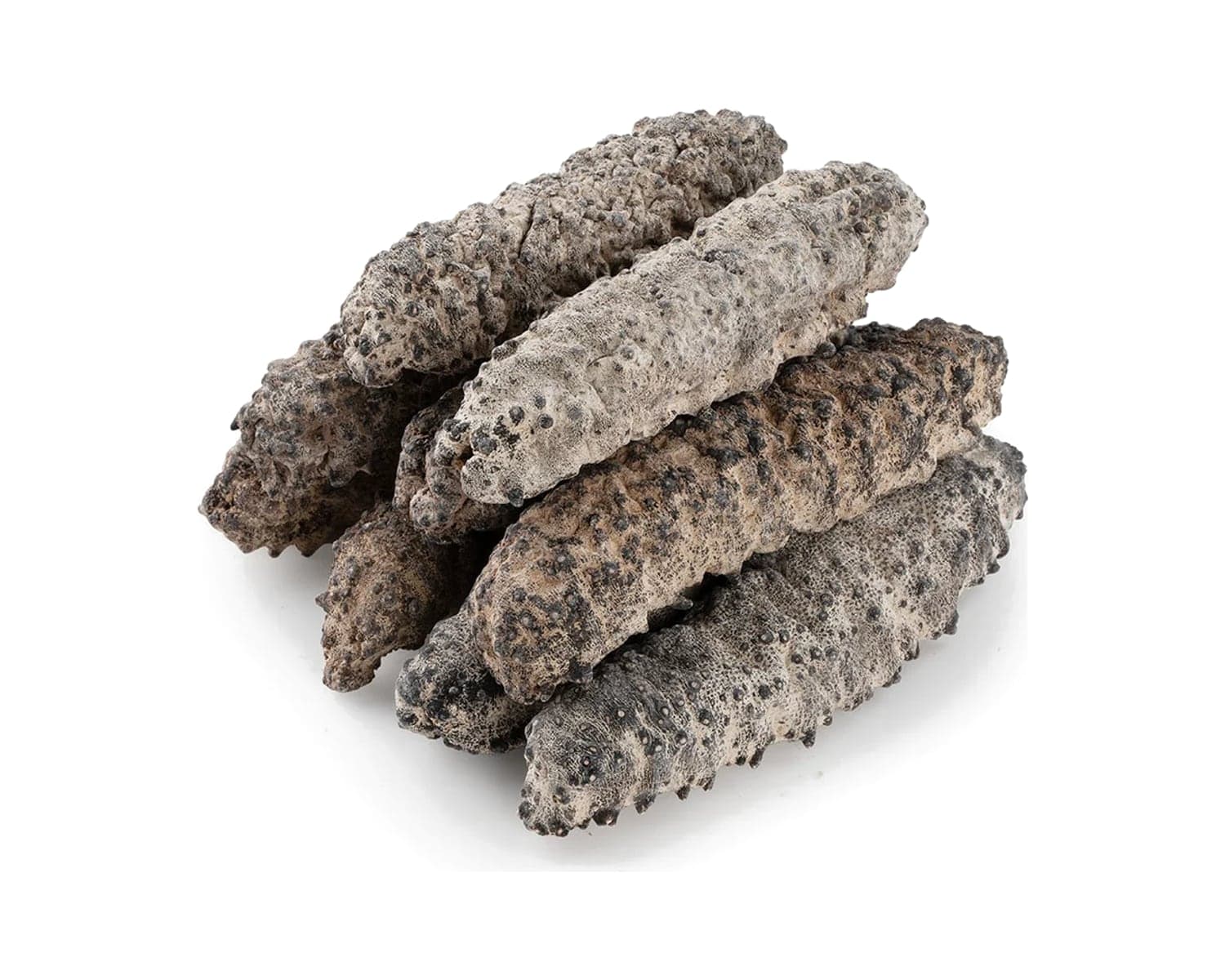
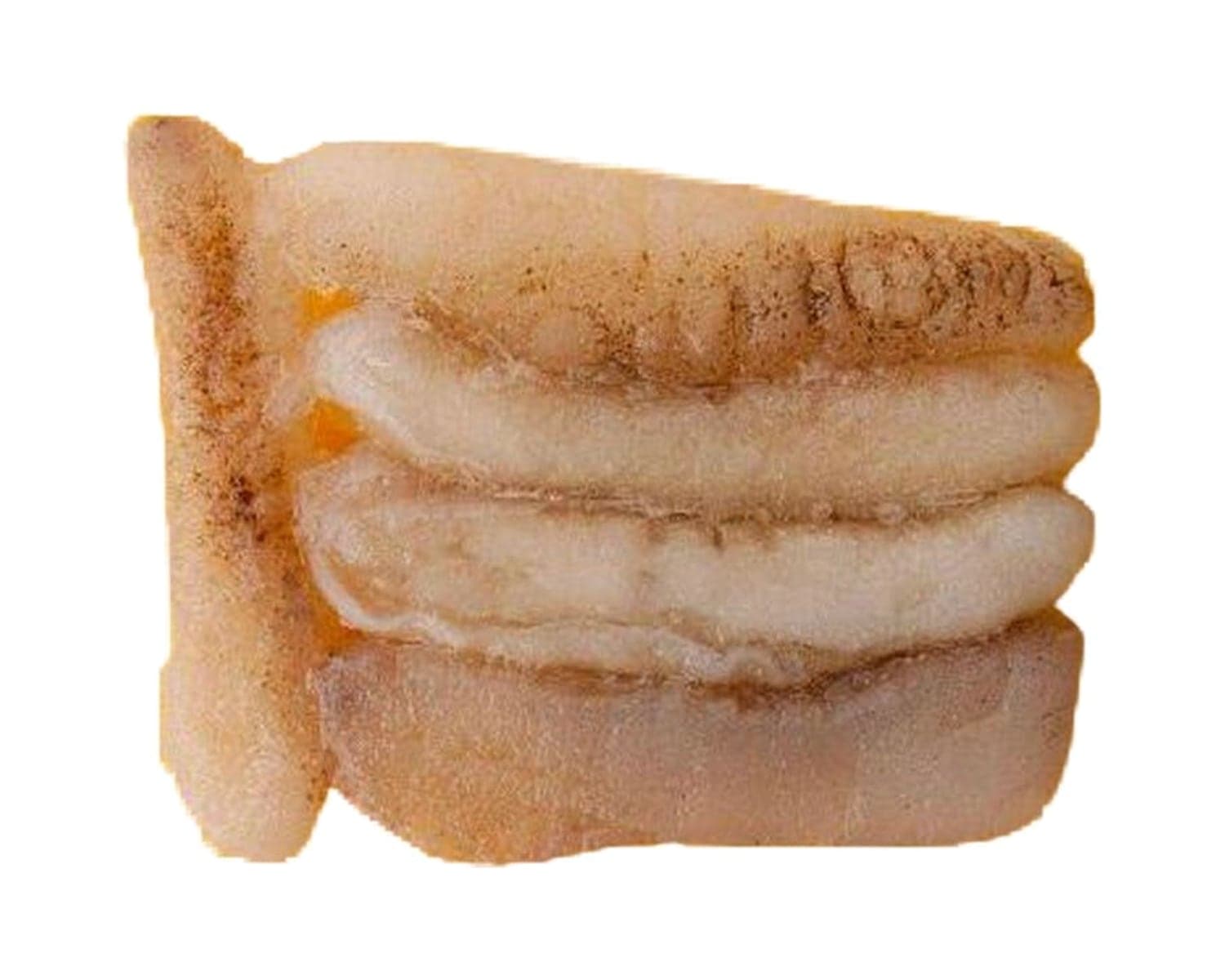
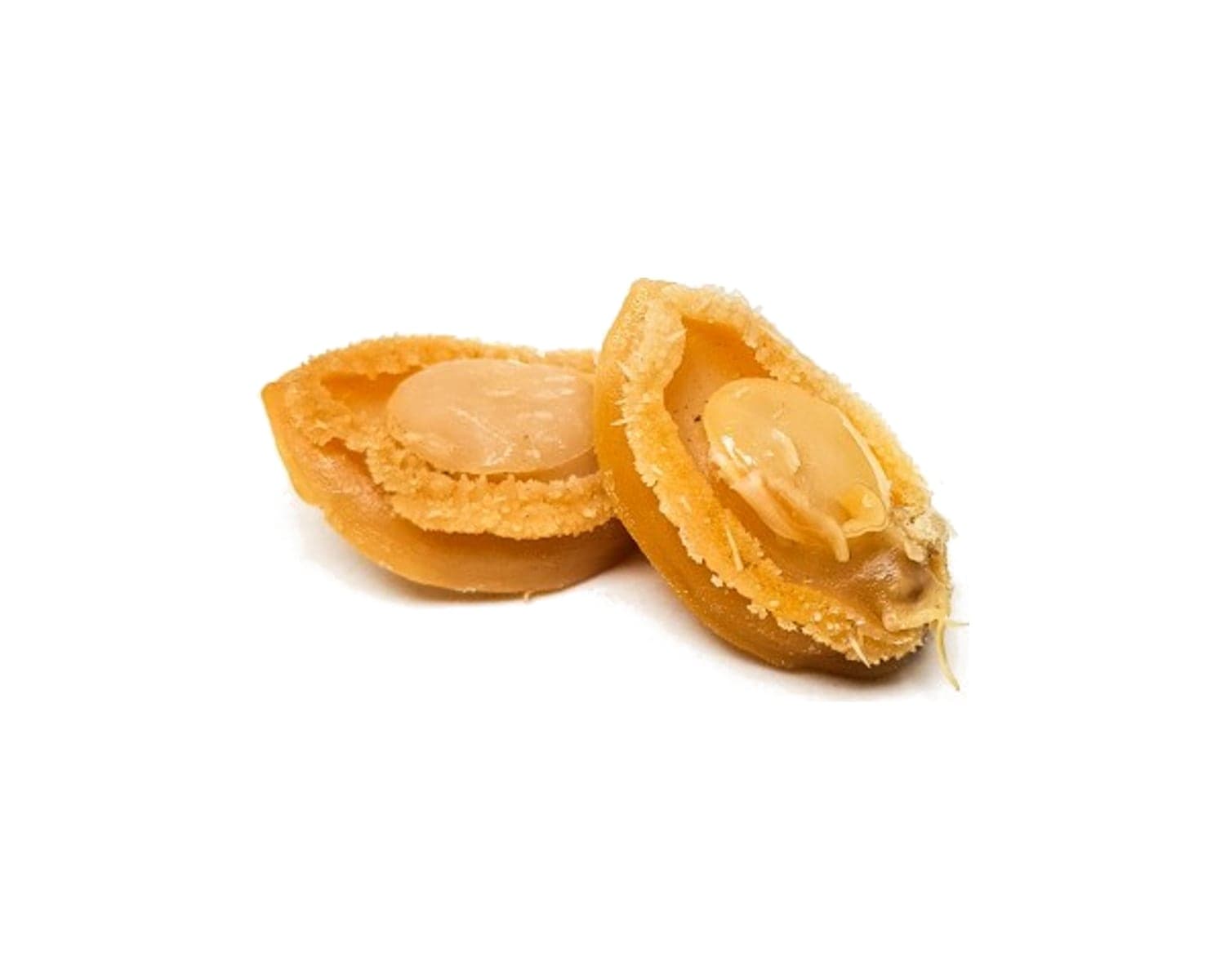
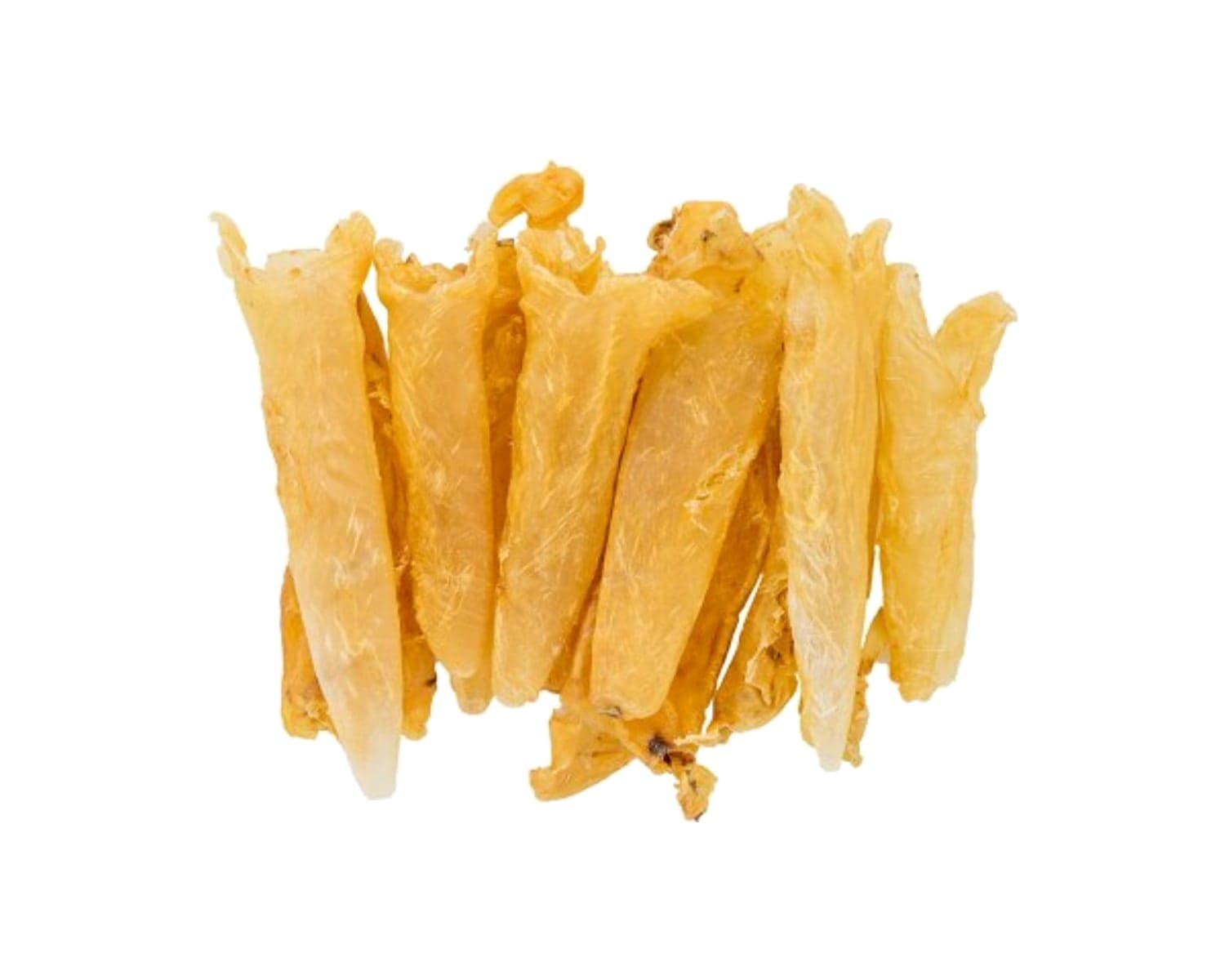
Dried sea cucumber is bought by the dry kilogram and served by the soaked portion, and the ratio between the two decides what a lot really costs. That ratio, the rehydration yield, is not a fixed property of the product. It moves with species, body wall thickness, how the animals were boiled and dried, how much salt and moisture remain, and how much sand is still inside. Two cartons at similar prices per kilogram can therefore deliver very different numbers of plated portions.
This guide covers the main commercial groups, the processing factors behind yield, a typical soaking method, and a worked cost calculation that buyers can adapt with their own trial figures. It is intended to be read alongside the grade and origin details on our dried sea cucumber page.
Key takeaways
- Contract on the scientific name; market labels alone do not identify the species.
- Yield can run from roughly 2–3× for some tropical species to substantially more for well-processed spiky types, so trial-soak before committing volume.
- Salt, residual moisture and sand are all bought at dry-product rates and lost during soaking and cleaning.
- Compare lots on cost per usable portion, including trim loss and soaking labor, not on price per dry kilogram.
- Teatfish and Thelenota species are listed in CITES Appendix II; confirm permits and current rules for your market.
The main commercial groups
Sea cucumbers are sold under dozens of market names, and several species can share a single label. Contract on the scientific name every time. The groups below account for much of the dried trade, though availability shifts with season, quota and destination rules.
- Spiky sea cucumber (Apostichopus japonicus): a cold-water species from Japan, northern China, Korea and the Russian Far East, both wild and farmed. Its prominent papillae and thick, springy body wall make it the reference product for many Chinese banquet menus.
- Tropical sandfish group (Holothuria species): led by sandfish (Holothuria scabra), which has a smooth, rounded body and a softer, more tender bite once soaked. Related species come from Southeast Asia, the Indian Ocean, northern Australia, the Pacific Islands and East Africa.
- Teatfish: the white and black teatfish group within Holothuria, high-value tropical species listed in CITES Appendix II.
- Prickly redfish and relatives (Thelenota species): large tropical animals, likewise listed in CITES Appendix II.
- Atlantic sea cucumber (Cucumaria frondosa): harvested in the North Atlantic, with a thinner body wall and softer texture, and sold whole as well as split or cut for foodservice and further processing.
- Species from the Americas, including Isostichopus and Holothuria species from the Caribbean and Eastern Pacific. Several are subject to national closures or export controls; Isostichopus fuscus, for example, has been listed in CITES Appendix III by Ecuador.
For CITES-listed species, legal trade requires valid export permits from the country of origin and, depending on the destination, import documentation as well. Listings and national rules are revised from time to time, so confirm the current position for your market before contracting.
What drives rehydration yield
Yield is normally expressed as soaked weight divided by dry weight. It can vary from roughly 2–3× for some tropical species to substantially more for well-processed spiky types, and the spread within one species can also be wide. Always trial-soak before committing volume. The main drivers are:
- Species and body wall thickness. Thick-walled animals take up more water and keep more usable flesh after cleaning; thin-walled species soften with less expansion.
- Drying method and intensity. Animals dried hard and fast, or exposed to excessive heat, can rehydrate unevenly and stay firm at the center. Slower, controlled drying tends to give more consistent results.
- Salt content. Salted styles carry weight in salt that leaches out during soaking, so a heavily salted lot buys less sea cucumber per kilogram. Light-dried, low-salt styles usually give more predictable yields.
- Residual moisture. A partly dried lot contains water paid for at dry-product rates; it shows a lower soaked-to-dry ratio and carries a higher mold risk.
- Sand and internal residue. Sand in the body cavity and remnants of internal organs add dry weight that is discarded during cleaning.
- Boiling before drying. Under-boiled animals may not hold their shape, while over-boiled ones shrink and can split, cutting the number of whole portions.
None of these can be judged reliably from a photograph. A trial soak of pieces drawn from the lot on offer is the only dependable source of a yield figure, and it should be repeated whenever the origin, processor or season changes.
A typical soaking protocol
Methods differ between kitchens and between species, and many chefs have their own refinements. The sequence below reflects a common approach for spiky types and works as a starting point for trials. Tropical species often need longer simmering, and some need extra preparation, such as scraping away a hard outer layer before soaking.
- Rinse the dried pieces, then soak them in clean, cold water in a chiller for around two to three days, changing the water at least once a day.
- Transfer to fresh water, bring to a gentle simmer for a time that depends on size and species, then leave the pieces to cool in the cooking water.
- Slit the underside lengthways, remove sand, the internal membrane and the hard mouth ring, and rinse thoroughly.
- Return to fresh cold water in the chiller and repeat the simmer-and-soak cycle until the desired texture is reached, which can take several more days.
- Drain and weigh, then cook or hold chilled or frozen in line with your food safety plan.
Calculating landed cost per usable portion
Price per dry kilogram is only a starting point. To compare lots, convert each into a cost per usable portion using four inputs: landed cost per dry kilogram (including freight, duty, insurance and handling), measured trial yield, trim loss during cleaning, and your standard portion weight. Usable weight is dry weight × yield × (1 − trim loss); divide it by portion weight to get portions, then divide landed cost by portions.
| Line | Lot A (illustrative) | Lot B (illustrative) |
|---|---|---|
| Landed cost per kg dry | 1,000 price units | 600 price units |
| Trial-soak yield (soaked ÷ dry weight) | 5.0× | 2.5× |
| Soaked weight from 1 kg dry | 5.0 kg | 2.5 kg |
| Trim and cleaning loss | 10% | 15% |
| Usable weight | 4.5 kg | 2.125 kg |
| Portion size | 60 g | 60 g |
| Usable portions (rounded down) | 75 | 35 |
| Cost per usable portion | 13.3 price units | 17.1 price units |
In this hypothetical comparison, Lot B costs 40% less per dry kilogram but roughly 29% more per usable portion. Add the costs the table leaves out: labor and utilities for a soak that can run over several days, chiller space, and pieces that break or fail. Portion weights also vary by application, since a whole-piece banquet serving and a diced soup garnish use very different amounts. Kitchens that would rather skip rehydration can set these figures against frozen sea cucumber, which is typically supplied already soaked and cleaned.
Defects that undermine yield
Several defects reduce yield or usable portions directly. Inspect pieces drawn from several cartons rather than the top layer of one.
- Salt bloom: a white crystalline crust on the surface. A light trace can be normal for salted styles; a heavy bloom signals excess salt that adds weight and can affect flavor.
- Cracked or broken bodies: splits caused by over-boiling, rough handling or over-drying. Broken pieces may still suit soups but should be graded and priced as a separate grade.
- Incomplete drying: pieces that bend, feel tacky or smell musty. They carry excess moisture and are prone to mold in transit and storage.
- Sand and grit: visible grit, or pieces that feel heavy for their size, pointing to poor cleaning before drying.
- Over-drying or scorching: very hard, darkened pieces that rehydrate slowly and unevenly.
- Chemical additives: buyers have long been wary of lots treated with sugar or other substances to add weight or improve appearance. Ask for a written declaration of anything used beyond water and salt, and test where doubt remains.
Agree defect tolerances in the specification before ordering, such as a maximum share of broken pieces per carton, so that any dispute is settled against a written standard rather than impressions.
Specifying and trialling before you commit
A sound purchase specification turns these variables into terms that can be checked on arrival. At minimum it should cover:
- Scientific name, origin and harvest or farm area
- Processing style (light-dried or salted) and drying method
- Count per kilogram or length band, with a tolerance
- Maximum moisture, plus allowances for broken pieces, salt bloom and sand
- Packing format and lot coding
Run the soaking protocol above on pieces from the lot itself, record every weight, and file the results under the lot reference. For CITES-listed or quota-managed species, build permit lead time into the schedule. Our guide on what importers need to know before ordering dried seafood covers documentation in more depth, and a small trial order lets you run a soak test of your own.
This guide is general trade information, not legal or regulatory advice. Requirements differ by market and change over time; confirm current rules with your customs broker or competent authority before ordering.