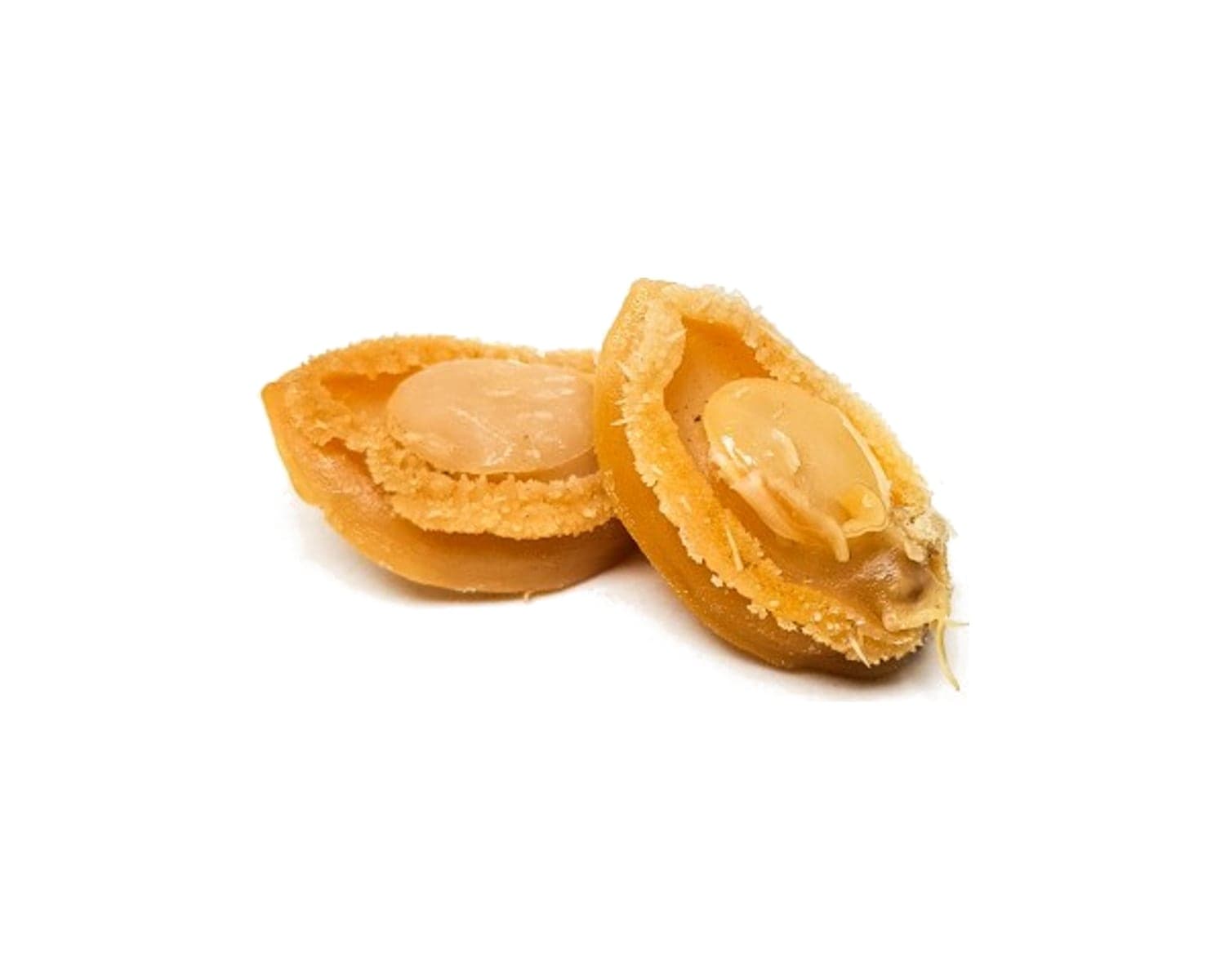
Premium Marine Delicacies
Dried Abalone
Wild and farmed abalone, sun-dried and graded by head count
Dried
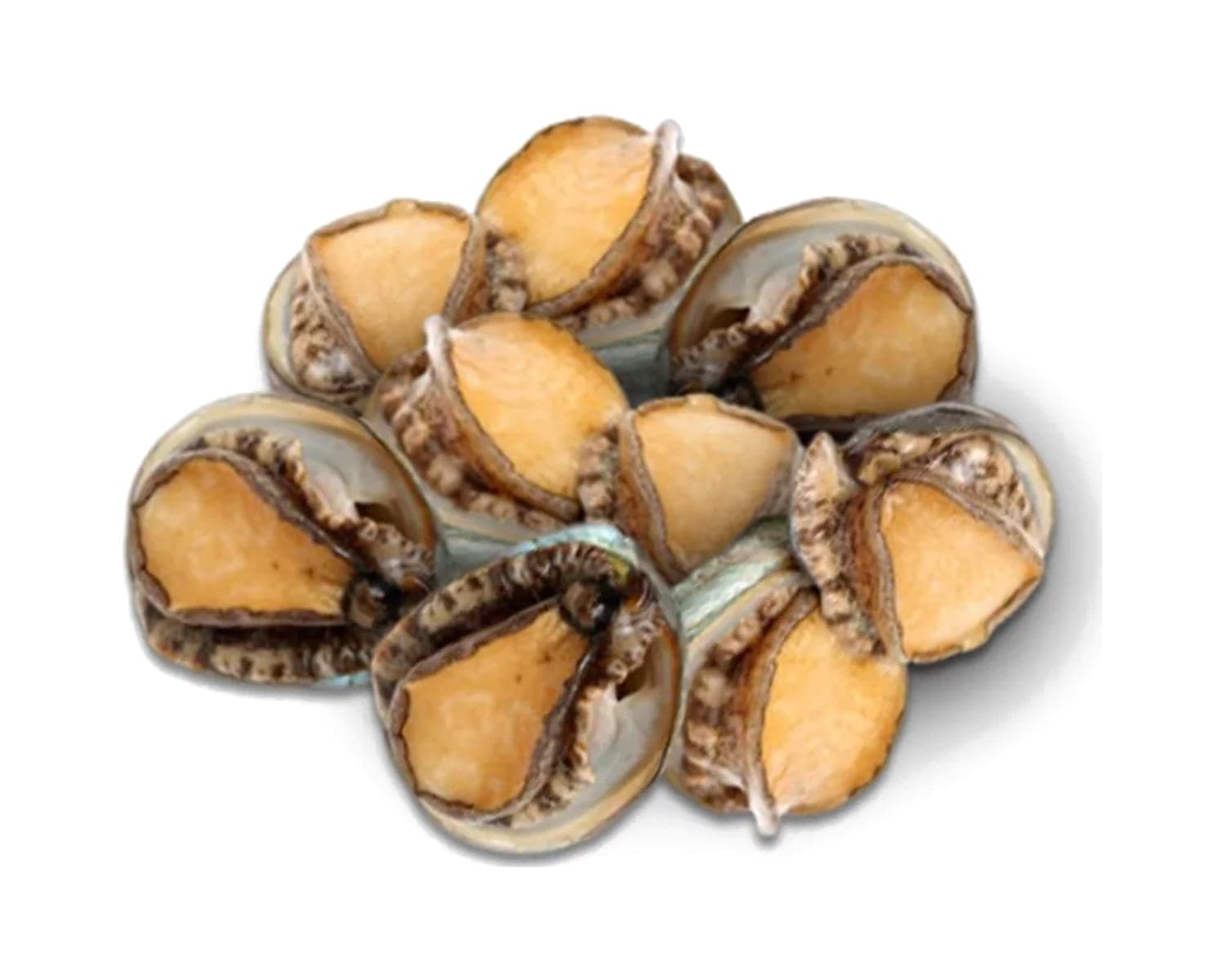
Farmed abalone in three frozen formats, whole in-shell, shucked meat and cooked ready-to-heat portions, sized by pieces per kilogram with the glazing percentage stated on every lot.
Indicative; confirmed per lot on each quotation.
Frozen abalone gives kitchens and distributors year-round access to a shellfish that would otherwise depend on live air freight or the long soaking of dried stock. As a frozen abalone supplier we concentrate on farmed product, which offers steady sizing and a documented production history, and every offer is specified by species, farm region, format and count per kilogram.
Most volume is Pacific abalone (Haliotis discus hannai) raised in Korea and northern China, valued for a tender, lightly springy bite at the smaller sizes. Farmed South African abalone (Haliotis midae) is available in larger sizes with a firmer chew, and Australian greenlip (Haliotis laevigata) and blacklip (Haliotis rubra), farmed or from managed fisheries depending on the lot, suit menus that name their origin. Which species we can offer at a given time depends on season and on what your destination accepts.
Formats cover whole in-shell abalone frozen individually or on trays; shucked meat with viscera removed, sold IQF (individually quick frozen) or in blocks; and abalone braised in sauce or brine, vacuum-packed and frozen so that it needs only reheating. Each lot is checked for count accuracy, glaze percentage (declared on the label and invoice so that net weight is clear), signs of dehydration or freezer burn, foot color and core temperature at loading. Product is held at -18 °C or colder from plant to port.
Buyers comparing presentations often weigh frozen stock against dried abalone, which gives a deeper, more concentrated flavor after slow braising, or against live abalone where routes and import rules make live supply practical.
Specification sheet
Indicative values. Final specifications are confirmed per lot on the quotation and certificate of analysis.
| Species | Haliotis discus hannai, H. midae, H. laevigata, H. rubra, by availability |
|---|---|
| Production | Farmed; Australian lots may be farmed or wild-harvested, stated per lot |
| Origin | Korea, China, South Africa, Australia; farm region declared |
| Formats | Whole in-shell, shucked meat (IQF or block), cooked ready-to-heat |
| Size | Pieces per kg, e.g. 10–12, 13–15, 16–20; others on request |
| Glazing | Percentage declared per lot; net weight stated excluding glaze |
| Temperature | -18 °C or colder throughout storage and transit |
| Shelf life | Typically 18–24 months frozen for raw formats; cooked formats as labeled |
| Documents | Sanitary certificate from the origin authority, certificate of origin, farm declaration and laboratory results on request |
| Minimum order | Typically from 200 kg per format for a first order, with mixed-pallet consolidation alongside other frozen lines by arrangement. |
| Lead time | Usually 3–5 weeks from confirmed specification; cooked formats can need extra time for production scheduling and label approval. |
FAQ
Our main line is farmed Pacific abalone (Haliotis discus hannai) from Korea and China. Farmed South African abalone (Haliotis midae) covers larger sizes, and Australian greenlip and blacklip are offered when supply allows. Each species has a slightly different texture and color once cooked, so we recommend a trial order before switching a menu item from one to another.
Glaze is the thin layer of ice that protects the surface from dehydration during frozen storage. We state the glaze as a percentage of gross weight on the invoice and carton label, and net weight is always given without it. If your market or customer sets a maximum glaze, or requires net weight to be verified after deglazing, tell us at inquiry stage and we will specify the lot to suit.
It is fully cooked and intended to be reheated, either in the pouch in simmering water or by warming the abalone in its sauce. Reheating instructions, sauce ingredients and allergen information are printed on each pack, and recipes can be adjusted for private-label programs with enough volume. Keep pouches frozen until use, and once thawed, keep them chilled and use them within the time shown on the label.
Frozen abalone keeps a fresher, more delicate texture and needs only thawing and cooking, which suits stir-fries, grilling and quick braises. Dried abalone needs days of soaking and slow braising but develops a denser bite and stronger flavor for banquet dishes. Preparation time and yield both shift the calculation, as our ingredient selection guide for restaurants and retail explains.
Related
Premium Marine Delicacies
Wild and farmed abalone, sun-dried and graded by head count
Frozen & Live Seafood
Pre-soaked, cleaned and IQF, so kitchens skip rehydration
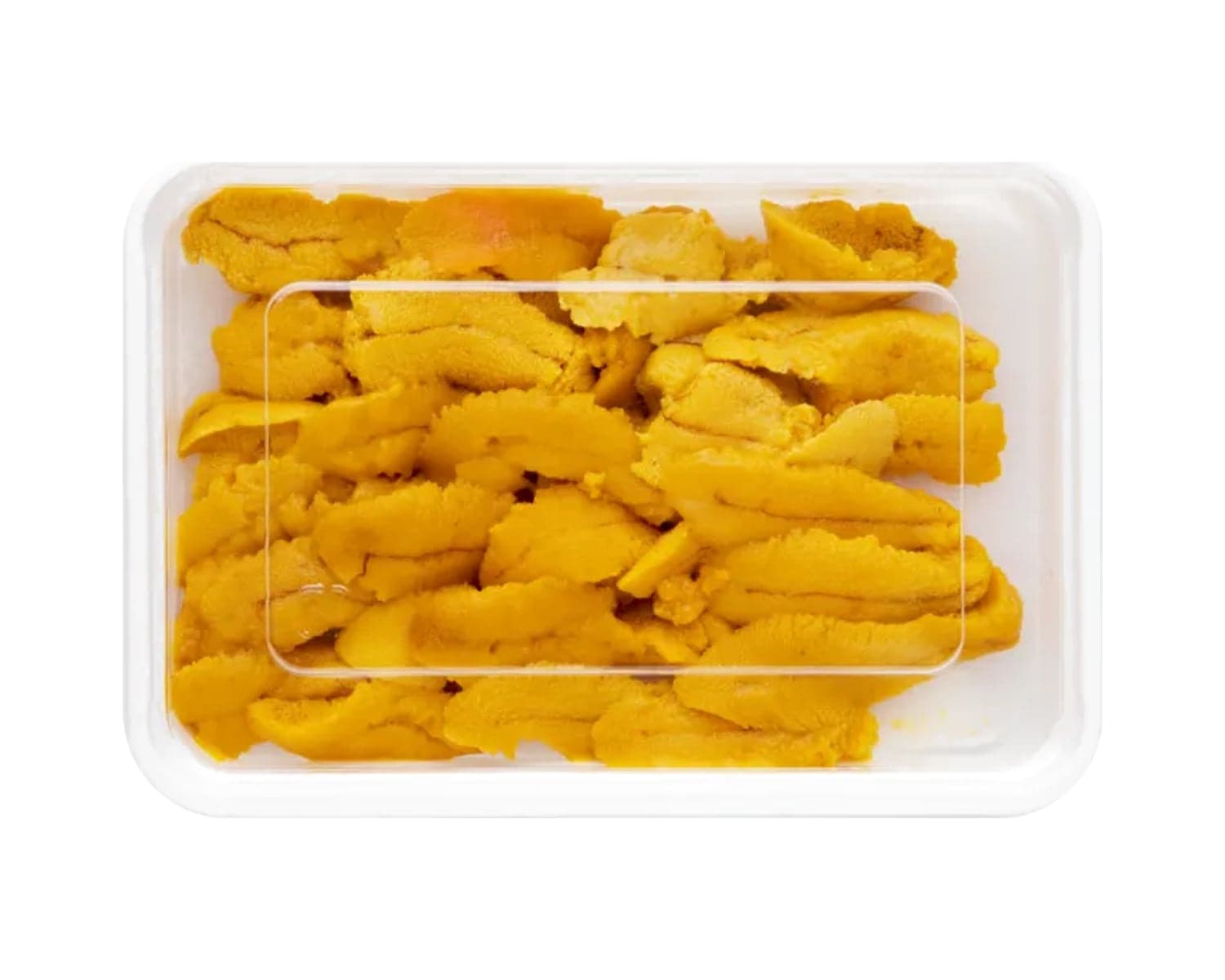
Frozen & Live Seafood
Chilled uni trays and frozen packs, graded by color and firmness
Species Profiles7 min read
Which Haliotis species reach the market, what each is called from Hong Kong to Cape Town, where farmed and wild abalone comes from, and how kitchens in Asia and North America cook it.
Read the guide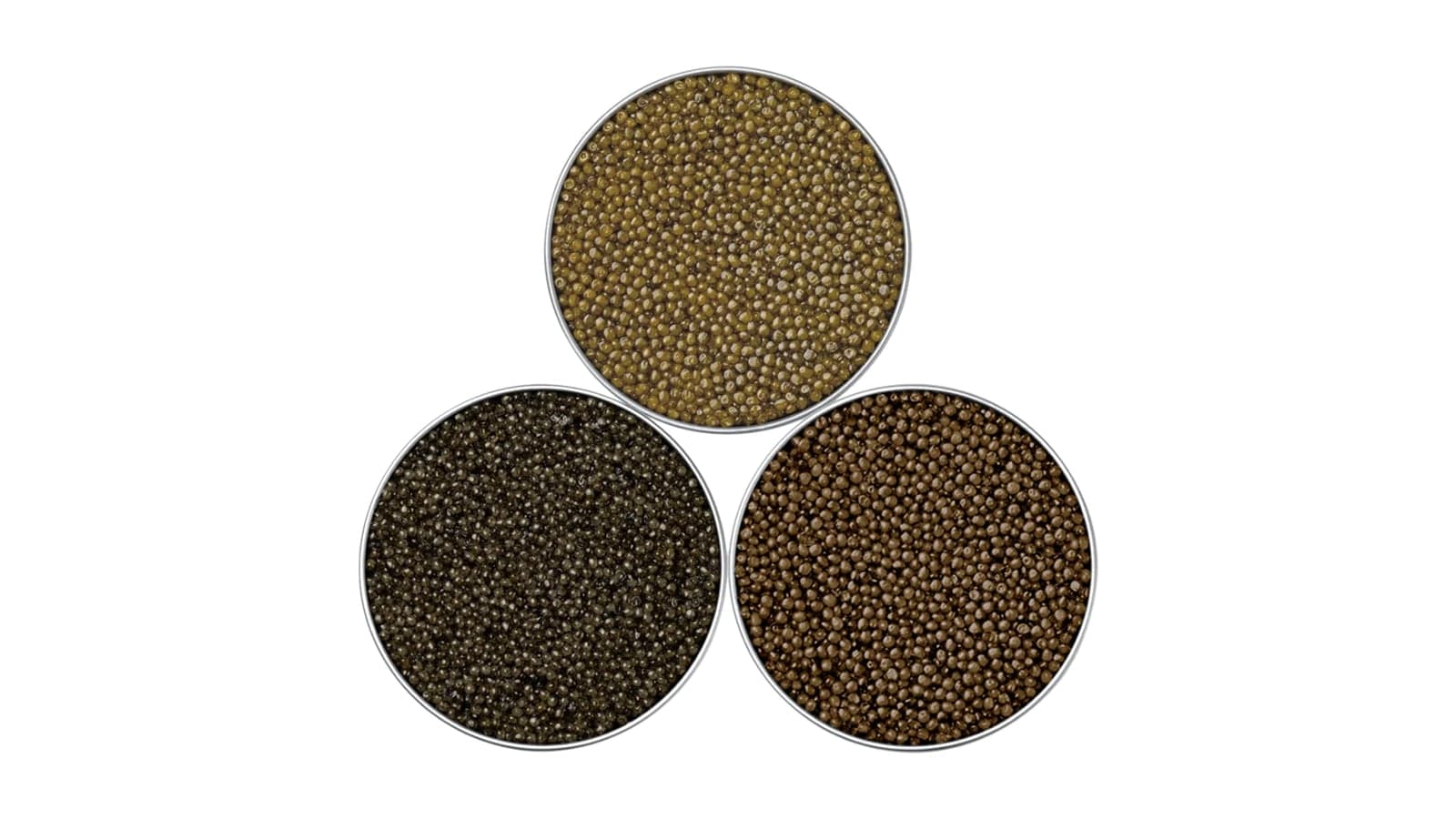
Buying Guide7 min read
How chefs, foodservice buyers and brand owners match grade and format to the application, compare suppliers on cost per portion, and keep quality consistent across orders and channels.
Read the guide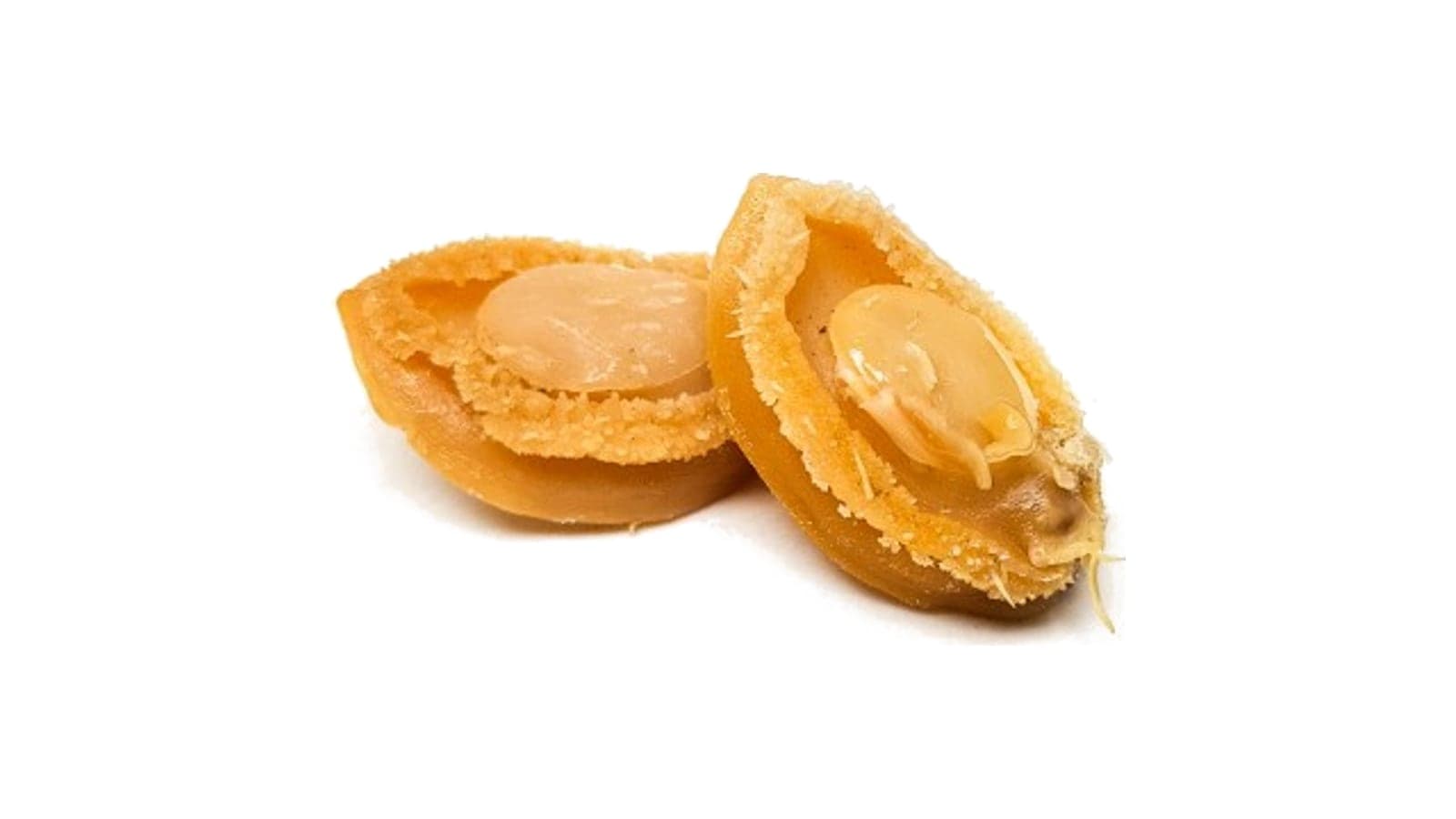
Storage & Handling7 min read
A practical guide to keeping high-value dried seafood in sound condition, from warehouse humidity control and chilled holding to handling after rehydration.
Read the guideRequest a quote
Share your target grade, packing, volume and destination. We confirm availability, documentation for your market and a formal quotation, usually within one business day.