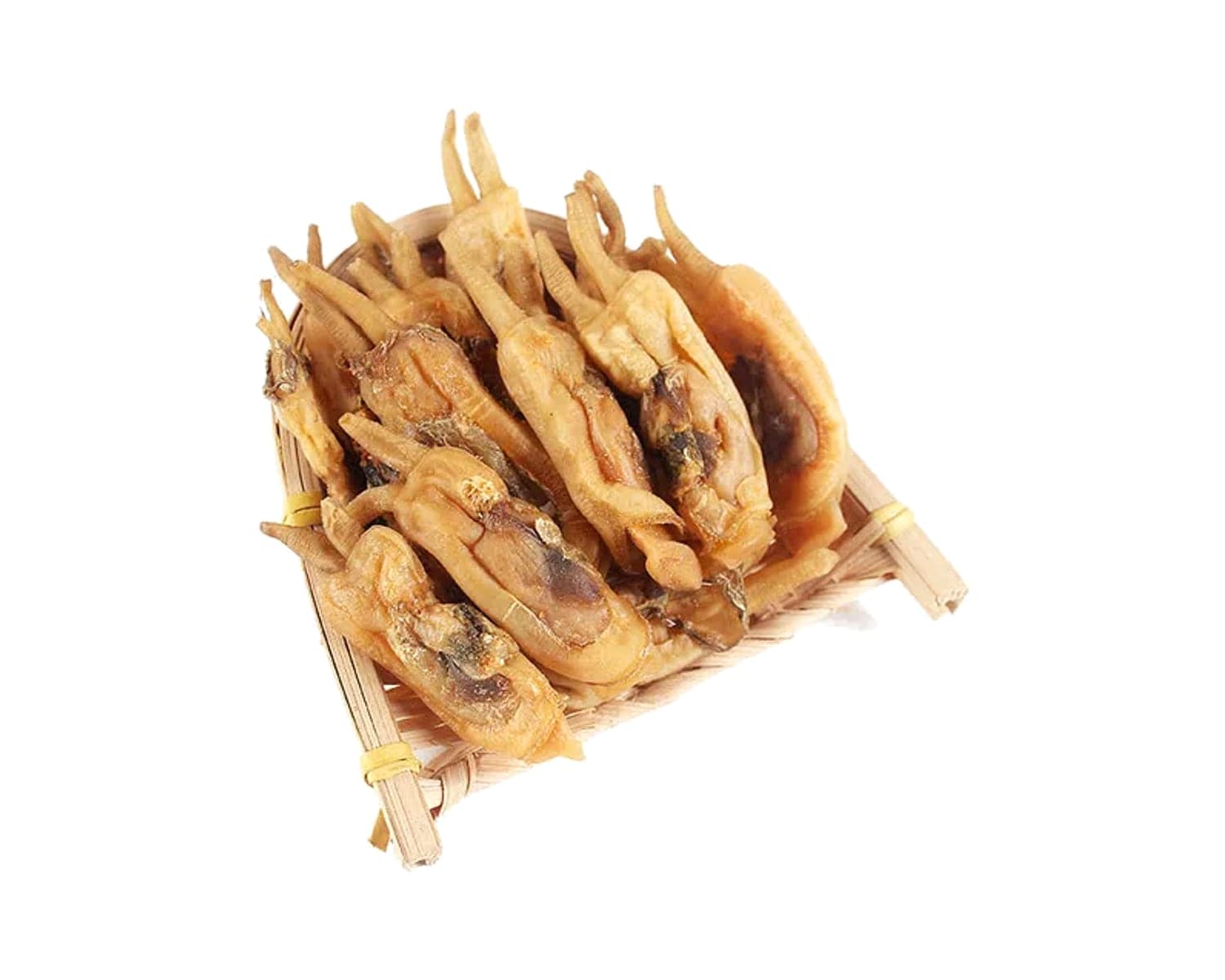
Specialty Dried Seafood
Dried Razor Clams
Sun-dried razor clam meat, length-graded and grit-checked
Dried
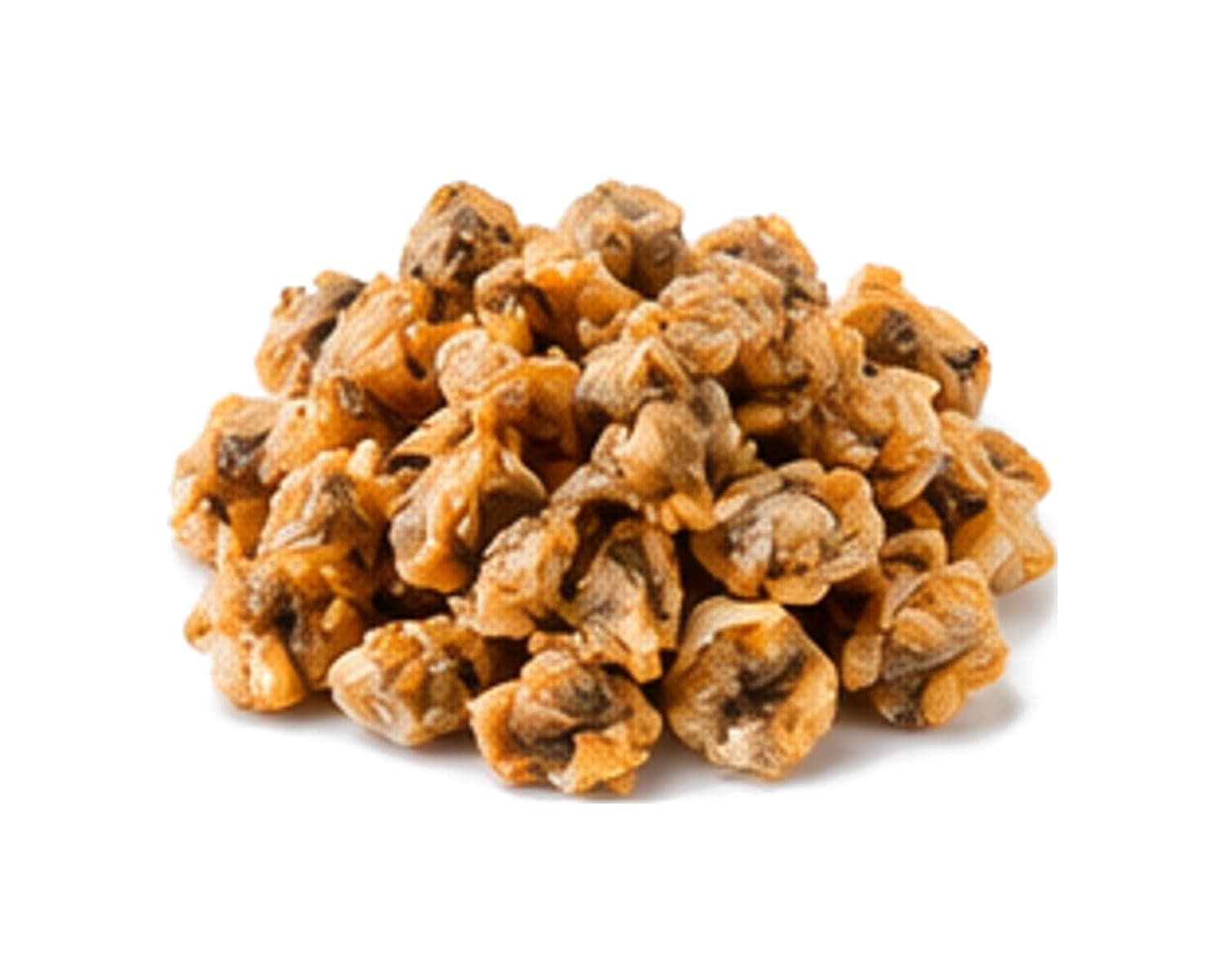
We supply dried clam meat to food manufacturers, sauce makers and Asian foodservice distributors, specified by species, size and an agreed grit-control standard.
Indicative; confirmed per lot on each quotation.
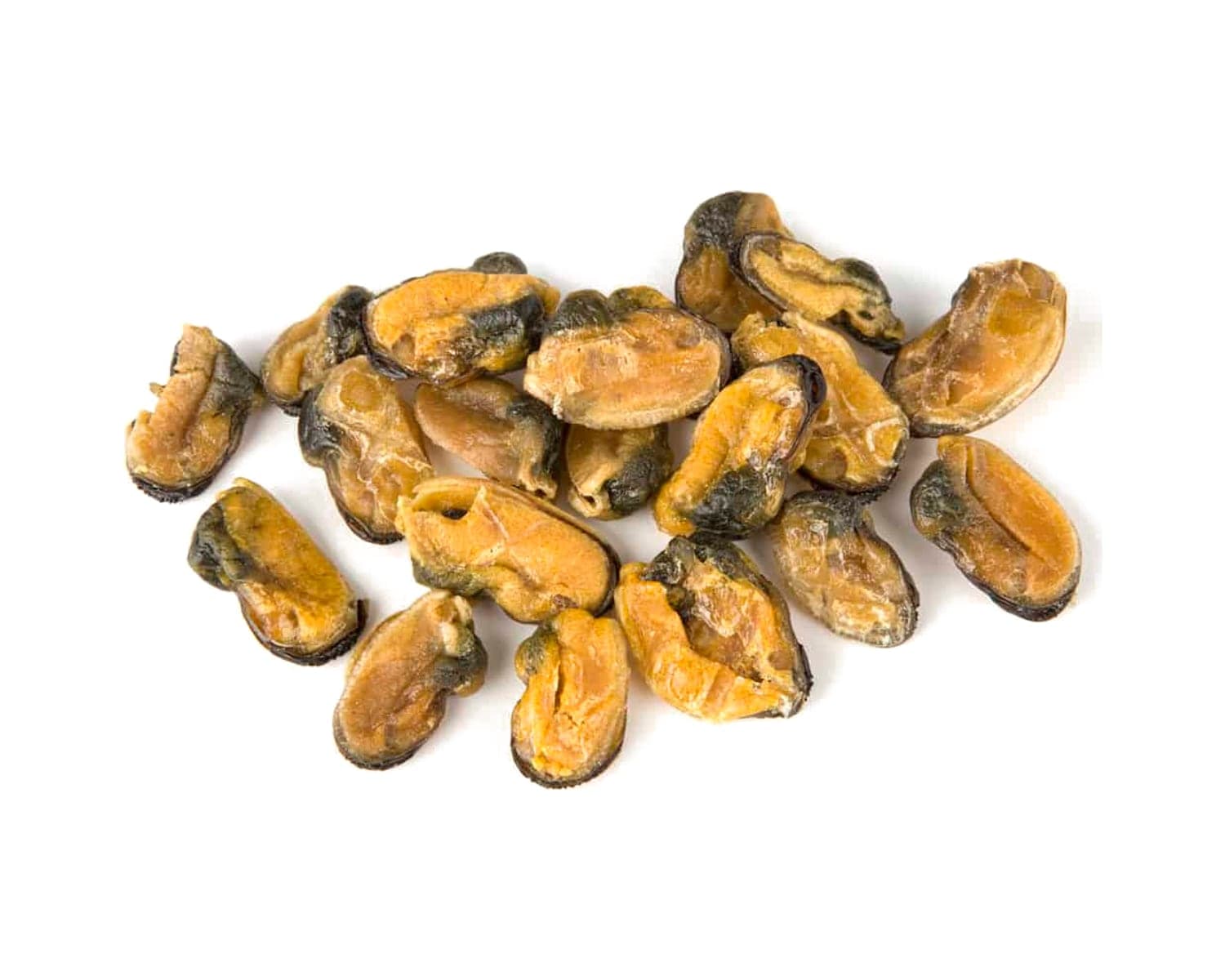
Dried clam meat is a quiet workhorse of Asian cooking. It brings a sweet, briny depth to soups, congee and braised vegetables, and it is a common ingredient in XO-style condiments, seasoning bases and noodle toppings made by food manufacturers. The product is the shucked meat of cooked clams, dried until firm and shelf-stable, and it is sold whole or as broken pieces depending on the end use.
Supply draws on several bivalve groups. Surf clams of the Mactra genus are widely used for larger, meatier pieces; Manila clam (Ruditapes philippinarum) gives smaller, more delicate meat; and hard clams of the Meretrix genus are processed in some regions. Most product comes from coastal China, with Korea and South-East Asia supplying smaller volumes, and the species and harvest area are confirmed on each offer.
Grit is the defining quality issue, because a single sandy piece can spoil a bowl of soup or a jar of sauce. Good processors purge live clams in clean seawater before cooking, wash the meat after shucking and sieve the dried product to remove loose sand and shell. We inspect each lot by bite-testing rehydrated pieces as well as visually, and lots with detectable grit in the meat are rejected. Moisture, salt, color (pale cream to golden), odor and shell fragments are recorded too.
Manufacturers usually specify a broken or small grade with tight grit and moisture limits, while restaurants and retailers prefer whole, evenly sized meat. Mollusc allergen rules in the EU and UK apply to clam meat, and manufacturers need to carry that declaration through to finished-product labels. Buyers developing a seafood condiment often combine clam meat with dried shrimp and dried scallops.
Specification sheet
Indicative values. Final specifications are confirmed per lot on the quotation and certificate of analysis.
| Species | Mactra spp., Ruditapes philippinarum, Meretrix spp.; declared per lot |
|---|---|
| Harvest area | Coastal region and FAO area declared per lot |
| Grade / size | Count per kg or size band; whole, small and broken grades |
| Processing | Purged, cooked, shucked, washed, dried and sieved |
| Grit / sand | Bite-tested after rehydration; lots with detectable grit rejected |
| Moisture | Typically below 20%, confirmed per lot |
| Allergen | Mollusc |
| Shelf life | Typically 12 months sealed; quality holds longer when chilled |
| Packing | 10–20 kg cartons; 1 kg vacuum packs; 200–400 g retail bags |
| Documents | Invoice, packing list, certificate of origin, species and harvest-area statement; health certificate where applicable |
| Minimum order | From 200 kg for broken manufacturing grades and 50 kg for whole foodservice grades. |
| Lead time | Usually 3–5 weeks, depending on harvest timing and any additional sieving needed to meet grit limits. |
FAQ
Control starts before cooking, with live clams purged in clean seawater so they expel sand. After shucking, the meat is washed and the dried product is sieved. Our lot check soaks and bite-tests pieces drawn from across the carton, because visual inspection alone misses sand trapped inside the meat. Failed lots are reworked or rejected, never blended into passing stock.
Small or broken grades are the usual choice: the meat is chopped or minced in production, so appearance matters less than flavor, grit control and consistent moisture. We can draw up a raw-material specification with your QA team covering size, moisture, salt and foreign-matter limits, and keep it fixed across repeat orders so your recipe performs the same each batch.
In general, surf clam meat is larger and firmer with a pronounced sweet, briny flavor, which suits soups and sauces where the clam must hold its own. Manila clam meat is smaller and more tender, making it a good fit for congee, steamed egg and retail packs where presentation counts. Character varies by origin, so comparing both side by side is worthwhile.
Yes. We share photographs of the actual lot before shipment, and a small trial order lets you test the grade if you are still choosing between species. Mention your intended application in the request, as it helps us decide between surf clam and Manila clam meat. Request a quote to get started.
Related
Specialty Dried Seafood
Sun-dried razor clam meat, length-graded and grit-checked
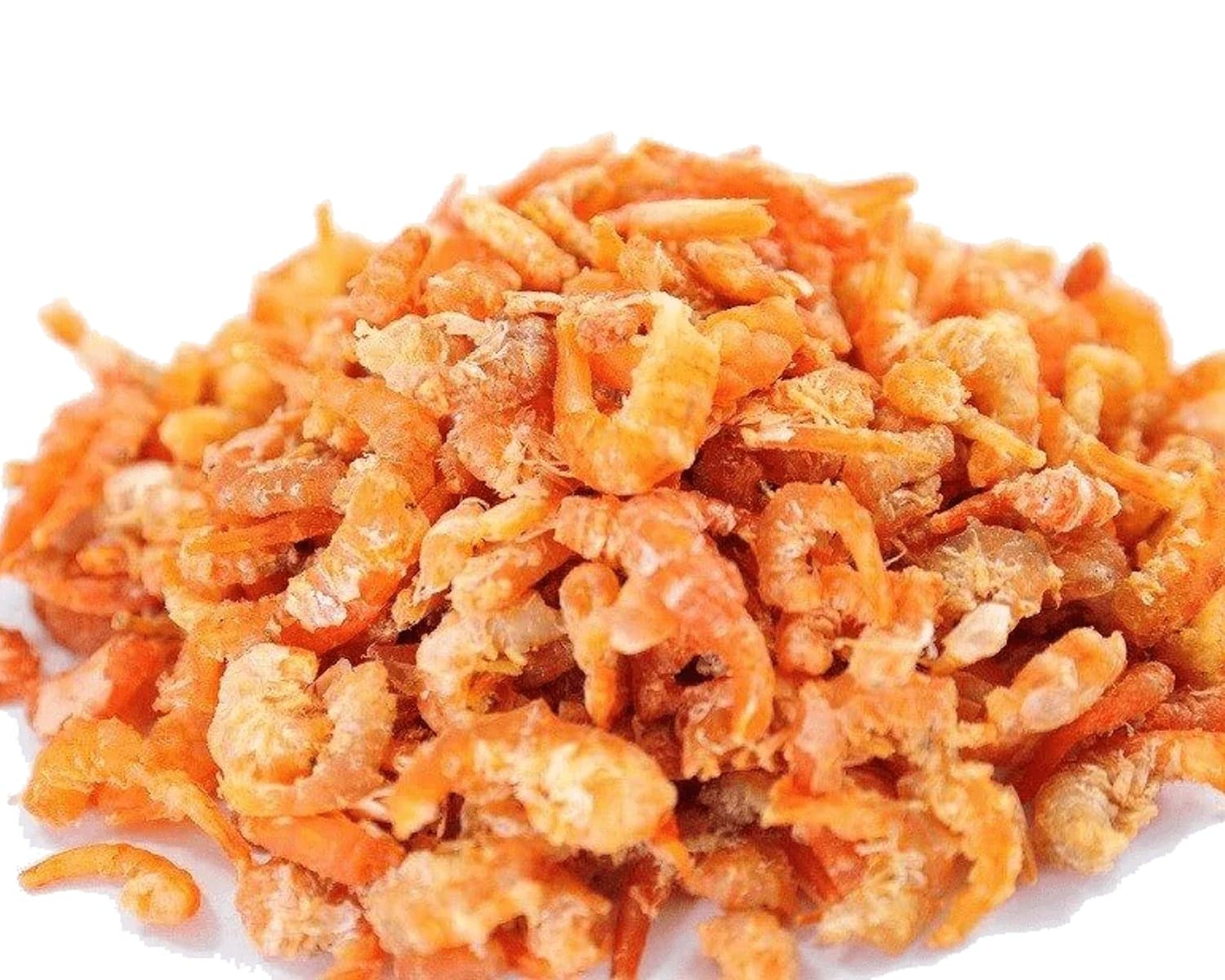
Specialty Dried Seafood
Peeled dried shrimp and shell-on prawns, sorted by size
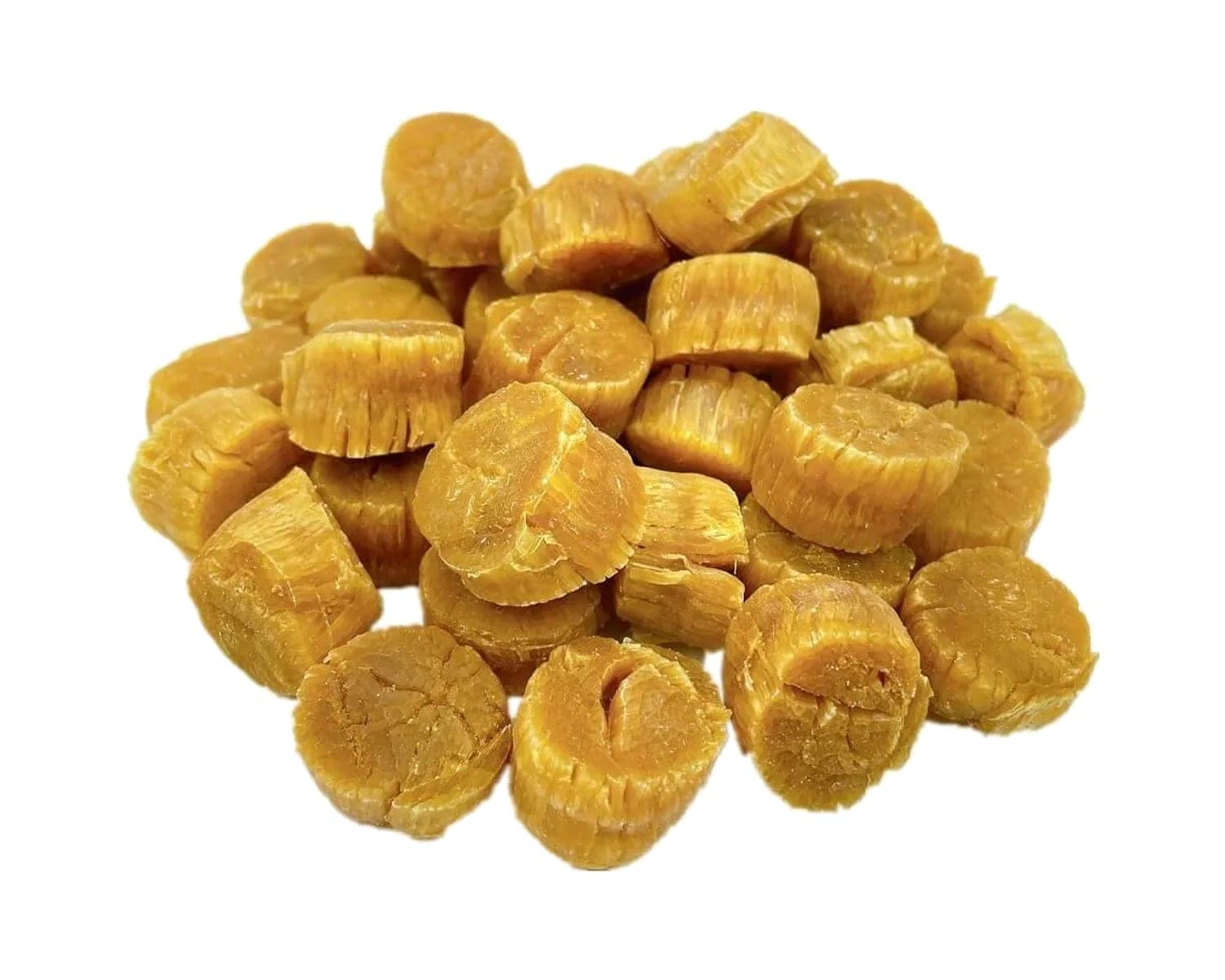
Premium Marine Delicacies
Hokkaido, Aomori and Chinese adductors by diameter and count
Species Profiles7 min read
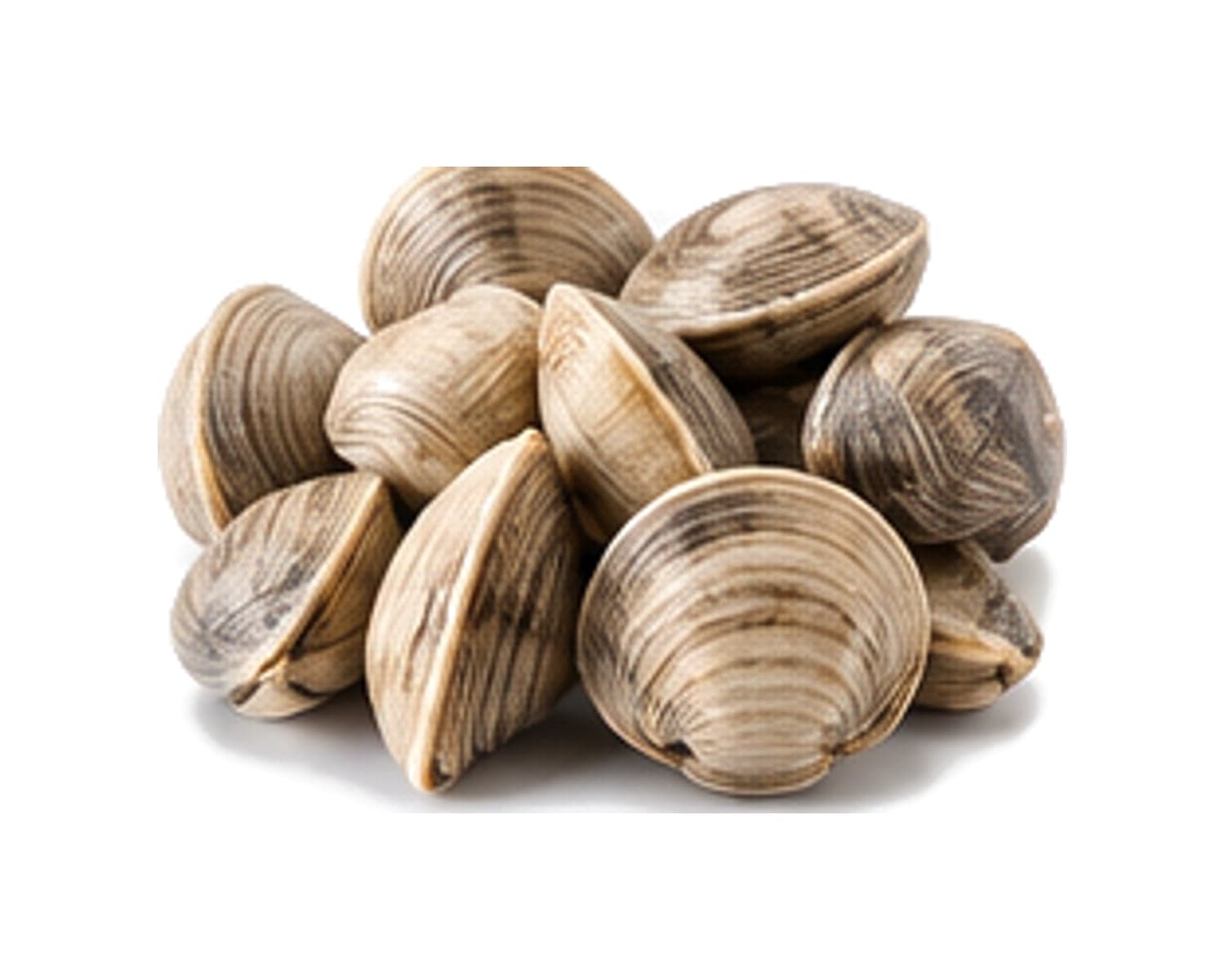
A field guide to the clams that matter in trade, from the Manila clam farmed on Asian mudflats to the quahog of New England, with the names, shells and dishes that set each one apart.
Read the guide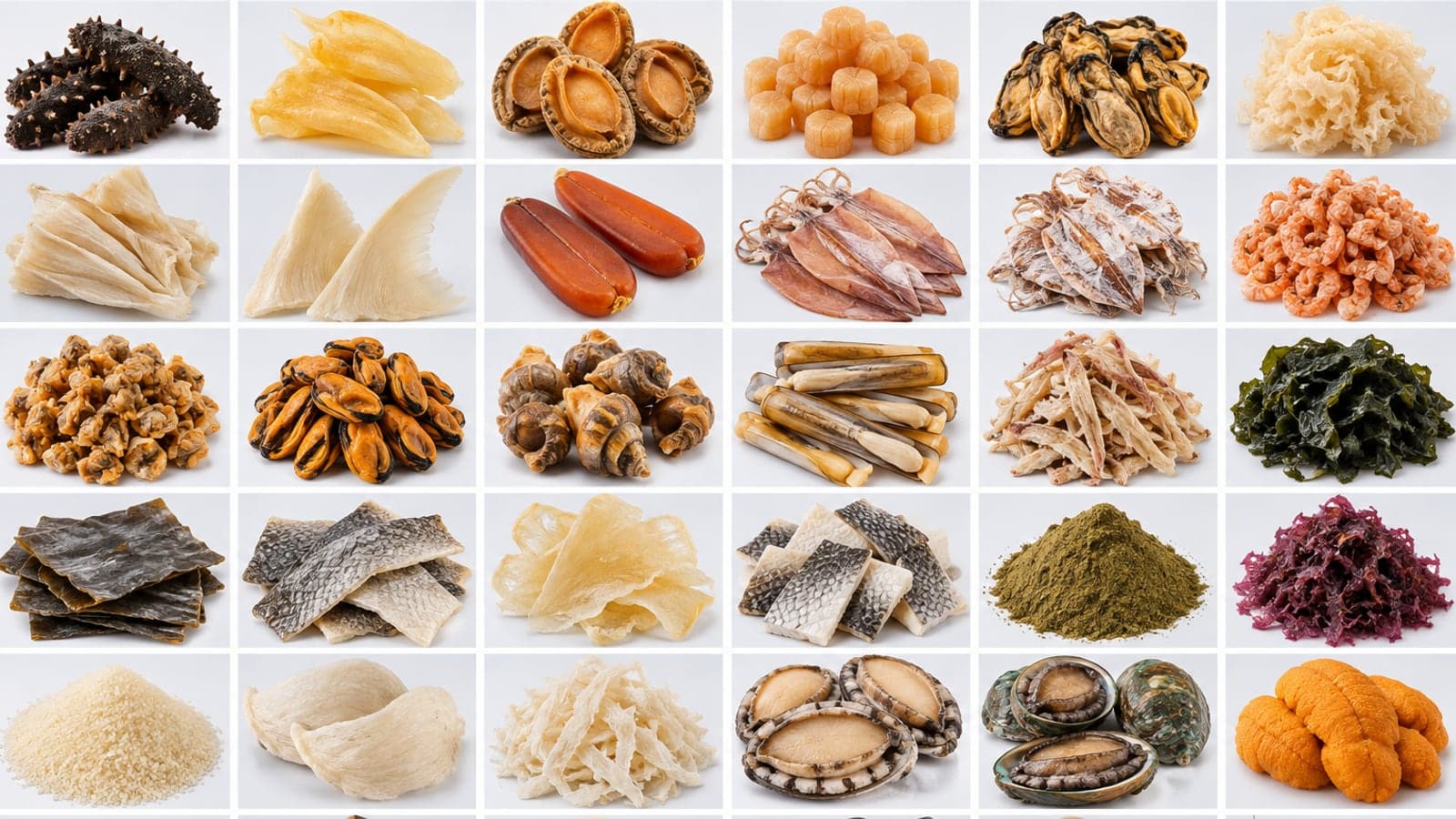
Import & Compliance7 min read
The market-access, species, documentation, classification and commercial checks an importer should complete before placing a first order for dried seafood.
Read the guide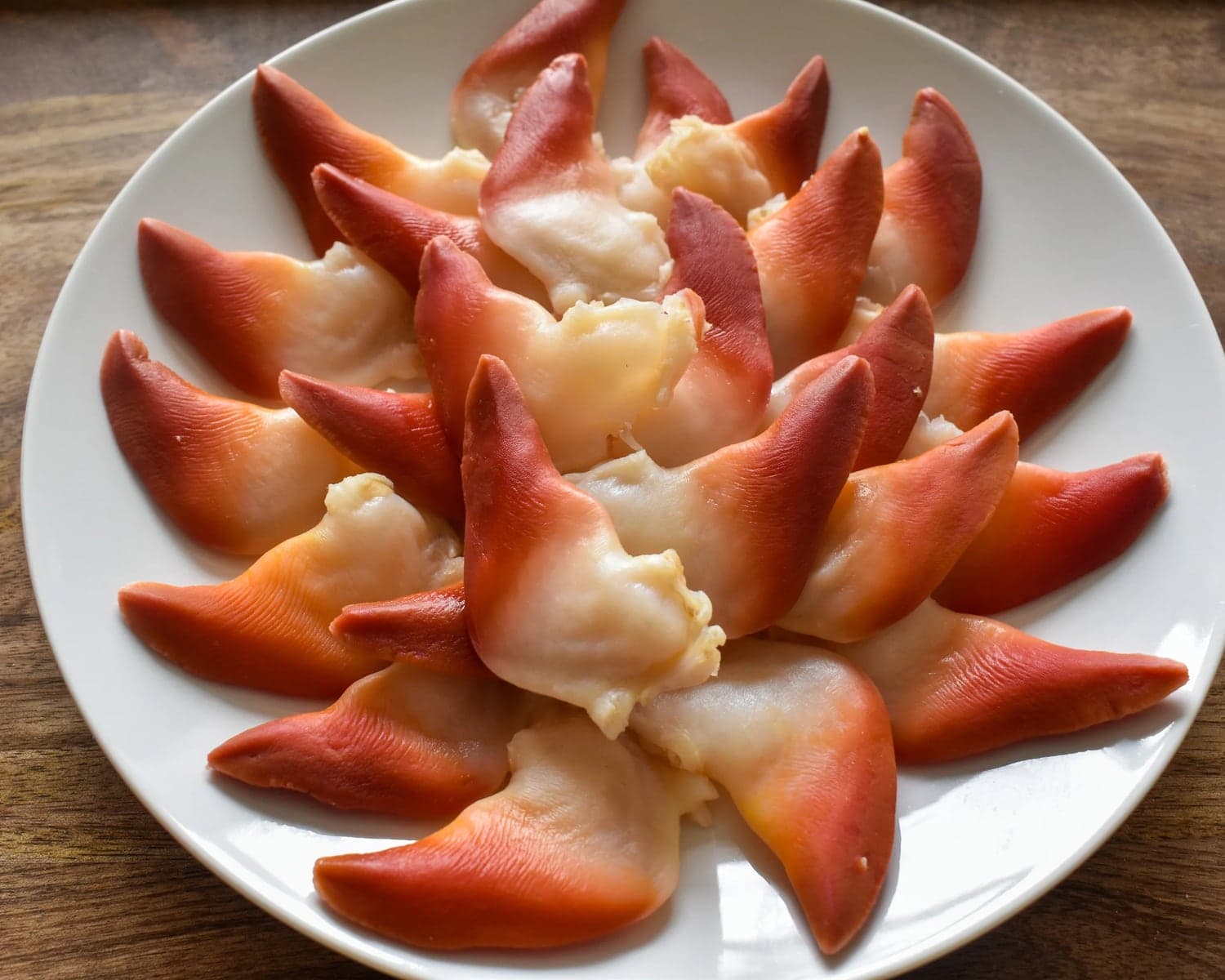
Species Profiles6 min read
Two very different products share the name surf clam: the red-tipped Arctic clam sliced for sushi and the big Atlantic clam cut into strips and chowder meat. Here is how they, and their Japanese cousin, differ.
Read the guideRequest a quote
Share your target grade, packing, volume and destination. We confirm availability, documentation for your market and a formal quotation, usually within one business day.