- Private-label packing
- Export documentation
Value-Added Seafood
Breaded and Tempura Shrimp for Retail, Foodservice and Private Label
BSA Food Products supplies breaded, battered and tempura-coated vannamei shrimp from Thailand, specified by style, raw shrimp count, shrimp-to-coating ratio and cook status, for retail freezer ranges, restaurant chains and own-brand programs.
- Panko, coconut, popcorn, butterfly, torpedo and tempura styles
- Raw shrimp count stated before coating, 16/20 to 41/50
- Shrimp-to-coating ratio agreed and checked by stripping
- Raw, par-fried or fully cooked, named on every offer
- Retail boxes, party packs, foodservice bags and bulk cartons
- Own-brand packs with printed cooking instructions
Product Specifications
Indicative; confirmed per lot on each quotation.
- Origin
- Processed in Thailand, or in Indonesia by arrangement, from farmed vannamei; the shrimp’s farm country is declared per lot and checked against destination rules.
- Grade / Size
- Raw shrimp count per lb before coating (16/20, 21/25, 26/30, 31/40, 41/50); popcorn from smaller peeled pieces; finished piece weight stated for each style.
- Form & Processing
- Peeled and deveined, tail-on or tail-off; round, butterfly or stretched; predusted, battered and crumbed, or tempura-battered; raw, par-fried or fully cooked, then IQF frozen.
- Storage
- Keep at -18 °C or colder and cook from frozen as the pack directs; coated shrimp that has partly thawed loses its crispness and should not be refrozen.
- MOQ
- Usually one 20 ft reefer per program, roughly 7–8 t of packed product depending on format (indicative); styles and counts can be mixed within it.
- Lead Time
- Typically 4–6 weeks for a running recipe; allow longer for new coatings, sample rounds and private-label artwork.
Product overview
Coated shrimp is bought on two weights, not one: the weight of the finished piece and the weight of shrimp inside it. A carton of 21/25 panko butterfly shrimp at 50 percent shrimp and another at 70 percent can look identical on a freezer shelf, yet they cost, fry and eat quite differently. Every offer we send therefore gives the shrimp count before coating, the declared shrimp-to-coating ratio, the coating system and whether the piece is raw or par-fried. This page brings the breaded and tempura ranges together, because most buyers who source one end up comparing it with the other.
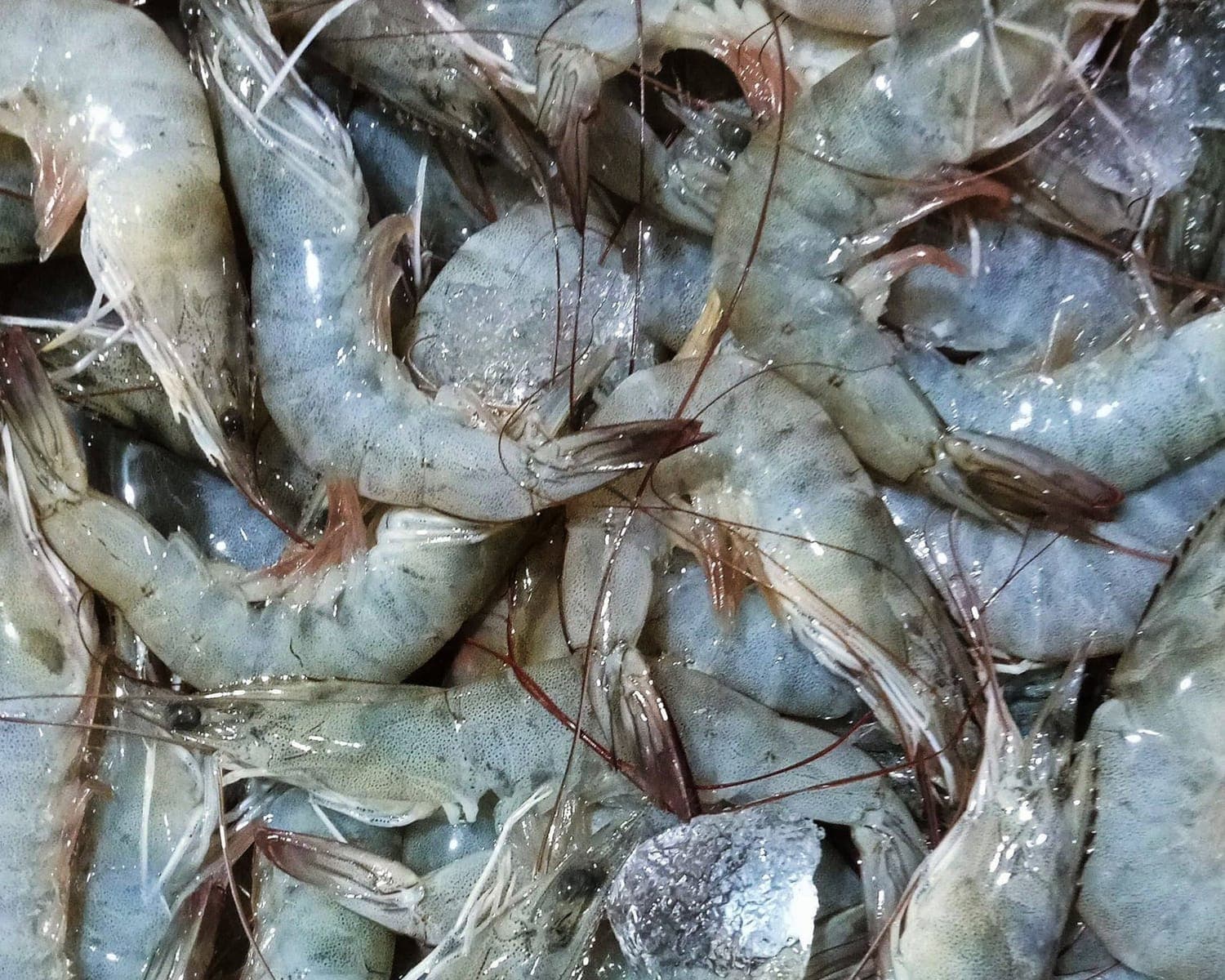
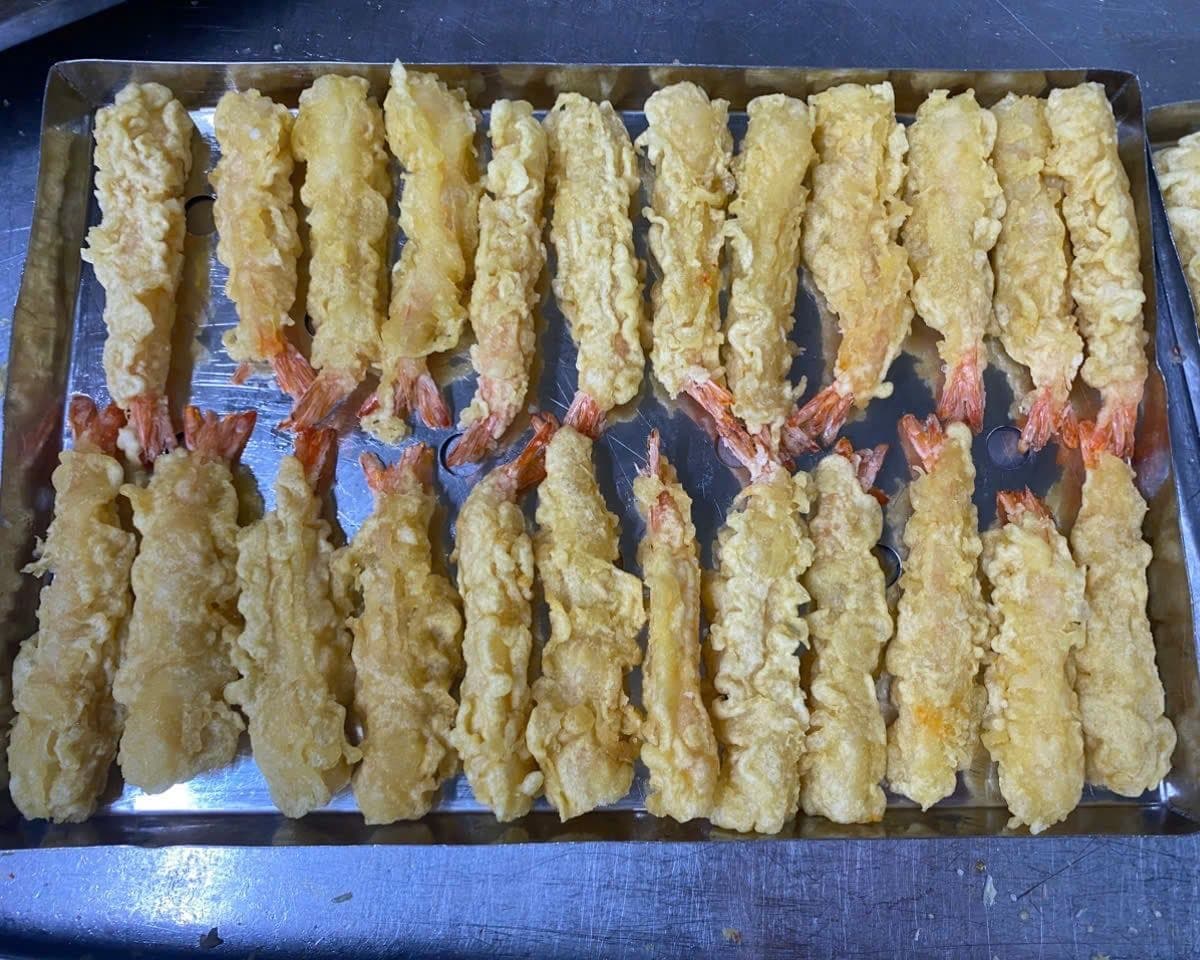
The base is farmed whiteleg shrimp (Penaeus vannamei), peeled, deveined and usually left tail-on, with the farm country declared for each lot; uncoated shrimp for buyers who bread their own is listed under vannamei shrimp. Breaded styles cover Japanese-style panko on round or butterfly cuts, fine and coarse crumb, coconut crumb, and popcorn shrimp made from small peeled pieces in a seasoned crumb. Torpedo shrimp are straightened and stretched before coating, which gives a long, slim piece that stands up on a plate. On the tempura side, stretched tail-on shrimp are dipped in a thin wheat-flour batter and par-fried until the coat sets crisp and lacy, and butterfly tempura, torpedo tempura and mixed party packs complete the line.
Coatings are built in layers, typically a predust, a batter or liquid binder and then crumb, and pickup is controlled at each station so the finished piece lands on the agreed ratio. Raw breaded shrimp leaves the line uncooked; par-fried pieces pass briefly through hot oil to fix the coating but still need full cooking by the end user; fully cooked lines are made only when a specification calls for them and the heat step has been validated. Before release, samples are checked for count, for shrimp content by stripping the coating from weighed pieces, for adhesion and bare patches, tail color and breakage, clumping in IQF bags, and in a test fry for blow-off and even browning. Our guide to shrimp count, glazing and net weight explains how the raw count is fixed before any coating goes on.
Packs run from 250 g, 400 g and 500 g retail boxes and 1 kg club-store cartons to 1–2.5 kg foodservice bags and 3–10 kg bulk cartons, with tempura often laid in trays so tails and batter arrive whole. Quick-service and casual-dining chains use popcorn and butterfly shrimp for baskets and sharing plates, Japanese restaurants and sushi bars take tempura and ebi fry for rolls and set meals, and supermarkets and caterers buy boxed retail and party packs. Own-brand boxes, crumb color, seasoning and printed cooking instructions are arranged through our private-label service, and coated shrimp can share a reefer with fish fingers or marinated seafood.
Specification sheet
Breaded and Tempura Shrimp: full specification
Indicative values. Final specifications are confirmed per lot on the quotation and certificate of analysis.
| Species | Penaeus vannamei (whiteleg shrimp), farmed; farm country per lot |
|---|---|
| Styles | Panko, coconut, popcorn, butterfly, torpedo; tempura tail-on, butterfly and torpedo; party packs |
| Count | Raw shrimp per lb before coating, 16/20 to 41/50 |
| Shrimp content | Percentage of finished weight, verified by stripping the coating |
| Cook status | Raw, par-fried or fully cooked; printed on each carton |
| Coating | Wheat-based crumb or batter; egg, milk or soy only if the recipe uses them |
| Freezing | IQF; tempura and torpedo styles usually tray-packed |
| Shelf life | Typically up to 18 months at -18 °C, set per recipe |
| Allergens | Crustaceans and wheat (gluten), plus any others in the coating |
| Documents | Health certificate, certificate of origin and a recipe-level ingredient and allergen statement; extra papers as the destination asks |
| Minimum order | Usually one 20 ft reefer per program, roughly 7–8 t of packed product depending on format (indicative); styles and counts can be mixed within it. |
| Lead time | Typically 4–6 weeks for a running recipe; allow longer for new coatings, sample rounds and private-label artwork. |
FAQ
Breaded and Tempura Shrimp: questions from buyers
What is the difference between raw, par-fried and fully cooked breaded shrimp?
Raw breaded shrimp has never been heated: the coating is set by freezing alone, and the shrimp must be fried or baked until cooked through. Par-fried shrimp has been passed briefly through hot oil so that the coating holds and colors faster in the kitchen, but the shrimp inside is still not cooked, so it needs the same full cooking. Fully cooked shrimp has been heated through at the plant under a validated process and only needs reheating. The three are labeled differently, so the cook status is fixed in the specification before production.
How is the shrimp content of coated shrimp checked?
Frozen pieces are weighed, the coating is softened and removed, and the shrimp alone is weighed again; the result is the shrimp share of the finished weight. Count is quoted on the raw shrimp before coating, so a 21/25 butterfly weighs noticeably more per piece once breaded than the count alone suggests. When you compare offers, line up the raw count, the shrimp percentage and the net weight of the pack, not the number of pieces in a box.
How does tempura shrimp differ from battered shrimp?
Tempura batter is thin and made mainly from wheat flour and starch, sometimes with egg, and it fries into a light, irregular shell through which the shrimp can be seen. Western-style batters are thicker, often leavened, and puff into an even golden coat. Tempura shrimp is also usually stretched first so that it fries straight, which suits sushi rolls and noodle toppings. Both are normally par-fried before freezing, and the batter recipe decides which allergens beyond crustaceans and wheat apply.
Can you match our existing breading or seasoning?
Yes. Send the current product or its specification, including crumb particle size, color, seasoning and target shrimp ratio, and we will run trial batches for comparison. Once a sample is signed off it is retained as the reference for color, coverage and fry performance on later runs. Request a quote with the style, count and pack format you need.
Related
Related products
Frozen & Live Seafood
Large Shrimp and Prawns
Argentine red, black tiger and vannamei, by count per kg or lb
Frozen
Buyer guides
Buying Guide7 min read
Frozen Shrimp Specifications: Count Size, Glazing and Net Weight
How to specify and check frozen shrimp: species and cuts, count notation per pound or per kilogram, glaze and net weight, IQF and block formats, defects, treatment declarations and an arrival routine.
Read the guide
Import & Compliance8 min read
Shipping Seafood: Reefer Containers, Cold Chain and Incoterms
A logistics guide for seafood buyers: reefer and dry-container shipping, temperature records, air freight for chilled and live product, where Incoterms 2020 place cost and risk, and the evidence a claim needs.
Read the guideSpecies Profiles6 min read
Whiteleg Shrimp (Penaeus vannamei): Biology, Farming and Kitchen Uses
How a Pacific shrimp from the coast between Mexico and Peru became the base of the farmed shrimp trade, how to tell it from other white shrimps, and where each form fits in the kitchen.
Read the guide
Request a quote
Request a quote for breaded and tempura shrimp
Share your target grade, packing, volume and destination. We confirm availability, documentation for your market and a formal quotation, usually within one business day.
- Grade, size or count required
- Packing format and labeling language
- Estimated volume and order frequency
- Destination port or airport and Incoterm
- Reference: Breaded and Tempura Shrimp