Marine Ingredients
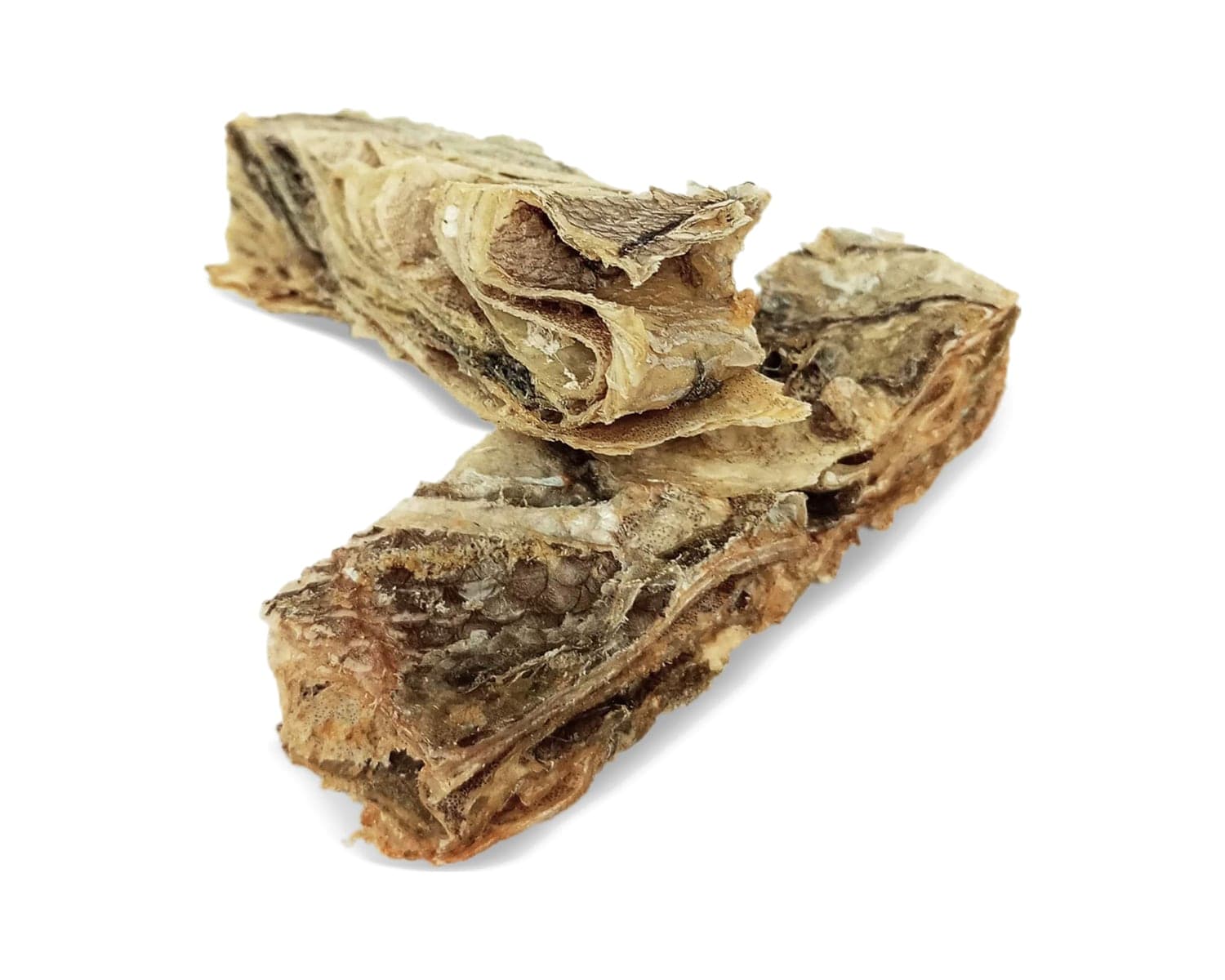
Fish Skin for Food Processing
Descaled, trimmed skins for snacks, kitchens and extraction
Frozen
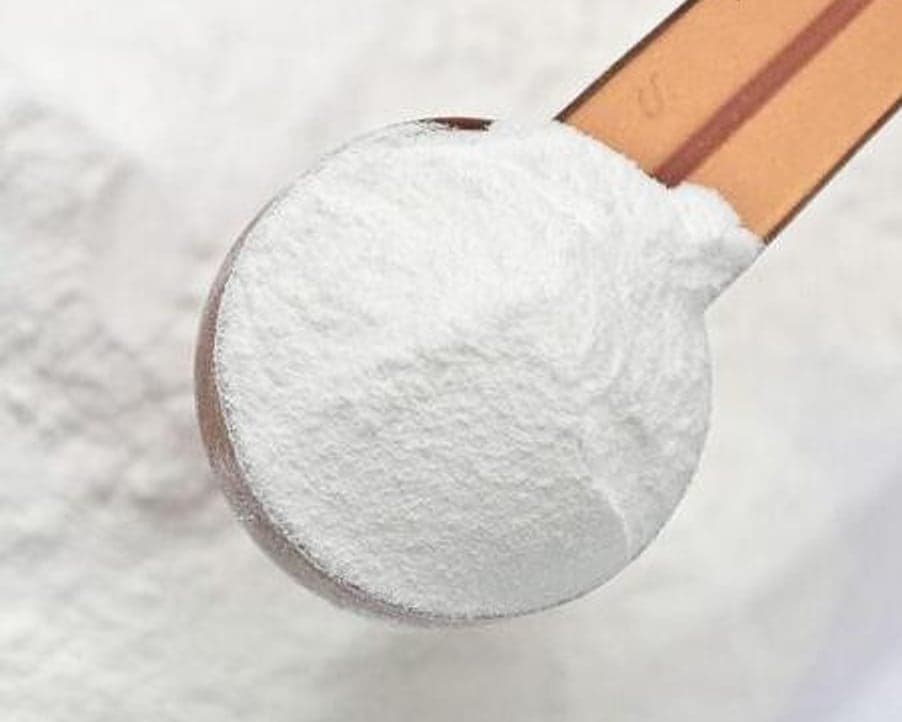
BSA Food Products works as a marine collagen raw material supplier to collagen peptide and hydrolysate manufacturers, sourcing fish skin and scales from fillet processing plants with species, plant and handling declared on every lot.
Indicative; confirmed per lot on each quotation.
Collagen peptide and hydrolysate producers depend on a steady stream of clean, correctly handled skin and scales, and the quality of that stream shows up later as yield, color and odor in the finished powder. We work with fillet processing plants to collect these streams at source, segregate them by species, and freeze or dry them under conditions agreed with the buyer before they leave the plant.
Typical sources include farmed tilapia (Oreochromis niloticus) from processing plants in southern China and South-East Asia, pangasius (Pangasianodon hypophthalmus) from the Mekong Delta in Vietnam, and cold-water whitefish such as Alaska pollock and Atlantic cod from processors handling North Pacific and North Atlantic catch. Tilapia and pangasius are freshwater species, so we declare habitat as well as species: the term ‘marine collagen’ is used loosely in the trade, and describing freshwater-derived collagen that way may conflict with misleading-labeling rules in some markets. Pangasius skin carries more fat than cod or pollock skin and is usually trimmed or offered with a stated fat limit.
Freshness is the parameter that most affects downstream processing, so each offer states the time from filleting to freezing or drying, the storage temperature and the level of residual flesh, fins or foreign matter. Protein, fat, ash and moisture targets are agreed with each buyer and confirmed per lot by a certificate of analysis; scales, for instance, carry far more mineral ash than skins and need demineralization before extraction. Freshness indicators such as TVB-N can be reported on request, and every lot is traceable to the supplying plant and production date.
Scale-only lots are covered on our fish-scale collagen raw material page, and gelatin producers will find skin and bone streams under fish gelatin raw materials. What the finished collagen may be called, and which uses or claims are permitted for it, is decided by the manufacturer under the rules of its own market.
Specification sheet
Indicative values. Final specifications are confirmed per lot on the quotation and certificate of analysis.
| Species | Tilapia, pangasius, Alaska pollock, Atlantic cod; others on request |
|---|---|
| Habitat | Freshwater-farmed or marine, declared per lot |
| Material | Skin, scales, or agreed skin-and-scale combinations |
| Handling | Block-frozen at −18 °C or colder, or dried |
| Freshness | Filleting-to-freezing time stated; TVB-N on request |
| Composition | Protein, fat, ash and moisture targets agreed; CoA per lot |
| Foreign matter | Fins, bones, flesh residue and plastics limited per specification |
| Shelf life | Frozen typically 12 months; dried typically 12–18 months |
| Documents | Plant approval number, species declaration, CoA, origin certificate; health or veterinary certificate as the destination requires |
| Minimum order | Usually one 20 ft container per order; consolidated trial lots from around 3 tonnes where a plant can supply them. |
| Lead time | 3–6 weeks, depending on how quickly the supplying plant accumulates the agreed species and grade. |
FAQ
Our regular streams are tilapia and pangasius skin and scales from farmed fish, and Alaska pollock and Atlantic cod skin from whitefish processors. Each lot is kept to one species and labeled with its plant of origin, because mixing species changes extraction behavior and complicates the labeling of the finished collagen. Other species can be quoted when a plant produces enough volume.
That depends on the supplying facility and the destination’s rules rather than on the material itself. Skin and scales collected and stored as food at a plant approved for human-consumption production can usually be documented as food-grade raw material, whereas the same material handled outside that chain is an animal by-product. We state the designation on each offer and ship only with the matching certificates.
Tell us the species, whether you need skin, scales or both, frozen or dried handling, target protein, fat, ash and moisture, maximum residual flesh, any odor or color limits, and your destination port. With that we can match the right plant, confirm what can be guaranteed per lot and arrange a trial shipment. Our export specialists can also advise on documents.
Where a plant can segregate a smaller batch, we arrange trial lots of a few tonnes so your team can test yield and color before committing to container volumes. Trial lots are produced to the same specification and documentation as commercial shipments, so that your results are representative of the material you would receive in a regular program.
Related
Marine Ingredients
Descaled, trimmed skins for snacks, kitchens and extraction
Marine Ingredients
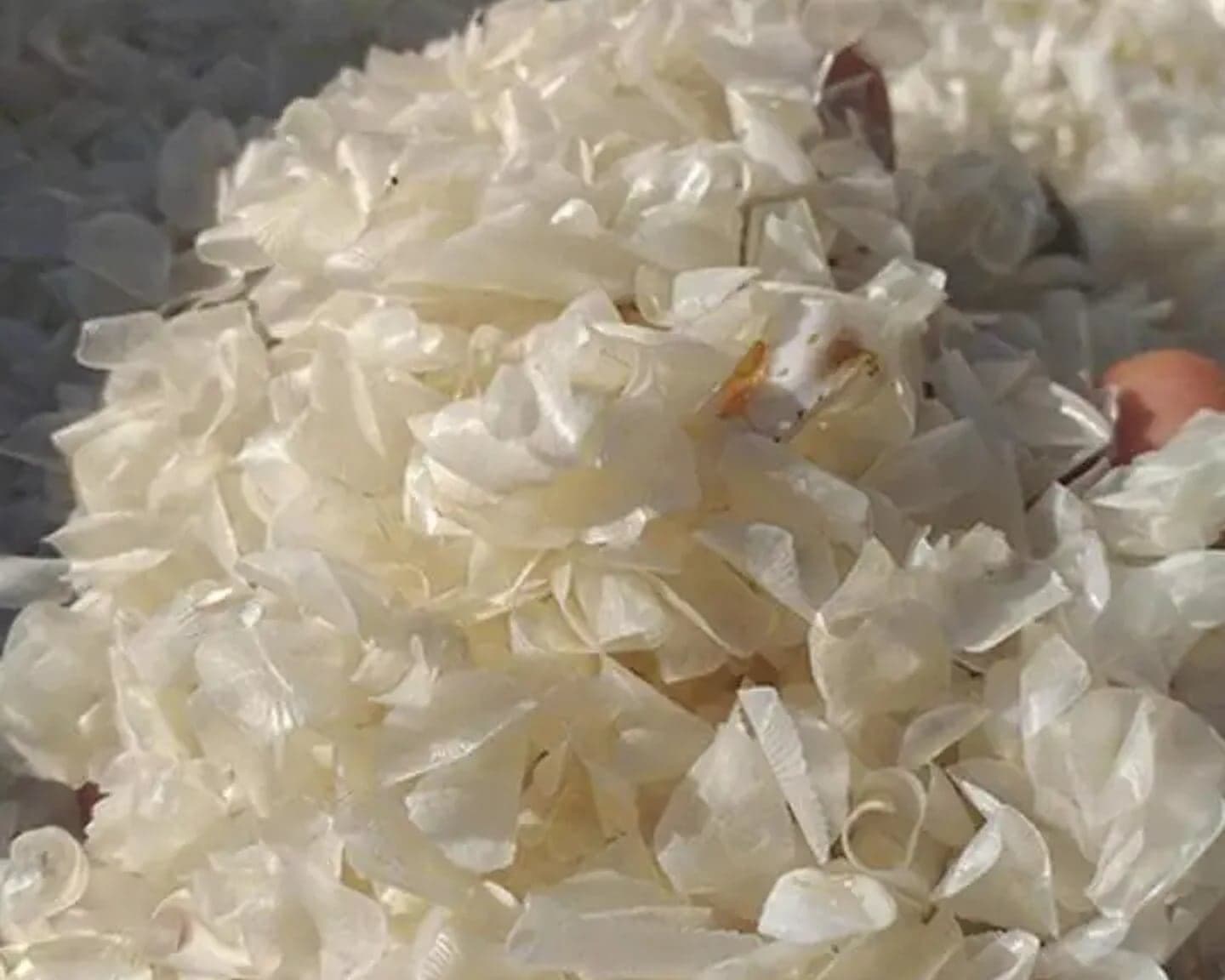
Cleaned, dried scales for collagen and gelatin extraction

Marine Ingredients
Skin, scale and bone streams for fish-gelatin production
Import & Compliance7 min read
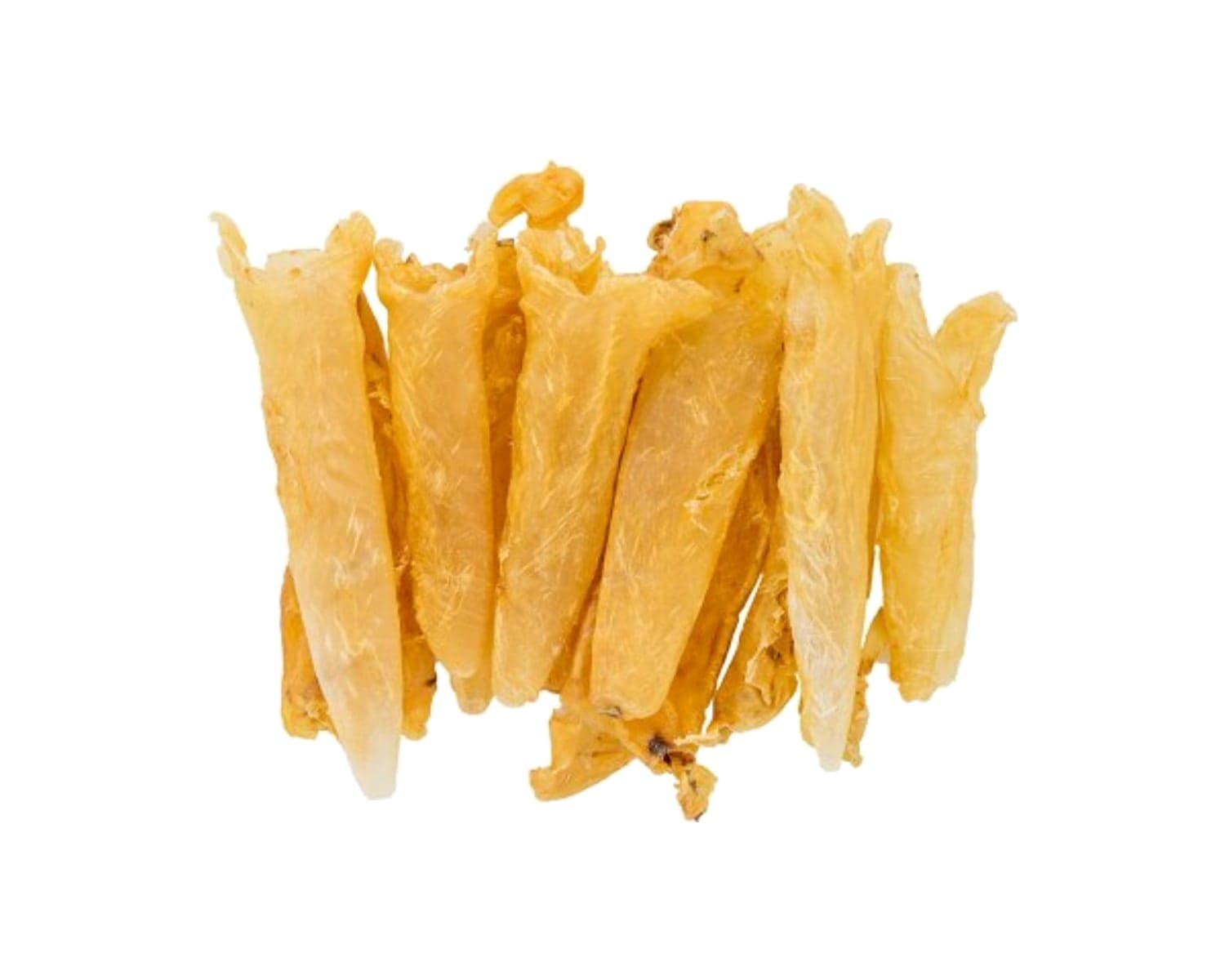
The market-access, species, documentation, classification and commercial checks an importer should complete before placing a first order for dried seafood.
Read the guide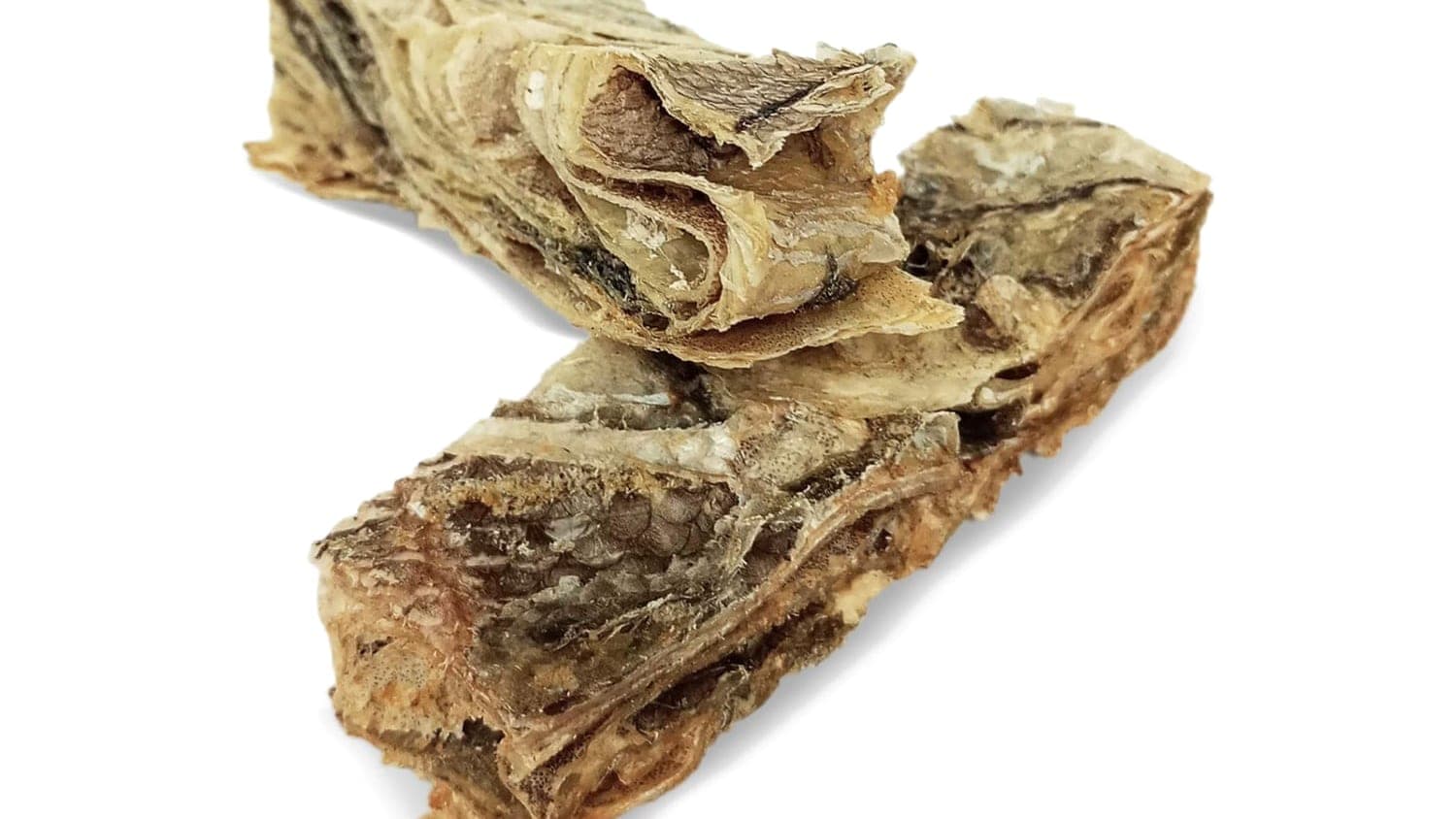
Buying Guide8 min read
A specification framework for fish skin, scales and bone bought as collagen, gelatin and calcium feedstock, from species declarations and handling forms to test parameters, stream designation and supplier qualification.
Read the guideRequest a quote
Share your target grade, packing, volume and destination. We confirm availability, documentation for your market and a formal quotation, usually within one business day.