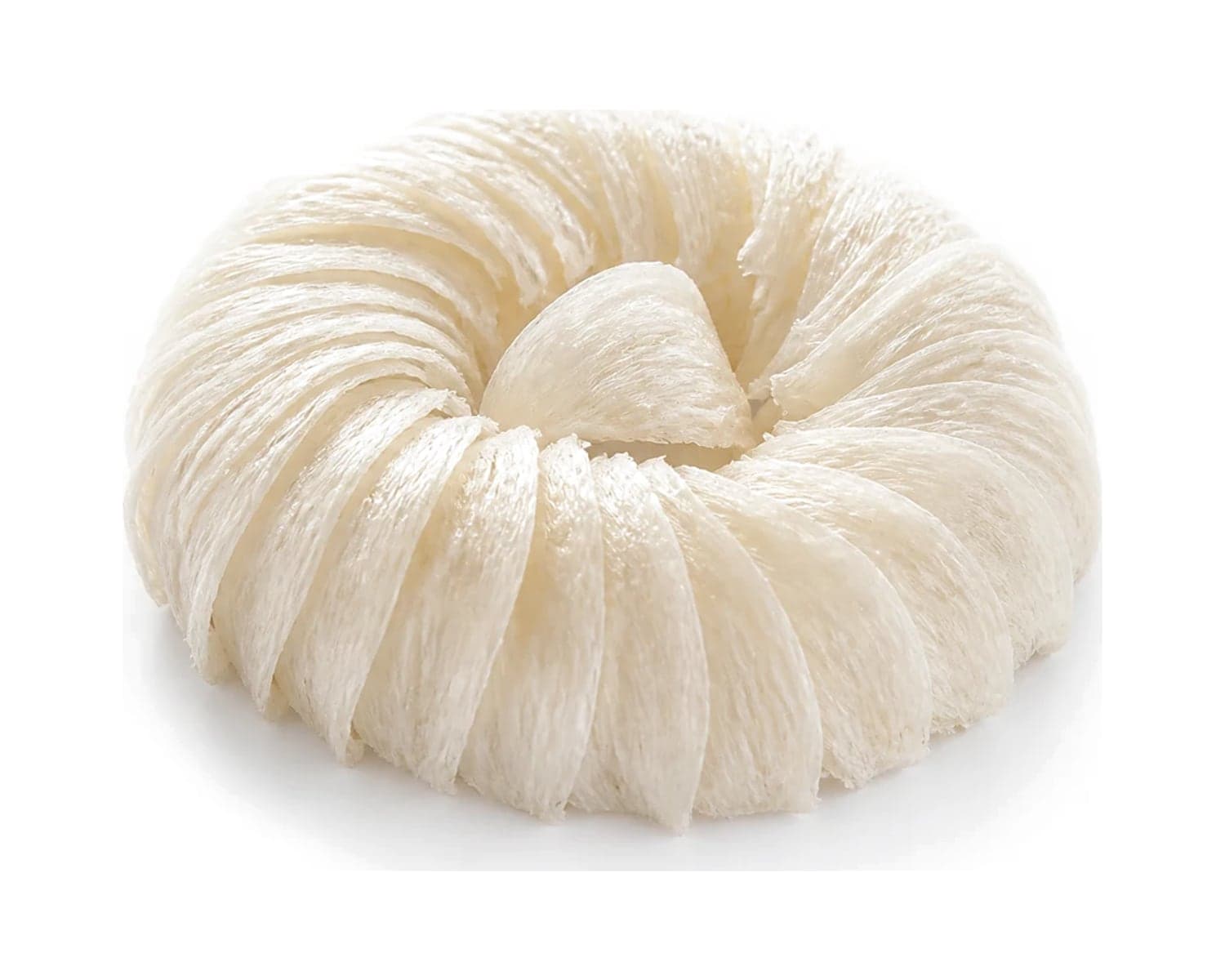
Bird’s Nest
Whole-Cup Edible Bird’s Nest
Hand-cleaned house swiftlet cups, graded by weight and shape
Dried
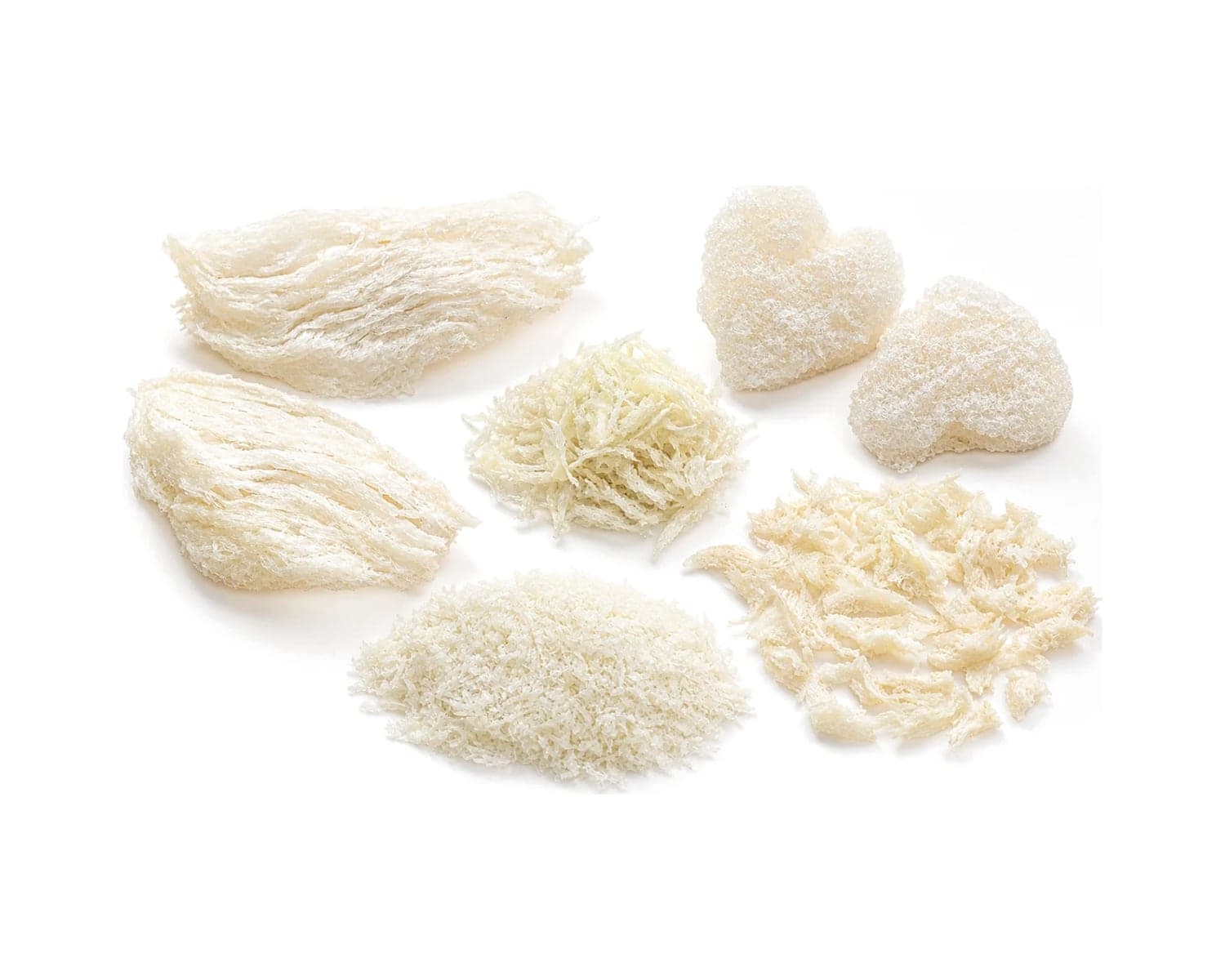
Strips, corners and broken pieces are cleaned swiftlet nest that did not survive as an intact cup; BSA Food Products supplies them by fragment type, impurity level and moisture for beverage, dessert and food manufacturing programs.
Indicative; confirmed per lot on each quotation.
Not every swiftlet nest reaches the packing table in one piece. Nests built into awkward corners of a swiftlet house, cups that crack during soaking and the dense ends where a nest is cemented to the plank all produce fragments. These are cleaned in the same way as whole cups but sold by weight and fragment type rather than by appearance, which is why manufacturers and volume kitchens tend to favor them.
The trade groups these fragments into three broad types. Strips are long, narrow sections of nest wall that soak evenly and break down into fine strands. Corners, sometimes called triangles or feet, are the thick attachment points at each end of a cup; they are denser, need longer soaking and give a firmer bite. Broken pieces are the smaller fragments left after cleaning and suit dosing by weight into production batches. We offer each type as a separate grade, or blended to a ratio you specify.
Fragments can hide feathers more easily than a whole cup, so inspection carries more weight here. Each lot is graded on residual impurity under bright lamps, the proportion of fine particles, moisture and odor, and corners are kept apart from strips because their soaking time and yield differ. Laboratory testing for nitrite, microbiology or other destination parameters can be arranged per lot.
Bottled bird’s nest drinks, ready-to-eat desserts, pastry fillings and restaurant dessert menus account for most demand. For these buyers, the job of the edible bird’s nest wholesale supplier is to keep the fragment specification steady across repeat orders, while brands with a gift line pair this grade with whole-cup bird’s nest. Before setting up a program, our article on selecting seafood ingredients for restaurants and retail offers a framework for matching grade to channel.
Specification sheet
Indicative values. Final specifications are confirmed per lot on the quotation and certificate of analysis.
| Product type | Cleaned swiftlet nest fragments: strips, corners, broken pieces |
|---|---|
| Swiftlet species | Typically Aerodramus fuciphagus; stated on each lot |
| Nest source | House-farmed swiftlet nests |
| Origin | Southeast Asia; country and cleaning facility declared per lot |
| Grade | Strips / corners / broken pieces, or a blend with declared ratio |
| Impurities | Residual feathers and foreign matter assessed and graded per lot |
| Moisture | Checked on each lot; usually under 15% |
| Laboratory testing | Nitrite, microbiology and destination-specific parameters on request |
| Shelf life | Typically 18–24 months sealed, as fragments absorb moisture readily |
| Documents | Certificate of origin, laboratory reports, and veterinary certification or facility listing details where the destination demands them |
| Minimum order | From 2 kg per fragment grade for trials; manufacturing programs usually from 20 kg per shipment. |
| Lead time | Usually 4–6 weeks, depending on grade availability and any laboratory testing or facility eligibility checks your market requires. |
FAQ
Strips are lengths of nest wall that soak quickly and evenly. Corners are the thick ends where the nest was fixed to the plank; they are dense, take noticeably longer to soften and hold a firmer texture after cooking. Broken pieces are small fragments that are easy to portion by weight. Many manufacturers buy strips for clarity of strand in drinks and pieces for fillings, while kitchens often prefer corners for a chewier dessert.
They are widely used for that purpose, because shape no longer matters once the nest is soaked and cooked. We can hold fragment size, residual impurity and moisture to an agreed specification so that each production run behaves consistently. Formulation, processing validation, product claims and labeling of the finished beverage remain the manufacturer’s responsibility under the rules of the market where it is sold.
Small pieces offer more hiding places, so cleaners work in thin layers under bright lamps and re-inspect each batch before drying. We grade residual impurity per lot and report the share of fine particles, since a high proportion of dust-sized material can cloud a drink or leave sediment. Photographs of the actual lot can be shared before a first order; request a quote to start.
Usually the same rules apply, because import conditions attach to the product and the facility rather than to the shape of the nest. Even so, some markets apply separate product codes, heat-treatment conditions or labeling rules to processed fragments. We confirm eligibility for the specific facility, grade and destination before quoting, and decline the order where those conditions cannot be met.
Related
Bird’s Nest
Hand-cleaned house swiftlet cups, graded by weight and shape
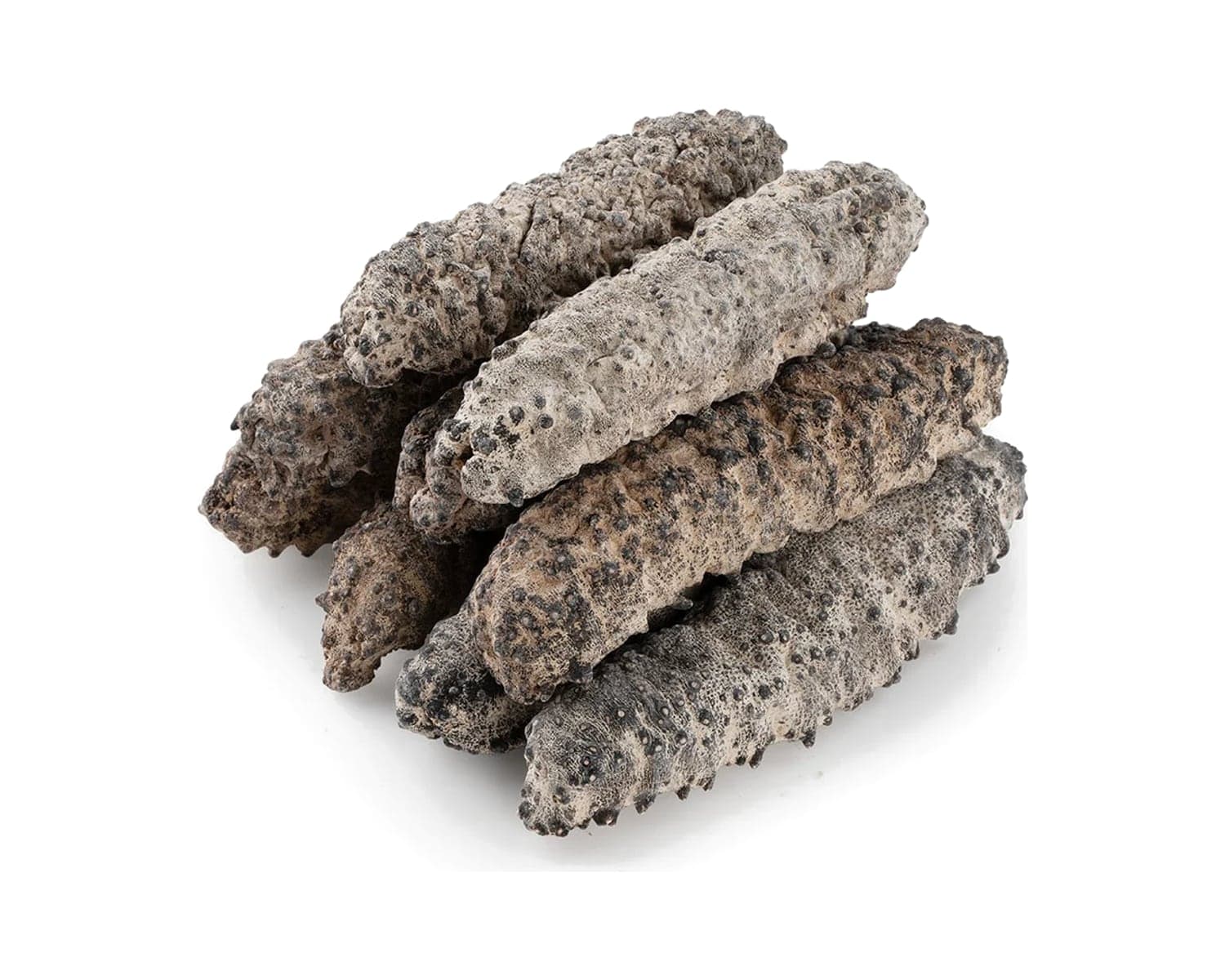
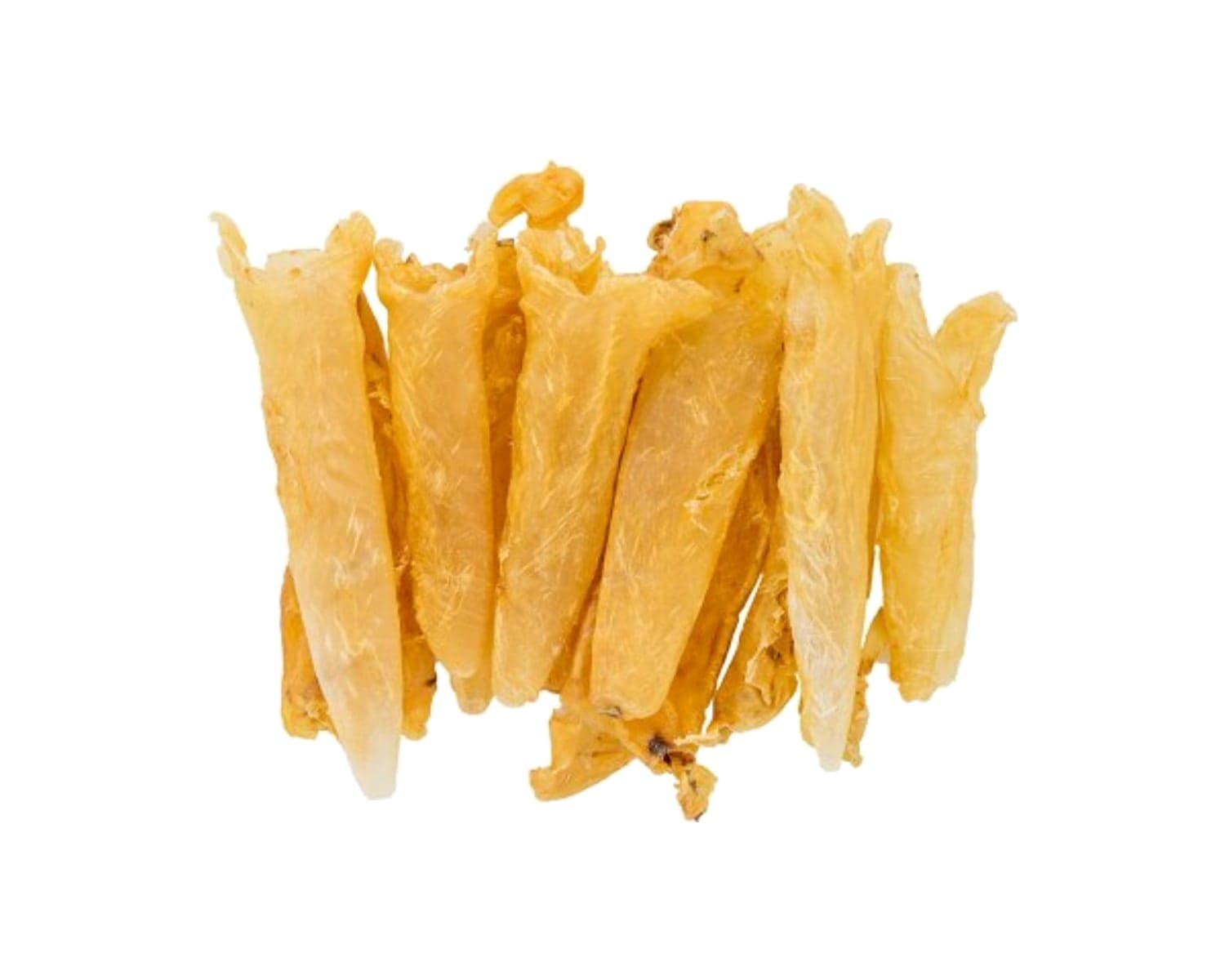
Premium Marine Delicacies
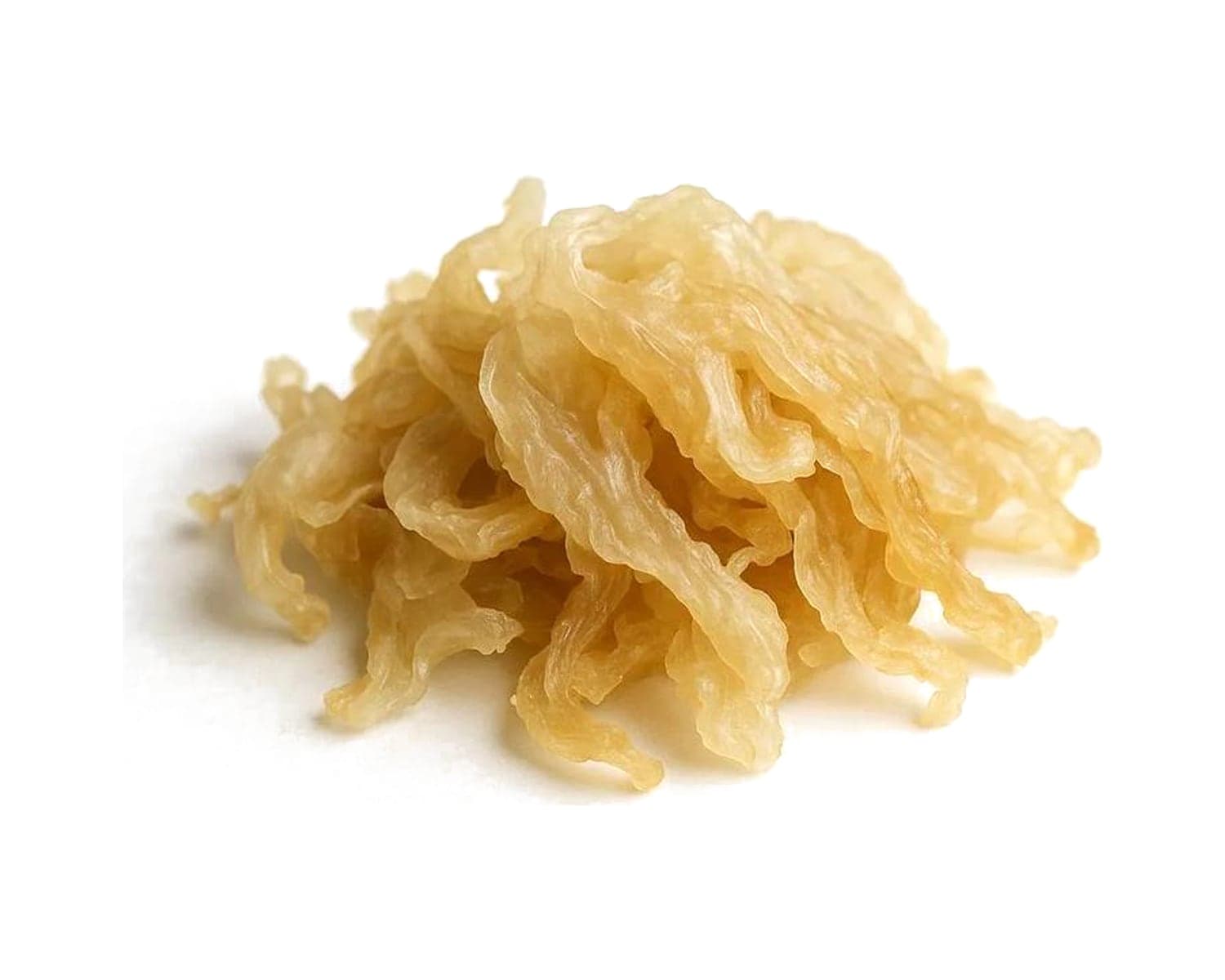
Salted jellyfish head and skin, plus ready-to-eat shredded packs
Species Profiles7 min read
Edible bird’s nest is built by small cave-dwelling swifts, not swallows. Meet the birds, see how their nests are made and harvested, and learn how cooks prepare them.
Read the guide
Buying Guide7 min read
How chefs, foodservice buyers and brand owners match grade and format to the application, compare suppliers on cost per portion, and keep quality consistent across orders and channels.
Read the guide
Import & Compliance7 min read
The market-access, species, documentation, classification and commercial checks an importer should complete before placing a first order for dried seafood.
Read the guideRequest a quote
Share your target grade, packing, volume and destination. We confirm availability, documentation for your market and a formal quotation, usually within one business day.