Specialty Dried Seafood
Dried Squid
Butterflied whole squid and seasoned shreds, graded by length
Dried
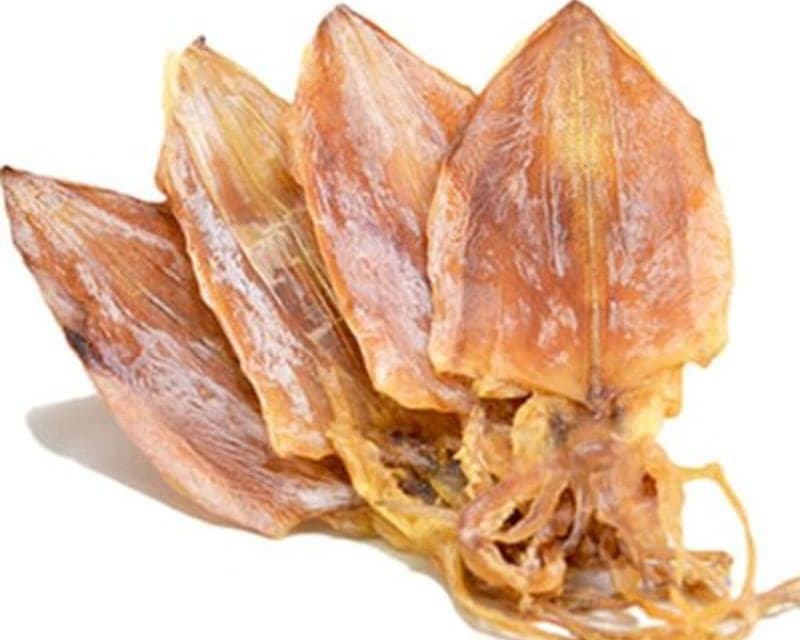
We supply whole dried cuttlefish to Asian grocery importers, restaurant groups and snack processors, sorted by body thickness, size and color and identified by species and fishing area.
Indicative; confirmed per lot on each quotation.
Dried cuttlefish is a staple of southern Chinese and South-East Asian kitchens, valued for a deeper, more savory flavor and a denser bite than dried squid. The product is the whole cuttlefish with the internal cuttlebone and viscera removed, opened along the body, cleaned of ink and dried flat. In Cantonese cooking it goes into long-simmered soups with pork and lotus root; Teochew and Fujianese cooks braise it with pork belly or slice it into stir-fries after soaking.
Commercial supply comes from Sepia species such as pharaoh cuttlefish (Sepia pharaonis) and golden cuttlefish (Sepia esculenta), together with the smaller Sepiella cuttlefish traded along the Chinese coast. Common cuttlefish (Sepia officinalis) from Atlantic fisheries is processed occasionally as well. Because the species mix changes from one fishery to the next, each offer identifies the species and fishing ground rather than relying on a generic label.
Thickness is the grading point buyers ask about first. A thick, evenly dried body rehydrates to a meaty slice that holds up in braises, while thin pieces suit soups and snack roasting. We grade by body length and weight per piece, then by color, looking for an even cream to pale amber tone with no ink staining, reddening, scorched patches or mold. Lots are also examined for leftover cuttlebone fragments, sand on the inner surface and off odors before packing.
Snack manufacturers buy dried cuttlefish as raw material for roasted, pressed or seasoned strips, and we can supply consistent mid-grade bodies for that purpose alongside premium whole pieces for retail shelves. Buyers who want a matching squid line can compare our whole and shredded dried squid, and the full specialty dried seafood range shows what else can travel on the same shipment.
Specification sheet
Indicative values. Final specifications are confirmed per lot on the quotation and certificate of analysis.
| Species | Sepia pharaonis, Sepia esculenta, Sepiella spp.; Sepia officinalis occasionally |
|---|---|
| Catch area | Declared per lot by FAO area and processing country |
| Grade / size | Body length and grams per piece; thick, standard and thin grades |
| Processing | Gutted, cuttlebone removed, opened flat, dried whole |
| Moisture | Typically around 18–22%, confirmed per lot |
| Appearance | Cream to pale amber; free of ink stains, scorching and mold |
| Foreign matter | Cuttlebone fragments and sand checked on every lot |
| Allergen | Mollusc (declared where the destination requires) |
| Shelf life | Typically 12–18 months sealed in cool, dry storage |
| Documents | Commercial invoice, packing list, certificate of origin, species declaration; health certificate where required |
| Minimum order | From 50 kg per thickness grade; mixed-grade trial shipments can be considered for new buyers. |
| Lead time | Typically 3–4 weeks from an approved specification, and longer outside the main drying season. |
FAQ
Cuttlefish has a thicker, denser body and a fuller savory flavor, so cooks usually choose it for soups and braises that simmer for a long time. Dried squid is thinner and sweeter, which suits grilling and snacking. Many Asian grocers stock both side by side, and we can quote matching grades of each for a single consolidated shipment.
Thickness determines how the cuttlefish behaves after soaking. Thick bodies give generous, firm slices for braised dishes and premium retail packs, while thinner pieces soften faster and offer better value for soup bases or roasting into strips. We sort by thickness as well as length, so each carton is consistent rather than a mix of heavy and light bodies.
We do, and processors usually want steady mid-grade bodies of uniform thickness so that roasting and pressing times stay predictable. We can hold a raw-material specification across repeat orders, share moisture results for each lot, and supply species and catch documentation for your own traceability files. Send your current specification through our quotation form and we will match it.
Soaking time depends on thickness and the dish. As a guide, kitchens soak whole bodies in cold water for several hours or overnight before slicing them for braises, while soups often need only a rinse and short soak because the cuttlefish softens as it simmers. We recommend a kitchen trial with your chosen grade before setting standard procedures.
Related
Specialty Dried Seafood
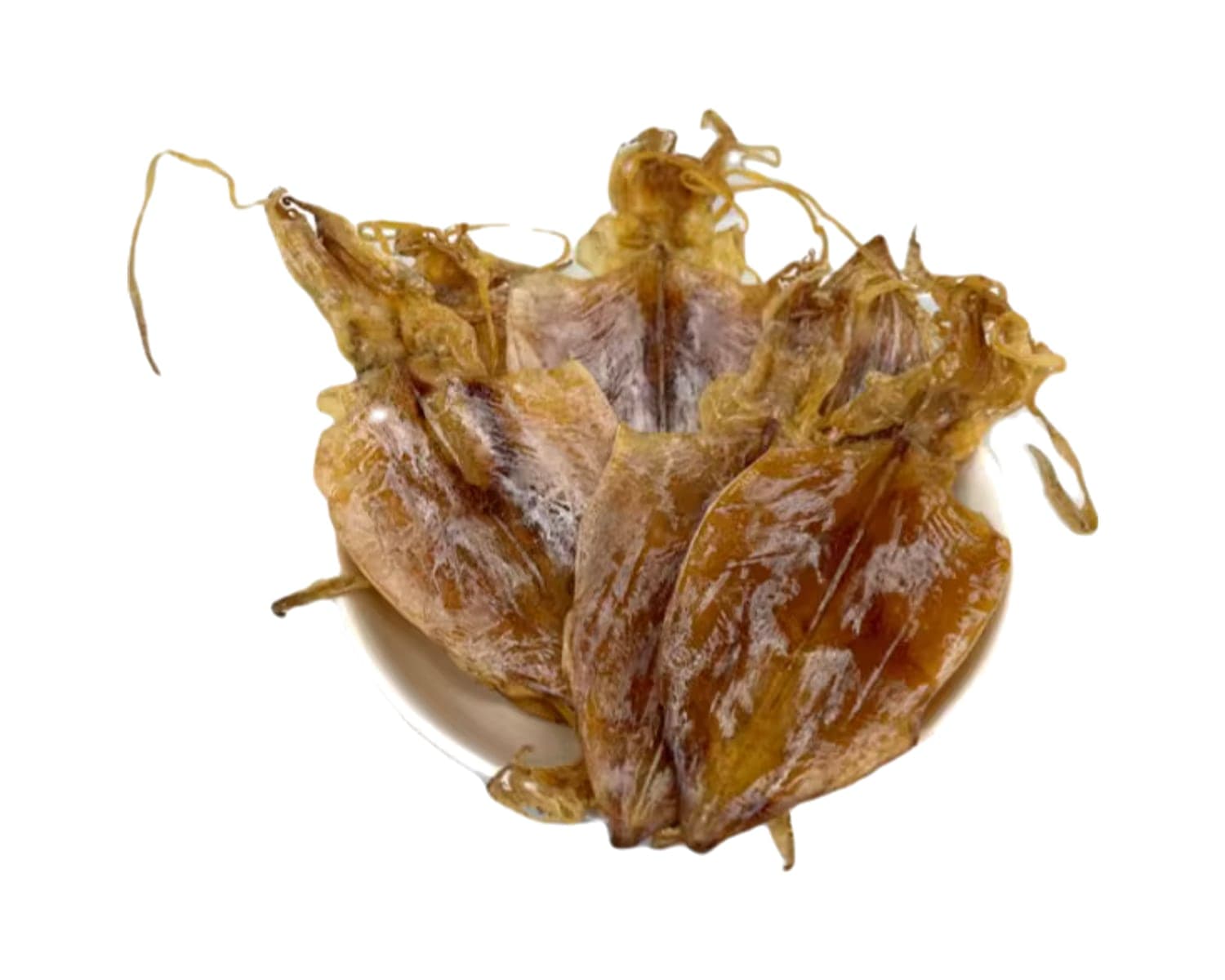
Butterflied whole squid and seasoned shreds, graded by length
Premium Marine Delicacies
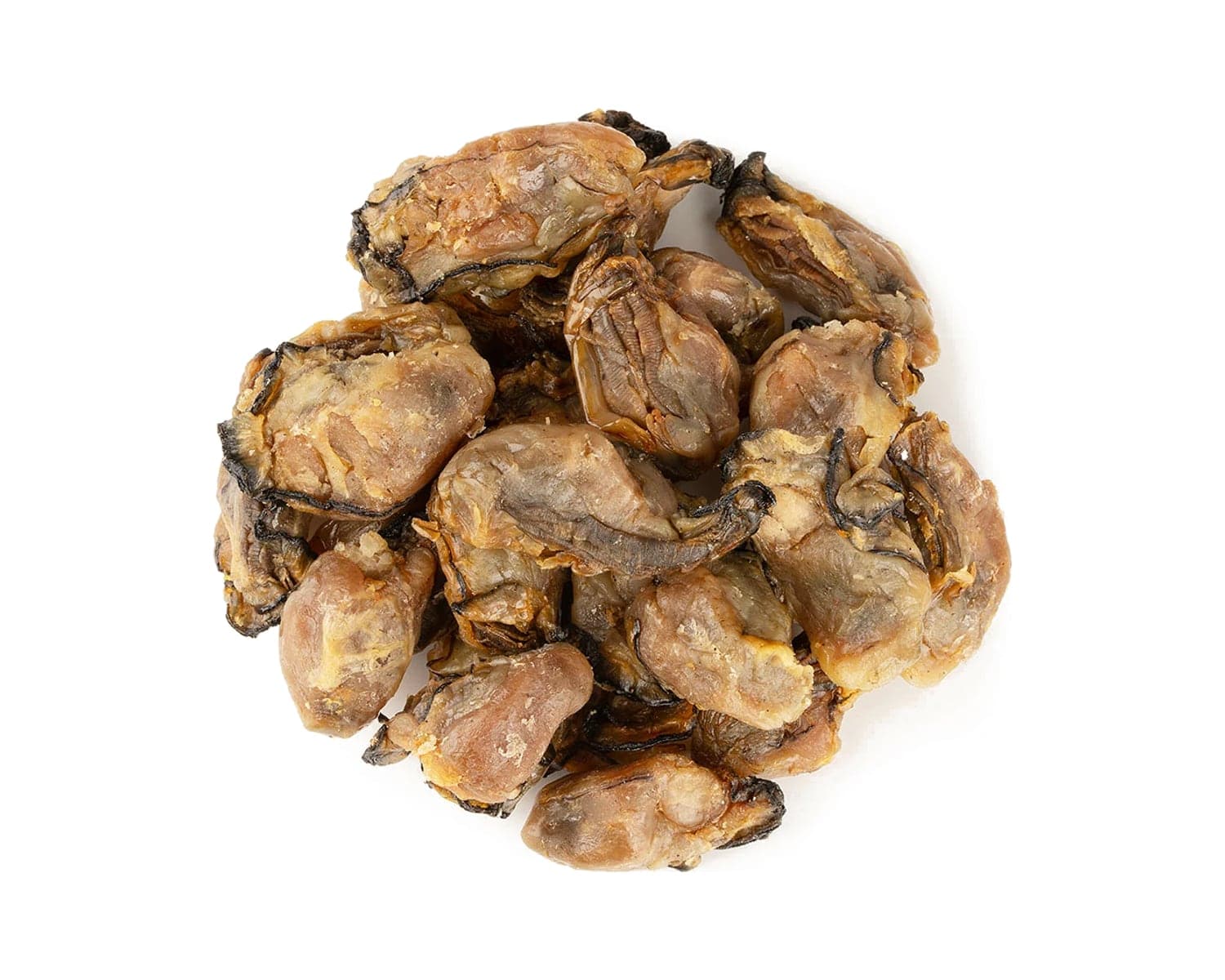
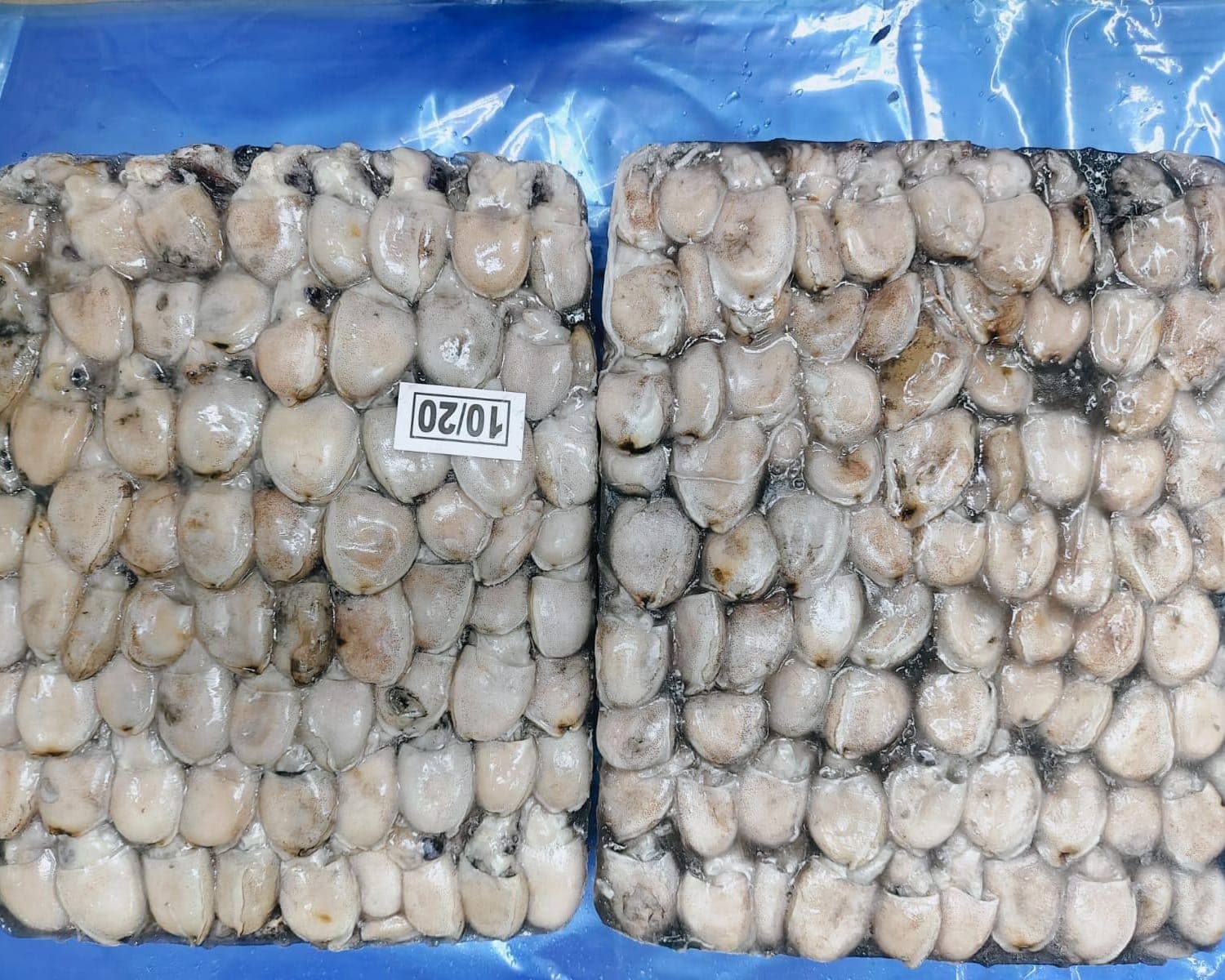
Fully dried and golden semi-dried oysters, sized by count
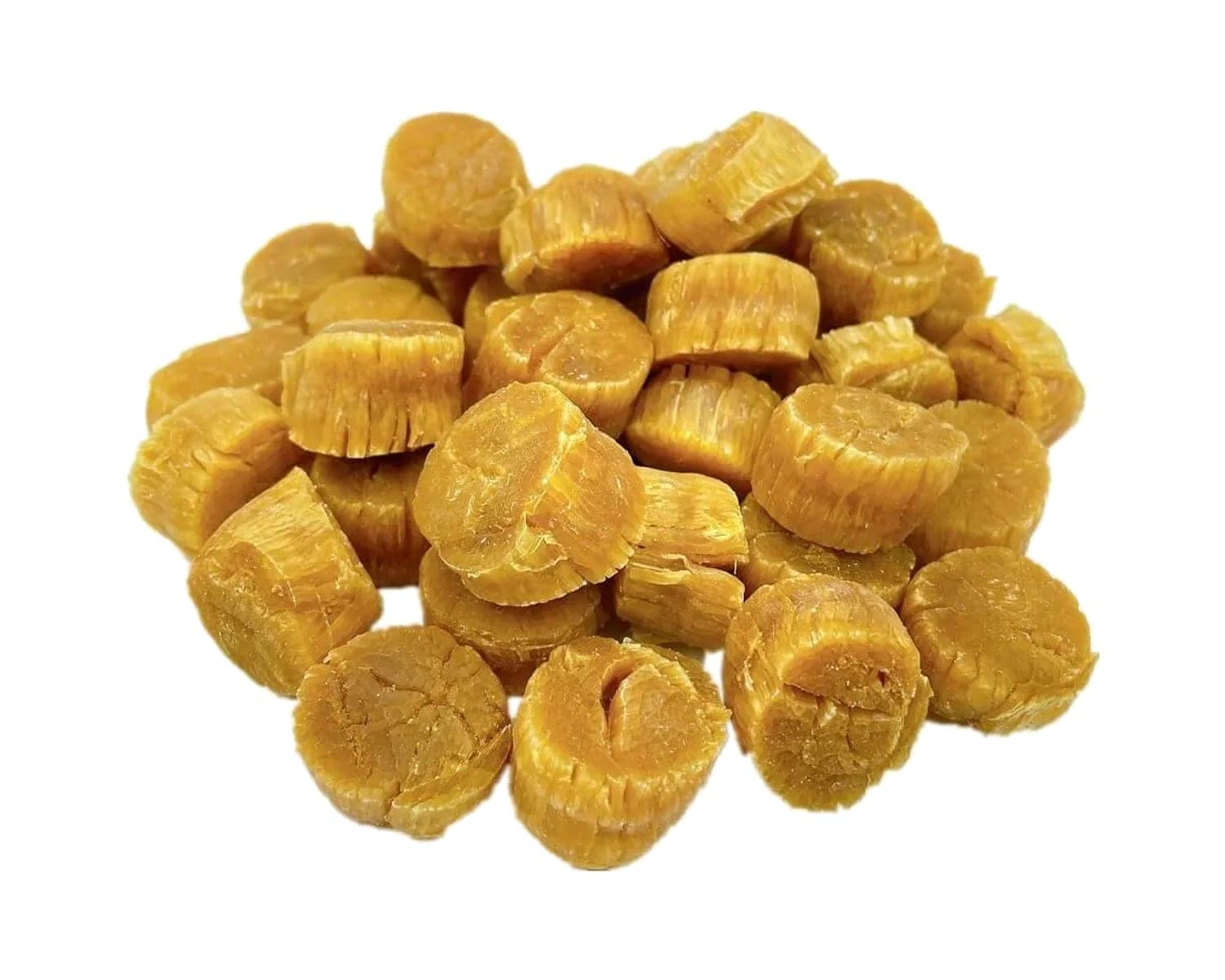
Premium Marine Delicacies
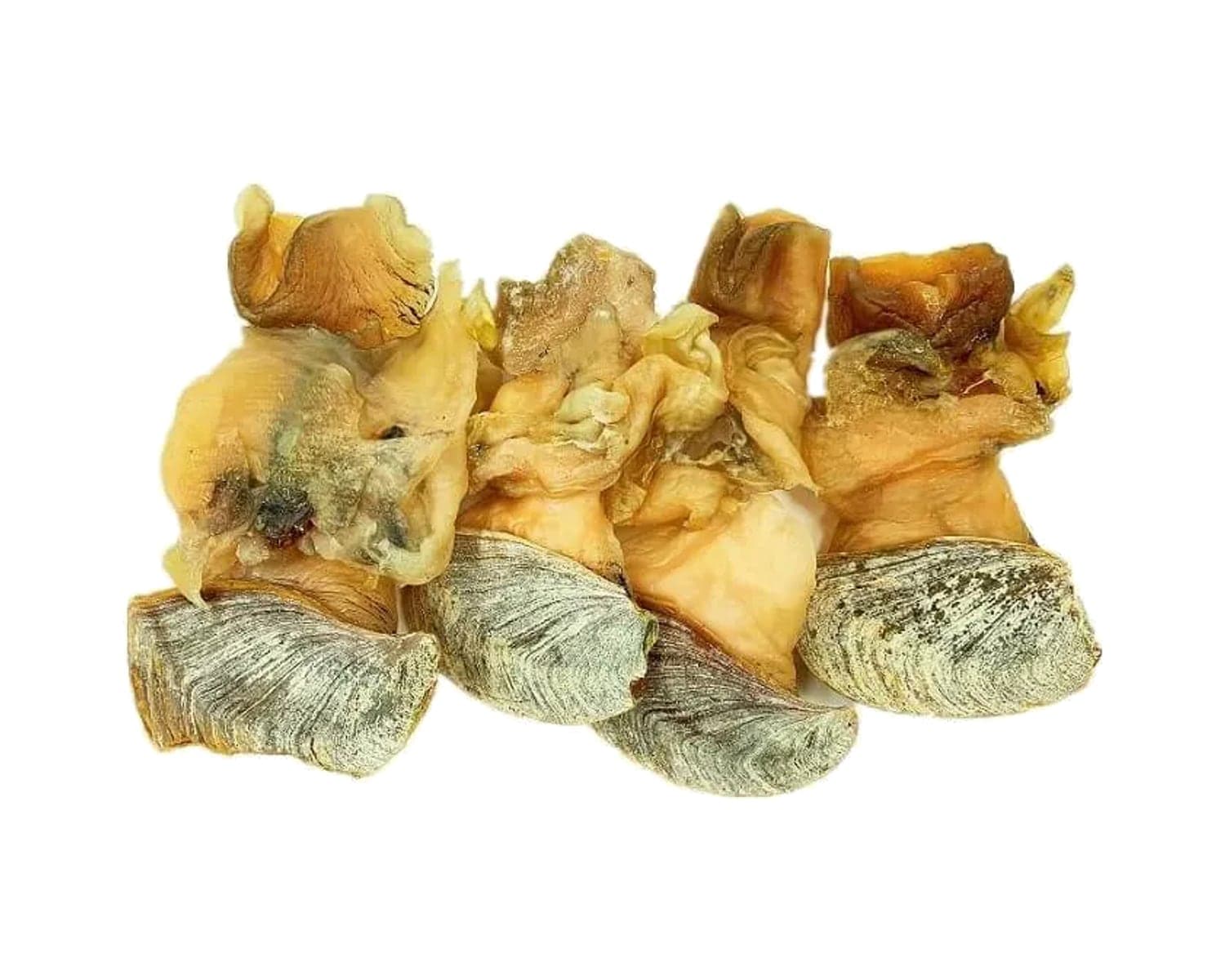
Hokkaido, Aomori and Chinese adductors by diameter and count
Species Profiles6 min read
Cuttlefish are bottom-living relatives of squid with a chalky internal shell and thick, white flesh. Learn which species reach the market, how to recognize them and how different cuisines cook them.
Read the guide
Buying Guide7 min read
How chefs, foodservice buyers and brand owners match grade and format to the application, compare suppliers on cost per portion, and keep quality consistent across orders and channels.
Read the guideRequest a quote
Share your target grade, packing, volume and destination. We confirm availability, documentation for your market and a formal quotation, usually within one business day.