- Private-label packing
- Export documentation
Value-Added Seafood
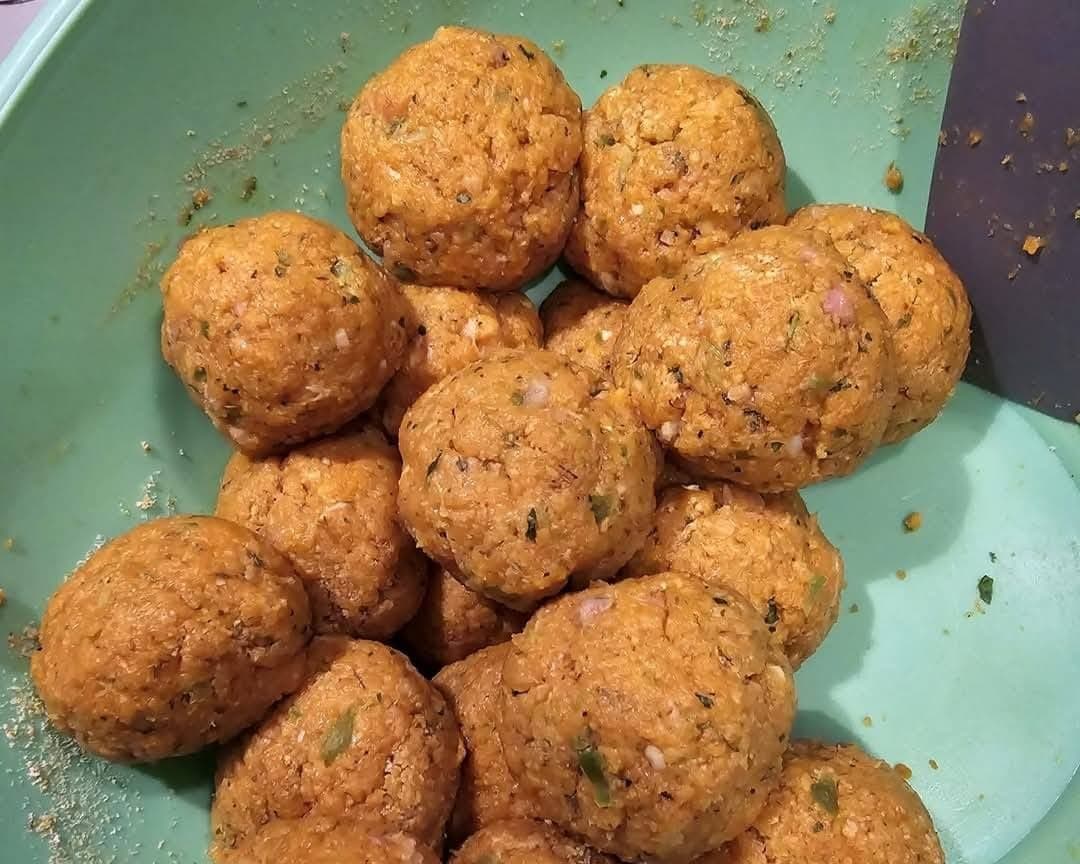
Fish Balls and Seafood Balls for Hot Pot, Noodle Shops and Retail
BSA Food Products supplies frozen fish balls and seafood balls made from declared surimi and fish paste, boiled or fried through, in sizes from small soup balls to jumbo hot pot pieces, packed for Asian foodservice, retail and private label.
- Fish, shrimp, squid, crab and mixed seafood balls
- Surimi or fish paste, with species declared per lot
- Boiled or fried, cooked through before freezing
- Small soup sizes up to jumbo hot pot balls of 45 mm and more
- Cheese- and roe-filled balls on request
- Retail, hot pot and foodservice packs, own brand available
Product Specifications
Indicative; confirmed per lot on each quotation.
- Origin
- Produced in Thailand, or in Indonesia by arrangement, from tropical surimi or fish paste and from Alaska pollock surimi; species and source are declared on each offer.
- Grade / Size
- By diameter: small 15–20 mm, medium 25–30 mm, large 35–40 mm, jumbo 45 mm and above; count per kilogram stated for each size.
- Form & Processing
- Surimi or fish paste mixed with seasoning and seafood pieces, formed, then boiled or fried until cooked through, cooled and frozen; filled styles are closed around the center before setting.
- Storage
- Keep at -18 °C or colder; reheat from frozen in soup, broth or oil until hot throughout, and do not refreeze once thawed.
- MOQ
- Typically one 20 ft reefer, about 8–9 t (indicative), mixing ball types and pack sizes as needed.
- Lead Time
- Usually 3–5 weeks for established recipes; filled balls, new flavors and own-brand packaging take longer.
Product overview
Across East and South-East Asia, fish balls are an everyday staple: dropped into noodle soup, threaded onto skewers, simmered in curry sauce or cooked at the table in hot pot. Their quality is judged first by bite. A good ball springs back when pressed and gives slightly when bitten, which depends on how much fish protein the paste holds and how well it has gelled, so fish content and surimi grade sit at the top of every specification we write.
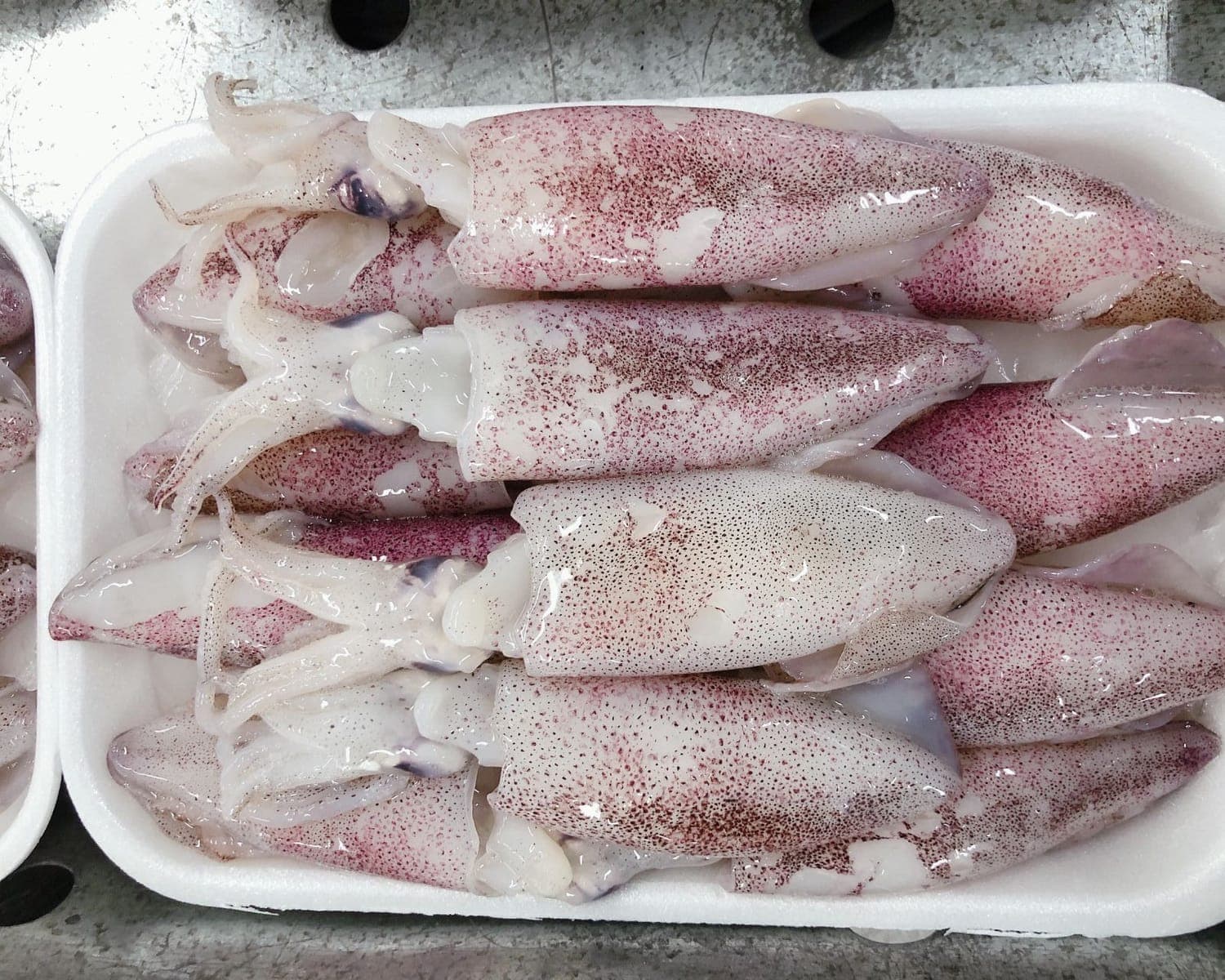
The base is surimi or fish paste from tropical species such as threadfin bream (Nemipterus spp.), lizardfish (Saurida spp.), bigeye snapper (Priacanthus spp.) and croaker, or Alaska pollock surimi for a whiter ball, and the species used are declared on each offer. Paste is mixed with salt, starch, seasoning and water, and for seafood balls with chopped shrimp, squid or crab. The range covers plain fish balls, shrimp balls, squid balls, crab balls (or crab-flavored balls where no crab is added), mixed seafood balls and filled balls with a cheese or fish roe center. Flavored lines such as lobster-flavored balls are named so that they do not suggest more lobster than the recipe contains, and plain squid from the same supply chain appears on our frozen squid page.
Formed balls are set either in hot water, giving the classic pale, smooth boiled ball, or in oil, giving a golden fried ball with a firmer skin. Both are cooked through during manufacture and then frozen, so the end user reheats rather than cooks them, although the pack still says how. Sizes are graded by diameter, roughly 15–20 mm for small soup balls, 25–30 mm medium, 35–40 mm large, and 45 mm and above for jumbo hot pot balls. Checks before release cover springiness in compression and bite tests, surface smoothness and cracks, whiteness or fry color, diameter and weight uniformity, splitting after reboiling and, for filled balls, whether the center stays sealed.
Packs range from 200 g and 500 g retail bags and hot pot assortments to 1 kg, 2.5 kg and 5 kg foodservice bags and 10 kg bulk cartons for noodle chains, hot pot restaurants, caterers and Asian supermarkets. Own-brand packs, regional seasonings and assortments for hot pot sets are made through our private-label service, and fish balls ship easily alongside surimi crab sticks and a frozen seafood mix for buyers building a hot pot or soup range.
Specification sheet
Fish Balls and Seafood Balls: full specification
Indicative values. Final specifications are confirmed per lot on the quotation and certificate of analysis.
| Fish base | Threadfin bream, lizardfish, bigeye snapper, croaker or Alaska pollock surimi; declared per lot |
|---|---|
| Varieties | Fish, shrimp, squid, crab or crab-flavored, mixed seafood, filled |
| Size | 15–20, 25–30, 35–40 and 45+ mm diameter |
| Fish content | Stated per recipe as a share of finished weight |
| Cook status | Boiled or fried through in manufacture; reheat before eating |
| Texture | Springiness and surface checked per lot against a retained sample |
| Additives | Phosphates, flavor enhancers and colors declared per destination |
| Shelf life | Typically 12–18 months at -18 °C, depending on recipe |
| Allergens | Fish; crustaceans, molluscs, milk, egg, wheat or soy by variety |
| Documents | Health certificate, certificate of origin, ingredient sheet per variety |
| Minimum order | Typically one 20 ft reefer, about 8–9 t (indicative), mixing ball types and pack sizes as needed. |
| Lead time | Usually 3–5 weeks for established recipes; filled balls, new flavors and own-brand packaging take longer. |
FAQ
Fish Balls and Seafood Balls: questions from buyers
What gives a fish ball its springy texture?
The spring comes from fish muscle protein that has been salted, worked into a paste and set by heat into an elastic gel. More fish protein and a higher-grade surimi give a firmer, bouncier ball, while extra starch and water make it softer and cheaper. Temperature control during mixing and setting matters too, which is why each lot is compared with a retained reference sample rather than judged by eye alone.
Do shrimp balls and crab balls contain real shrimp or crab?
Shrimp balls contain shrimp meat, and the percentage is set in the recipe and declared where the destination requires it. Crab balls may contain crab meat or only crab flavoring; where no crab is used, they are sold as crab-flavored balls, and the same applies to lobster-flavored lines. Any crustacean or mollusc content is declared as an allergen, and we state the seafood share on the specification so the label can be checked before printing.
Should I choose boiled or fried fish balls?
Boiled balls are pale, smooth and mild, the usual choice for clear noodle soups, hot pot and oden-style broths. Fried balls have a golden skin and a slightly firmer bite, and they hold up well in curry sauce, on skewers and in stir-fries. Many hot pot assortments mix the two, and both arrive cooked, needing only reheating in liquid or oil.
Which sizes suit hot pot and noodle soups?
Small 15–20 mm balls suit noodle soups and children’s portions, medium 25–30 mm balls are the all-round foodservice size, and large and jumbo balls of 35 mm and above are favored for hot pot, skewers and street-food stalls where each piece is eaten on its own. The count per kilogram is given for each size so portion costs can be worked out before ordering.
Related
Related products
Buyer guides
Buying Guide7 min read
Choosing Premium Seafood Ingredients for Restaurants and Retail
How chefs, foodservice buyers and brand owners match grade and format to the application, compare suppliers on cost per portion, and keep quality consistent across orders and channels.
Read the guide
Import & Compliance8 min read
Shipping Seafood: Reefer Containers, Cold Chain and Incoterms
A logistics guide for seafood buyers: reefer and dry-container shipping, temperature records, air freight for chilled and live product, where Incoterms 2020 place cost and risk, and the evidence a claim needs.
Read the guideSpecies Profiles9 min read
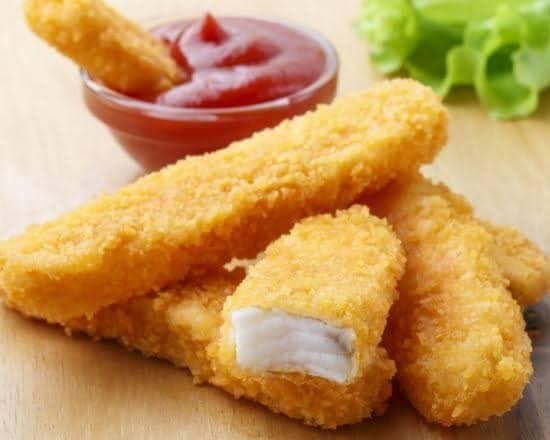
Alaska Pollock: The Cod-Family Whitefish Behind Surimi and Fish Fingers
The North Pacific cod relative that most people eat without knowing its name: how it lives, where it is caught, and why surimi makers and fish-finger lines depend on it.
Read the guide
Request a quote
Request a quote for fish balls and seafood balls
Share your target grade, packing, volume and destination. We confirm availability, documentation for your market and a formal quotation, usually within one business day.
- Grade, size or count required
- Packing format and labeling language
- Estimated volume and order frequency
- Destination port or airport and Incoterm
- Reference: Fish Balls and Seafood Balls