Frozen & Live Seafood
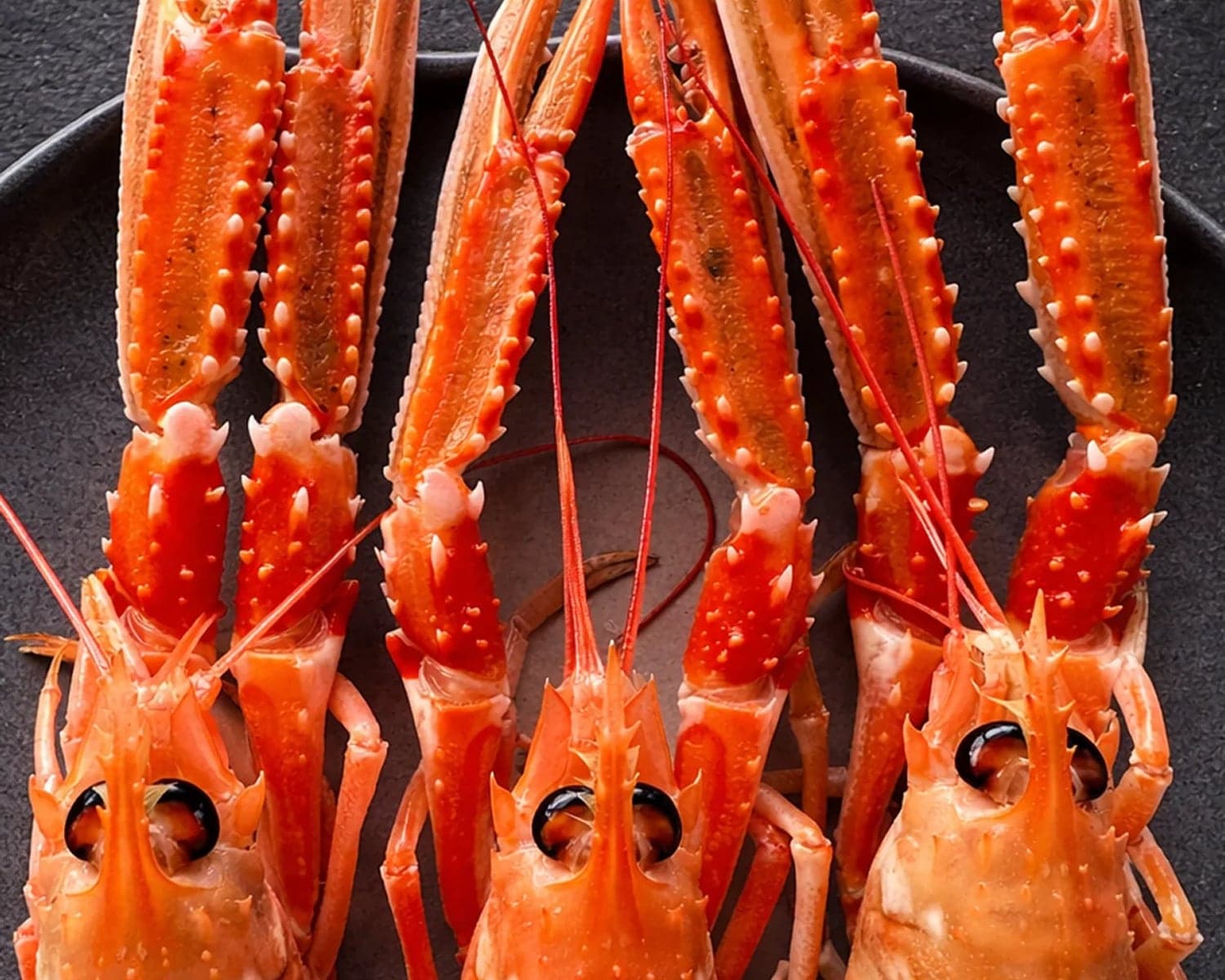
Langoustine
Nephrops whole or as tails, frozen or live, graded by count per kg
Frozen
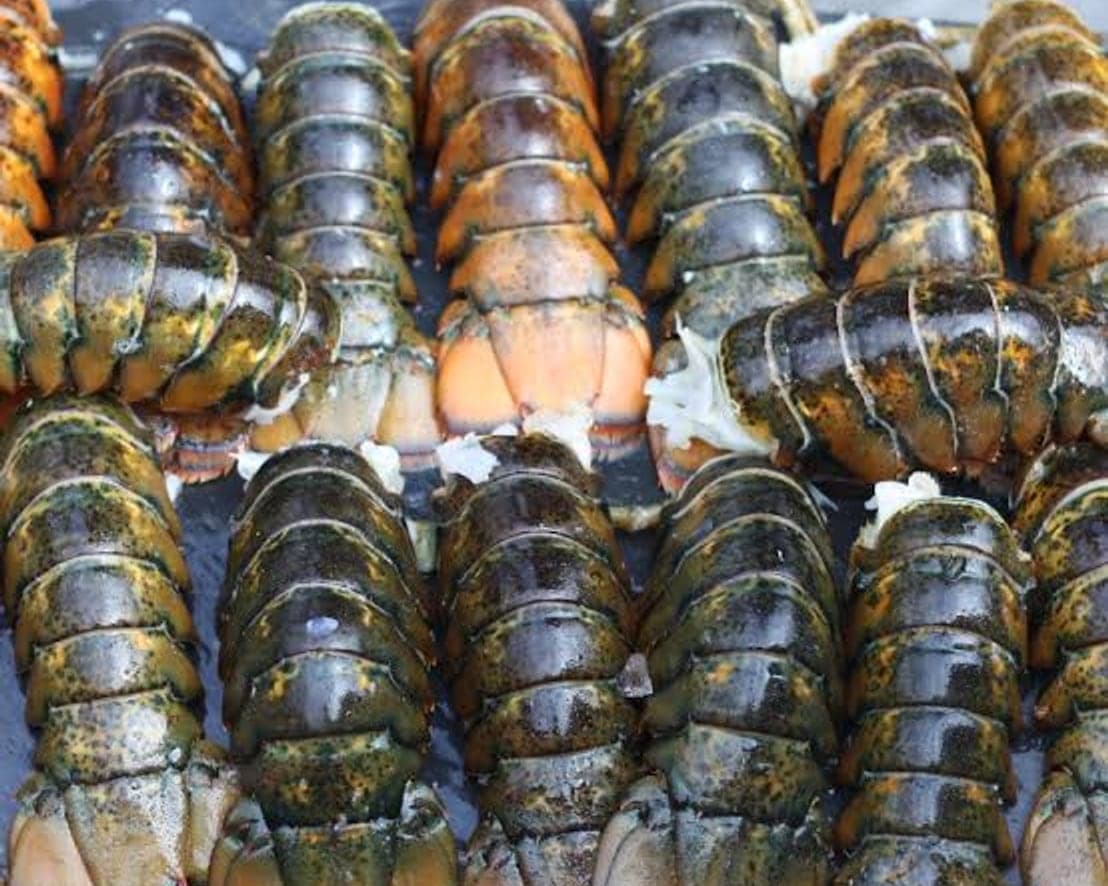
BSA Food Products sources clawed and spiny lobster to a written brief, live by air where the route and import rules allow, or frozen as whole lobster, tails and meat, with species, fishery and grade declared on each offer.
Indicative; confirmed per lot on each quotation.
Lobster covers two quite different groups, and the first thing a brief should settle is which one is wanted. Clawed lobsters, the American (Homarus americanus) and the European (Homarus gammarus), carry meat in large claws as well as the tail and are the classic choice for steamed, grilled and thermidor dishes. Spiny or rock lobsters have no large claws, so nearly all of their value sits in the tail. The two groups come from different oceans, fisheries and seasons, which is why, like the rest of our premium range sourced on request, lobster is sourced for each order rather than stocked.
American lobster comes from Atlantic Canada and the north-eastern United States, where fishing areas open in turn through the year, and it reaches most international markets live by air or frozen. European lobster, landed in smaller volumes around Britain, Ireland, Norway and France, is a premium item with a dark blue shell before cooking. Spiny lobsters include Panulirus species from the Caribbean, Western Australia and the Indo-Pacific, along with southern rock lobster (Jasus edwardsii) from southern Australia and New Zealand. Many of these fisheries close for part of the year to protect spawning stock, and each offer states the species, fishing area and season.
Formats include live lobster; whole lobster cooked in brine and frozen; whole raw frozen, often produced by high-pressure processing that loosens the meat from the shell; raw frozen tails, the main trade form for spiny lobster; split lobster; and claw, knuckle and tail meat. Live and whole lobster are graded by individual weight, in grams or pounds, while tails are graded by weight band, for example 4–5 oz, 6–8 oz or 10–12 oz. For American lobster, the offer also notes shell condition, because soft-shell animals that have recently molted carry less meat and travel less well than hard-shell stock.
Live lobster travels out of water with its claws banded, packed in insulated boxes with damp packing and gel ice, and needs a short, direct route plus cold holding or a seawater tank on arrival. We check the routing, the destination’s live-import conditions and your holding arrangements before quoting, then agree a mortality allowance in writing. Where live supply is impractical, cooked or raw frozen whole lobster keeps the presentation. For a smaller crustacean on the same menu, compare langoustine, and our export specialists can review live routes into your airport.
Specification sheet
Indicative values. Final specifications are confirmed per lot on the quotation and certificate of analysis.
| Species | Homarus americanus, Homarus gammarus, Panulirus spp., Jasus edwardsii |
|---|---|
| Fishery | Fishing area and season stated on every offer |
| Formats | Live, whole cooked, whole raw (including HPP), tails, split, meat |
| Live and whole grading | Individual weight band; hard- or soft-shell noted for American lobster |
| Tail grading | Ounce or gram bands, for instance 5–6 oz or 8–10 oz |
| Frozen details | Glaze and net weight on every carton and invoice |
| Temperature | Live chilled and damp per shipper guidance; frozen at -18 °C or lower |
| Shelf life | Frozen lines as dated by the packer; live product for immediate use |
| Documents | Catch documentation as required, health certificate, origin certificate; live-import permit where needed |
| Minimum order | Live lobster by full air shipment on a confirmed route; frozen whole lobster and tails generally from one pallet per grade. |
| Lead time | Typically 2–6 weeks for frozen lines, depending on season; a live program takes longer to set up the first time while permits and routing are arranged. |
FAQ
Choose by dish. Clawed lobster gives claw and knuckle meat as well as the tail, which suits whole-lobster presentations, lobster rolls and bisque. Spiny or rock lobster carries its meat almost entirely in the tail, with a firmer bite, so it is favored for grilled tails, sashimi in some Asian markets and tail-only retail packs. Live spiny lobster from Western Australia or New Zealand is prized in parts of Asia, while American lobster remains the most widely available clawed option.
After molting, an American lobster spends a period in a new, thinner shell while it grows into it. These soft-shell or new-shell lobsters have a lower meat yield and are less robust out of water, so they suit nearby markets or processing better than long live routes. Hard-shell lobster carries more meat and stands up to transport better. The offer states the shell condition for the season, and we recommend hard-shell stock for any live air shipment.
It depends on shell condition, the water temperature at packing, handling and how quickly the boxes move through each airport, so we plan around total door-to-door time rather than a fixed number of hours. Well-conditioned hard-shell lobster packed cold and damp tolerates a typical direct air routing, but long connections or delayed clearance raise losses sharply. We advise against any route where the window is too tight, and we agree a written mortality allowance before shipping.
Yes. High-pressure processing applies very high water pressure to the whole lobster, which loosens the meat from the shell without cooking it. The result is raw lobster that kitchens can remove from the shell almost intact, then grill, steam or butter-poach to their own recipe. It is frozen after processing and handled like any other raw frozen product. Availability depends on which packers run the process in a given season, so specify it in the brief if you need it.
Related
Frozen & Live Seafood
Nephrops whole or as tails, frozen or live, graded by count per kg
Frozen & Live Seafood
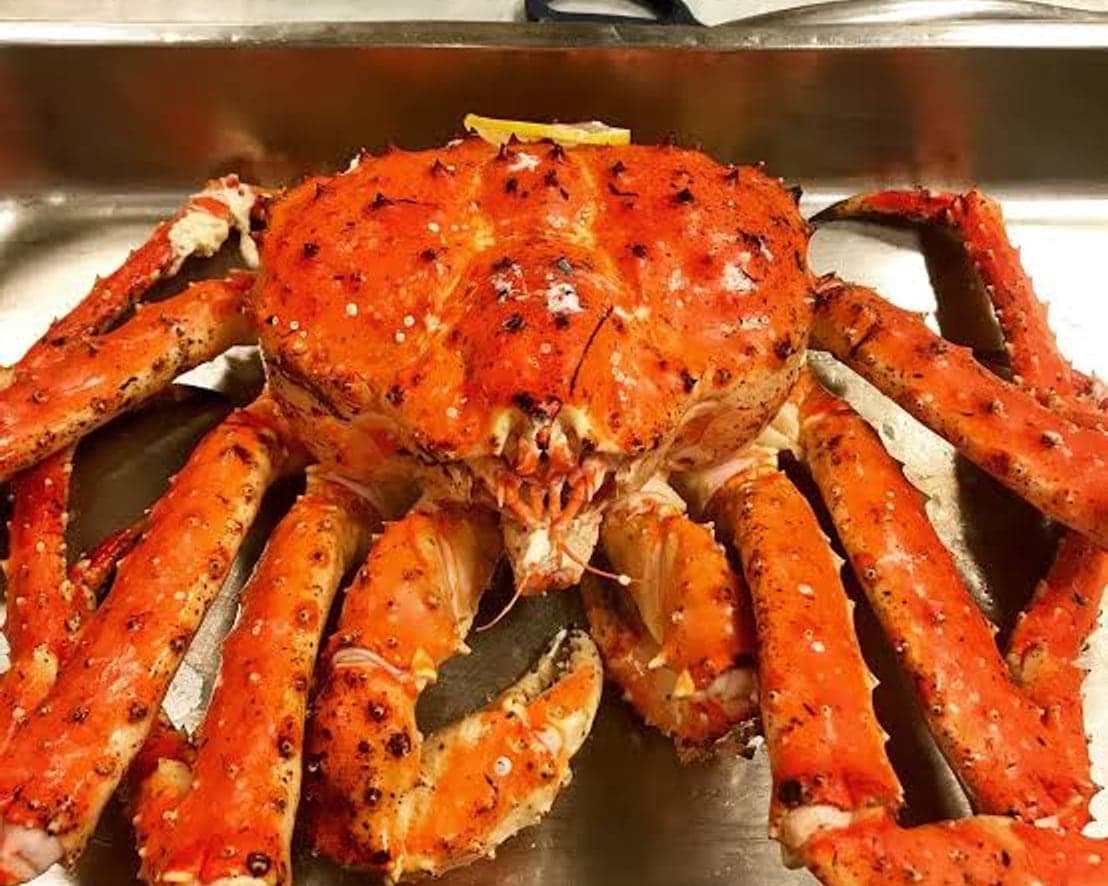
Red, golden and blue king crab, cooked frozen or live by request
Species Profiles7 min read
How clawed lobsters differ from spiny and rock lobsters, which species come from which oceans, what homard, langouste and crayfish really mean, and where slipper lobsters and langoustines fit.
Read the guide
Buying Guide7 min read
How chefs, foodservice buyers and brand owners match grade and format to the application, compare suppliers on cost per portion, and keep quality consistent across orders and channels.
Read the guide
Import & Compliance7 min read
The market-access, species, documentation, classification and commercial checks an importer should complete before placing a first order for dried seafood.
Read the guideRequest a quote
Share your target grade, packing, volume and destination. We confirm availability, documentation for your market and a formal quotation, usually within one business day.