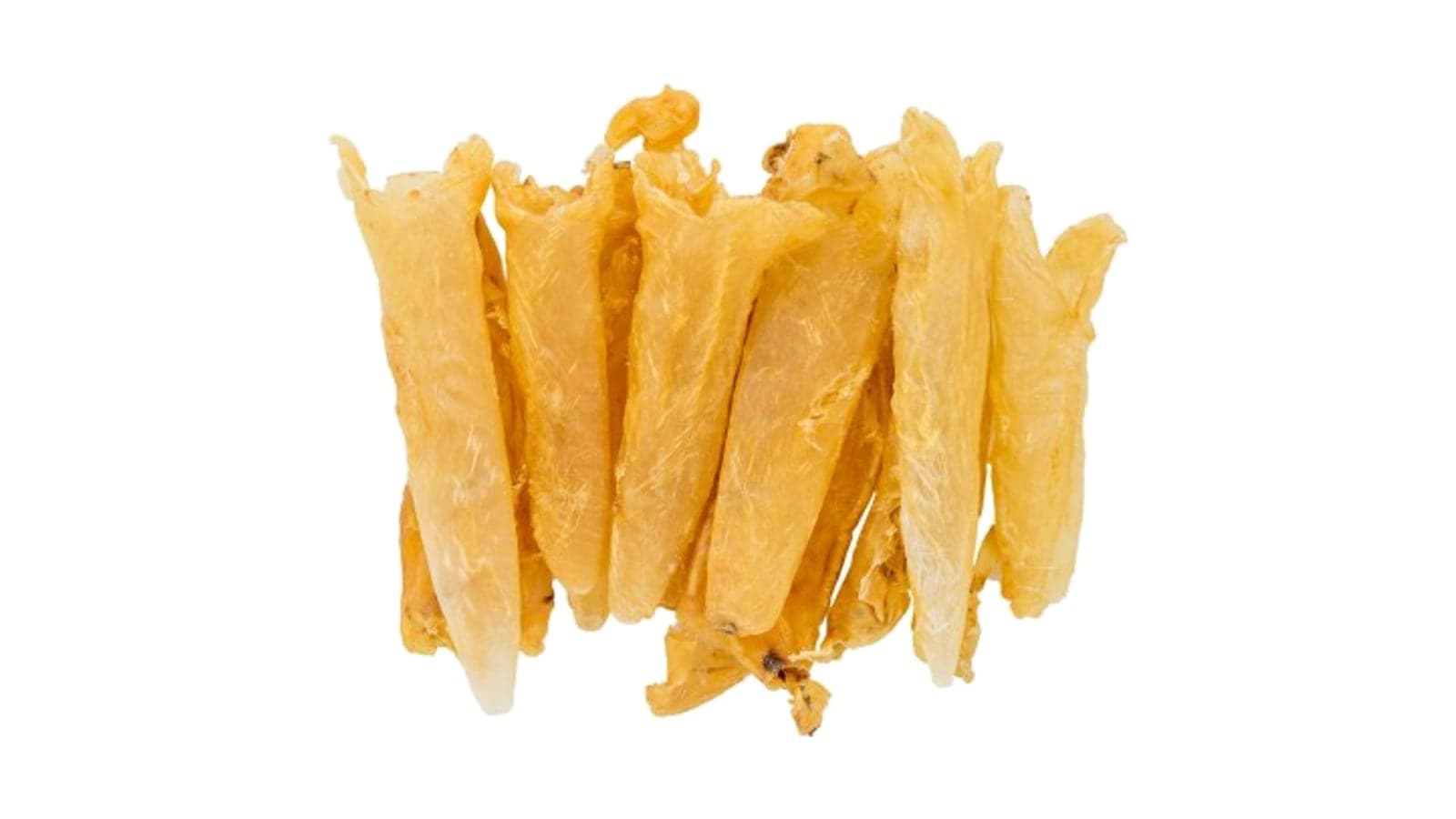
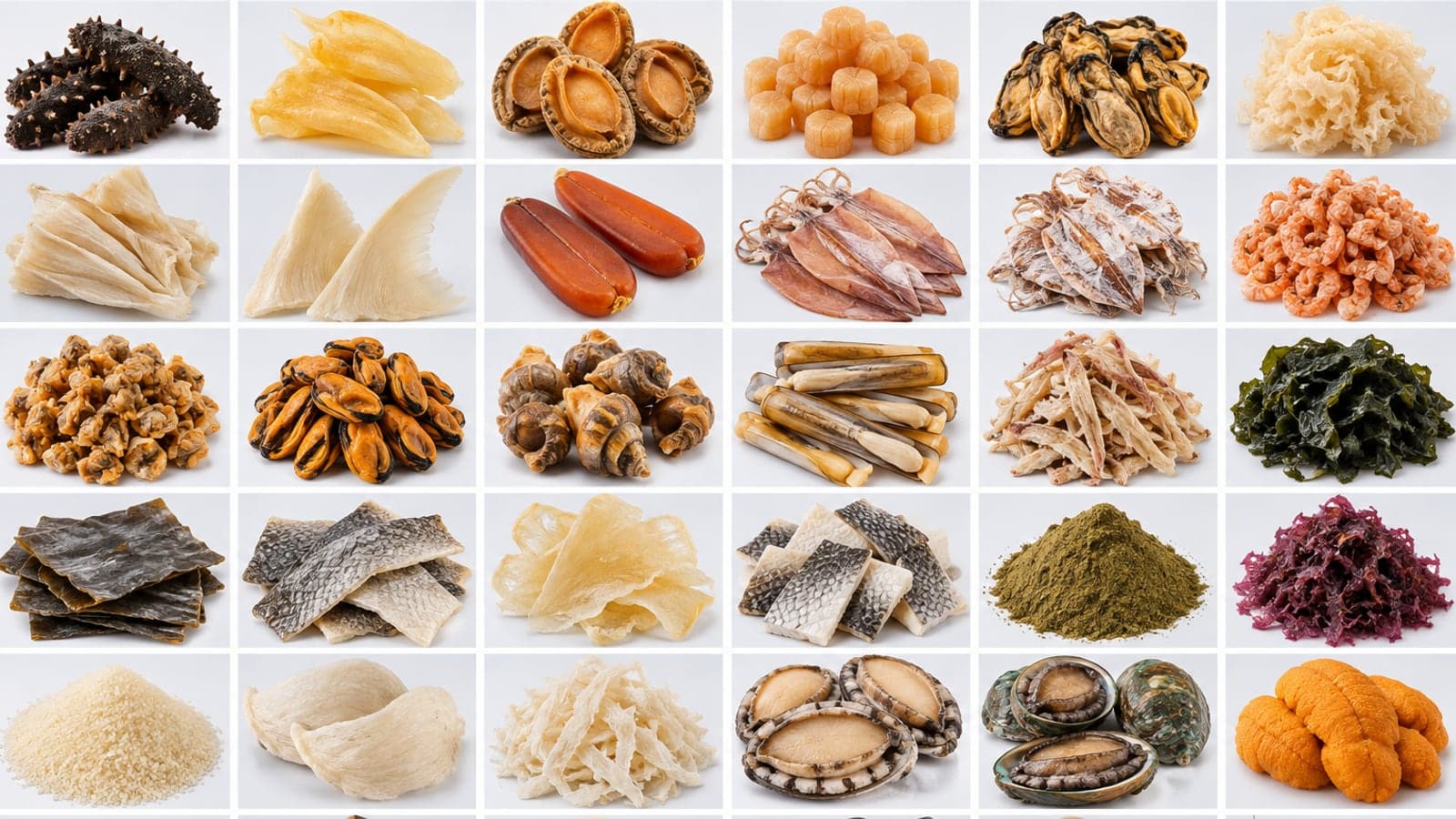
Dried seafood is usually described as shelf-stable, and in trade terms that is broadly fair: removing most of the water is what allows dried abalone, fish maw, conpoy and sea cucumber to travel in ambient containers and sit in a distributor’s warehouse for months. Shelf-stable is not the same as inert, though. A carton of premium dried abalone kept in a warm, humid store can soften, pick up odors, show mold in its folds or lose the clean aroma that justified its grade — and the loss is usually discovered only when a customer opens the box.
This guide sets out how professional buyers protect dried seafood from receipt to sale: what causes deterioration, how to set up and run a dry store, when chilled or frozen holding makes sense, what to watch for product by product, and what to tell retail and foodservice customers about storage after opening and after rehydration. The conditions given here are general working guidance. Where a lot specification or your local food-safety rules say something different, follow them.
Key takeaways
- Moisture, warmth, oxidation, odor transfer and pests cause most quality loss in dried seafood; humidity is usually the first thing to control.
- Hold cartons below roughly 20 °C where possible, dry, ventilated, off the floor and away from odorous goods, rotating stock by FIFO or FEFO.
- Chilled holding at around 0–5 °C suits high-value lines kept for longer; semi-dried golden oysters need chilling or freezing throughout.
- Keep cold packs sealed until they reach room temperature to prevent condensation and mold.
- Rehydrated product is perishable: refrigerate it, use it promptly or freeze it in portions.
Why dried seafood deteriorates
Most quality losses in dried seafood trace back to a small number of mechanisms. Knowing which one threatens which product makes it much easier to decide where storage effort and cold-room space should go.
- Moisture uptake. Dried products are hygroscopic: in humid air they slowly absorb water, which softens texture, makes surfaces tacky and, past a certain point, allows mold to grow. Salted products may also ‘weep’ or develop a heavier salt bloom.
- Oxidation and rancidity. Lines with more fat — dried shrimp, conpoy, dried oysters and some dried fish — slowly oxidize, developing stale or rancid notes and darkening or fading in color. Warmth, light and air all speed the process.
- Odor transfer. Dried seafood both gives off and absorbs odors. Bird’s nest and pale fish maw are particularly easy to taint when stored near dried squid, spices, solvents or cleaning chemicals.
- Insects and pests. Dermestid beetles and mites are well-known pests of dried fish, other stored-product insects will attack dried shellfish, and rodents are drawn to any food store. Infestation often starts inside cartons, out of sight.
- Mold. Usually a consequence of moisture, whether from humid storage, condensation or product that was not dried thoroughly in the first place. It tends to appear first in folds, cavities and the contact points between pieces.
Temperature drives several of these at once. A warmer store accelerates oxidation, encourages insect activity and, when the air is also humid, shortens the time before mold appears. That is why the same lot can hold its quality for well over a year in one warehouse and deteriorate within a season in another.
Setting up and running a dry store
A good dry store is not complicated, but it does demand discipline. The basics below apply whether dried seafood has a dedicated room or occupies one section of a general ambient warehouse.
- Keep product cool, dry and ventilated, out of direct sunlight and away from heat sources such as roof spaces, dock doors and plant rooms.
- Stack cartons on pallets or racking, off the floor and clear of walls, so that air circulates and staff can inspect behind and beneath stock for damp or pest activity.
- Rotate stock first in, first out (FIFO), or first expired, first out (FEFO) where lots carry different expiry dates, and record lot codes on receipt so that any problem can be traced to a shipment.
- Run a documented pest-control program with monitoring points, and investigate any sign of activity at once rather than waiting for the next scheduled visit.
- Segregate dried seafood from strongly odorous goods, chemicals and raw agricultural produce, and give delicate lines such as bird’s nest an area of their own.
- Fit temperature and humidity loggers and actually review the readings, especially through humid summers and monsoon seasons.
Receiving matters as much as storage. Check cartons for crushing, wet patches and broken seals on arrival, open one pack from each lot to confirm odor and dryness, and quarantine anything doubtful before it is mixed with sound stock. Our quality assurance and export documentation page describes the checks made before dispatch, which gives a receiving team a useful reference point.
Temperature and humidity: working guidance
For ambient holding, the general rule is to keep dried seafood cool, ideally below about 20 °C, with low relative humidity. Of the two, humidity is often the more critical: a cool but damp store can still grow mold, whereas a dry store that runs slightly warm mainly speeds up oxidation.
For longer holding, many distributors move high-value lines into chilled storage at around 0–5 °C. Chilling slows oxidation and insect development and helps preserve texture, which matters for products sold on appearance and bite, such as dried abalone, fish maw and spiky sea cucumber. Some distributors also freeze certain products for extended holding — dried shrimp, conpoy and semi-dried oysters are common examples — but whether freezing suits a given lot depends on its moisture level and packaging, so check the specification first.
Product-specific notes
Each product has its own weak points. The table summarizes general recommendations; the specification for an individual lot takes precedence, particularly for products with higher residual moisture.
| Product | Recommended storage | Watch for |
|---|---|---|
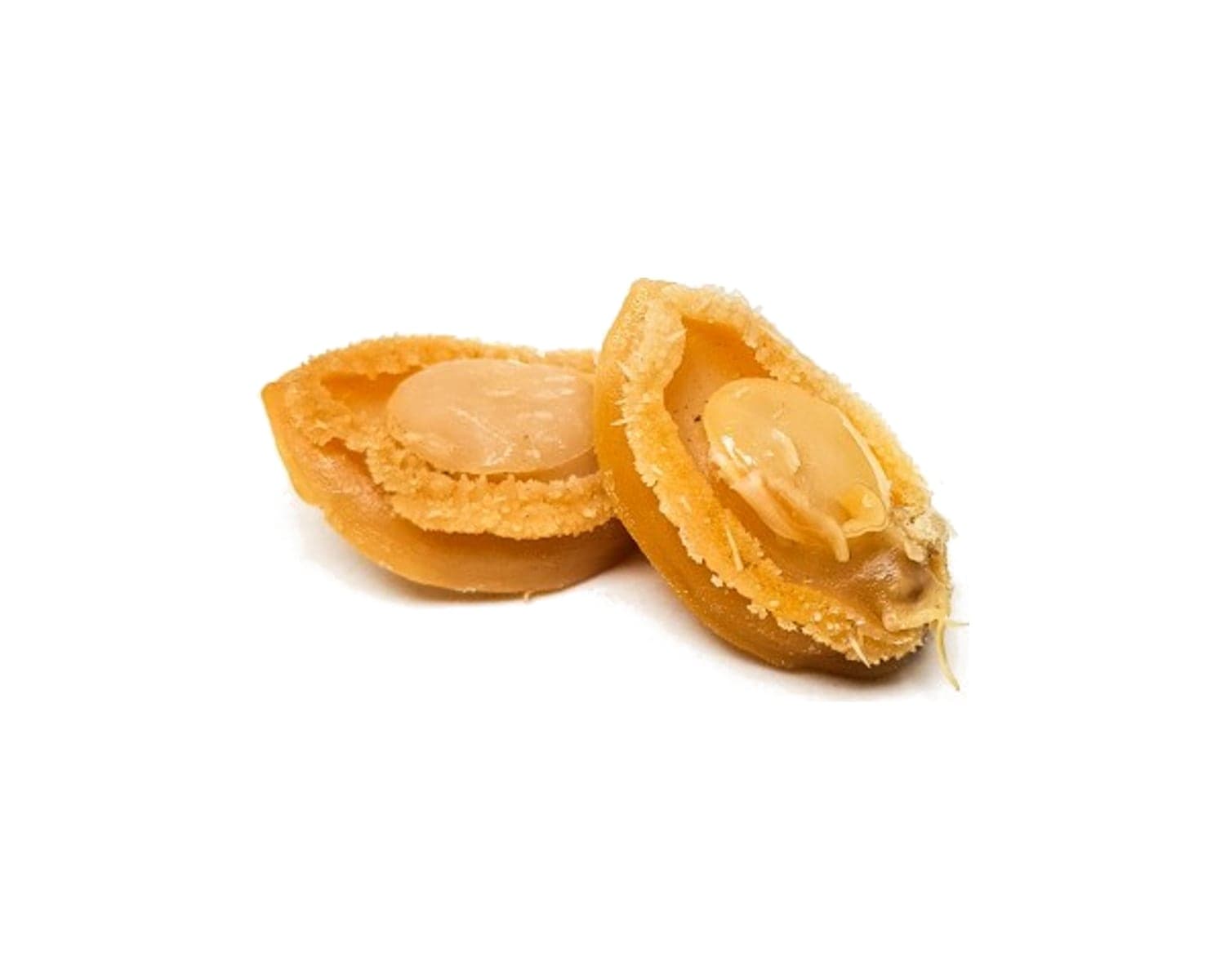
| Dried abalone | Sealed, cool and dry; chilled at 0–5 °C when stock will sit for several months. Premium whole pieces are often kept in individual boxes. | Mold around the skirt and base, softening, insect damage, odor pick-up |
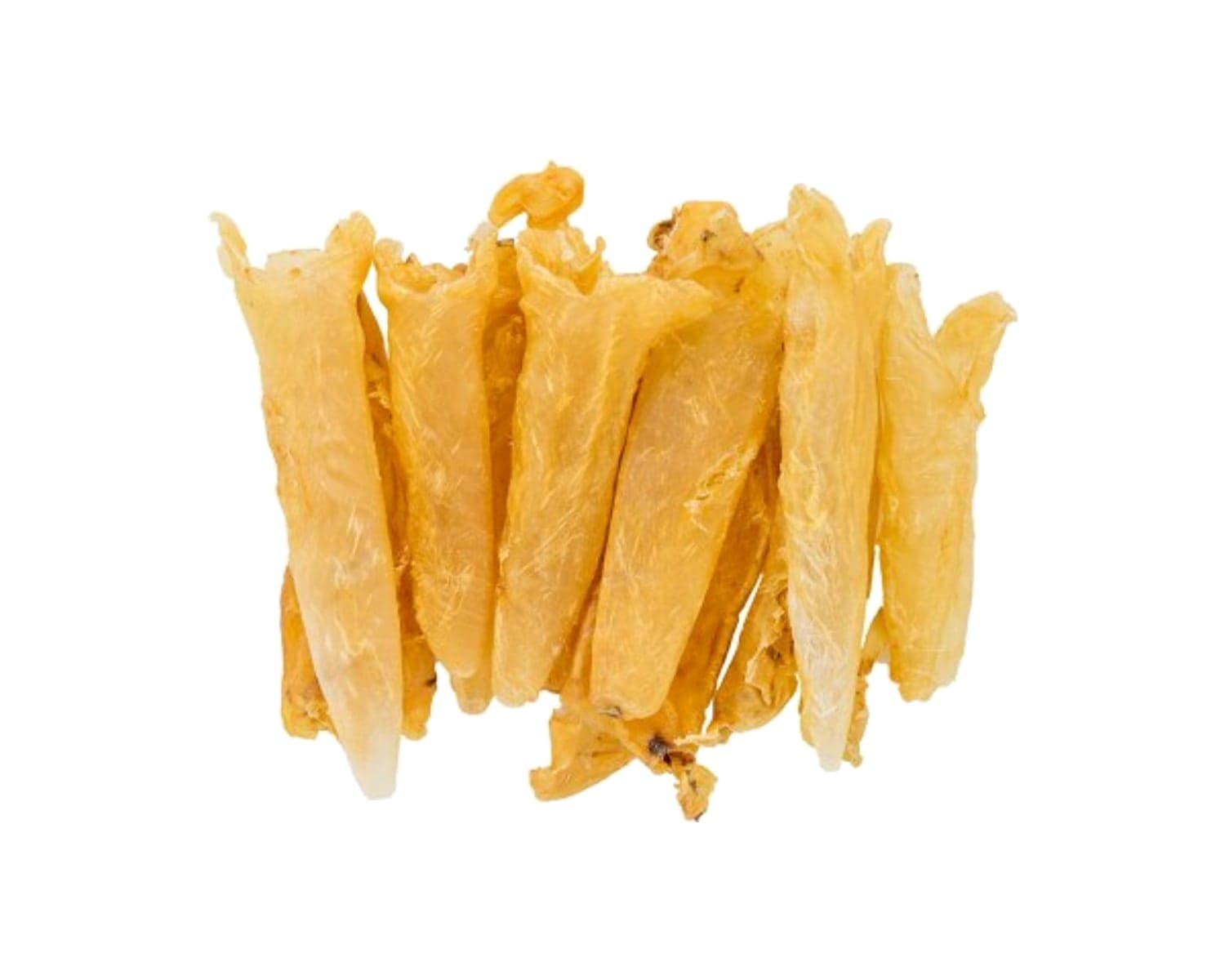
| Fish maw | Sealed, cool, dry and dark; chilled for long holding; kept apart from odorous goods. | Unexpected yellowing or dark spots, rancid or sharp odor, mold in folds, insect holes |
| Dried sea cucumber | Sealed, cool and dry; chilled for longer holding, particularly light-dried (low-salt) product. | Softening, heavy salt bloom, mold at cut ends, sour odor |
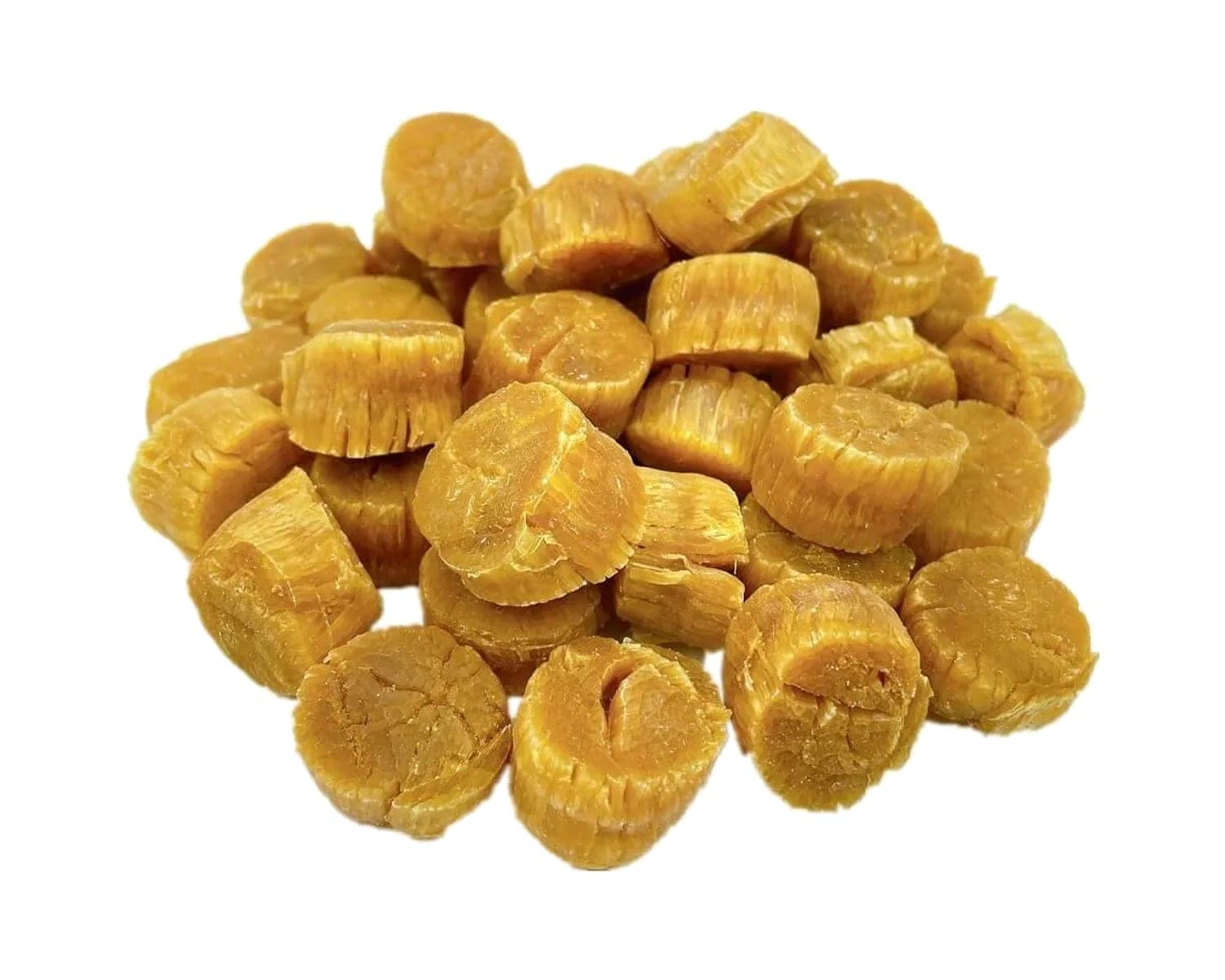
| Conpoy (dried scallops) | Airtight, cool and dry; chilled or frozen for extended holding. | Darkening, rancid notes, loss of sweet aroma, crumbling, mites |
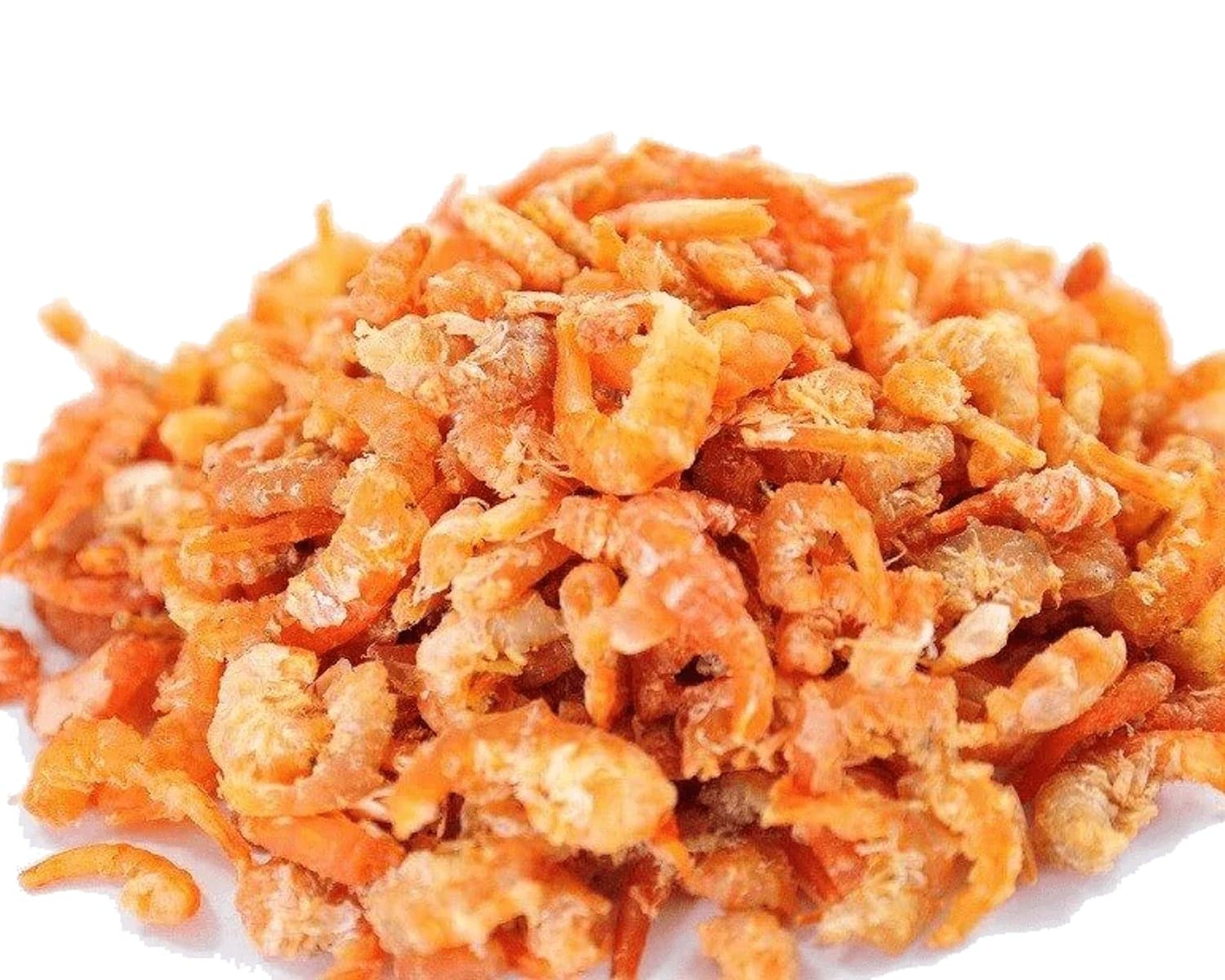
| Dried shrimp | Airtight; chilled for routine holding, frozen for longer storage where the packaging allows. | Fading color, rancidity, clumping, mold |
| Bird’s nest | Airtight, cool and dry, isolated from strong odors; if chilled, kept fully sealed to prevent condensation. | Moisture uptake, odor absorption, mold spots, discoloration |
| Dried oysters | Fully dried: airtight, cool and dry, chilled for long holding. Semi-dried golden oysters: chilled or frozen at all times. | Oil seepage, rancidity, stickiness and mold, especially in semi-dried product |
Aged fish maw is a special case. In parts of the trade, some fish maw is deliberately held for years under controlled, dry conditions, and aged stock is valued by some buyers for its deeper amber color, milder odor and cooked texture. This is a specialist practice that relies on careful monitoring; it should not be confused with stock left forgotten in a general warehouse. Our fish maw grading guide explains how buyers assess color and age.
Advice to pass on to retail and home customers
Retailers and restaurants that resell dried seafood should give end customers clear, simple storage instructions, whether on the label, on a shelf card or in an online product listing. Many complaints about ‘moldy’ or ‘stale’ product begin in the customer’s kitchen rather than the supply chain.
- Keep unopened packs in a cool, dry cupboard, away from the stove, kettle, sink and sunny windows.
- After opening, transfer the contents to an airtight container or reseal the pack tightly, pressing out excess air.
- For longer keeping after opening, put the sealed container in the refrigerator, and let it reach room temperature before opening so that moisture does not condense inside.
- Use clean, dry hands and utensils; a damp spoon is enough to start mold in a jar of dried shrimp.
- Write the opening date on the pack and use older stock first.
For gift-boxed lines such as whole-cup bird’s nest, a printed storage card inside the box works well, because the outer sleeve is often discarded long before the product is used.
Handling after opening and after rehydration
Once a dried product is soaked, it is no longer a low-moisture food. Rehydrated abalone, fish maw, sea cucumber or conpoy is a perishable, high-moisture ingredient and has to be handled with the same care as fresh seafood.
- Soak in clean, cold water. For multi-day soaks, such as sea cucumber or thick fish maw, keep the soaking container in the refrigerator rather than on the bench.
- Change the soaking water as directed, using clean containers and utensils each time.
- Once the product reaches the texture you want, keep it refrigerated and use it promptly — typically within a day or two, unless your food-safety plan sets a different limit.
- If you need to hold rehydrated product for longer, portion it and freeze it in sealed, dated packs.
- Discard anything that develops a sour or off odor, a slimy surface or unusual discoloration.
Exact holding times depend on the product, the kitchen and local food-safety regulations, which always take precedence over general guidance. Kitchens that would rather avoid soaking altogether can use ready-to-cook frozen formats, and our buyer’s guide for restaurants and retail weighs up that option.
This guide is general trade information, not legal or regulatory advice. Requirements differ by market and change over time; confirm current rules with your customs broker or competent authority before ordering.