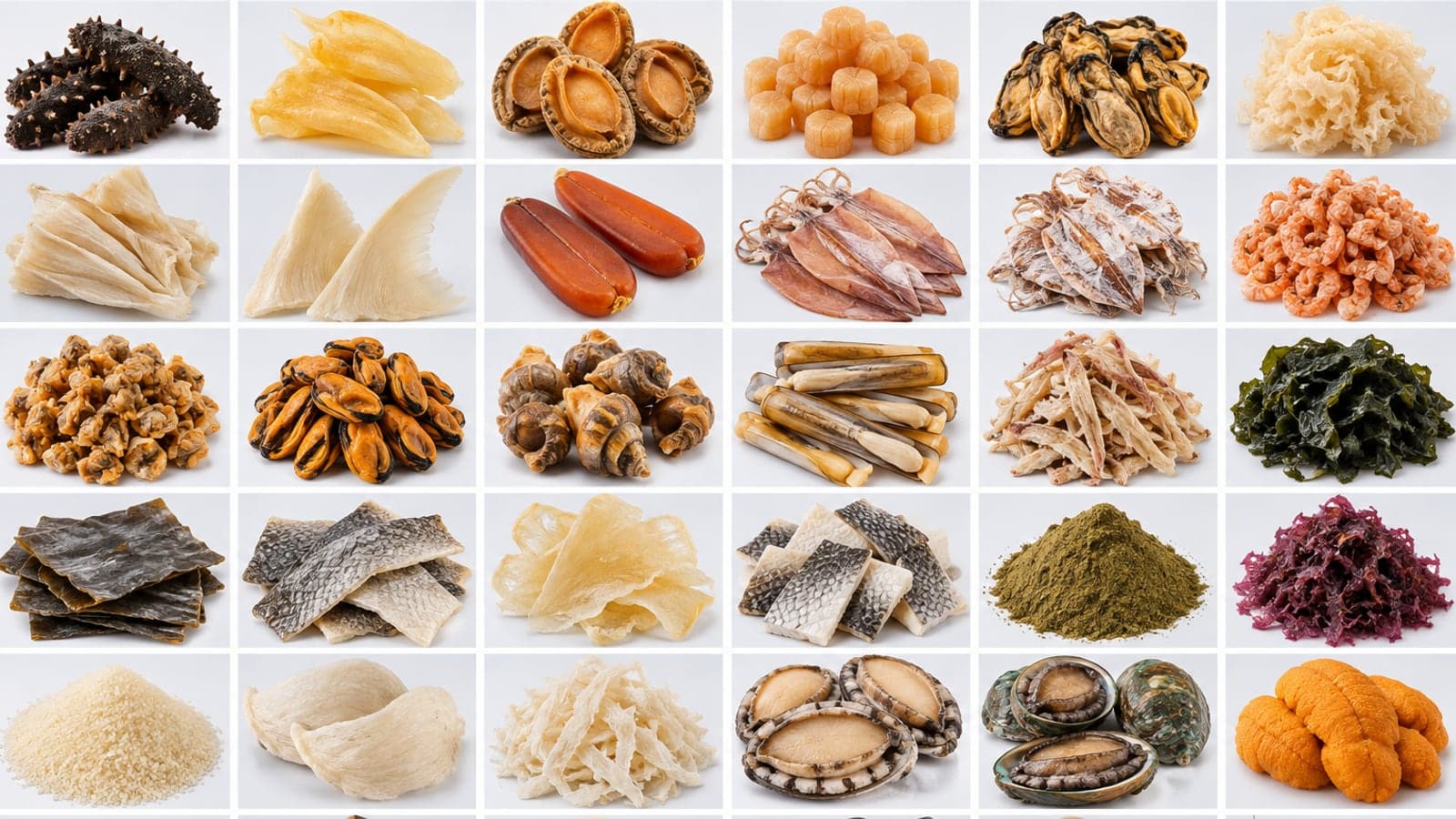
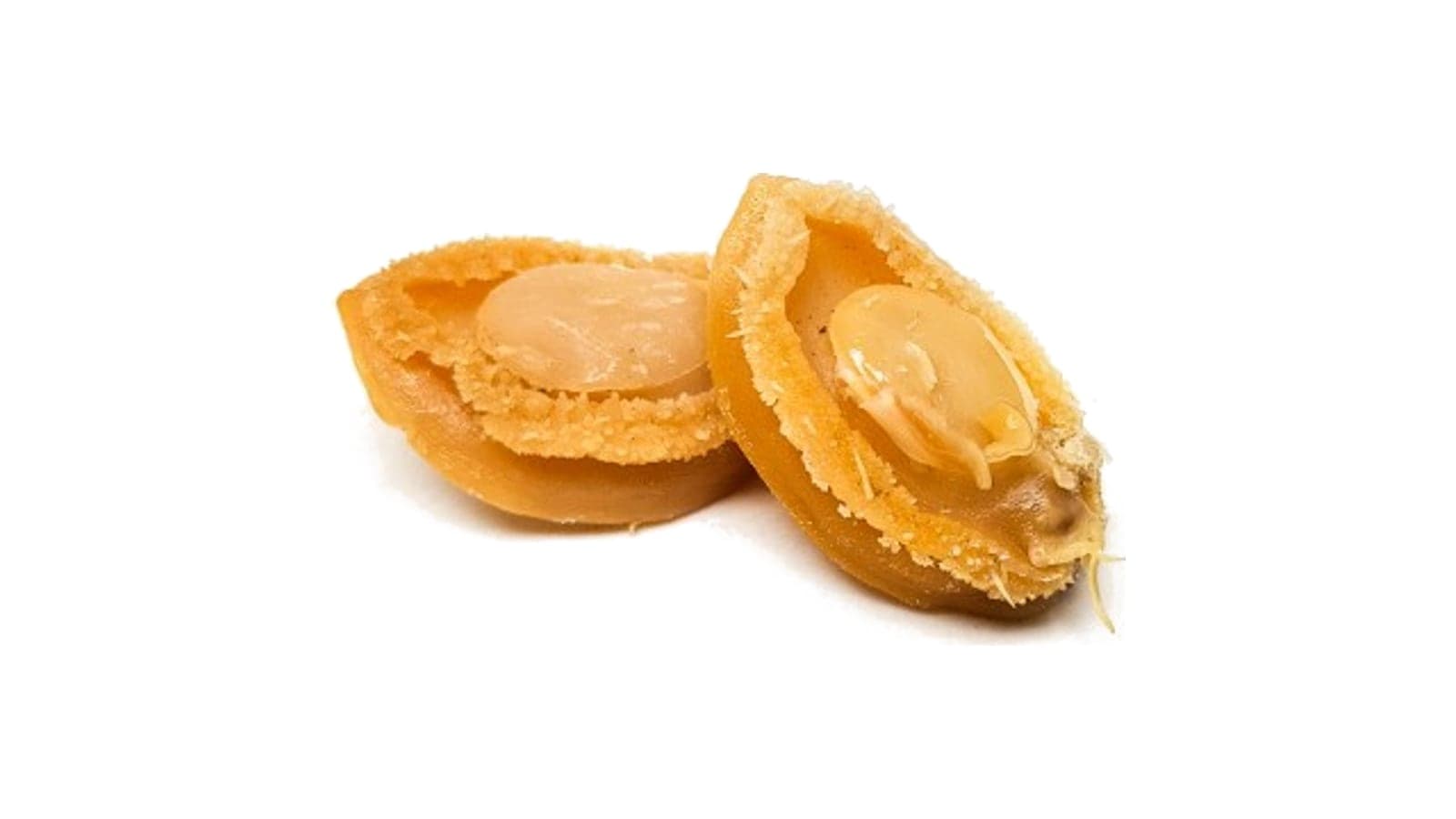
Edible bird’s nest is made from the solidified saliva that swiftlets use to build their nests; after cleaning, it is sold dry and by weight. Few products in the Asian dried goods trade are inspected as closely, because value rests on qualities a buyer can see and measure: the shape and completeness of the nest, its size, how thoroughly it has been cleaned, how evenly it is colored and how dry it is. Those same qualities are also where misdescription and adulteration tend to hide.
This guide covers where nests come from, the commercial formats from whole cup to crumbs, the attributes behind a grade name, moisture and soaking, adulteration risks, and the laboratory and traceability checks that guard against them. It is written for importers, distributors and dessert and beverage producers comparing offers for our whole-cup bird’s nest, our strips and pieces or any other supply, and it deals only with appearance, handling and documentation.
Key takeaways
- Grade names such as AAA differ from packer to packer; compare cup weight, completeness, cleanliness, feather content, color uniformity and moisture instead.
- Whole cups are bought for presentation, while corners, strips and pieces suit cooking and production, and each format is graded separately.
- Record soaked weight against dry weight for every new lot rather than relying on a quoted expansion figure.
- Guard against adulteration with independent laboratory testing tied to the lot code, including nitrite against your destination’s limit.
- Confirm traceability to the swiftlet house and cleaning plant, and facility eligibility for your market, before placing an order.
House-farmed and cave nests
Most commercial supply now comes from house-farmed nests. Purpose-built swiftlet houses in Southeast Asia, for example in Malaysia, Indonesia, Vietnam and Thailand, shelter colonies of the white-nest swiftlet, generally classified as Aerodramus fuciphagus, which build on wooden planks fixed under the roof. Harvests from a house can be planned, nests are easy to reach, and the result is usually cleaner and more regular in shape.
Cave nests are gathered from limestone caves, which some countries harvest under licensed concessions. They tend to be more irregular, can carry more embedded impurities and vary more in color with the cave environment, and they are not part of our standard range. Separately, nests of the black-nest swiftlet (Aerodramus maximus) contain a heavy load of feathers and need far more cleaning. Whatever the source, the swiftlet species and the house or cave origin should be declared on the offer.
Shapes and commercial formats
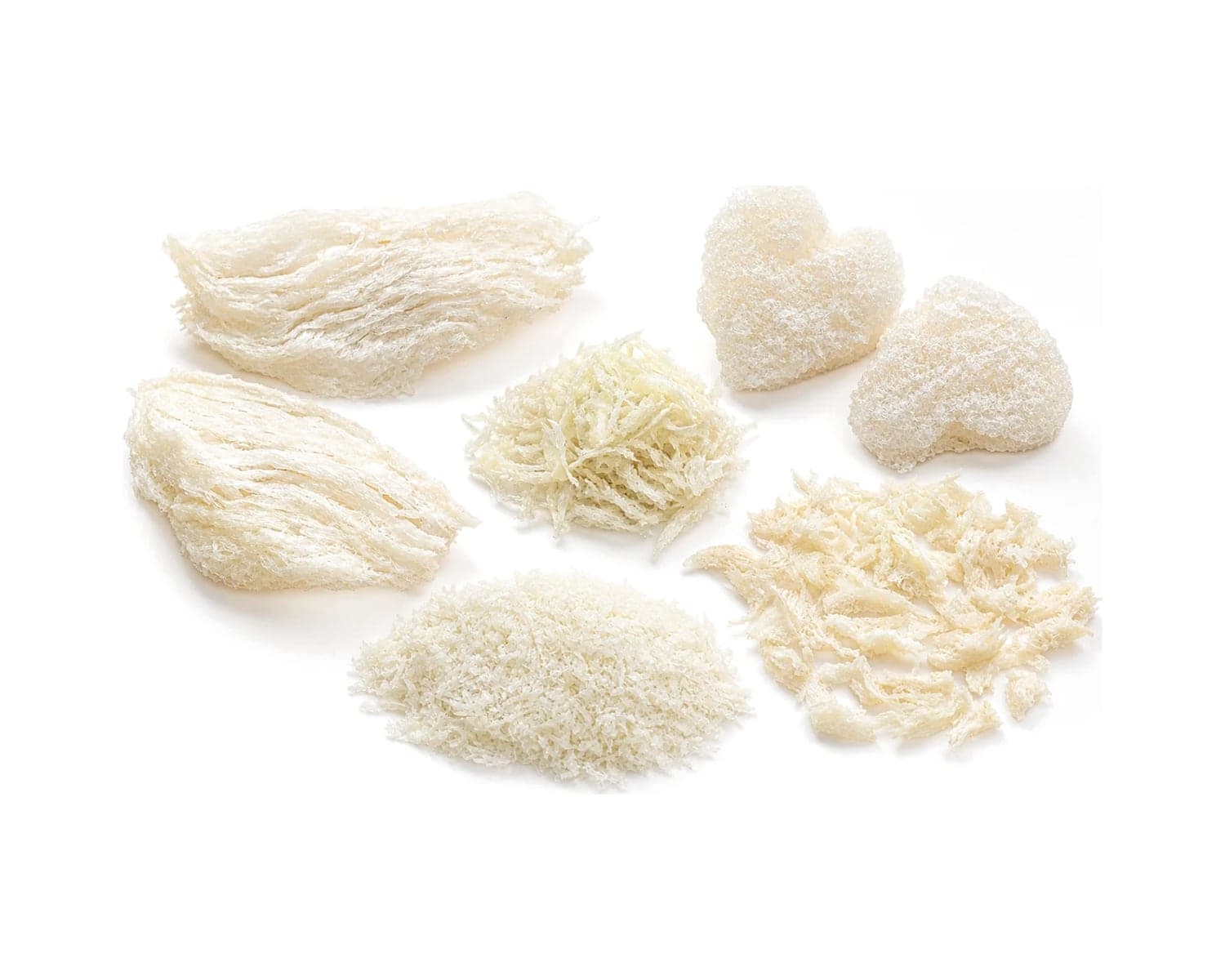
Cleaned nest is sold in four broad formats, each graded and priced on its own terms. Shape matters most where the end customer sees the nest; once it is soaked and cooked into a dessert or drink, the strands look much alike whichever format they came from.
| Format | What it is | What drives the grade | Typical use |
|---|---|---|---|
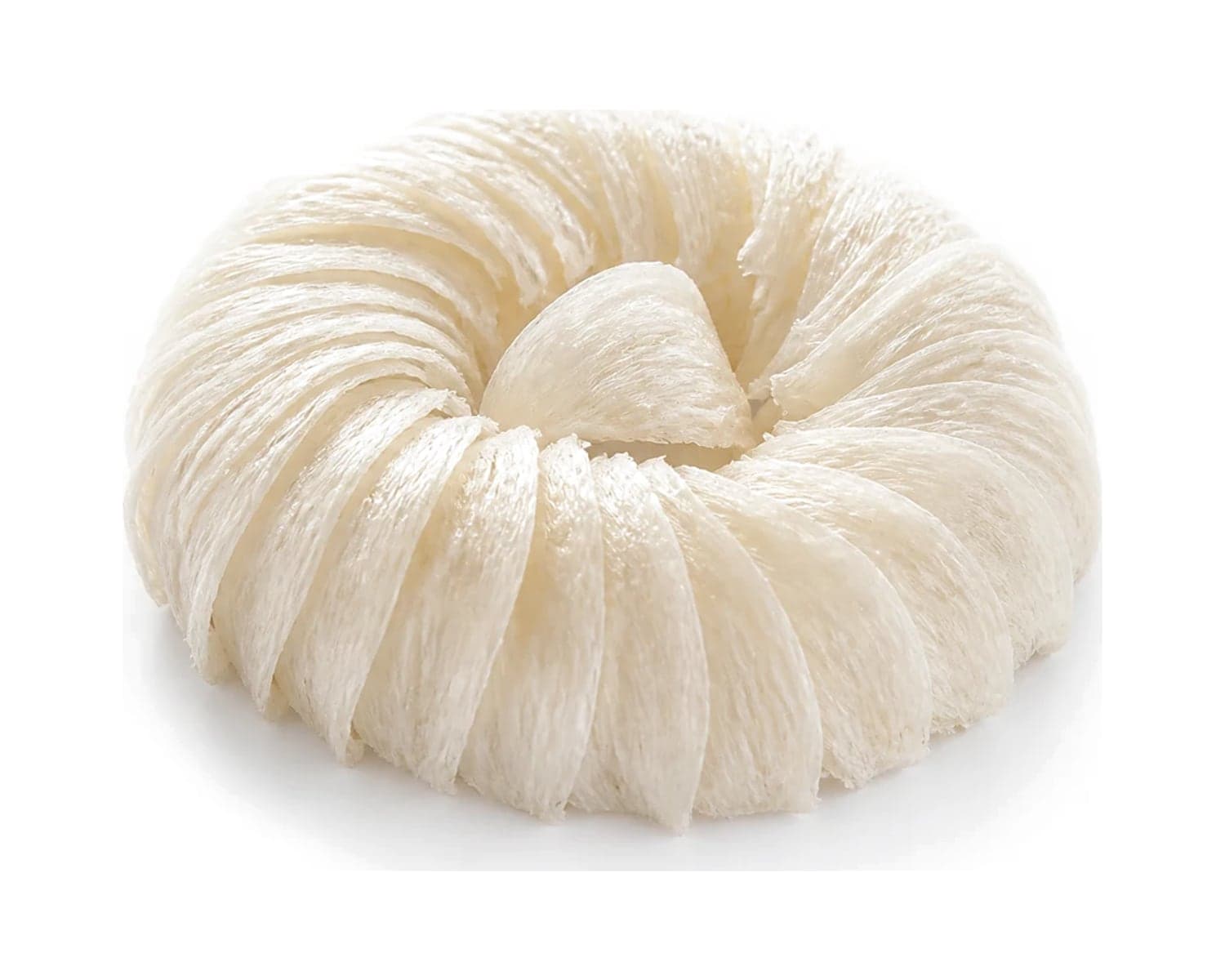
| Whole cup (燕盞) | The complete half-moon nest, cleaned and pressed back into shape on a mold | Dry weight per cup, unbroken rim, full body, strand thickness, even color within a box | Gift boxes, retail packs and plated desserts where the cup is presented |
| Corner or triangle (燕角) | The thick ends where the cup was cemented to the plank, also called feet | Density, cleanliness and size uniformity; corners soak more slowly than cups | Desserts where a chewier bite is wanted; value packs |
| Strips (燕條) | Long, narrow sections of nest wall from cups that broke during harvest or cleaning | Strand length, residual impurity and the share of fine particles | Double-boiled desserts, bottled drinks and foodservice |
| Pieces and crumbs (燕碎) | Small fragments left over after cleaning and grading | Impurity level, proportion of dust-sized material and moisture | Dosing by weight into drinks, fillings and production batches |
Some packers press small fragments into molded shapes. That is a legitimate product when it is declared as such, and it should be graded and priced as pieces. The concern is fragments bonded into a cup outline and sold as whole cups, which is covered under adulteration below.
How grades are described
Grade names such as A, AA, AAA, premium or super are usually chosen by each packer, and no single standard governs them across the trade. One supplier’s AAA cup may match another’s A, and a name can drift from one season to the next. Compare offers instead on the measurable criteria a grade is built from:
- Size and weight. Dry weight per cup is the main size measure for whole cups, usually quoted as a weight band; strips are described by length and pieces by particle size.
- Completeness. An unbroken rim and a full, even body, with no missing corners, cracks or thin patches.
- Cleanliness and impurity level. How much foreign matter, such as specks, grit or plant debris, remains after cleaning when the nest is viewed under bright light.
- Feather content. Residual fine feathers per cup or per sample, often the largest difference between grades of similar size.
- Color uniformity. Natural nest ranges from white through ivory to pale gold, shifting with the house, the season and the age of the nest. Graders look for an even shade within each box, not a particular color.
- Strand structure. Thick, closely packed strands are usually preferred to thin, open ones, as they tend to hold together better once soaked.
Ask every supplier to set these criteria against each grade name on the offer, and to send photographs of the actual lot under consistent lighting beside a scale. Our own offers map each commercial grade name to measurable criteria, because a description that cannot be checked on arrival is not a specification.
Moisture and expansion on soaking
Bird’s nest is bought dry and used soaked, so moisture affects both value and keeping quality. A nest that was not dried thoroughly after cleaning carries water at the price of nest, feels slightly pliable instead of crisp, and is more prone to mold and odor in storage. Agree a maximum moisture figure in the specification, confirmed per lot, rather than relying on feel alone.
On soaking, cleaned nest takes up water, softens, swells to several times its dry volume and loosens into separate strands. How far it expands, and how well the strands survive cooking, depends on density, format and how the nest was cleaned and dried, so a fixed ratio quoted in advance means little. Run a soak test instead:
- Weigh a sample drawn from the lot while dry, and note its format and grade.
- Soak it in clean, cool water using one standard method for every lot; cups and strips soften faster than dense corners.
- Drain for a fixed time and weigh again.
- Spread the soaked sample on a white tray and look for feathers and specks, which stand out more clearly once the nest has softened.
- Record soaked weight against dry weight, then cook a portion in your standard recipe and note whether the strands stay distinct or break down.
Use the results to compare lots and to set servings per cup or per gram, and repeat the test whenever the house, cleaning facility or season changes.
Common adulteration risks
High value per gram, and a product sold partly on looks, make bird’s nest a target for adulteration. The risks buyers most often guard against are:
- Fillers and bulking agents: starches, gums, gelatin or other gelling materials added to raise weight or fill out thin nests.
- Reconstructed cups: broken pieces bonded into a cup outline and sold as whole cups. Pressing a cleaned cup onto a mold is standard practice; assembling fragments into one and calling it whole is not.
- Bleaching or whitening agents: used to lighten color or mask residual impurities.
- Colorants: used to deepen or even out color.
- Excess moisture: water left in, or added back, to increase salable weight.
- Misdeclared source: cave or black-nest material, or nest from another country, presented as something else.
Laboratory testing, traceability and plant registration
Because adulteration is hard to see, buyers protect themselves through testing and paperwork. Use an independent, accredited laboratory, agree the parameters and the destination’s limits before samples are drawn, and make sure each report carries the lot code of the goods being shipped. Specialist laboratories offer authenticity testing using several analytical approaches; ask which method fits the question you need answered, since no single test detects every adulterant.
Nitrite is among the parameters that destination authorities and importers most often specify for bird’s nest. Where limits exist they are set by each importing country and differ between markets, and the test method can matter as well. Confirm the limit and method that apply to your destination with the import authority or your customs broker, and test every lot instead of relying on an earlier result, because levels can differ from one lot to the next.
Traceability and facility eligibility carry equal weight. Some destinations admit bird’s nest only from processing plants on their own list of approved establishments, may require each pack to bear a code tracing it to the registered swiftlet house and processing plant, and often ask for veterinary or animal-health certification as well. Ask for the house region and cleaning facility on every offer, and check eligibility against the authority’s published list where one exists. We confirm facility eligibility for your destination before quoting, and our export quality assurance page explains how lot codes link to laboratory results. For classification and the wider document set, see what importers need to know before ordering dried seafood.
Inspection checklist
Use this list on samples before approval and again on arrival, working under bright, even light on a white surface with nests drawn from several boxes.
- Format and grade name match the offer, with measurable criteria stated for each grade
- Cup weight checked on a weighed sample against the stated band
- Rims and bodies complete, with broken cups counted and recorded
- Residual feathers and specks counted per cup or per sample, both dry and after soaking
- Color even within each box, with no sign of dyeing or bleaching
- Nest crisp and dry, free of softness, tackiness, condensation or musty notes
- Soak test recorded: dry weight, soaked weight and strand behavior after cooking
- Laboratory report, including nitrite, carrying the lot code of the shipped goods
- Swiftlet house region, cleaning facility and destination eligibility confirmed in writing
- Photographs of the actual lot received before shipment, and a reference sample retained
To start with a small lot and run these checks yourself, request a quote naming the format, grade and destination.
This guide is general trade information, not legal or regulatory advice. Requirements differ by market and change over time; confirm current rules with your customs broker or competent authority before ordering.