Most problems with a first import of dried seafood have little to do with quality. They are about eligibility and paperwork: a product that cannot legally enter the destination market, a health certificate in the wrong format, a species name that does not match the permit, or a label that has to be redone in a bonded warehouse. Such problems are expensive to fix once the goods are on the water, and some cannot be fixed at all.
This guide sets out the questions to answer before placing an order: market access, species and CITES status, documents, tariff classification, labeling, commercial terms and inspection. Import rules differ by country, change over time and depend on the exact product, species and origin. Treat what follows as general orientation, not legal advice, and confirm the current requirements for your market with the relevant authorities and a licensed customs broker before you commit.
Key takeaways
- Market access comes before price: eligibility is decided product by product, origin by origin and often plant by plant.
- Check CITES status and domestic restrictions for every species, and make sure species names match across offer, permits and documents.
- Agree the document set, health certificate format and HS codes with your supplier and customs broker before goods ship.
- Put labeling, language, Incoterms and payment terms in writing, and benchmark each shipment against retained product from the approved lot.
- Requirements change over time, so treat each new product, origin or destination as a fresh compliance check.
Start with market access
Before discussing price or grade, establish whether the product can enter your market at all. For products of animal origin, access is usually decided at several levels: the product category, the species, the country of origin and, in many cases, the individual processing facility.
- Product and origin. Some markets accept particular fishery products only from countries that have an agreed sanitary arrangement or appear on an approved list.
- Facility eligibility. Some markets require the processing establishment itself to be registered or listed. For example, China requires overseas manufacturers of imported food, including aquatic products, to be registered with the General Administration of Customs (GACC), and the EU requires products of animal origin to come from establishments on approved lists for the exporting country.
- Importer obligations. Some markets also place duties on the importer, such as registration, advance notice of shipments or verification of a foreign supplier’s food-safety controls; the United States is one example.
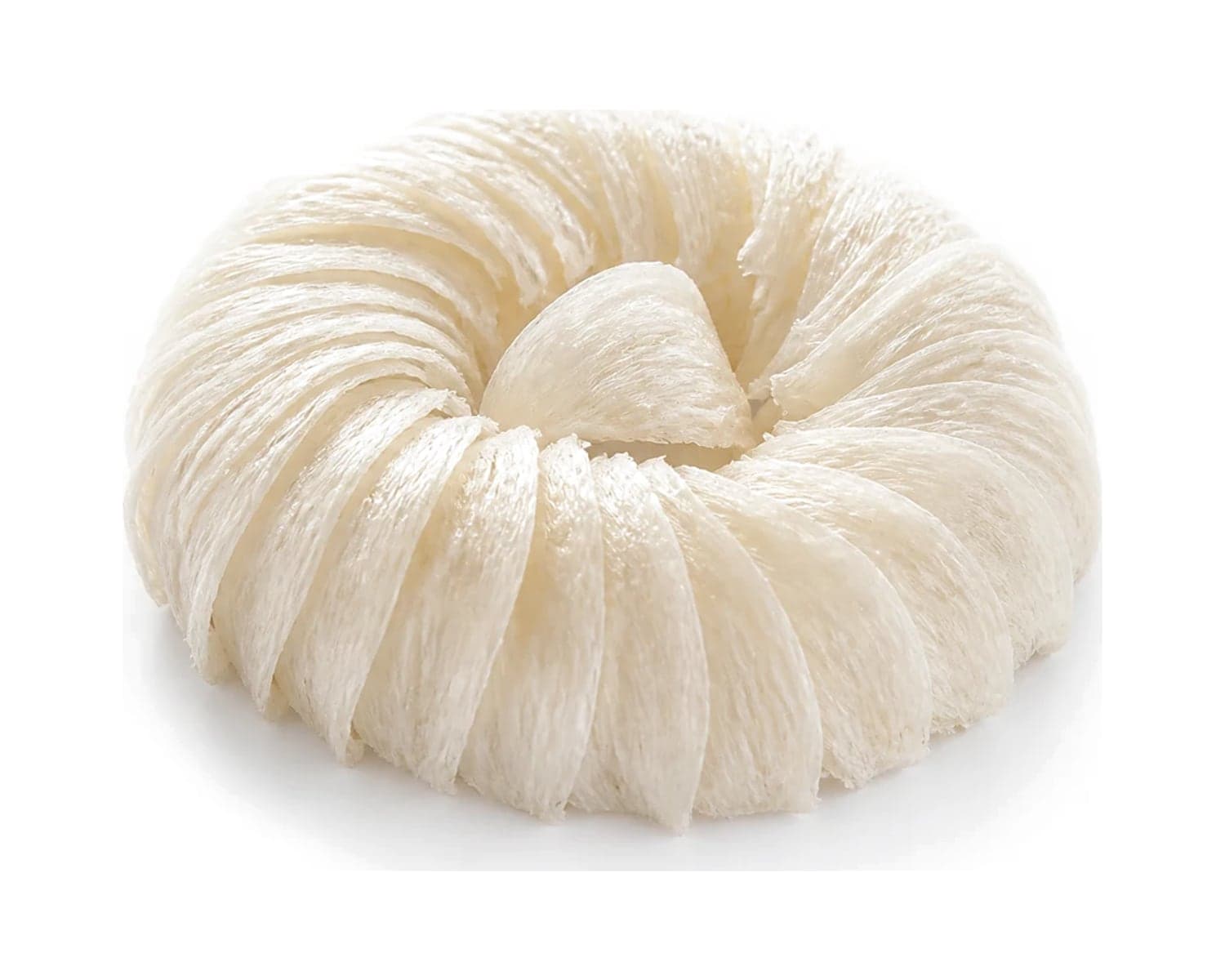
- Product-specific protocols. Certain products carry extra conditions in some markets. Edible bird’s nest, for instance, may require registered processing facilities and specific animal-health attestations.
Get written confirmation from your supplier that the specific facility and product are eligible for your country, and check that statement against the competent authority’s published lists wherever they exist.
Check species, CITES status and legal origin
Dried seafood is traded under names that can cover several species, but customs, veterinary and wildlife authorities work from scientific names. The species therefore has to be declared accurately and identically on the offer, the shipping documents and, where required, the label.
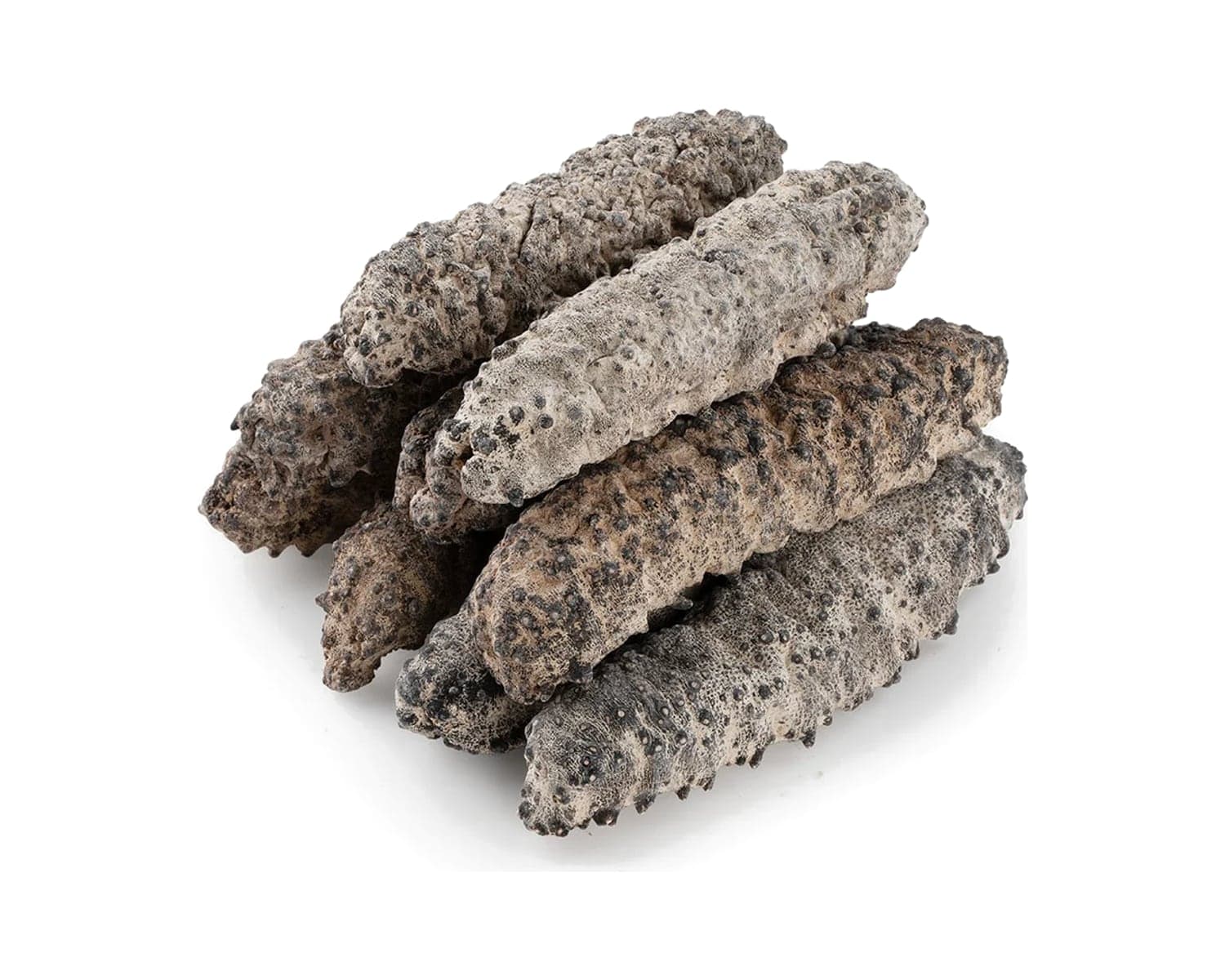
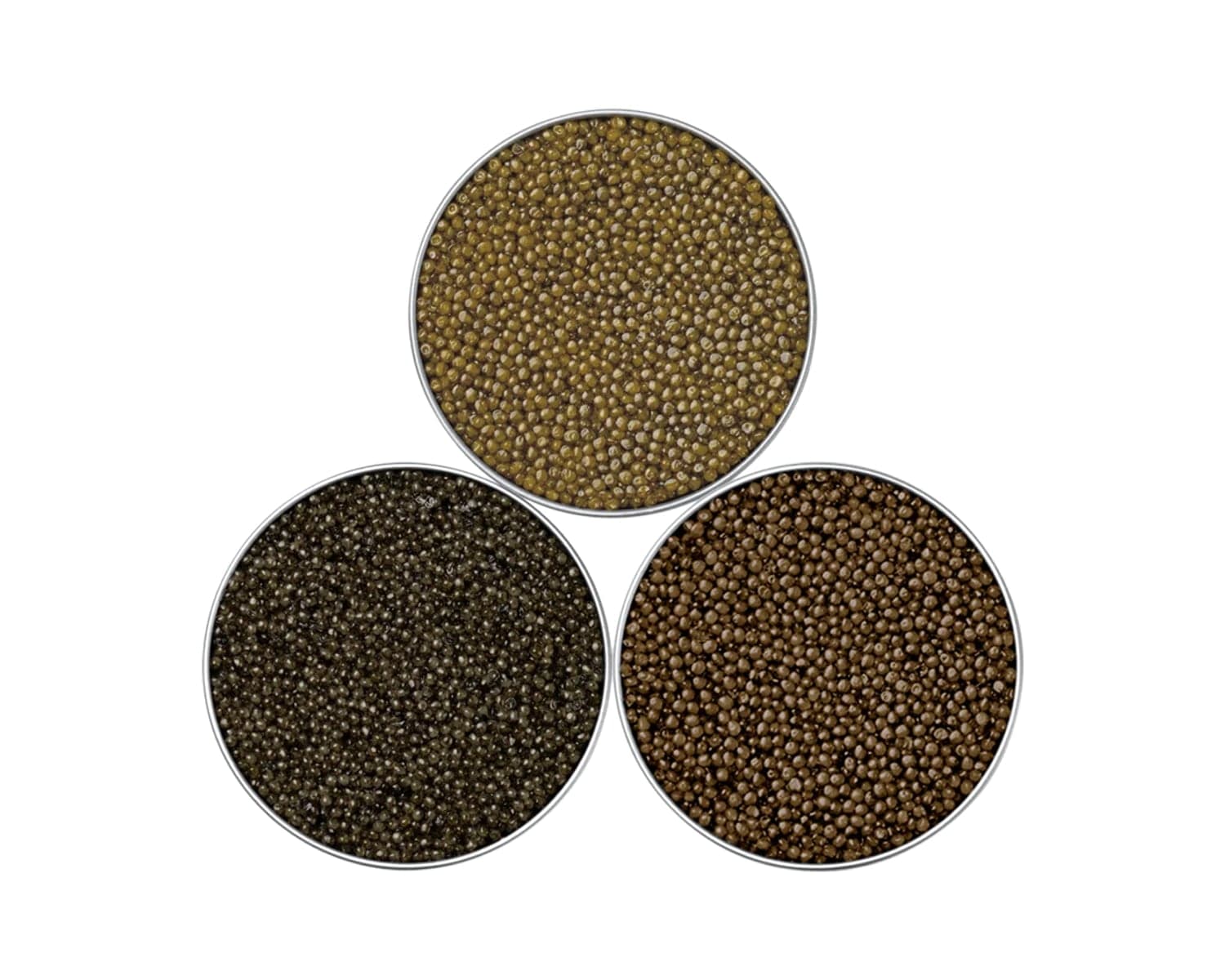
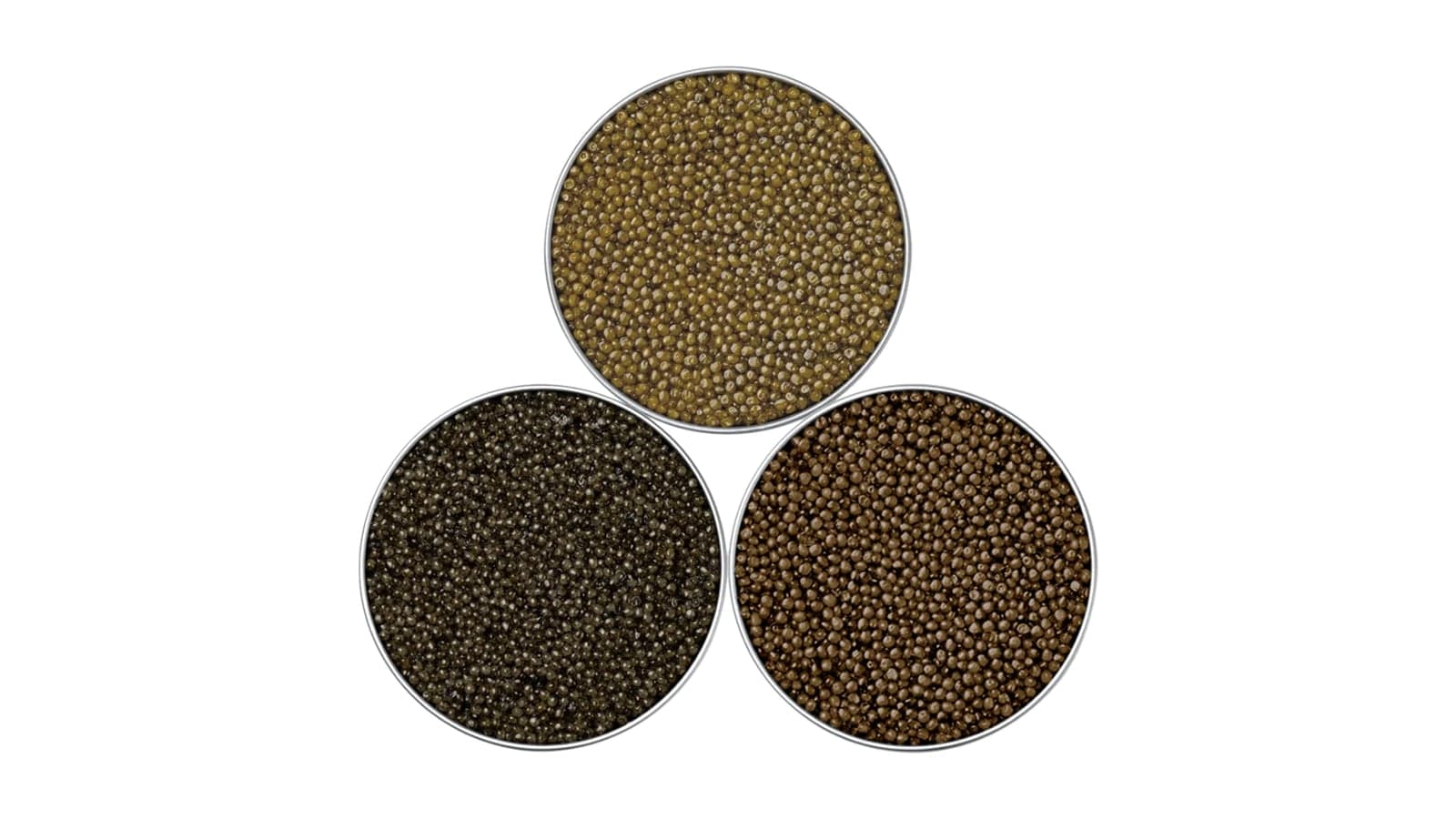
Some species used in the dried seafood trade are listed under CITES, the Convention on International Trade in Endangered Species of Wild Fauna and Flora. For example, several tropical sea cucumbers, including the teatfish group, are listed in Appendix II. All sturgeon and paddlefish species are CITES-listed, most of them in Appendix II, which brings caviar into scope, and a number of shark species used for fins are listed too. Trade in Appendix II species requires a CITES export permit granted by the management authority of the exporting state, and some importing markets, the EU among them, also require an import permit for many listed species.
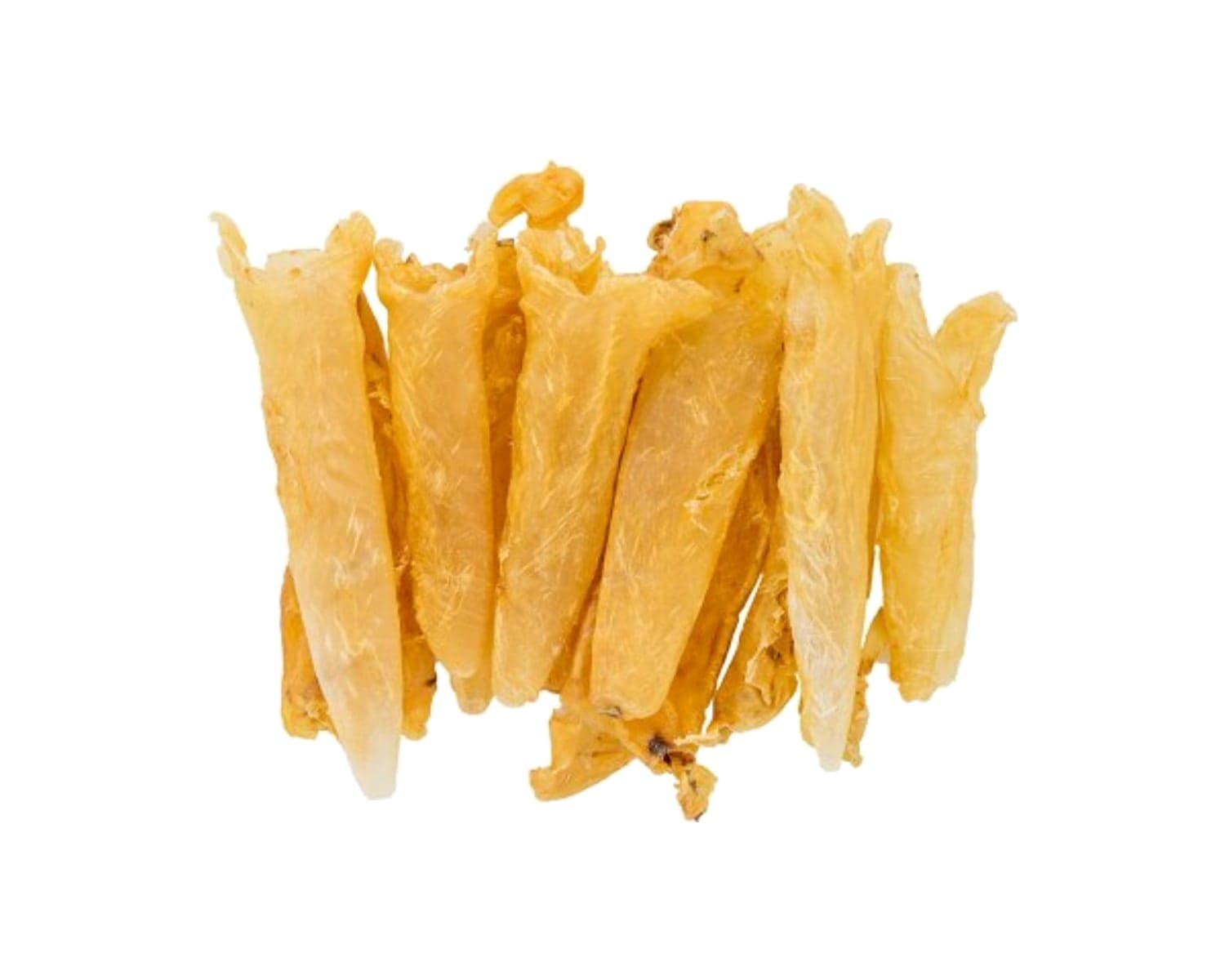
Domestic law can go further than CITES, and some markets restrict particular products regardless of permit status. For fish maw, insist on a declared species and on supply limited to species that are legal to trade and not protected. Offers for dried sea cucumber and premium roe and caviar should state species and permit status at the outset, not after the order is placed.
The documents you are likely to need
Document requirements depend on the product, origin, destination and mode of transport. The table lists those most commonly involved in dried seafood imports; not every shipment needs all of them, and some markets ask for additional certificates or declarations.
| Document | Purpose | Notes |
|---|---|---|
| Commercial invoice | States the goods, value, parties and agreed Incoterm; the basis for customs valuation and duty | Descriptions, weights and HS codes must match the other documents exactly |
| Packing list | Details cartons, net and gross weights and lot codes for each line | Used for customs examination and warehouse receiving |
| Bill of lading or air waybill | Contract of carriage and receipt for the goods | An original ocean bill of lading can serve as a document of title; an air waybill does not |
| Certificate of origin | Confirms the country where the goods originate | A specific form may be needed to claim preferential duty under a trade agreement |
| Health certificate | Official attestation, signed for the exporting country by its competent authority, that the consignment meets the importing country’s sanitary requirements | Must follow the format agreed for the destination; originals often have to accompany or precede the goods |
| Catch certificate | Shows that wild-caught fish were legally harvested, for example under the EU’s IUU rules for wild-caught fishery products | Product processed in a third country may also need a processing statement |
| CITES permits | Authorize international trade in listed species | Export permit from origin; some markets also require an import permit; species and quantities must match the shipment |
| Lab test reports / certificate of analysis (COA) | Report results for agreed parameters such as moisture, microbiology or contaminants | Agree tests, limits and laboratory in the contract before shipment |
Ask for draft copies of every document before the goods ship, and check names, weights, species and HS codes for consistency across the set. Discrepancies between documents are a frequent and avoidable cause of clearance delays.
Tariff classification and HS codes
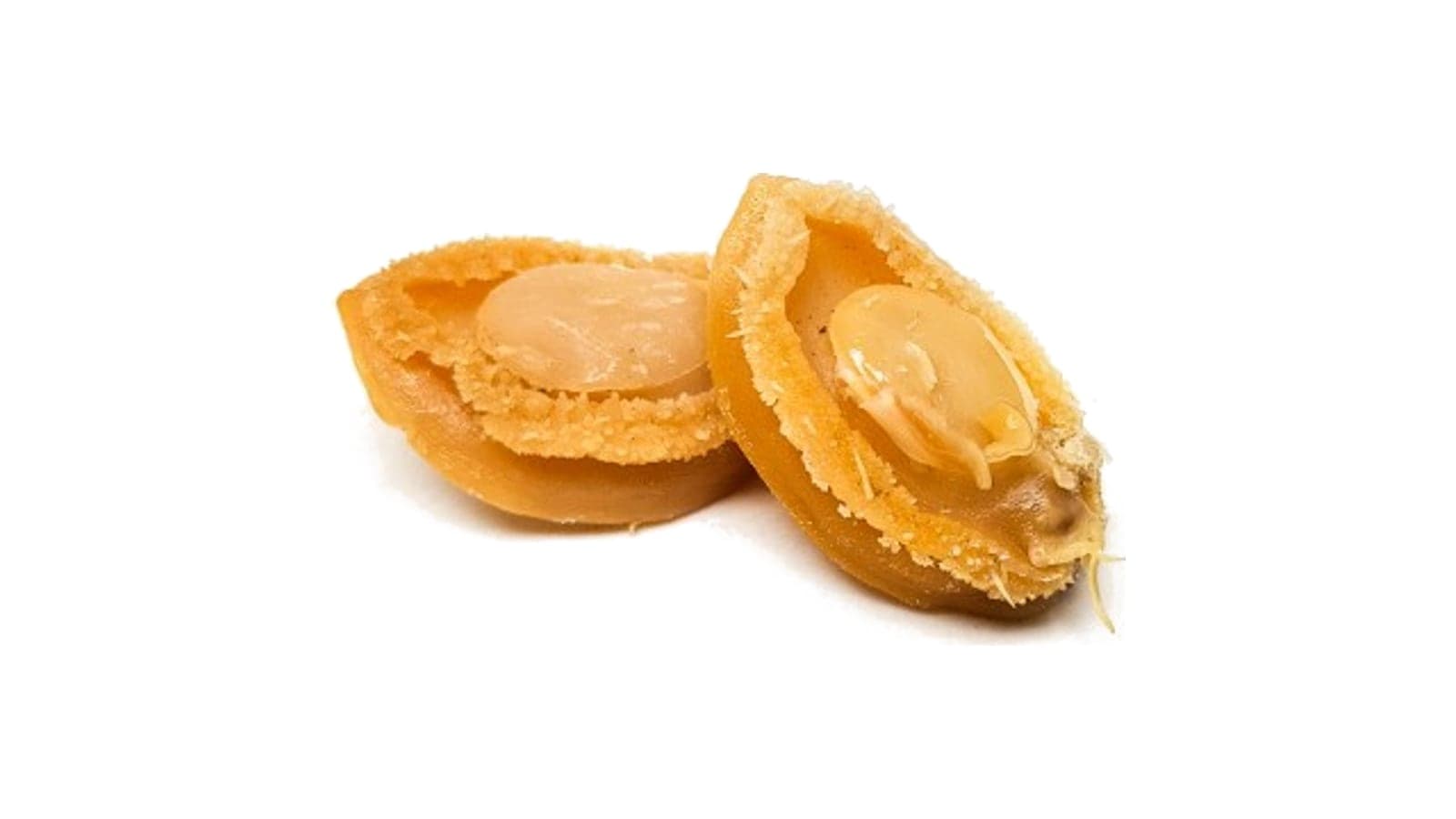
The Harmonized System (HS) code determines the duty rate, which controls apply and sometimes which certificates are needed. Classification follows the product’s form and degree of processing, not its trade name. For example, dried fish maws generally fall under HS heading 0305, molluscs (including dried abalone, scallops and oysters) under 0307, and aquatic invertebrates such as sea cucumber under 0308 — confirm with your customs broker.
- Dried shrimp and other crustaceans generally fall under heading 0306.
- Edible bird’s nest is generally classified under heading 0410.
- Products that are cooked, seasoned or otherwise prepared beyond simple drying may fall under Chapter 16 instead, which can change both the duty rate and the controls that apply.
- The first six digits are harmonized internationally; further digits are set nationally and differ between markets.
Settle the classification with your broker before the first shipment and ask the supplier to use the same codes on the invoice. Where classification is genuinely uncertain, some customs authorities issue binding tariff rulings on application.
Labeling and language requirements
Labeling rules bite at the point of sale, but they shape what you order. Retail packs usually need labels in the destination language — Chinese-language labels for prepackaged food imported into China, for example, or bilingual English and French labeling in Canada — and some markets expect compliant labels to be in place before goods are released or sold. Typical mandatory elements include:
- Product name, plus the species’ scientific name where required
- Net weight, ingredients, and an allergen declaration covering fish, crustaceans or molluscs as the market requires
- Country of origin and, for some fishery products, catch area or production method
- Storage instructions, date marking and lot code
- Name and address of the importer or responsible business in the destination market
Decide early whether product will arrive in bulk for local repacking or as finished retail packs, because that determines who prints the labels, who approves them and when.
Commercial terms, trial orders and inspection
Incoterms. The Incoterms 2020 rules define who arranges and pays for each stage of transport and where risk passes. Under FOB, the buyer books main freight from the origin port; under CFR or CIF, the seller pays freight to the destination port, with CIF adding insurance, although risk still passes to the buyer once goods are on board at origin. Under DAP, the seller delivers to a named place in the destination country and the buyer handles import clearance and duties. FOB, CFR and CIF are designed for sea and inland waterway transport; for containerized cargo, FCA, CPT and CIP are often a better technical fit.
Payment terms. Telegraphic transfer (T/T) is common, often as a deposit with the balance paid against shipping documents. A letter of credit (L/C) adds bank-mediated security for both sides but requires documents to comply strictly with the credit terms, so align the L/C wording with documents the supplier can actually produce. The right choice depends on the relationship, the order size and each party’s appetite for risk.
Trial orders and pre-shipment inspection. Approve a first trial lot against a written specification and hold back part of it as a sealed benchmark. Before loading, ask for photographs of the actual production lot with carton lot codes visible, and for larger orders consider an independent inspection of grade, weight, packing and labeling. Our export quality assurance page sets out the lot checks and documents we prepare before loading.
First-order checklist and working with a customs broker
A licensed customs broker in your market is the most practical source of current, product-specific advice. Involve them before the order is placed rather than when the vessel arrives: they can confirm classification, duty, required permits and certificates, port health or veterinary inspection arrangements, and any pre-arrival notifications. Before your first order, work through the following:
- Confirm that the product, species, origin and supplying facility are eligible for your market.
- Check CITES status and any domestic restrictions for each species.
- Agree HS codes and expected duty with your customs broker.
- List every required document and agree the health certificate format with the supplier.
- Sign off a trial lot against the specification and keep part of it for later comparison.
- Confirm labeling, language and pack format for your market.
- Fix the Incoterm, payment terms, lead time and shipping temperature in a written contract.
- Review draft documents before shipment and arrange inspection if needed.
This guide is general trade information, not legal or regulatory advice. Requirements differ by market and change over time; confirm current rules with your customs broker or competent authority before ordering.