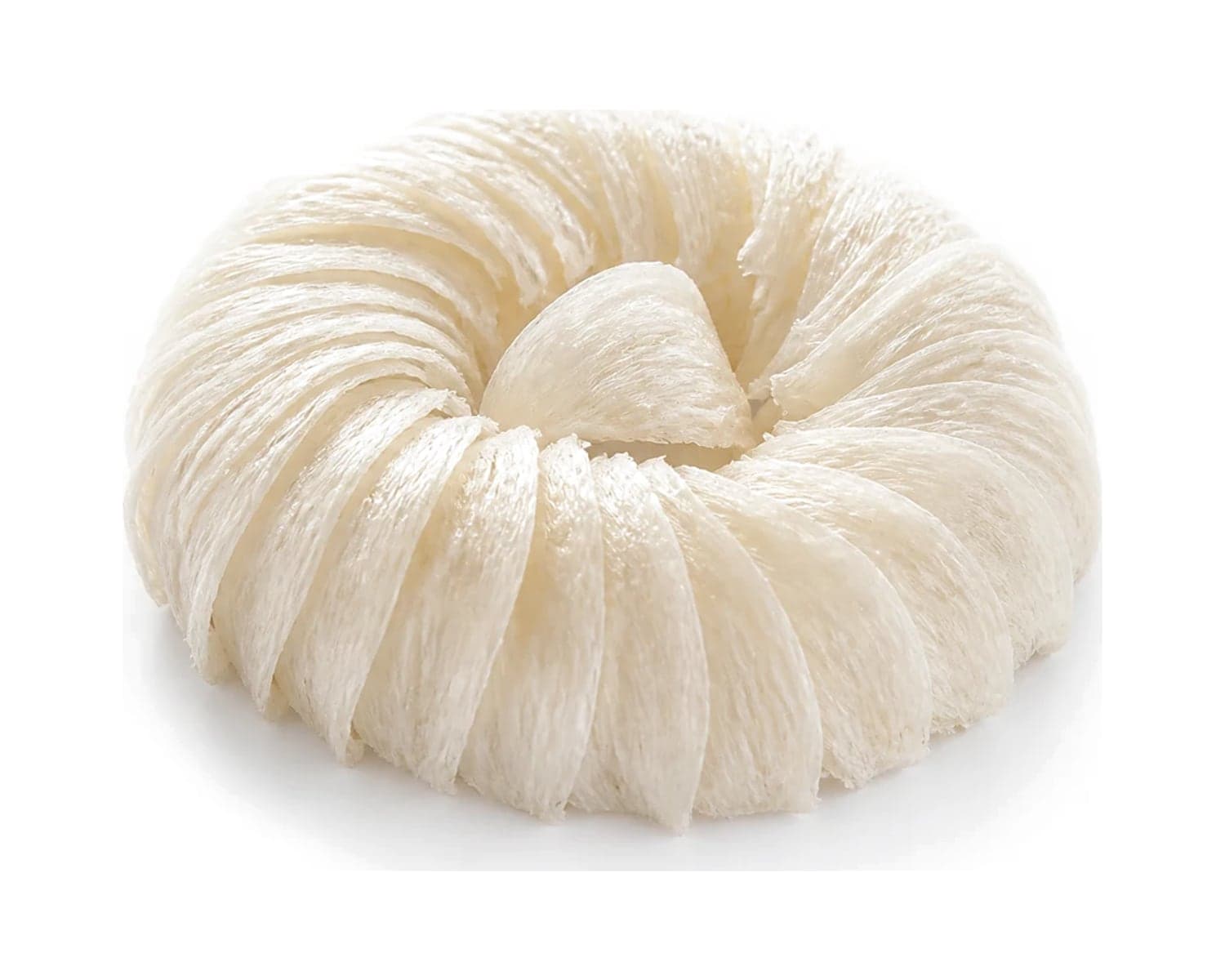
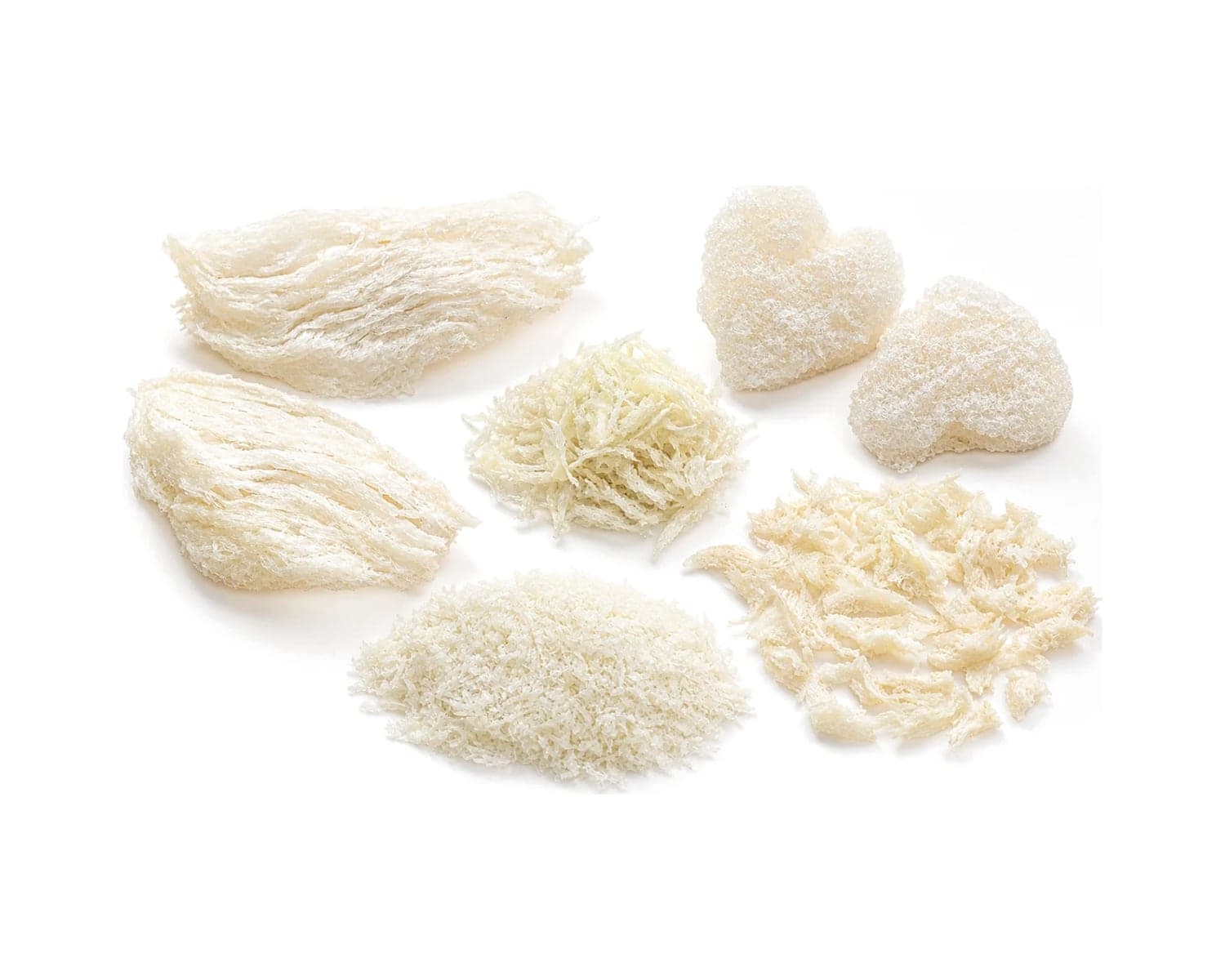
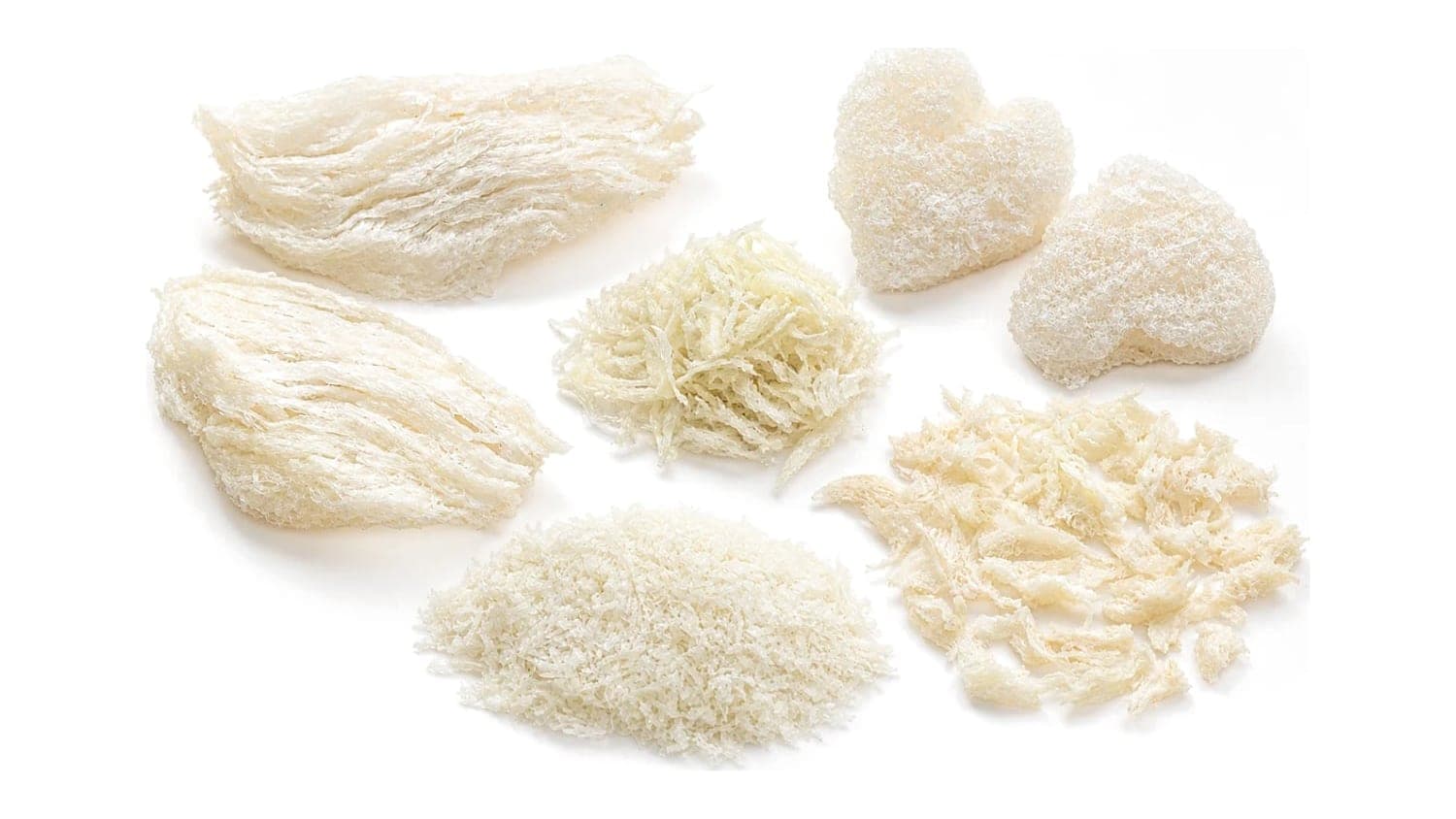
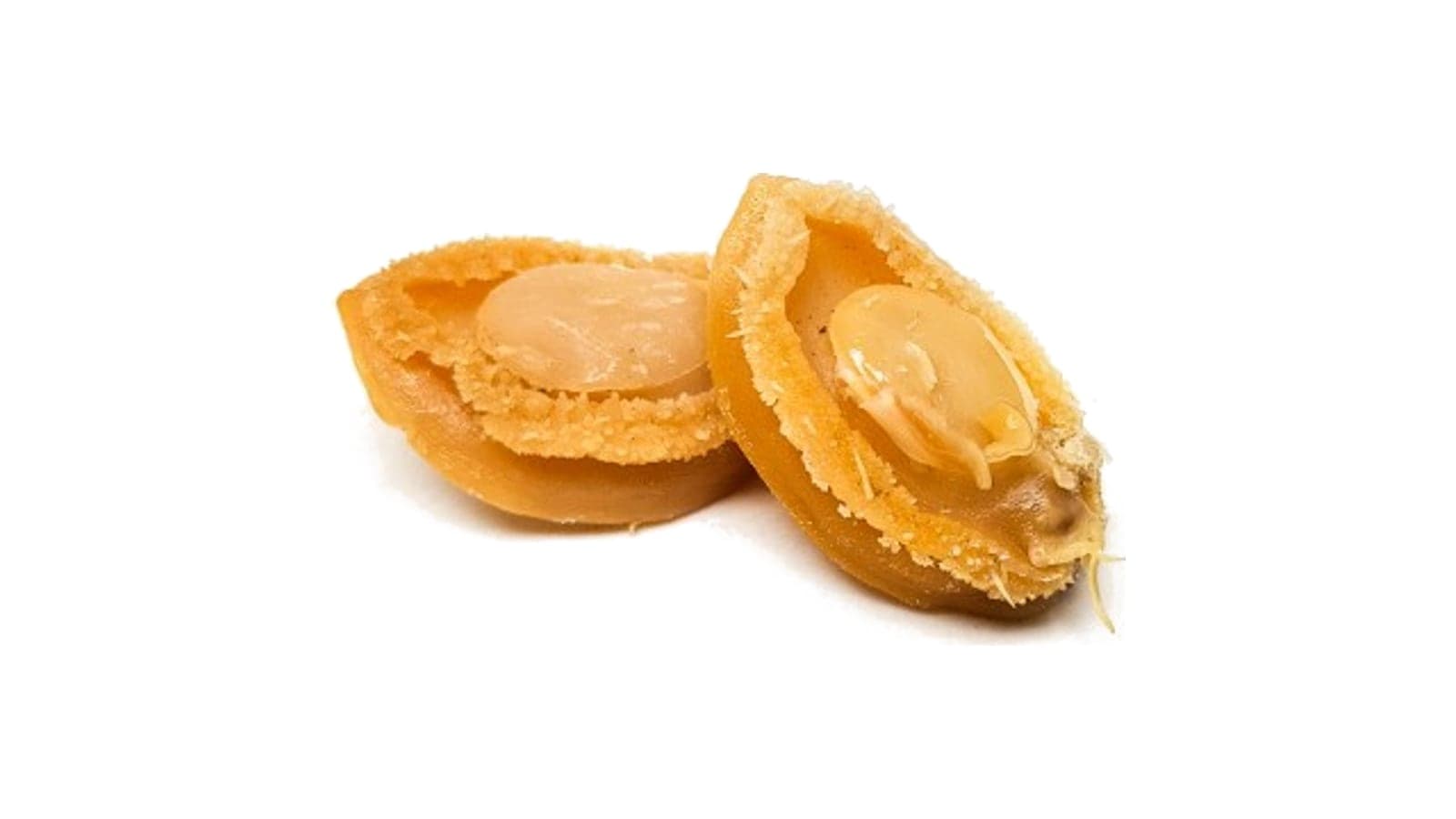
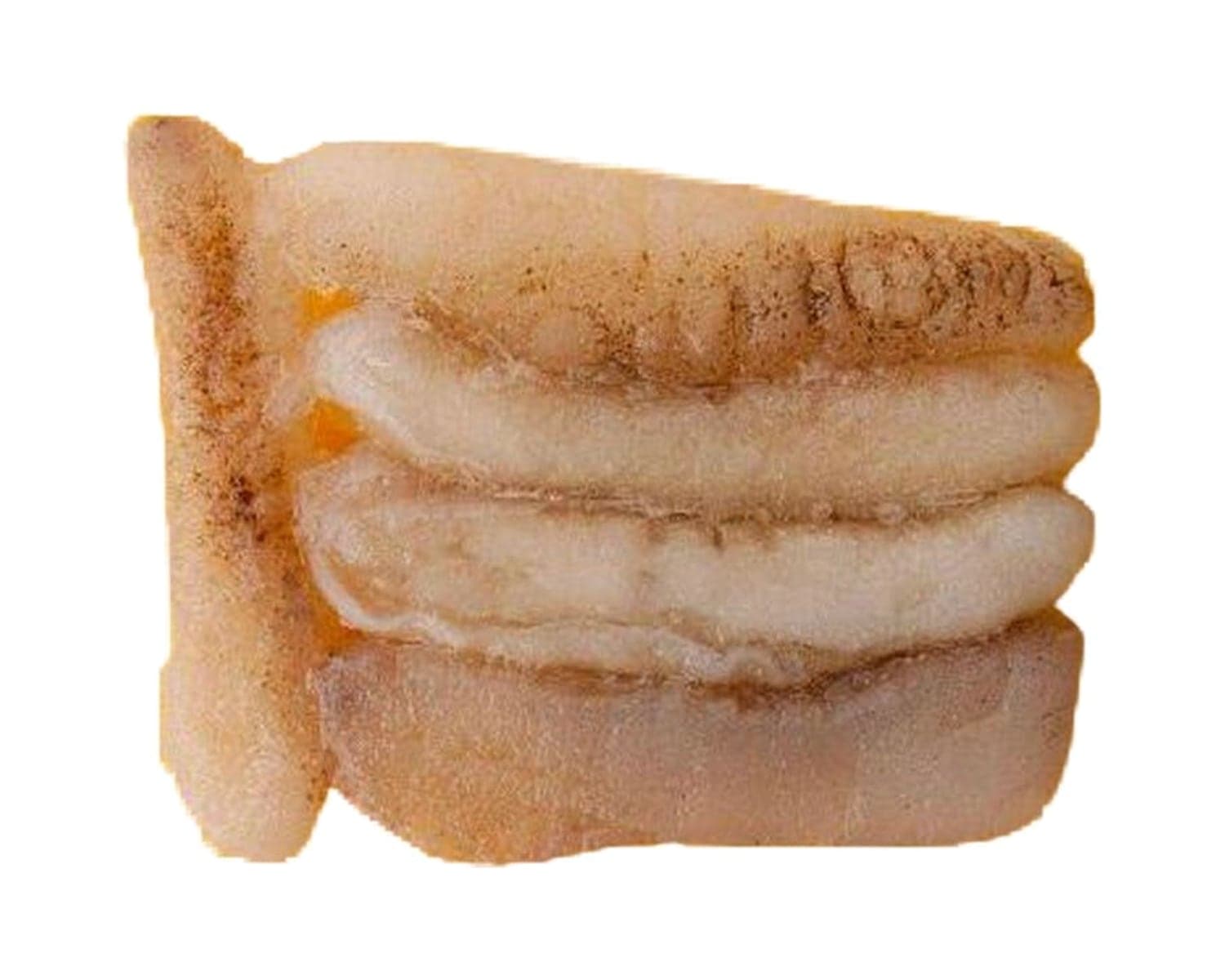
Edible bird’s nest is not woven from twigs or grass. It is built almost entirely from strands of saliva by small, fast-flying birds called swiftlets, which fix their nests to the walls of limestone caves and, far more often today, to wooden planks inside purpose-built swiftlet houses in Southeast Asia. The cleaned nests we supply are described on our whole-cup bird’s nest and bird’s nest strips and pieces pages.
Our bird’s nest grading guide deals with formats, grades, soaking and adulteration checks. This profile looks at the birds themselves: which species build edible nests, how they find their way in the dark and build a nest, how cave and house colonies differ, when nests are harvested and what that means for the birds, where supply comes from and how the cleaned nest is used in the kitchen.
Key takeaways
- Edible bird’s nest is built almost entirely of hardened saliva by swiftlets, cave-nesting swifts, mainly the white-nest swiftlet Aerodramus fuciphagus.
- Most supply now comes from purpose-built swiftlet houses in Southeast Asia rather than from limestone caves.
- Harvest timing matters to the birds: nests taken before laying must be rebuilt, nests taken with eggs cost a brood, and nests taken after fledging need more cleaning.
- In the kitchen, nest is soaked, picked clean and cooked gently, most often double-boiled as a sweet soup or served in clear broth.
Swiftlets, not swallows
The Chinese name for bird’s nest, 燕窝 (yànwō), means swallow’s nest, but the builders are not swallows, which are songbirds. They are swiftlets, members of the swift family Apodidae grouped in the tribe Collocaliini: several dozen species in four genera, Aerodramus, Collocalia, Hydrochous and Schoutedenapus, found mostly in southern Asia, on islands of the South Pacific and in north-eastern Australia.
Two species supply nearly all edible nest. The edible-nest swiftlet, or white-nest swiftlet (Aerodramus fuciphagus, formerly Collocalia fuciphaga), builds its nest of saliva alone. The black-nest swiftlet (Aerodramus maximus) builds a nest heavy with embedded feathers that takes far more cleaning. Nests of other swiftlets, which mix saliva with moss, twigs or feathers, play only a minor part in the trade.
The edible-nest swiftlet is a small bird, about 14 cm long and weighing 15 to 18 g. It is blackish-brown above, with underparts ranging from whitish to dark depending on the subspecies, and has long, narrow, crescent-shaped wings, a short, slightly notched tail and very short legs. Like other swifts it feeds on insects caught in flight and spends its days on the wing, returning to the colony to roost and breed. Eight subspecies are recognized, from the Andaman and Nicobar Islands through Sumatra, Borneo and the Lesser Sunda Islands to the Philippines, and authorities differ on whether Germain’s swiftlet (A. germani) is a separate species or part of this one.
How swiftlets navigate and build their nests
Aerodramus swiftlets nest in places too dark for sight and find their way by echolocation, an ability few birds share. Unlike the calls of most bats, their sharp clicks, often given in pairs, are audible to people and are repeated as the bird flies through the dark.
Colonies build on vertical rock or wood high in dark chambers. The nest is a shallow half-cup, around 6 cm across, made of layered strands of saliva that harden as they dry and cement the nest to the wall. Building takes roughly a month in the breeding season, around 35 days in published accounts, and both birds of the pair take part; the female then lays two white eggs.
Breeding seasons vary by region and site. Cave and island colonies are usually harvested on a set calendar, often twice a year, while birds in houses may breed through much of the year, which allows owners to harvest from one to four times a year.
New nests are white to ivory, and the shade can deepen with age and surroundings. The red “blood nest” long puzzled the trade; research indicates the color comes from reactive nitrogen compounds in the air of certain caves and houses reacting with the nest material, not from blood. Natural red nest is scarce, which is why white nest dyed red is a known fraud.
Cave nests and house nests
For centuries, nests were collected from limestone caves, and some still are. The Gomantong Caves in Sabah and the Niah Caves in Sarawak, both on Borneo, are the best known, and cliff nests on islands off Khanh Hoa and Phu Yen in south-central Vietnam and caves around El Nido in the Philippines are also harvested. Collectors reach the nests on rattan ladders, ropes and bamboo poles or on tall bamboo scaffolding, and access is controlled; at Gomantong, only licensed local collectors may harvest, and nests are protected under Sabah’s wildlife law.
Since the late 1990s, however, most nests have come from swiftlet houses: purpose-built concrete buildings or converted older buildings, usually near the coast, set up inside to resemble a nesting cave and fitted with wooden planks for the birds to build on. Owners draw a colony in by playing recordings of swiftlet calls through loudspeakers. House farming is long established in Indonesia and Malaysia and also practiced in Thailand and Vietnam. In towns the houses are not always welcome, because neighbors object to the noise and the droppings.
| Aspect | Cave nests | House nests |
|---|---|---|
| Site | Limestone caves and sea cliffs, often remote | Purpose-built or converted buildings, often in coastal towns |
| Access | Climbing on ladders, poles or scaffolding; dangerous work | Planks reached from inside the building |
| Control of harvest | Concession holders or licensed collectors under regional rules | The house owner, subject to local rules on premises and traceability |
| Harvest calendar | Fixed seasons, such as two harvests a year at Gomantong | Up to several harvests a year where birds breed year-round |
| Typical nest | More irregular, with more grit and more variable color | More regular in shape and usually cleaner |
Our standard range is house-farmed throughout, and the grading guide explains how the source of a nest affects its cleaning and grade.
Harvest timing and the welfare question
Because a swiftlet nest is a breeding structure, the moment it is taken decides what happens to the birds. The trade recognizes three harvest points, each with a trade-off:
- After the nest is finished but before eggs are laid. The nest is clean but smaller, and the pair must build again, spending about another month on a new nest before they can breed.
- After eggs are laid but before they hatch. The nest is larger, but the eggs are lost, and repeated harvesting at this stage lowers the number of young the colony raises.
- After the young have fledged. No eggs or chicks are lost and the nest yields the most weight, but a used nest carries more feathers and droppings and needs heavier cleaning.
Managed cave concessions combine the first and third approaches. At Gomantong, the first collection, between February and April, takes newly built nests before laying; the birds rebuild and raise their young, and the second collection, between July and September, is meant to wait until the young have left the nest. A study of black-nest swiftlets there found that pairs whose first nest was taken rebuilt every nest but fledged somewhat fewer young than undisturbed pairs. A house owner faces the same choice at every harvest.
Where collection has been heavy and uncontrolled, populations have suffered. Edible-nest swiftlets in India’s Andaman and Nicobar Islands have been harvested so extensively that they are considered critically threatened there under IUCN criteria, and nest gatherers in some other areas have reported steep declines. Across its whole range the species is assessed by the IUCN as Least Concern.
Where edible bird’s nest comes from
The industry follows the birds across Southeast Asia. Indonesia is the largest exporter, Malaysia and Thailand are also major producers, and Vietnam and the Philippines harvest nests as well. Hong Kong is the historic hub of the trade, and mainland China is by far the largest consuming market, while the nest also appears in Singaporean, Malaysian, Indonesian, Thai, Vietnamese and other cuisines of the region.
As an animal product, bird’s nest is closely regulated at the border. Concern over avian influenza is one reason several countries restrict imports, and others admit nest only from registered processing plants with traceability back to the swiftlet house. China, for example, suspended imports from Malaysia in 2011 after high nitrite levels were found, and access since then has depended on nitrite limits, veterinary certificates and registered facilities. Our supply comes from house-farmed nests in Malaysia, Indonesia, Vietnam and Thailand; the guide to importing dried seafood explains the documents involved, and current rules should be confirmed for your market before ordering.
How bird’s nest is used in cooking
Cleaned, dried nest is hard and brittle. Before cooking it is soaked in cool water until it softens and swells, any remaining fine feathers are picked out, and the strands are teased apart. Cooked, it turns soft and gelatinous with a mild taste, and Chinese culinary tradition treats it as a delicate ingredient that should not be cooked with anything strongly flavored or oily.
- Sweet soups and desserts: the classic method is double-boiling, in which the soaked nest is sealed in a covered ceramic pot set inside a larger pot of simmering water and cooked gently with rock sugar. Nest also goes into egg tarts, jellies and other desserts.
- Savory dishes: clear bird’s nest soup, consommé and congee.
- Ready-to-drink products: bottled bird’s nest drinks are a major outlet for strips and pieces, since the shape of the nest no longer matters once it is cooked.
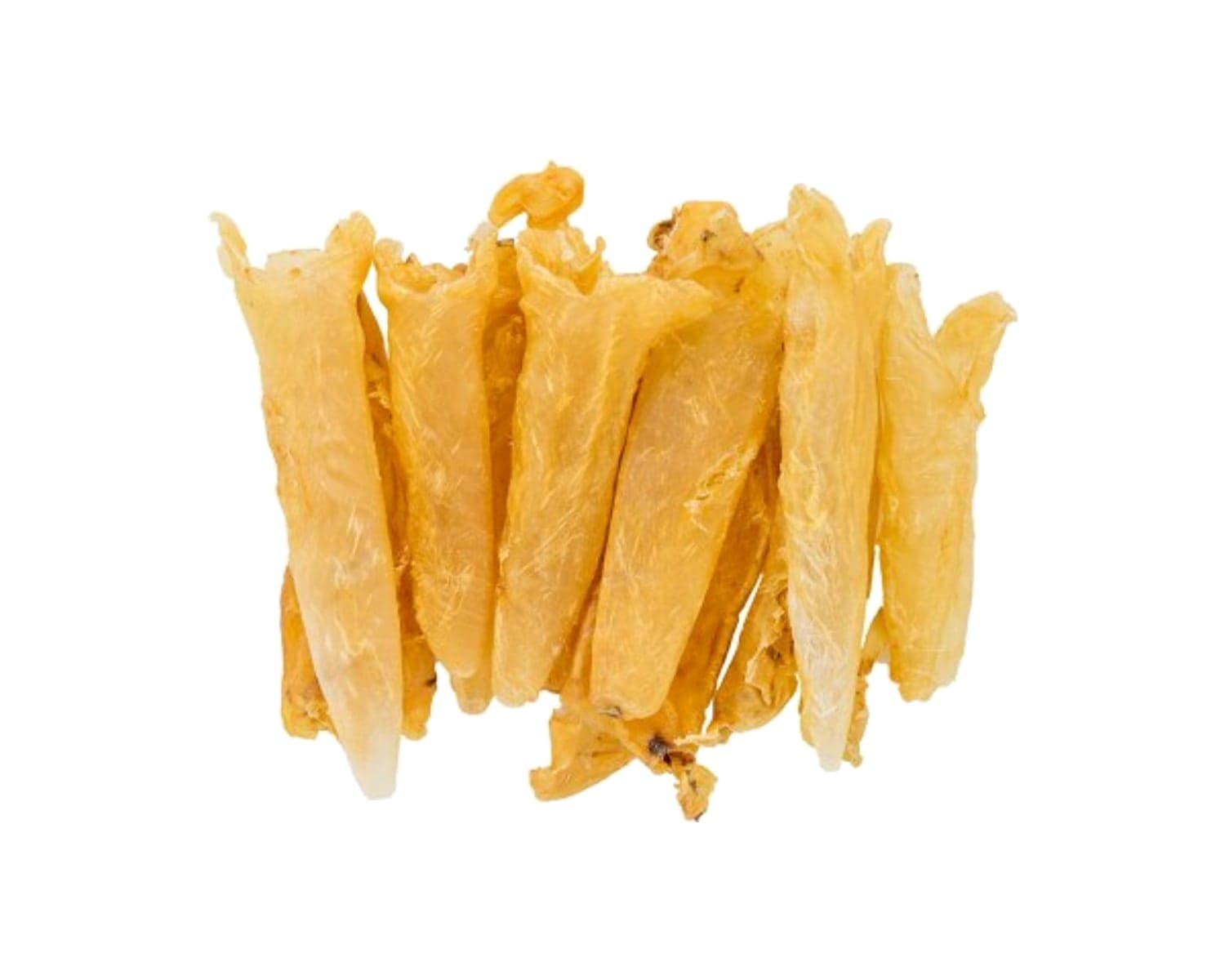
The nest is 燕窝 (yànwō) in Mandarin, yin wo in Cantonese, yến sào in Vietnamese, rang nok (รังนก) in Thai and sarang burung in Malay and Indonesian. In the trade, the adulterants buyers screen for include white fungus, egg white, gelling agents and fish swim bladder, the last sold in its own right as fish maw; the grading guide sets out the checks that catch them.
Keep soaked nest chilled until it is cooked, and cook it to the temperature your market’s food-safety rules require. Dry nest is stored sealed, cool and away from strong odors, as our storage guide for dried seafood and bird’s nest describes.
This guide is general trade information, not legal or regulatory advice. Requirements differ by market and change over time; confirm current rules with your customs broker or competent authority before ordering.