- Private-label packing
- Export documentation
Premium Marine Delicacies
Fish Lips and Specialty Edible Fish Cuts from Declared Species
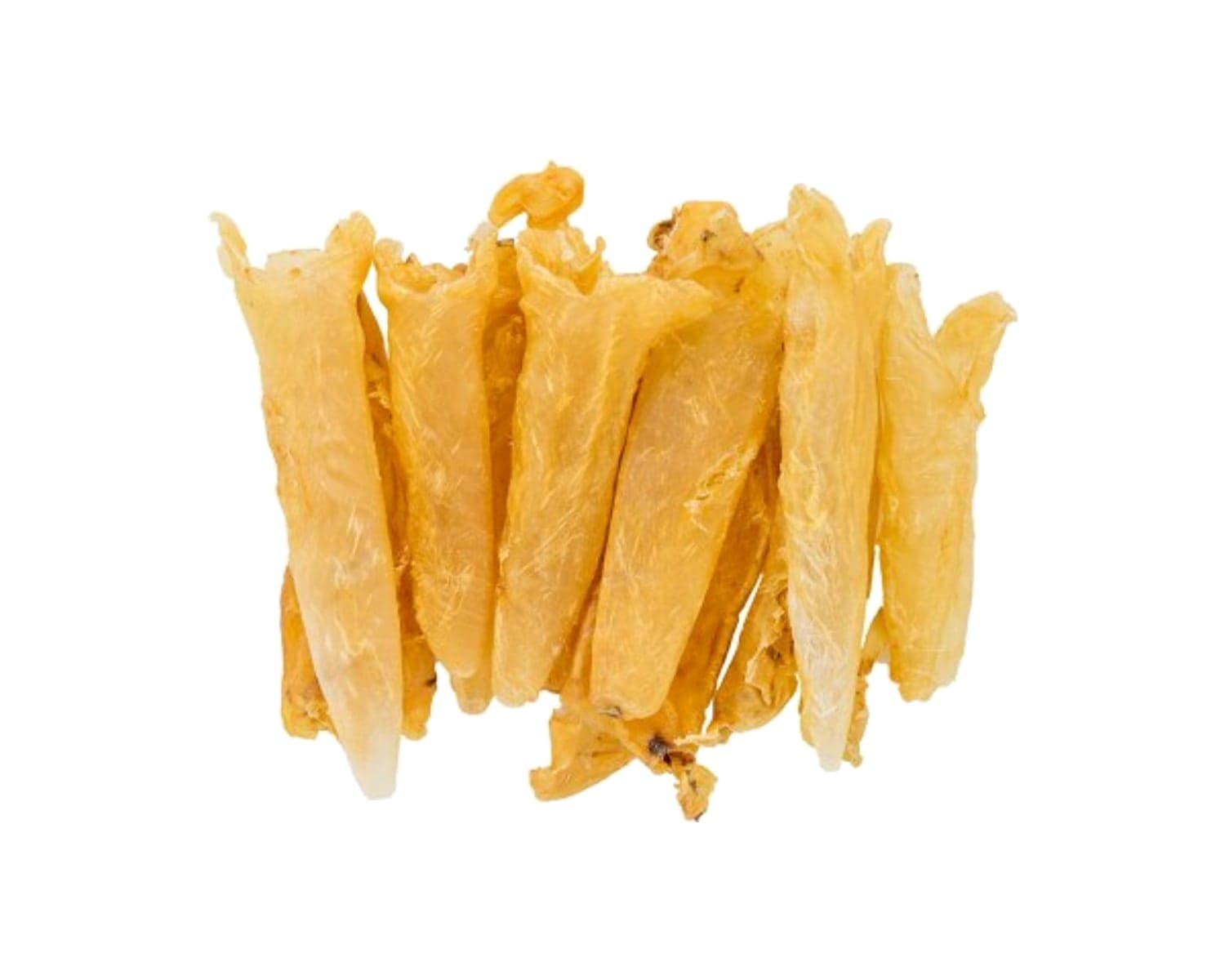
We supply fish lips and related specialty cuts, including braising skins and gelatinous trimmings from around the maw, in dried and frozen form, always from declared, non-protected species with origin stated per lot.
- Scientific name and anatomical cut stated on every offer
- Non-protected species only; no unagreed substitution
- Dried and frozen forms, cleaned and trimmed
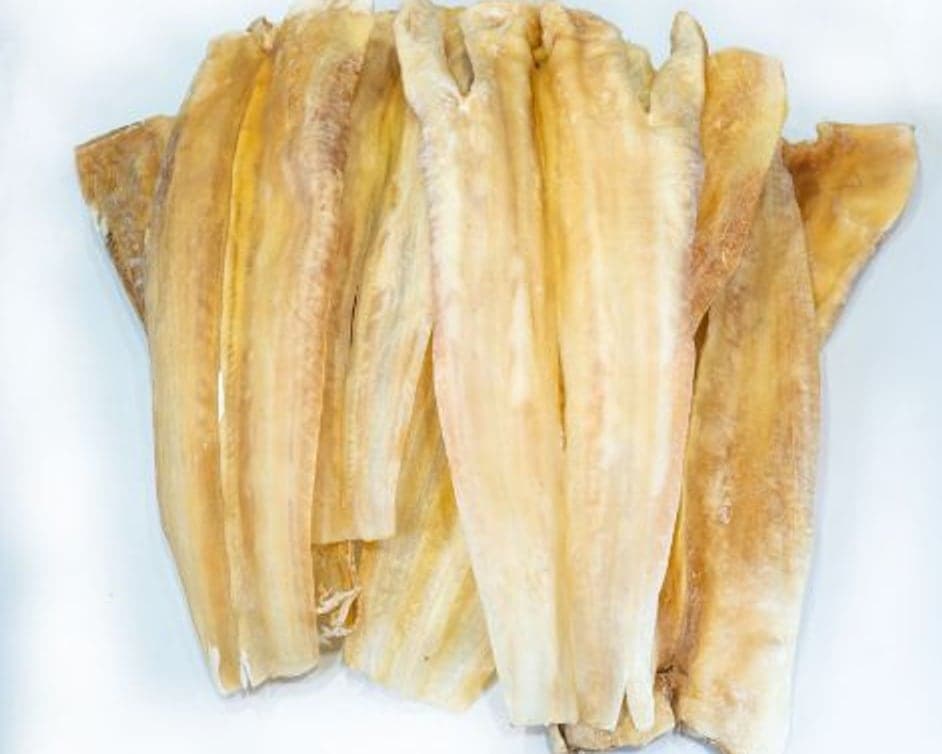
- Fish lips, maw-area cuts and braising skins
- Suited to banquet braises, soups and set menus
Product Specifications
Indicative; confirmed per lot on each quotation.
- Origin
- Asian, Indian Ocean and other fisheries depending on species, with the country and catch area declared on each lot.
- Grade / Size
- Dried lips graded by piece size and thickness, braising skins by sheet size, and frozen cuts by portion weight and glaze level.
- Form & Processing
- Cleaned and trimmed, then either sun- or hot-air-dried until rigid, or portioned and frozen in blocks or IQF.
- Storage
- Store dried cuts sealed in a cool, dry place, and hold frozen cuts at -18 °C or colder until they are needed.
- MOQ
- From 30 kg per dried cut and 300 kg for frozen lines, which can be consolidated with other frozen items.
- Lead Time
- 3–5 weeks, including time to confirm species documentation for the destination market.
Product overview
In Cantonese banquet cooking, fish lips are prized for the soft, gelatinous texture they develop over a long braise, usually in a brown sauce or a thickened stock. The trade name has never been tied to one species and still varies by market, so we treat it as a specification question: every offer gives the scientific name, the anatomical cut and whether the product is dried or frozen. Our range is drawn from declared, non-protected species, mainly large bony fish, and we never substitute species without the buyer’s written agreement.
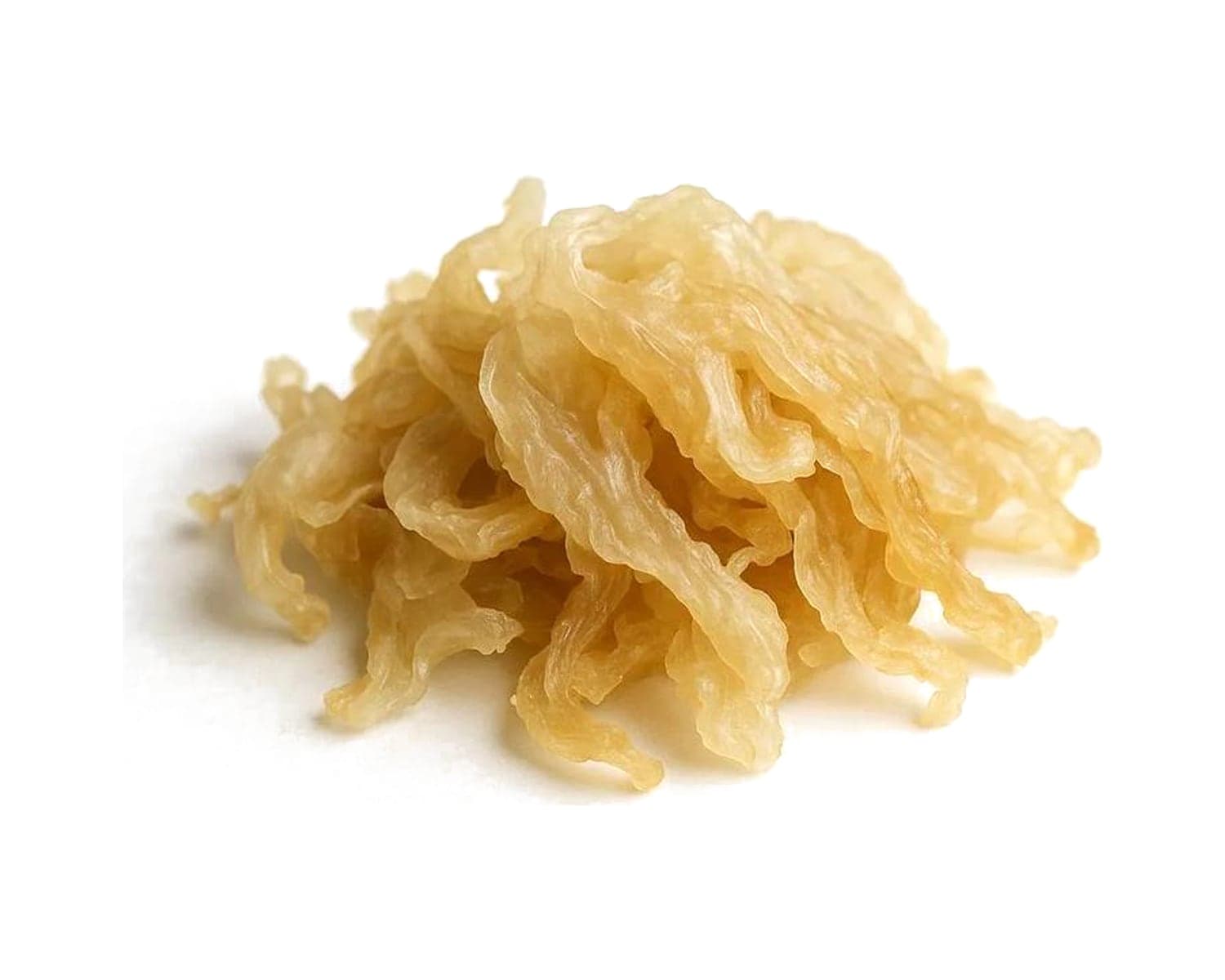
The range has three groups. Fish lips proper are the thick tissue from around the mouth and jaw, sold dried as stiff, pale to amber pieces or frozen after cleaning. Maw-area cuts, the gelatinous belly wall and membranes trimmed around the swim bladder, are offered for soups and value braises, often alongside fish maw. Braising skins are cleaned, descaled where needed and dried or frozen in sheets for cooks who want a glossy, gelatinous finish at moderate cost.
Dried cuts are cleaned of blood, fat and scale, then dried in sun or hot air until rigid; they need prolonged soaking and blanching before cooking. Frozen cuts are cleaned, portioned and block or IQF frozen, which shortens kitchen preparation. Each lot is checked for trimming, dryness or glaze, odor, fat oxidation and foreign matter, and the species declaration is cross-checked against the supplier’s catch or production records.
Most buyers are Chinese restaurant groups, banquet caterers and specialist dried seafood wholesalers. Food manufacturers looking for skin as a processing raw material should see our separate fish skin listing. Because species rules differ between destinations, eligibility should be confirmed before ordering, and our guide on what importers need to know covers the paperwork.
Specification sheet
Fish Lips and Specialty Edible Fish Cuts: full specification
Indicative values. Final specifications are confirmed per lot on the quotation and certificate of analysis.
| Species | Scientific name declared per lot; non-protected species only |
|---|---|
| Cut | Lips, maw-area cuts, braising skins |
| Origin | Where caught, by country and fishing zone, given per lot |
| Form | Dried, or frozen (block or IQF) |
| Grade / size | Piece size and thickness; portion weight for frozen |
| Quality checks | Trimming, odor, fat oxidation, foreign matter; glaze on frozen |
| Shelf life | Dried typically 12–18 months sealed; frozen typically 18 months at -18 °C |
| Packing | Lined cartons, frozen master cartons, vacuum portions |
| Documents | Species declaration with invoice and packing list; certificate of origin, health and catch certificates as the destination requires |
| Minimum order | From 30 kg per dried cut and 300 kg for frozen lines, which can be consolidated with other frozen items. |
| Lead time | 3–5 weeks, including time to confirm species documentation for the destination market. |
FAQ
Fish Lips and Specialty Edible Fish Cuts: questions from buyers
Which species are your fish lips made from?
That depends on the lot, and we give the scientific name on every offer rather than relying on a generic trade name. Supply comes only from non-protected species that can be lawfully exported from the origin, and we do not swap one species for another without your written agreement. If your market restricts particular fish groups, tell us at inquiry and we will exclude them.
How much preparation do dried fish lips need?
Dried lips are hard and usually need an extended soak, often one to two days with regular water changes, followed by blanching with ginger and spring onion to clean the aroma before braising. Species and thickness change the soaking time, so a kitchen trial with a small first order is worthwhile. Frozen lips skip most of this stage and only need thawing, rinsing and blanching.
What documents support the species declaration?
The scientific name appears on the commercial documents for every shipment, and where the destination requires them we provide catch certificates, health certificates and certificates of origin. On request, DNA-based species identification of a given lot can be arranged through an independent laboratory. If your importing authority expects a particular document format, send us an example and we will prepare the papers to match.
Related
Related products
Marine Ingredients
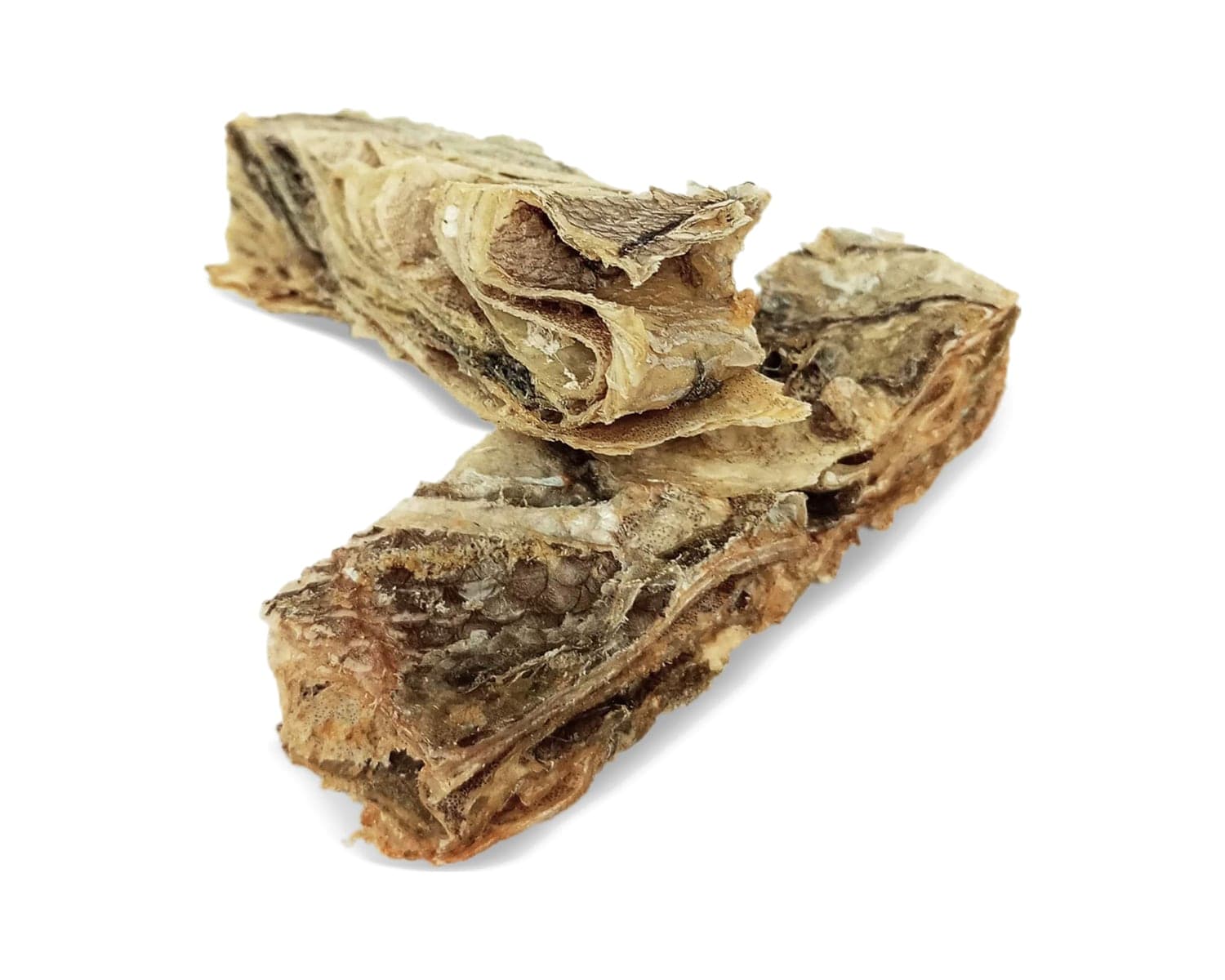
Fish Skin for Food Processing
Descaled, trimmed skins for snacks, kitchens and extraction
Frozen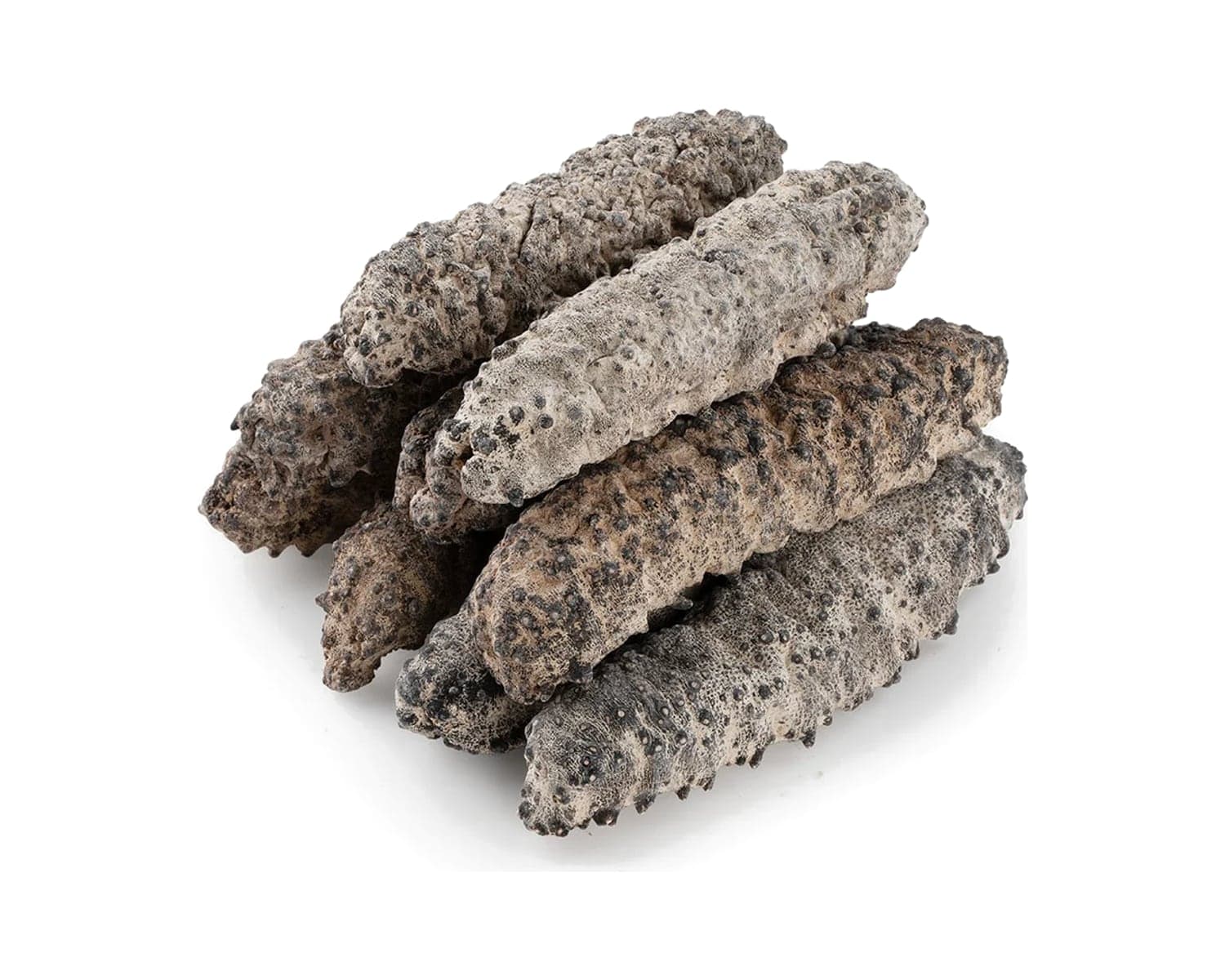
Premium Marine Delicacies
Edible Jellyfish
Salted jellyfish head and skin, plus ready-to-eat shredded packs
Chilled
Buyer guides
Import & Compliance7 min read
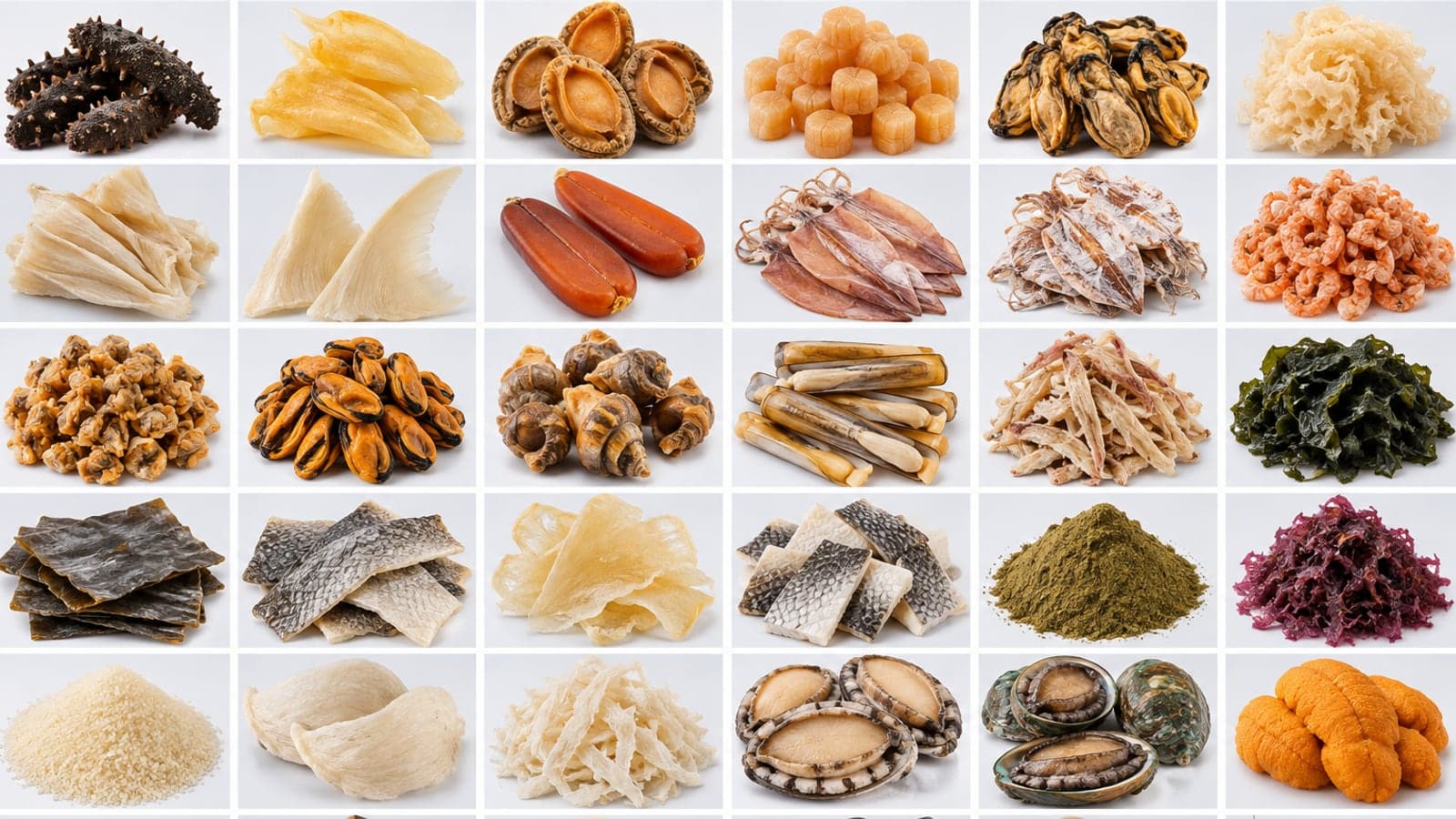
What Importers Need to Know Before Ordering Dried Seafood
The market-access, species, documentation, classification and commercial checks an importer should complete before placing a first order for dried seafood.
Read the guide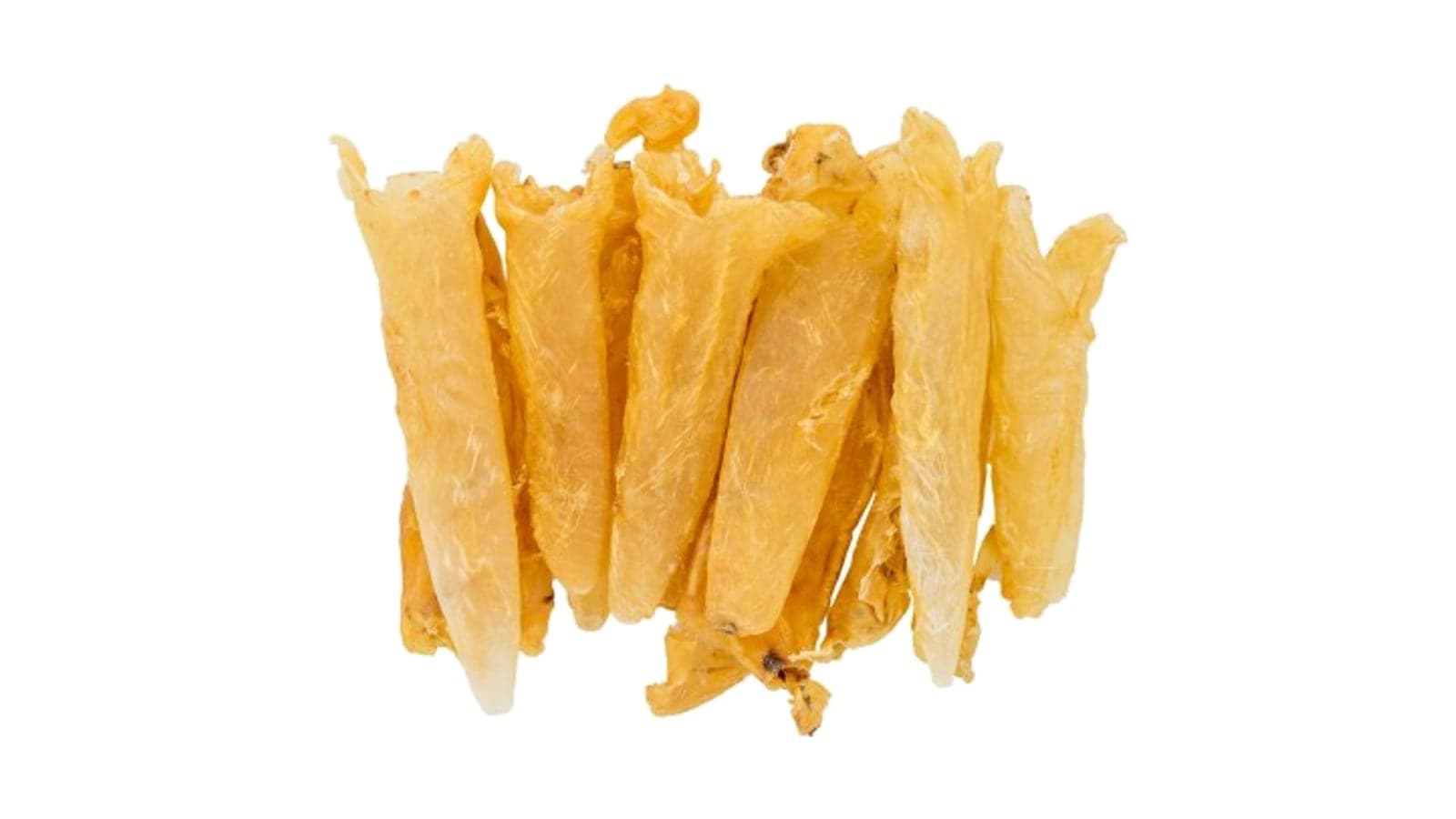
Quality & Grading7 min read
Fish Maw Grades: How Wholesale Buyers Assess Quality
A practical framework for grading dried fish maw by thickness, size, color, dryness, odor and sex, with an evaluation method for trial lots and the documents to expect with each one.
Read the guide
Request a quote
Request a quote for fish lips and specialty edible fish cuts
Share your target grade, packing, volume and destination. We confirm availability, documentation for your market and a formal quotation, usually within one business day.
- Grade, size or count required
- Packing format and labeling language
- Estimated volume and order frequency
- Destination port or airport and Incoterm
- Reference: Fish Lips and Specialty Edible Fish Cuts