- Private-label packing
- Export documentation
Premium Marine Delicacies
Salted and Ready-to-Eat Edible Jellyfish for Wholesale Buyers
As an edible jellyfish supplier, we offer bulk salted jellyfish and ready-to-eat shredded packs, specified by part, cut, curing process and residue testing for importers, foodservice distributors and processors.
- Jellyfish head and skin traded as separate specifications
- Salt-and-alum cured bulk and ready-to-eat shredded formats
- Aluminum residue confirmed per lot for the destination
- Cut size, salt level and crunch checked before dispatch
- Packed in drums for processors or trays for deli counters
Product Specifications
Indicative; confirmed per lot on each quotation.
- Origin
- China, Southeast Asia (including Vietnam, Thailand and Indonesia) and the Americas, depending on species, season and destination eligibility.
- Grade / Size
- Skin graded by sheet diameter, thickness or shred width; head graded by piece size; ready-to-eat packs by cut size and net weight.
- Form & Processing
- Cured in stages with salt and alum, then supplied salted in bulk, or desalted, shredded and packed ready to eat with optional seasoning.
- Storage
- Hold salted bulk jellyfish cool and out of sunlight, ideally below about 10 °C, and keep ready-to-eat packs chilled or frozen exactly as the label states.
- MOQ
- Salted bulk from one pallet (around 500 kg); ready-to-eat lines from 200 cartons, depending on pack size.
- Lead Time
- 2–3 weeks for salted bulk from stock; 3–5 weeks for ready-to-eat lines that need artwork and residue testing.
Product overview
Edible jellyfish is valued for texture rather than flavor: properly cured, it has a crisp, slightly elastic crunch that carries dressings of sesame oil, vinegar and soy. It is served cold as a banquet starter or salad across Chinese cooking and appears as a side dish in Japan and Korea. Commercial supply comes from a few large species, mainly Rhopilema esculentum in Chinese waters, Lobonema species in Southeast Asia and the cannonball jellyfish (Stomolophus meleagris) of the Americas.
Two parts are traded separately. The bell, sold as jellyfish skin, is cut into sheets or fine shreds and gives a thin, crisp bite; the oral arms, sold as jellyfish head, are thicker and crunchier and are often regarded as the more premium part. Curing is traditional: fresh jellyfish is treated in stages with salt and alum to firm the tissue and draw out water, then held for several weeks until it becomes dense and translucent, after which it keeps well in salted form.
For buyers who do not want to desalt and cut in-house, we offer ready-to-eat shredded jellyfish, desalted, cut and packed with or without a seasoning sachet. Because alum contains aluminum, some markets set limits on aluminum in processed jellyfish or in foods generally, and those rules differ between jurisdictions; residue results are confirmed per lot against the destination’s requirement. We also check salt level, color, odor, cut size and crunch after desalting.
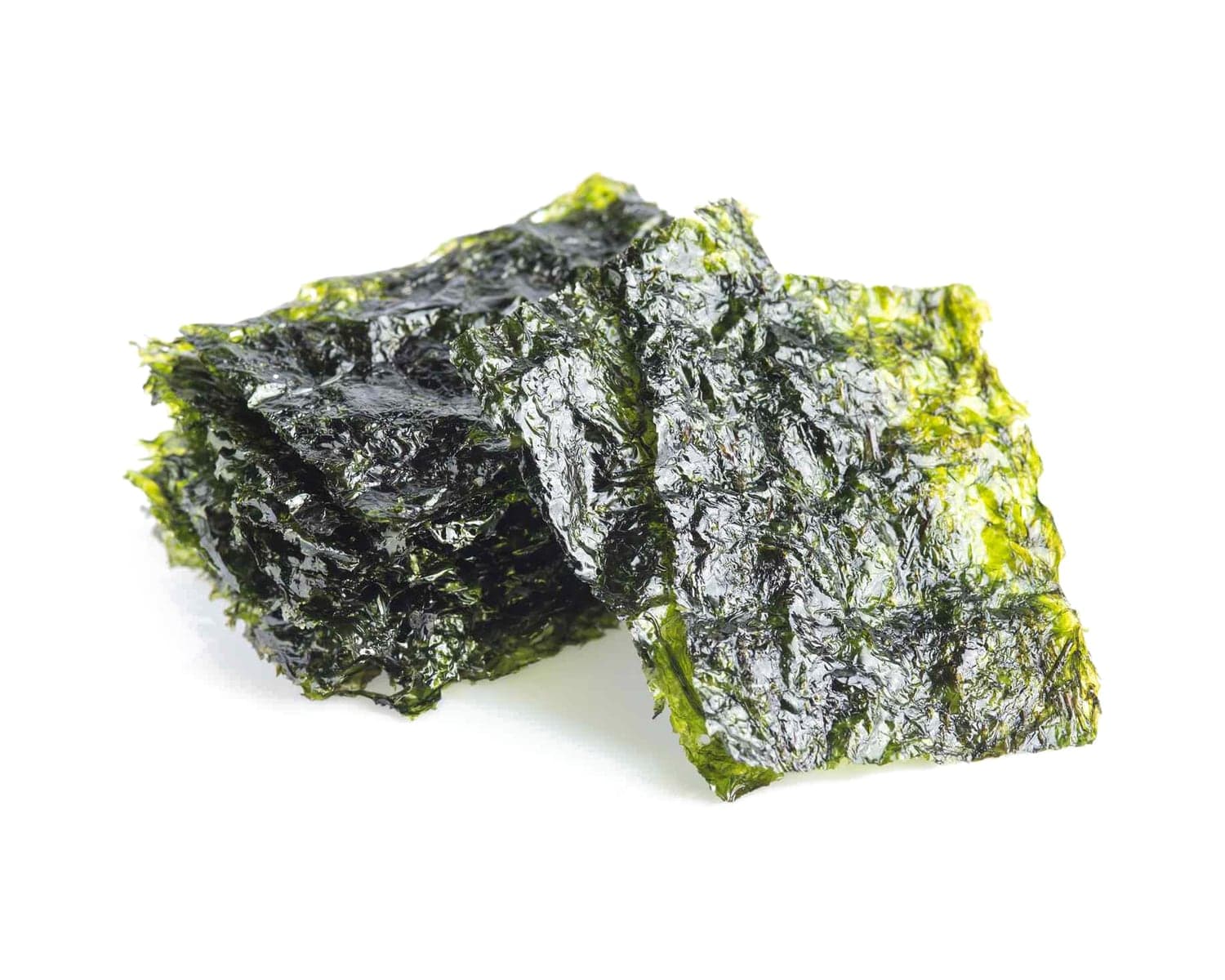
Salted bulk jellyfish suits importers and processors who re-pack or season locally, while restaurants and supermarket delis usually prefer the ready-to-eat format. For other cold-starter ingredients, see our edible seaweed, and our article on importing dried seafood explains how shipping documents are prepared.
Specification sheet
Edible Jellyfish: full specification
Indicative values. Final specifications are confirmed per lot on the quotation and certificate of analysis.
| Species | Rhopilema esculentum, Lobonema spp., Stomolophus meleagris; declared per lot |
|---|---|
| Part | Skin (bell) or head (oral arms) |
| Origin | Catch country declared per lot |
| Grade / cut | Sheet size, shred width or piece size to specification |
| Processing | Salt-and-alum cured; desalted and shredded for ready-to-eat |
| Salt level | Declared per lot for salted product |
| Aluminum residue | Laboratory result confirmed per lot against the destination’s limit |
| Shelf life | Salted bulk typically 12 months held cool; ready-to-eat as labeled |
| Packing | Drums or cartons; foodservice bags; retail trays; private label |
| Documents | Commercial invoice, packing list, certificate of origin and per-lot residue report, with a health certificate for markets that demand it |
| Minimum order | Salted bulk from one pallet (around 500 kg); ready-to-eat lines from 200 cartons, depending on pack size. |
| Lead time | 2–3 weeks for salted bulk from stock; 3–5 weeks for ready-to-eat lines that need artwork and residue testing. |
FAQ
Edible Jellyfish: questions from buyers
How do jellyfish head and jellyfish skin compare?
Skin comes from the bell and is thin, so it is usually sliced into sheets or fine shreds for a delicate crunch. Head comes from the thicker oral arms and gives a chunkier, more pronounced bite, which many banquet menus prefer. They are cured the same way but graded and priced as separate products, so please state which part you need when you inquire.
How is aluminum residue controlled?
Alum is integral to traditional curing, so processed jellyfish contains some aluminum. Certain markets set limits for aluminum in food, or specifically in jellyfish products, and those limits are not uniform. We arrange laboratory testing per lot against your destination’s requirement and can ask producers to adjust processing where a lower residue is needed. Please confirm your market’s current rule when requesting a quote.
How should salted jellyfish be prepared before serving?
Rinse off the surface salt and soak in cold water for several hours, changing the water regularly until the salt level suits the dish. Some kitchens then dip it briefly in hot, not boiling, water to tighten the crunch before chilling and dressing; overheating makes it shrink and toughen. Kitchens that prefer to skip this step usually choose the ready-to-eat shredded format.
Is ready-to-eat jellyfish shipped chilled or frozen?
It depends on the pack. Seasoned ready-to-eat products are distributed chilled or frozen within the producer’s stated shelf life, and the label shows which regime applies. On long sea routes frozen shipment gives more margin, while chilled supply can work for regional deliveries. Storage temperature and shelf life are confirmed on the specification sheet for each line.
Related
Related products
Premium Marine Delicacies
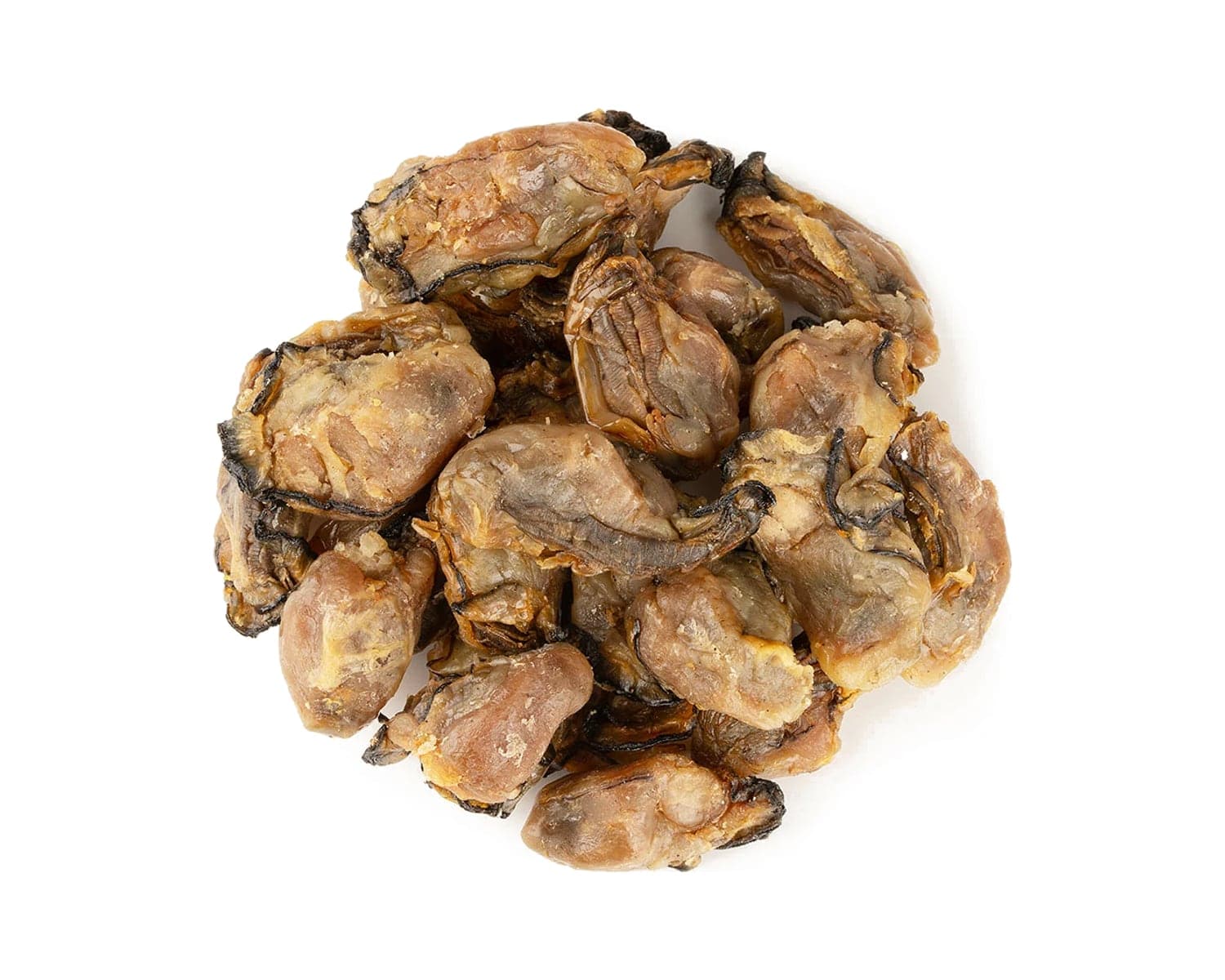
Dried Oysters
Fully dried and golden semi-dried oysters, sized by count
Dried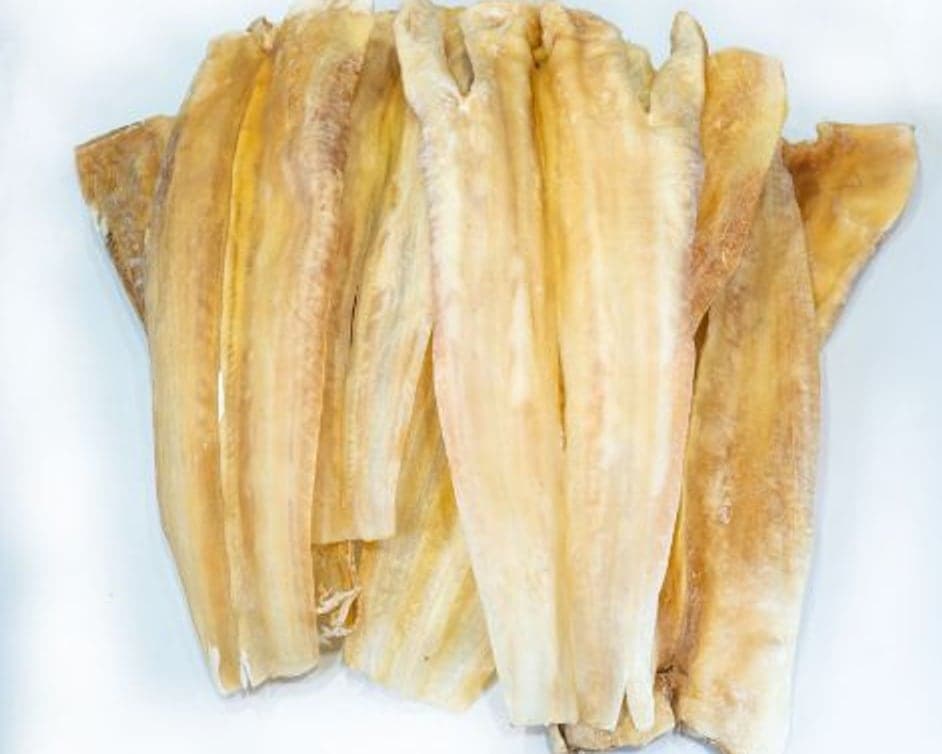
Premium Marine Delicacies
Fish Lips and Specialty Edible Fish Cuts
Dried and frozen fish lips, braising skins and maw-area cuts
Dried
Frozen & Live Seafood
Frozen and Chilled Shellfish
Scallops, clams, mussels, oysters and whelk, IQF and half-shell
Frozen
Buyer guides
Species Profiles6 min read
What Is Edible Jellyfish? Species, Fisheries and Traditional Curing
Which jellyfish are eaten and why, where the fisheries are, how fresh medusae become crunchy cured jellyfish over several weeks, and how cooks from China to Sarawak serve it.
Read the guide
Import & Compliance7 min read
What Importers Need to Know Before Ordering Dried Seafood
The market-access, species, documentation, classification and commercial checks an importer should complete before placing a first order for dried seafood.
Read the guide
Request a quote
Request a quote for edible jellyfish
Share your target grade, packing, volume and destination. We confirm availability, documentation for your market and a formal quotation, usually within one business day.
- Grade, size or count required
- Packing format and labeling language
- Estimated volume and order frequency
- Destination port or airport and Incoterm
- Reference: Edible Jellyfish