Frozen & Live Seafood
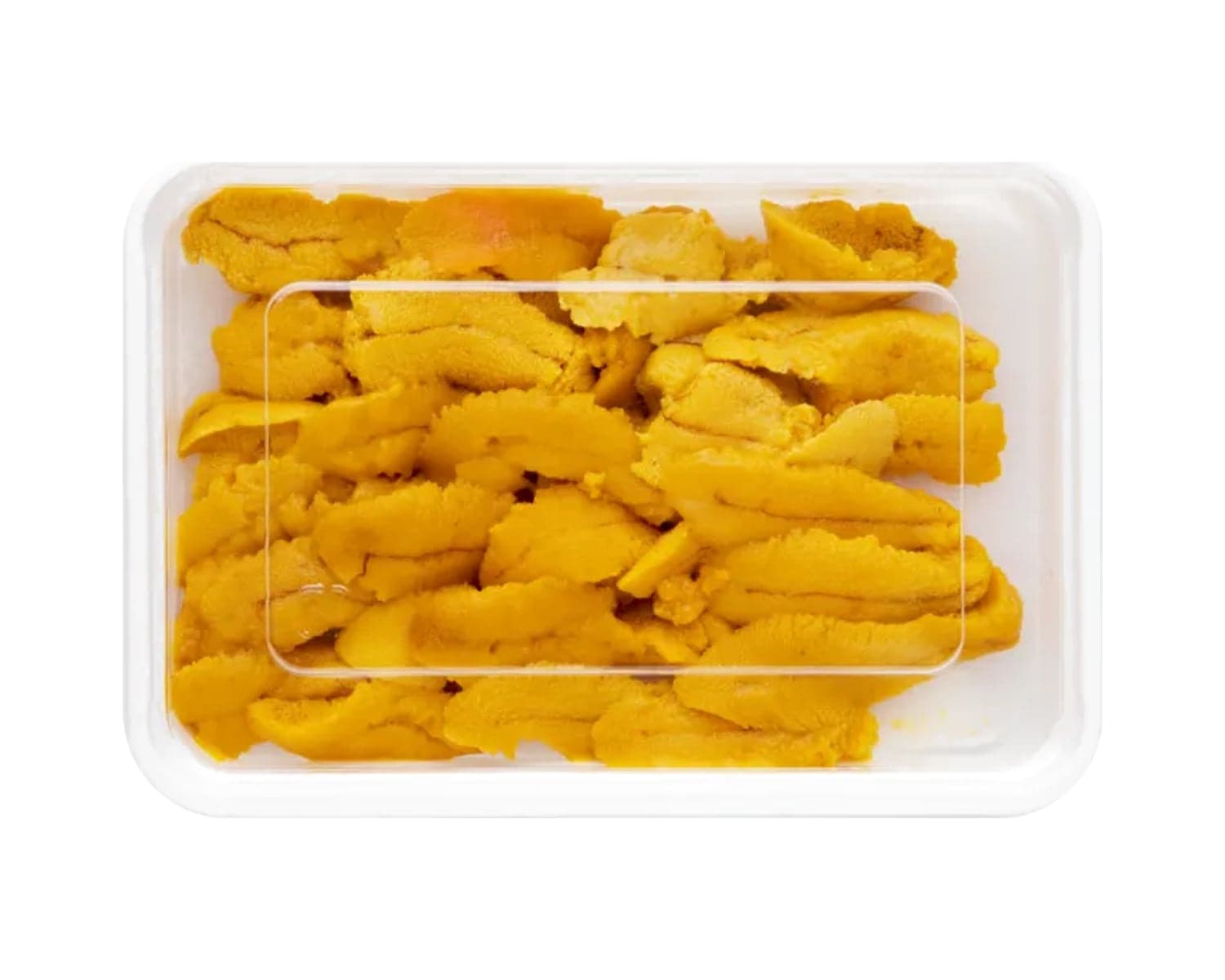
Sea Urchin Roe (Uni)
Chilled uni trays and frozen packs, graded by color and firmness
Chilled
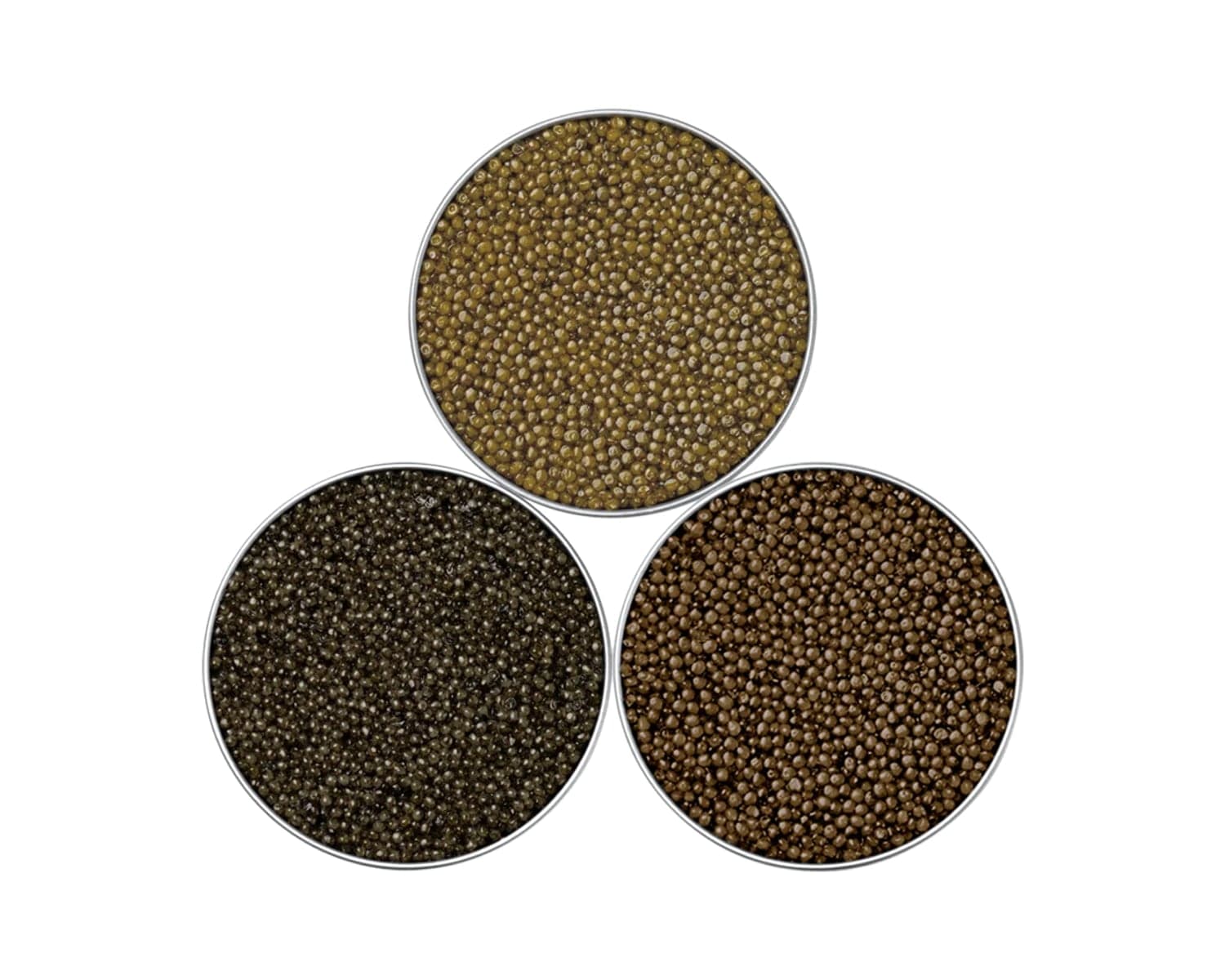
Aquaculture sturgeon caviar shipped under CITES export permits in labeled containers, alongside non-sturgeon roes such as salmon ikura, tobiko, masago and lumpfish for sushi, retail and catering buyers.
Indicative; confirmed per lot on each quotation.
In the strict sense, caviar is the salted roe of sturgeon, and legal international supply today comes largely from aquaculture. Farmed sturgeon are raised for several years before harvest, after which the roe is screened, lightly salted and packed in tins. Each species gives a recognisably different grain size, color and flavor, and we offer caviar from farms in China, Europe and other producing regions, with species and source declared on every tin.
Species and hybrids commonly available include Siberian sturgeon (Acipenser baerii), Amur sturgeon (Acipenser schrenckii) and its hybrid with kaluga, Russian sturgeon (Acipenser gueldenstaedtii) and white sturgeon (Acipenser transmontanus). Grading looks at grain size and firmness, color from dark gray to golden amber, how cleanly the eggs separate, salt level (usually a low-salt, malossol style) and the clarity of flavor.
For volume sushi, retail and catering, the range extends to salmon roe (ikura), cured as large separated eggs; flying fish roe (tobiko) in natural and colored or flavored versions, with colorings declared; capelin roe (masago); and lumpfish roe, often dyed black or red as an accessible garnish. In many markets the word caviar on its own is reserved for sturgeon roe, so these products are labeled with their species name.
Sturgeon caviar is typically held at about -2 to +2 °C and shipped chilled, while most non-sturgeon roes are supplied frozen. On a cured-roe menu it sits well alongside sea urchin roe and bottarga, and the checks applied to permits and labels before dispatch are set out under export quality assurance.
Specification sheet
Indicative values. Final specifications are confirmed per lot on the quotation and certificate of analysis.
| Sturgeon species | Acipenser baerii, A. schrenckii, A. gueldenstaedtii, A. transmontanus and hybrids, by availability |
|---|---|
| Source | Aquaculture; source code shown on the CITES label |
| Caviar grade | Grain size, color, firmness and egg separation |
| Salt | Low-salt malossol style; salt content declared per lot |
| Non-sturgeon roes | Salmon ikura, flying fish tobiko, capelin masago, lumpfish |
| Temperature | Caviar typically -2 to +2 °C; other roes -18 °C or below |
| Shelf life | Caviar as stated on the tin, typically a few months unopened; frozen roes around 12 months |
| Labeling | CITES universal caviar label on each primary container |
| Documents | CITES export or re-export permit, import permit where required, veterinary certificate, certificate of origin |
| Minimum order | Caviar from 1 kg across mixed tin sizes per species for trial orders; other roes from around 50 kg per item. |
| Lead time | Typically 3–5 weeks for caviar, allowing for CITES permit issuance; frozen roes usually 2–4 weeks. |
FAQ
Every consignment travels with a CITES export permit, or a re-export certificate if the caviar has been repacked in a third country, issued by the exporting country’s CITES authority. Depending on the destination, you may also need a CITES import permit, a veterinary certificate and a certificate of origin. We send draft documents for checking before dispatch so that your broker can raise any questions early.
The universal label typically includes a standard species code, a source code (for example C for captive-bred stock), the two-letter code of the country of origin, the year of harvest or repackaging, the registration code of the processing or repackaging plant, and a lot identification number. Typically the label itself seals the container, or the container is sealed in another way so that any opening leaves visible evidence.
Repacking sturgeon caviar into smaller or branded tins is possible only through a plant that holds the registration required under the CITES caviar system, and the new label then carries that plant’s code. We can discuss private-label tins and outer packaging where volumes justify it, but the timing depends on permit issuance in the repacking country.
Not under that name alone. In many markets caviar unqualified means sturgeon roe, so non-sturgeon products are labeled by species, for example salmon roe or flying fish roe, and any colorings or flavorings used in tobiko are listed among the ingredients. These roes do not fall under CITES controls, which keeps them simpler to import for volume sushi and catering use.
Related
Frozen & Live Seafood
Chilled uni trays and frozen packs, graded by color and firmness
Premium Marine Delicacies
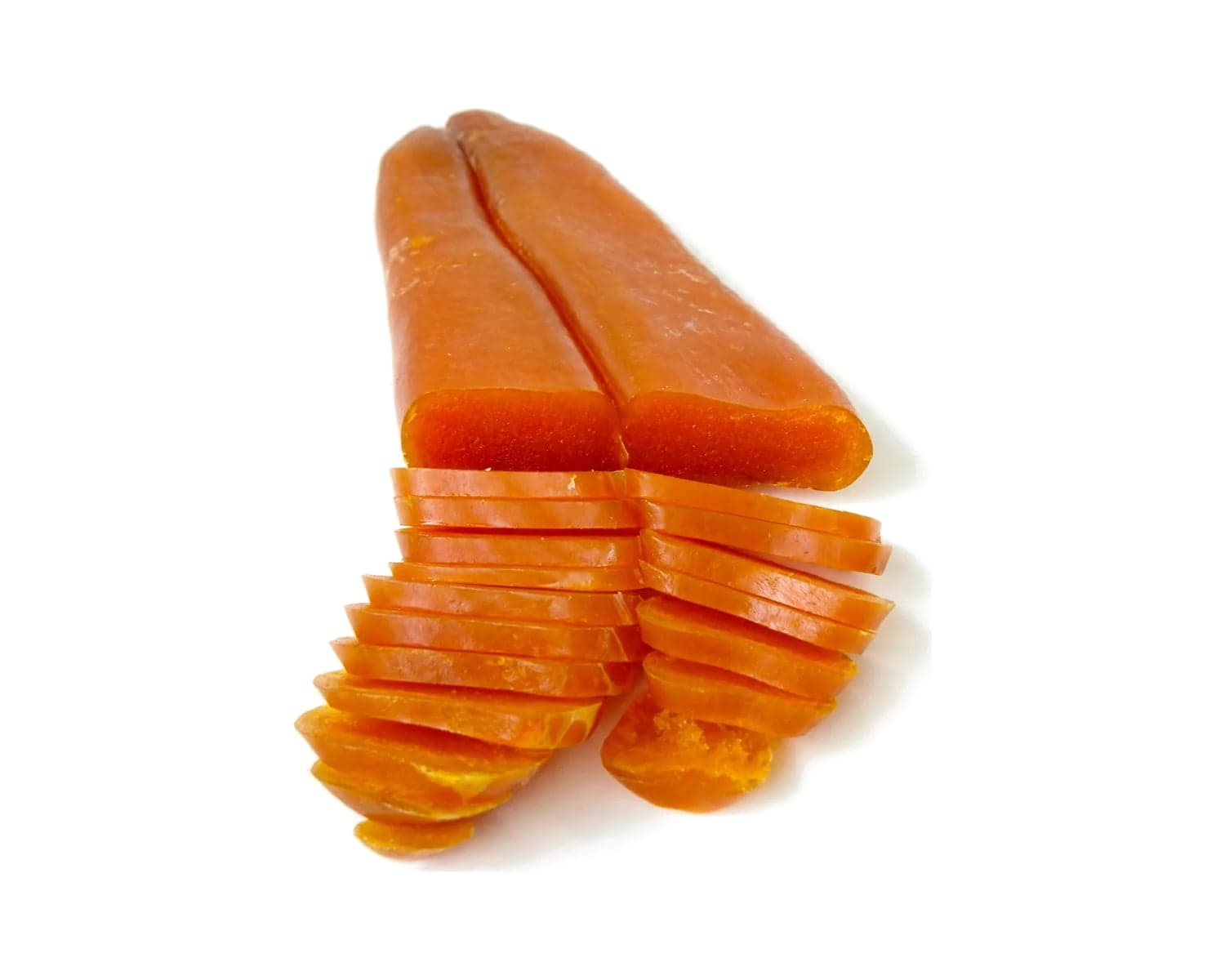
Gray mullet roe in Mediterranean and Taiwanese styles
Frozen & Live Seafood
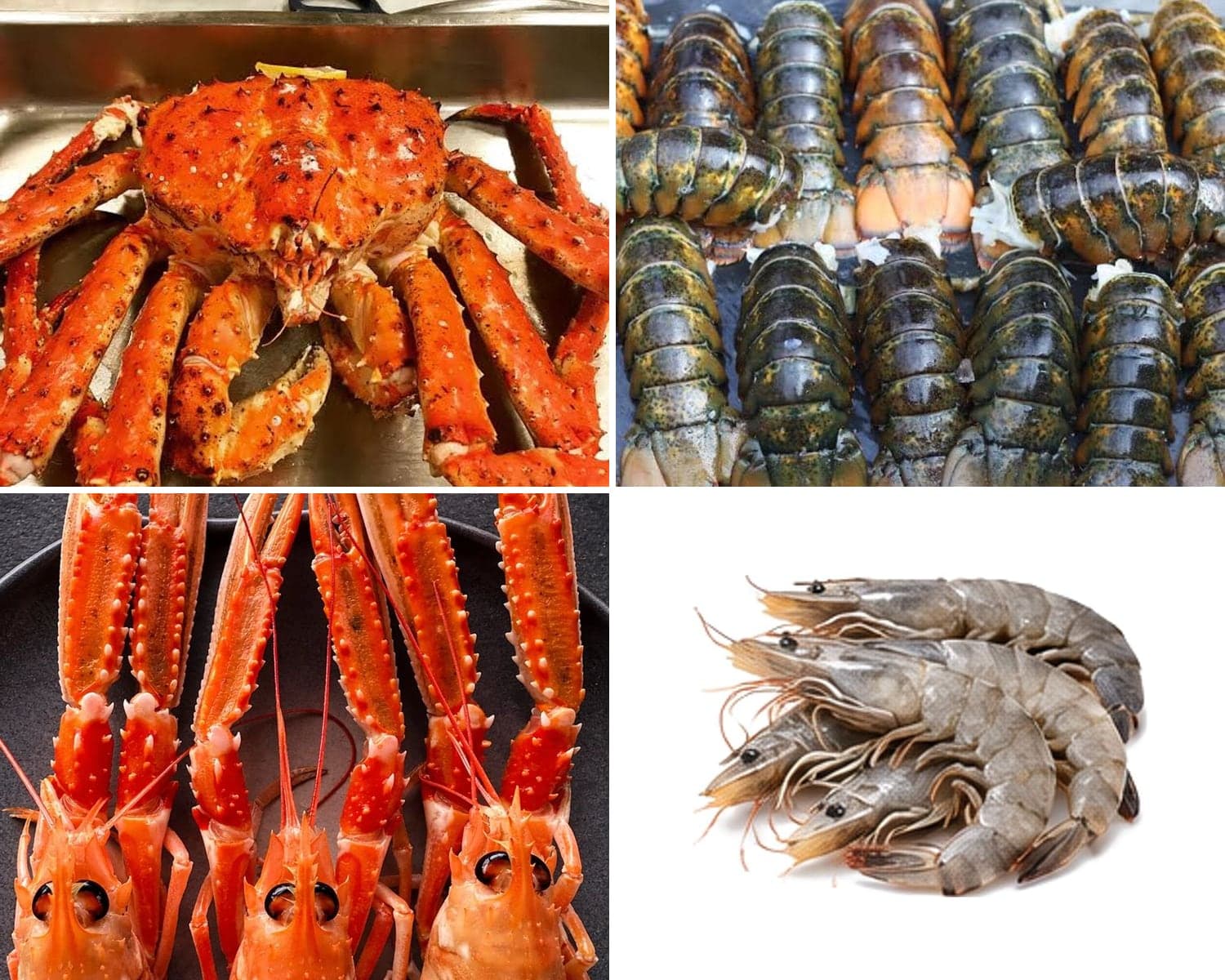
Crab, lobster, langoustine, geoduck and shrimp, sourced to brief
Frozen & Live Seafood
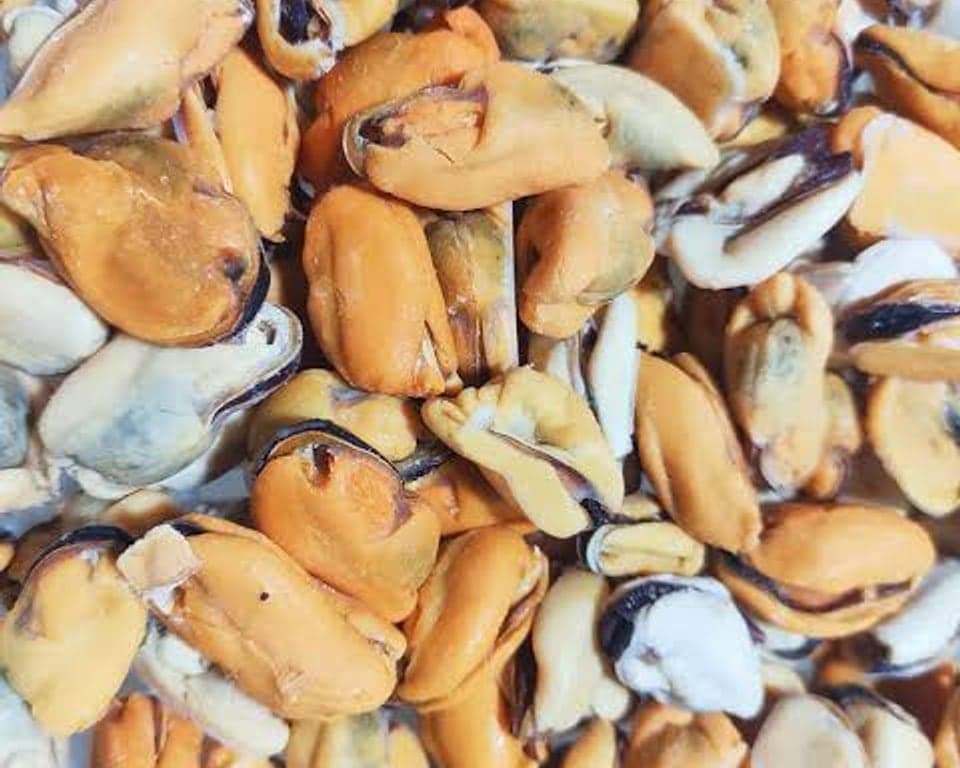
Scallops, clams, mussels, oysters and whelk, IQF and half-shell
Species Profiles7 min read
Every tin of caviar starts with a fish that takes years to mature. This profile covers sturgeon biology, the species and hybrids on farms, how farming works and what becomes of the rest of the fish.
Read the guide
Import & Compliance7 min read
The market-access, species, documentation, classification and commercial checks an importer should complete before placing a first order for dried seafood.
Read the guide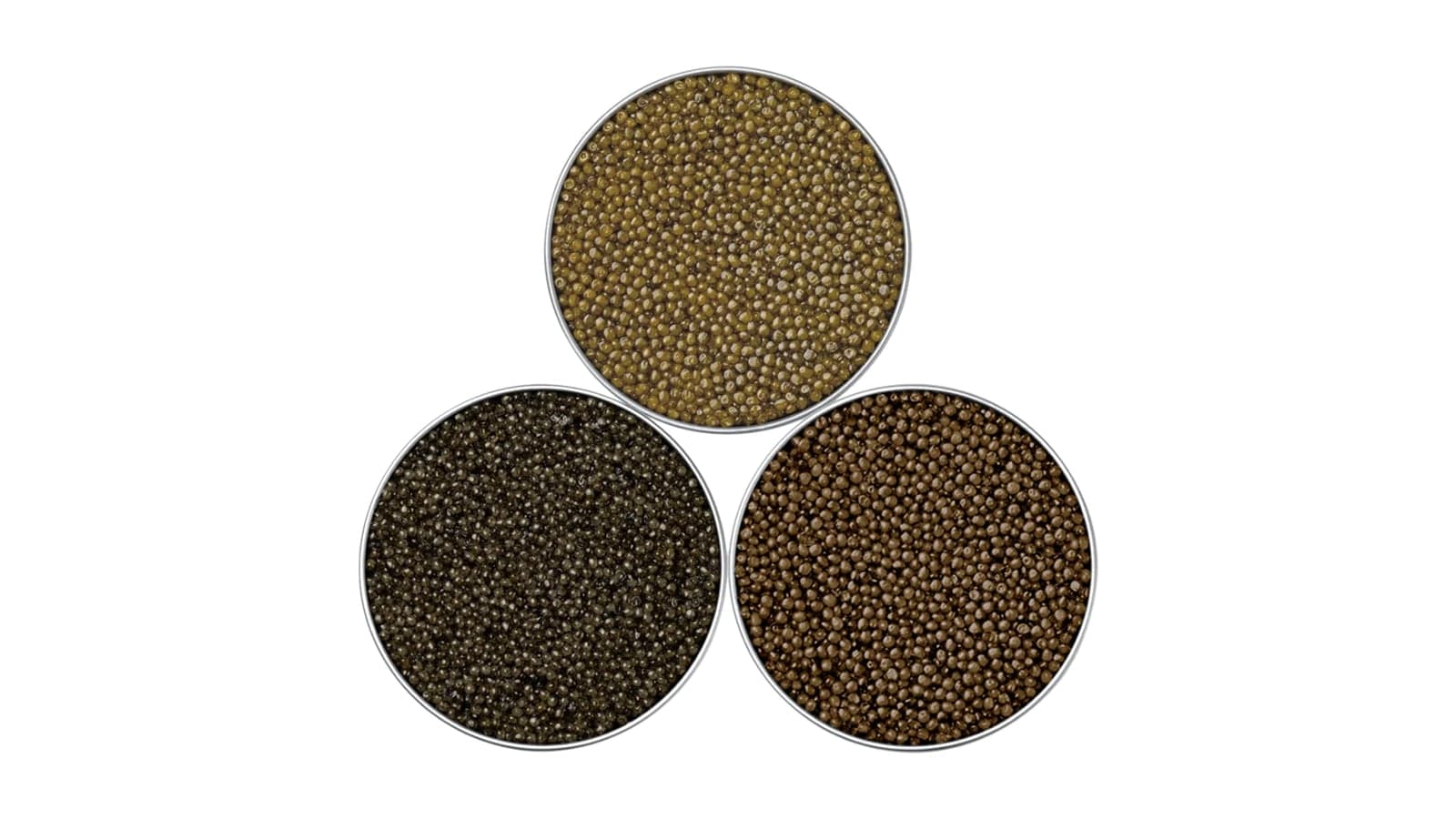
Buying Guide7 min read
How chefs, foodservice buyers and brand owners match grade and format to the application, compare suppliers on cost per portion, and keep quality consistent across orders and channels.
Read the guideRequest a quote
Share your target grade, packing, volume and destination. We confirm availability, documentation for your market and a formal quotation, usually within one business day.