- Private-label packing
- Export documentation
Frozen & Live Seafood
Frozen and Chilled Shellfish Supplier for Foodservice and Retail
Scallops, clams, mussels, oysters, whelk and surf clam in IQF, block and half-shell formats, frozen or chilled, with biotoxin and microbiological testing arranged to each destination’s rules.
- Scallops, clams, mussels, oysters, whelk and surf clam
- IQF, block-frozen and half-shell formats
- Biotoxin and microbiological testing to destination limits
- Glaze, count and any added water declared
- Chilled supply on short air routes where feasible
- Allergen statements supplied for your labeling
Product Specifications
Indicative; confirmed per lot on each quotation.
- Origin
- For example Japan, China, Korea, Chile, Peru, New Zealand, Canada and Northern Europe, depending on species, season and destination eligibility.
- Grade / Size
- Scallop meat by count per pound or kilogram (e.g. 10/20, 20/30, 30/40 per lb); in-shell bivalves by pieces per kilogram; whelk and surf clam by piece size.
- Form & Processing
- Raw or cooked, IQF or block-frozen, on the half-shell or as meat only; scallops dry-packed or with any added water or phosphate stated on the label.
- Storage
- Frozen lines at -18 °C or colder; chilled shellfish kept between 0 and 4 °C and sold or served within the packer’s stated shelf life.
- MOQ
- From 500 kg per item for frozen lines, which can be combined into a mixed reefer; chilled lines by weekly carton allocation.
- Lead Time
- Frozen lines generally 3–5 weeks once the specification is agreed; chilled supply is scheduled around harvest openings and flight availability.
Product overview
With shellfish, the detail decides whether a shipment works. Classification of harvest waters, depuration, biotoxin monitoring and glaze all affect whether a carton clears the border and how it performs on the plate. This range is built for buyers who need consistent sizing and paperwork that matches the product in the box, and it is the line where our role as a premium seafood distributor is most hands-on.
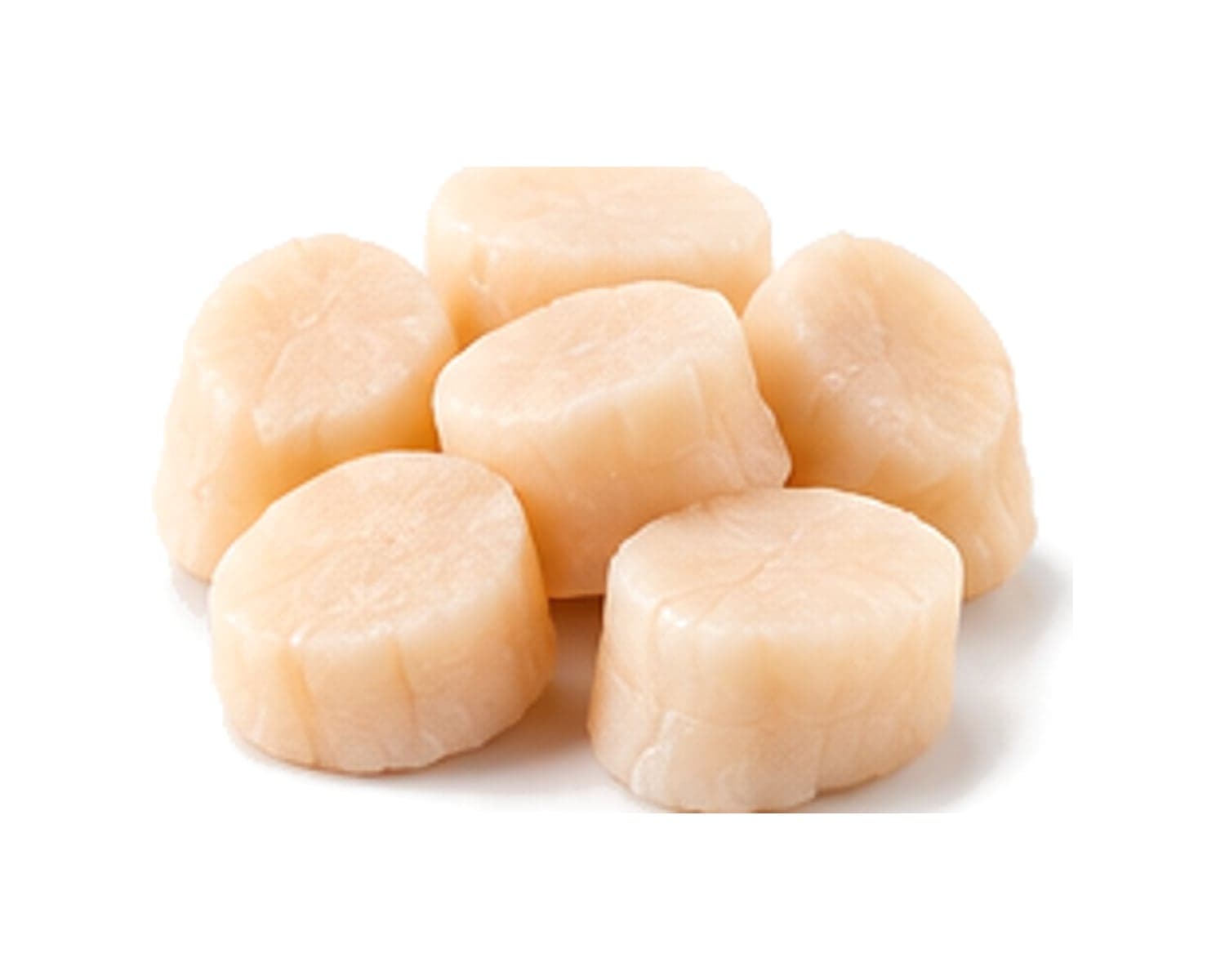
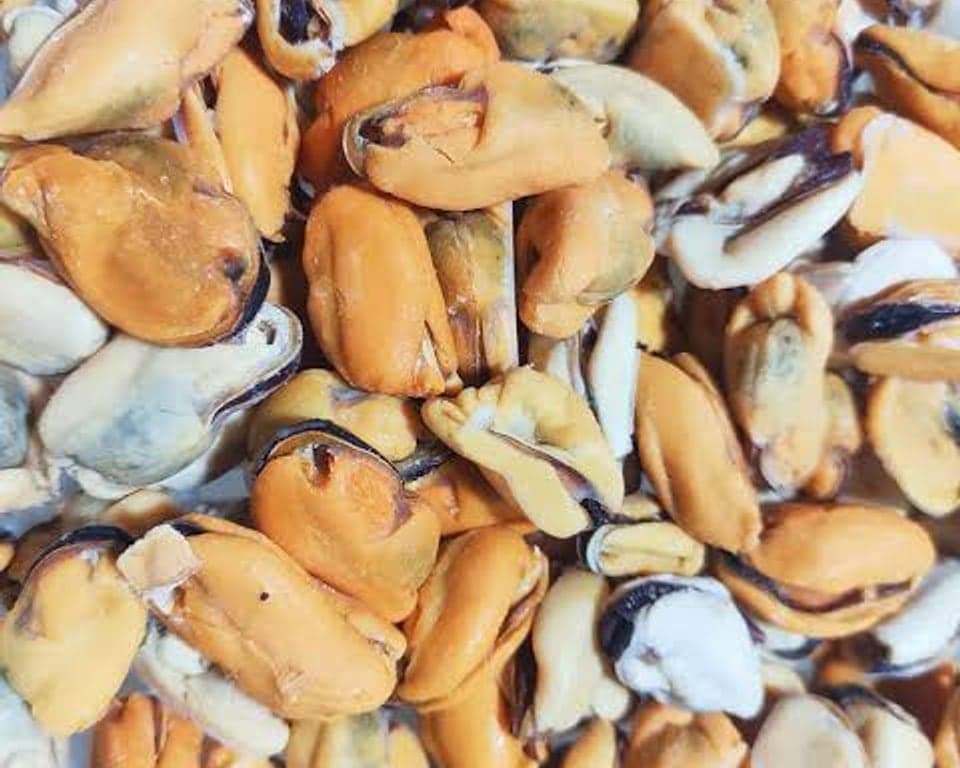
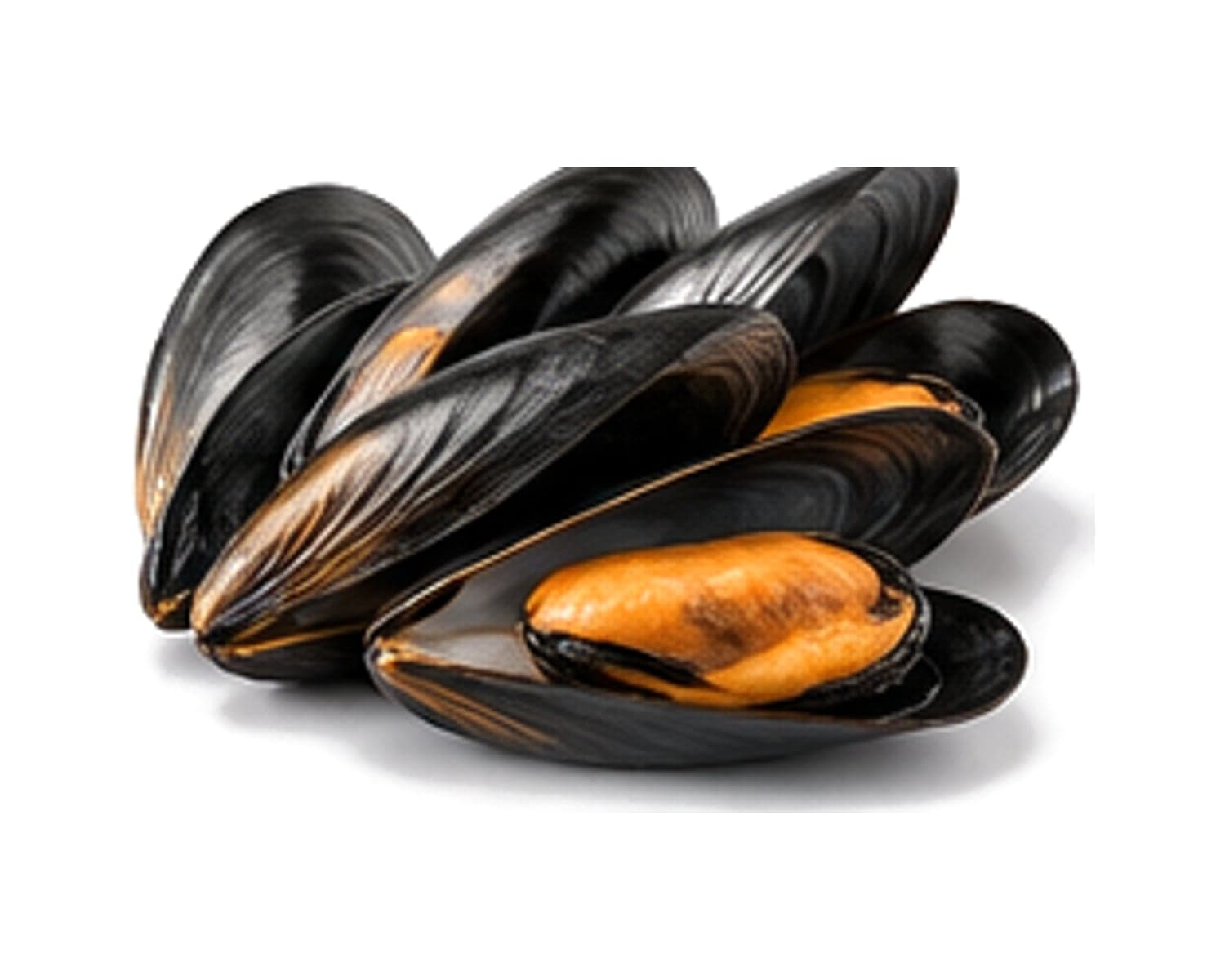
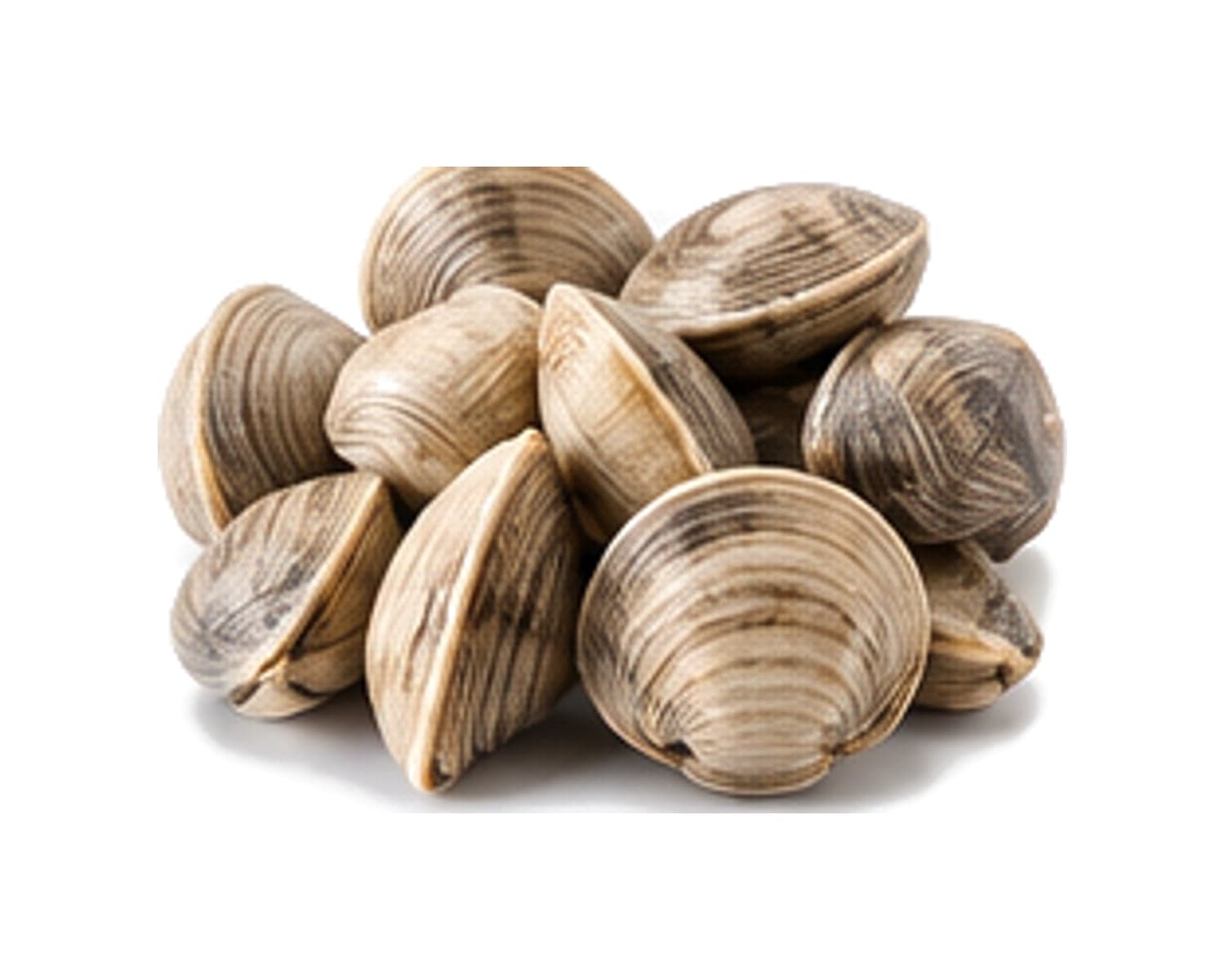
The core range covers scallops on the half-shell or as adductor meat (for example Japanese scallop, Mizuhopecten yessoensis, alongside Atlantic and South American scallops), Manila and hard clams, blue and green-lipped mussels whole or on the half-shell, Pacific oysters frozen on the half-shell, whelk meat and surf clam. Exact species and origins vary with season and destination eligibility and are named on each offer. When one item is out of season, we propose an alternative origin or format so that a menu line need not change.
Formats include IQF meat, block-frozen meat, frozen half-shell, and whole cooked or raw product, plus chilled product on short air routes where feasible. Scallop meat is offered dry-packed, or with any added water or phosphate declared on the label. Glaze percentage, count per pound or kilogram, sand content and shell fragments are checked per lot, and testing for marine biotoxin groups (such as PSP, ASP and DSP toxins) and microbiological parameters is arranged against the limits of the destination market.
For the dried counterparts used in stocks and braises, see dried scallops and conpoy and dried clams. Our export quality assurance page explains how test results are tied to lot codes and travel with each shipment.
Every line in this range also has its own page with species, sizing, formats and documents set out in full: frozen scallops, frozen clams, frozen mussels, frozen oysters, frozen whelk and frozen surf clam. Start there when you already know the item you need, or use this overview to plan a mixed shellfish container.
Specification sheet
Frozen and Chilled Shellfish: full specification
Indicative values. Final specifications are confirmed per lot on the quotation and certificate of analysis.
| Species | Scallop, clam, mussel, oyster, whelk, surf clam; scientific name per offer |
|---|---|
| Origin | Asian, South American, Oceanian and North Atlantic origins; declared per lot |
| Formats | IQF, block, half-shell, meat only; raw or cooked |
| Size | Count per lb or kg; pieces per kg for in-shell |
| Glazing and added water | Declared per lot |
| Testing | Biotoxins (PSP, ASP, DSP groups) and microbiology to destination limits |
| Allergens | Molluscs; plant cross-contact statement available |
| Temperature | Chilled 0–4 °C; frozen -18 °C or colder |
| Shelf life | Typically 12–24 months frozen; chilled per packer’s date |
| Documents | Origin sanitary certificate, harvest-area classification details, biotoxin and microbiology reports |
| Minimum order | From 500 kg per item for frozen lines, which can be combined into a mixed reefer; chilled lines by weekly carton allocation. |
| Lead time | Frozen lines generally 3–5 weeks once the specification is agreed; chilled supply is scheduled around harvest openings and flight availability. |
FAQ
Frozen and Chilled Shellfish: questions from buyers
Which biotoxin tests do you arrange for shellfish?
Testing typically covers the main regulated groups: paralytic (PSP), amnesic (ASP) and lipophilic toxins including the diarrhetic (DSP) group, along with microbiological parameters such as E. coli and Salmonella. The exact panel and limits follow your destination’s rules and, where relevant, the harvest-area monitoring results from the origin. Reports carry the lot code shown on the cartons so your inspectors can match them quickly.
How should shellfish allergens be labeled?
Molluscs are a declarable allergen in many markets, including the EU and UK, and rules elsewhere differ, so check the requirements of your own market. Crustacean cross-contact can also be relevant where a plant handles shrimp or crab. We provide the packer’s allergen and cross-contact statement for each item, while final labeling of the retail or foodservice pack remains with the importer or brand owner.
Are your scallops dry-packed or treated?
Both are available, and we never leave it ambiguous. Dry-packed scallops contain no added water or moisture-retaining agents and sear with a good crust. Treated scallops are soaked in a solution that holds water, which increases weight and changes cooking behavior; where offered, the treatment and added water are shown on both the label and the invoice, letting you compare offers like for like.
Can you supply chilled rather than frozen shellfish?
Chilled scallop meat, oysters and some clams can be air-freighted on short routes where the destination accepts them and the shelf life leaves enough time for sale. Volumes are planned weekly around harvest openings, and any closure of harvest waters for biotoxins can interrupt supply without much notice. For steady programs, frozen lines remain the more reliable choice.
Related
Related products
Frozen & Live Seafood
Frozen Mussels
Blue, Chilean and green-lipped mussels, whole, half-shell or meat
Frozen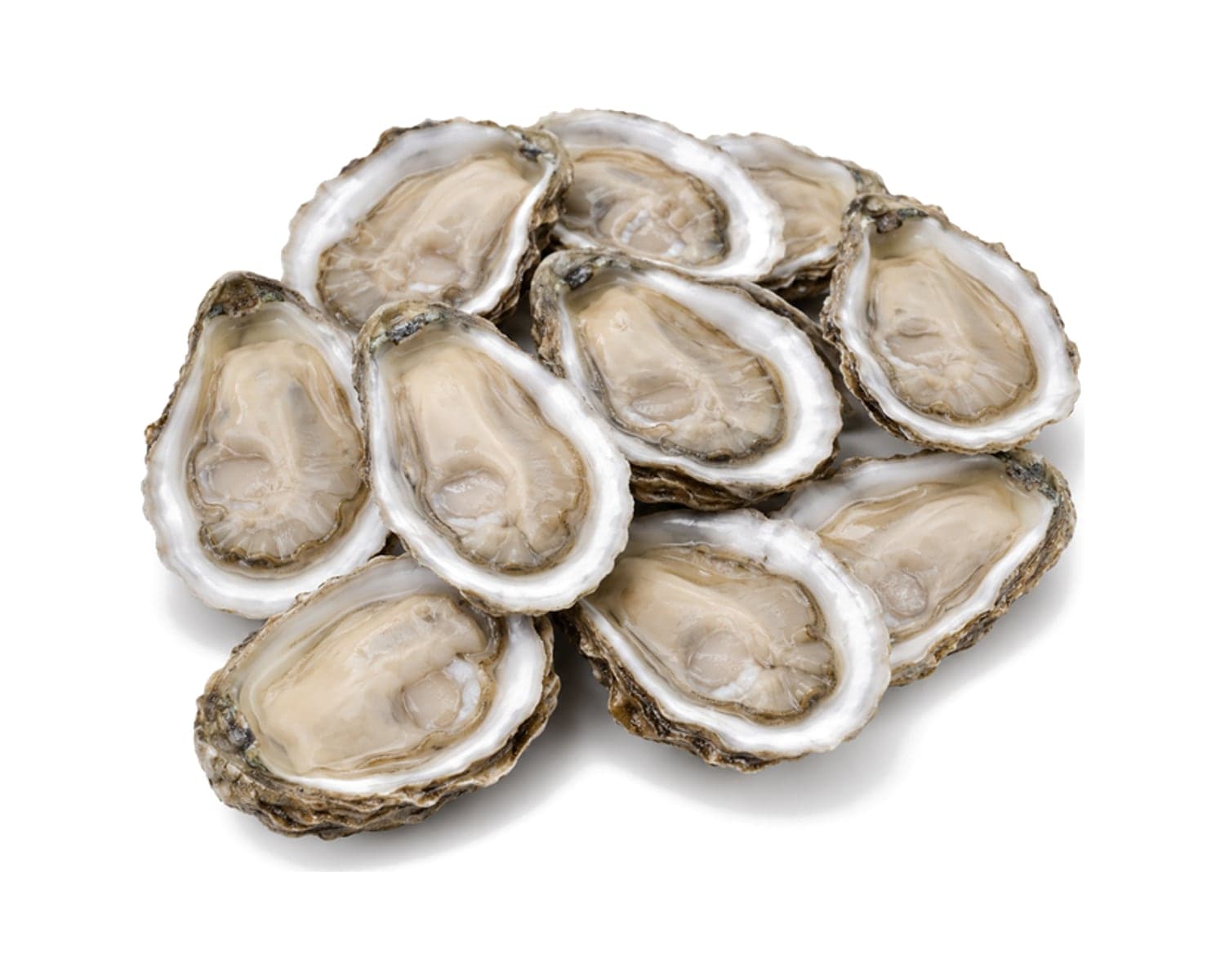
Buyer guides
Buying Guide7 min read
Choosing Premium Seafood Ingredients for Restaurants and Retail
How chefs, foodservice buyers and brand owners match grade and format to the application, compare suppliers on cost per portion, and keep quality consistent across orders and channels.
Read the guide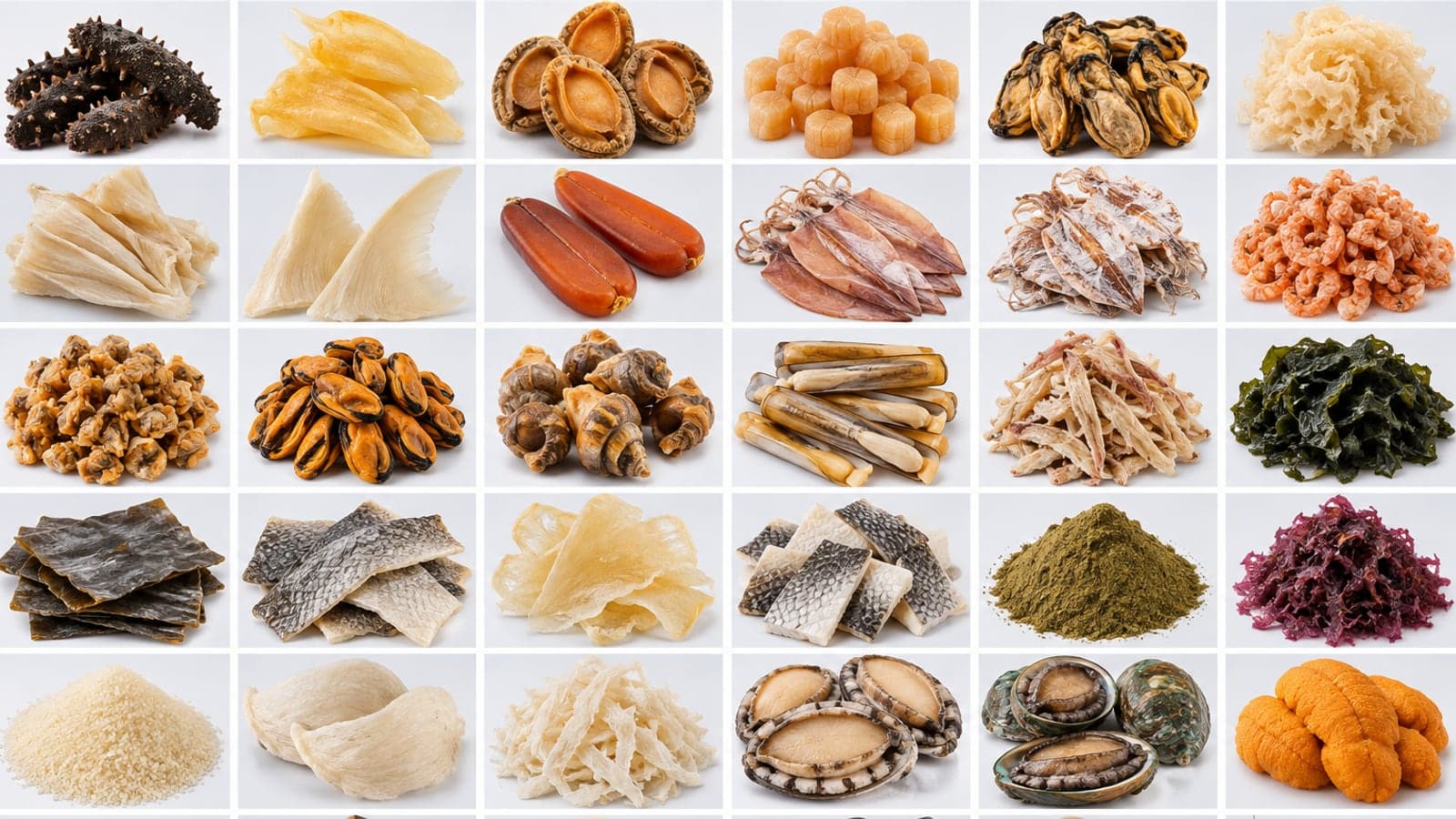
Import & Compliance7 min read
What Importers Need to Know Before Ordering Dried Seafood
The market-access, species, documentation, classification and commercial checks an importer should complete before placing a first order for dried seafood.
Read the guide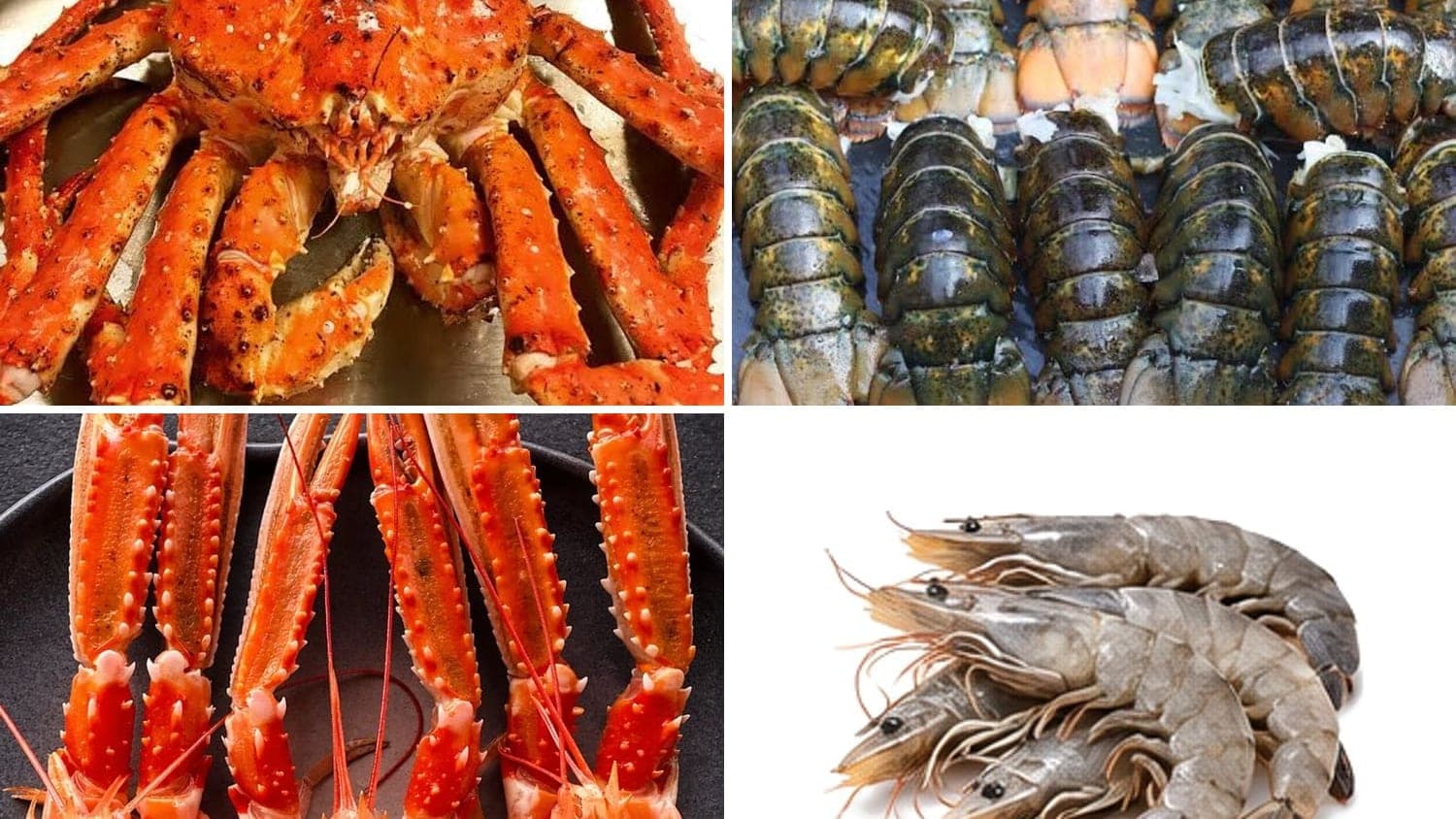
Import & Compliance8 min read
Shipping Seafood: Reefer Containers, Cold Chain and Incoterms
A logistics guide for seafood buyers: reefer and dry-container shipping, temperature records, air freight for chilled and live product, where Incoterms 2020 place cost and risk, and the evidence a claim needs.
Read the guide
Request a quote
Request a quote for frozen and chilled shellfish
Share your target grade, packing, volume and destination. We confirm availability, documentation for your market and a formal quotation, usually within one business day.
- Grade, size or count required
- Packing format and labeling language
- Estimated volume and order frequency
- Destination port or airport and Incoterm
- Reference: Frozen and Chilled Shellfish