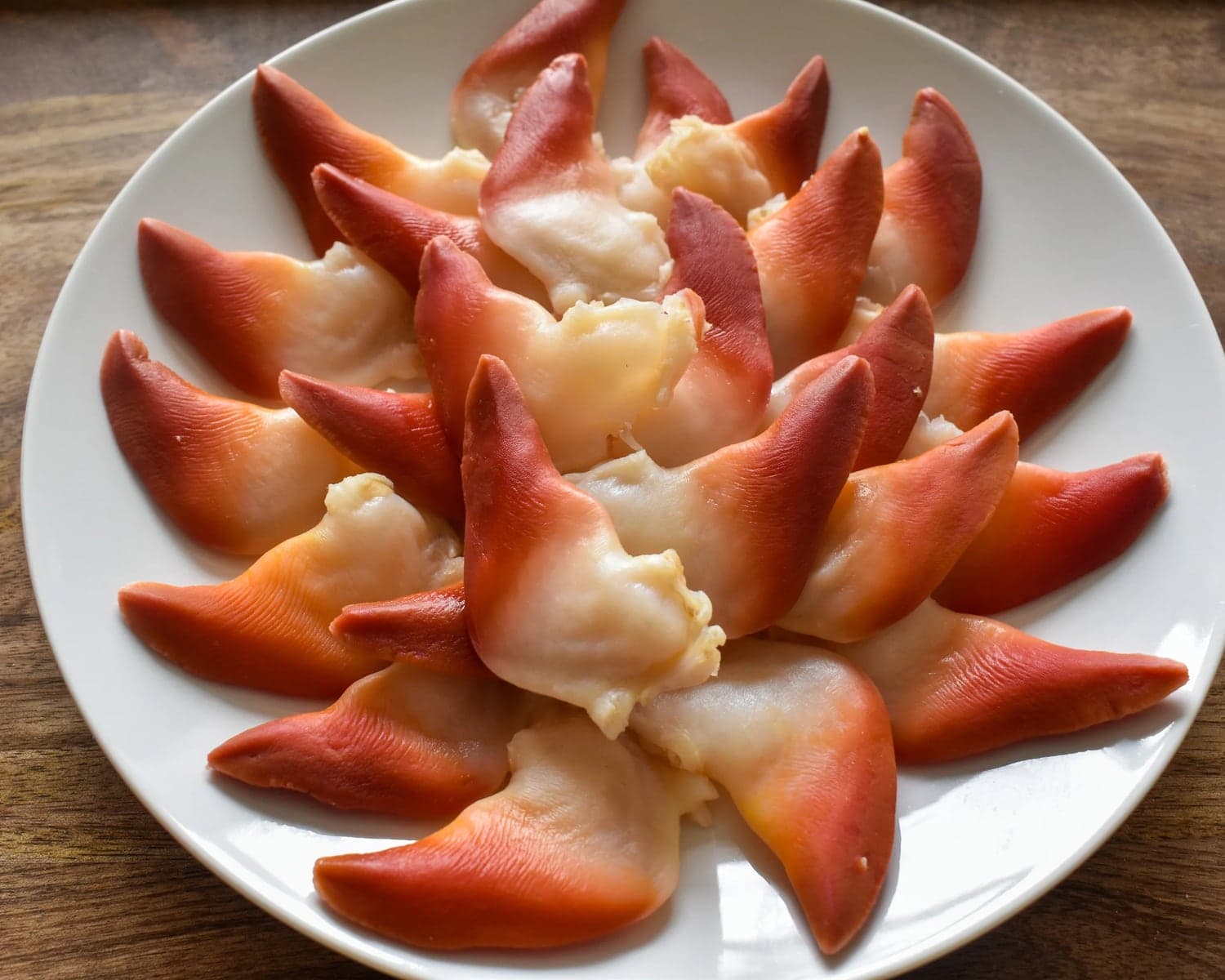
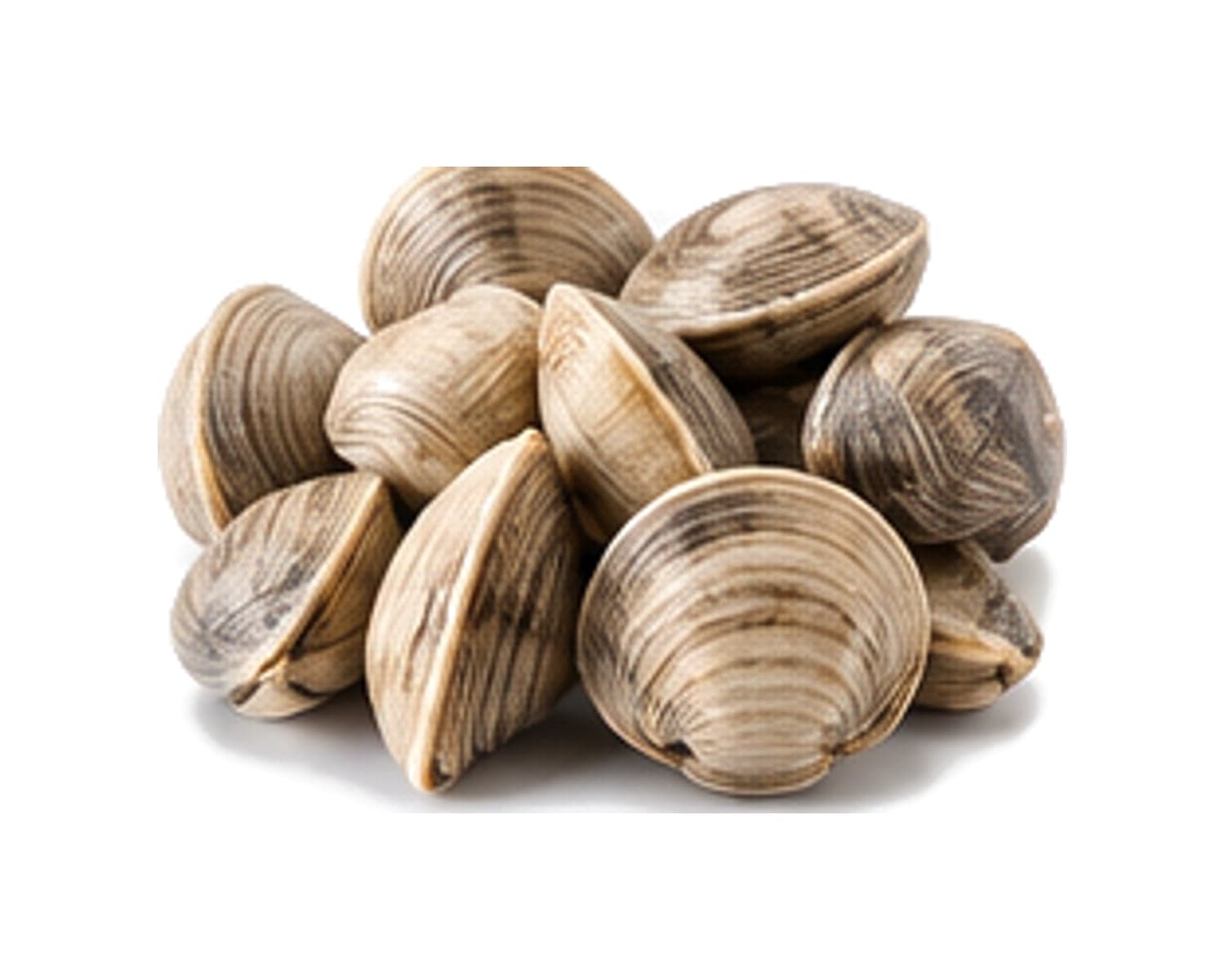
Surf clams are large members of the family Mactridae, the trough shells, that live buried in sand on wave-swept beaches and offshore banks. In trade the name covers two main species with almost nothing in common at the point of sale. The Arctic surf clam of Canada’s offshore banks is cooked, frozen and served on sushi rice as hokkigai, prized for its sweet flavor and the vivid red tip its foot develops when cooked. The Atlantic surf clam of the US East Coast is a volume clam that ends up as fried strips, chowder and canned clam meat.
This profile describes both, along with the Sakhalin surf clam of northern Japan that first carried the hokkigai name, and covers biology, fisheries, names, kitchen use and the naming traps that catch buyers out. Arctic surf clam cooked for sushi, and Atlantic surf clam meat and strips on request, are listed on our frozen surf clam page.
Key takeaways
- Arctic surf clam (Mactromeris polynyma) from Canada’s offshore banks is the hokkigai of international sushi, cooked and frozen with a red tip.
- Atlantic surf clam (Spisula solidissima) is a fast-growing US clam processed into strips, chowder and canned meat.
- The name hokkigai began with the Sakhalin surf clam of northern Japan, now Spisula sachalinensis.
- Arctic surf clams grow slowly and can live for decades, and Canada manages the fishery with a separate catch limit for each bank.
What surf clams are
Surf clams are smooth, solid, broadly triangular clams built for unstable sand. They burrow just below the surface of the seabed, often where currents and waves keep the sediment moving, and draw water in through their siphons to filter plankton. The part kitchens prize is the foot, a large, muscular, tongue-shaped organ the clam uses to dig, which is why the sushi trade calls the prepared foot a “tongue.” The adductor muscles and the rest of the meat go into chowder, minced clam and other processed products.
Color is the most useful clue to species. In the Arctic surf clam, most animals have a purple foot and mantle that turn red on cooking, much as a lobster does, according to Fisheries and Oceans Canada (DFO). The Sakhalin surf clam’s foot is dark, almost black, when raw and also reddens with heat. The Atlantic surf clam has pale, creamy meat with no colored tip at all.
Surf clam species compared
| Species | Names | Where it comes from | Size and appearance | Main use |
|---|---|---|---|---|
| Mactromeris polynyma | Arctic surf clam, Stimpson’s surf clam; hokkigai in sushi | Cold waters of the North Atlantic and North Pacific; fished commercially on Banquereau and Grand Bank off Atlantic Canada | Usually 75 to 125 mm; purple foot that turns red when cooked | Cooked sushi and sashimi tongues |
| Spisula sachalinensis (formerly Pseudocardium sachalinense) | Sakhalin surf clam; ubagai (standard Japanese), hokkigai (fishery name) | Northern Japan, especially Hokkaido, north to Sakhalin and the Kuril Islands | Dark, almost black foot that reddens when cooked | Sushi and sashimi, raw or blanched; rice dishes |
| Spisula solidissima | Atlantic surf clam, surfclam, bar clam, hen clam, sea clam | Gulf of St. Lawrence to Cape Hatteras, mainly off New Jersey, Long Island, Delmarva and on Georges Bank | Up to about 22 cm; pale meat | Clam strips, chowder, minced and canned clams |
| Mactra chinensis | Aoyagi or bakagai in Japan | Shallow sandy coasts of East Asia | Smaller and thinner-shelled | Sushi; adductors served as kobashira |
| Arctica islandica (not a surf clam) | Ocean quahog, mahogany clam | Offshore North Atlantic, fished beside surf clams | Rounder, black-skinned shell | Chowder and soup meat |
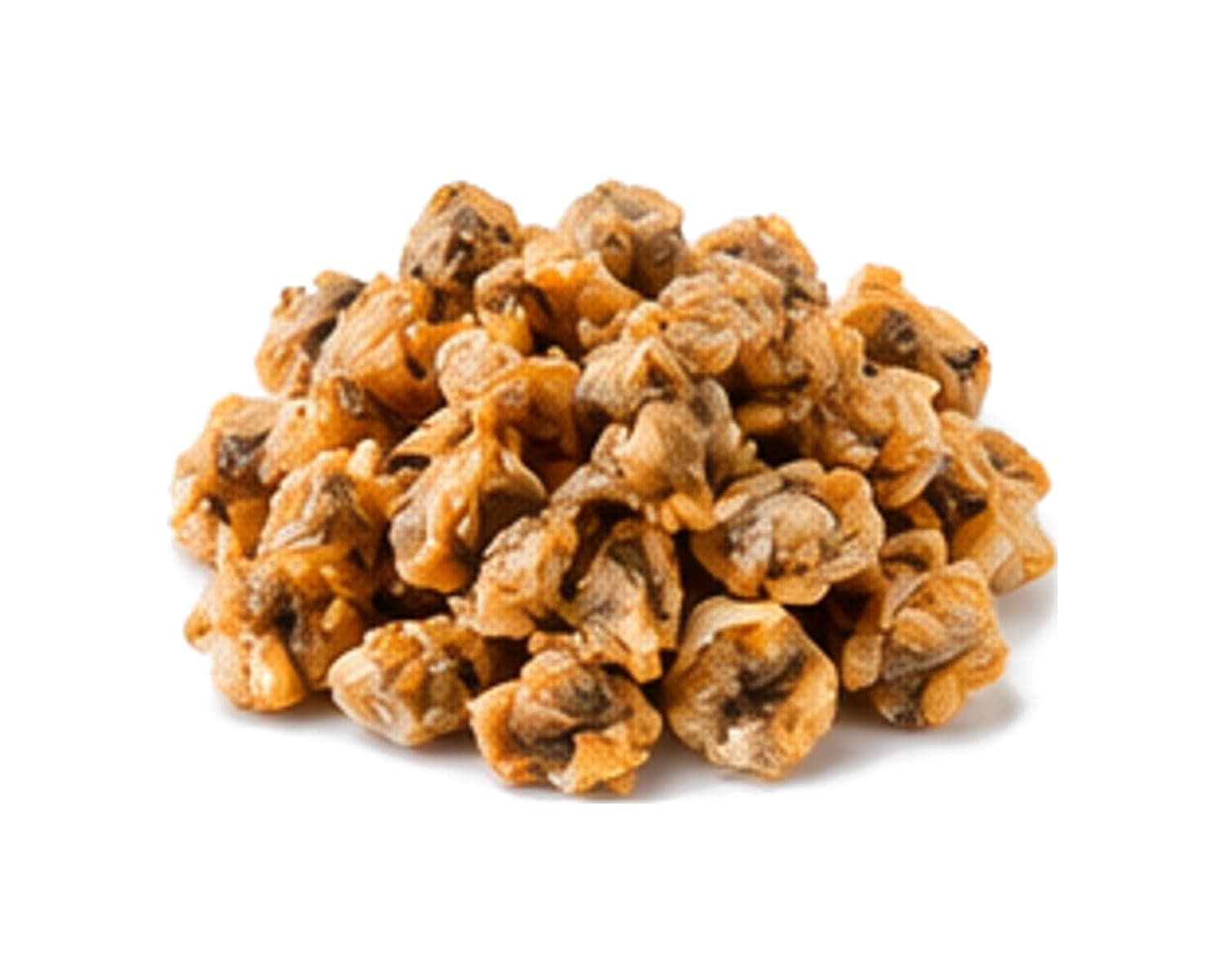
Mactra chinensis is a common sight on sushi menus as aoyagi, and its small adductor muscles, kobashira, are served as a topping in their own right. Europe has a smaller relative, Spisula solida, and Chinese processors dry the meat of local Mactra clams for soups and condiments, a product covered on our dried clams page.
Arctic surf clam: the hokkigai of world sushi bars
DFO describes the Arctic surf clam as a large clam of 75 to 125 mm, found in both the Atlantic and Pacific in medium to coarse sediments where the water stays below 15 °C. It is slow-growing and long-lived: the oldest aged to date was over 56 years old, and on Banquereau half the population is mature only at about eight years and 45 mm. Those traits mean a heavily fished bed can take many years to rebuild.
Canada’s offshore clam fishery began on the Scotian Shelf in the mid-1980s and expanded to the Grand Banks in 1989. It is worked year-round by a small fleet of specialized factory freezer vessels, which tow hydraulic dredges that loosen the sand with jets of seawater and lift the clams into a steel cage, and much of the catch is processed and frozen at sea. Catches are set as a total allowable catch for each bank, divided into fixed shares among a few license holders. Ocean quahogs, northern propeller clams and Greenland cockles come up in the same dredges.
The Arctic clam’s market history explains its identity today. According to DFO, early hopes of selling it to US processors faded because its color differed so visibly from the familiar Atlantic surf clam, and the industry turned to Japan, where a similar clam was already eaten. It is now sold as hokkigai at sushi counters around the world. In Chinese-speaking markets the cooked Canadian clam is sold as 北极贝, “Arctic shellfish,” but Chinese sources sometimes attach that name, or the Japanese-derived 北寄贝, to the Sakhalin surf clam instead, so the scientific name is the safer reference.
Atlantic surf clam: the clam behind strips and chowder
The Atlantic surf clam (Spisula solidissima) is a very large clam of the western North Atlantic. NOAA Fisheries reports shells up to about 8.9 inches (22.6 cm), though anything over 7.9 inches is rare, and a life span of up to 35 years. Juveniles settle in fine to medium sand in 30 to 80 feet of water, while adults range from the surf zone to beyond 160 feet. Growth is fast compared with the Arctic species: about 5 inches in five to seven years.
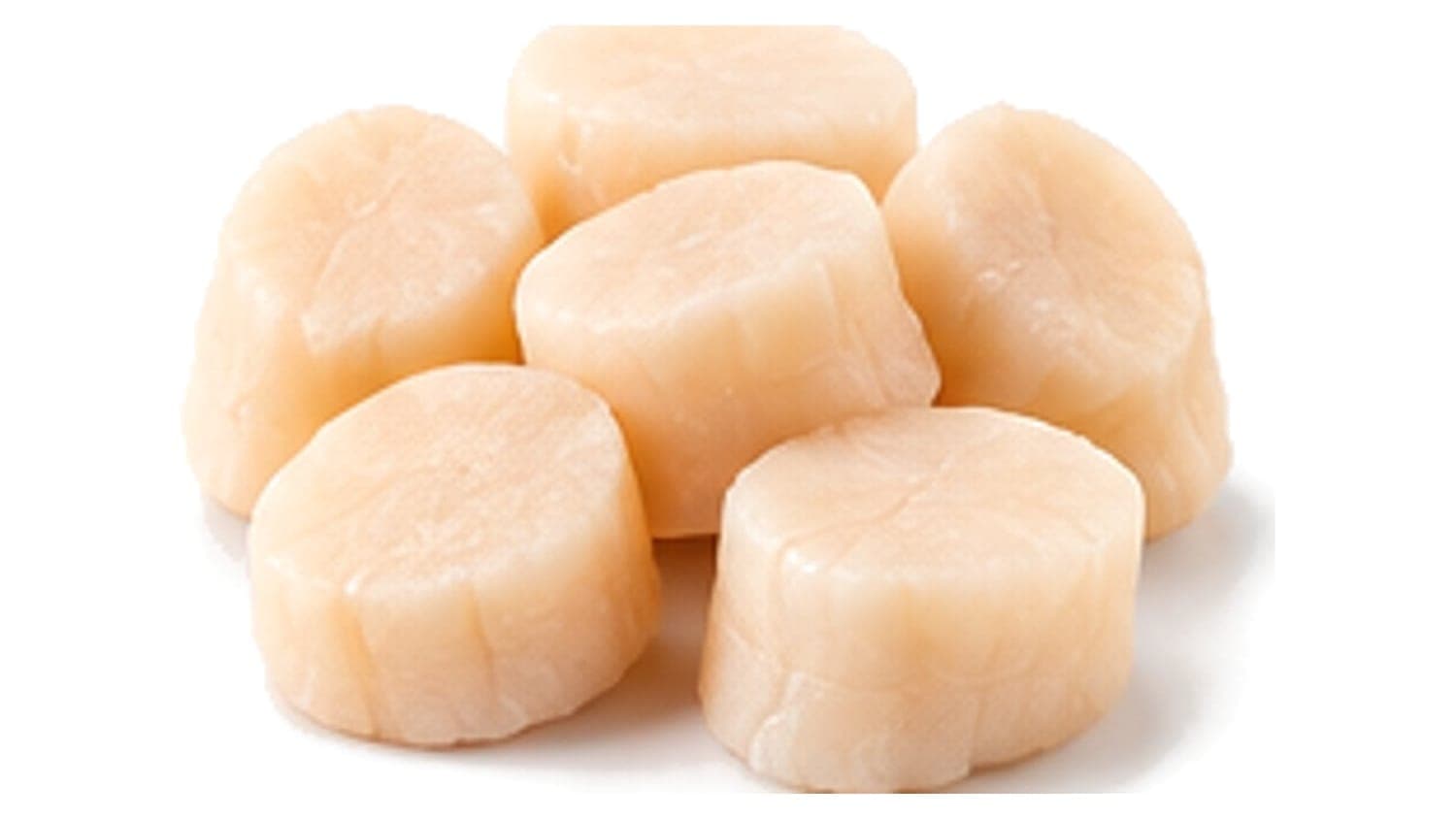
The US fishery uses hydraulic clam dredges and is concentrated off New Jersey and the Delmarva Peninsula. It is managed jointly with ocean quahog by the Mid-Atlantic Fishery Management Council and NOAA Fisheries, under an individual transferable quota system in place since 1990, with a minimum size limit that managers can suspend from year to year. NOAA describes the cooked white meat as mild and sweet with a chewy texture, and the catch is sold processed rather than live: the foot is sliced into clam strips for breading and frying, and the rest becomes minced clams, chowders, soups, stuffed clams, broth and canned clam.
Hokkigai in Japan: the Sakhalin surf clam
In Japan the original hokkigai is the Sakhalin surf clam. WoRMS now places it in Spisula, as Spisula sachalinensis, but Japanese references and many trade documents still use the former name Pseudocardium sachalinense. Its standard Japanese name is ubagai (姥貝), while hokkigai (北寄貝) is the fishery and market name, said to derive from the Ainu word poksey. It lives from central Honshu north through Hokkaido to Sakhalin, the Kuril Islands and the Russian Far East. Tomakomai, one of Hokkaido’s main landing ports for the clam, has made it the city shellfish, and hokki curry is a local specialty there.
In Japan, hokkigai is eaten both raw, when the foot is still dark, and briefly blanched, which turns the tip red, as sashimi and sushi. It is also cooked into rice dishes such as takikomi gohan. Imported Arctic surf clam fills the same role in frozen, precooked form, which is why the two names travel together on menus.
Using and identifying surf clams
- Sushi and sashimi: butterflied hokkigai tongues draped over rice, and sliced tongues in sashimi assortments, where the red and white contrast is the point.
- United States: breaded fried clam strips, a menu staple well beyond New England, plus chowders, stuffed clams and canned minced clams.
- Japan: hokkigai sashimi, hokkigai rice and hokki curry from Hokkaido; aoyagi and kobashira at sushi counters.
- China and Hong Kong: Arctic surf clam served chilled in sashimi platters, and dried Mactra meat in soups and congee.
Several names cause confusion. Hokkigai can mean either the Japanese or the Canadian species, so the scientific name should appear on the offer. In New England, “whole-belly” fried clams are soft-shell clams (Mya arenaria), not surf clams, while clam strips are surf clam. The small Venus clam traded as baby clam belongs to a different family, even when it carries a “surf clam” label; our clam species guide covers it. Offshore surf clam beds are monitored for paralytic shellfish toxins, and the harvest and handling records for cooked, ready-to-eat lots are summarized in our guide to buying frozen shellfish. For smaller clams used whole in pasta and broths, see frozen clams, and to compare Arctic and Atlantic options for your menu, ask us about surf clam specifications.
This guide is general trade information, not legal or regulatory advice. Requirements differ by market and change over time; confirm current rules with your customs broker or competent authority before ordering.