- Private-label packing
- Export documentation
Specialty Dried Seafood
Wholesale Dried Razor Clam Meat for Importers and Distributors
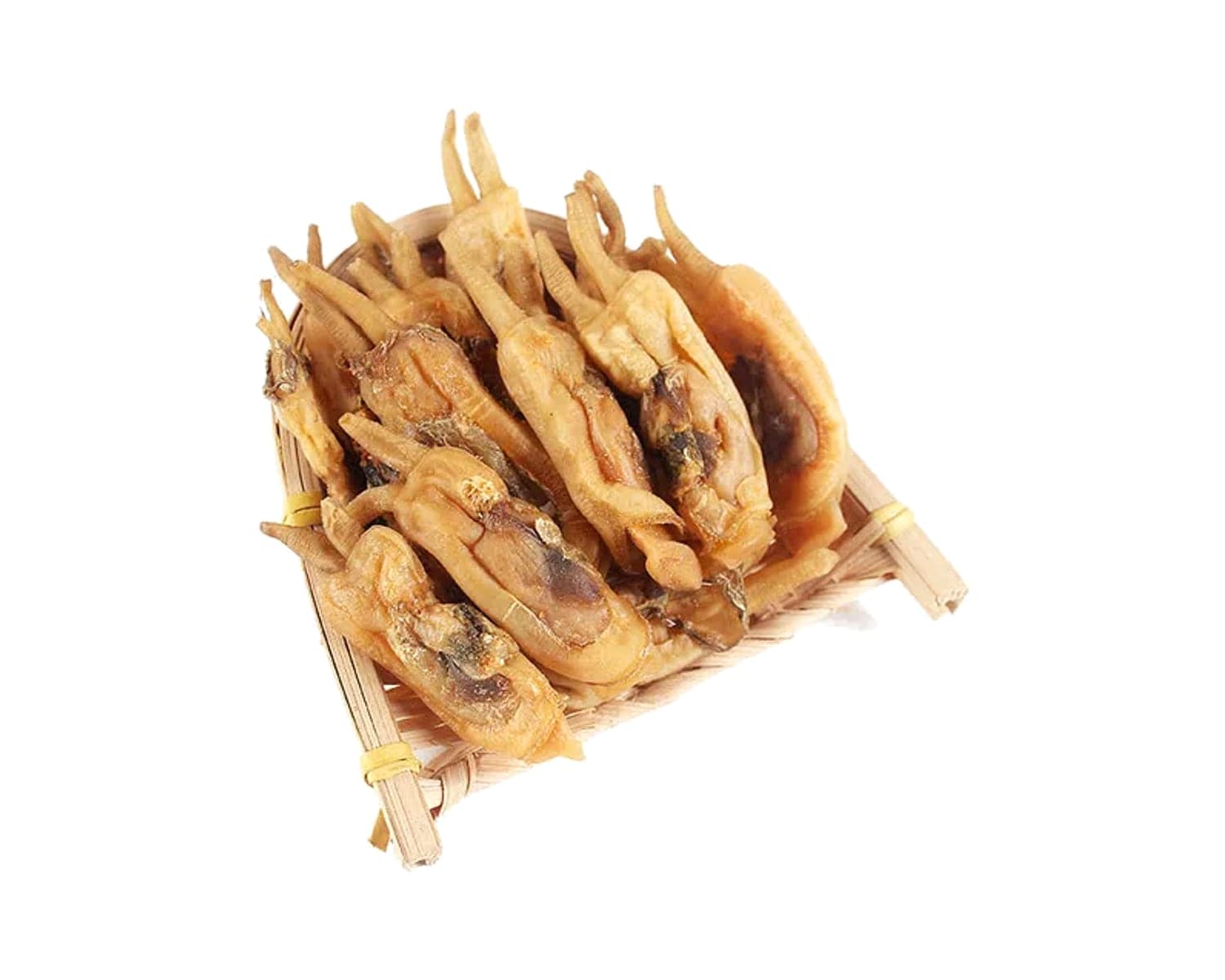
BSA Food Products supplies sun-dried razor clam meat to importers, distributors and restaurants, graded by length and color and checked for grit before every shipment.
- Sinonovacula constricta meat, other species on request
- Length-graded, with whole and broken meats separated
- Grit checked by splitting rehydrated meat
- Sun-dried, with salt style stated per lot
- Suited to soups, steamed egg and stir-fries
Product Specifications
Indicative; confirmed per lot on each quotation.
- Origin
- Mainly Fujian and Zhejiang in eastern China, with smaller volumes from other Asian coasts; growing area declared per lot.
- Grade / Size
- Length bands such as 4–6 cm, 6–8 cm and 8 cm+, plus an economy broken grade; count per kilogram on request.
- Form & Processing
- Purged, briefly cooked, shucked and sun-dried, finished by mechanical drying where needed; unsalted or lightly salted.
- Storage
- Razor clam meat should be kept sealed in a cool, dry store away from heat sources, and held at 0–5 °C in warm or humid regions to protect color and prevent stickiness.
- MOQ
- From 50 kg per length grade; broken economy grade from 100 kg.
- Lead Time
- Around 3–5 weeks; sun-dried lots can take longer when wet weather interrupts drying.
Product overview
Dried razor clams are a regional specialty of the Fujian and Zhejiang coasts that has found a wider following among Chinese restaurants and grocers overseas. The meat is long, slender and golden once dried, with a sweet, concentrated flavor that comes through clearly in soups, steamed egg custards, stir-fries with garlic or chives, and braised dishes. Because the clams live buried in intertidal mud, careful cleaning matters more here than with almost any other dried shellfish.
Most supply is the constricted razor clam (Sinonovacula constricta), widely farmed on Chinese mudflats, with Solen species and other razor clams processed in smaller quantities. Fresh clams are purged, briefly cooked and opened, and the meat is laid out to sun-dry, with mechanical drying used to finish lots in humid weather. Some processors lightly salt the meat, and we state the salt style on each offer.
Grading is by length, typically in bands such as 4–6 cm, 6–8 cm and over 8 cm, and by color, which should be an even golden yellow to light amber without dark patches. Our inspection centers on grit: we rehydrate pieces from the lot, split them along the body and look for mud left in the gut, alongside checks for breakage, shell fragments, moisture and odor. Whole, unbroken meats are kept apart from broken material, which goes into a cheaper broken grade for soups and sauces.
On labels, razor clam meat is declared as a mollusc wherever that allergen category applies, including the EU and UK. Buyers assembling a dried bivalve range often add dried clams and dried mussels, and our guide for importers of dried seafood covers the paperwork that shellfish lines usually need.
Specification sheet
Dried Razor Clams: full specification
Indicative values. Final specifications are confirmed per lot on the quotation and certificate of analysis.
| Species | Sinonovacula constricta; Solen spp. and others on request |
|---|---|
| Growing area | Province and FAO area declared per lot |
| Grade / size | 4–6 cm, 6–8 cm, 8 cm+; broken economy grade |
| Processing | Purged, cooked, shucked, sun-dried; mechanical finish as needed |
| Grit control | Rehydrated pieces split and checked for mud in the gut |
| Moisture | Typically 18–22% (confirmed per lot) |
| Color | Even golden yellow to light amber |
| Shelf life | Typically 10–12 months sealed; chill in warm climates |
| Packing | 10 kg cartons; 1 kg bags; 200–400 g retail |
| Documents | Commercial invoice, packing list and certificate of origin, with a health certificate where applicable |
| Minimum order | From 50 kg per length grade; broken economy grade from 100 kg. |
| Lead time | Around 3–5 weeks; sun-dried lots can take longer when wet weather interrupts drying. |
FAQ
Dried Razor Clams: questions from buyers
Why is grit such a concern with razor clams?
Razor clams burrow deep into intertidal mud, and any sediment left in the gut becomes concentrated as the meat dries. Even a little grit is obvious when eating, so purging before cooking and careful cleaning after shucking are essential. We check each lot by splitting rehydrated pieces rather than relying on surface appearance, and lots that fail are not shipped.
What length grade do restaurants usually order?
Restaurants serving razor clams as a visible ingredient, for example in steamed egg or stir-fries, usually choose 6–8 cm or longer for presentation. Soup and congee kitchens often buy shorter or broken grades, since the meat is cut up or simmered anyway. We can quote several grades together so you can compare cost per serving before deciding.
Are your dried razor clams salted?
It depends on the processor and on what you prefer. Many lots are sun-dried without added salt, while some are lightly salted to help drying and storage. Each offer states the salt style, and we can provide a salt content figure on request so your chefs can adjust seasoning or your label can reflect it accurately.
How do kitchens prepare dried razor clams?
Most kitchens rinse the meat and soak it in cold water until pliable, often around 20 to 30 minutes as a starting point, before adding it to soups, steamed egg or stir-fries. Over-soaking dilutes flavor, so begin short and adjust to the grade you buy. Clear soaking water can be strained and used as part of the stock.
Related
Related products
Specialty Dried Seafood
Dried Shrimp and Prawns
Peeled dried shrimp and shell-on prawns, sorted by size
Dried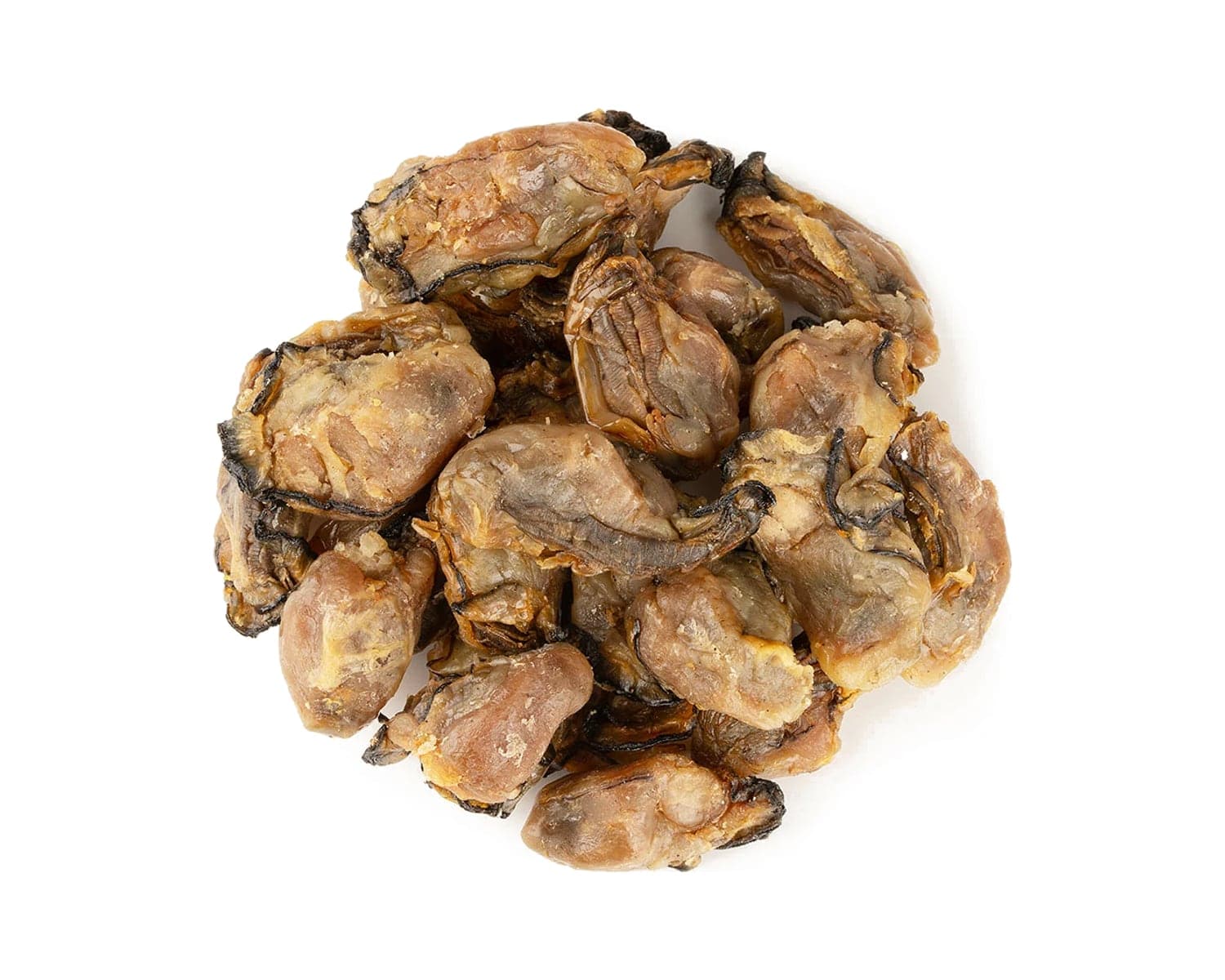
Premium Marine Delicacies
Dried Oysters
Fully dried and golden semi-dried oysters, sized by count
Dried
Buyer guides
Species Profiles6 min read
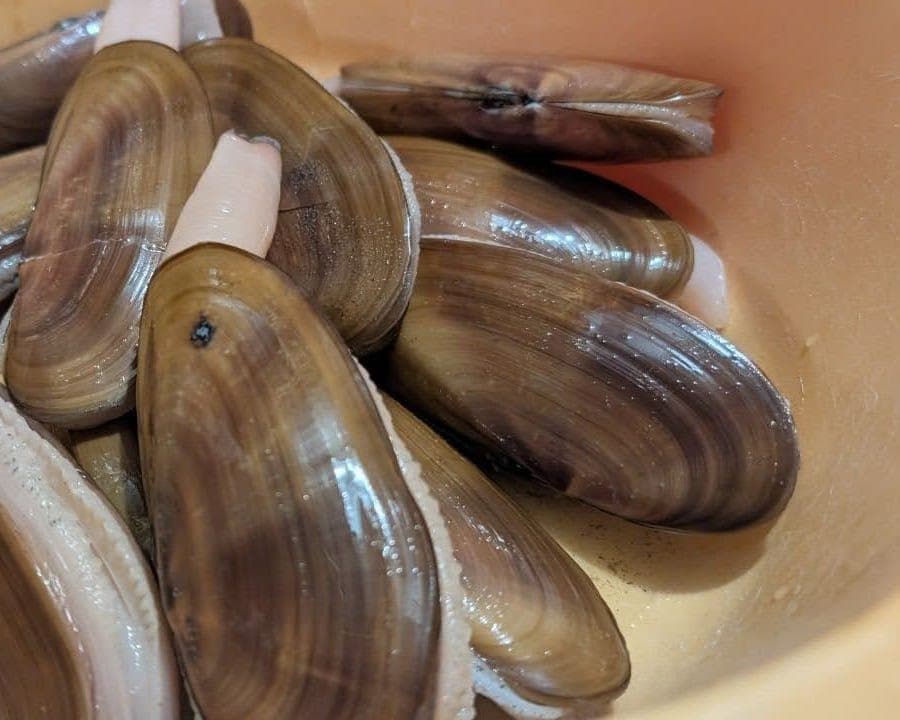
Razor Clams: Species, Market Names and How Kitchens Use Them
Several genera of long, burrowing bivalves share the razor clam name. Here is how they differ, where each comes from, what they are called in Spain, France, Italy and Asia, and how cooks prepare them.
Read the guide
Import & Compliance7 min read
What Importers Need to Know Before Ordering Dried Seafood
The market-access, species, documentation, classification and commercial checks an importer should complete before placing a first order for dried seafood.
Read the guide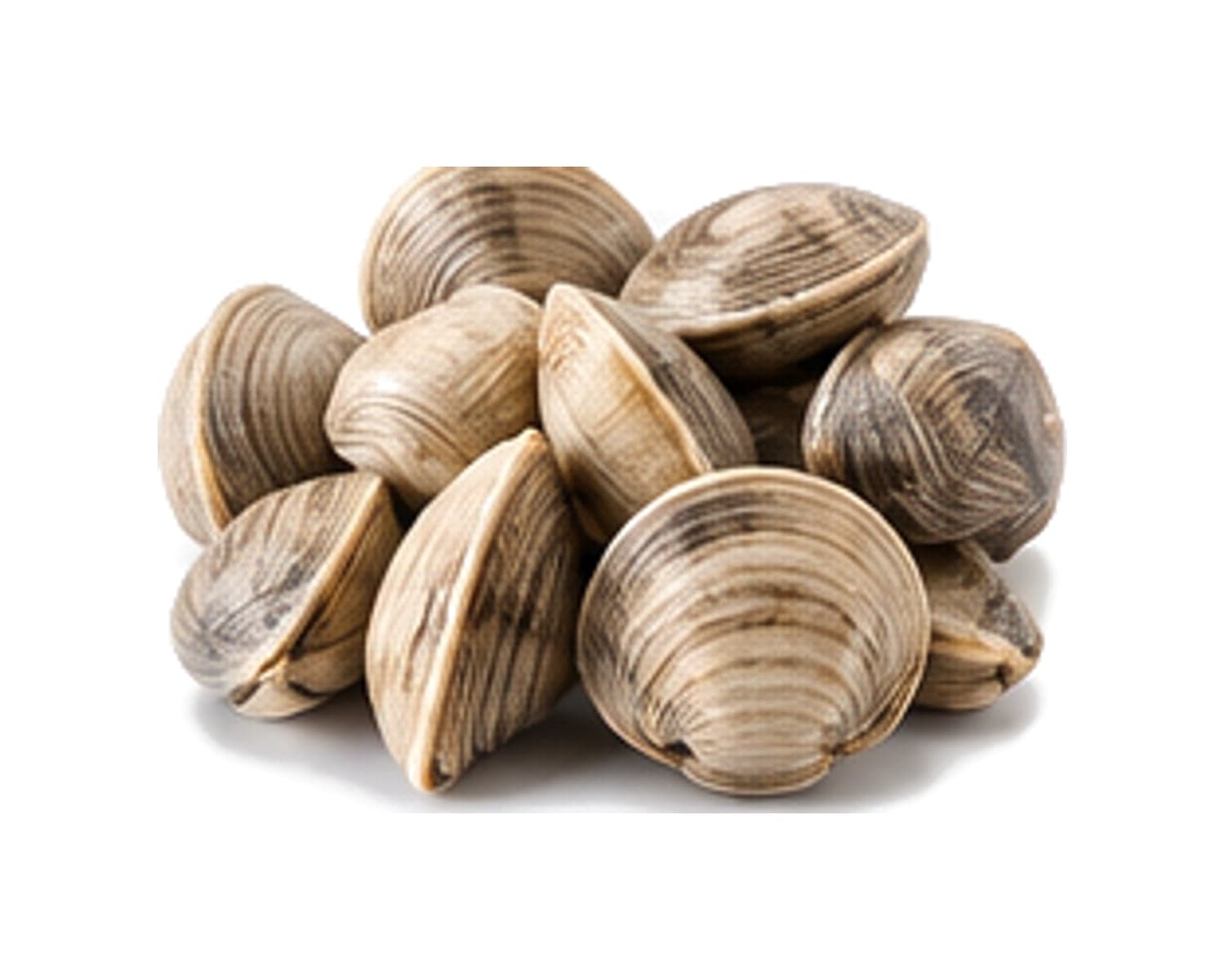
Species Profiles7 min read
Clams by Species: Manila Clams, Hard Clams, Quahogs and Relatives
A field guide to the clams that matter in trade, from the Manila clam farmed on Asian mudflats to the quahog of New England, with the names, shells and dishes that set each one apart.
Read the guide
Request a quote
Request a quote for dried razor clams
Share your target grade, packing, volume and destination. We confirm availability, documentation for your market and a formal quotation, usually within one business day.
- Grade, size or count required
- Packing format and labeling language
- Estimated volume and order frequency
- Destination port or airport and Incoterm
- Reference: Dried Razor Clams