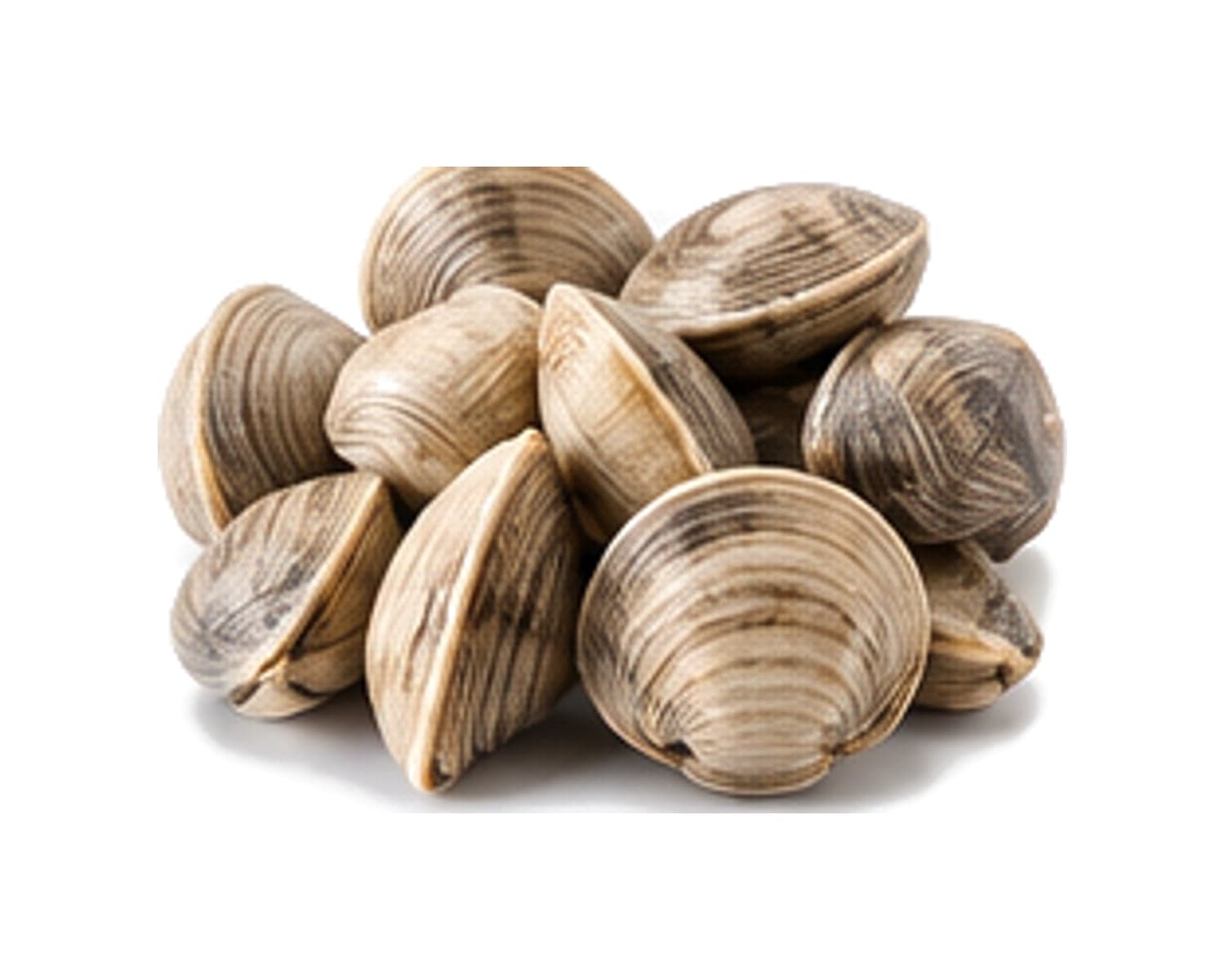
“Clam” is a kitchen word rather than a scientific one. It covers dozens of unrelated bivalves that live buried in sand or mud, from small carpet shells to the giant geoduck. In the shellfish trade, though, most volume comes from a few groups: the Venus clams of the family Veneridae, which include the Manila clam, the quahog and the Asian hard clams of the genus Meretrix, and the trough or surf clams of the family Mactridae. Knowing which group a clam belongs to tells you a good deal about its size, texture and best use.
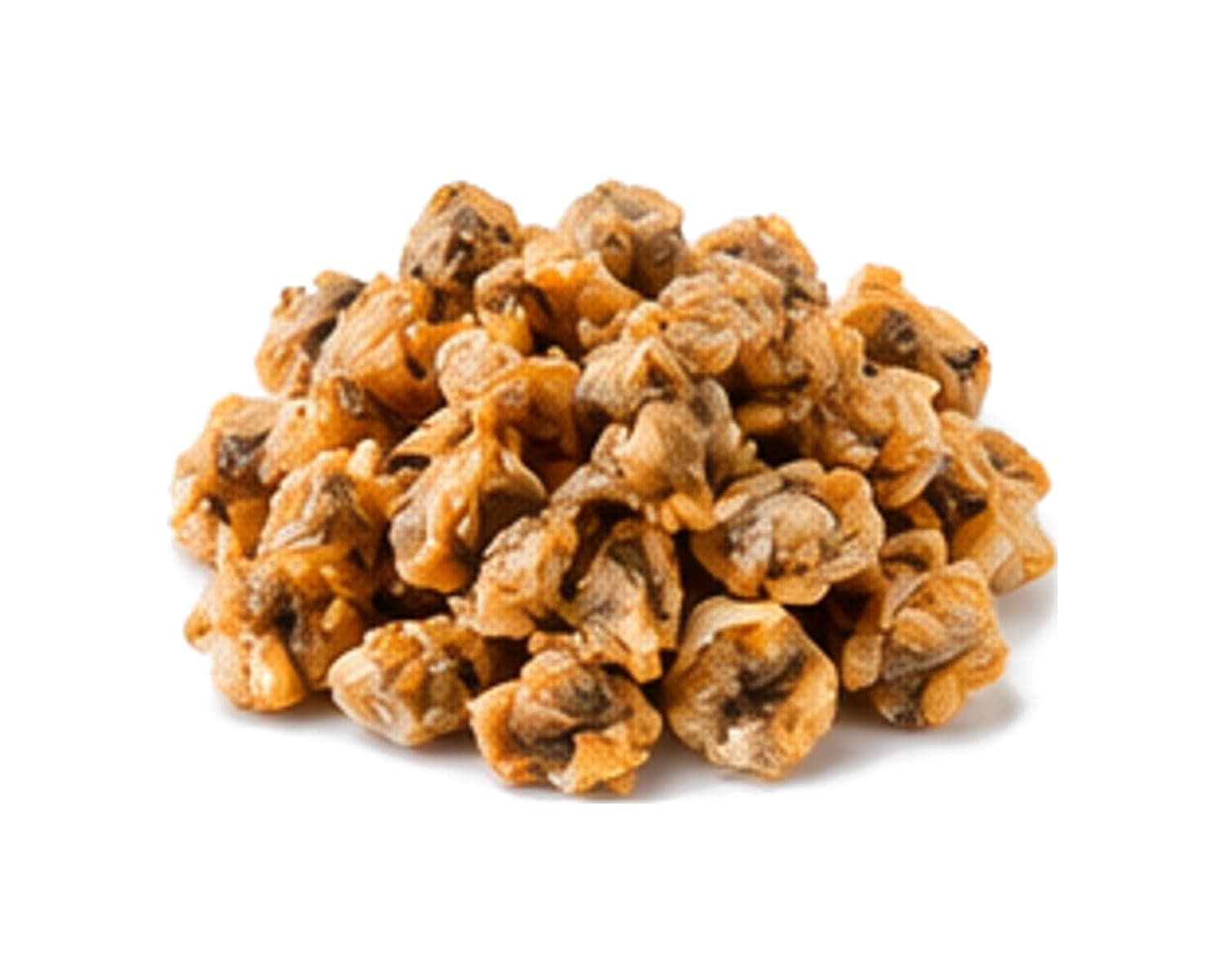
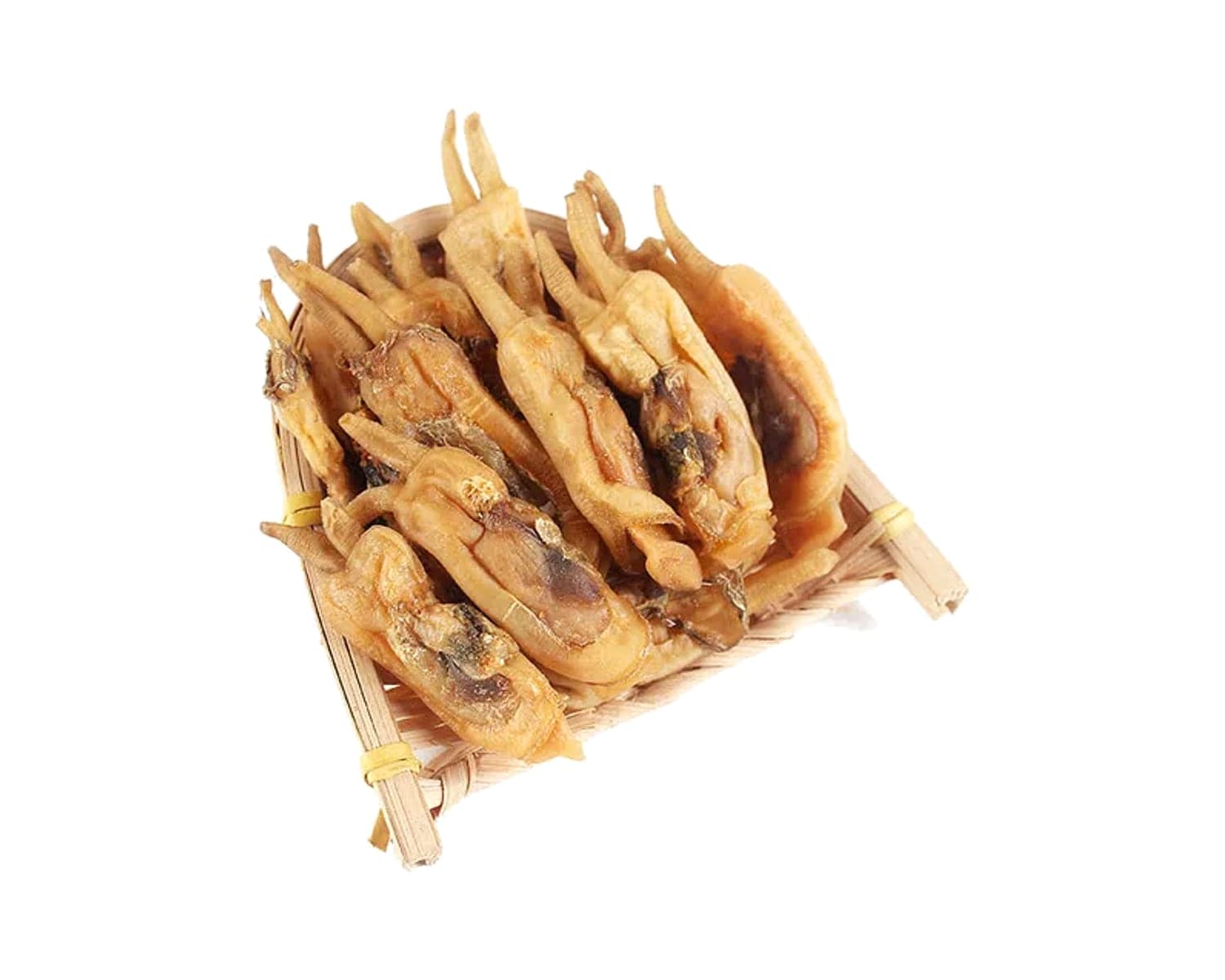
This profile explains how clams live, how the main commercial species differ, where they are farmed or fished, what they are called in different markets and how kitchens cook them. Manila, hard and baby clams sold whole, on the half-shell or as meat are listed on our frozen clams page, and clam meat dried for soups and condiments on our dried clams page.
Key takeaways
- Most traded clams are Venus clams (Manila, quahog, Meretrix) or surf clams of the family Mactridae.
- The Manila clam, Ruditapes philippinarum, is the volume species, farmed in Asia and now also wild-harvested in parts of Europe.
- Littleneck, cherrystone and chowder are quahog sizes, while vongole, baby clam and surf clam are loose trade names that need a scientific name behind them.
- Clams live buried in sediment, so purging before processing matters as much as species.
What makes a clam: anatomy and habits
Most clams have two equal valves held shut by two adductor muscles, one at each end, instead of the single central muscle of oysters and scallops. A muscular foot lets them dig into the seabed, and paired siphons, one drawing water in and one expelling it, reach up to the surface so the animal can breathe and filter plankton while staying hidden. Venus clams have short siphons and live just below the surface. Soft-shell clams and geoduck have long siphons, the “neck,” and live much deeper.
That buried life explains the trade’s most common complaint. A clam takes in fine sediment as it feeds and digs, so live clams are held in clean seawater to purge before they are cooked or processed. Most commercial clams have separate sexes and spawn in warm months, releasing eggs and sperm into the water; the larvae drift for a few weeks before settling, which is why farms can rely on wild seed in some regions and on hatcheries in others.
The main clam species groups in trade
| Species or group | Family | Main names | Where it comes from | Typical use |
|---|---|---|---|---|
| Ruditapes philippinarum | Veneridae | Manila clam, Japanese carpet shell, asari | Native to the western Pacific; farmed in China, Korea, Japan, Europe and North America | Whole in pasta, soups and steamed dishes; meat |
| Ruditapes decussatus | Veneridae | Grooved carpet shell, palourde, almeja fina | Atlantic Europe and the Mediterranean | Fresh, live and canned, mainly in Spain, Portugal and France |
| Mercenaria mercenaria | Veneridae | Hard clam, northern quahog; littleneck to chowder sizes | Atlantic coast of North America; farmed from hatchery seed | Raw bars, steamed, stuffed, chowder |
| Meretrix spp. | Veneridae | Asian hard clam; hamaguri (M. lusoria) in Japan | Coasts of East and Southeast Asia | Whole, half-shell, grilled, soups |
| Paratapes undulatus (formerly Paphia undulata) | Veneridae | Undulate venus; baby clam in trade | Indo-West Pacific, especially Southeast Asia | Shucked meat and whole cooked clams |
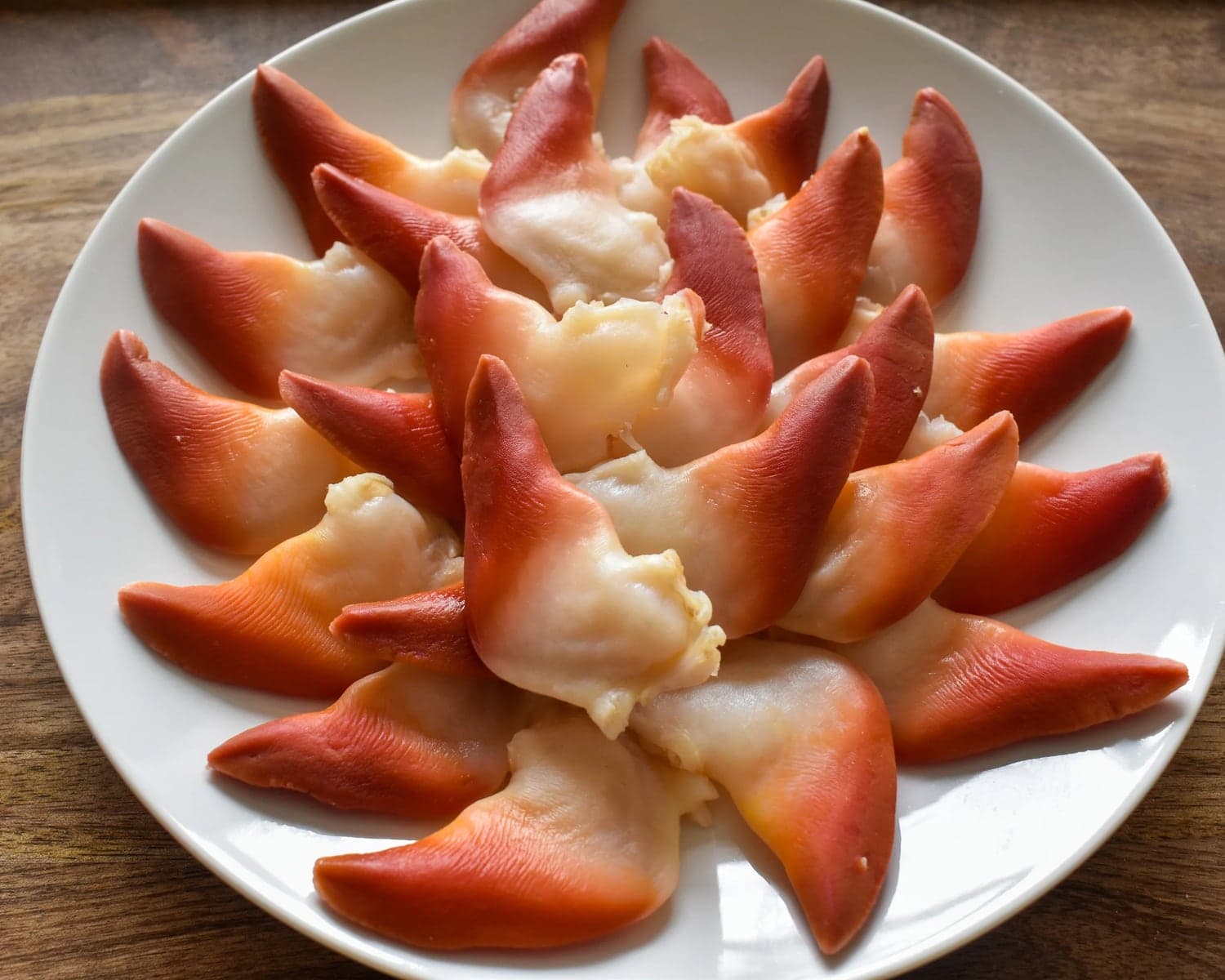
| Mactra and Spisula spp. | Mactridae | Surf or trough clams; aoyagi (Mactra chinensis) in Japan | Sandy coasts and offshore banks in Asia and the North Atlantic | Dried meat, sushi, strips, chowder |
| Mya arenaria | Myidae | Soft-shell clam, steamer | North Atlantic coasts | Steamed, whole-belly fried clams |
| Arctica islandica | Arcticidae | Ocean quahog, mahogany clam | Offshore waters of the North Atlantic | Chowders, soups, processed meat |
Shell texture is a quick first clue. Manila and carpet-shell clams carry a fine lattice of radiating ribs crossed by concentric grooves, Asian hard clams are smooth and glossy, quahogs are thick with concentric ridges, and surf clams are large, smooth and broadly triangular. Razor clams, geoduck and cockles are also sold as clams in many markets; razor clams and geoduck have their own profiles in our razor clam guide and geoduck guide, and geoduck itself is listed on our geoduck page.
Manila clams: the world’s main farmed clam
The Manila clam (Ruditapes philippinarum) is one of the most important farmed bivalves anywhere. Its shell is broadly oval, with a crisscross texture and colors and patterns so variable that no two clams look quite alike: white, cream or brown, often with darker rays, zigzags or blotches. Inside, the shell is white with an orange tint and sometimes a purple patch below the hinge.
The species is native to the western Pacific, from the Philippines and the South China Sea to Japan, Korea and the Kuril Islands. China farms it on a very large scale on intertidal flats, mostly from wild seed gathered on muddy beaches; FAO reports Chinese harvests after 10 to 16 months at 3 cm or more, while European and North American growers usually wait 16 to 30 months for a larger clam. It reached the Pacific coast of North America by accident in the 1930s, with oyster seed from Japan, and now ranges from California to British Columbia. Europe began importing it in 1972, after overfishing and irregular yields of the native grooved carpet shell, and it has since spread in the wild, particularly in Italy, France and Ireland; FAO notes that it is now the major contributor to Europe’s clam landings.
In the kitchen the Manila clam is the all-purpose small clam: sweet, tender and quick to open, at home in a European pasta sauce as much as an Asian broth. Japanese cooks use asari in miso soup and clear soups, steam it with sake, and simmer it with rice.
Hard clams: quahogs and Asian Meretrix clams
The northern quahog or hard clam (Mercenaria mercenaria) lives from the Gulf of St. Lawrence to the Gulf of Mexico and is farmed along the US East Coast. FAO notes that, unlike most farmed bivalves, it does not produce large natural sets of seed, so farms rely entirely on hatcheries. American markets sell it by size, each with its own name: from the smallest legal countnecks through littlenecks, topnecks and cherrystones to the large quahogs or chowders. The smaller sizes are tender enough to eat raw, while large clams are tougher and go into chowder, clam cakes and stuffed clams.
Asia’s hard clams belong to the genus Meretrix, with smooth, glossy shells, and are farmed and fished from Japan to Vietnam. The species look so alike that names and published ranges are often muddled, and genetic studies are still redrawing them. Those met in trade include M. lusoria, the Japanese hamaguri, M. meretrix, which ranges widely across the Indo-West Pacific, and M. lyrata, an important export clam from southern Vietnam. Because the shells overlap so much, offers often name only the genus, and buyers who need a specific species should ask for it in writing.
Clam names by market, and the traps in them
- Japan: asari is the Manila clam, hamaguri the Meretrix hard clam and aoyagi or bakagai the surf clam Mactra chinensis, whose small adductors are served as kobashira sushi.
- China: the formal name of the Manila clam is 菲律宾蛤仔, but markets usually call it 花蛤, while 蛤蜊 is a broader word for clams.
- Korea: bajirak is the Manila clam.
- France and Spain: palourde and almeja cover carpet-shell clams; FAO names the Manila clam palourde japonaise and almeja japonesa, while almeja fina is the native grooved carpet shell. FAO’s French name for the hard clam is praire, a name that in French also covers the native warty venus (Venus verrucosa).
- Italy: vongole is a broad word for small clams, so a dish called vongole may use a native or a Manila clam.
- United States: littleneck and cherrystone are sizes of hard clam, not species, although Manila clams are also sold as “Japanese littlenecks.”
- Southeast Asian exports: “baby clam” usually means Paratapes undulatus, and “hard clam” often means a Meretrix species.
Two names cause particular trouble. “Surf clam” is used for the big Atlantic and Arctic mactrids and, in some Asian trade, for the much smaller Paratapes clam, while “quahog” on its own may mean the hard clam or the unrelated ocean quahog. The ocean quahog is rounder, usually has a black outer skin and lacks the notch (pallial sinus) that marks the inside of a hard clam’s shell.
How clams are cooked around the world
- Italy: spaghetti alle vongole, made in bianco with oil, garlic and parsley or in rosso with tomato; live clams open in the pan and their liquor becomes the sauce.
- Spain and Portugal: Galician ameixas á mariñeira, clams cooked with onion, garlic, parsley, breadcrumbs and white wine, and the Portuguese amêijoas à Bulhão Pato.
- United States: raw littlenecks on the half-shell, clams casino, New England chowder made with milk or cream and Manhattan chowder made with tomatoes, with meat from large quahogs, ocean quahogs and surf clams.
- Japan and Korea: asari miso soup, sake-steamed clams and clam rice in Japan; Manila clams in Korean soups and noodle dishes.
- Vietnam and southern China: Meretrix clams boiled, steamed or grilled, and dried clam meat simmered into congee, soups and seafood condiments.
For frozen product the kitchen decision is mostly between raw whole clams, which open and release their liquor like fresh ones, and cooked clams or meat, which only need heating. Formats, grading and the harvest-area records behind each lot are summarized in our guide to buying frozen shellfish, and the large clams sliced for sushi and cut into strips are covered in our surf clam species guide. To discuss species and sizes for a program, tell us which clam and format you need.
This guide is general trade information, not legal or regulatory advice. Requirements differ by market and change over time; confirm current rules with your customs broker or competent authority before ordering.