Caviar and fish roe often share a menu and a price list, yet they sit under very different rules. Sturgeon caviar is a wildlife product controlled under CITES: each international consignment needs permits, and each tin carries a label tracing it to a species, a source and a registered plant. Salmon roe, tobiko, masago, lumpfish roe and bottarga are ordinary food imports by comparison, governed by sanitary, additive and labeling rules.
This guide explains where caviar ends and other roe begins, which farmed sturgeon species buyers meet most often, how the CITES permit and label system works, what malossol means, how caviar is graded, and how tins, repacking and the cold chain affect quality, closing with a documents checklist. Listings and national rules change, so confirm current requirements with your CITES management authority or customs broker before ordering.
Key takeaways
- Caviar in the strict sense is sturgeon roe; other roes are sold under their own species names.
- Every international caviar shipment needs CITES documents, and every primary container needs a universal label that matches them.
- Legal supply is now mainly farmed; treat offers of wild caviar or unlabeled tins as a red flag.
- Malossol is a style, not a grade: ask for measured salt content, preservative status and harvest year.
- Hold caviar chilled at about -2 to +2 °C, keep ikura, tobiko and masago frozen, store other roes as labeled, and repack only through a registered plant.
What counts as caviar
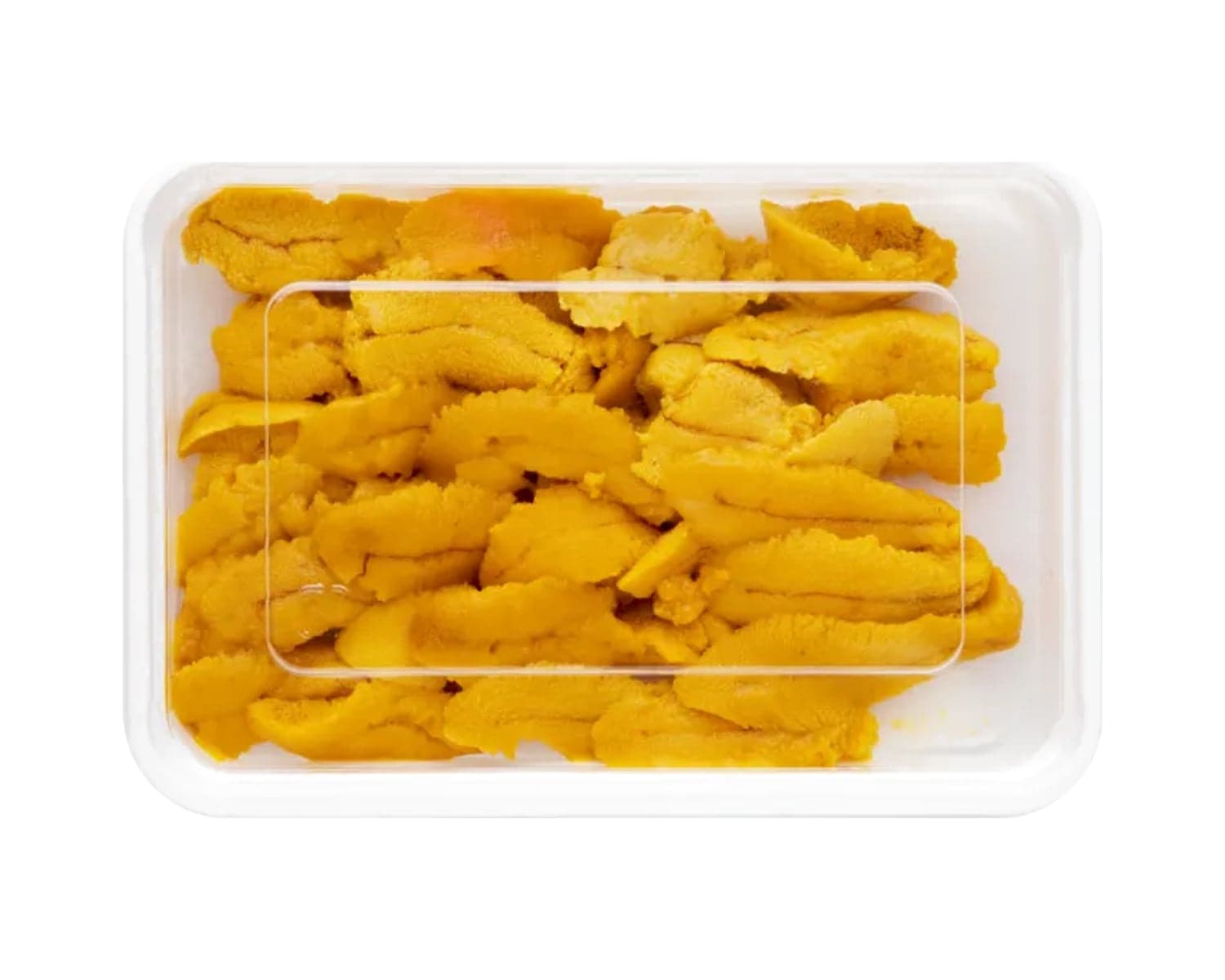
In the strict sense, caviar is salted sturgeon roe. For CITES purposes the term covers processed roe from any sturgeon or paddlefish species, and many markets reserve the unqualified word for sturgeon products, while rules on qualified names such as salmon caviar vary between countries. Other roes are sold under their own species names, and one familiar item is not roe at all: uni, often called sea urchin roe, is the urchin’s gonad.
| Product | Source | Typical form | CITES | Usual storage |
|---|---|---|---|---|
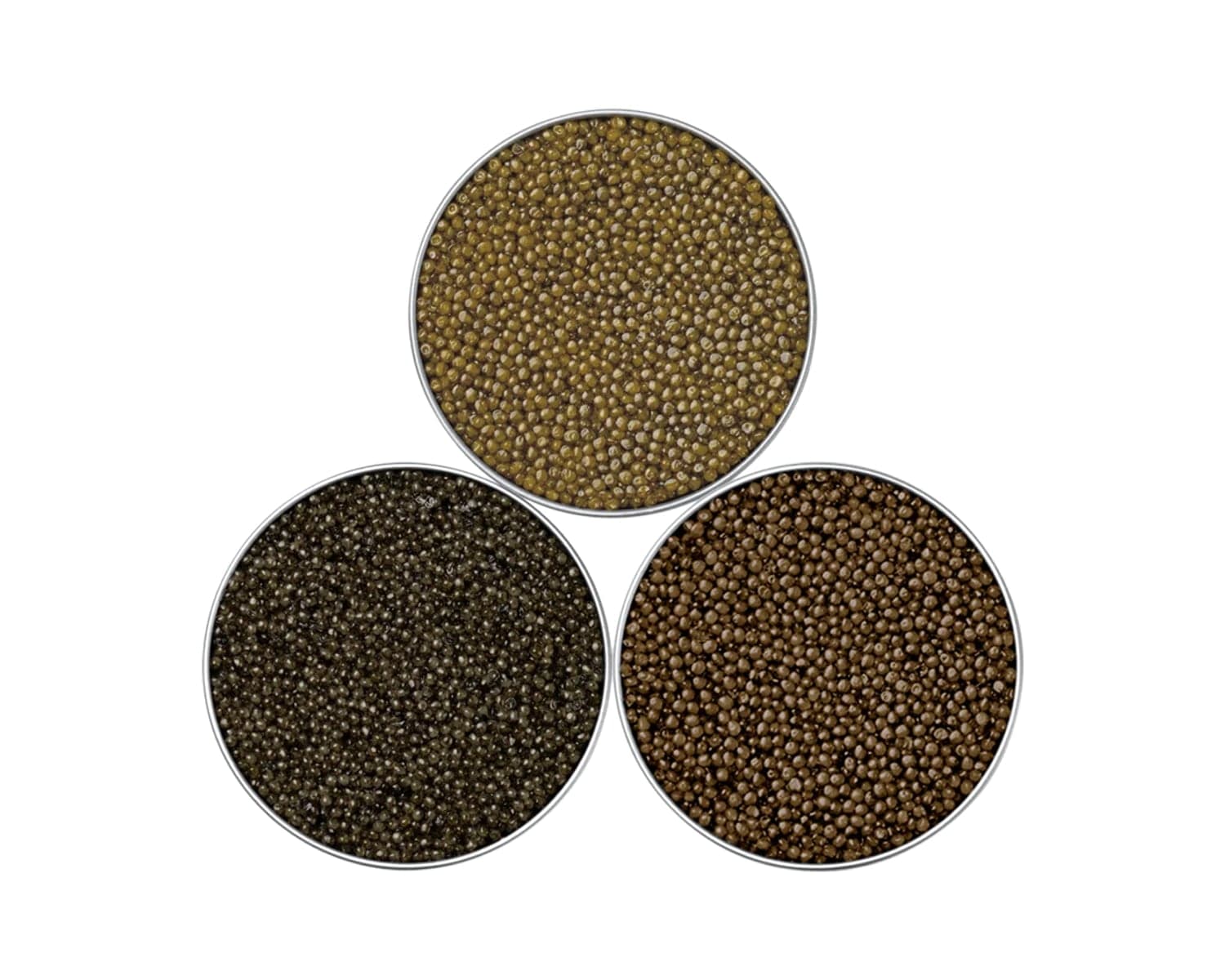
| Sturgeon caviar | Sturgeon species and hybrids, now mainly farmed | Lightly salted grains in tins | Listed; permits and container labels required | Chilled, around -2 to +2 °C |
| Salmon roe (ikura) | Pacific salmon, often chum (Oncorhynchus keta) | Large separated eggs cured in brine or soy; sujiko is the salted skein | Not listed | Frozen |
| Flying fish roe (tobiko) | Flying fish (family Exocoetidae) | Small, crunchy eggs, natural or colored and flavored | Not listed | Frozen |
| Capelin roe (masago) | Capelin (Mallotus villosus) | Very small, softer eggs, often colored | Not listed | Frozen |
| Lumpfish roe | Lumpfish (Cyclopterus lumpus) | Small salted eggs, usually dyed black or red | Not listed | Frozen, or chilled jars as labeled |
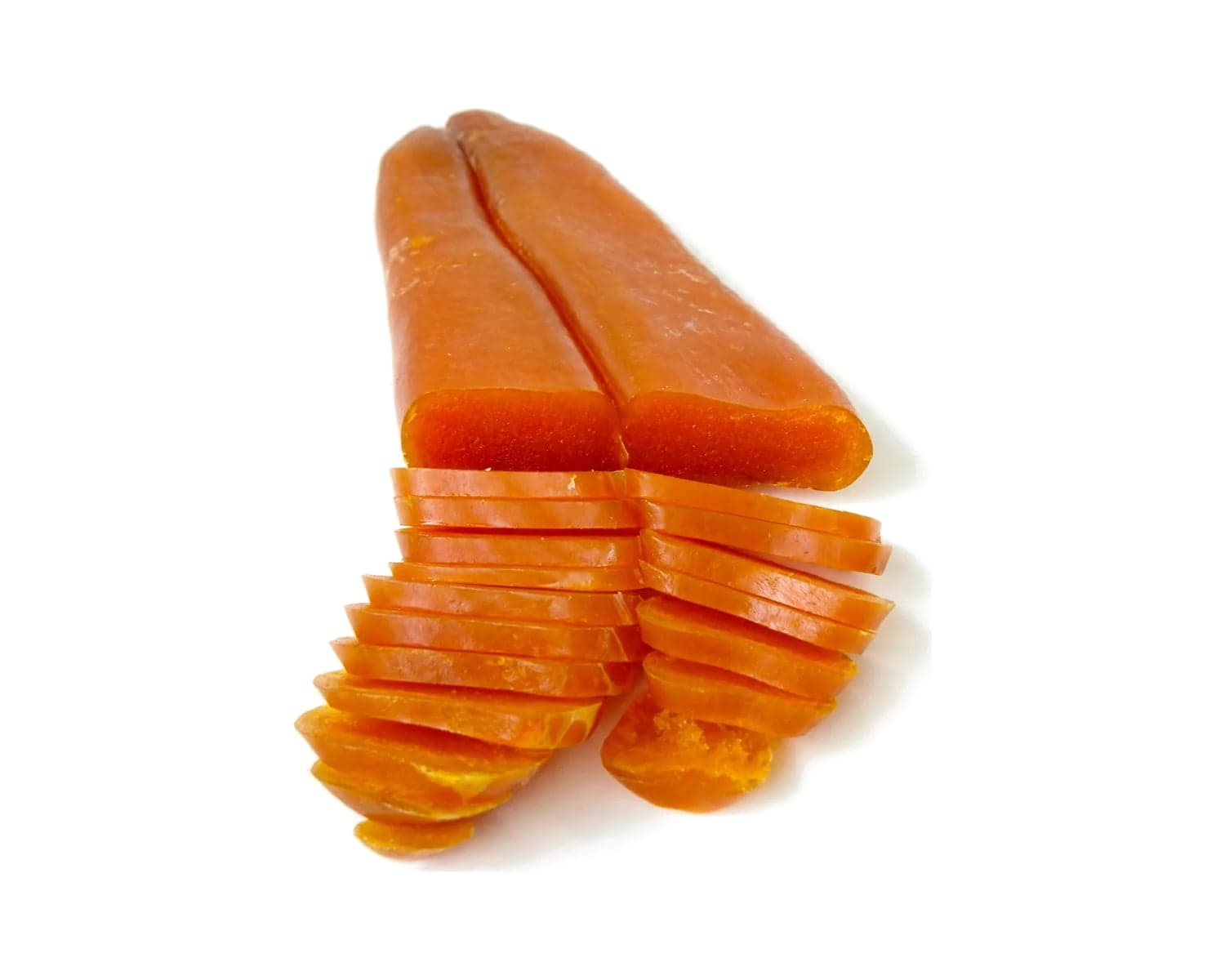
| Mullet roe (bottarga) | Gray mullet (Mugil cephalus) | Salted, pressed and dried lobes, or grated | Not listed | Chilled, vacuum packed |
| Uni | Several sea urchin species | Gonad lobes on trays; frozen or pasteurized packs | Not listed | Chilled trays; frozen packs |
Bottarga styles are covered on our bottarga page and uni grades on the sea urchin roe page; the rest of this guide concentrates on sturgeon caviar.
Farmed sturgeon species in trade
Legitimate international supply of sturgeon caviar now comes mainly from aquaculture, with farms in Asia, Europe, the Americas and elsewhere. Sturgeon take years to mature, and grain size, color and flavor reflect the species, the age of the fish, feed and water as well as processing. The descriptions below are broad trade generalizations, not a promise for any particular lot.
| Species | Common trade names | General grain and color |
|---|---|---|
| Siberian sturgeon (Acipenser baerii) | Baerii, Siberian | Small to medium grains, usually dark gray to brown-black |
| Russian sturgeon (A. gueldenstaedtii) | Oscietra, osetra | Medium grains in brown, olive or golden tones |
| White sturgeon (A. transmontanus) | White, transmontanus | Medium to large grains, mostly gray to dark gray |
| Amur sturgeon (A. schrenckii) | Amur, schrenckii | Medium to large grains, generally in darker tones |
| Kaluga hybrids, most often kaluga crossed with Amur sturgeon | Kaluga hybrid | Large, firm grains, olive-brown to golden |
Sterlet (A. ruthenus) and other species are farmed on a smaller scale. Ask for both parent species of any hybrid to be identified on the offer, and confirm how the hybrid is described in the CITES paperwork. Some importing countries also restrict particular species or hybrids under national law, so check each one against your own wildlife rules before contracting.
CITES permits and the universal caviar label
Every sturgeon and paddlefish species is listed under CITES, most in Appendix II and a small number in Appendix I. Trade in caviar from Appendix II species requires an export permit issued by the CITES management authority of the exporting country, or a re-export certificate when caviar is shipped onward from a country other than its origin. Some destinations, including the EU, also require their own import permit, and national law can go further than CITES.
CITES also sets a universal labeling system for caviar. Every primary container, meaning the tin, jar or other receptacle in direct contact with the roe, must carry a non-reusable label whose code identifies the species, the source of the fish, the country of origin, the year of harvest or repackaging, the registered processing or repackaging plant and the lot. If the label does not itself seal the container, the container must be sealed in a way that reveals any opening. The permit details should correspond with the labels on the tins they cover.
Malossol and other processing styles
After harvest, the roe is passed through a screen to free the eggs from the surrounding tissue, then rinsed, salted, drained and packed. Malossol, from the Russian for little salt, names a lightly salted style rather than a grade. Packers apply the word across a range of salt levels, so ask for the measured salt content of each lot; salt shapes flavor and firmness as well as keeping quality.
Check the ingredient list for anything beyond roe and salt. Additive rules differ by market: borax, for example, is permitted in sturgeon caviar under EU rules but not in some other markets. Pasteurized caviar is gently heat-treated for a longer shelf life, at some cost to texture, and pressed caviar, made from soft or broken eggs pressed into a dense paste, is a traditional product sold under its own name. With other roes, look for declared colorings and flavorings, which are common in tobiko and lumpfish roe.
How caviar is graded
Grading combines inspection with tasting, usually on five attributes:
- Grain size: egg diameter, driven mainly by species and the age of the fish; within one species, larger grains generally sell at a premium.
- Color: from pale gray to near-black and from olive to golden. Lighter, golden tones are prized in some species, but color is a matter of presentation and preference, not a quality measure on its own.
- Firmness: intact eggs that separate cleanly and hold their shape until they burst on the palate.
- Flavor: clean, with buttery, nutty or briny notes depending on species, and no sour, bitter or muddy taste.
- Consistency: even grain size and color through the tin, with few broken eggs and little free liquid or oil.
Grade names such as classic, select or reserve are set by each producer, not by an international scale, so two houses can use the same word for different caviar. Compare offers on species, grain size, color, salt content and harvest date, and taste tins of the same size side by side before approving a grade.
Tins, repacking and private label
Many producers pack caviar into large tins at the processing plant, and part of it is later divided into smaller retail and foodservice tins. Repacking falls inside the CITES system: only a plant registered for repackaging may open and repack caviar, and each new container needs a fresh label carrying that plant’s code and the year of repackaging while still identifying the original species, source and country of origin. Caviar repacked in one country and sent to another travels on a re-export certificate.
Every opening exposes the roe to air and handling, so ask how the shelf life of repacked tins is set and whether the original harvest date is recorded. Current tin sizes are listed on our caviar product page, and buyer-branded tins and outer packaging can be discussed through our wholesale and private-label service where volumes justify it; build permit time for each stage into the launch plan.
Cold chain and storage
Malossol caviar is lightly preserved and depends on steady cold. It is generally held at about -2 to +2 °C, in the coldest part of the chiller rather than near the door, and shipped chilled in insulated packaging with a temperature record. Producers generally advise against freezing it, because ice crystals damage the eggs and leave them soft and watery once thawed.
Unopened tins keep for the period printed by the producer, provided the temperature has held throughout; once opened, keep the tin covered and chilled and use it promptly. Ikura, tobiko and masago usually travel frozen at -18 °C or below and should be thawed slowly in the chiller, not refrozen, while bottarga and chilled uni follow their own regimes.
Documents checklist for caviar imports
Ask for drafts of every document before dispatch, and check that species, quantities, lot codes and label details agree across the set. A typical caviar consignment calls for:
- A CITES export permit, or a re-export certificate when the caviar ships from a country other than its origin, within its validity period
- A CITES import permit where the destination requires one
- A CITES label on every primary container, consistent with the permit
- A veterinary or health certificate in the format agreed for the destination
- Certificate of origin, commercial invoice and packing list showing species, tin sizes, net weights and lot codes
- Ingredient and allergen details, including salt and any preservative
- Laboratory results agreed in the contract, such as microbiology and salt content
- Temperature records for the chilled journey
Some countries also require wildlife import declarations, an importer license or entry through designated ports. Non-sturgeon roes generally need the usual food-import set, with labels declaring species, colorings and allergens. Our guide on what importers need to know before ordering covers market access, and an export specialist can confirm which documents a given lot will carry.
This guide is general trade information, not legal or regulatory advice. Requirements differ by market and change over time; confirm current rules with your customs broker or competent authority before ordering.