Frozen & Live Seafood
Premium Roe and Caviar
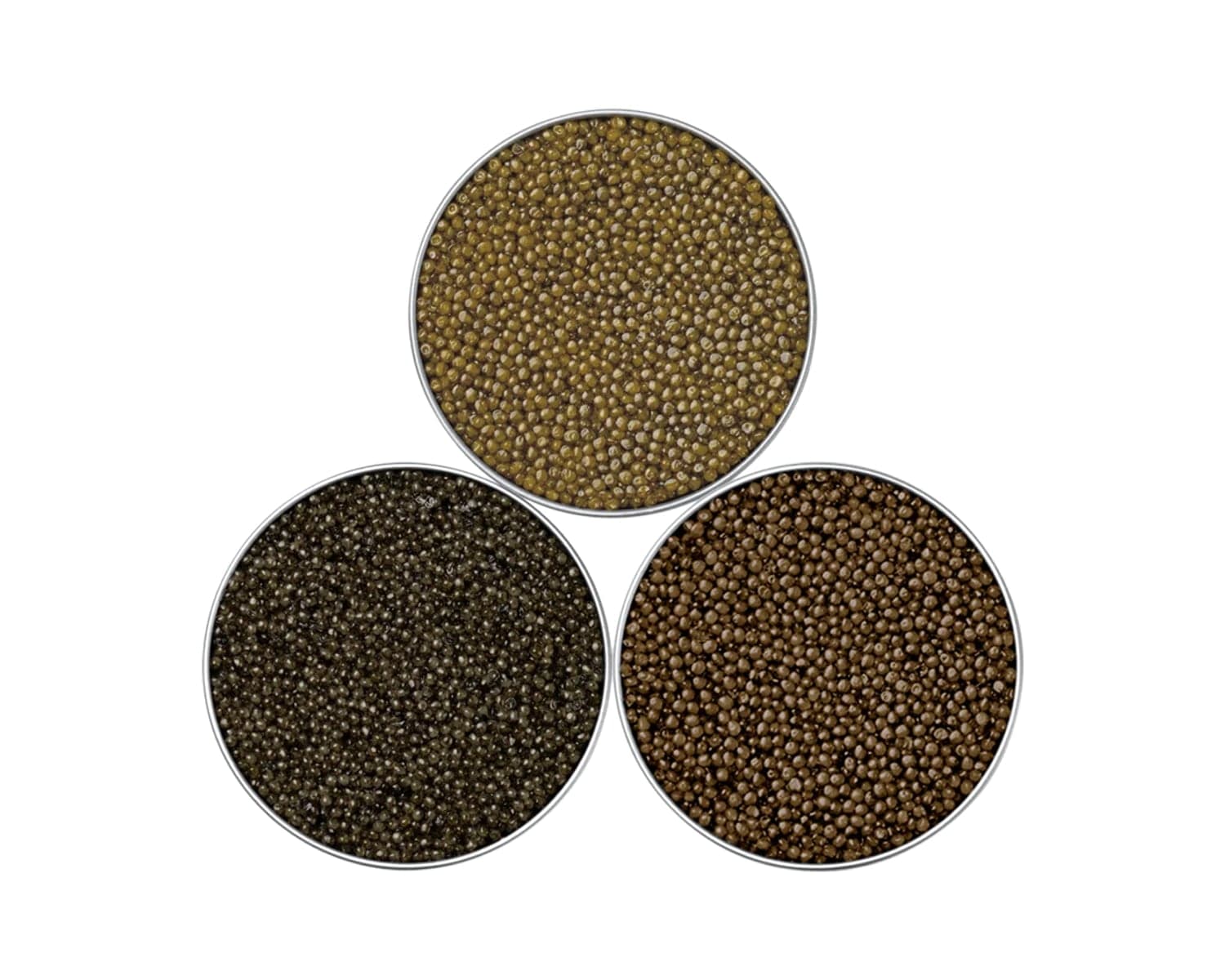
Farmed sturgeon caviar with CITES labels, plus ikura and tobiko
Chilled
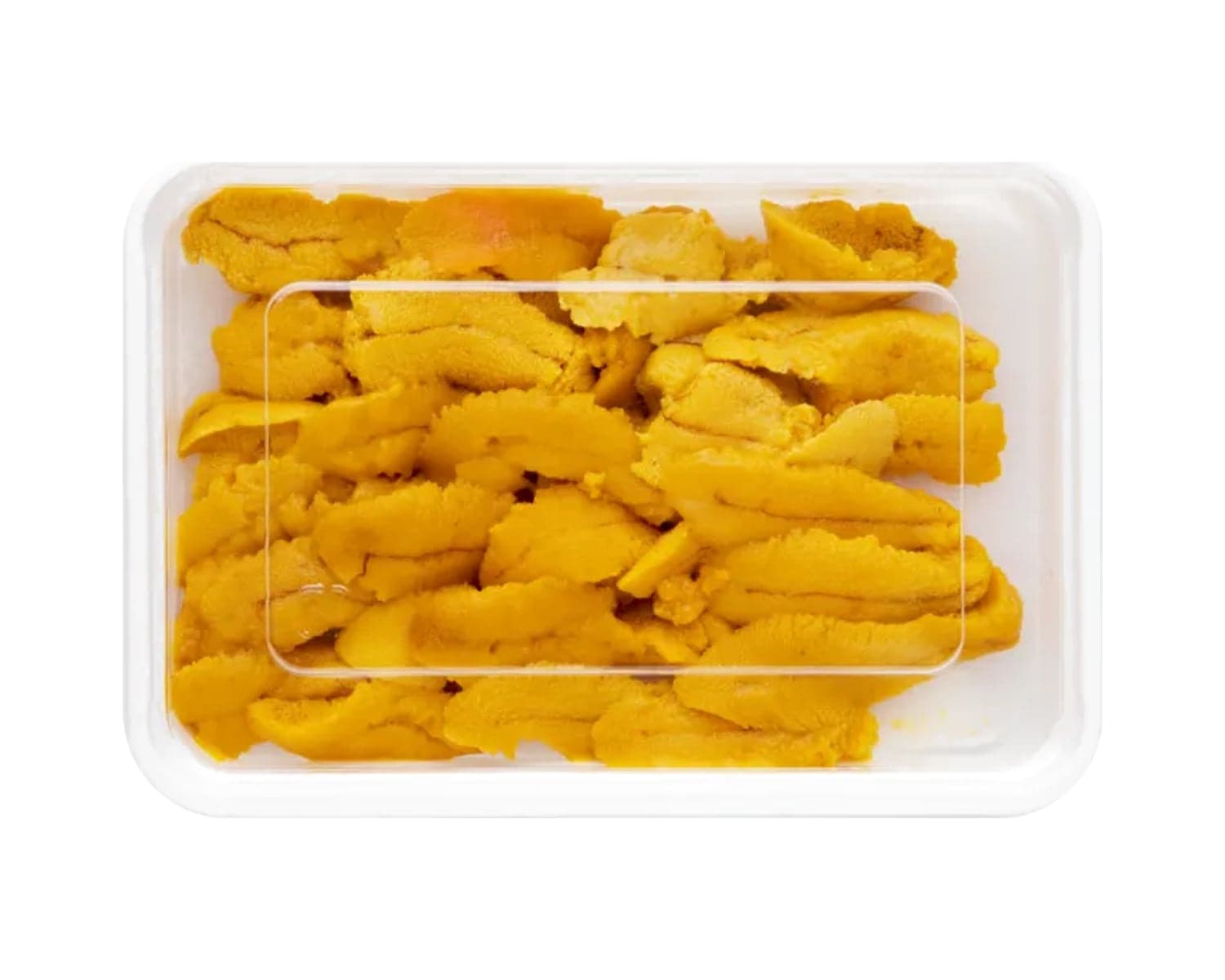
BSA Food Products sources sea urchin roe as fresh chilled trays for air freight and as frozen or pasteurized packs for longer holding, graded by color, firmness and lobe shape.
Indicative; confirmed per lot on each quotation.
Uni is the gonad of the sea urchin, sold as tongue-shaped lobes laid in neat rows on a small wooden or plastic tray. Presentation and timing matter as much as origin with this product: the roe softens and loses definition within days, so the format a buyer chooses, whether fresh tray, frozen or pasteurized, should follow from how quickly it will be served.
Supply follows the harvest seasons of several regions, for example Japan (several native species), Chile (Loxechinus albus), the Pacific coast of North America (red sea urchin, Mesocentrotus franciscanus), the North Atlantic coasts of Canada, the United States and Norway (green sea urchin, Strongylocentrotus droebachiensis). Species and harvest area are named on each offer, and because seasons differ, one origin often covers a gap left by another during the year.
Grades are set by color (from pale yellow to deep orange, uniform across a tray), firmness, lobe integrity and size, and by the absence of weeping or melting. Chilled trays travel by air at around 0–4 °C with a usable life measured in days from packing. Frozen and pasteurized formats last much longer but soften the texture slightly, which suits sushi production, sauces and pasta better than top-grade nigiri. Some packers use alum or a seawater brine to help lobes hold their shape; any such treatment is declared so it can be labeled correctly.
Restaurants and premium seafood distributors usually set up weekly or twice-weekly arrivals so that stock never sits. Uni pairs naturally with caviar and premium roe on raw bar menus, while the restaurant and retail sourcing guide covers matching grade to dish.
Specification sheet
Indicative values. Final specifications are confirmed per lot on the quotation and certificate of analysis.
| Species | Loxechinus albus, Mesocentrotus franciscanus, Strongylocentrotus droebachiensis and Japanese species by season |
|---|---|
| Origin | Japan, Chile, North America, Norway; declared per lot |
| Formats | Fresh chilled tray; frozen; pasteurized |
| Grade | Color, firmness, lobe integrity and size |
| Additives | Alum or brine declared where applied |
| Temperature | Fresh trays 0–4 °C; frozen packs at -18 °C or below |
| Shelf life | Chilled typically a few days from packing; frozen several months; pasteurized per label |
| Packing | Wooden or plastic trays, cups, jars; insulated air cartons |
| Documents | Export sanitary certificate, certificate of origin, harvest-area records and microbiological results for markets that ask |
| Minimum order | Chilled trays from one carton per flight (e.g. 10–20 trays); frozen and pasteurized packs from around 20 kg. |
| Lead time | Chilled uni ships within days of harvest against a standing weekly order; frozen and pasteurized stock typically 2–3 weeks. |
FAQ
Chilled trays are at their peak for only a few days after packing, and the clock starts at the processing plant, not on arrival. We share the packing date for every tray and plan flights so that most of that window remains when the cartons reach you. Kitchens should keep trays at 0–4 °C, avoid stacking and use the oldest stock first.
Chilled trays keep the firmest texture and cleanest sweetness, and they suit nigiri and sashimi service. Frozen uni lasts for months but softens on thawing, which is rarely noticed in pasta, sauces or rolls. Pasteurized packs sit in between, with a longer chilled shelf life than fresh trays and a slightly cooked note. Many buyers use chilled trays for counter service and frozen packs for production.
Color depends on species, diet, the point in the reproductive cycle and harvest season, so a single origin can shift from pale yellow to deep orange within weeks. We grade for uniformity inside each tray and describe the color band on the offer, but color alone does not decide grade; firmness, lobe shape and the absence of weeping weigh just as much.
Chilled trays go by air in insulated cartons with gel ice, ideally on direct flights with clearance arranged in advance. Temperature loggers can be added to cartons on request. Frozen and pasteurized packs can travel by air or in a reefer container with other frozen lines. Import conditions for echinoderms vary by market, so we confirm the documents your authority expects before the first shipment.
Related
Frozen & Live Seafood
Farmed sturgeon caviar with CITES labels, plus ikura and tobiko
Frozen & Live Seafood
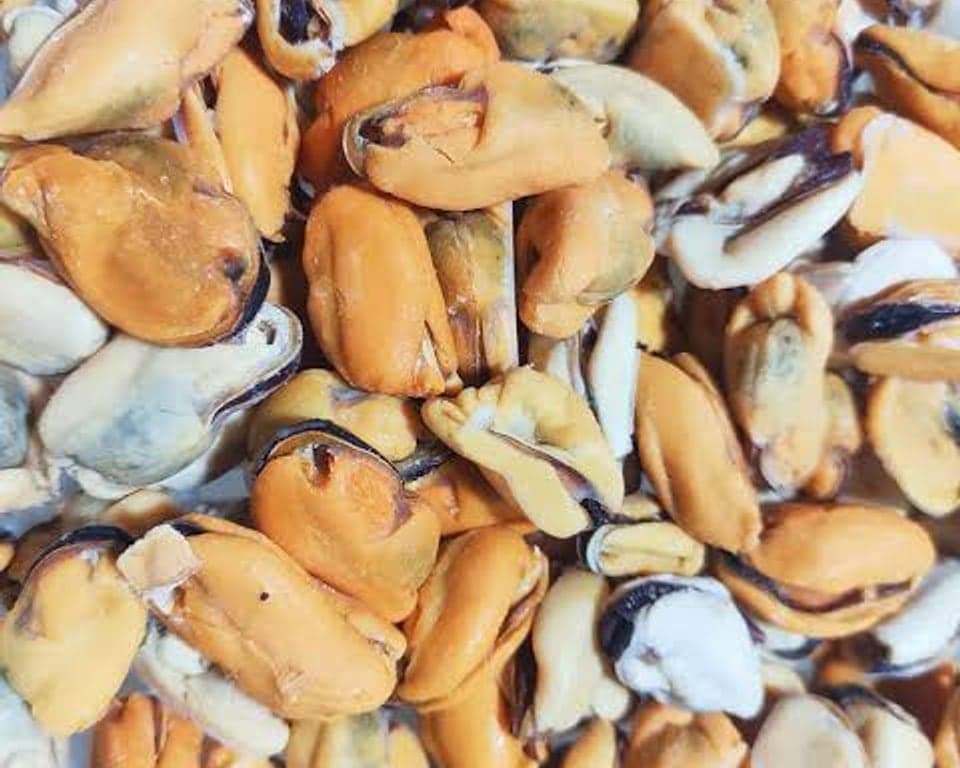
Scallops, clams, mussels, oysters and whelk, IQF and half-shell
Premium Marine Delicacies
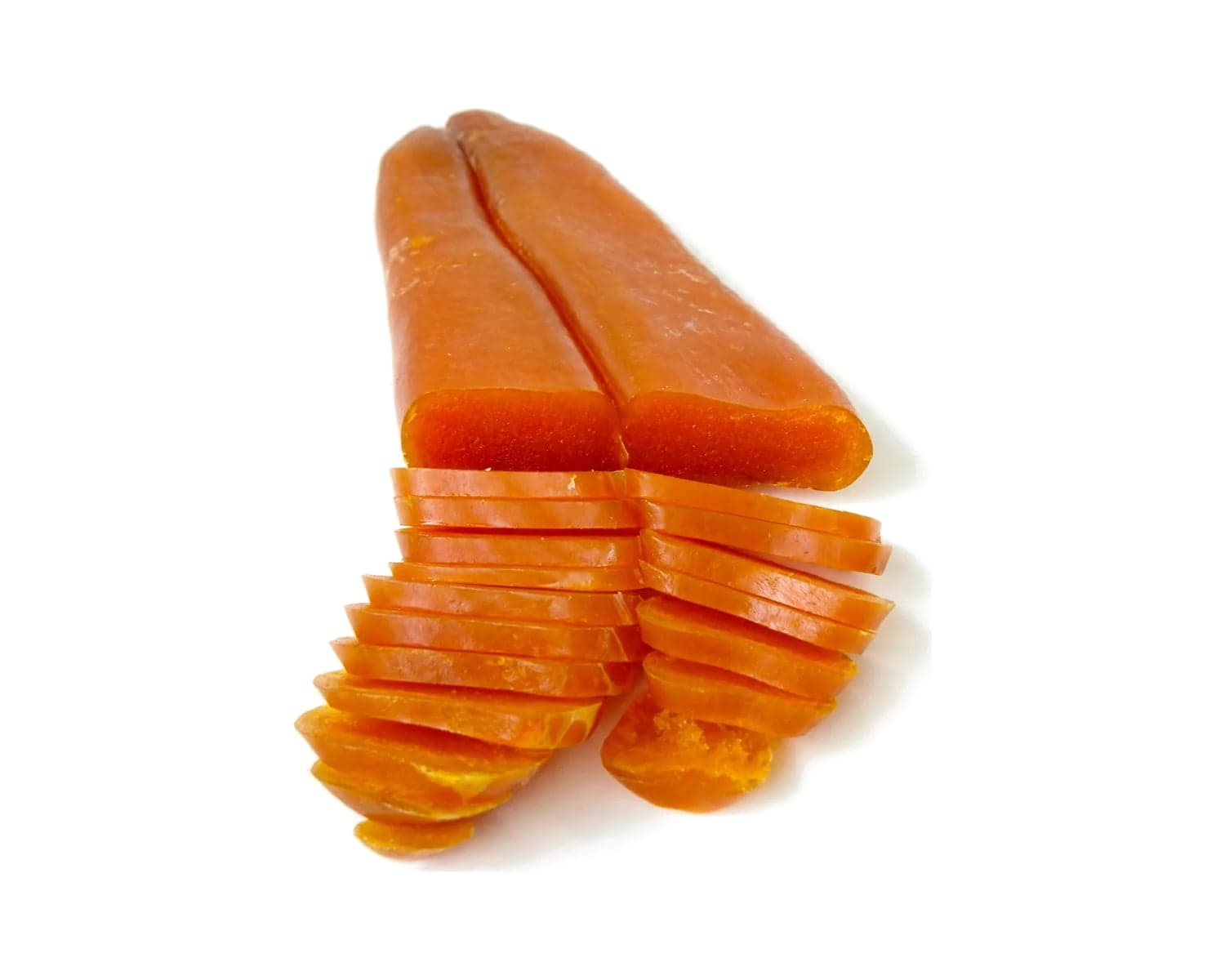
Gray mullet roe in Mediterranean and Taiwanese styles
Frozen & Live Seafood
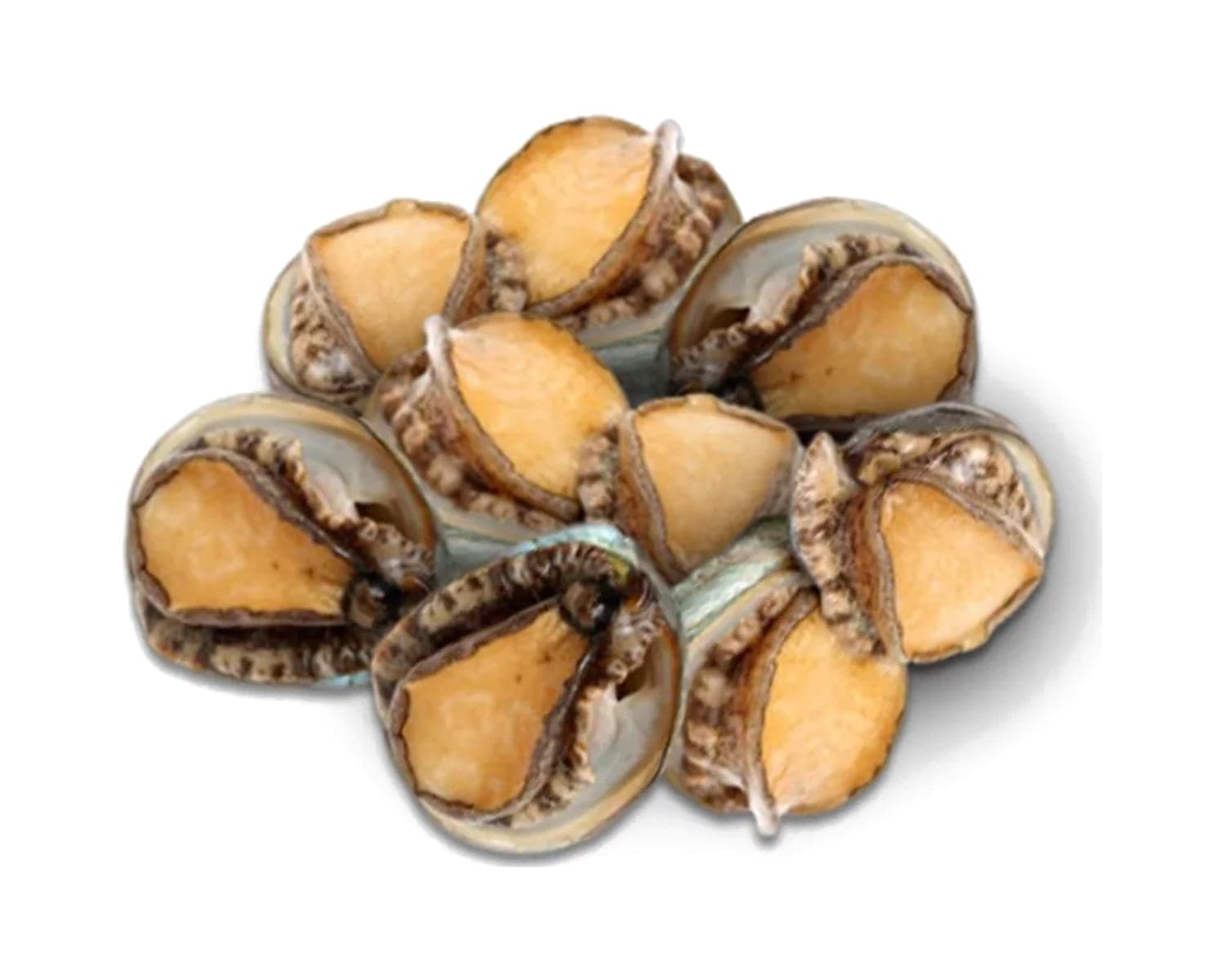
Farmed abalone in-shell, shucked or braised, sized per kilogram
Species Profiles6 min read
The urchins behind uni: species eaten in Japan, the Americas and Europe, what red and white uni mean, when each origin is in season, and which form suits sushi, pasta or sauces.
Read the guide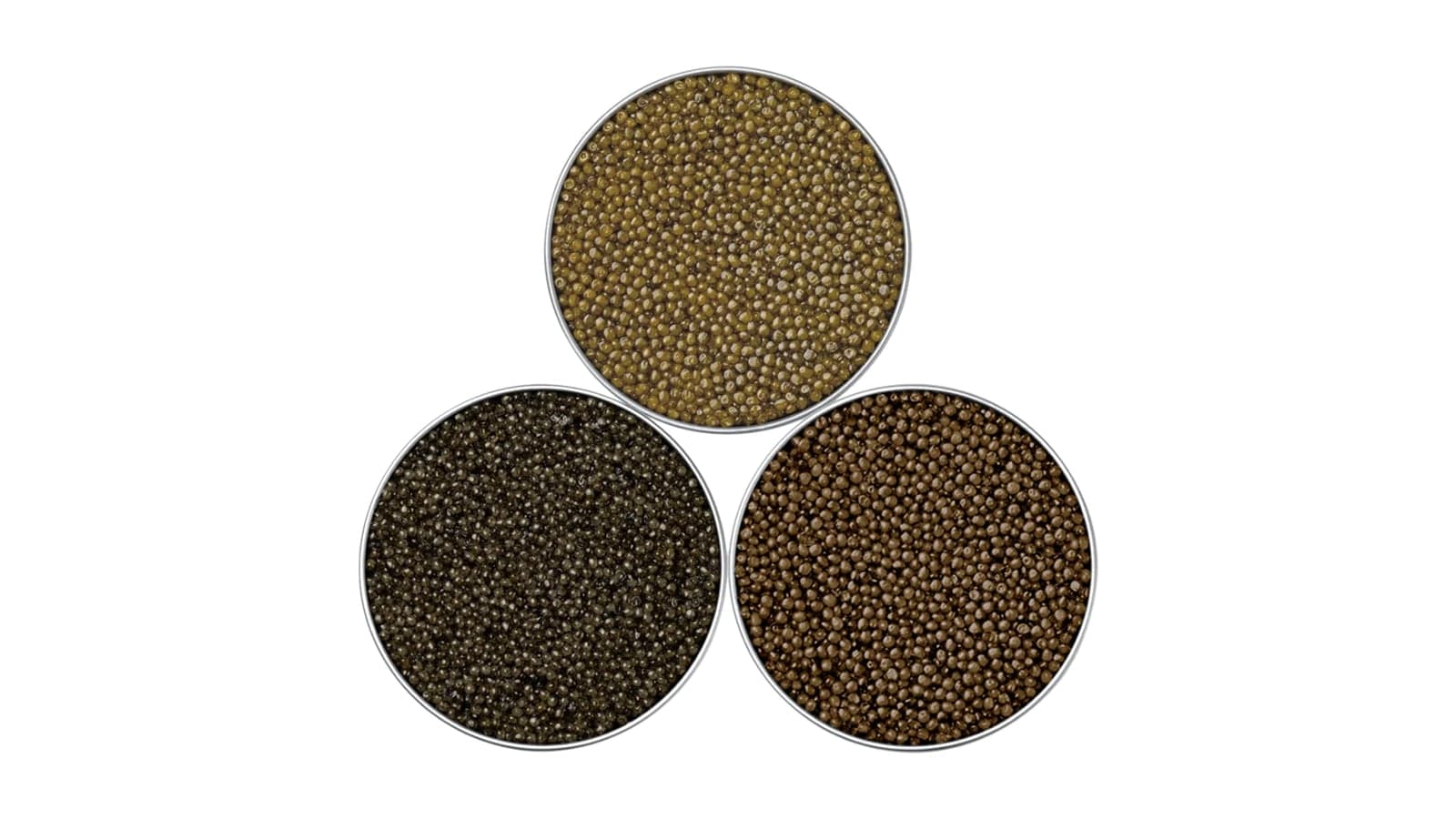
Buying Guide7 min read
How chefs, foodservice buyers and brand owners match grade and format to the application, compare suppliers on cost per portion, and keep quality consistent across orders and channels.
Read the guide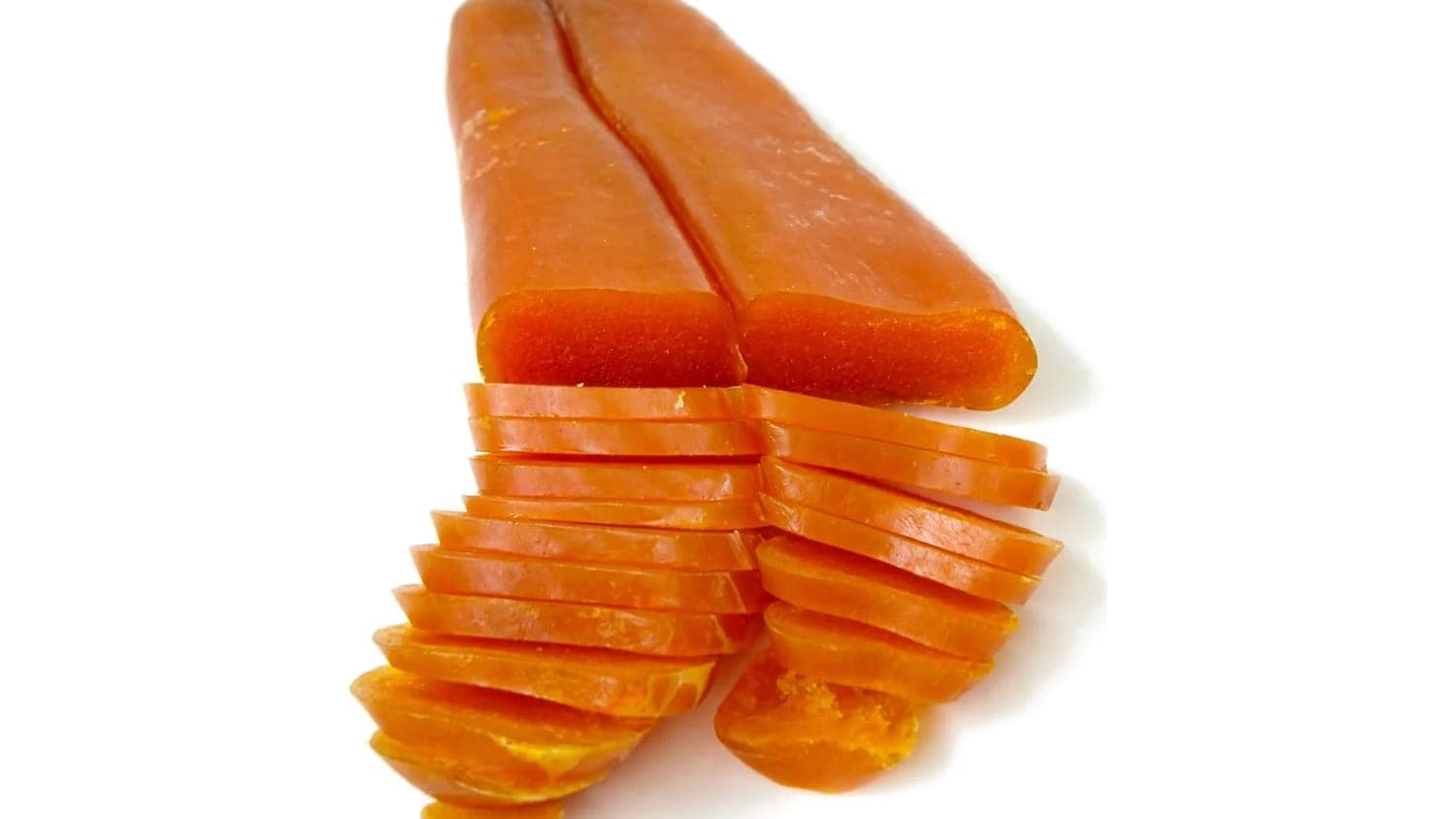
Import & Compliance7 min read
How to tell sturgeon caviar from other fish roes, how the CITES permit and container label system works, and how buyers grade, store and document caviar and roe.
Read the guideRequest a quote
Share your target grade, packing, volume and destination. We confirm availability, documentation for your market and a formal quotation, usually within one business day.