Frozen & Live Seafood
Premium Roe and Caviar
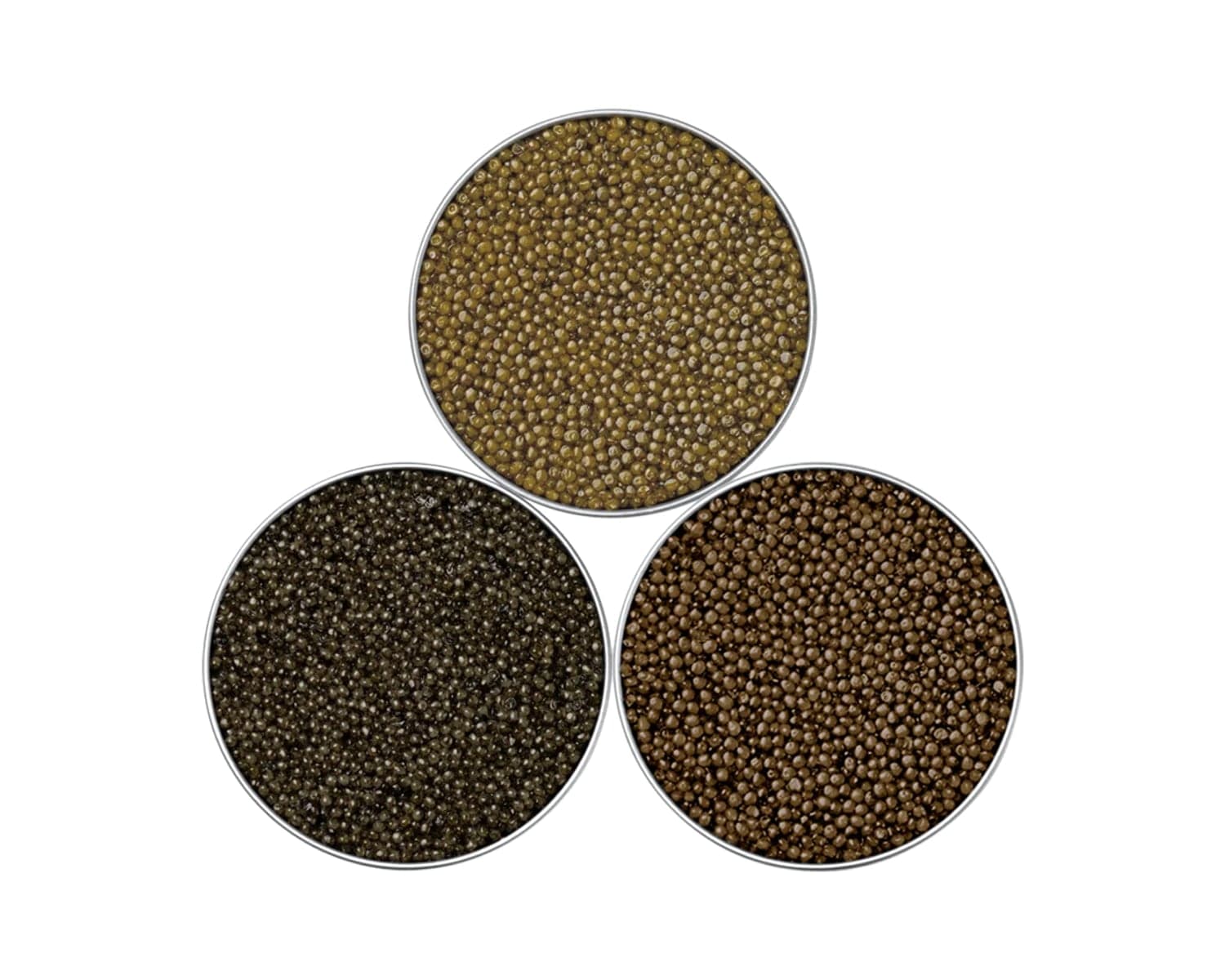
Farmed sturgeon caviar with CITES labels, plus ikura and tobiko
Chilled
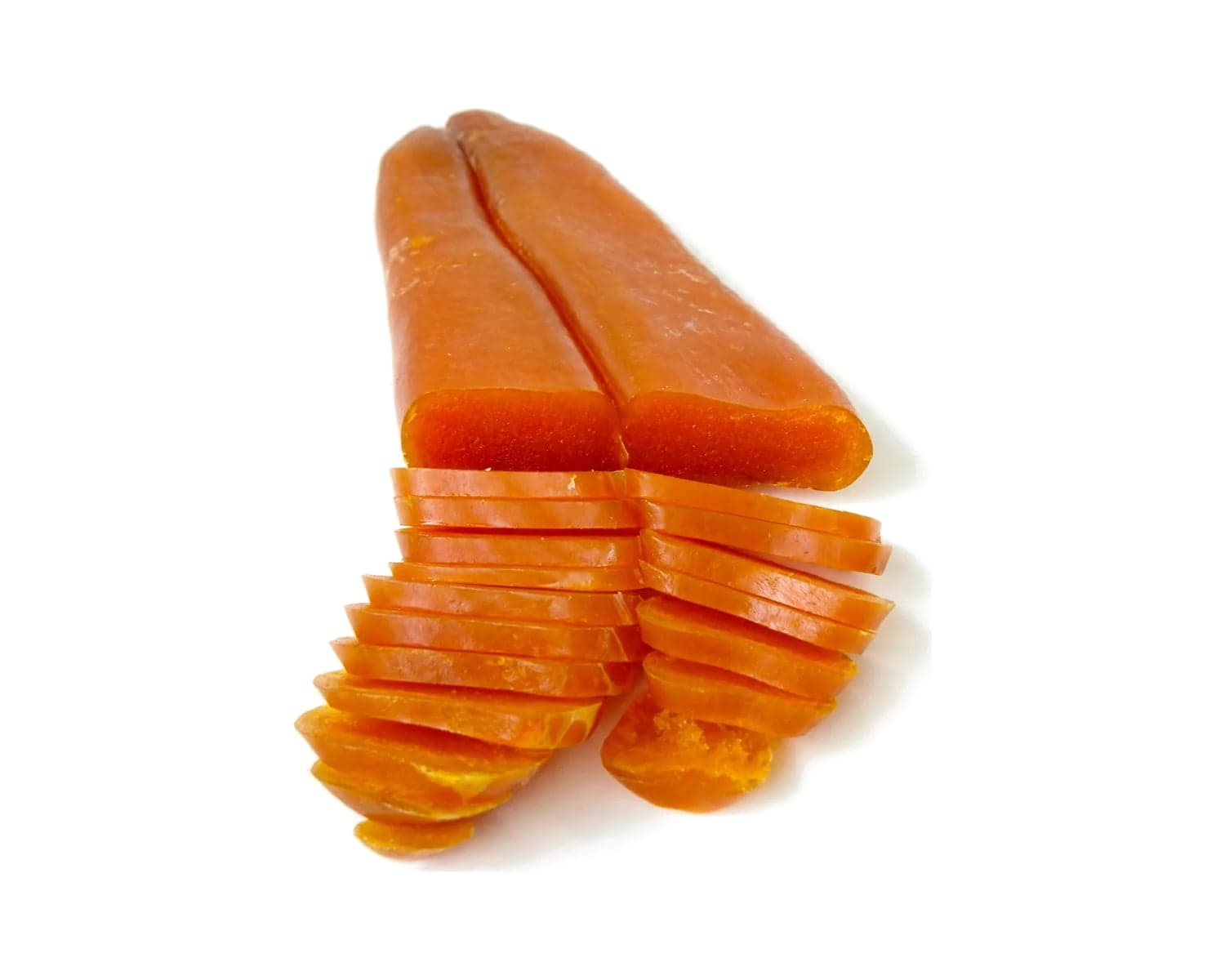
We supply bottarga, the salted, pressed and air-dried roe of gray mullet, as whole lobes and grated product, specified by style, origin, lobe weight, color and firmness for distributors, restaurants and delicatessen retailers.
Indicative; confirmed per lot on each quotation.
Bottarga is made from the intact roe sacs of gray mullet (Mugil cephalus), removed with the membrane unbroken, then salted, pressed and dried until firm enough to slice. The finished lobe has a dense, waxy texture and a long, savory marine flavor. In the trade, membrane condition, evenness of color and uniform drying through the lobe decide quality as much as size does, and we report each of these on the specification.
Two traditions dominate. Mediterranean bottarga, with the Sardinian style the most familiar to chefs, is usually salted and air-dried to a firmer, drier finish and a deep amber to brown color; it is sometimes sealed in wax, though most is sold vacuum packed, and it is shaved over pasta or served in thin slices. Taiwanese mullet roe is typically dried to a more pliable texture and a translucent orange-amber color, then brushed with rice spirit, lightly seared and served with slices of white radish and raw garlic or leek. In Taiwan it is a classic Lunar New Year gift, sold in presentation boxes by lobe weight.
Our checks cover an intact membrane without tears or blood spots, even color without dark oxidized patches, and firmness that is consistent from surface to center. Salt level, lobe weight and pair matching are recorded for each lot. Grated bottarga, made by drying whole lobes further and milling them, is supplied in sealed jars or pouches for kitchens that want a consistent garnish and for retail shelves.
Restaurants usually buy whole lobes vacuum packed as single pairs, while retailers combine gift boxes with grated jars. Distributors building a roe or appetiser range often pair bottarga with premium roe and caviar, and our guide to choosing premium seafood ingredients discusses pack sizes for each channel.
Specification sheet
Indicative values. Final specifications are confirmed per lot on the quotation and certificate of analysis.
| Species | Gray mullet (Mugil cephalus); any other mullet species declared |
|---|---|
| Style | Mediterranean (Sardinia-style) or Taiwanese |
| Origin | Where the roe was caught and where it was cured, both stated per lot |
| Grade / size | Lobe or pair weight bands; grated by net weight |
| Processing | Salted, pressed, air-dried; optional wax seal |
| Appearance | Membrane intact; even amber to orange color; no dark patches |
| Texture | Firm and evenly cured from surface to center |
| Shelf life | Typically 6–12 months chilled and vacuum packed; confirmed per lot |
| Packing | Vacuum packs; gift boxes; grated jars and pouches; private label |
| Documents | Commercial invoice and packing list, origin certificate, and a health certificate for destinations that need one |
| Minimum order | From 10 kg of whole lobes per style and weight band; grated product from 20 kg. |
| Lead time | 2–4 weeks for stocked lobes; Lunar New Year gift-box programs should be confirmed 8–10 weeks before delivery. |
FAQ
Mediterranean bottarga is drier and firmer, so it grates and shaves cleanly over pasta, eggs and salads or can be sliced paper-thin with olive oil. Taiwanese mullet roe is softer and is usually warmed or seared first, then sliced and served with white radish and garlic. The styles are not interchangeable on a menu, so we recommend trialing both before choosing a range.
We recommend chilled transport for vacuum-packed whole lobes, particularly on long routes or through warm climates, because heat speeds up oil separation and darkening. Grated bottarga in sealed jars is more tolerant but still keeps its color longer when cool. Each line’s specification sheet gives its recommended temperature and the shelf life we work to.
Inspect the membranes for tears or pinholes, check that color is consistent from lobe to lobe, and press gently to confirm even firmness. A rancid smell on opening, sticky oil on the surface or dark patches point to poor storage. Report any issue with photographs and the lot number, and we will investigate against the reference pack retained from that lot.
Yes. Grated product can be filled into your jars or pouches with your artwork, net weight and ingredient declaration. Fish is a declarable allergen in many markets, and we supply the technical data your labeling team needs. Talk to us about private-label packing for jar sizes, minimum runs and artwork timing.
Related
Frozen & Live Seafood
Farmed sturgeon caviar with CITES labels, plus ikura and tobiko
Frozen & Live Seafood
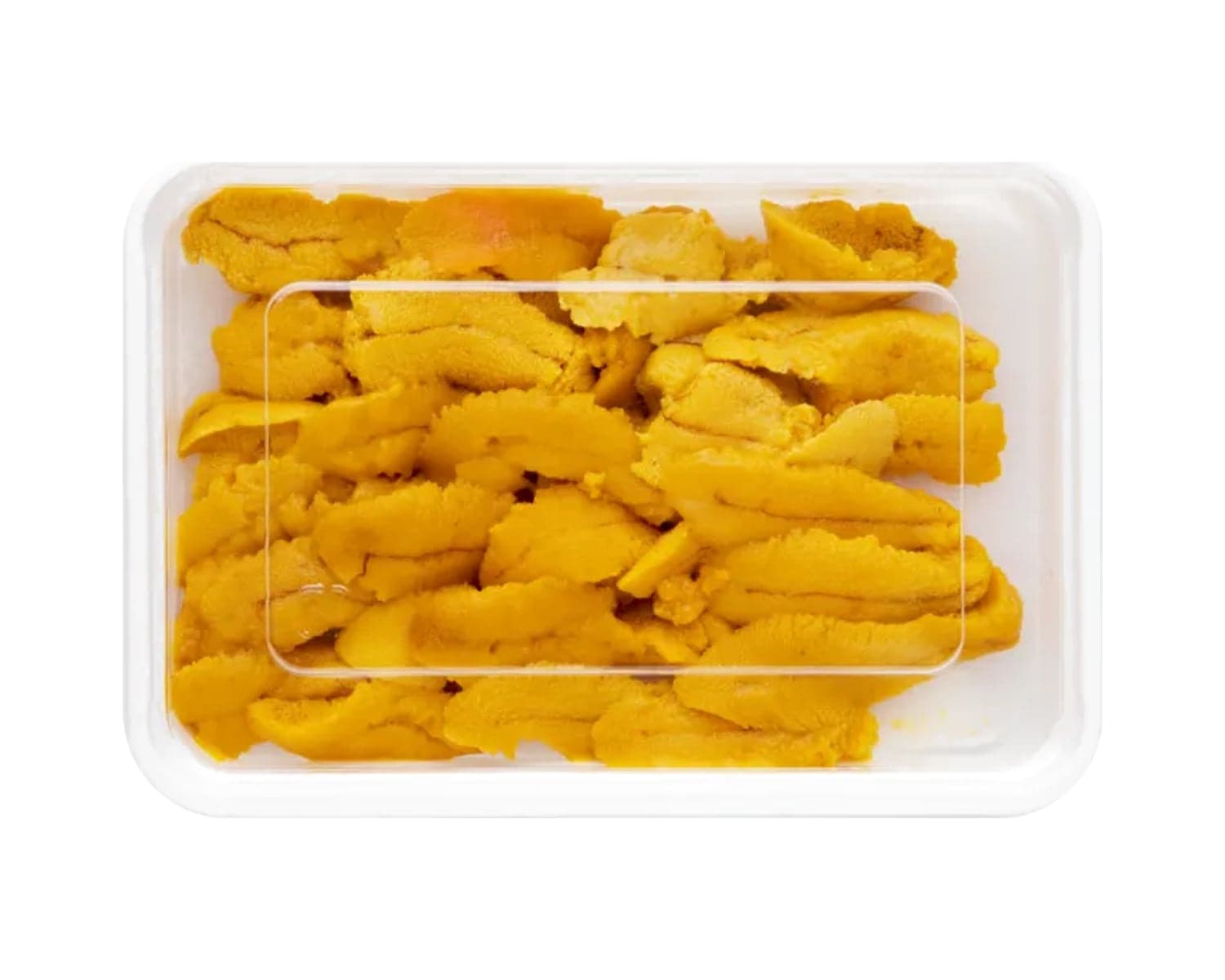
Chilled uni trays and frozen packs, graded by color and firmness
Premium Marine Delicacies
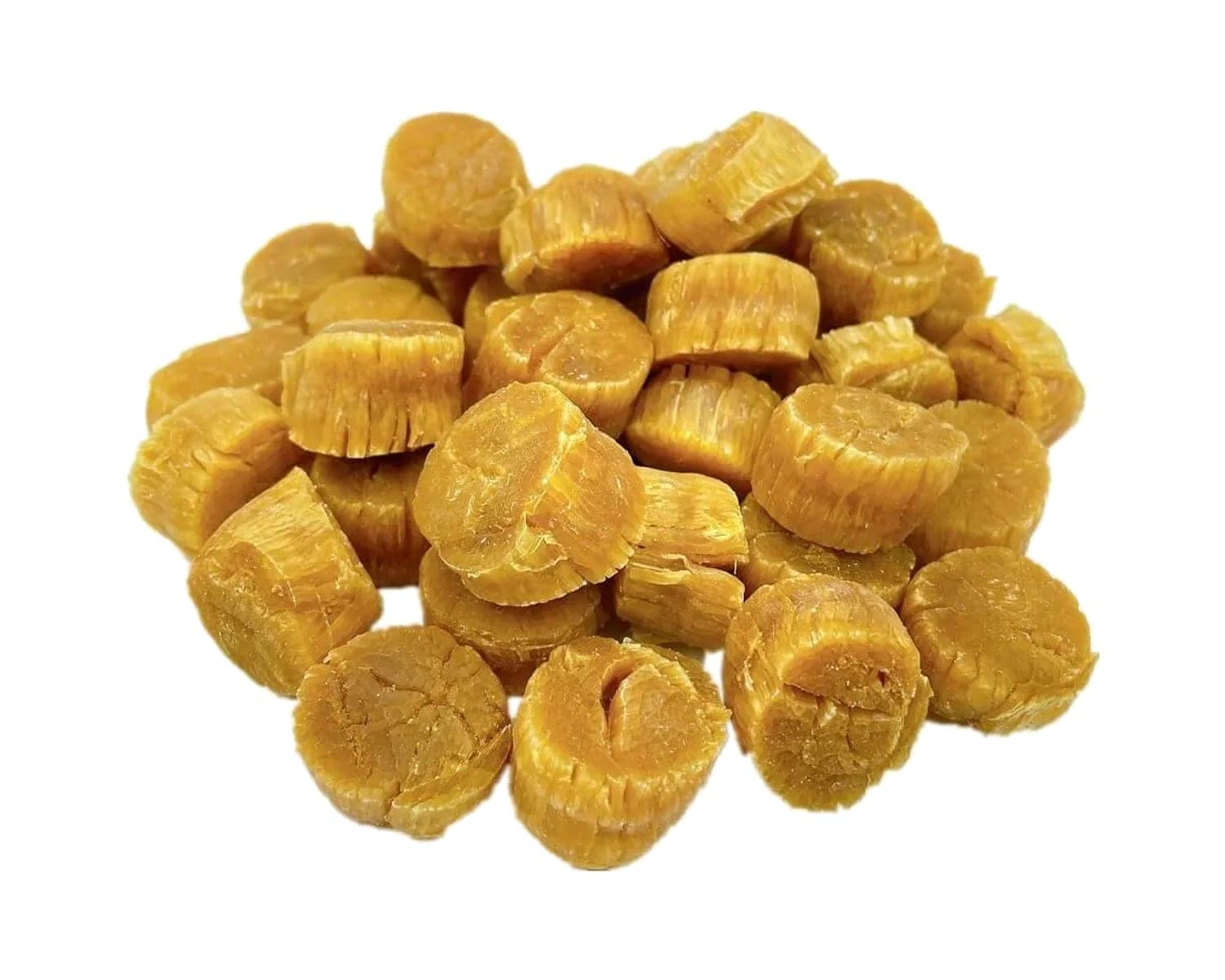
Hokkaido, Aomori and Chinese adductors by diameter and count
Species Profiles6 min read
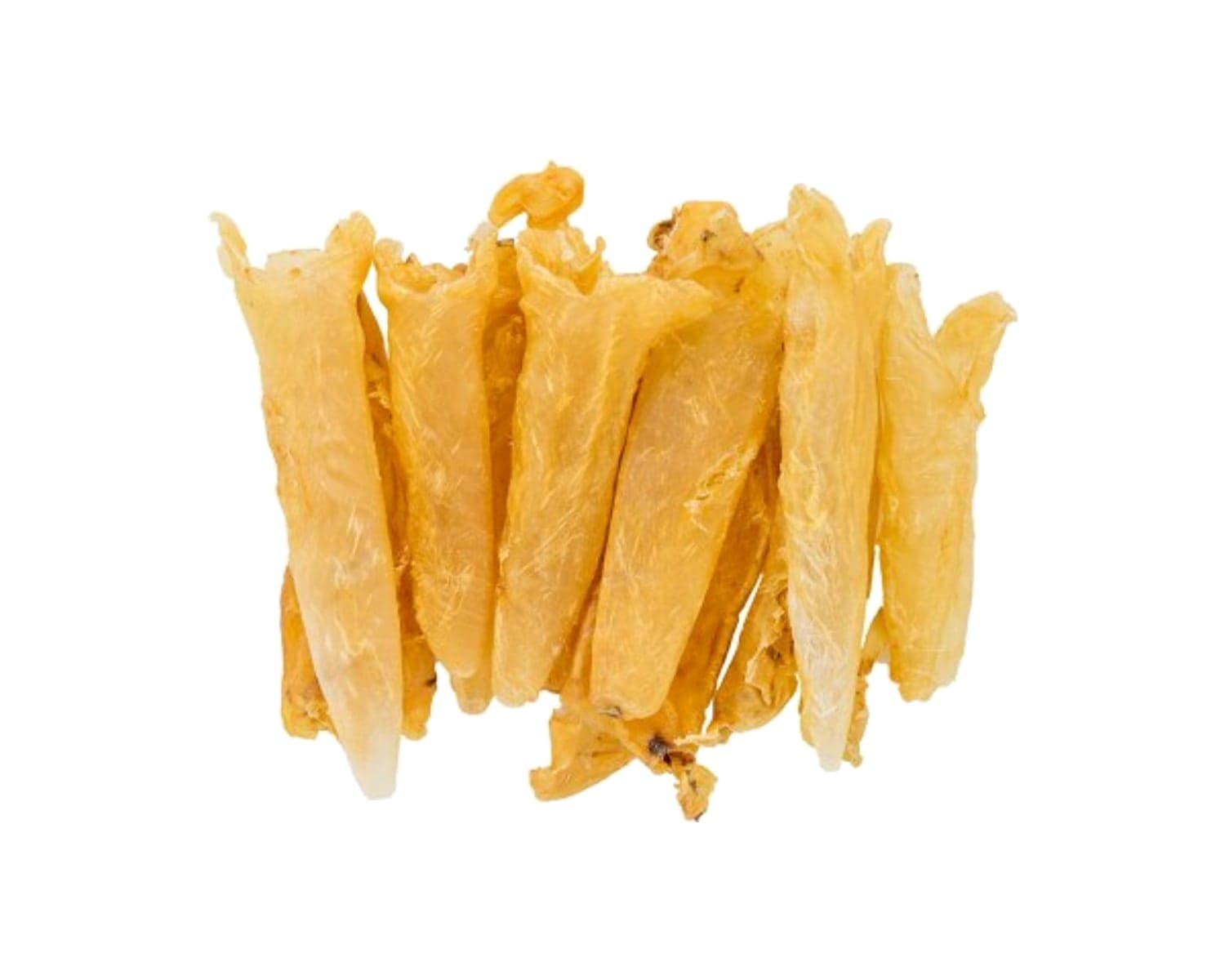
The flathead gray mullet is a plain-looking coastal fish with a valuable roe. How to identify it, where and when its roe is taken, and how bottarga, karasumi and wuyuzi differ.
Read the guide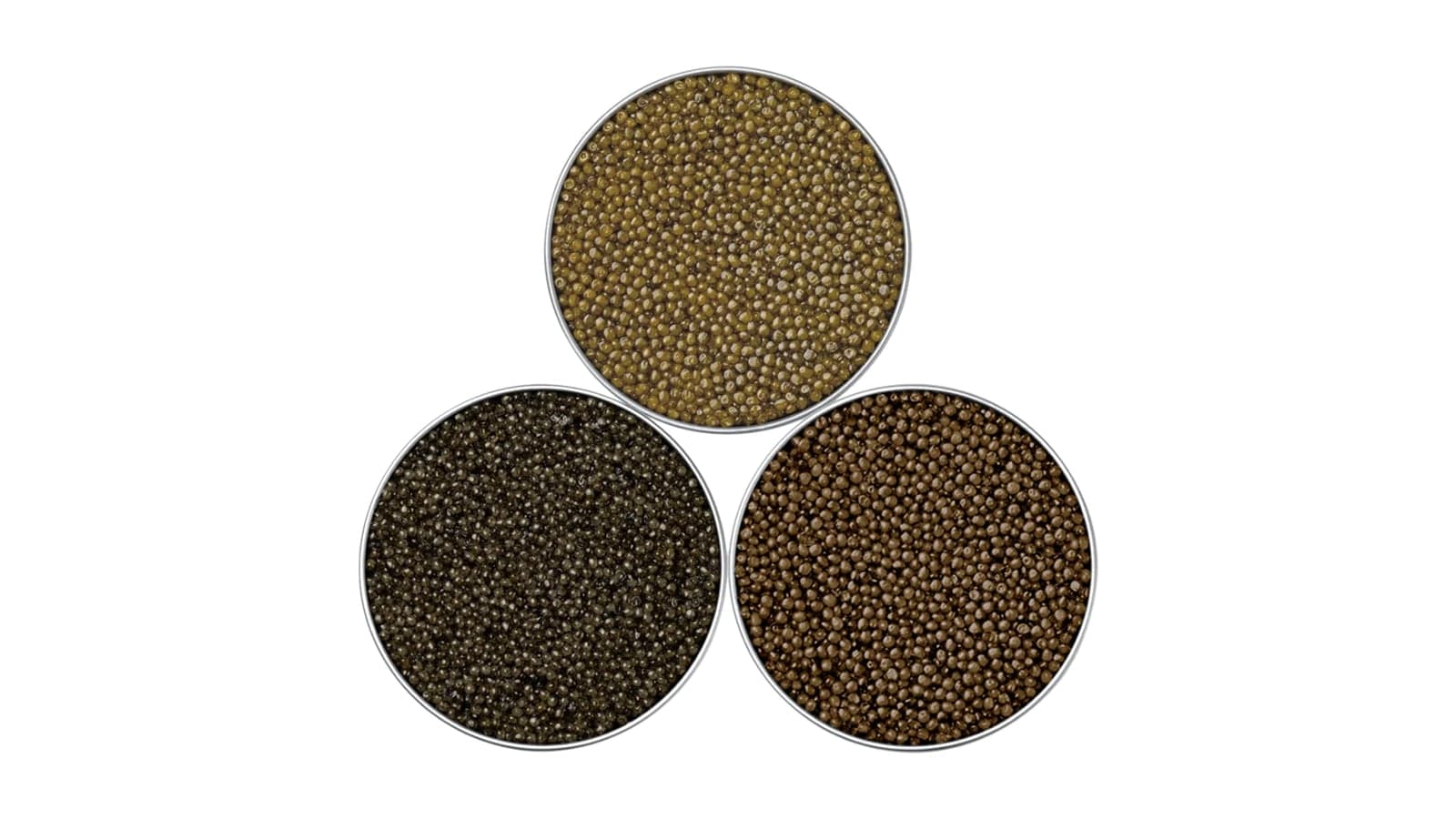
Buying Guide7 min read
How chefs, foodservice buyers and brand owners match grade and format to the application, compare suppliers on cost per portion, and keep quality consistent across orders and channels.
Read the guide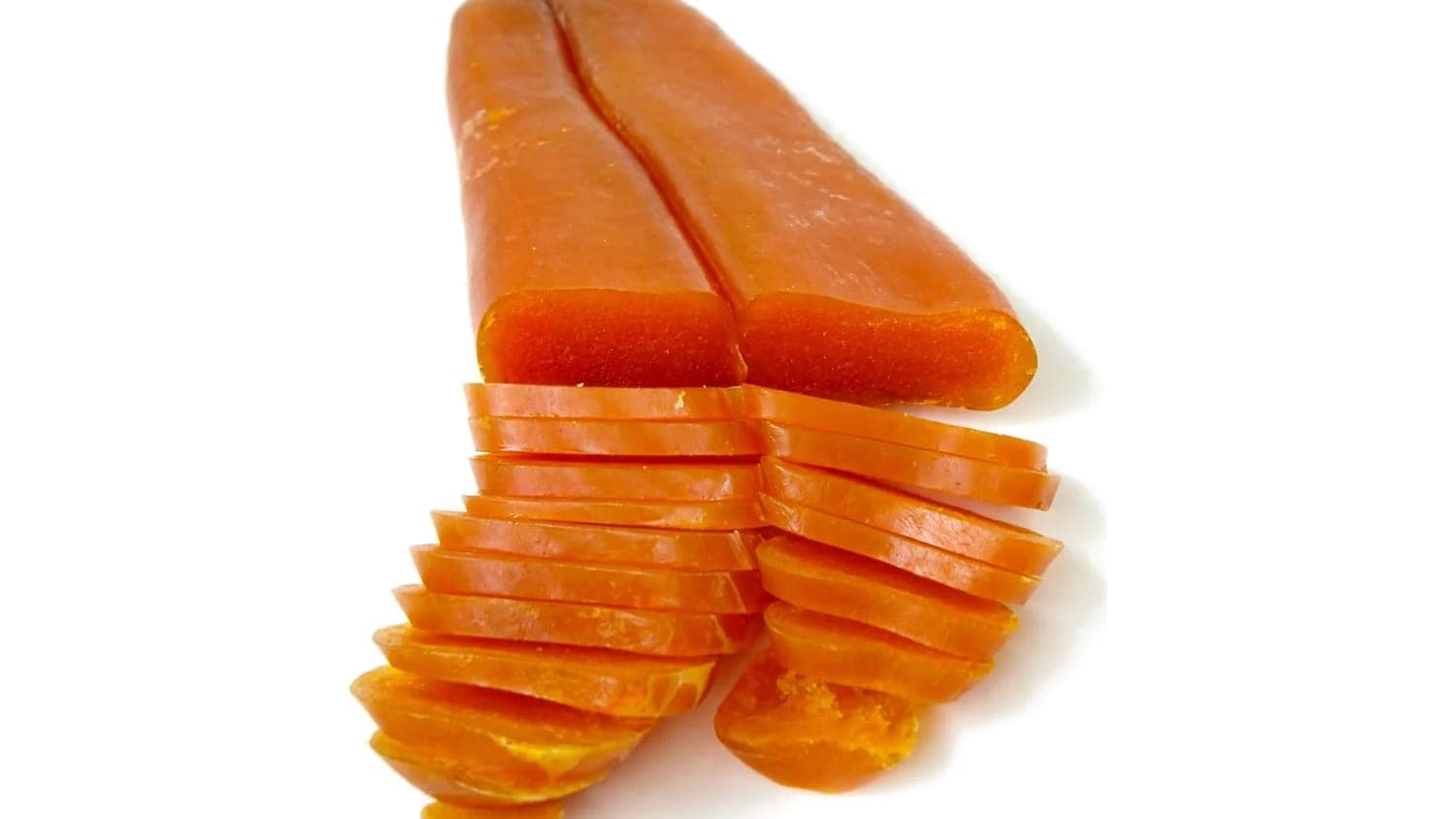
Import & Compliance7 min read
How to tell sturgeon caviar from other fish roes, how the CITES permit and container label system works, and how buyers grade, store and document caviar and roe.
Read the guideRequest a quote
Share your target grade, packing, volume and destination. We confirm availability, documentation for your market and a formal quotation, usually within one business day.