A container of frozen crab or abalone can leave origin in perfect condition and still arrive as a claim. The usual causes are not exotic: cartons stuffed warmer than the set point, a reefer left unplugged for hours at a transshipment port, pallets blocking the airflow, or a dry container of dried seafood that ‘rained’ on itself while crossing climate zones. Most of these risks are settled before the doors close, and the contract’s trade terms decide who bears the loss.
This guide covers the logistics of buying seafood internationally: how frozen, chilled, live and dried products move, how reefers work, which records to ask for, when to fly, how the main Incoterms 2020 rules allocate cost and risk, and what evidence supports a claim. Market-access questions such as eligibility, permits and tariff codes are covered in our guide to importing dried seafood. Temperatures here reflect general trade practice; the product specification and the carrier’s instructions take precedence.
Key takeaways
- Reefers maintain temperature rather than pull it down, so product must be at carriage temperature to the core before stuffing.
- Write the set point, logger requirements and named Incoterm place into the contract and booking, and keep the stow below the load line.
- Dried seafood in dry containers needs dry cargo and pallets, desiccants and moisture-barrier inner bags to prevent container rain.
- Under FOB, CFR and CIF the buyer takes transit risk once goods are loaded at origin; FCA moves the transfer to the handover to the carrier.
- Insure for refrigerated-cargo risks, keep seal, logger and reefer records, and let a surveyor examine damaged cargo before disposal.
Frozen, chilled, live and dry: four different chains
The first logistics decision follows from the product’s storage regime, and each regime has its own equipment, transit-time tolerance and typical failures.
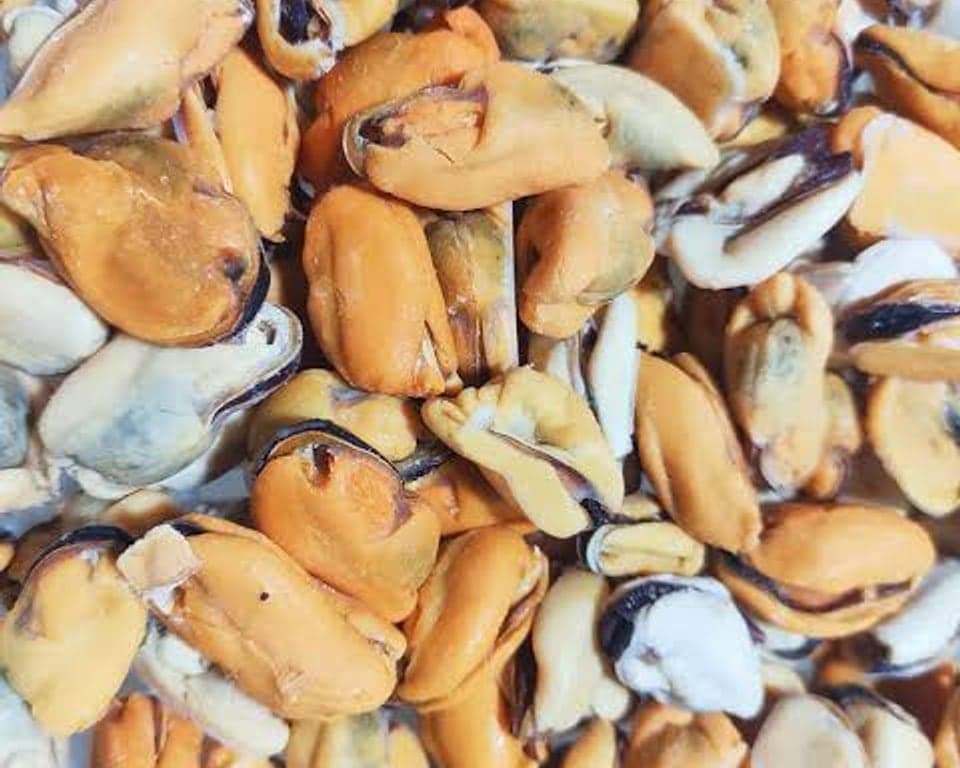
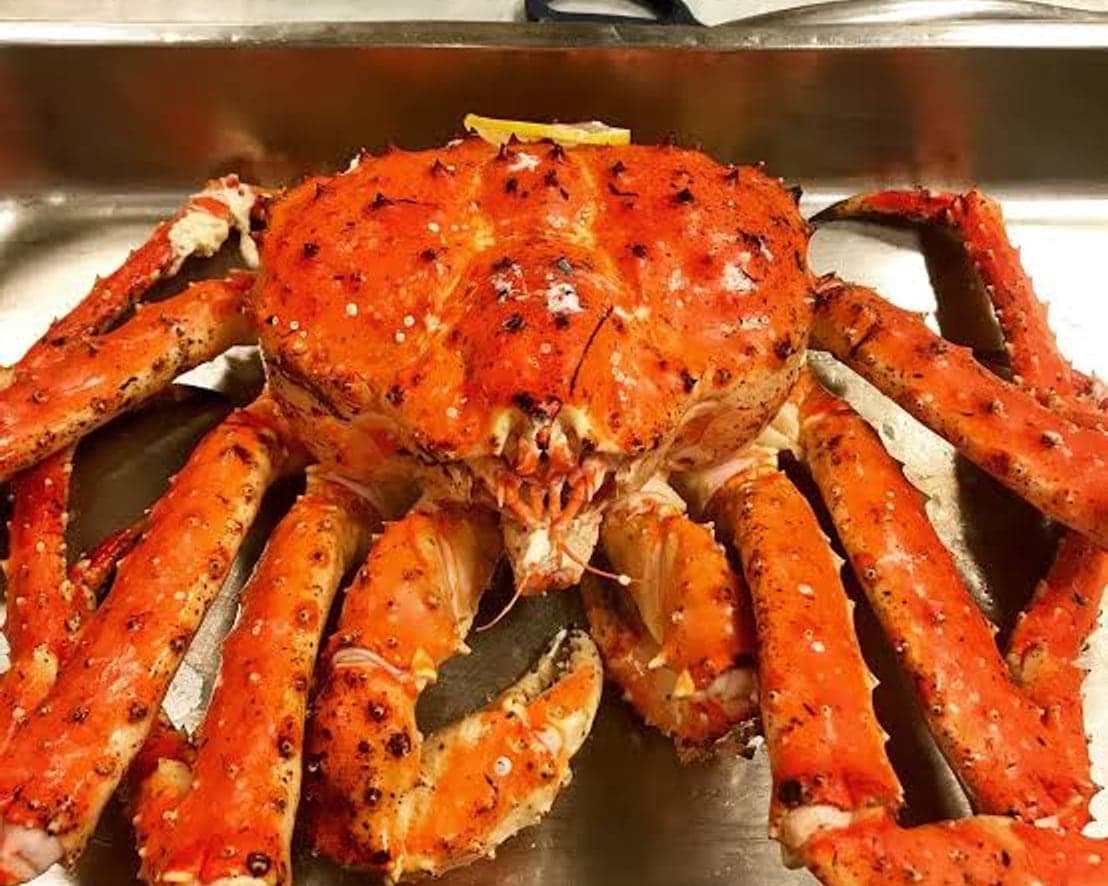
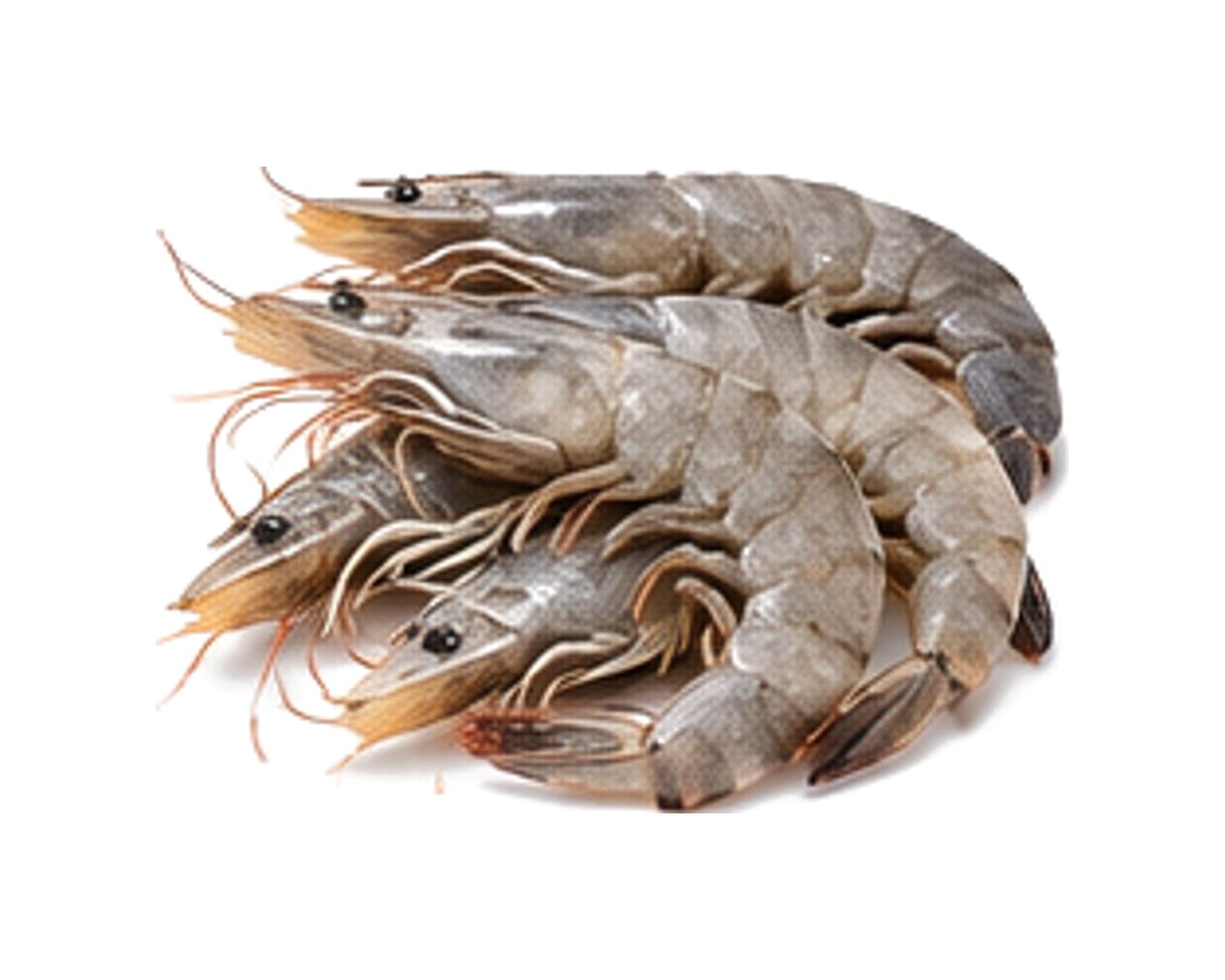
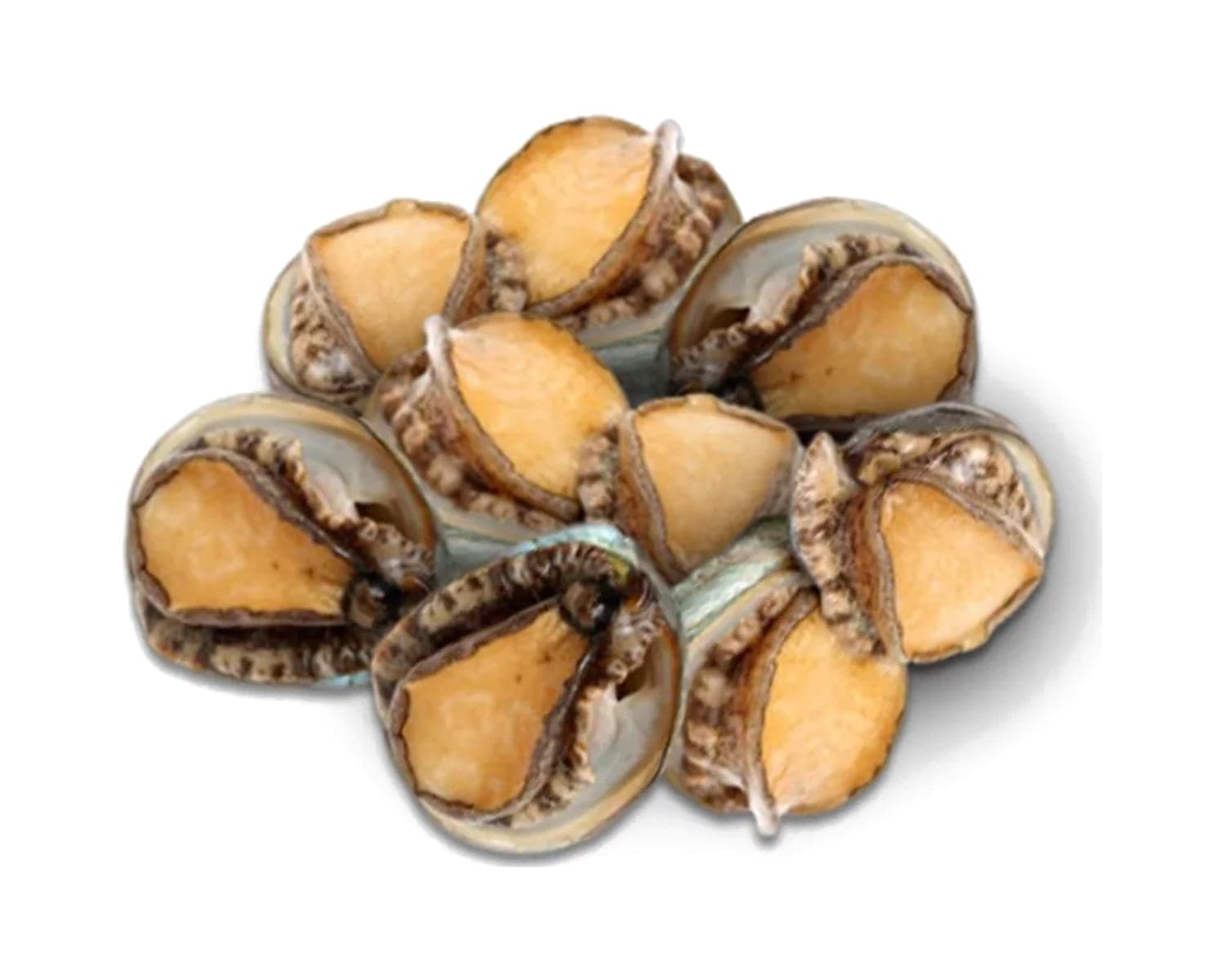
- Frozen crab, shrimp, abalone, shellfish, sea cucumber and raw-material streams go by sea in reefers, with air freight for small or urgent orders. Holding a steady temperature matters more than transit time.
- Chilled lines such as fresh shellfish and sea urchin roe have shelf lives counted in days, so they normally fly in insulated packaging.
- Live abalone and crab need oxygen, moisture, a stable cool temperature and speed, and fall under animal-health rules at destination.
- Dried sea cucumber, abalone, fish maw, conpoy, shrimp and scales ship in dry containers or as air cargo, where moisture, more than heat, is the main enemy.
Reefer set points, pre-cooling and stuffing
A reefer is an insulated container with its own refrigeration unit, powered by the ship, the terminal or a generator set on road legs. It is built to hold cargo at temperature against heat leaking in, not to remove the heat stored in tonnes of product loaded warm.
Frozen seafood is commonly carried at −18 °C or colder, and some shippers choose a lower set point for extra margin. Some products are better held colder: packers of king crab and large shrimp, for example, may advise nearer −25 °C, particularly for longer holding. Take the figure from the product specification, confirm it with the shipper, and write it into the sales contract and the booking.
- Pre-cool the cargo. Product should reach carriage temperature to the core in a cold store; take core readings from sample cartons at stuffing.
- Pre-cool the empty box only through a sealed dock. Carriers commonly advise against chilling a container that will stand open at a warm dock, as humid air flowing in condenses and freezes on cold surfaces.
- Check the unit. The displayed set point should match the booking, with the fresh-air vent closed for frozen cargo.
- Load fast. Keep doors open briefly and photograph the stow, unit display and seal.
Airflow, stowage and temperature records
Most reefers blow cold air from the unit at the front end along a T-shaped grooved floor, up around the cargo and back to the unit across the ceiling. Anything that blocks or short-circuits that loop creates warm spots.
- Stow below the red load line marked on the side walls, so that return air can pass over the cargo.
- Keep the floor channels open; film, cardboard or slip sheets laid across them choke the air supply.
- Block-stow frozen cartons tightly so air moves around the load; chilled cargo usually needs vented cartons and stowage that lets air through.
- Avoid large voids, especially at the door end, where air can bypass the cargo, and secure pallets against shifting.
Two records tell the story of a reefer voyage. The unit’s controller logs set point, air temperatures and alarms, and the carrier can download it on request. Independent loggers among the cartons show what the product experienced, including any time the unit was off; start them before stuffing, place them near the doors and in upper layers, and note serial numbers on the packing list. For reefer loads we share set-point records and loading photographs as standard and add USB or real-time loggers on request; a mixed reefer carries only lines that share a storage temperature, as our frozen and live seafood page explains.
Dried seafood in dry containers: humidity and container rain
Fully dried seafood can usually travel without refrigeration, but it is hygroscopic, and a sealed steel box moving from a humid tropical port to a cooler climate is a moisture trap. As outside air cools at night or in colder waters, so do the roof and walls; moisture in the container air condenses on them and drips onto the cartons. This container rain can wet top layers, soften product and start mold within weeks.
- Check that product and cartons are dry at stuffing; much of a container’s moisture arrives with the cargo, packaging and wooden pallets.
- Use dry, heat-treated pallets that meet the destination’s wood-packaging rules, or plastic pallets, and never load in rain.
- Hang desiccant bags or strips along the walls, sized for route and volume, and consider a paper or fabric roof liner to catch drips.
- Pack product in sealed moisture-barrier bags inside each carton, so a wet carton does not mean wet product.
Semi-dried lines are a different case and should travel refrigerated as their specification directs. For high-value fully dried lines, some buyers choose to pay for a reefer at a cool, above-freezing set point instead. That guards against heat and humidity, but cold cartons opened in warm air collect condensation, so let them warm up sealed. Our dried seafood storage guide picks up from the warehouse door.
FCL, LCL and when to use air freight
With a full container load (FCL), one shipper fills and seals the container, which travels unopened to the consignee apart from any customs examination. It gives the most control over stowage and temperature and is the normal choice for frozen seafood. Less than container load (LCL) shares a box with other shippers’ goods, consolidated and split at freight stations; it suits small dried lots but adds handling, time and taint risk, and refrigerated LCL runs only on some routes.
For a mixed order, consolidating your own products in one FCL is often the best compromise. Keep strong-smelling dried squid away from fish maw or bird’s nest, stow each line together, and make sure the packing list matches the stow, since one discrepancy can hold the whole container.
Air freight is the default for live and chilled seafood and an occasional option for urgent frozen or high-value dried lots. It is charged on the greater of actual and volumetric weight, so pack design drives cost. Perishable packing must be insulated and leak-proof, and dry ice is regulated as dangerous goods that must be declared. Choose short connections, avoid landing when inspection services are closed, and have the consignee ready to collect. Live consignments such as live abalone also depend on destination animal-health rules.
Incoterms 2020 for seafood: who pays, who carries the risk
Incoterms are trade rules published by the International Chamber of Commerce. They set where the seller delivers, who pays for each leg, who clears export and import, and where risk of loss or damage passes. They do not decide when ownership transfers, how payment is made or what temperature the cargo needs; those belong in the sales contract. State the rule, named place and edition, as in ‘CFR Hong Kong, Incoterms 2020’.
| Rule | Seller arranges and pays | Risk passes to buyer | Seafood notes |
|---|---|---|---|
| FCA (Free Carrier) | Export clearance; delivery to the buyer’s carrier at the named place | On handover to that carrier | Any mode; suits container and air cargo |
| FOB (Free On Board) | Export clearance; loading on the vessel the buyer nominates | Once goods are on board at origin | Sea and inland waterway only; buyer books the reefer line |
| CFR (Cost and Freight) | As FOB, plus ocean freight to the destination port | On board at origin, not on arrival | Buyer bears voyage risk on freight the seller booked |
| CIF (Cost, Insurance and Freight) | As CFR, plus cargo insurance for the buyer | On board at origin | Minimum cover only (Institute Cargo Clauses (C) or similar); agree wider cover |
| DAP (Delivered at Place) | All transport to the named destination place | On arrival, ready for unloading | Buyer unloads, clears import and pays duties |
| DDP (Delivered Duty Paid) | As DAP, plus import clearance, duties and taxes | At the named place, ready for unloading | Seller must act in the import market, often impractical for food |
Two points cause frequent disputes. Under FOB, CFR and CIF the buyer carries the risk once goods are on board at origin, even when the seller paid the freight, so a mid-ocean reefer failure is the buyer’s loss to recover from carrier or insurer. And because containers usually reach the terminal days before loading, the vessel-based rules leave the seller at risk for goods it no longer controls; FCA, CPT and CIP move the transfer to that handover. BSA quotes FOB, CFR, CIF, FCA or DAP per shipment, as listed in our wholesale terms.
Documents, insurance and claims evidence
Destination rules set the exact list, but most seafood shipments carry a bill of lading showing container and seal numbers, or an air waybill; a commercial invoice and packing list that match line by line, with net weight excluding glaze for frozen product; a certificate of origin where needed; a health certificate in the destination’s format, its container and seal numbers, where shown, matching the bill; and catch documents for wild-caught product where required. Agree early whether original bills will be couriered, released at origin or replaced by a sea waybill, as frozen cargo waiting at port runs up storage and power charges.
Insurance belongs with whichever party carries transit risk under the chosen rule. Standard cargo clauses, the wider ones as well as the minimum, may exclude loss from temperature variation or refrigeration breakdown unless extended for refrigerated cargo, so confirm what the policy pays for before the first shipment. If damage appears on arrival, note exceptions on the delivery receipt, keep and photograph the seal, request the reefer download, save logger data and notify carrier and insurer in writing at once, as notice periods can be short. Let the insurer’s surveyor inspect damaged cargo before any is destroyed or sold.
Run through this pre-shipment and arrival checklist for every consignment:
- Put the Incoterm, named place, set point and logger requirements in the contract and booking.
- Before stuffing, confirm core temperatures, or for dried goods check dryness, pallets and desiccants.
- Check the unit display and vent, then photograph the stow, closed doors and seal.
- Match weights, descriptions, container and seal numbers across draft documents before sailing.
- Confirm who insures the cargo and that cover includes refrigerated or moisture risks.
- On arrival, check seal and display, then probe and photograph cartons at the door end, middle and top.
- Download logger data, request the reefer record if readings are out of range, and give written notice at once.
This guide is general trade information, not legal or regulatory advice. Requirements differ by market and change over time; confirm current rules with your customs broker or competent authority before ordering.