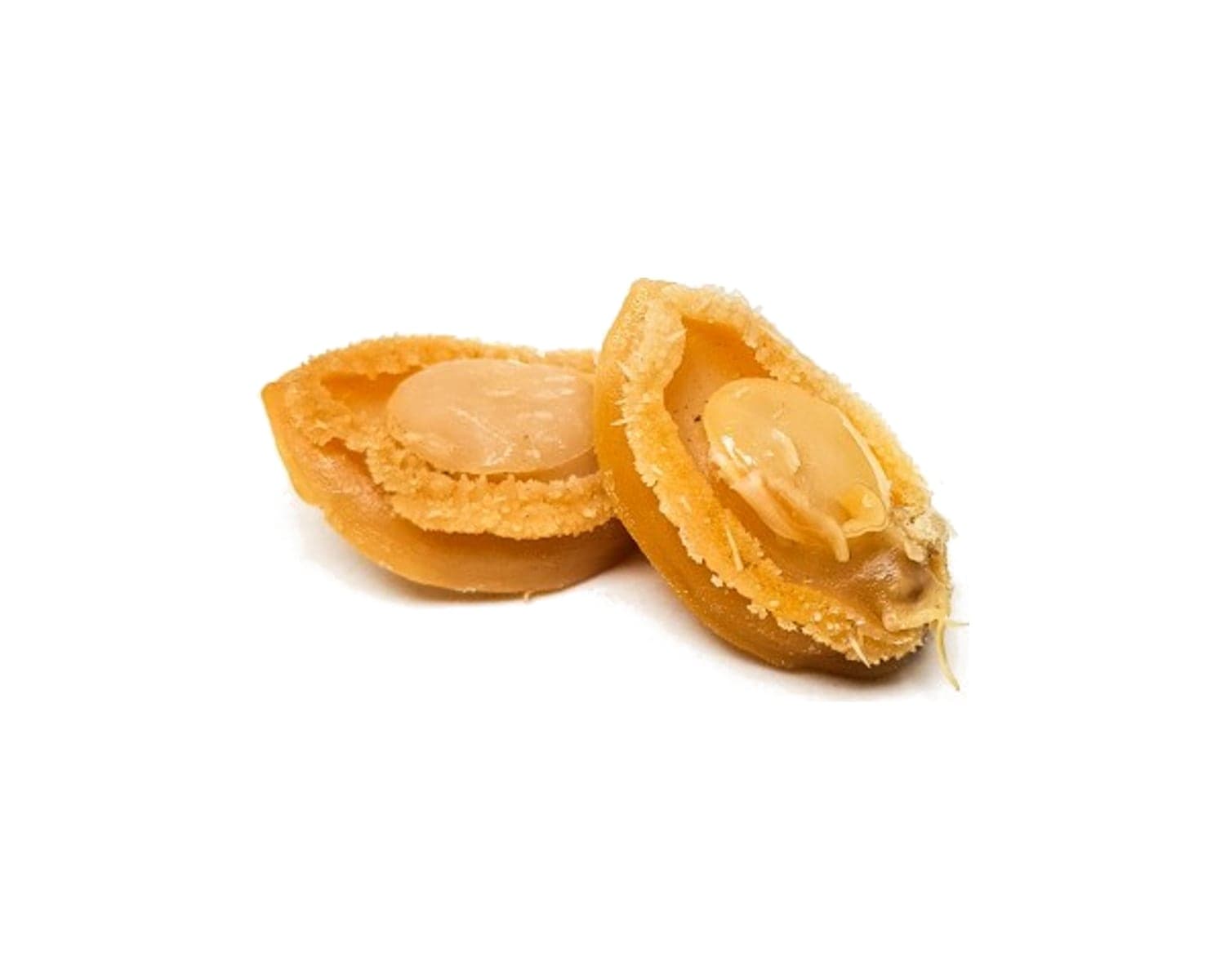
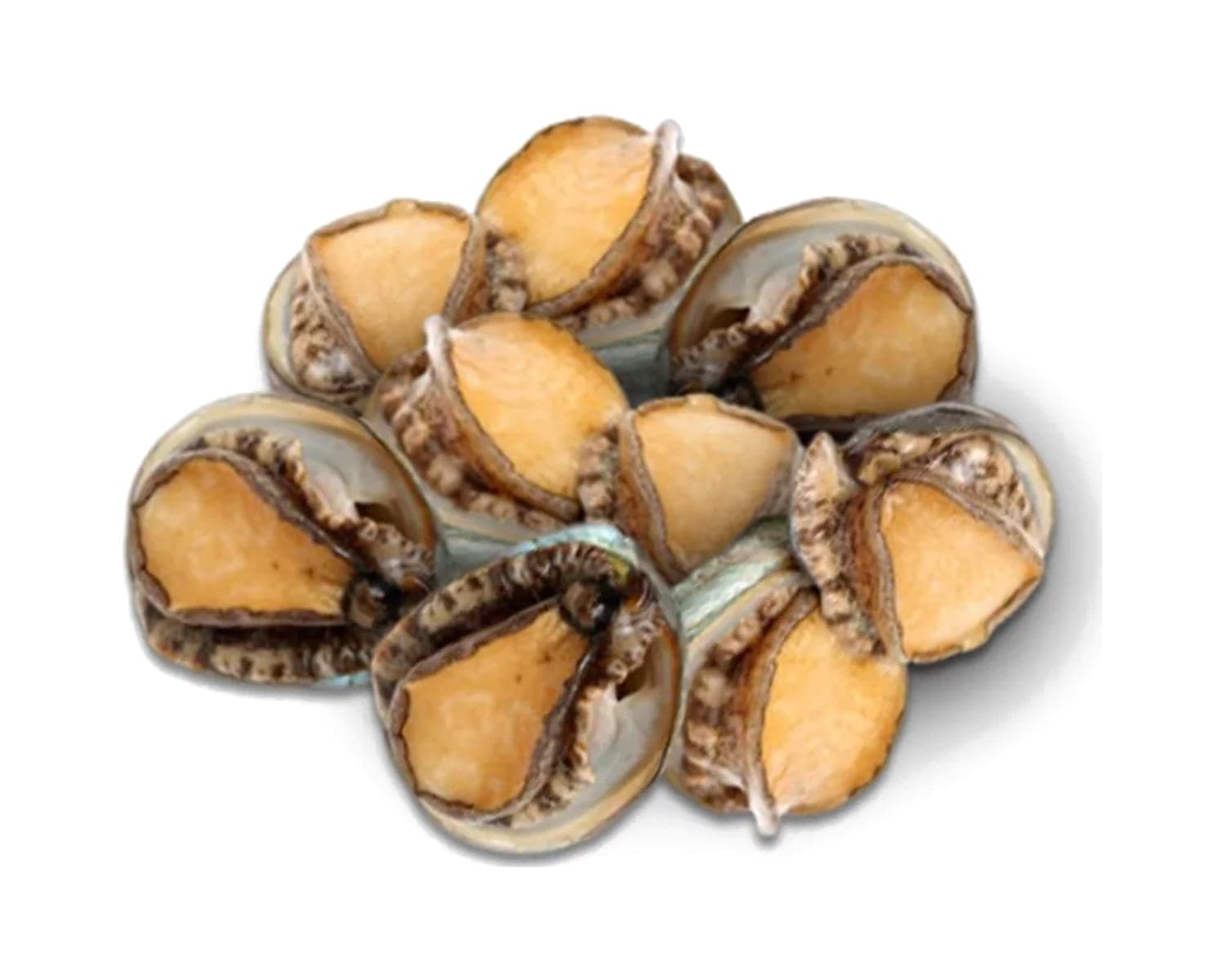
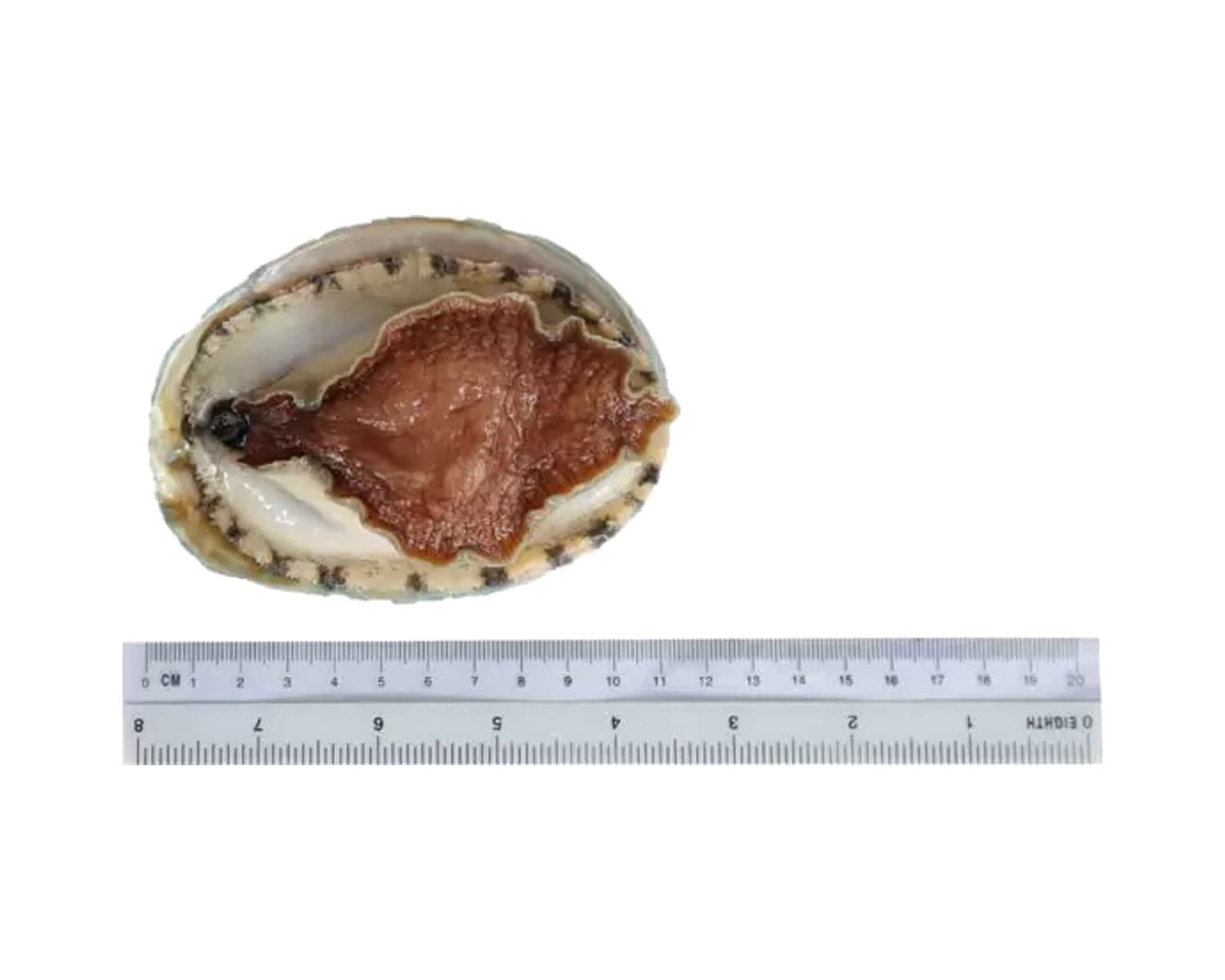
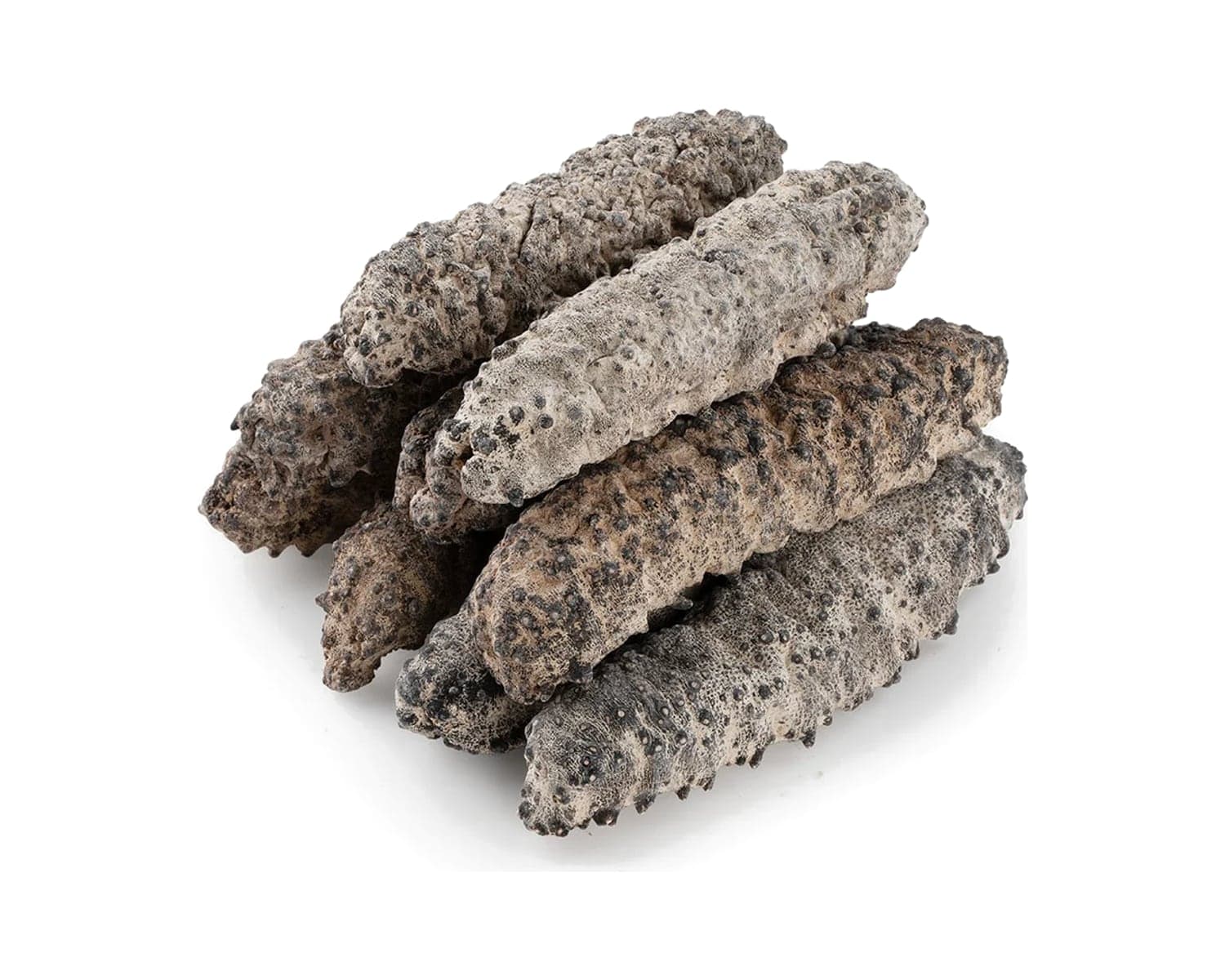
Dried abalone is priced by the kilogram but judged by the piece. A banquet kitchen plating one whole abalone per guest, or a retailer filling a gift box with six matched pieces, is buying size, shape and eating quality in a single decision, and the trade expresses size through head count. Species, origin and drying matter just as much, because they decide whether the lot softens into the dense, yielding texture that Cantonese braising aims for.
This guide explains how head count works and why the unit behind it must be confirmed, how origin and drying style shape the product, what to check by eye and by hand, and how to run a soak-and-braise trial that turns a sample into comparable figures. It is written for importers, distributors and chefs weighing up our dried abalone or any other offer, and it assumes throughout that every lot is a declared species with documented lawful origin.
Key takeaways
- Head count is pieces per catty: the lower the count, the larger and scarcer the abalone.
- Confirm the catty behind every offer and contract on pieces per kilogram.
- Origin, wild or farmed status and drying style shape texture as much as size does, and a tong sum heart is a trait to test rather than a guarantee.
- Grade on shape, color, bloom, skirt, dryness and odor across several cartons, and weigh a sample to verify the count.
- Approve volume only after a recorded soak-and-braise trial, with lawful origin documented for every lot.
Head count: what the number means
Head count (頭數) is the number of dried abalone that together weigh one catty (斤). A 20-head lot takes about twenty pieces to make up a catty, while a 10-head lot needs only about ten, so each of its pieces is roughly twice as heavy. The relationship is inverse: the lower the count, the larger the abalone. Large pieces come from older animals that take years to reach size, so they are scarcer, and price per kilogram generally climbs steeply as the count falls.
The catty itself needs care. In Hong Kong trade it is taken as roughly 600 g, a rounding of its traditional definition of about 604.8 g, and that is the basis on which head counts are customarily quoted in the Cantonese trade. The jin used in mainland China is 500 g, however, and a head figure calculated on that unit describes smaller pieces than the same figure on a Hong Kong catty. Confirm which unit each offer uses, and ask for the equivalent pieces per kilogram, which is the figure worth writing into a contract.
| Head count (pieces per catty) | Average dried weight per piece | Approximate pieces per kilogram |
|---|---|---|
| 10-head | About 60 g | About 17 |
| 20-head | About 30 g | About 33 |
| 30-head | About 20 g | About 50 |
| 40-head | About 15 g | About 67 |
Some offers quote a band, such as 15–20 head, instead of a single number. Ask for the spread within the band as well as the average, since mixed sizes show at once on a plate or in a gift tray.
Species, origin, and wild versus farmed
Abalone are marine snails of the genus Haliotis, and the dried trade draws on several species. Most farmed Asian supply is Pacific abalone (Haliotis discus hannai) from China and Korea. South Africa now supplies mainly farmed Haliotis midae, and Australia produces greenlip (Haliotis laevigata) and blacklip (Haliotis rubra) from managed wild fisheries and farms. Wild or ranched dried abalone also comes from Japan, Mexico and Oman, typically under quotas, seasons or size limits that cap volume and can lengthen lead times.
Wild and farmed abalone differ more in consistency than in kind. Farmed stock is harvested to plan, so size and color run evenly and supply is steadier, which suits mid and higher head counts for retail packs and set menus. Wild stock varies from piece to piece and season to season, and because farms generally harvest before animals reach the largest sizes, very low head counts depend more on wild supply. Neither is automatically superior; origin preference often rests on tradition and the drying house as much as on the animal.
Drying styles and the tong sum heart
The basic sequence is broadly shared. The abalone is shucked, the viscera removed and the meat cleaned, then salted, boiled and dried in stages, often in the sun over several weeks and sometimes finished at low temperature indoors. Drying houses differ in salting, boiling time, the number of drying and resting cycles and how long stock is held, and those choices decide how dense the meat becomes and how each piece responds to soaking.
Well-made dried abalone, correctly soaked and braised, can develop what the trade calls a tong sum heart (溏心, also written 糖心 and rendered as a soft or candied heart): a center that turns soft, glossy and slightly sticky while the outer meat stays resilient. It is one of the most prized traits in premium dried abalone, but it is not a fixed property of a lot. Species, drying method, age of stock and the kitchen’s own soaking and cooking all play a part, so treat it as a characteristic to confirm in a trial, not a specification any supplier can guarantee.
Visual and handling checks
Examine pieces from several cartons in good daylight, and handle them. Each attribute below can be checked and recorded on its own, and the table sets out what a sound lot shows alongside the signs that it may not deserve its grade.
| Attribute | What a sound lot shows | Warning signs |
|---|---|---|
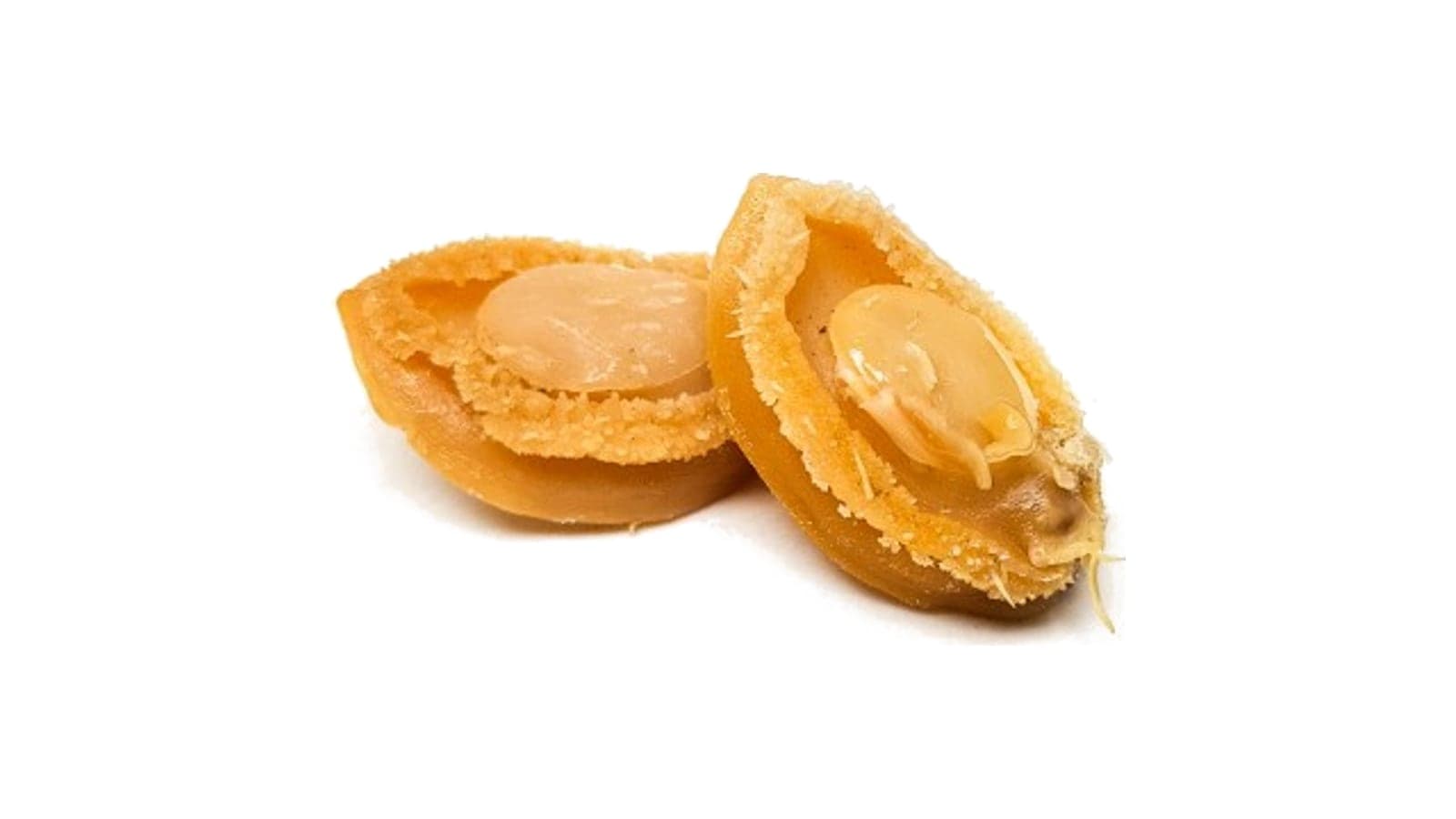
| Shape | Full, even oval with a plump profile; outlines matched across the pack | Flattened, twisted or lopsided pieces; cracks, splits or broken edges |
| Color | An even tone for the origin and drying style, anywhere from amber to deep brown, consistent between pieces | Blotchy or scorched patches, or a few pieces clearly unlike the rest |
| Surface bloom | A fine, pale, evenly spread bloom that is dry to the touch | Fuzzy, raised or colored growth, usually in folds or along the skirt, with a musty smell: this is mold, not bloom |
| Skirt | The frilled rim around the foot intact, even and cleanly finished | Torn, ragged or heavily trimmed skirts; debris lodged in the fringe |
| Moisture | Firm and rigid through the core, with no give under gentle pressure | Flex when pressed, a tacky surface, or condensation inside the bag |
| Odor | Clean, savory marine aroma, sometimes faintly sweet | Sour, musty, ammoniacal or rancid notes |
| Pests and damage | Intact surfaces and clean packaging | Bore holes, insect fragments, droppings or webbing in the pack |
Weigh as well as look: count the pieces in a weighed sample and convert to pieces per kilogram. An under-dried piece weighs more than it should, so a damp lot can appear to meet a lower head count than its true size justifies, while carrying a higher mold risk.
Soaking and yield testing for trial lots
Visual grading narrows the choice, but the deciding evidence is how the abalone performs in your own kitchen. Draw trial pieces from the actual lot on offer and put every candidate through one method, so that differences in the result reflect the product rather than the cook.
- Weigh and photograph each trial piece dry, noting the lot reference, head count and origin.
- Rinse, then soak in clean cold water under refrigeration, changing the water daily, until the pieces have softened and swelled evenly. This typically takes one to several days, and large, dense pieces need longer than small ones.
- Brush away surface residue, trim any hard or discolored areas, and weigh again to record the soaked weight.
- Cook the pieces in your standard braise, for the full time and at the heat you normally use.
- Weigh the cooked pieces, then slice one through the center to judge the heart, the bite of the outer meat and any lingering odor.
- Express soaked and cooked weight as ratios of dry weight, score texture and appearance, and file the sheet under the lot reference.
Yield moves with species, size, drying and age, so compare lots tested the same way and never assume one lot’s figure for the next. Keep a sealed reference portion of the approved lot; testing it beside the bulk delivery shows whether the grade has held.
Documents and species declaration
Each offer should give the scientific name, the country of origin and wild or farmed status and, for wild stock, the fishery or harvest area. A typical shipment travels with a commercial invoice, packing list, certificate of origin and health certificate, plus an export permit, catch documentation or farm declaration where the origin calls for one. Settle the exact list with your customs broker before the first order, since it depends on origin and destination and conditions are revised periodically.
- Scientific name identical on the offer, invoice, packing list and carton label
- Head count with the catty definition used, plus pieces per kilogram and a tolerance
- Lot code linking each carton to its drying and packing records
- Net weight of abalone stated separately from boxes, trays and inserts in gift packs
Our export quality assurance page describes how lots are inspected and documented before loading, and the guide on importing dried seafood explains how paperwork and tariff classification differ between destinations.
Comparing offers on equal terms
Abalone offers rarely arrive in the same shape. One quotes a Hong Kong head count in bulk vacuum bags, another a band of pieces per kilogram in gift boxes, a third a style name with no species at all. Before comparing prices, put every offer on a common footing:
- Unit. Convert each head count to pieces per kilogram, noting which catty the seller used.
- Distribution. Ask for the size spread within the band, not only the average.
- Origin, drying and age. Compare like with like: a wild and a farmed lot at one count are different products, and drying style and holding time matter too.
- Net weight. Price per net kilogram of abalone, excluding packaging.
- Cost per portion. Turn your trial yield into a cost per plated piece or serving.
The lowest price per kilogram does not always produce the cheapest dish. Our guide to choosing premium seafood ingredients for restaurants and retail works through cost per plated portion, and kitchens short of soaking time can set dried stock against frozen abalone.
Trial-lot checklist
Before approving a lot for volume, confirm each point below and keep the record with the lot reference.
- Species, origin and wild or farmed status declared and consistent across all documents
- Head count, catty basis and pieces per kilogram verified on a weighed sample
- Size spread within the band acceptable for the intended dish or pack
- Shape, color and skirt consistent through several cartons, not only the top layer
- Bloom distinguished from mold; pieces firm to the core, with no musty, sour or rancid odor
- Soak and braise results recorded, including weights and a cut-through photograph
- Written specification and photographs of the actual lot agreed before shipment
- Sealed reference portion retained for checking later deliveries
This guide is general trade information, not legal or regulatory advice. Requirements differ by market and change over time; confirm current rules with your customs broker or competent authority before ordering.