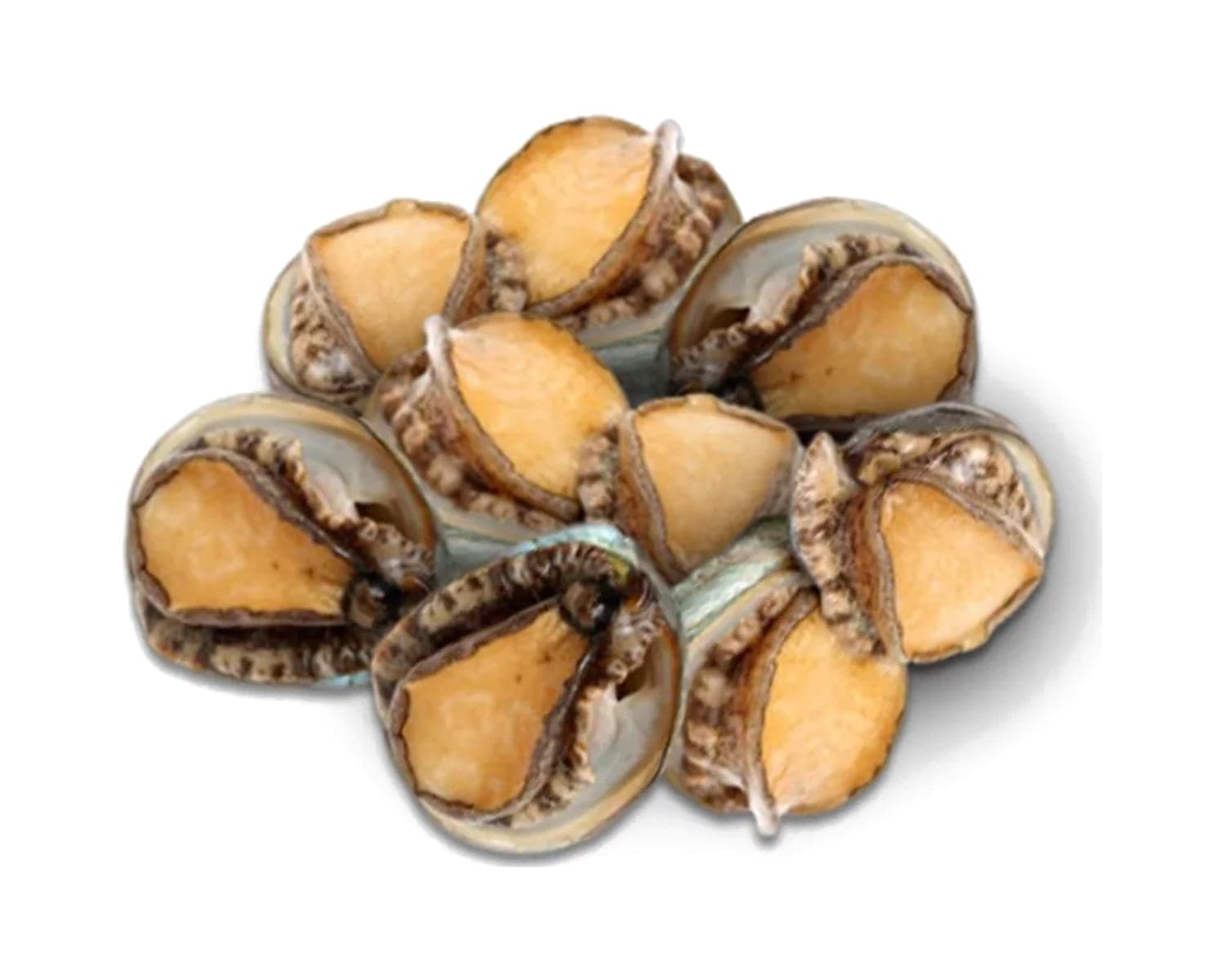
Frozen & Live Seafood
Frozen Abalone
Farmed abalone in-shell, shucked or braised, sized per kilogram
Frozen
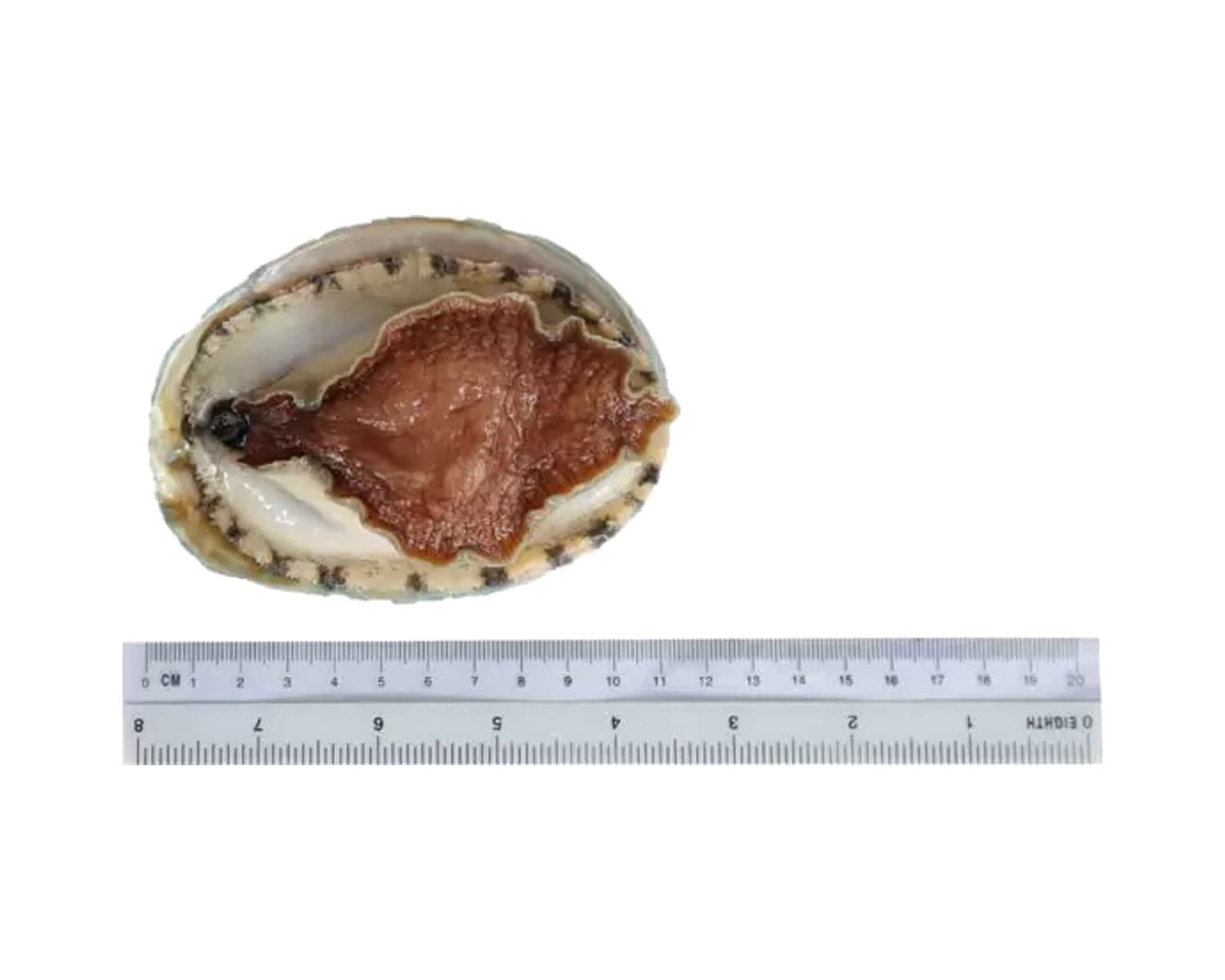
Where transit times and import rules allow, BSA Food Products arranges air shipments of live farmed abalone in chilled moist packs or oxygenated seawater bags for restaurants, seafood wholesalers and tank holders.
Indicative; confirmed per lot on each quotation.
Live abalone serves kitchens that want to shuck to order, slice it raw or display stock in a tank, and it is the most demanding product in our frozen and live range to deliver. We arrange it only where feasible: the route has to keep the animals out of water for a short enough period, and the destination has to accept live molluscs from the farm’s country of origin.
Supply comes from Pacific abalone (Haliotis discus hannai) grown on Korean or Chinese farms and from South African farms producing Haliotis midae, with other farmed species considered case by case. Before packing, animals are typically held without feed for a period so that they travel calmly, then graded by weight and checked for vigor: a firm grip on the tank wall and a quick response to touch. They travel in insulated boxes, either on damp seaweed or sponge in chilled, humid conditions or in sealed bags of oxygenated seawater, with gel ice holding a low, steady temperature.
Survival depends on the whole journey from farm tank to customer tank. Handling at the departure airport, flight connections, customs and veterinary clearance and the final delivery all add hours, so direct flights and pre-arranged clearance make the biggest difference. We discuss a realistic door-to-door window before confirming any order, agree a written allowance for mortality in advance, and ask the consignee to record the condition of each box with photographs on opening.
If a live program is not practical for your market or volume, whole in-shell frozen abalone offers a similar plate presentation, and dried abalone serves slow-braised banquet dishes.
Specification sheet
Indicative values. Final specifications are confirmed per lot on the quotation and certificate of analysis.
| Species | Haliotis discus hannai; Haliotis midae; others by arrangement |
|---|---|
| Production | Farmed only |
| Origin | Korea, China, South Africa; farm named per consignment |
| Grading | Individual live weight or pieces per kg, tolerance agreed |
| Condition at packing | Vigor checked; weak or damaged animals removed |
| Packing system | Chilled moist pack or oxygenated seawater bag in insulated box |
| Transport | Air freight; direct routings preferred |
| Survival | Depends on total transit time; mortality allowance agreed per order |
| Documents | Aquatic-animal health certificate, import permit where required, certificate of origin, air waybill |
| Minimum order | Typically from around 50 kg live weight per consignment, since smaller volumes rarely justify the air freight and clearance costs. |
| Lead time | Around 1–2 weeks to book once a route and permits are in place; a first shipment takes longer while import documentation is arranged. |
FAQ
Only to destinations that accept live abalone from the farm’s country of origin and where a workable flight routing exists. Several markets restrict or prohibit live mollusc imports for biosecurity reasons, and others accept them only with an advance import permit and specific health attestations. Tell us your arrival airport and whether the animals will go into tanks, and our export specialists will check feasibility before any quotation.
Well-conditioned, correctly chilled farmed abalone can typically tolerate a journey measured in hours to around a day or so out of water, but tolerance varies with species, size, water temperature at the farm and handling along the way. For that reason we plan around total door-to-door time rather than flight time alone, and we will advise against a route where connections or clearance make the window too long.
A small level of mortality is a normal risk with live shellfish, so we agree an allowance in writing before shipping. If losses exceed it, we need photographs of each box on opening, the arrival temperature and the time of unpacking, together with the air waybill details. These records let us identify where the problem arose and settle the claim fairly with the farm and carrier.
No. Our live program uses farmed abalone only, because farmed animals are graded to size, conditioned in tanks before packing and come with a traceable production history that animal-health authorities can verify. Many wild abalone fisheries are tightly controlled or closed, and some wild species are protected, so we do not offer live wild stock from any origin.
Related
Frozen & Live Seafood
Farmed abalone in-shell, shucked or braised, sized per kilogram
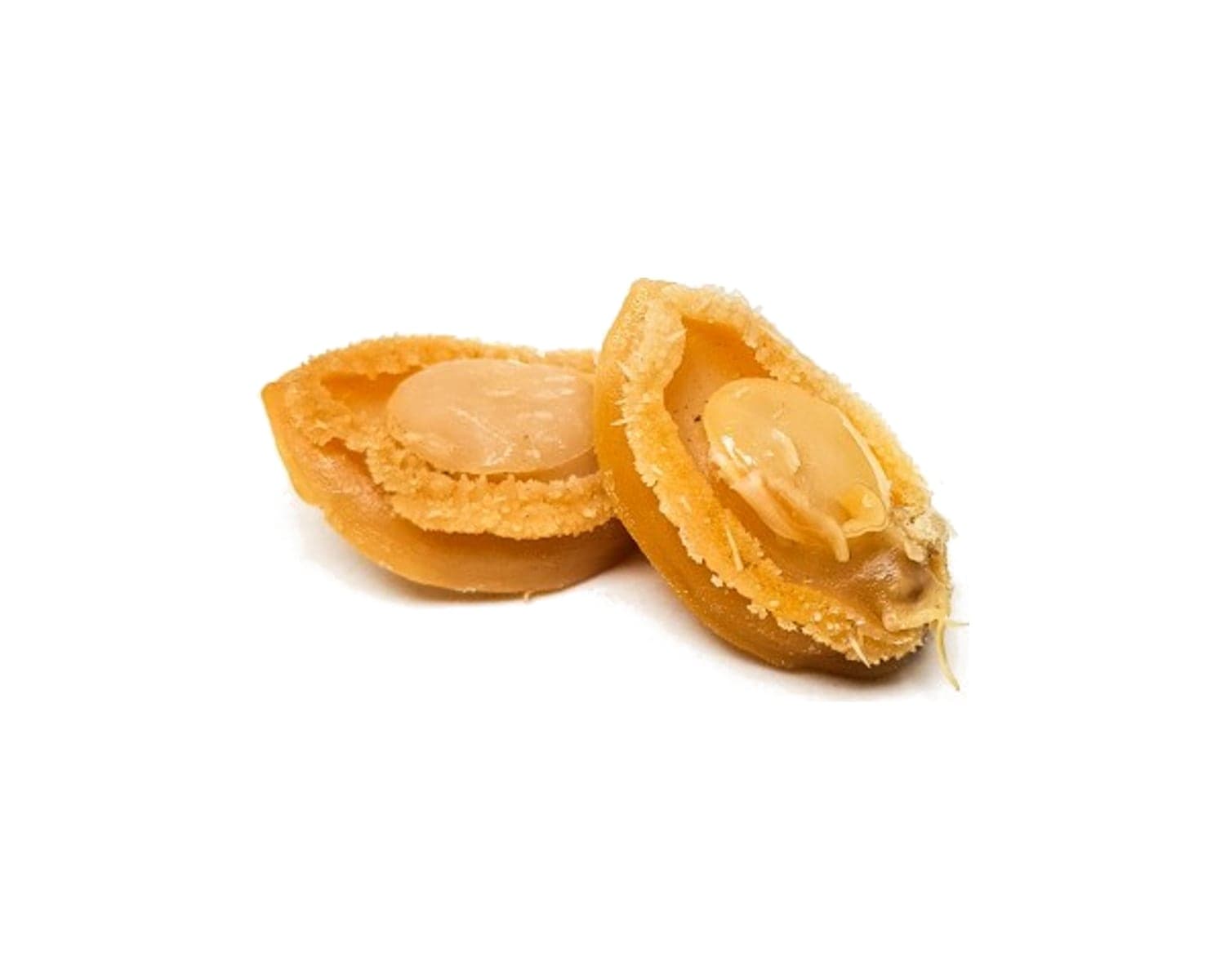
Premium Marine Delicacies
Wild and farmed abalone, sun-dried and graded by head count
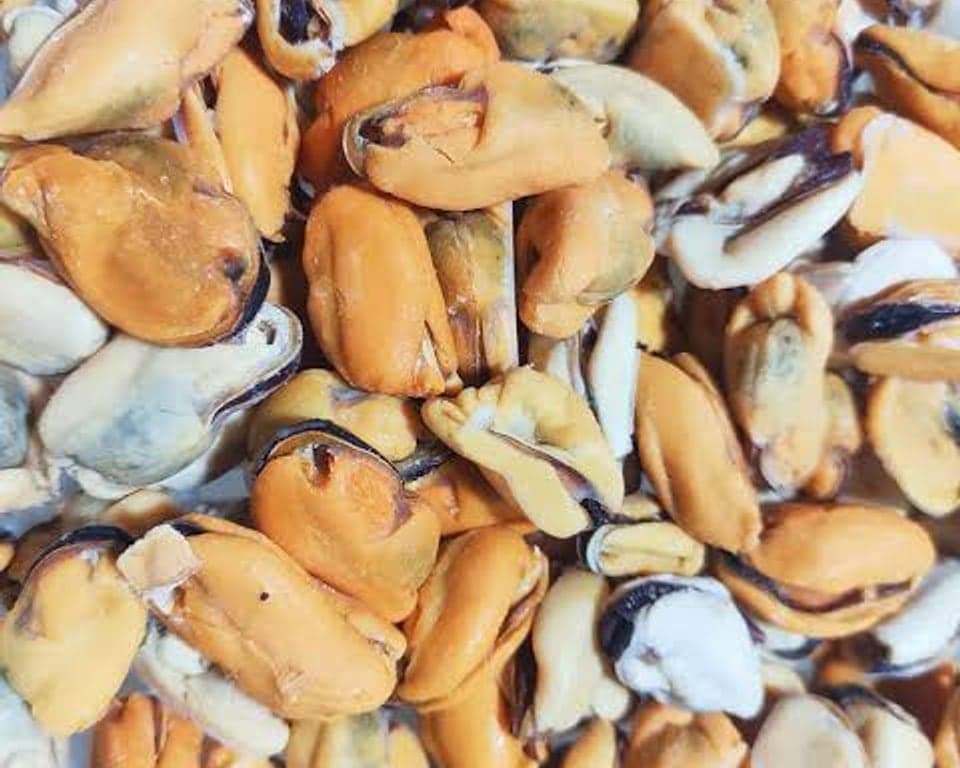
Frozen & Live Seafood
Scallops, clams, mussels, oysters and whelk, IQF and half-shell
Frozen & Live Seafood
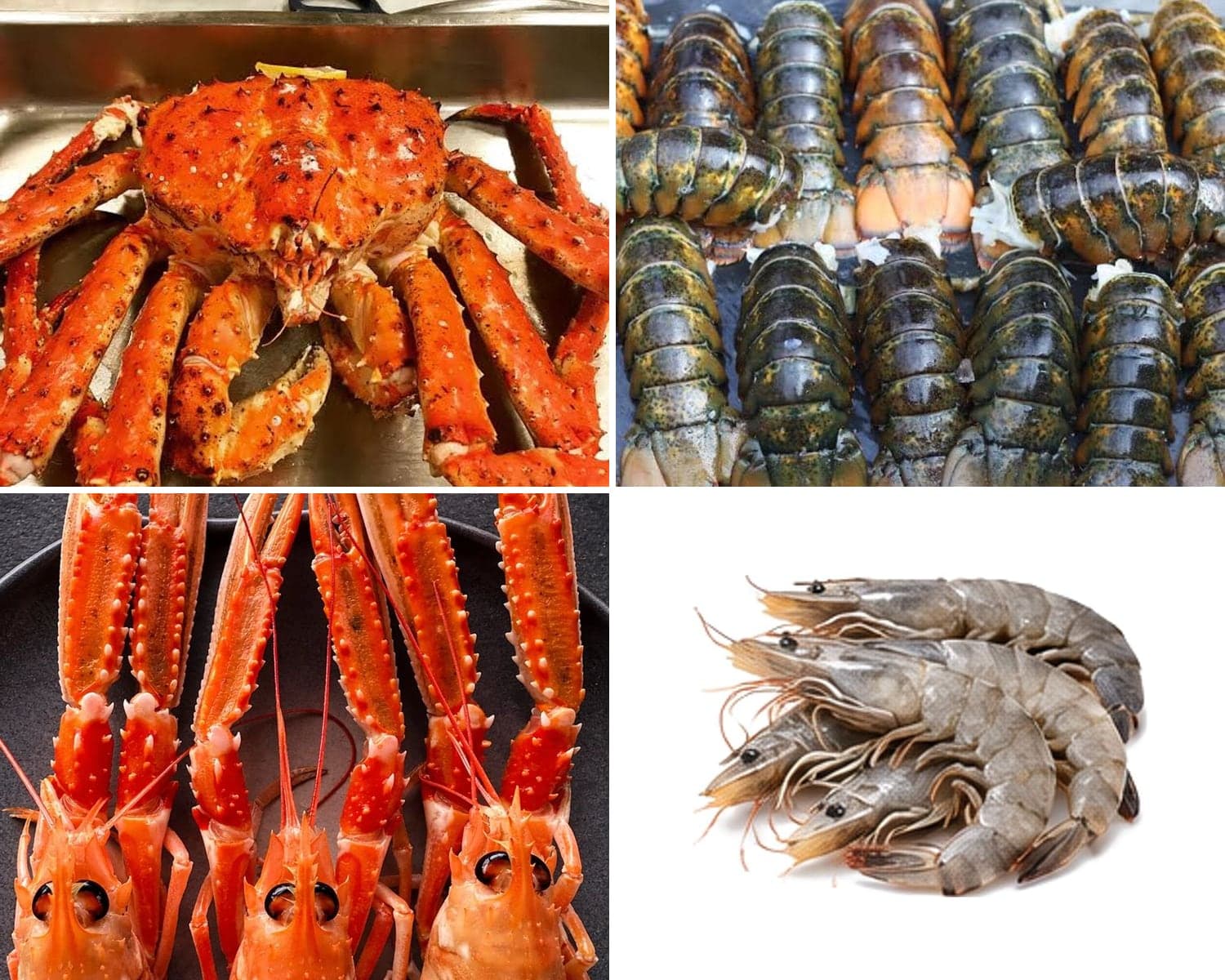
Crab, lobster, langoustine, geoduck and shrimp, sourced to brief
Species Profiles7 min read
Which Haliotis species reach the market, what each is called from Hong Kong to Cape Town, where farmed and wild abalone comes from, and how kitchens in Asia and North America cook it.
Read the guide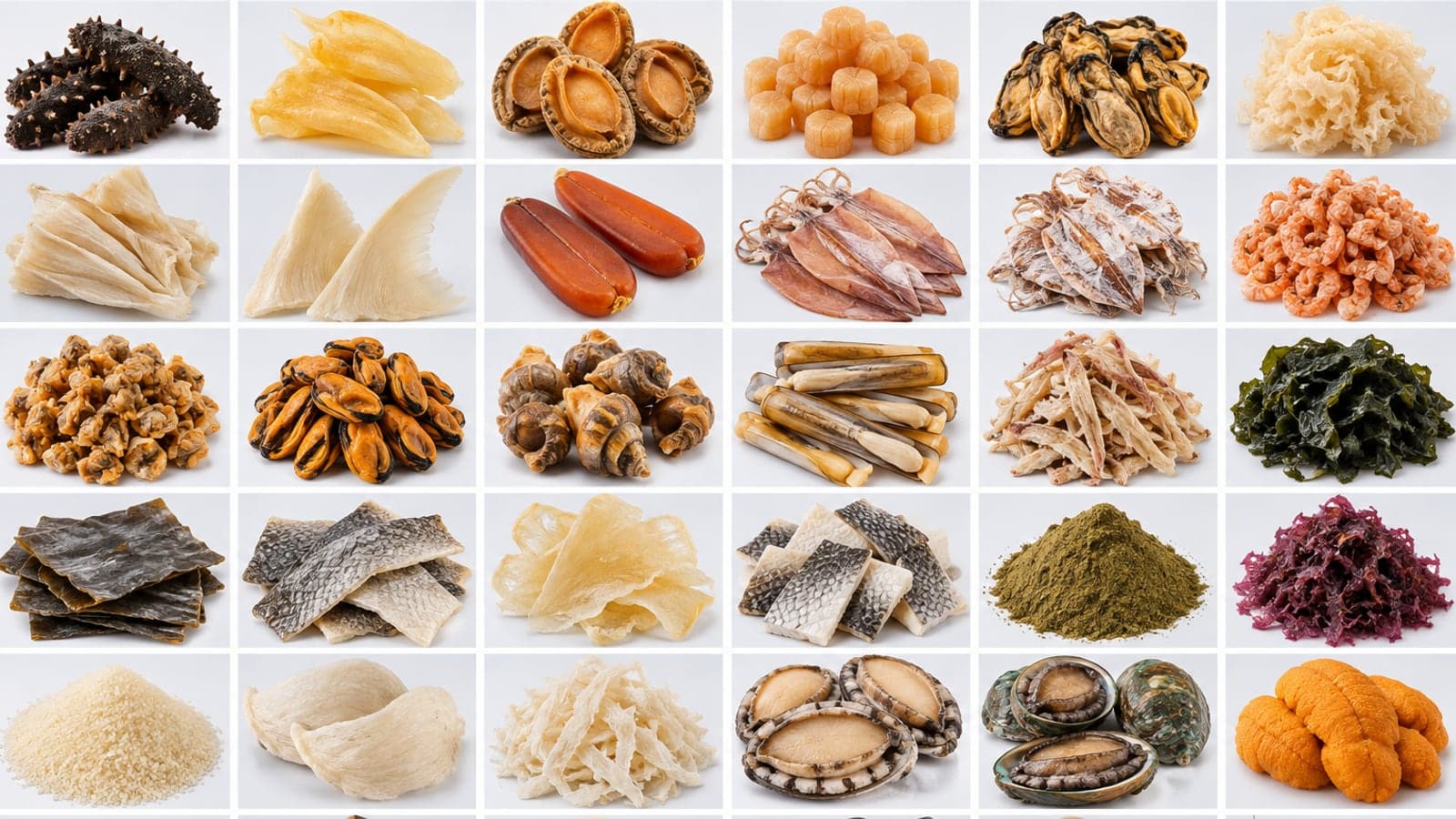
Import & Compliance7 min read
The market-access, species, documentation, classification and commercial checks an importer should complete before placing a first order for dried seafood.
Read the guide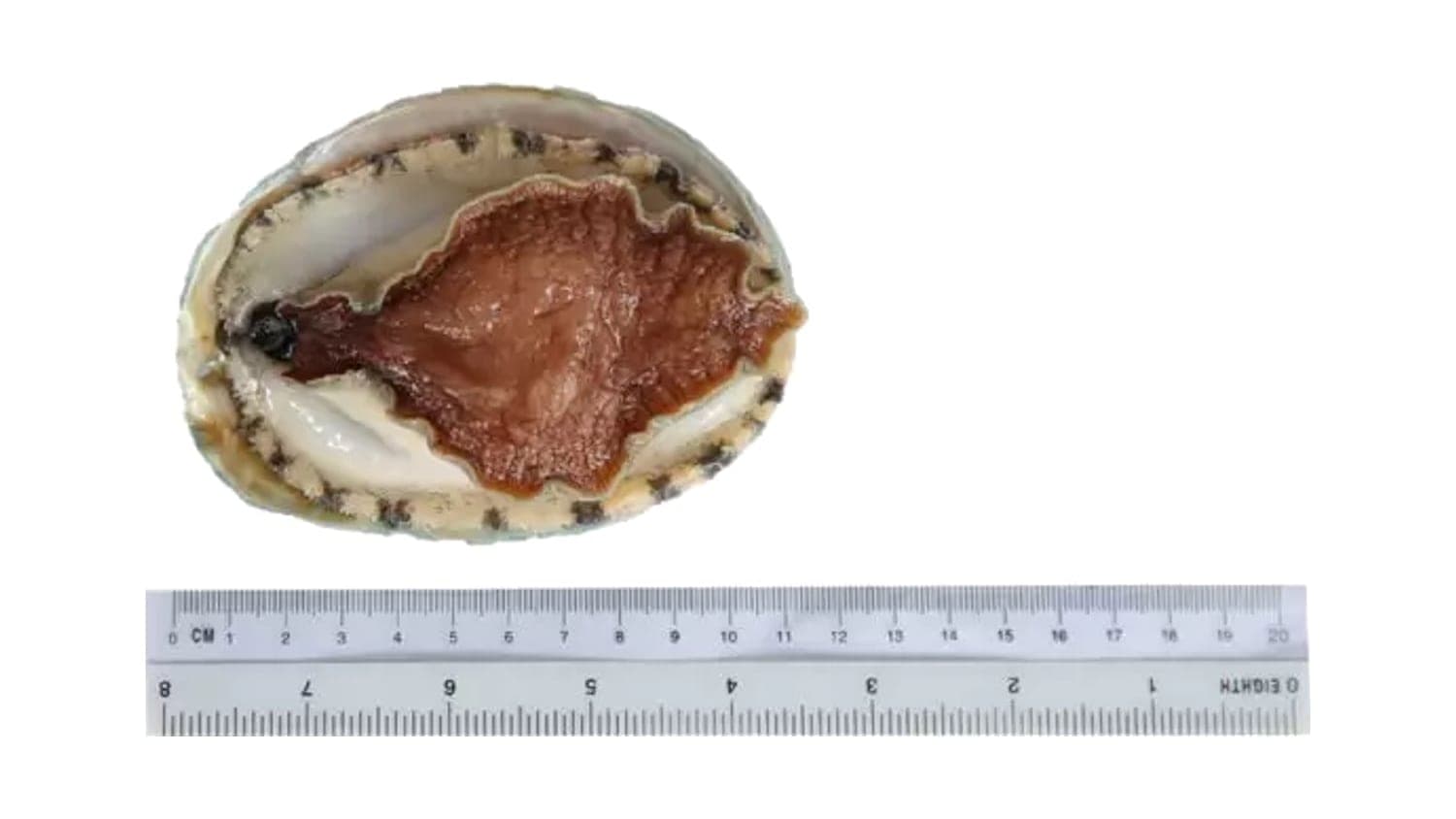
Quality & Grading8 min read
A working method for grading dried abalone by head count, origin, drying style and condition, with a soak-and-braise trial protocol and a checklist for comparing offers on equal terms.
Read the guideRequest a quote
Share your target grade, packing, volume and destination. We confirm availability, documentation for your market and a formal quotation, usually within one business day.